Camera Reviews
Sigma fp L Review: When Design Matters More Than Performance
A candid look at the Sigma fp L full-frame camera after three months of use. Beautiful to hold, compromised in practice, and utterly illogical to buy.
Introduction
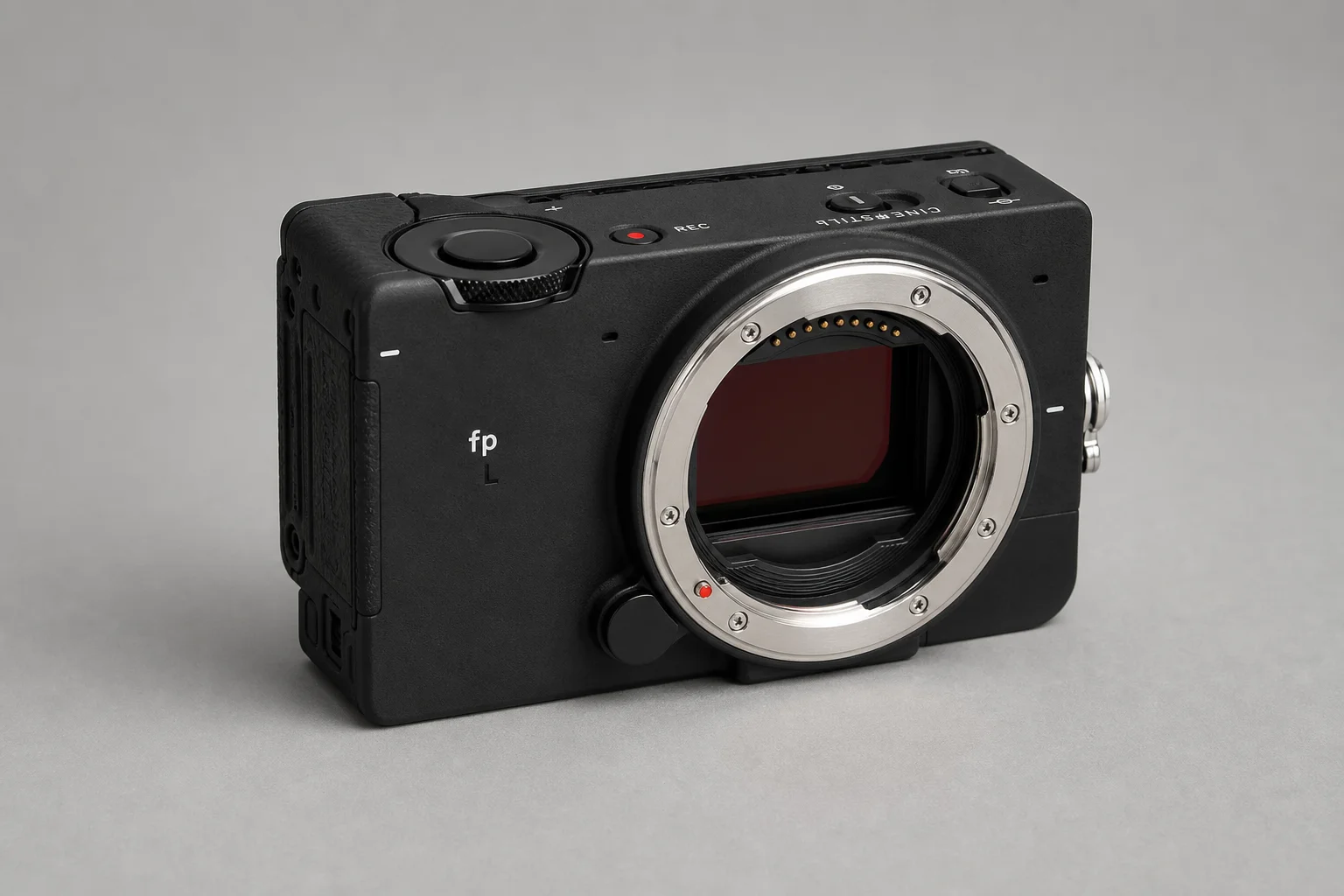
After three months with the Sigma fp L, I can confirm what seemed illogical at first purchase still feels illogical now. Yet I have not sold it. The Sigma fp L is a full-frame camera that prioritizes aesthetic design and tactile appeal over raw performance metrics. At approximately 2,000 USD, it occupies an unusual position in the market: a camera that makes no practical sense but somehow compels you to use it anyway.
Design and Build Quality
The Sigma fp L arrives in minimal, eco-conscious packaging that sets the tone for what lies inside. The camera itself is compact, smaller than most full-frame bodies, with clean slab-sided surfaces and a minimalist control layout. It feels premium in hand, with a weight and balance that encourages extended use.
However, the design comes with a sharp edge. The hard edges of the body are genuinely uncomfortable during extended handheld shooting. If you have bony fingers, you will feel this. The curved edges provide some relief, but not enough to eliminate the discomfort entirely. I purchased a third-party grip to address this, but every option available either looks awkward or costs significantly more than it should. The Sigma fp L’s aesthetic appeal is undermined the moment you add a grip to make it comfortable.
The Viewfinder Compromise
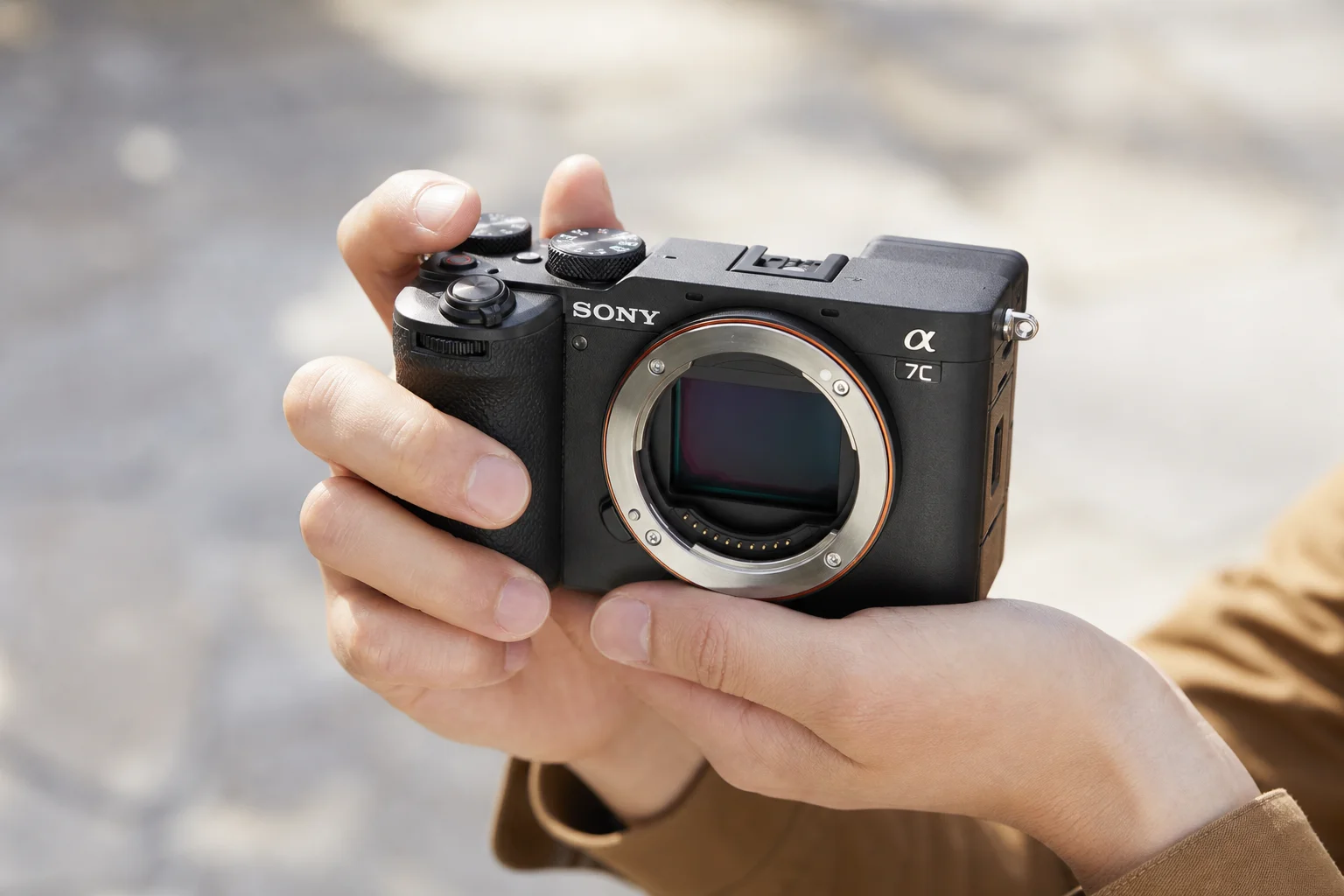
The Sigma fp L has no electronic viewfinder, relying entirely on the rear LCD screen for composition. This is a meaningful compromise at this price point. For comparison, the Sony A7C II and Nikon Zf both offer electronic viewfinders at the same or lower cost.
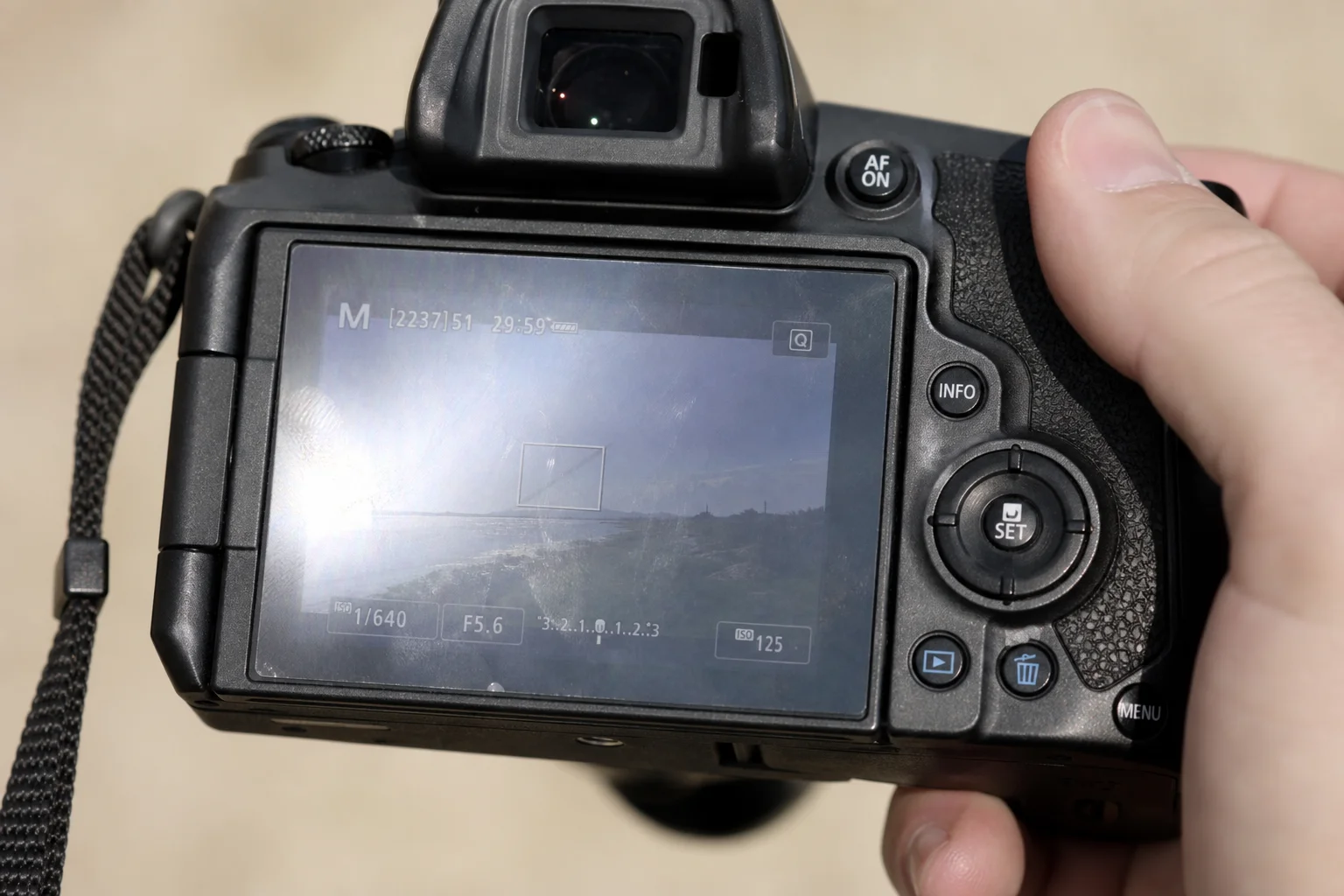
The LCD screen is difficult to see in bright sunlight, which is problematic for outdoor photography. On a sunny day, composing through the rear screen becomes nearly impossible without shading it with your body or hand. An electronic viewfinder would have solved this entirely. The camera does include a flapless USB-C port, which is elegant but exposes the connector to pocket lint and fingerprints in ways a covered port would not.
Battery Life and Storage
The battery is tiny and holds charge for fewer than 200 shots. Sigma recommends purchasing at least one spare battery and an external charger. The charger is not inexpensive, though it does charge two batteries simultaneously and saves you from charging inside the camera.
Internal storage is 230 GB, which accommodates approximately 14,000 JPEGs, 4,300 uncompressed RAW DNG files, or 2.5 hours of 6K video. The storage is adequate for most shooting sessions, though the limited battery life means you will likely change batteries before filling the drive.
Video Performance
The Sigma fp L can shoot 6K video, but this is not where the camera excels. Continuous autofocus feels like a previous-generation implementation, with focus hunting that is distracted by trees and other scene elements. Panasonic’s current-generation continuous autofocus is noticeably better. The camera lacks sensor-shift stabilization, relying only on electronic stabilization, which produces a 1.25x crop and less smooth footage than competitors. Video is functional but not a reason to choose this camera.
Lens Pairing and Aesthetics
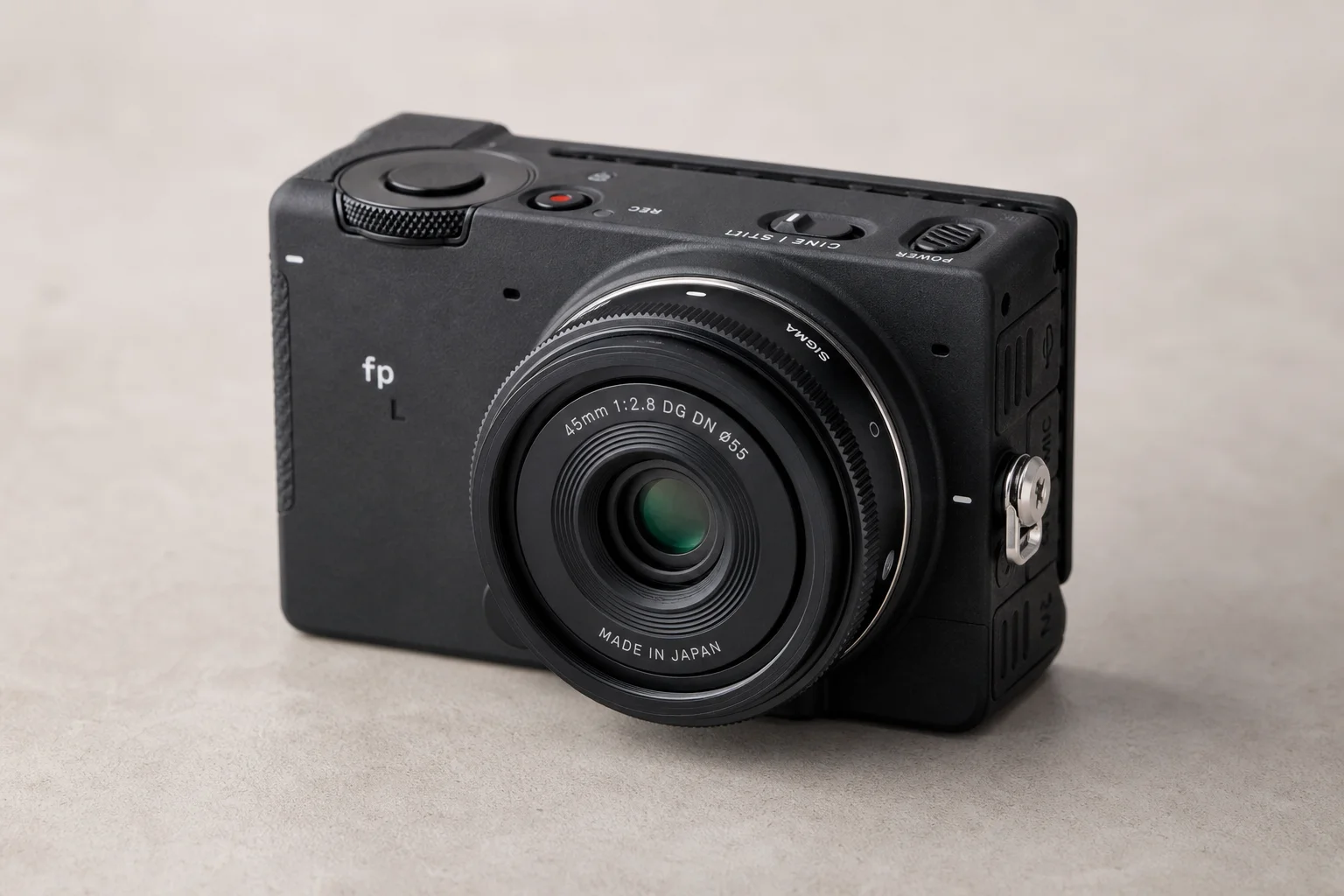
The Sigma fp L uses the L-mount, shared with Panasonic and Leica. Sigma manufactures lenses for this mount, and they pair beautifully with the camera body. Unfortunately, many of these lenses remain on pre-order, making them difficult to obtain.
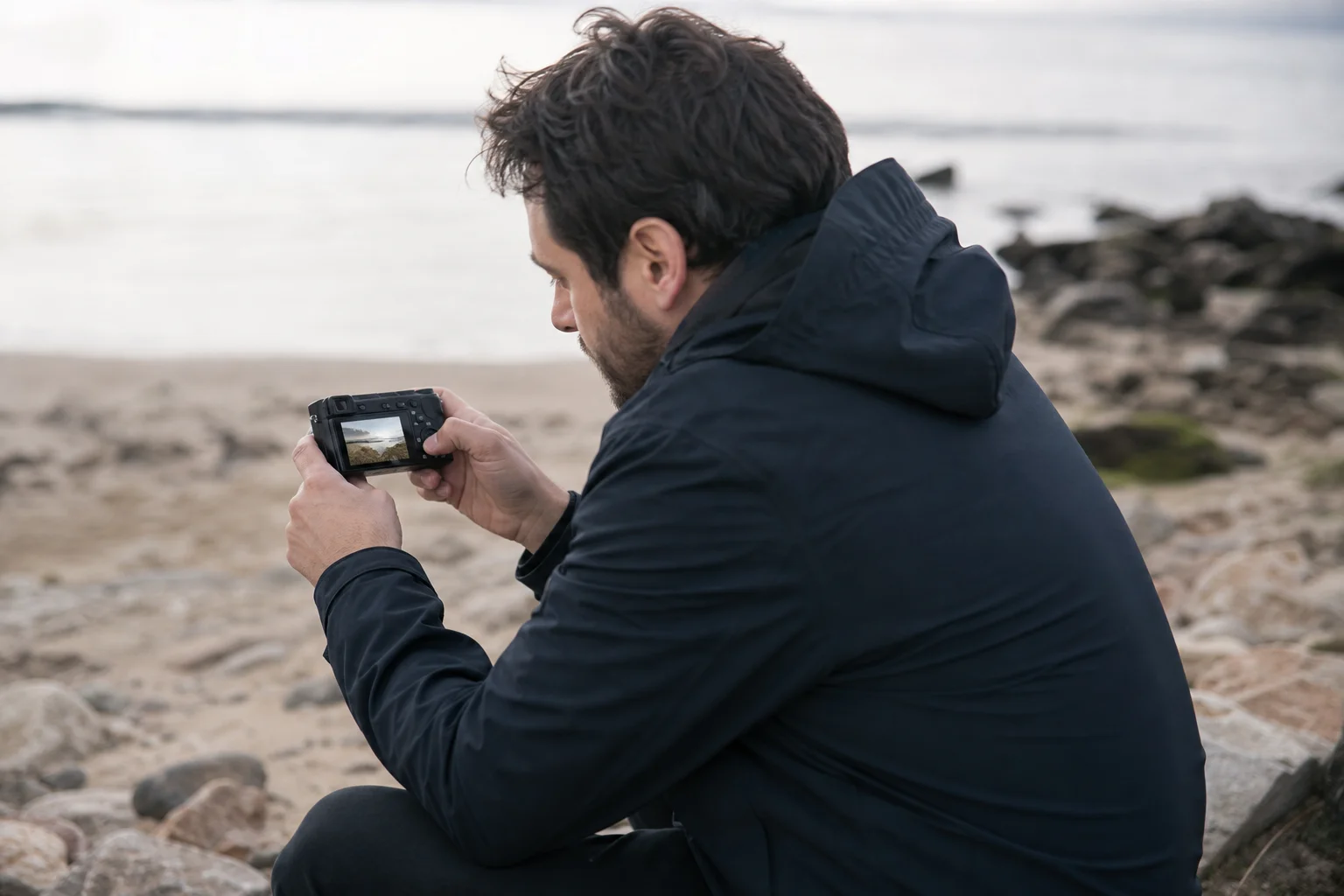
Using other L-mount lenses exposes a fundamental problem: most lenses do not match the aesthetic of the Sigma fp L. The Panasonic Lumix pancake lens is compact and silver, making it one of the better visual pairings, though it lacks the visual impact of Sigma’s own designs. The manual focus assist on the Sigma fp L is excellent, and pairing it with a manual focus lens that has an aperture ring actually suits the camera’s minimalist philosophy. This is not a camera for technical shooters who need rapid adjustment of multiple parameters. It is a camera for those who value the experience of using it over the technical specifications.
Performance and Autofocus
Autofocus performance is not a weakness. The camera focuses quickly and accurately in most conditions. The haptic buttons with quick half-press preview are thoughtful touches, and the standby mode allows rapid wake or power-on. These details matter for the experience of using the camera, even if they do not improve the final image.
Comparison to Alternatives
The Sigma fp L cannot be reasonably justified as a practical choice over competitors. The Sony A7C II offers an electronic viewfinder, superior autofocus, and better video performance at the same price. The Nikon Zf provides similar performance with a different aesthetic. The Panasonic Lumix S9 is smaller and less expensive. Even used alternatives like the Leica M-Type 240 offer different strengths. None of these cameras are the Sigma fp L.
Conclusion
The Sigma fp L is not a sensible purchase. It will not take more beautiful photographs than the competition. It will not perform better. It is beautiful to look at, and it makes you want to use it despite its compromises. To want one, you must be completely illogical about it. After three months, I still think it is cool. That is not a reason to buy a camera, but it is why I have not sold mine.
Product link
View more details for Sigma fp L
This product is mentioned in the review. Check the specifications, options, and compatibility before buying.
View more details for Sigma fp LFurther reading
Related Reviews
Camera Reviews
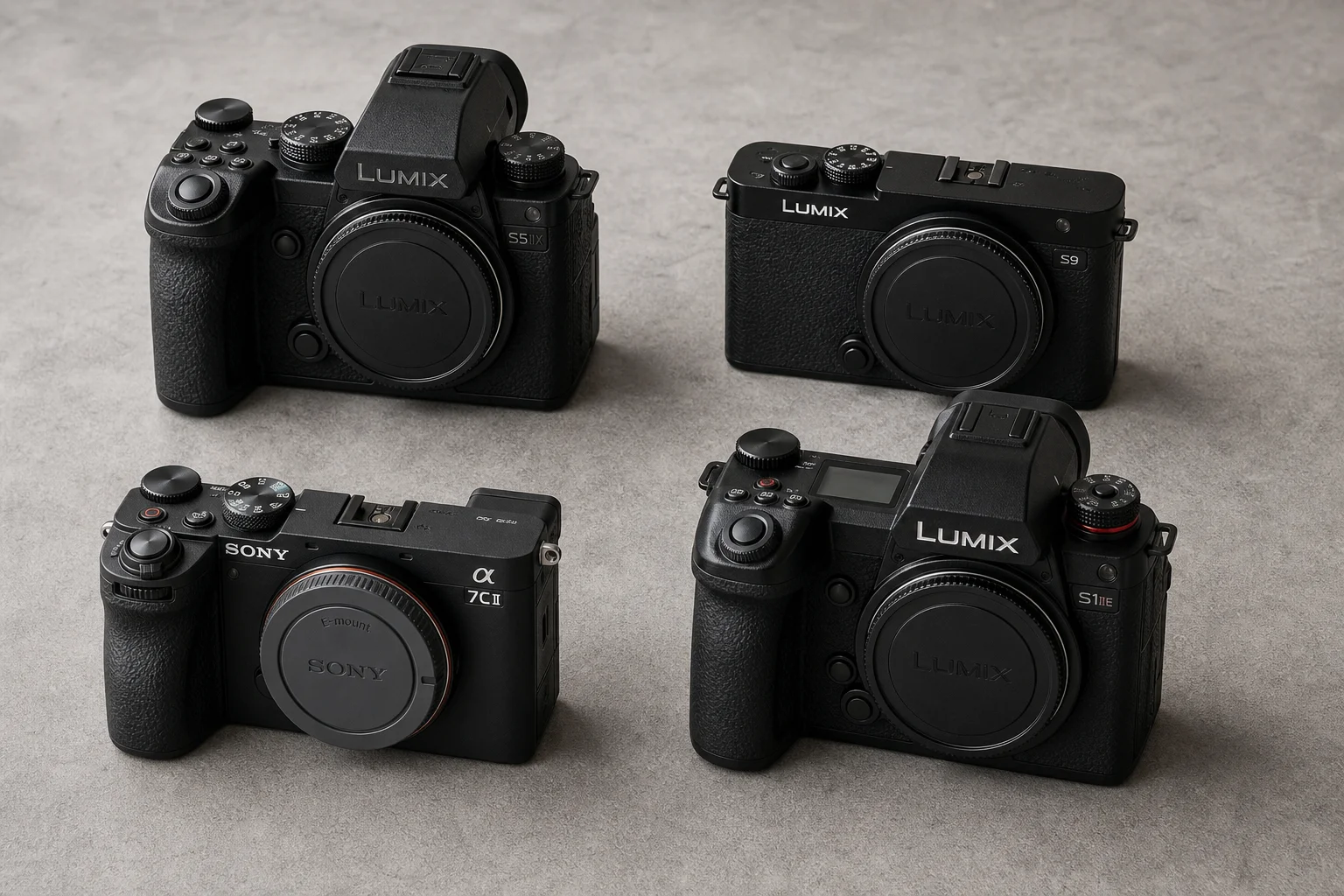
Best Budget Full-Frame Cameras for Video: Four Strong Options Compared
Four full-frame cameras that deliver excellent video capabilities without premium pricing. Lumix leads with unique features, while Sony offers strong autofocus for hybrid shooters.
Camera Reviews
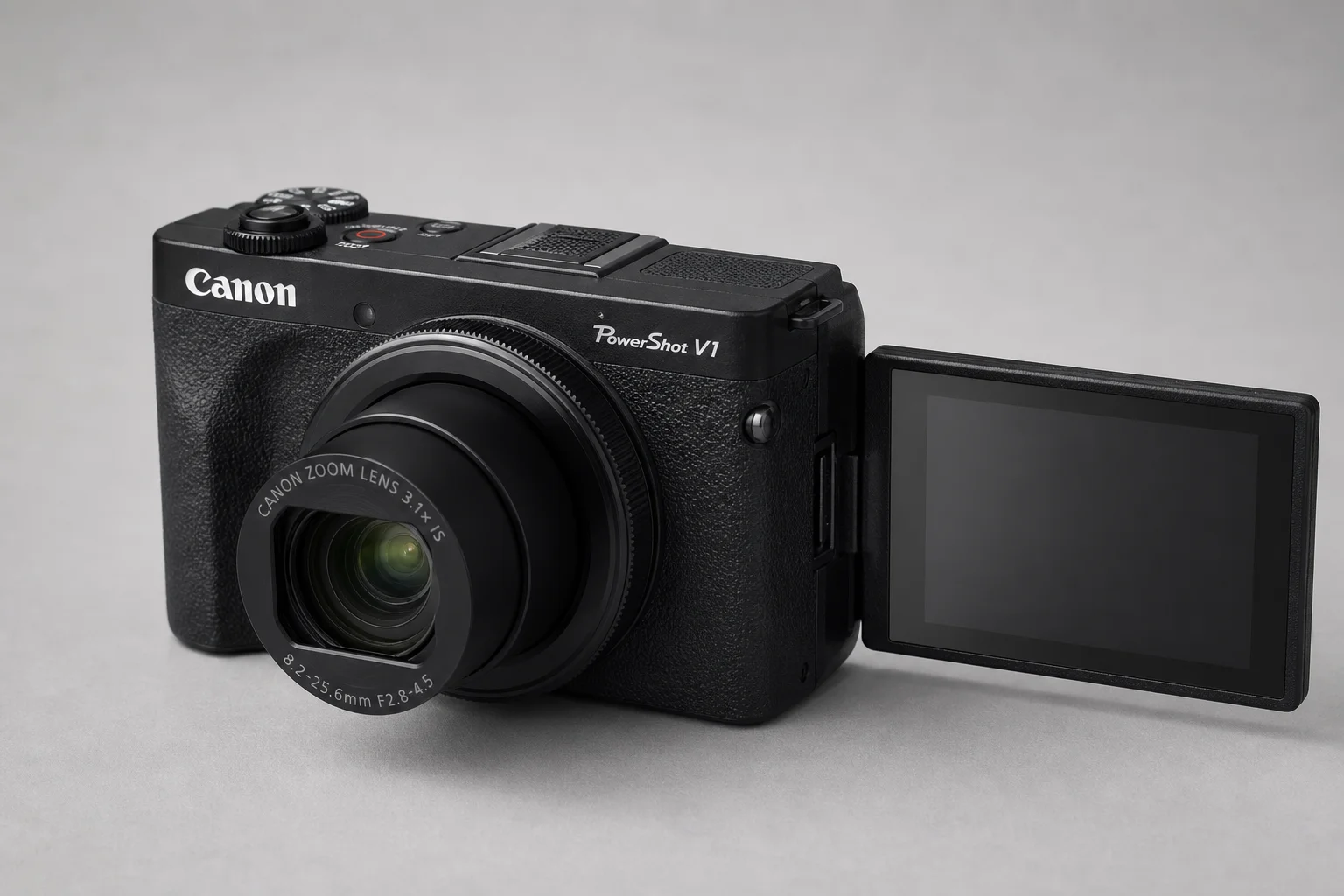
Canon PowerShot V1 Review: A Serious Vlogging Camera with Real Trade-offs
The Canon PowerShot V1 brings a larger sensor and optical stabilization to compact vlogging, but size, battery life, and dynamic range limitations deserve careful consideration.
Camera Reviews
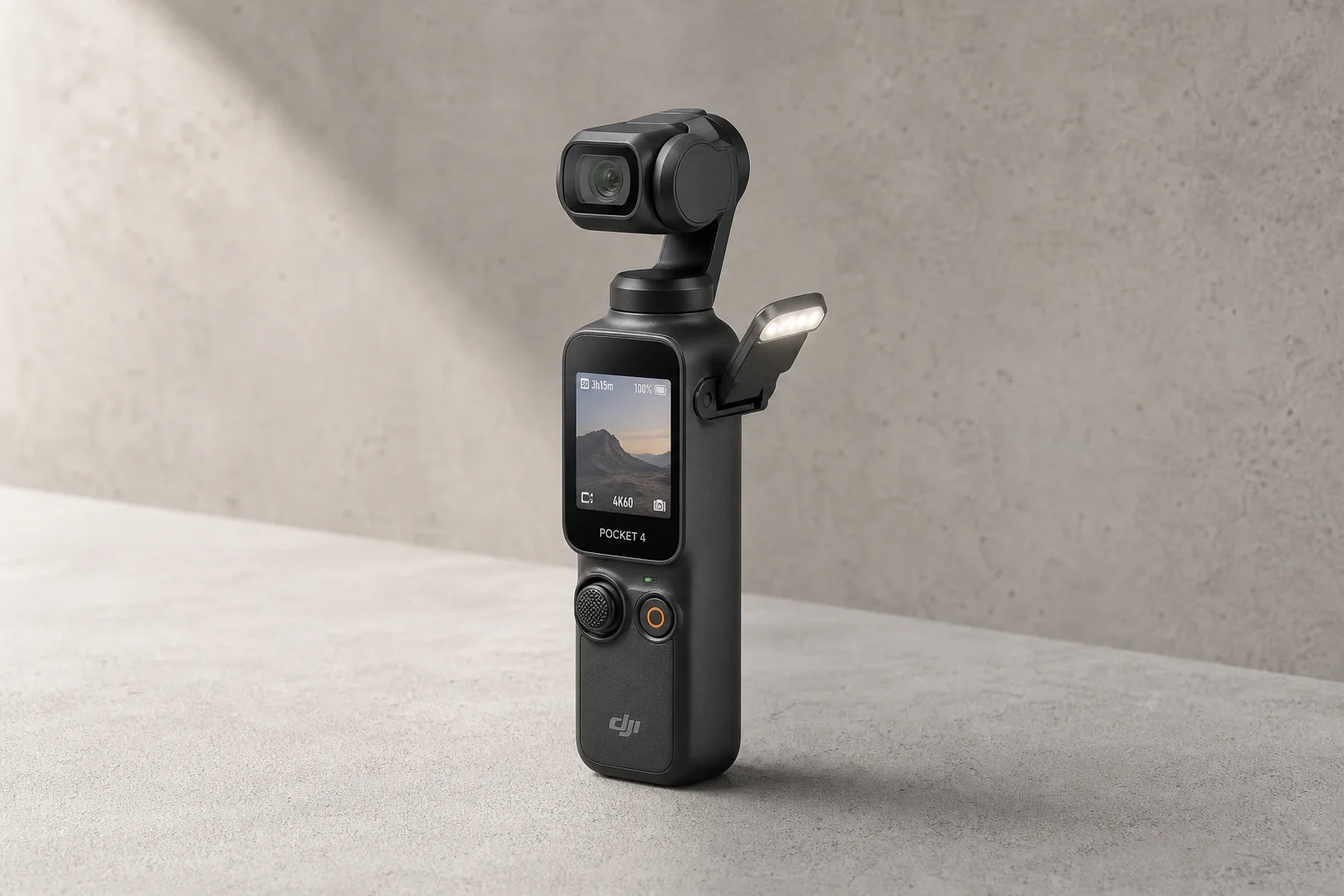
DJI Pocket 4 Review: Compact Gimbal Camera with 1-Inch Sensor and Fill Light
The DJI Pocket 4 brings a 37-megapixel 1-inch sensor, built-in fill light, 4K 240fps video, and 107GB internal storage to a single-handed stabilised camera. A detailed look at what's new and what remains unchanged.