Camera Reviews
Best Budget Full-Frame Cameras for Video: Four Strong Options Compared
Four full-frame cameras that deliver excellent video capabilities without premium pricing. Lumix leads with unique features, while Sony offers strong autofocus for hybrid shooters.
Introduction
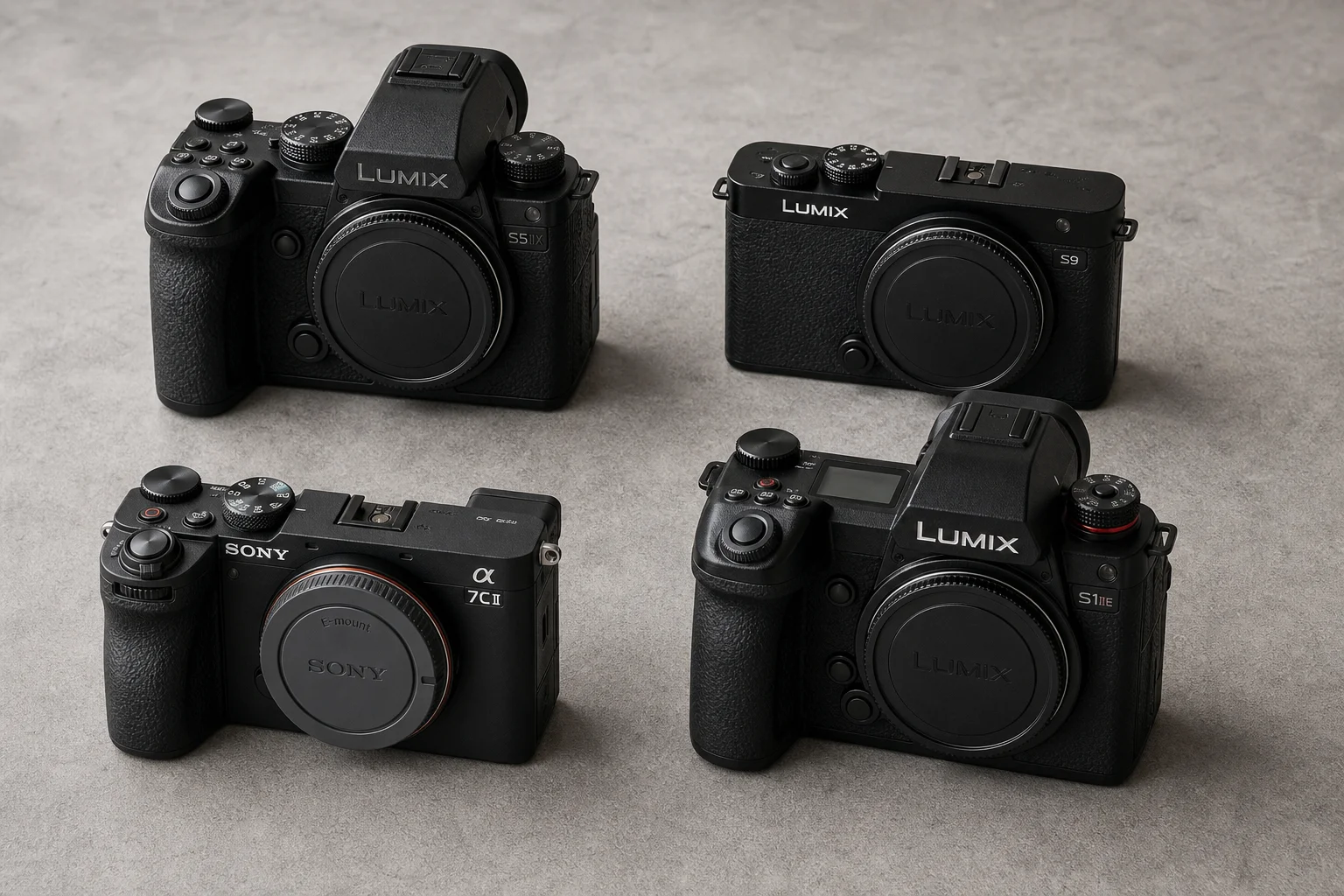
The full-frame camera market has become remarkably accessible in recent years. Rather than defaulting to established brands, smart shopping means evaluating which cameras deliver the best value for your specific workflow. This guide examines four standout options that balance image quality, autofocus reliability, lens affordability, and video-first features without requiring a premium investment.
Lumix S5IIX: Best All-Around Video Features
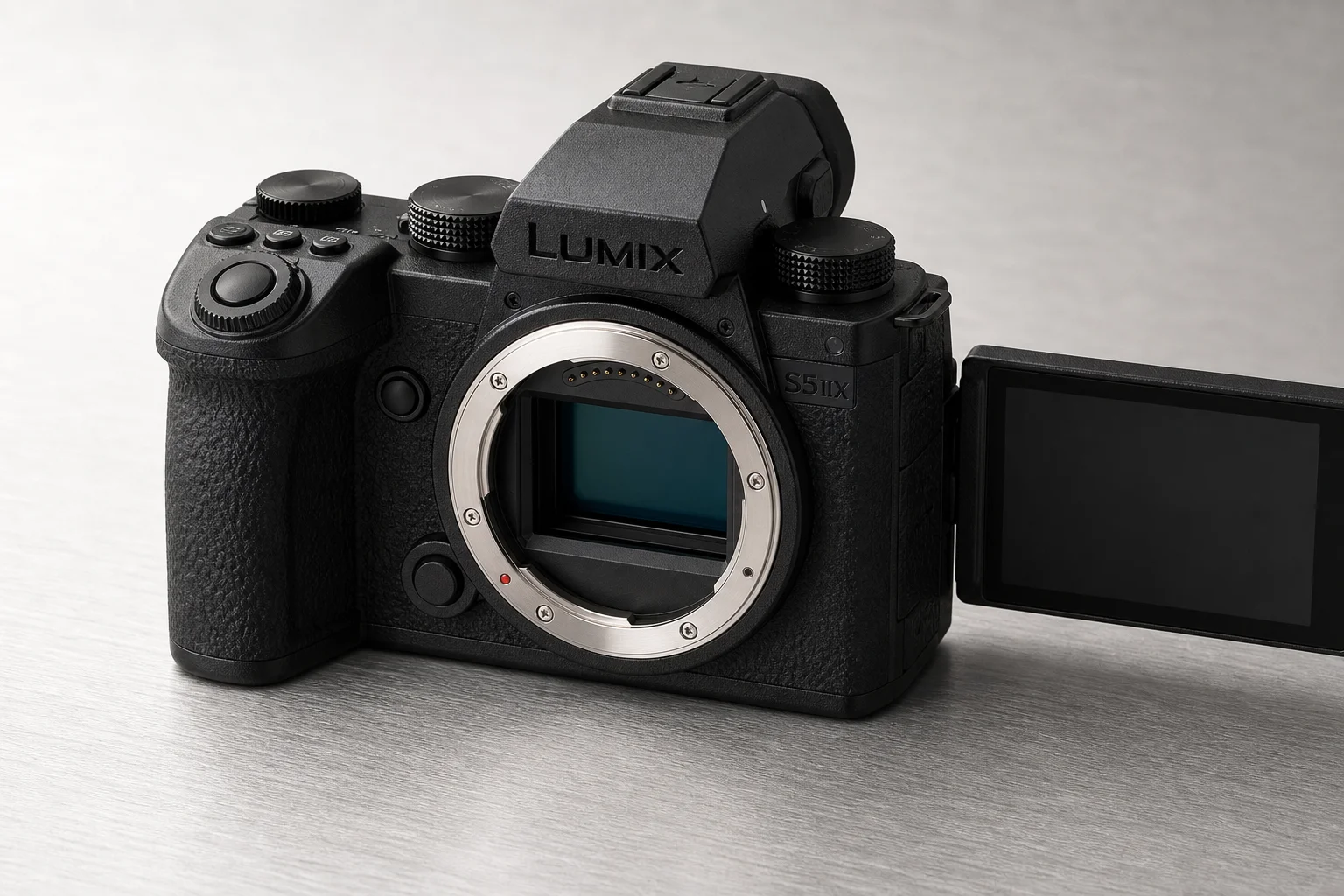
The Lumix S5IIX arrived over two years ago but remains a compelling choice for video-focused creators. Its headline feature is 6K open-gate recording, which captures a taller image than standard 16:9 framing. This extra vertical space proves invaluable when reframing for social media platforms or when shooting in run-and-gun environments where you cannot always compose perfectly in-camera.
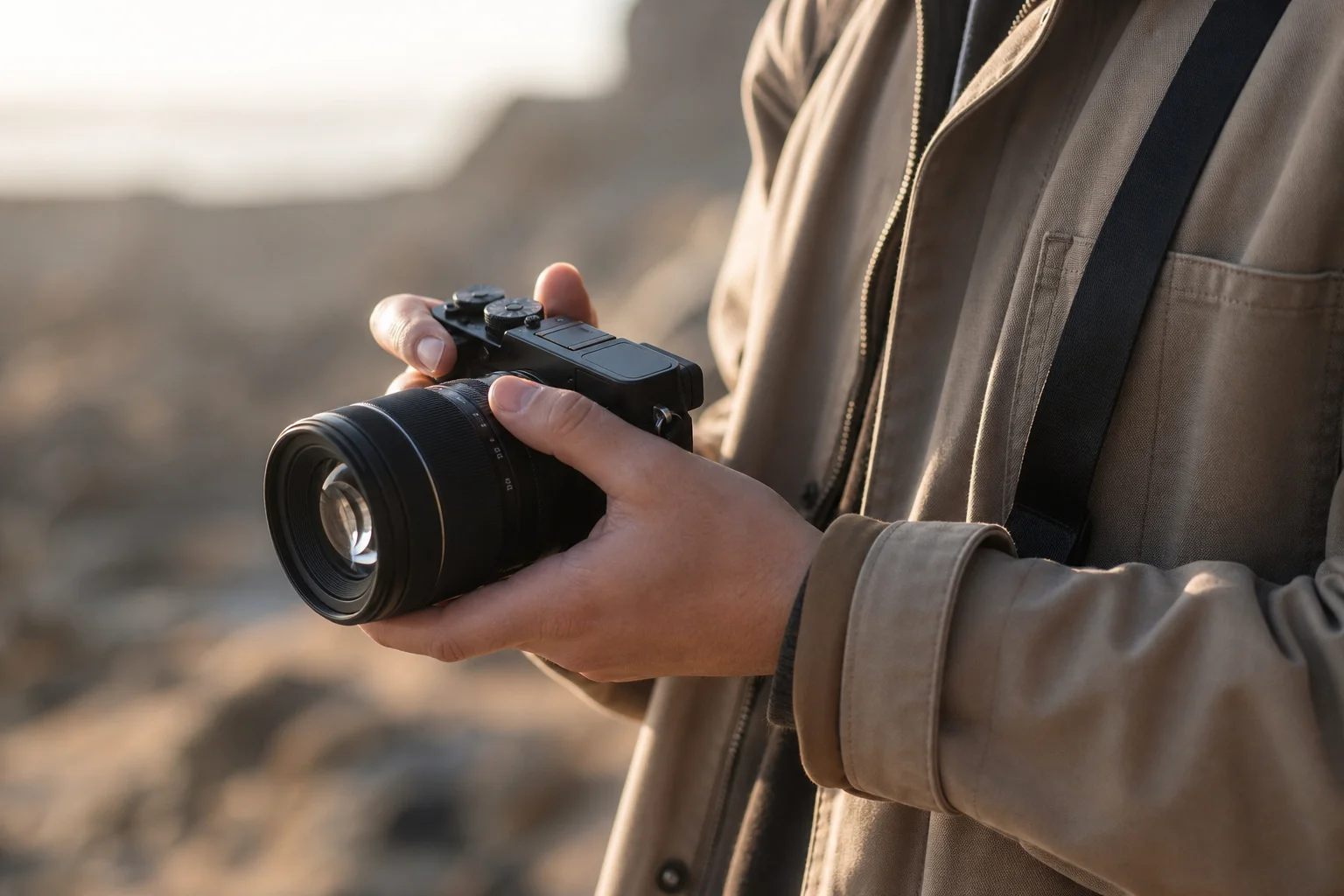
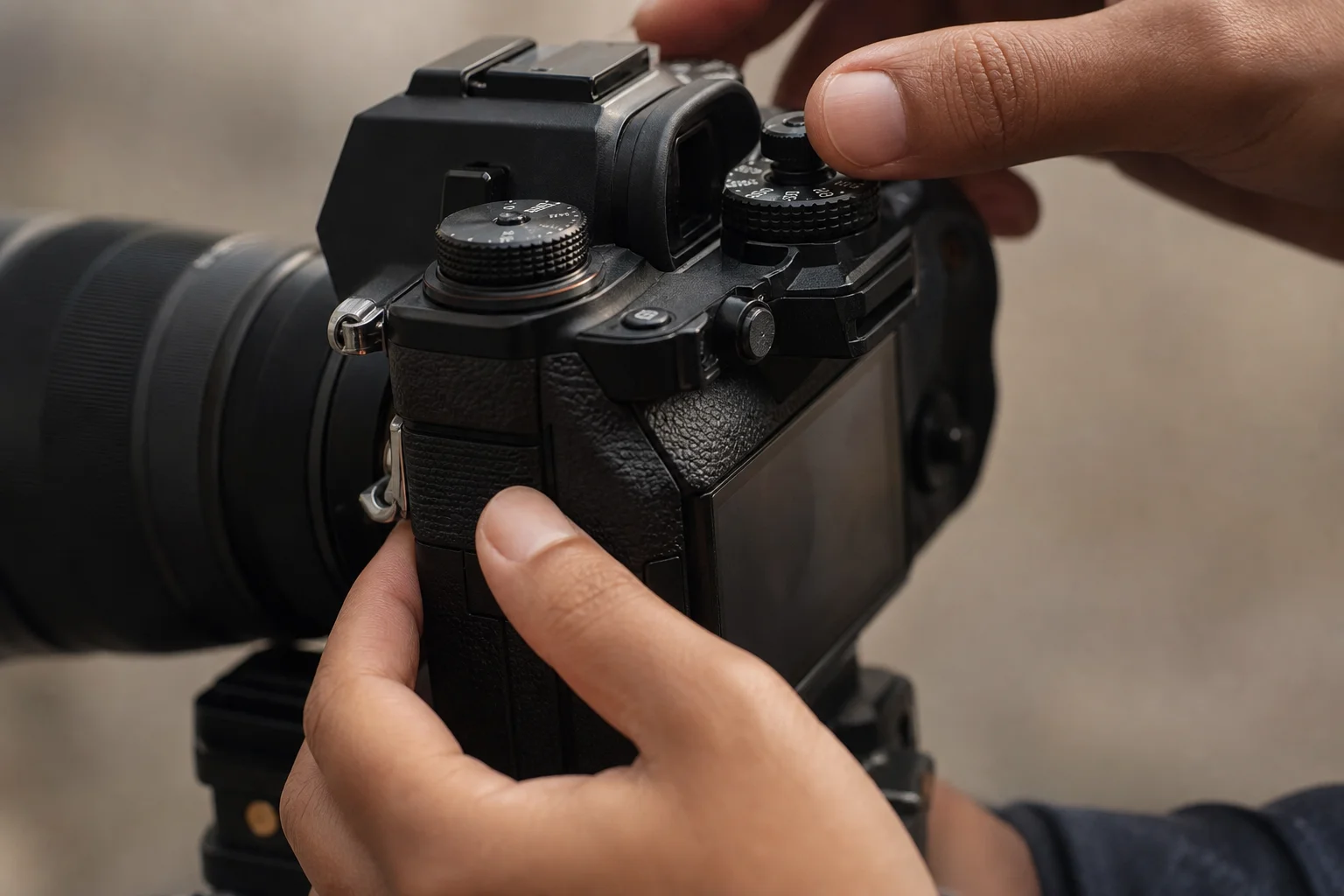
Beyond raw resolution, this camera excels in practical video production. It includes a full-size HDMI port, dual microphone and headphone jacks for audio monitoring, and a built-in cooling fan that enables extended recording sessions without thermal shutdown. The phase-detect autofocus system reliably tracks human subjects, and the in-body stabilization ranks among the best available, allowing handheld work without gimbal support.
The Lumix system uniquely supports anamorphic lenses with internal desqueezing and anamorphic-specific stabilization. This feature set appears nowhere else at comparable price points. Additional touches include a full electronic viewfinder, dual card slots, and a remote trigger port. The S5IIX originally sold for approximately 2,300 USD, making it a strong value proposition today.
Lumix S9: Compact and Capable
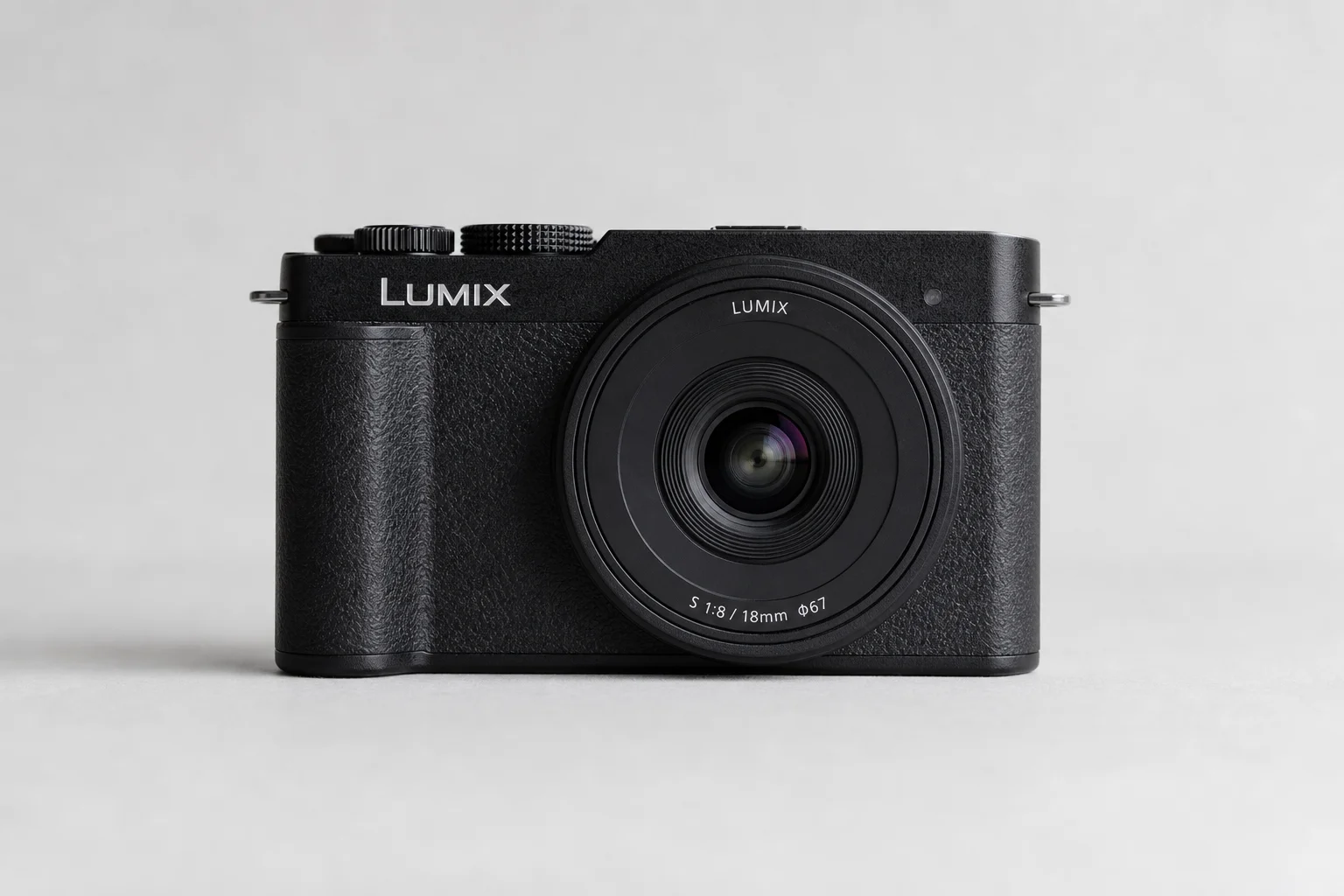
The Lumix S9 shares the same 6K sensor and anamorphic support as the S5IIX but trades some features for portability. This camera is genuinely pocket-sized, fitting easily into any camera bag without consuming significant space. Despite its compact form, it delivers identical 6K open-gate and anamorphic capabilities.
The S9 handles still photography more intuitively than the S5IIX, with a thumb grip that feels natural for photo work. The camera supports in-camera LUT profiles that apply film-like color grading to JPEG output, adding creative flexibility without post-production work. While it lacks a mechanical shutter and top-mounted electronic viewfinder, the cost savings and portability make it the most affordable option in this comparison.
Sony A7C II: Best for Hybrid Photo and Video Work
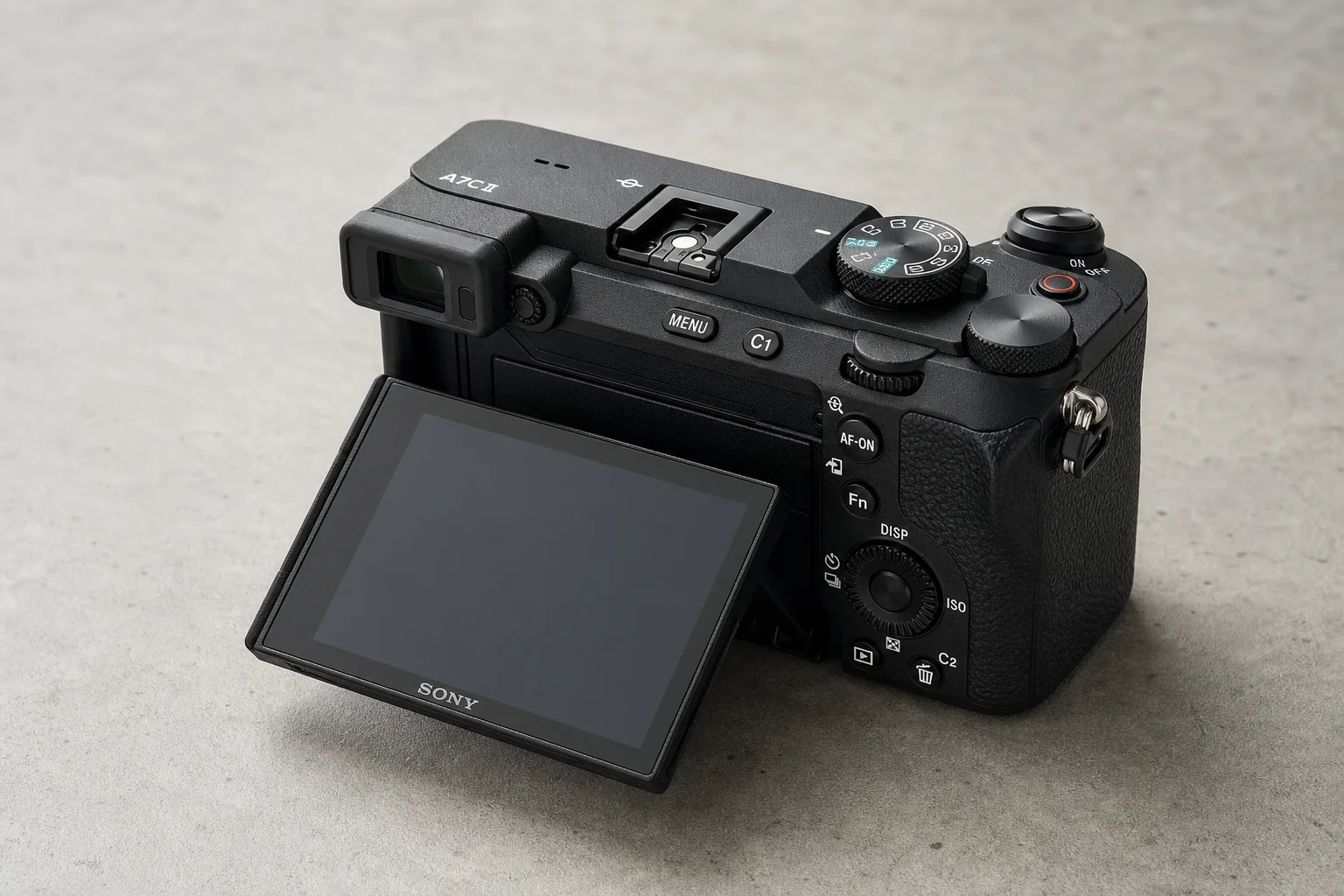
The Sony A7C II appeals to creators who split time between photography and video. Its autofocus system is genuinely best-in-class, with subject tracking that outperforms competing systems. The camera includes a traditional flip screen and a side-mounted electronic viewfinder, both well-executed.
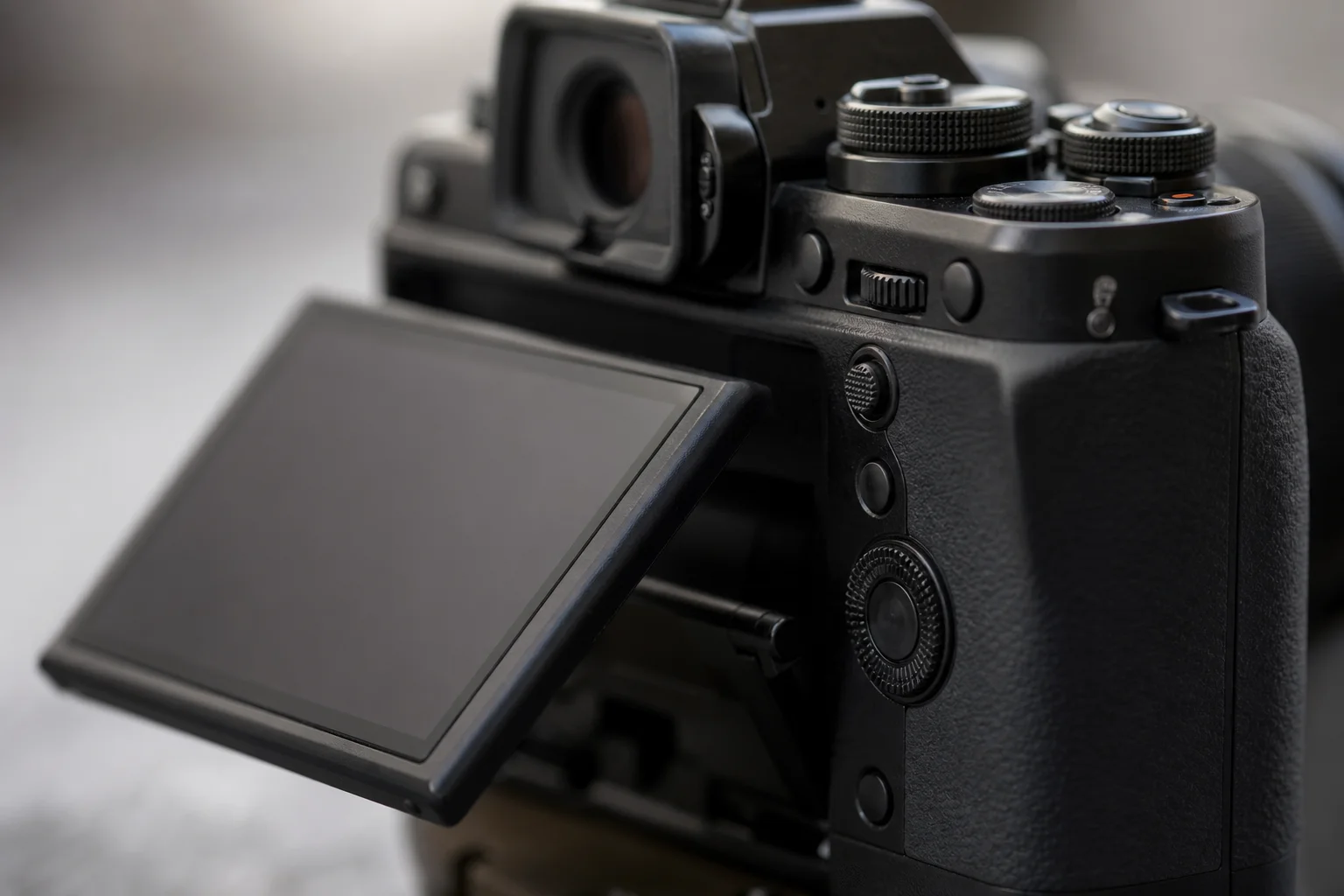
Sony uses the same sensor found in its FX2 cinema camera, lending credibility to its video capabilities. In-body stabilization performs excellently, though not quite matching Lumix’s performance. The camera costs approximately 2,200 USD and includes a single SD card slot. The micro-HDMI port is less convenient than full-size HDMI but acceptable at this price point.
However, Sony cameras lack certain video advantages present in Lumix offerings. Open-gate recording is unavailable, limiting reframing flexibility. Advanced video tools like waveform displays, false color, and shutter angle controls are absent. Third-party lenses sometimes experience functionality limitations on Sony bodies, whereas Lumix treats third-party lenses as first-party equipment.
Lumix S1IIe: Professional Features at Mid-Range Price
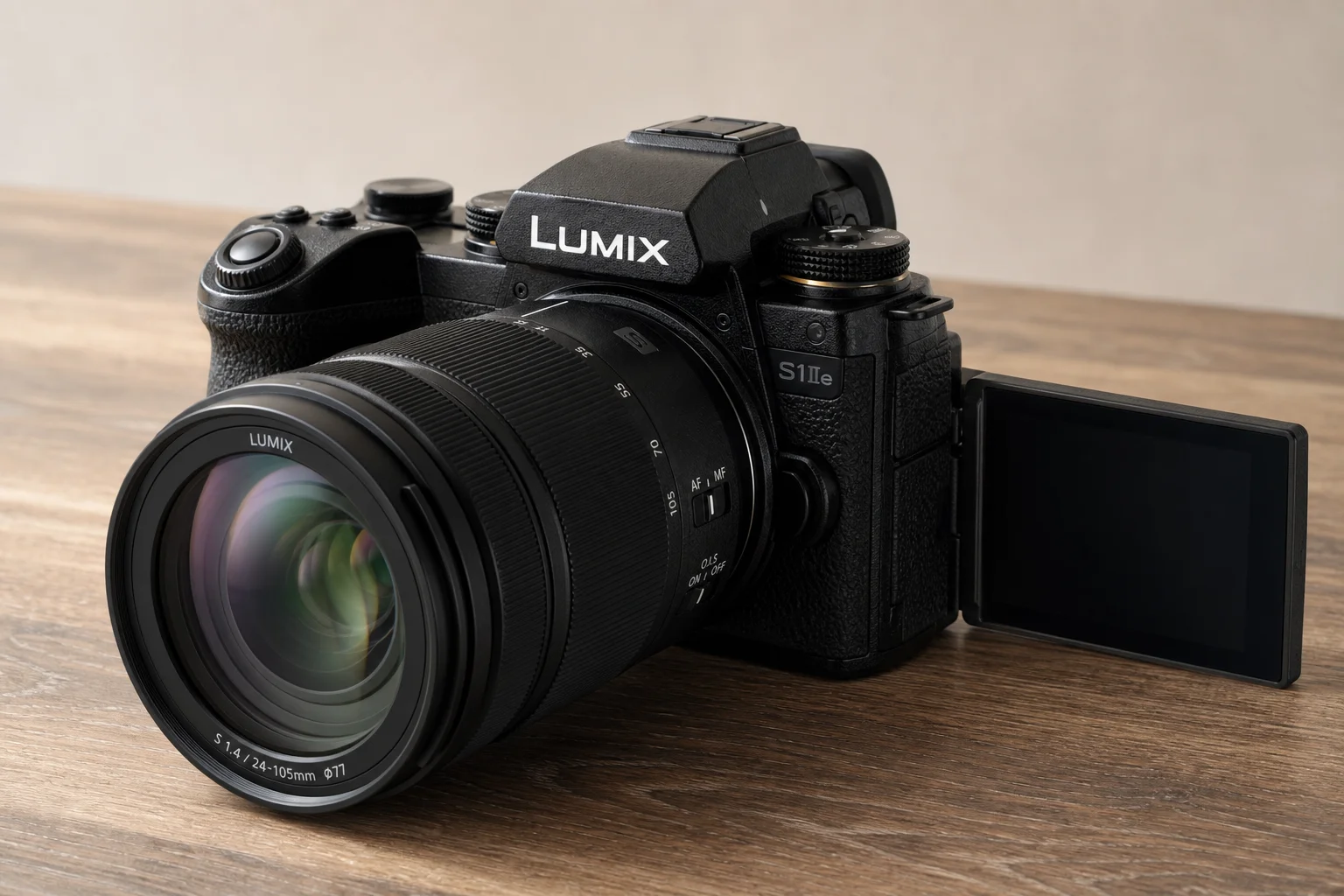
The Lumix S1IIe is the newest camera in this roundup and arguably the most feature-complete. Priced at 2,500 USD, it offers capabilities typically found in much more expensive systems. It shares the 6K sensor with other Lumix models but adds ProRes RAW internal recording, a feature unique to this lineup.
ProRes RAW requires specific editing software compatibility. It works seamlessly in Final Cut Pro and Adobe Premiere Pro but is not readable in DaVinci Resolve. Standard ProRes recording, however, works across all major editing platforms and delivers excellent results.
The S1IIe uses the same robust body as Lumix’s flagship S1R2 camera, including a tilt-flip screen that ranks among the best available. A lock switch prevents accidental adjustment of critical settings during recording, a thoughtful addition for video work. The camera accepts both CF Express B and SD cards, enabling faster workflow with high-bitrate codecs.
A standout feature is internal ARRI LOG C3 recording, achieved through a partnership with ARRI. This color space matches cinema cameras used on major film productions, allowing the S1IIe to function as a B or C camera on professional sets. The camera maintains all Lumix advantages: anamorphic support, open-gate recording, and comprehensive video controls.
Ulanzi Glide Go: Versatile Travel Tripod
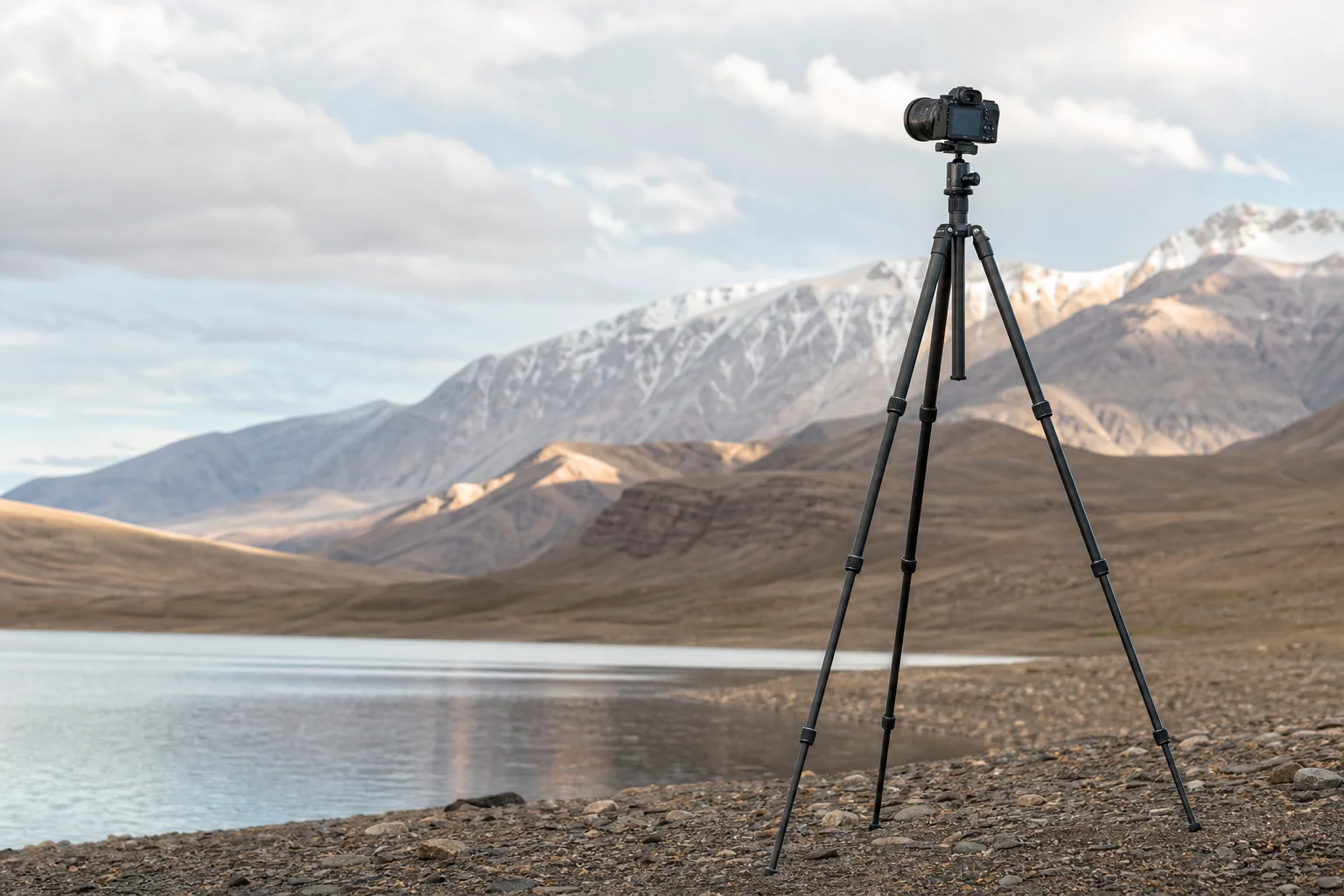
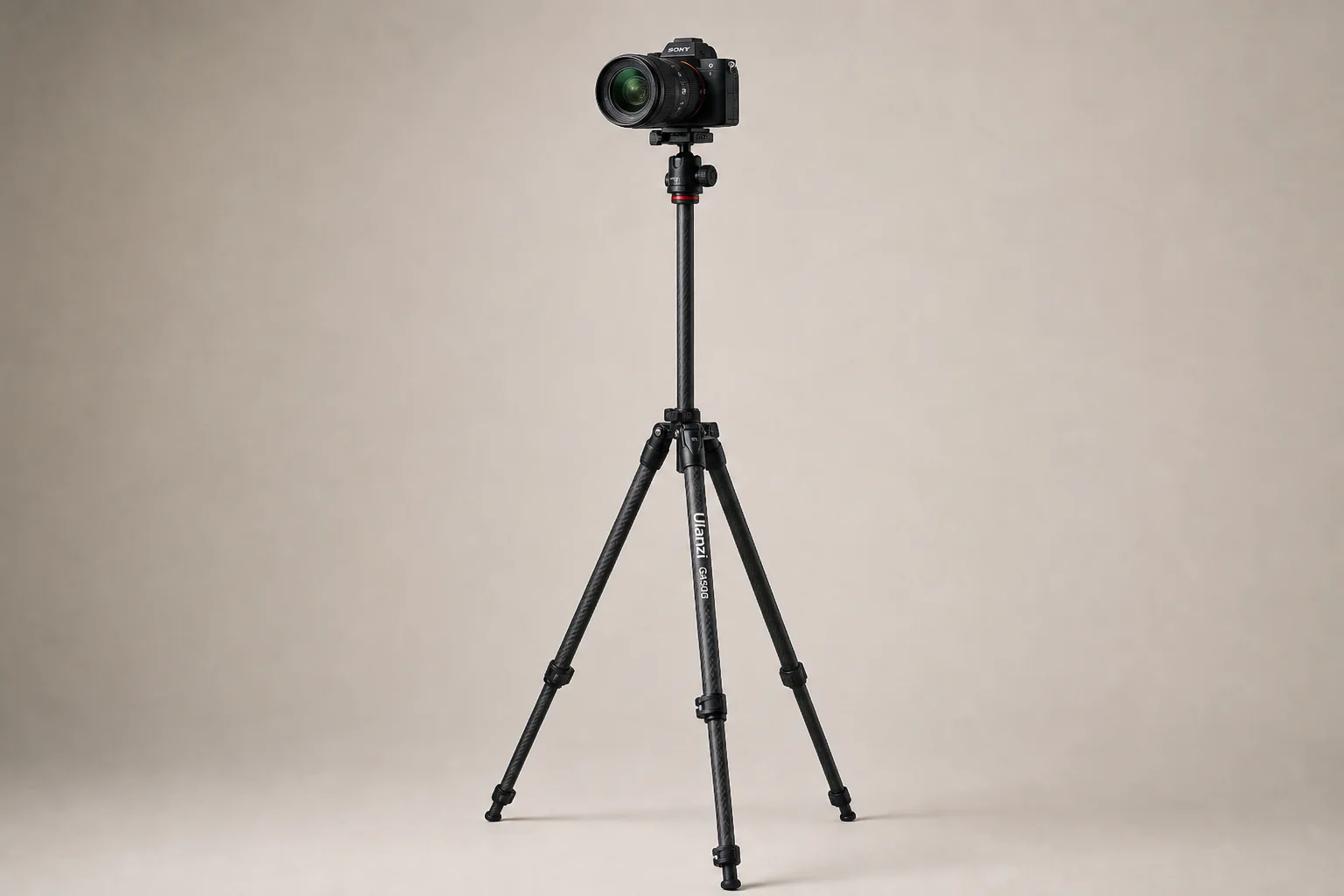
The Ulanzi Glide Go tripod deserves mention as an essential accessory for mobile video work. Its carbon-fiber legs are exceptionally lightweight, with the camera being the heaviest component. A quick-release plate enables rapid mounting and removal.
The tripod extends unusually tall for a travel model, reaching above head height with multiple extension stages. A unique feature allows the center column to tilt, enabling top-down shots without repositioning the entire tripod. A counterbalance hook and friction lever prevent tipping when using heavier lenses. This combination of features is genuinely uncommon in travel tripods.
Lens System Considerations
Lens availability significantly impacts long-term camera ownership satisfaction. Canon’s RF mount restricts third-party manufacturers, forcing buyers toward expensive Canon lenses. Sony’s E-mount accepts third-party lenses, but Sony sometimes limits functionality with non-native glass.
Lumix cameras use the L-Mount Alliance standard, shared with Leica, Blackmagic, and Sigma. This means third-party Sigma lenses receive full functionality, not limited compatibility. Sigma lenses typically cost less than Sony or Canon equivalents while maintaining excellent optical quality. Anamorphic lens support is exclusive to Lumix among affordable full-frame systems.
System Compatibility Matters
The best camera for you ultimately depends on your working environment. If you collaborate with professionals using a specific system, matching their platform simplifies workflows and enables seamless B-camera integration. For solo creators, content producers, and independent filmmakers, the Lumix lineup offers superior value and video-specific features.
Conclusion
The full-frame camera market offers genuine choices rather than obvious defaults. Lumix cameras deliver video-first features and anamorphic support unavailable elsewhere at comparable prices. The S5IIX provides the best all-around value, the S9 excels for travel, and the S1IIe offers professional capabilities. Sony’s A7C II suits hybrid photo-video work with exceptional autofocus. Evaluate your specific needs, consider your working relationships, and choose accordingly.
Further reading
Related Reviews
Camera Reviews
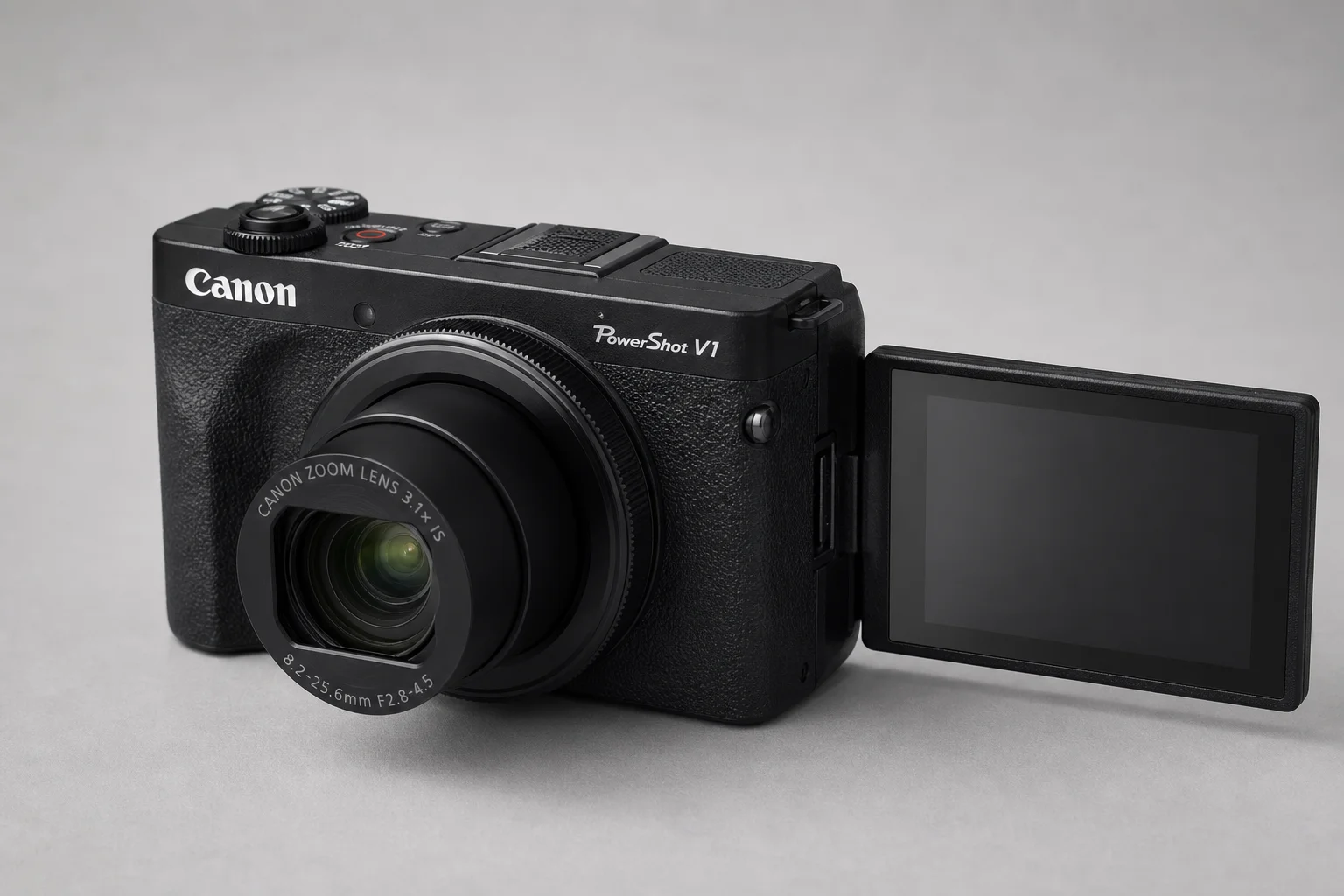
Canon PowerShot V1 Review: A Serious Vlogging Camera with Real Trade-offs
The Canon PowerShot V1 brings a larger sensor and optical stabilization to compact vlogging, but size, battery life, and dynamic range limitations deserve careful consideration.
Camera Reviews
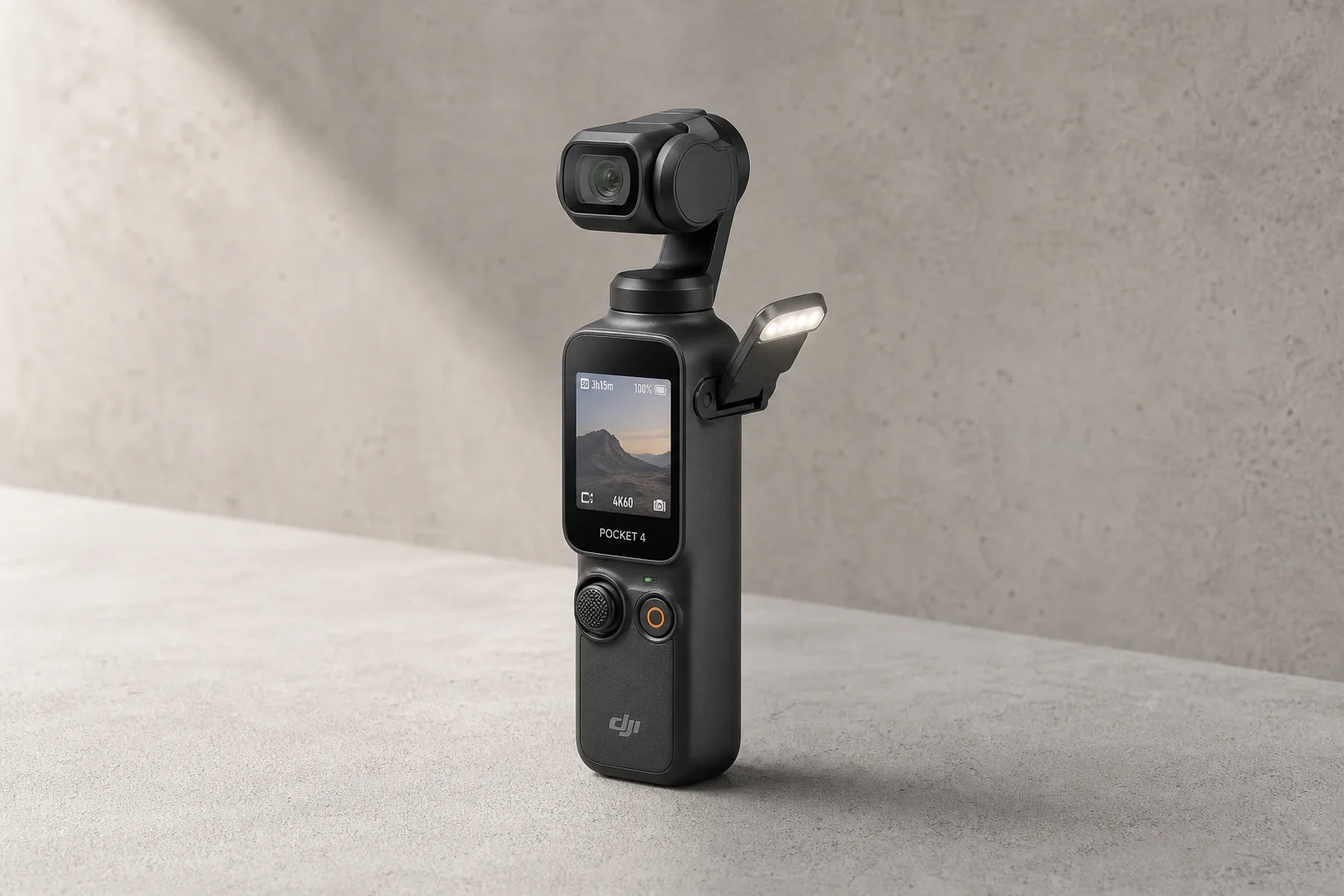
DJI Pocket 4 Review: Compact Gimbal Camera with 1-Inch Sensor and Fill Light
The DJI Pocket 4 brings a 37-megapixel 1-inch sensor, built-in fill light, 4K 240fps video, and 107GB internal storage to a single-handed stabilised camera. A detailed look at what's new and what remains unchanged.
Camera Reviews
Fujifilm X-E5 vs Competitors: Five Cameras, One Sensor, Different Choices
The X-E5 shares Fujifilm's 40-megapixel sensor with four other models. Here's how to pick the right one for your needs.