Camera Reviews
Leica M EV1: The Controversial Shift from Rangefinder to Mirrorless
The Leica M EV1 replaces the rangefinder with an electronic viewfinder, opening the M system to new users while challenging seven decades of tradition. A detailed look at what works, what needs refinement, and who this camera serves.
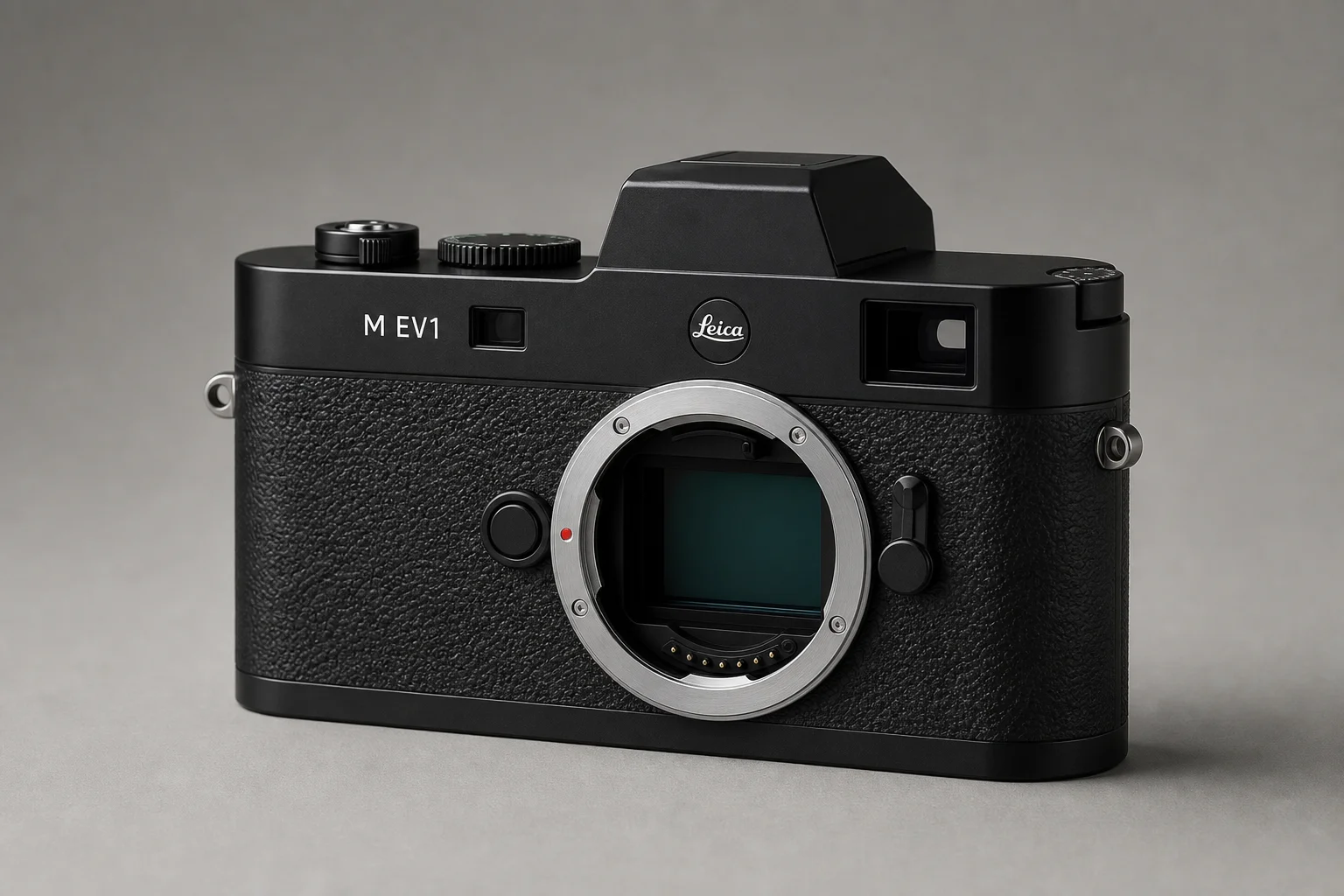
Breaking Seven Decades of Tradition
The Leica M system has remained fundamentally unchanged for 70 years. The M3, the first M camera, and the M11, the current rangefinder flagship, share the same core philosophy: a compact body, interchangeable M-mount lenses, and a rangefinder viewfinder at the heart of the experience. That consistency is part of the M’s identity and appeal.
The M EV1 breaks that tradition entirely. It replaces the rangefinder mechanism with an electronic viewfinder, making it Leica’s first mirrorless M-mount camera. For purists, this feels like removing the soul from the system. Leica’s own marketing emphasises that the rangefinder is the heart of the M. Yet the M EV1 suggests a different heart: the lenses themselves.

The M EV1 is not a replacement for the M11. It is an alternative path forward, designed to open the M system to photographers who found the rangefinder too steep a learning curve or simply prefer the directness of an electronic viewfinder. For a camera system built on 70 years of continuity, this is genuinely bold.
The Viewfinder: Numbers and Real-World Performance
On paper, the M EV1’s electronic viewfinder is impressive. It delivers 5.76 million dots at 60 frames per second with 0.76 times magnification and 100 percent accuracy. These specifications match the Q3 and SL3, though those cameras can push 120 FPS. The numbers are solid.
In practice, the viewfinder looks good. It is not quite as natural as looking through an optical rangefinder, but it is clear, responsive, and bright. The real advantage emerges when using ultra-wide lenses. A traditional M rangefinder has frame lines only down to 21mm; anything wider requires an external optical finder. The M EV1’s electronic viewfinder shows the full frame at any focal length, making ultra-wide composition seamless.
The M EV1 borrows one useful feature from the M11: the frame line preview lever. On the M11, this lever zooms the rangefinder view to 1.3x or 1.8x magnification, making use of the 60-megapixel sensor’s crop capability. On the M EV1, the same lever serves a similar purpose, though digital zoom is less critical on an interchangeable-lens mirrorless body.
Manual Focus Implementation: Magnification and Peaking
The M EV1 is manual focus only. There is no autofocus. This is a deliberate choice that preserves the M system’s character, but it places enormous weight on the quality of the focusing aids.
The camera offers two primary tools: magnification and peaking. Magnification enlarges the center of the frame when you twist the focus ring, making precise focus easier. Peaking highlights edges in the image where contrast is highest, indicating focus areas. A button next to the shutter also triggers magnification manually.

The implementation has merit but also friction. When using fast lenses like a 50mm f/1.0, the two-step process of magnifying, focusing, then half-pressing the shutter to dismiss magnification before reframing adds noticeable delay. In fast-moving street photography, this delay can mean missing the moment. Peaking alone is not accurate enough for thin depth of field on fast 50mm lenses; the peaking glow appears even when the image is slightly out of focus.
Better solutions exist. Fujifilm’s digital microprism, borrowed from old SLR split-prism focusing, shows a clear alignment indicator when focus is achieved. A magnified picture-in-picture overlay would also help, allowing you to maintain framing while confirming focus. These tools would make the M EV1 genuinely excellent for manual focus work.
Fast Lenses and Focus Accuracy
The challenge with fast 50mm lenses on the M EV1 is real. A 50mm f/1.0 has an extremely shallow depth of field, and the current magnification and peaking system does not quite keep pace with the demands of fast-moving subjects.

For slower lenses, the story changes. A 35mm f/2.8 or 28mm f/4 works well with peaking alone. The M EV1 is genuinely capable with these focal lengths. The rangefinder, by contrast, has its own limitations: it only focuses down to 70 centimetres, while some modern Leica lenses focus closer. The rangefinder also requires you to focus in the center and then reframe, which adds its own delay in dynamic situations.
The M EV1 does not solve the fast-lens problem perfectly, but it opens a door that the rangefinder keeps closed for certain use cases.
Ultra-Wide Lenses and New Possibilities
This is where the M EV1 genuinely excels. Ultra-wide M-mount lenses, such as the 21mm Summilux, are challenging on a traditional M rangefinder. You need an external optical finder, and adapting ultra-wide lenses to other mirrorless systems often produces poor corner rendering.

The M EV1 shows the full frame in the electronic viewfinder at any focal length, and it uses the native M-mount lenses without optical compromises. For ultra-wide photography, this is a genuine advantage. The M EV1 could become the best platform for exploring the full range of M-mount glass, from ultra-wides to longer focal lengths, without the optical limitations of the rangefinder.
The Bigger Picture
The M EV1 is not sacrilege; it is pragmatism. The M system has always been about compact, beautifully made lenses with impeccable rendering. The rangefinder was the tool to use those lenses, but it was never the only possible tool.
By removing the rangefinder barrier, the M EV1 opens the system to photographers who want M-mount glass but prefer electronic focusing aids. It also offers current M users new possibilities with ultra-wide lenses and closer focusing distances. This is not a replacement for the M11; it is an expansion of what the M system can do.
The focusing implementation needs refinement. Firmware updates could add split-prism or picture-in-picture modes, making fast-lens work more fluid. But the foundation is sound, and the potential is clear.
Conclusion
The Leica M EV1 is a devilishly good idea wrapped in a controversial package. It challenges the assumption that the rangefinder is essential to the M experience, and it proves that the real heart of the M system is the lenses. For photographers who struggled with rangefinder focusing or who want to explore ultra-wide M-mount glass without optical compromises, the M EV1 is genuinely worth considering. For rangefinder purists, the M11 remains the true M. But in 2025, having both options is a marvelous thing.
Product link
View more details for Leica M EV1
This product is mentioned in the review. Check the specifications, options, and compatibility before buying.
View more details for Leica M EV1Further reading
Related Reviews
Camera Reviews
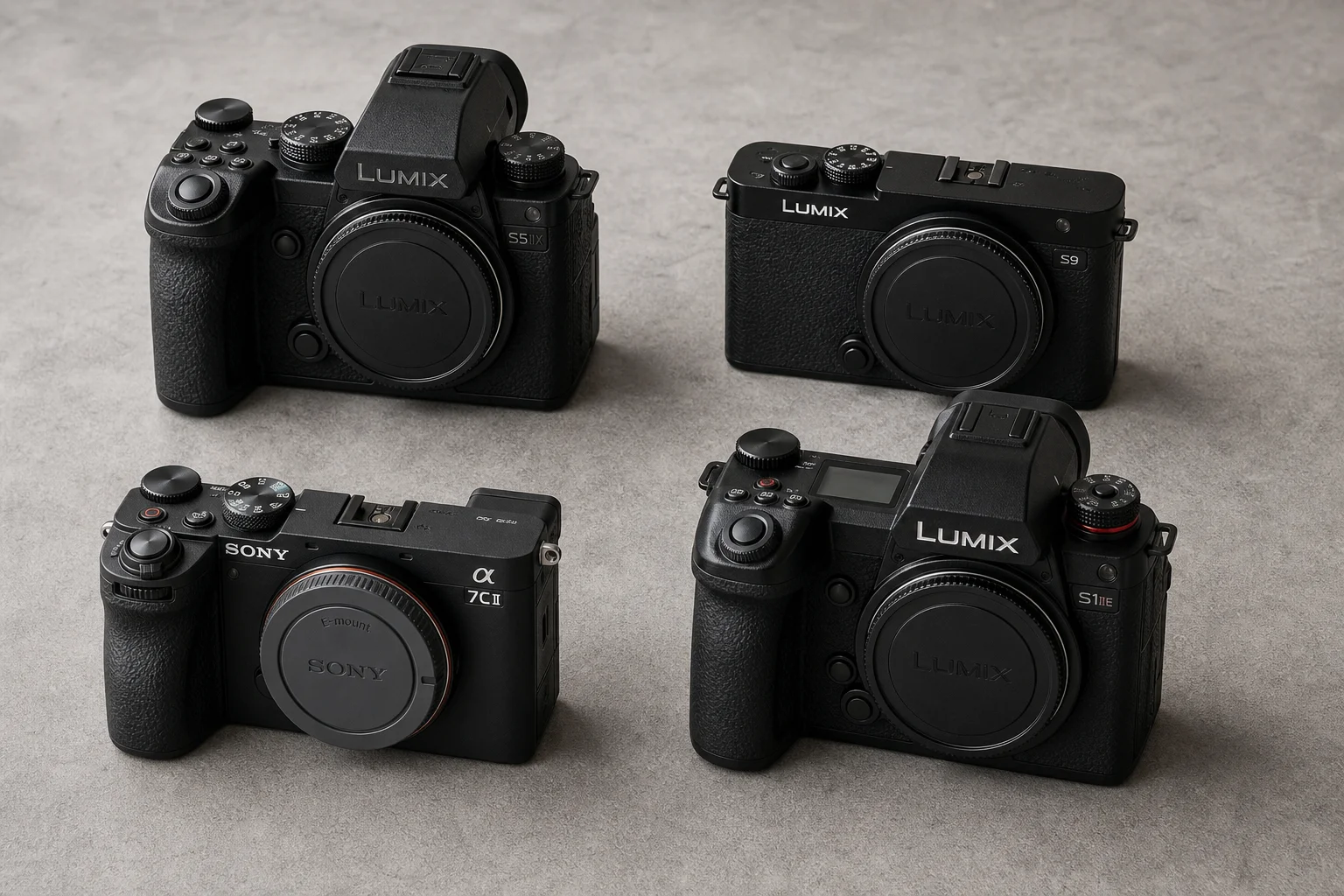
Best Budget Full-Frame Cameras for Video: Four Strong Options Compared
Four full-frame cameras that deliver excellent video capabilities without premium pricing. Lumix leads with unique features, while Sony offers strong autofocus for hybrid shooters.
Camera Reviews
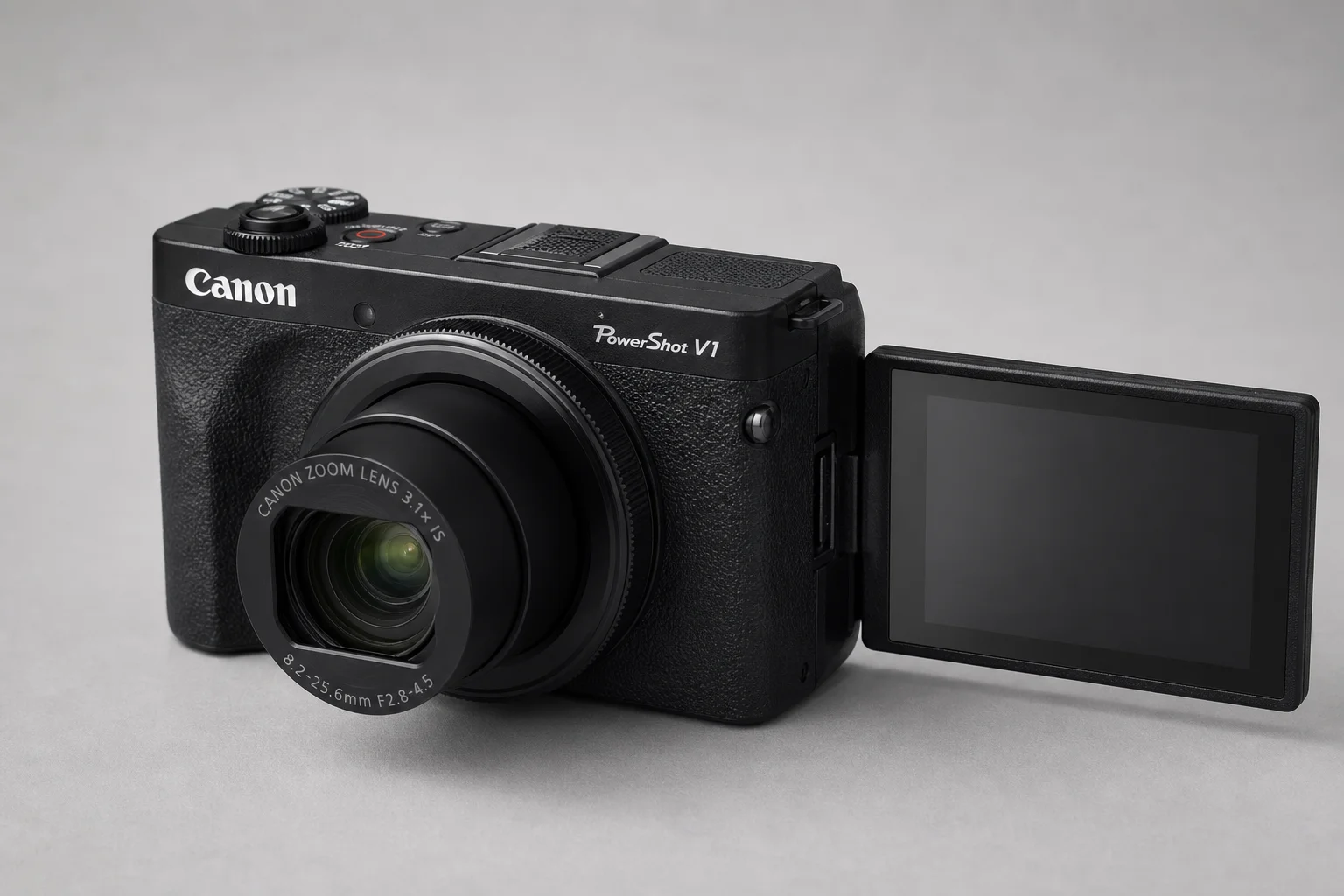
Canon PowerShot V1 Review: A Serious Vlogging Camera with Real Trade-offs
The Canon PowerShot V1 brings a larger sensor and optical stabilization to compact vlogging, but size, battery life, and dynamic range limitations deserve careful consideration.
Camera Reviews
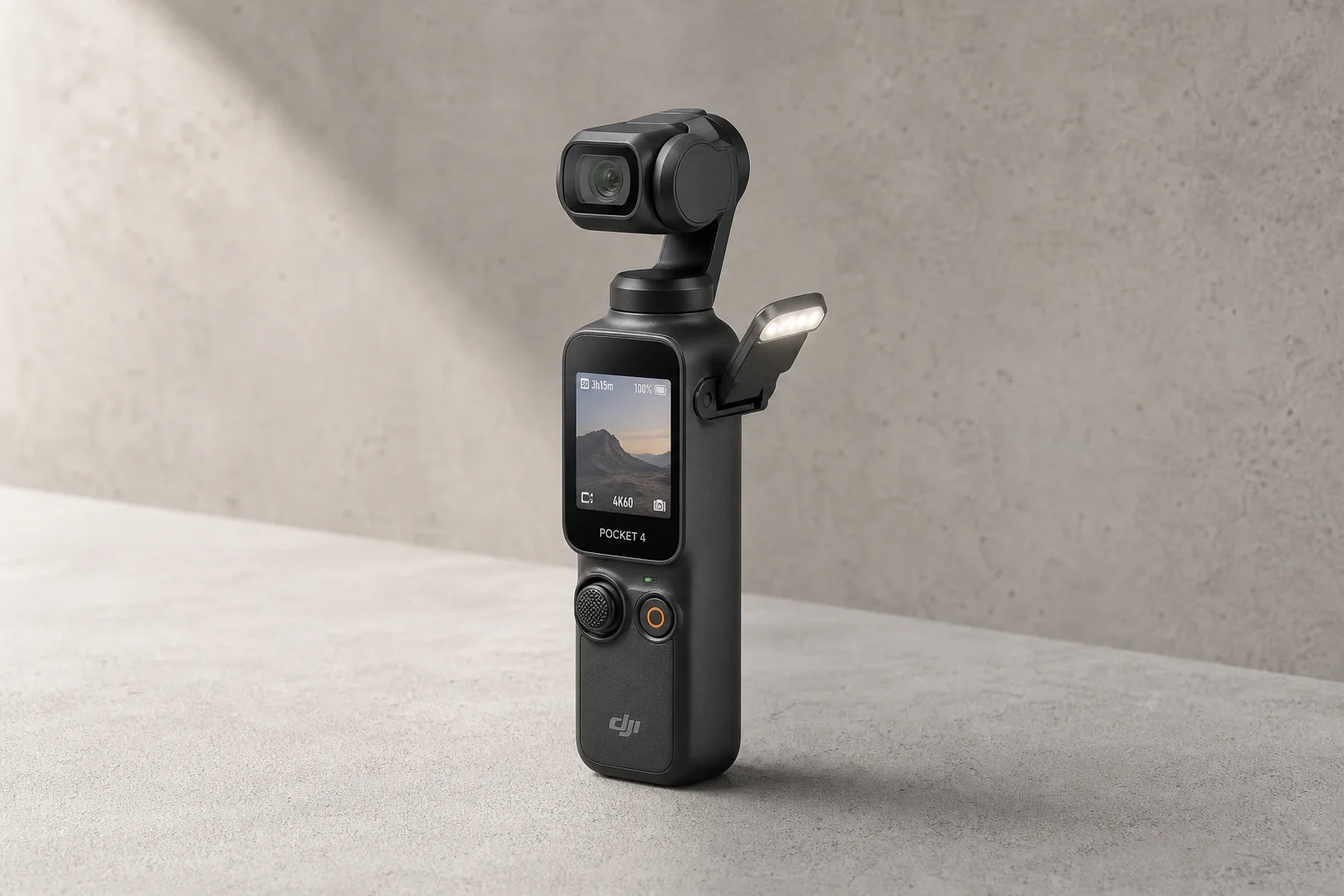
DJI Pocket 4 Review: Compact Gimbal Camera with 1-Inch Sensor and Fill Light
The DJI Pocket 4 brings a 37-megapixel 1-inch sensor, built-in fill light, 4K 240fps video, and 107GB internal storage to a single-handed stabilised camera. A detailed look at what's new and what remains unchanged.