Folding Bikes
Java Neo 20-Inch Carbon Folding Bike Review: Lightweight Performance in a Compact Frame
The Java Neo 20-inch carbon folding bike combines the advantages of a larger wheel with carbon construction. We test geometry, weight, and real-world handling to help you decide if this upgrade makes sense.
Introduction
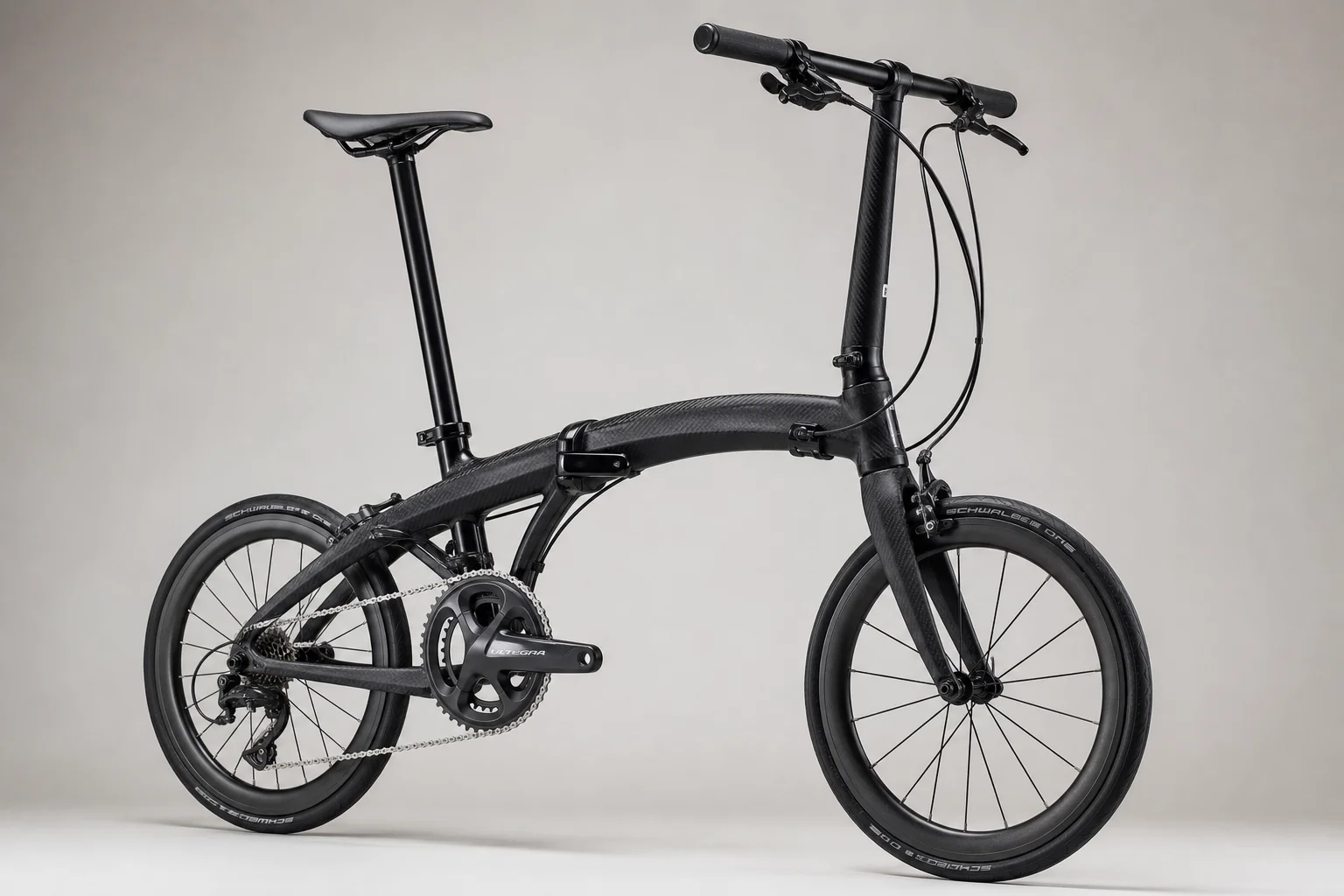
The Java Neo family of folding bikes has expanded with the arrival of the 20-inch carbon model. This bike combines the larger wheel diameter that many riders prefer with the lightweight benefits of carbon fiber construction. We spent time testing the geometry, handling characteristics, and real-world performance to help you understand whether this upgrade delivers meaningful advantages over the existing 16-inch carbon version or the aluminum 20-inch model.
Frame Construction and Materials
The 20-inch carbon frame uses the same geometric dimensions and wheelbase as the aluminum 20-inch Java Neo, but applies the carbon fiber design and materials from the successful 16-inch carbon model. The front end, including the handlebars and headtube, uses carbon fiber construction. The frame features a two-tone finish: matte on the rear sections and glossy on the front, consistent with the 16-inch design language.
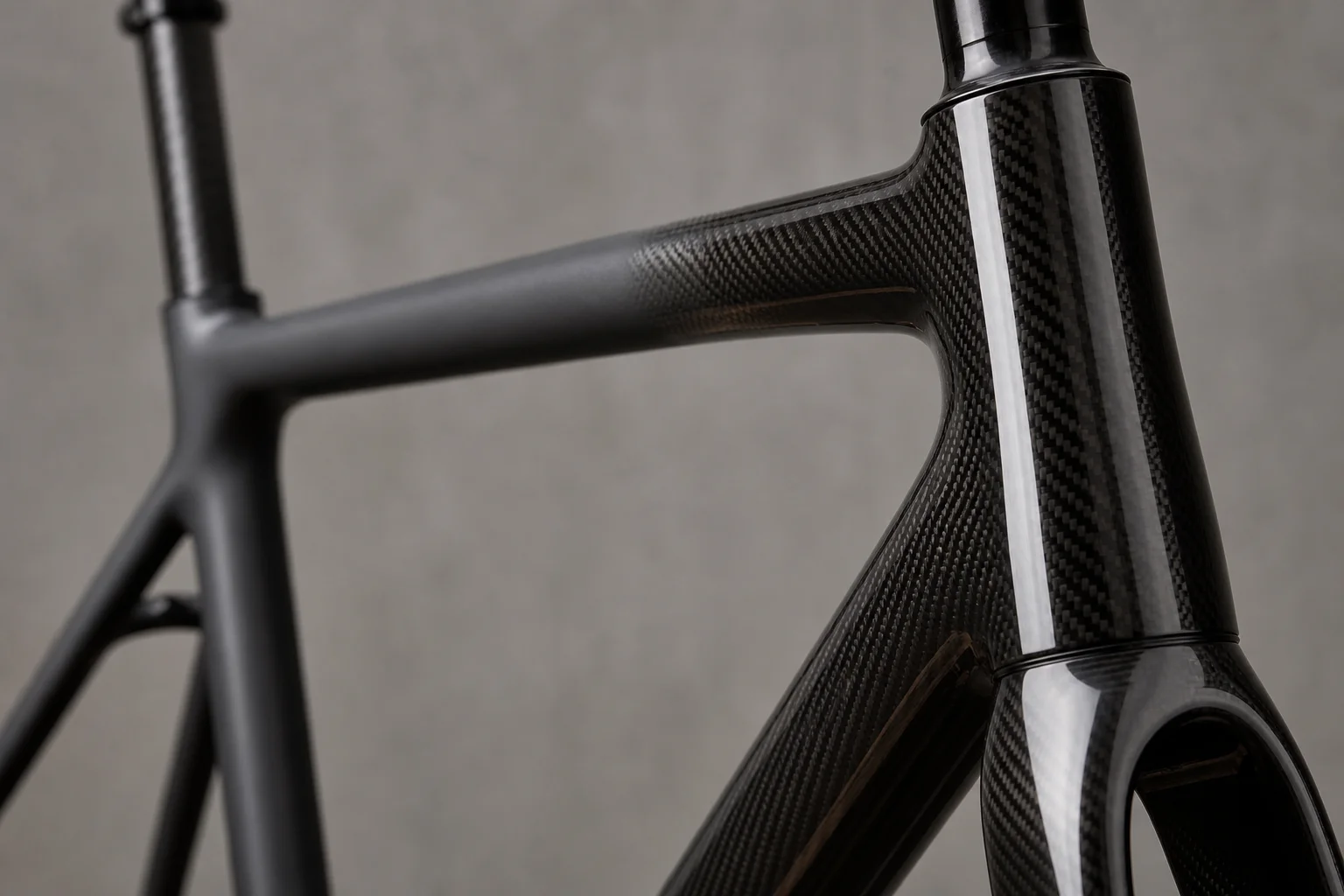
The main frame uses T800 carbon fiber, while the rear triangle employs stiffer T1000 carbon fiber for improved stiffness. One notable change from the first-generation 16-inch carbon model is the routing of the rear brake cable. Rather than running through the frame interior, the cable now enters through a port on the left side of the fork and runs internally to the rear brake, creating a cleaner, more refined appearance.
The front fork, frame, and rear stays are all carbon fiber. The seatpost also uses carbon construction with a textured anti-slip section in the middle to prevent the seat from slipping after clamping. The handlebars have a slightly smaller bend radius compared to the aluminum version, measuring approximately 2 centimeters less in width, resulting in an overall handlebar height of 99 centimeters, about 1 centimeter lower than the aluminum variant.
Braking and Wheel System
The bike uses a Java Deca hydraulic disc brake system with green anodized CNC aluminum calipers, matching the 16-inch carbon model. The front features a “pig nose” mounting point for convenient accessory expansion. The wheelset uses 406-size wheels with 140-millimeter hydraulic disc brakes front and rear. The frame includes space for upgrading to 451-size wheels, though compatibility requires checking that the wheelset uses an open-dropout design.
Drivetrain Configuration
The drivetrain follows the same setup as previous carbon and electronic-shift versions. The front uses a 50-tooth aluminum hollow crankset with 170-millimeter cranks. The rear features a 12-speed electronic drivetrain with an 11-tooth minimum sprocket and 40-tooth maximum, providing a wide gear range for varied terrain.
A key difference between the carbon and aluminum frames is that the carbon version includes space for installing a derailleur on the rear triangle, though this requires an adapter that was not yet available at the time of testing.
Understanding the Unique Bottom Bracket Position
One of the most discussed aspects of the Java Neo design is its unconventional bottom bracket position. Unlike traditional folding bikes, the BB sits behind the seatpost due to the bike’s unique folding mechanism. This design choice allows for smoother gear shifting and compatibility with standard bicycle components, but it does affect the bike’s geometry compared to conventional folding bikes.
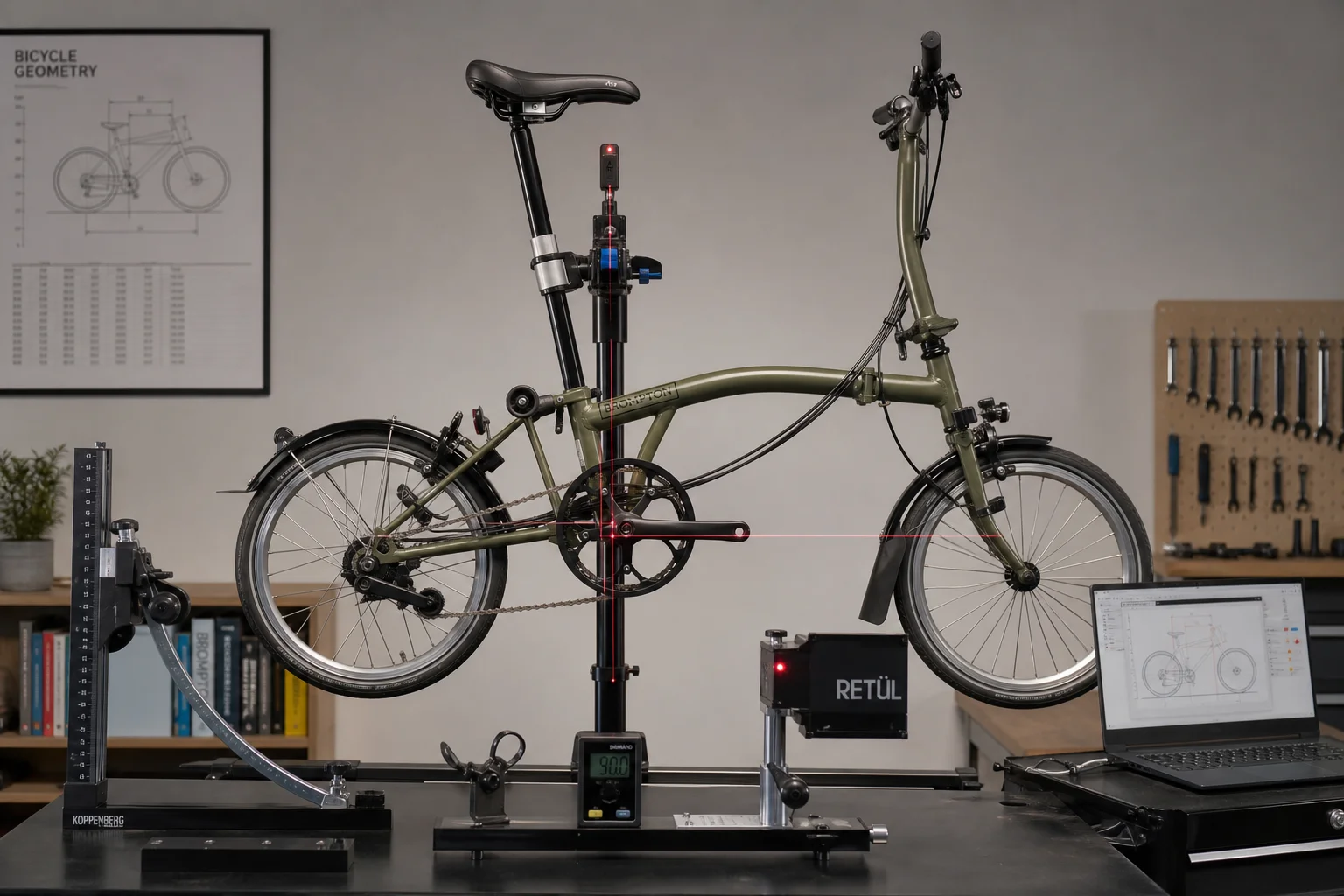
To understand the real-world impact, we measured the geometry of the 20-inch carbon Java Neo against the 16-inch carbon version and a Dahon K3 Plus using professional bike fit measurement tools. We established a consistent seat height of 90 centimeters across all three bikes to ensure accurate comparison.
The measurements revealed that the Java Neo 16-inch and 20-inch have identical seat positioning relative to the bottom bracket: 154 millimeters back and 634 millimeters up. The distance from seat to handlebar is 65 centimeters on both Java Neo models. The Dahon K3 Plus, by contrast, positions the BB 175 millimeters back from the seat, creating a 20-millimeter longer reach. The K3 Plus also has a shorter seat-to-bar distance of 60 centimeters.
Geometry Comparison and Practical Implications
The Java Neo’s geometry is actually quite reasonable when measured objectively. The 65-centimeter seat-to-bar distance is a sensible figure for a compact folding bike. However, some riders perceive the riding position as more stretched because the seat angle is reclined and the rear triangle is shorter, which visually extends the reach.
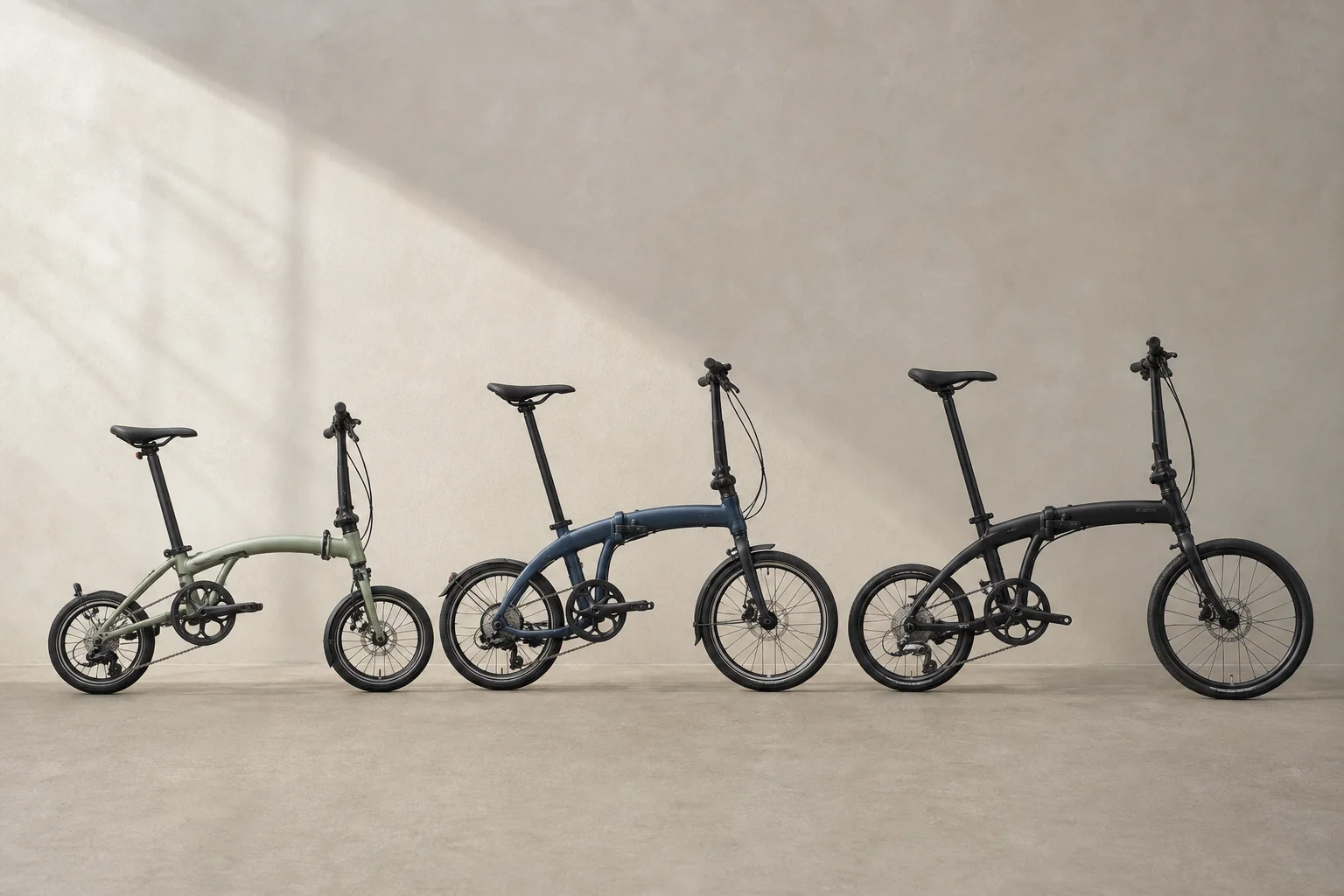
If you find the position too stretched, two practical adjustments can help. First, raising the handlebars slightly allows you to sit more upright and reduce the reach. Second, using a more cushioned saddle can help distribute pressure more evenly across the contact points. These are straightforward modifications that many riders make without requiring any frame changes.
Weight and Specifications
The 20-inch carbon model weighs approximately 8.9 kilograms with pedals installed. For comparison, the 16-inch carbon version weighs about 8.3 kilograms, meaning the 20-inch is roughly 600 grams heavier. This weight difference is primarily due to the larger frame and wheels required for the bigger wheel diameter.
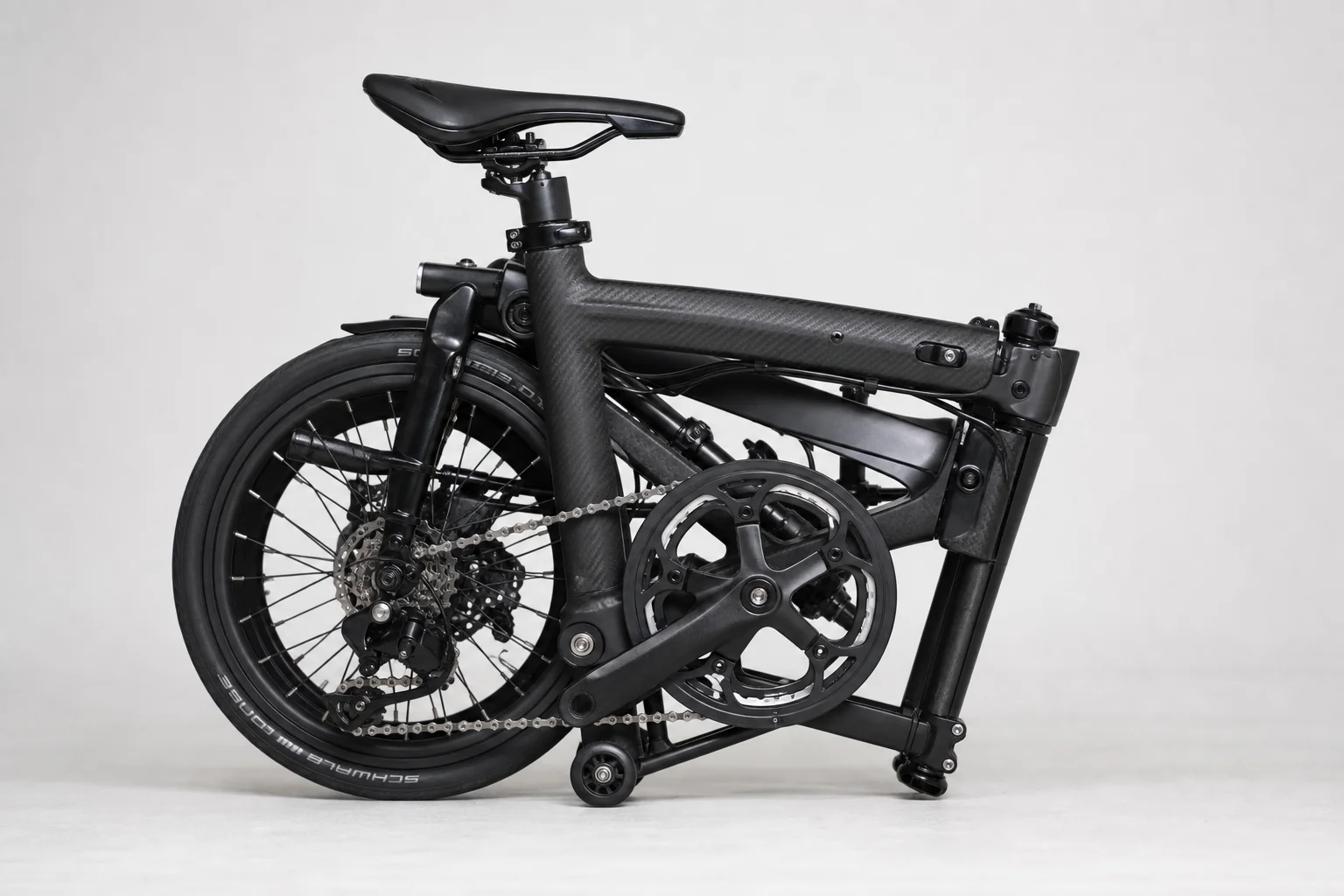
The weight remains competitive for a carbon folding bike in this category, and the larger wheels provide improved rolling efficiency and a more stable ride feel compared to smaller-wheeled alternatives.
Conclusion
The Java Neo 20-inch carbon folding bike successfully combines the advantages of a larger wheel diameter with the lightweight benefits of carbon fiber construction. The geometry, while unconventional due to the rear-triangle folding design, performs well in real-world testing and can be adjusted to suit individual preferences through handlebar height and saddle selection. If you prefer a larger wheel for stability and efficiency, and you value the weight savings of carbon construction, this bike is a solid choice. For riders uncertain between the 16-inch and 20-inch options, the decision should be based on your height, preferred handlebar height, and whether you prioritize maximum compactness or improved rolling characteristics.
Product link
View more details for Java Neo 20-Inch Carbon Folding Bike
This product is mentioned in the review. Check the specifications, options, and compatibility before buying.
View more details for Java Neo 20-Inch Carbon Folding BikeFurther reading
Related Reviews
3D Printing Materials
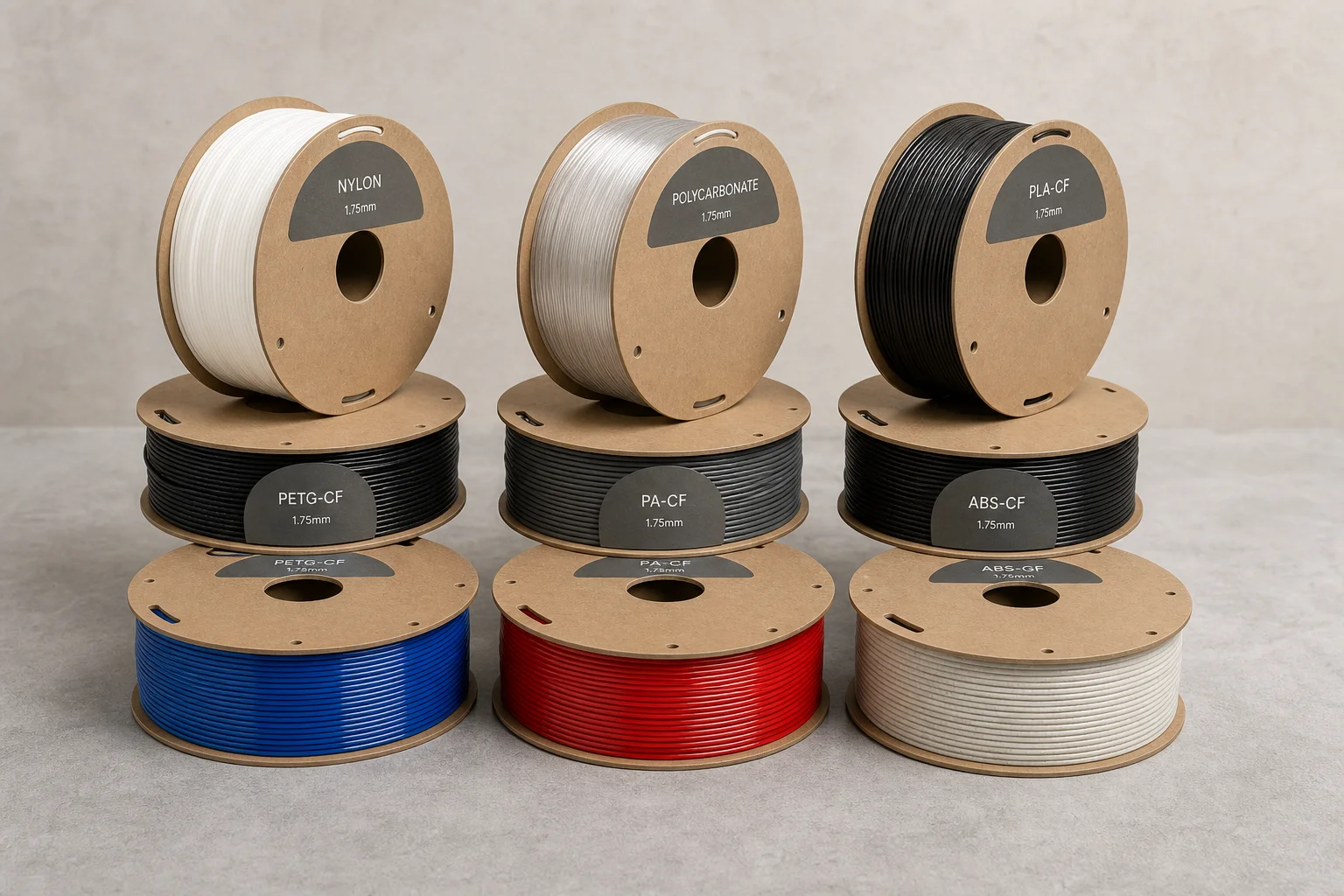
9 Advanced 3D Printer Filaments: A Practical Guide to Engineering-Grade Materials
Explore nine advanced filament types for 3D printing, from Nylon and polycarbonate to carbon fiber composites. Learn their strengths, trade-offs, and best applications.

Watch Reviews
Formex Reef 39.5 Carbon Fiber Review: A Smaller Diver With a Sparkling Dial
The Formex Reef 39.5 brings a carbon fiber dial and bezel to a smaller dive watch case. We examine the fit, the finish, and the legibility trade-offs.

Electric Bikes
GoTrax F1 vs F2 vs F3: Which Folding E-Bike Fits Your Riding Style?
A practical comparison of GoTrax's three folding electric bikes, covering price, components, ride feel, and which rider each one suits best.