Bike Reviews
Java Neo3 Carbon Trifold Review: A Portable Bike That Weighs Less Than You'd Expect
The Java Neo3 Carbon Electronic Group Set Edition combines a trifold design with T800 carbon construction and electronic shifting. We tested its ride quality, portability, and real-world performance.
Introduction
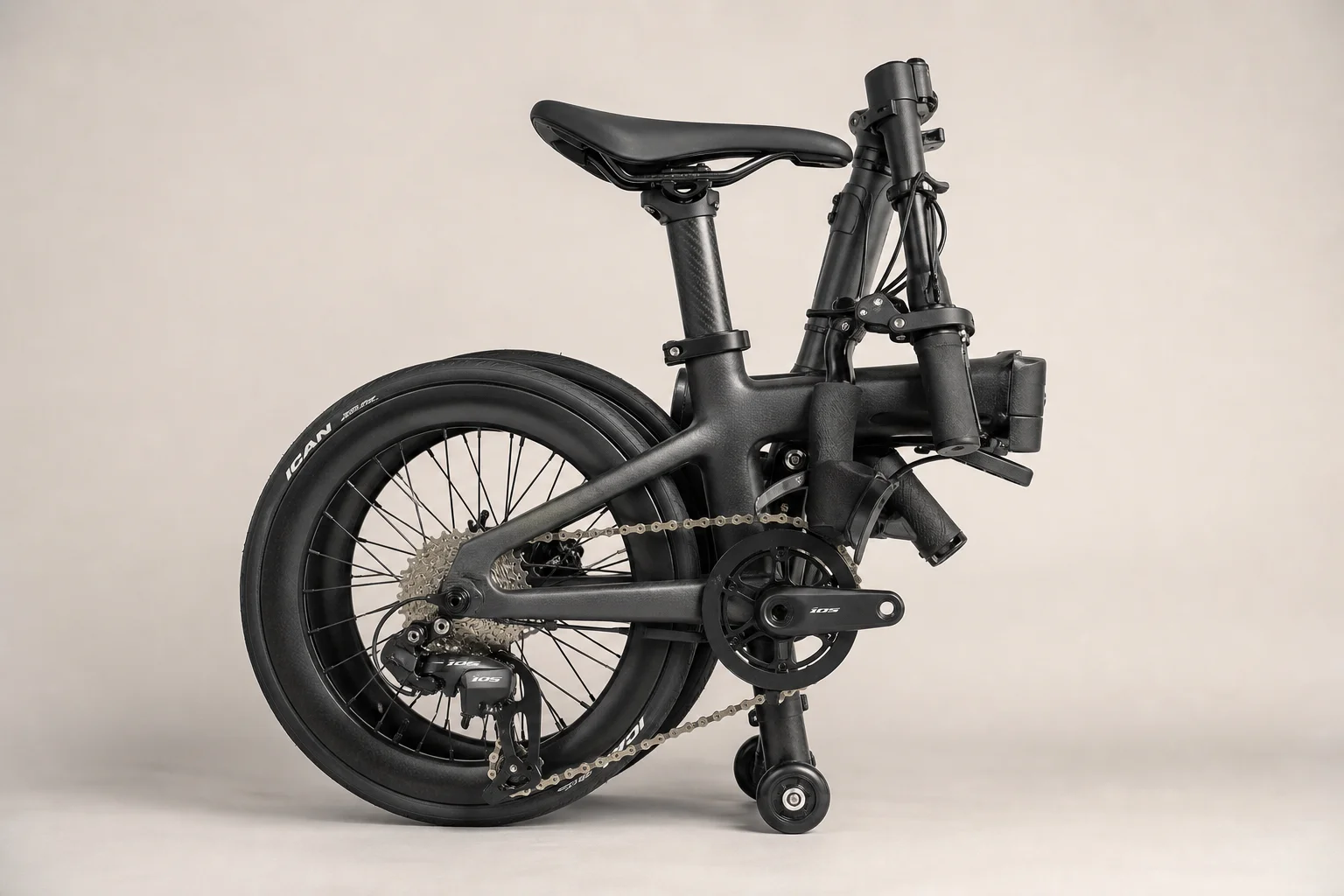
The Java Neo3 Carbon Electronic Group Set Edition represents a significant evolution in portable bike design. This trifold mini bike combines Japanese T800 carbon fiber construction with an electronic shifting system, achieving a weight around 8.46 kg while maintaining the portability that defines the category. For riders seeking a bike that is both genuinely light and genuinely rideable, this machine delivers on both fronts.
Portability and Weight
The most striking aspect of the Java Neo3 Carbon is how light it actually feels in hand. At approximately 8.46 kg, it weighs roughly the same as an ultralight carbon road bike, yet folds into a compact package. This weight advantage becomes immediately apparent during a commute: you can carry the bike by hand rather than rolling it, which eliminates the awkwardness of managing a folded bike on crowded transit or in tight spaces.
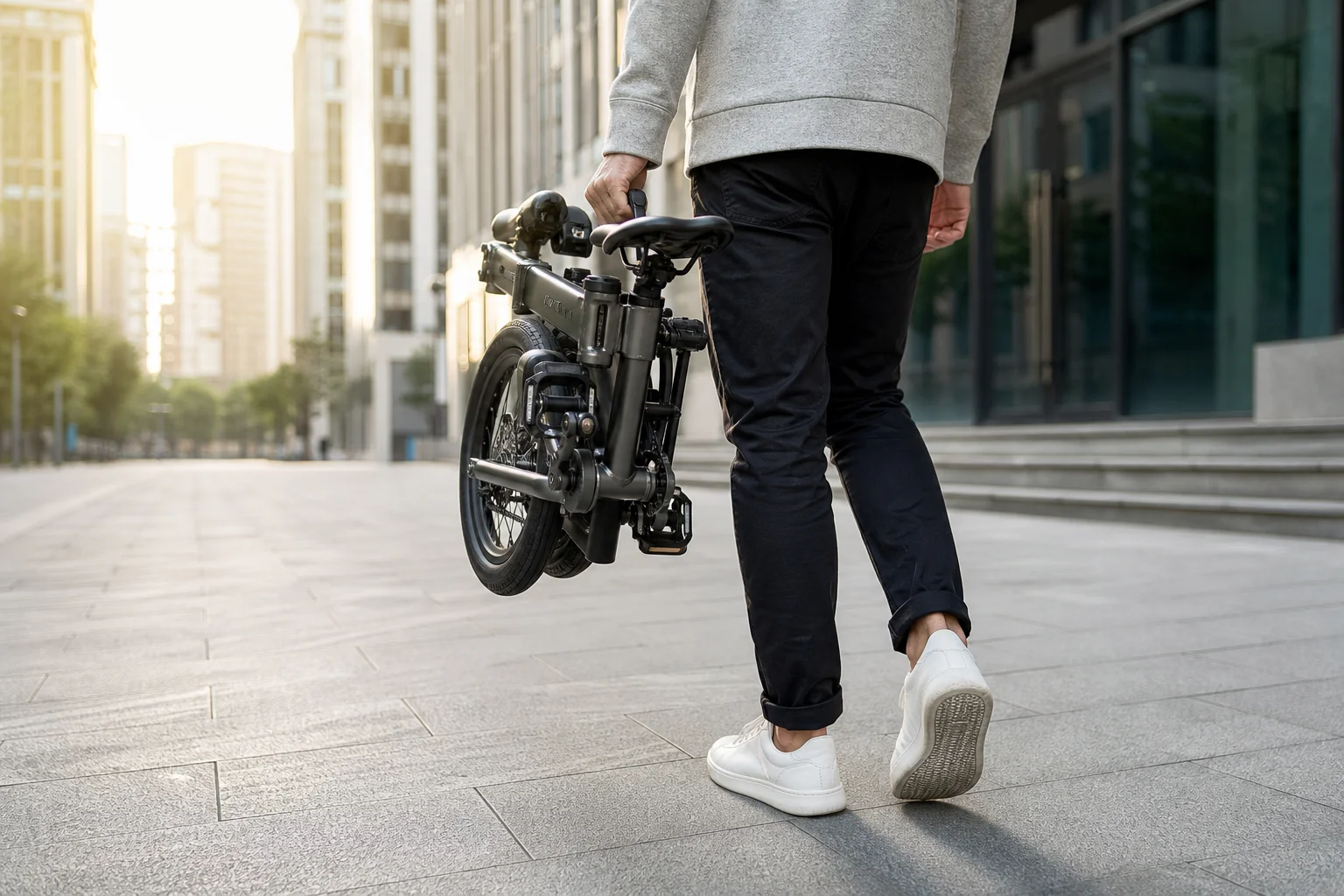
The carbon construction is not merely cosmetic. Japanese T800 carbon fiber, typically reserved for high-end road bikes, provides both stiffness and durability. The aluminum version of the same bike weighs 9.92 kg, making the carbon upgrade worth approximately 1.46 kg of weight savings. For a portable bike, that difference is substantial and directly affects how the bike feels to carry and deploy.
Ride Quality and Comfort
Despite its compact 16-inch wheels and folding design, the ride quality exceeds expectations for this category. The carbon frame filters out fine road vibrations more effectively than aluminum, creating a noticeably smoother experience over typical commute surfaces. An elastomer insert on the rear frame provides additional shock absorption, which meaningfully improves comfort during longer rides.
The bike comes equipped with a lightweight cutout saddle designed for comfort on extended rides, a detail that suggests the designers understood that portability should not mean sacrificing comfort. The carbon BMX-style riser handlebars position the rider in a more upright posture than previous versions, reducing air resistance slightly while making the bike far more suitable for long-distance touring or relaxed commuting.
Electronic Shifting Performance
The Wheeltop electronic group set is the standout technical feature. This 12-speed system operates with remarkable smoothness and speed, shifting without stress on the chain or cassette regardless of load or timing. The shift buttons feel responsive, and holding them down allows continuous shifting through multiple gears. The audible shift is crisp and satisfying.
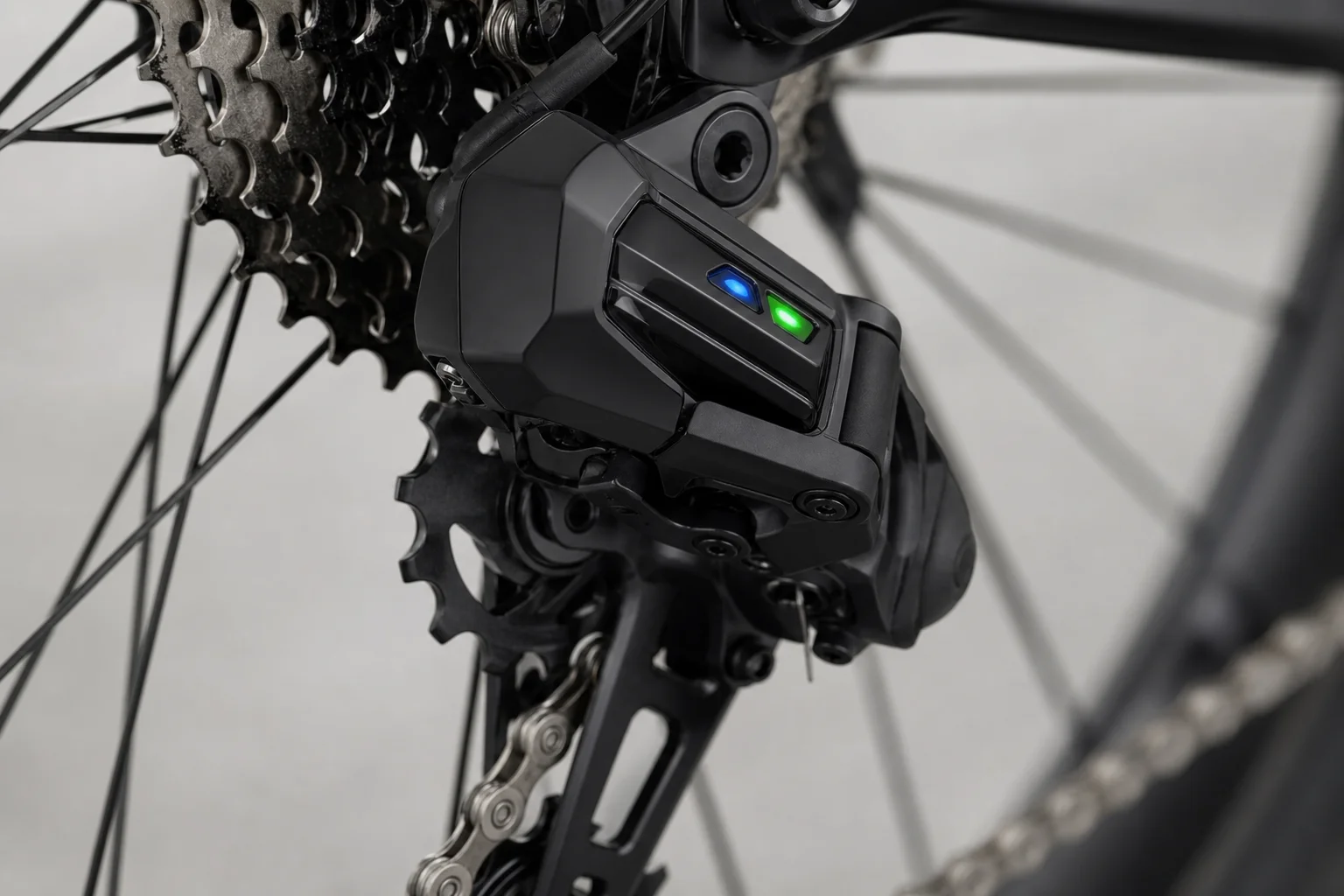
Battery life is practical for typical use. A full charge enables approximately 20,000 to 25,000 shifts, translating to roughly 600 to 800 km of riding distance. For riders who commute once or twice weekly, charging once every one to two months is typical. The magnetic charging port is accessible when the bike is folded, and the included USB cable works with any standard power bank. Battery status is indicated by button color: green (40-100%), blue (10-40%), and red (below 10%).
Gearing and Climbing
The 11-40T cassette is unusually large for a bike of this class, borrowed directly from mountain bike specifications. This wide range, combined with the 50T hollow chain ring, creates a gear ratio that makes climbing feel almost effortless. The bike climbs steep grades with minimal pedal pressure, and riders will rarely need to dismount and push. The cassette is well-skeletonized for weight reduction, maintaining the overall lightweight character.
Braking and Descent Performance
Hydraulic disc brakes with 140 mm rotors provide more than adequate stopping power. During fast descents, the braking feels stable and controlled, inspiring confidence even at speed. The braking performance is one area where the bike does not feel compromised by its portable design.
Wheels, Tires, and Rolling Resistance
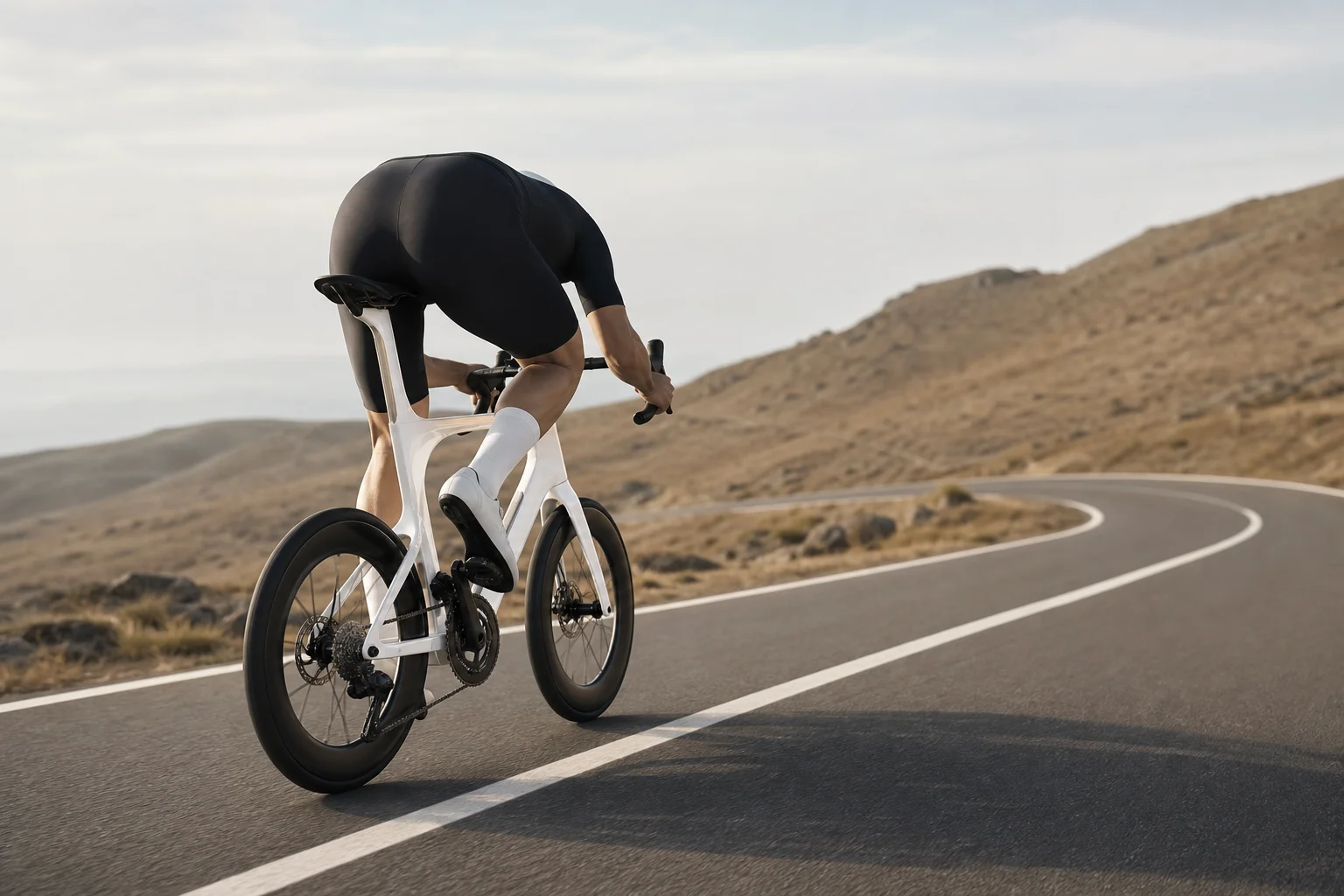
The 16-inch wheels use 30 mm high-profile rims designed to maintain speed despite the smaller diameter. The spoke count is reduced compared to typical road bikes (18 front, 24 rear), which decreases air resistance from spinning spokes and contributes to the sharp, aggressive ratchet sound. The 16x1.38-inch road tires are rated for 65 to 110 psi. A pressure of 80 psi balances smooth ride quality with puncture protection; 100 psi is suitable if puncture resistance is the priority.
Build Quality and Details
The carbon seat post is designed with strength in mind and feels safe to use despite carbon’s reputation for brittleness. The carbon handlebar post is particularly impressive, with visible carbon weave creating a premium appearance. The pedals feature a quick-release design with a groove-and-press mechanism, and extra rubber rings are included.
One important note: some parts arrive not fully tightened from the factory. Checking and tightening bolts before the first ride prevents rattling noises and ensures safe operation.
Folding Mechanism and Design
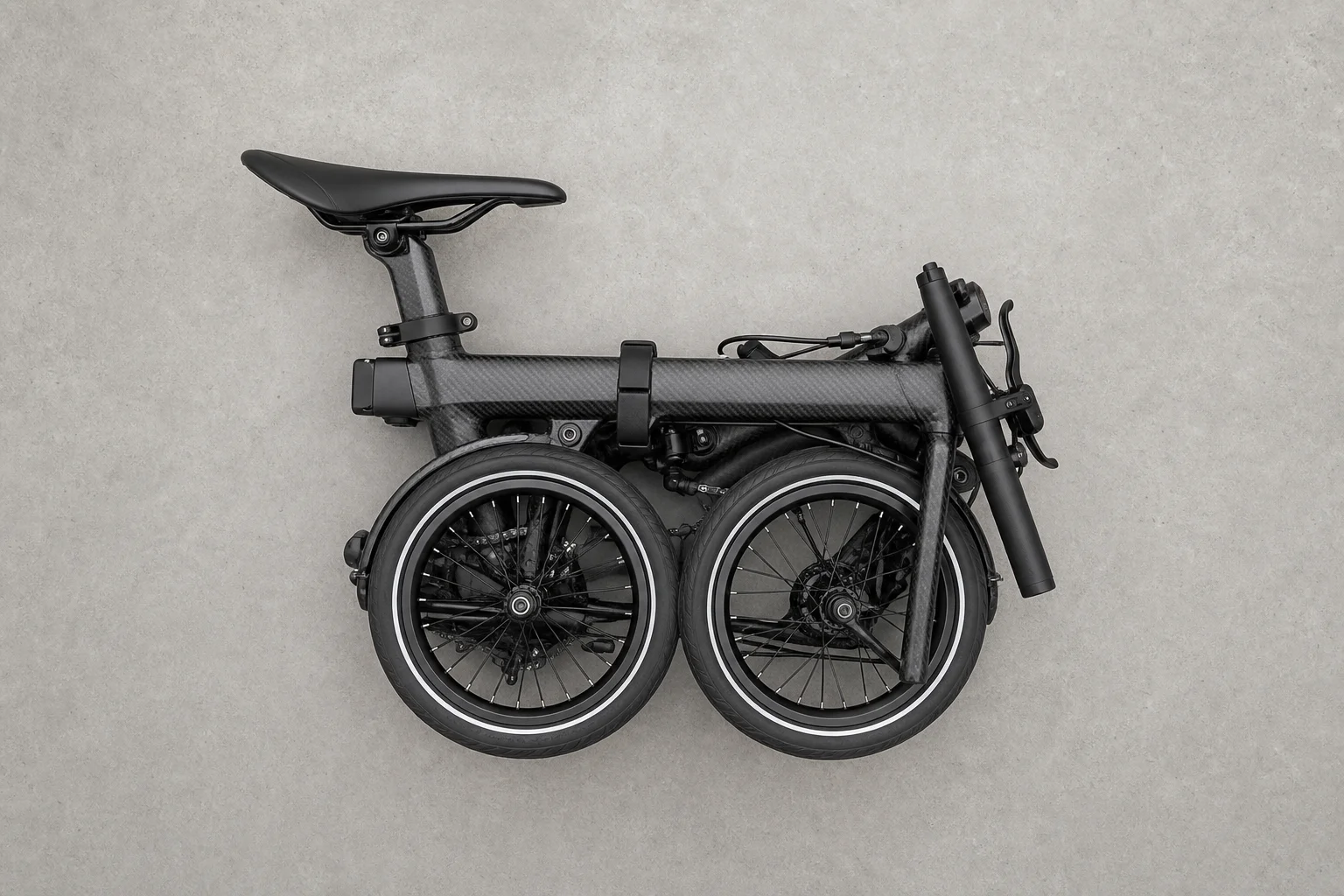
The folding process is straightforward: move the chain to the largest gear, fold the handlebar post, release the frame folding lever, press the rear folding lever, lift slightly to fold neatly, and secure the seat post. When folded, the bike can roll forward but not backward, requiring a slight lift to change direction. However, given the light weight, most riders will simply carry the bike rather than roll it.
Limitations and Considerations
The seat post length accommodates riders up to approximately 178 cm. Taller riders will need an aftermarket seat post. The compact 16-inch wheels, while excellent for acceleration and portability, require the high-profile rims to maintain speed effectively. The electronic system requires periodic charging, though the interval is practical for typical commuting patterns.
Conclusion
The Java Neo3 Carbon Electronic Group Set Edition is a genuinely impressive portable bike. It achieves the rare combination of being light enough to carry comfortably, stiff and comfortable enough to ride for extended distances, and equipped with technology that makes shifting effortless. At a launch price of $1,398, it costs roughly the same as an entry-level carbon road bike, but offers something fundamentally different: a bike that is both portable and genuinely enjoyable to ride. For commuters, travelers, and riders who value the freedom of a compact bike without the usual compromises, this is the strongest option in its class.
Product link
View more details for Java Neo3 Carbon Electronic Group Set Edition
This product is mentioned in the review. Check the specifications, options, and compatibility before buying.
View more details for Java Neo3 Carbon Electronic Group Set EditionFurther reading
Related Reviews
Bike Reviews
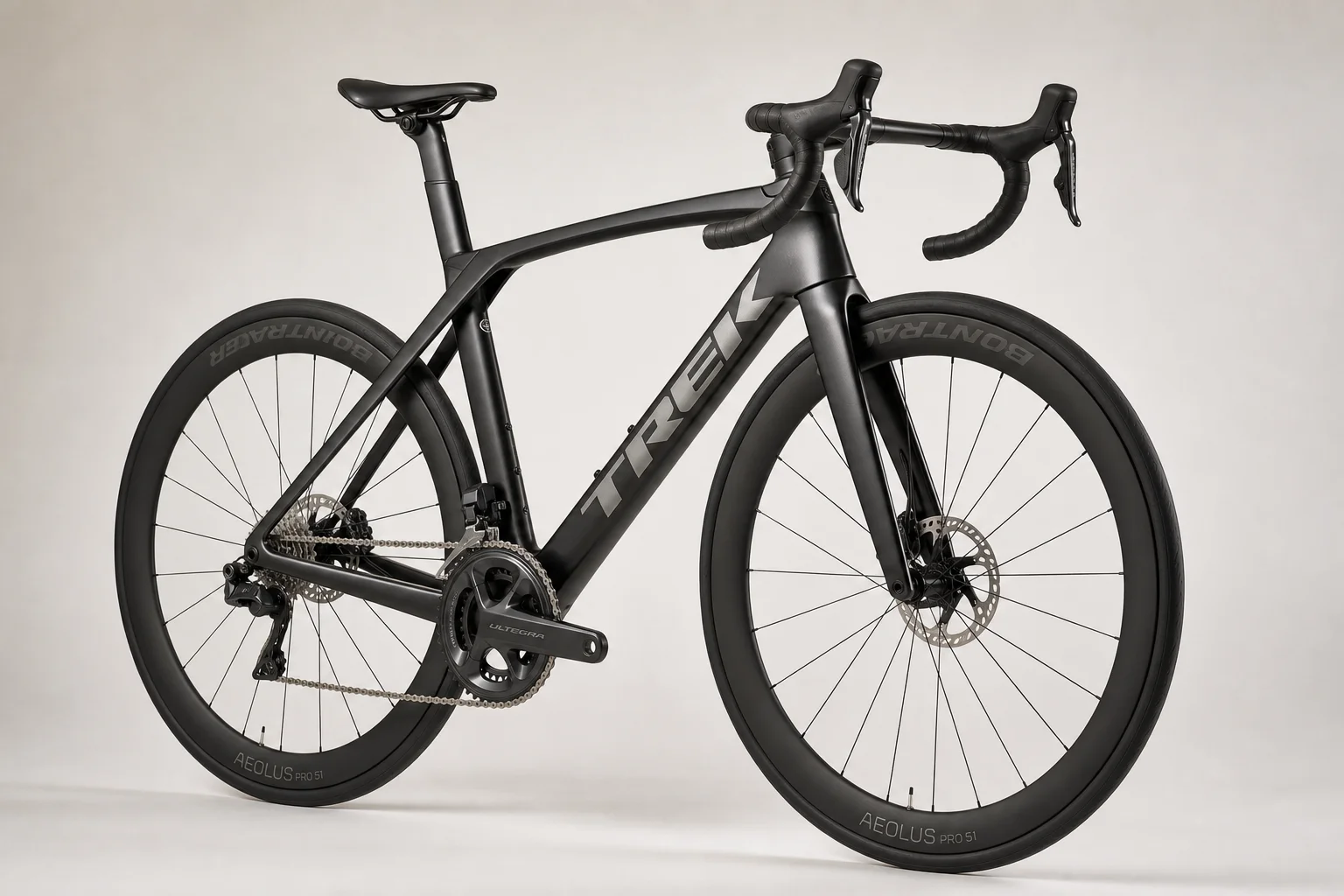
SAVA AeroX SLR8 Review: Premium Carbon Aero Bike at a Competitive Price
The SAVA AeroX SLR8 delivers lightweight carbon construction and Shimano Ultegra Di2 shifting at a fraction of what comparable aero race bikes cost. Strong performance and value, but assembly support and quality control need attention.
Bike Reviews
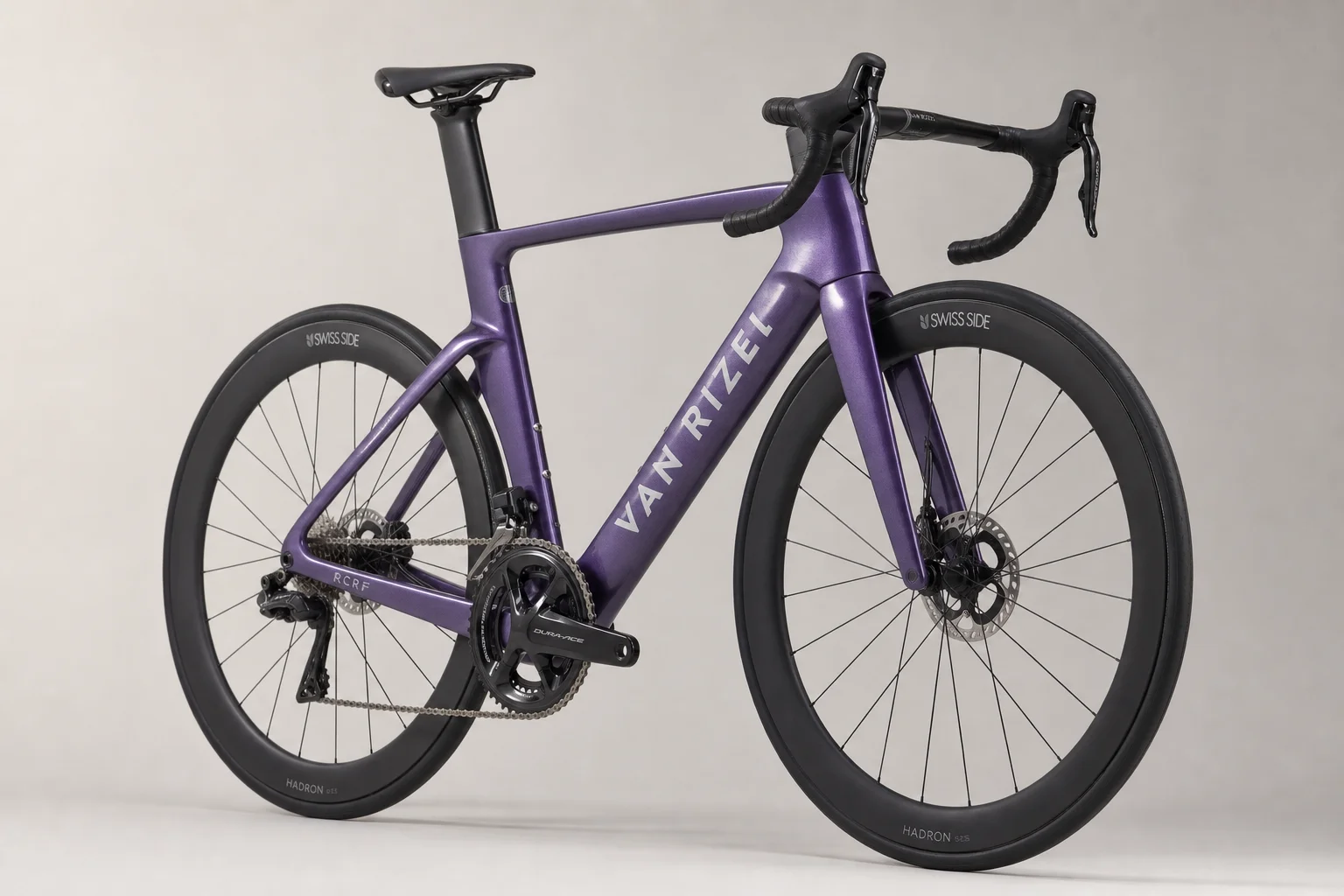
Van Rizel RCRF Aero Bike Review: Speed and Niche Purpose
The Van Rizel RCRF is a purpose-built aerodynamic road bike designed for flat terrain and high-speed riding. We spent 600km testing it to see if modern aero bikes still make sense for amateur cyclists.

Electric Bikes
GoTrax F1 vs F2 vs F3: Which Folding E-Bike Fits Your Riding Style?
A practical comparison of GoTrax's three folding electric bikes, covering price, components, ride feel, and which rider each one suits best.