日本語 · Phono Cartridges
Goldring E3 vs Ortofon 2M Blue vs Nagaoka MP110:3つのフォノカートリッジを比較
手頃な価格の3つのフォノカートリッジを実用的に比較し、音の傾向、取り付け方法、そして自分のターンテーブルに合う一台の選び方を解説します。
はじめに
カートリッジの交換は、単に測定値を変えるだけでなく、ターンテーブルの性格そのものを変える数少ないアップグレードのひとつです。しかも最も安価な部類に入るため、Goldring E3、Ortofon 2M Blue、Nagaoka MP110という3つの手頃なカートリッジが同じ話題に何度も登場します。
それぞれが音のスペクトラム上の異なる位置にあり、取り付ける人に少しずつ違うことを求めます。このガイドでは、3機種を分けるもの、重なる部分、そして求める音とお持ちのターンテーブルに応じてどれが理にかなうかを順に説明します。
アップグレード前に検討すべきこと
この価格帯のカートリッジを選ぶ際、何よりも重要な点が3つあります。
第一に音の傾向です。ここで扱う3機種は、明るく詳細なものから温かく落ち着いたものまで幅広く、どれが正解かは、高域の煌めきを求めるのか、低域の量感を求めるのか、あるいはその両者のバランスを求めるのかによって変わります。
第二に取り付けやすさです。アライメントとバランス調整がしやすいカートリッジは、作業台で費やす時間が減り、レコードを再生する時間が増えます。ボディ形状、取り付け金具、そしてスタイラスが溝にどれだけ明確に収まるかが、交換作業の負担を左右します。
第三に、スタイラス単体ではなくカートリッジ全体の価格です。適正な価格で完全なユニットとして販売されているカートリッジは、初めての本格的なアップグレードとしてシンプルな選択肢になります。
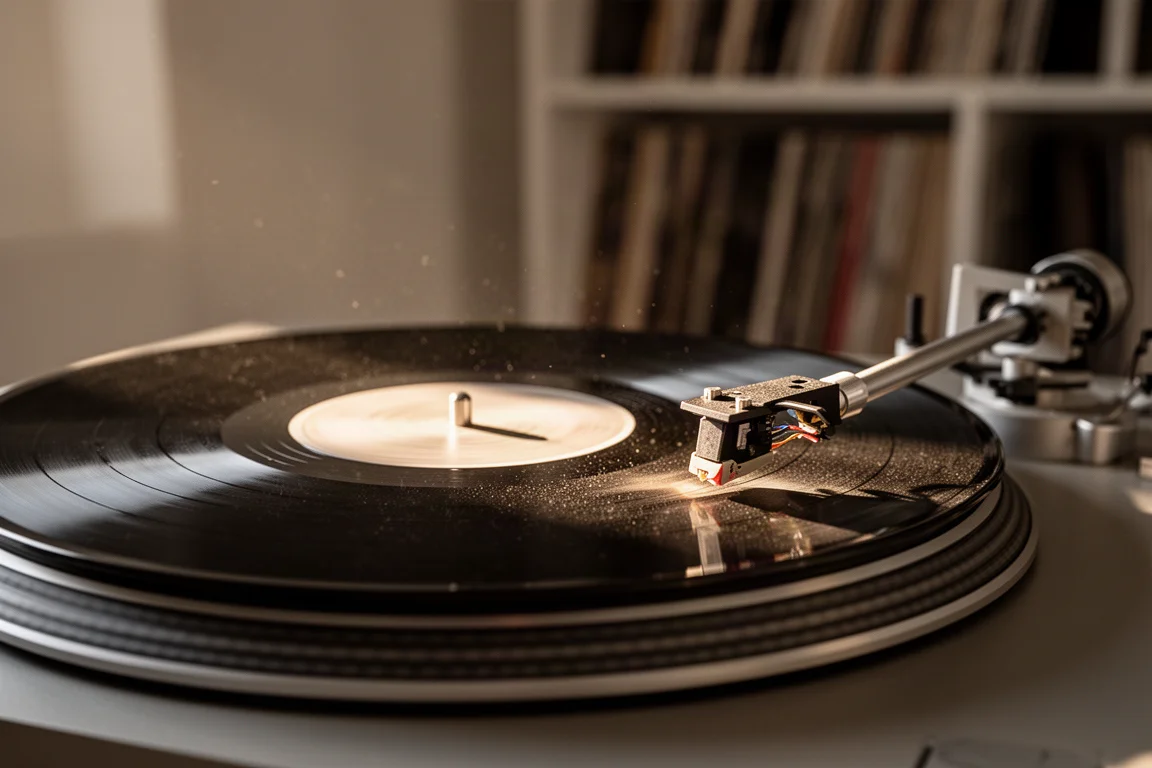
もうひとつ実用的な点を挙げると、Fluance RT82、RT83、RT84、RT85は同じターンテーブル・プラットフォームを共有し、主な違いは工場出荷時に装着されるカートリッジで、RT85はさらにアクリルプラッターを追加しています。RT82にはOrtofon 2M Redが付属します。ヘッドシェルが着脱式なので、欲しいカートリッジがすでに決まっているなら、このシリーズで最も安価なモデルを買って自分でカートリッジを取り付けるのが賢明なルートです。
Goldring E3:楽しく魅力的な選択
カートリッジ全体で165ドルのGoldring E3は、このグループのコストパフォーマンスの象徴です。交換用スタイラスだけではなく、この価格でカートリッジ全体が手に入ります。
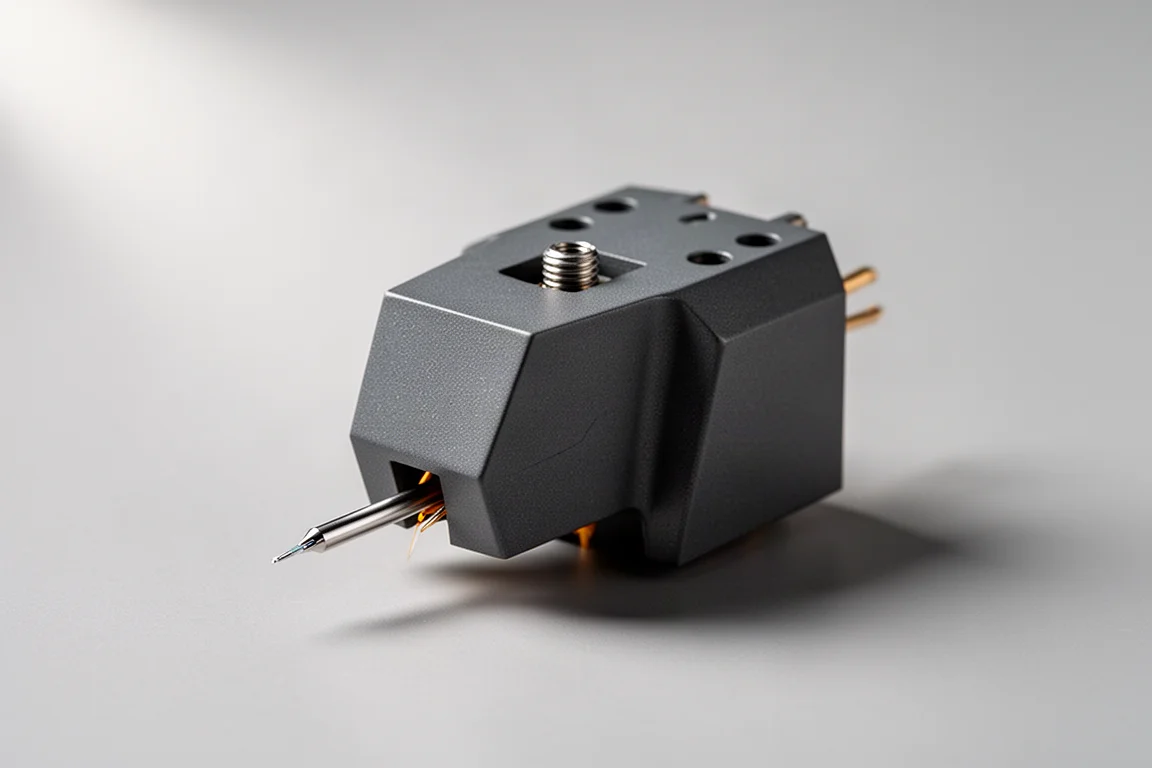
その真価が発揮されるのは取り付け時です。ハウジングにはめねじインサートが組み込まれているため、取り付けボルトは本体に直接ねじ込め、ピンセットで押さえる小さなナットは不要です。このひとつの設計判断が、取り付けとバランス調整を劇的に速くします。
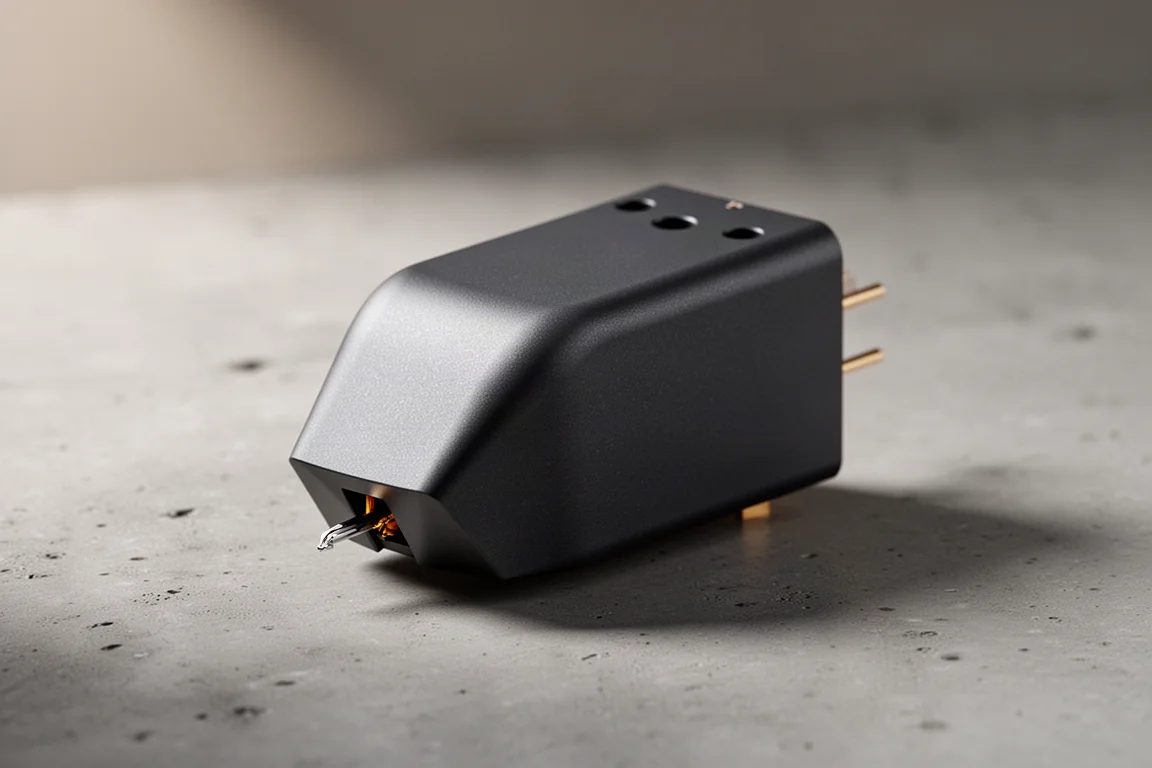
ボディ形状も助けになります。前面は角ばっておらず鈍くまっすぐで、側面は広く緩やかなカーブで外側に広がっています。この角度のおかげで、カートリッジがわずかにずれているときにそれを見極めやすく、修正もしやすくなります。
音質面では、E3は力強く活気があり詳細で、高域には煌めき、低域には確かな量感があります。音場は広く開放的で、Ortofon 2M Blueより広いです。2M Blueと比べると細部の再現性はわずかに劣りますが、それをエネルギーで補っています。明るさと温かさのスペクトラムのちょうど中間に位置し、初めての本格的なアップグレードとして気軽に勧められます。
Ortofon 2M Blue:ディテールとバランス
The Ortofon 2M Blue costs around $226, up from around $200 previously. It remains the most detailed and the cleanest of the three, pulling a lot of information out of the grooves and presenting it in a balanced way. Bass is present and controlled rather than emphasised, and the overall character stays even across the frequency range.
Two trade-offs come with that clarity. The 2M Blue shows a little more sibilance than the E3, and its bottom end is not as thick or as weighty. Its sound stage is also narrower than the Goldring’s.
The body does it no favours during setup. The front is squared off and the side flares are narrower, so small alignment errors are harder to spot by eye. It is not difficult to mount, but it is less forgiving than the E3.
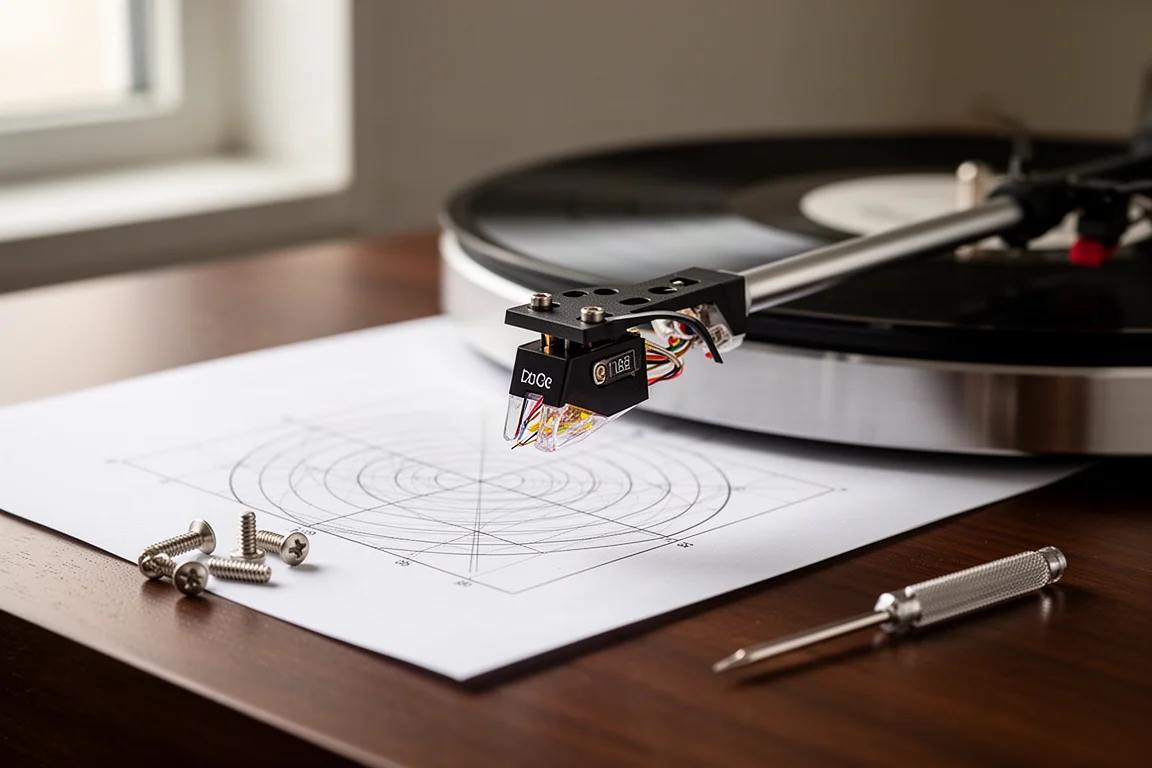
For listeners who want the cleanest, most informative presentation and are willing to accept a leaner low end, the 2M Blue still delivers.
Nagaoka MP110:温かく落ち着いた音
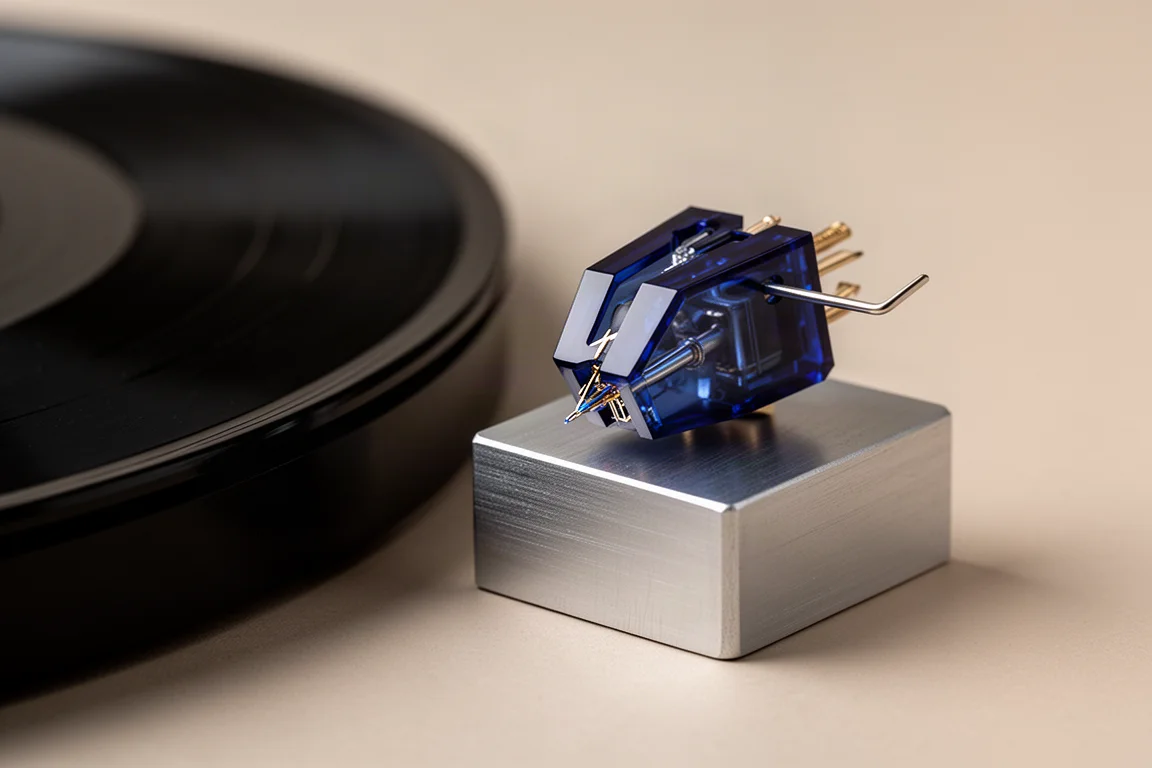
The Nagaoka MP110 sits at the warm end of the group. It is the least excitable of the three, with a relaxed character that trades some sparkle for smoothness. For listeners who find bright cartridges fatiguing, that is exactly the point.
For a long time the MP110 was the natural recommendation under $200, and it can still be specified as a factory option on the Fluance RT85. Its pricing has climbed considerably since then, which changes the value calculation but not the sound.
It rounds out the spectrum neatly: warm on one side, detailed on the other, with the Goldring in the middle.
フィット感、アライメント、取り付け
カートリッジ交換は細部で成否が決まりますが、ここで扱う3機種はその細部への対応が異なります。
The Goldring E3 is the easiest of the group to fit. Threaded inserts remove the need to juggle loose nuts, and its blunt front and wide side flares make alignment easy to judge. Balancing the tonearm afterwards is quick because the cartridge goes on straight the first time.
The Ortofon 2M Blue takes more patience. Its squared-off front and narrower flares hide small errors, so it rewards a careful eye and a good protractor.
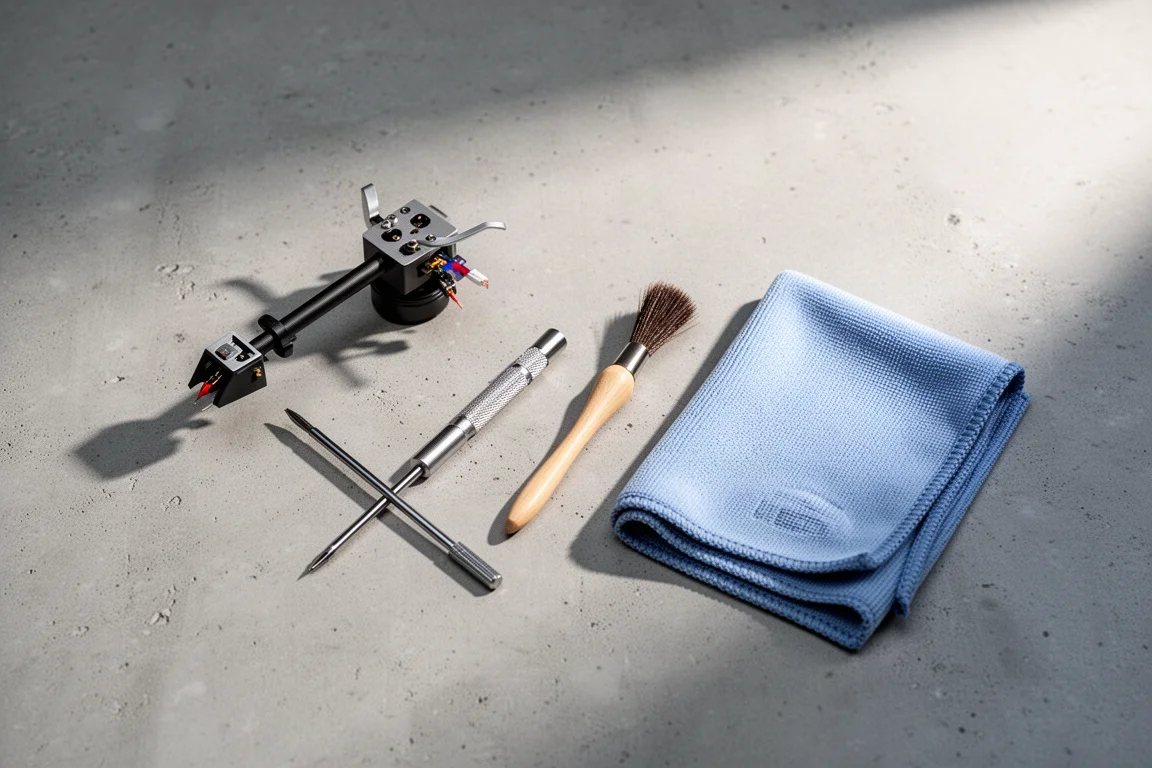
A removable headshell makes any comparison far simpler, since you can mount each cartridge on its own shell and swap them in seconds rather than re-aligning every time. Two headshells are enough to compare a pair of cartridges directly.
音の傾向ガイド
If you are trying to place these three on a single line, it runs from sparkly to warm: the Ortofon 2M Blue at the bright, detailed end, the Goldring E3 in the middle, and the Nagaoka MP110 at the warm end.
The E3 is the fun cartridge of the group, poppy at the bottom and sparkly at the top, with a wide open sound stage. The 2M Blue is the most detailed and the most balanced, with a touch more sibilance and a leaner bottom end. The MP110 is the calmest and the smoothest.
What makes these differences worth caring about is that they survive modest equipment. Even through an inexpensive tube phono preamp and a pair of budget bookshelf speakers, the character of each cartridge came through clearly. You do not need an expensive system to hear what you are paying for.
購入アドバイス:自分のシステムに合うカートリッジを選ぶ
If you want the most enjoyable sound for the least money, the Goldring E3 is the pick. At $165 for the complete cartridge, with threaded mounting and a body that is easy to align, it is a straightforward first upgrade that makes records fun to listen to.
If detail and balance matter more than energy, the Ortofon 2M Blue justifies its higher price. Accept the extra sibilance and the leaner bass, and it will show you more of what is in the grooves.
If you prefer warmth and a relaxed presentation, the Nagaoka MP110 remains the natural choice. Its price has risen, so it is worth checking the current figure before committing.
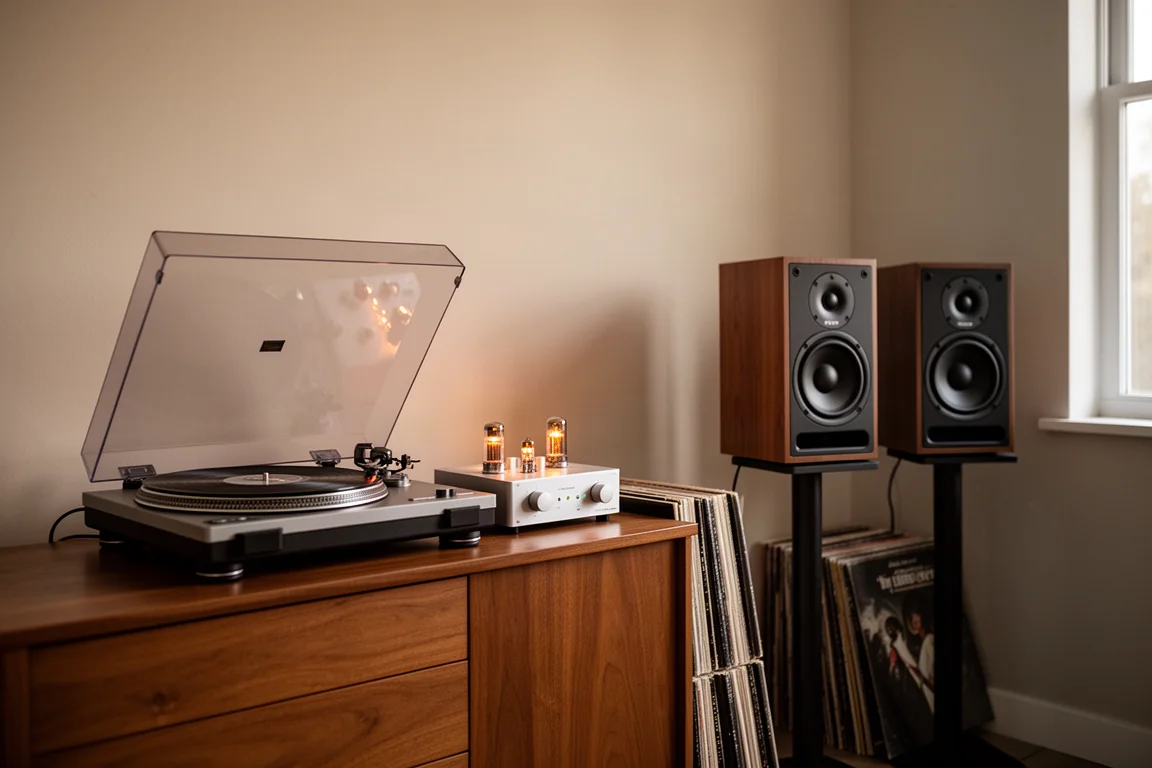
Pairing advice is simple. If you are buying a Fluance turntable and already know which cartridge you want, take the least expensive model in the RT line and fit the cartridge yourself, since the platform is shared across the range. If you are keeping an existing turntable, check that the headshell is removable, because that makes the whole process far easier.
まとめ
These three cartridges cover the useful part of the affordable upgrade market, and none of them is a bad choice. The Goldring E3 is the easiest to live with and the most fun, the Ortofon 2M Blue is the most revealing, and the Nagaoka MP110 is the warmest and calmest. Pick the character you want, fit it carefully, and the upgrade will be obvious from the first record.