Phono Cartridges
Goldring E3 vs Ortofon 2M Blue vs Nagaoka MP110: Three Phono Cartridges Compared
A practical comparison of three affordable phono cartridges, covering sound signature, mounting, and how to choose the right one for your turntable.
Introduction
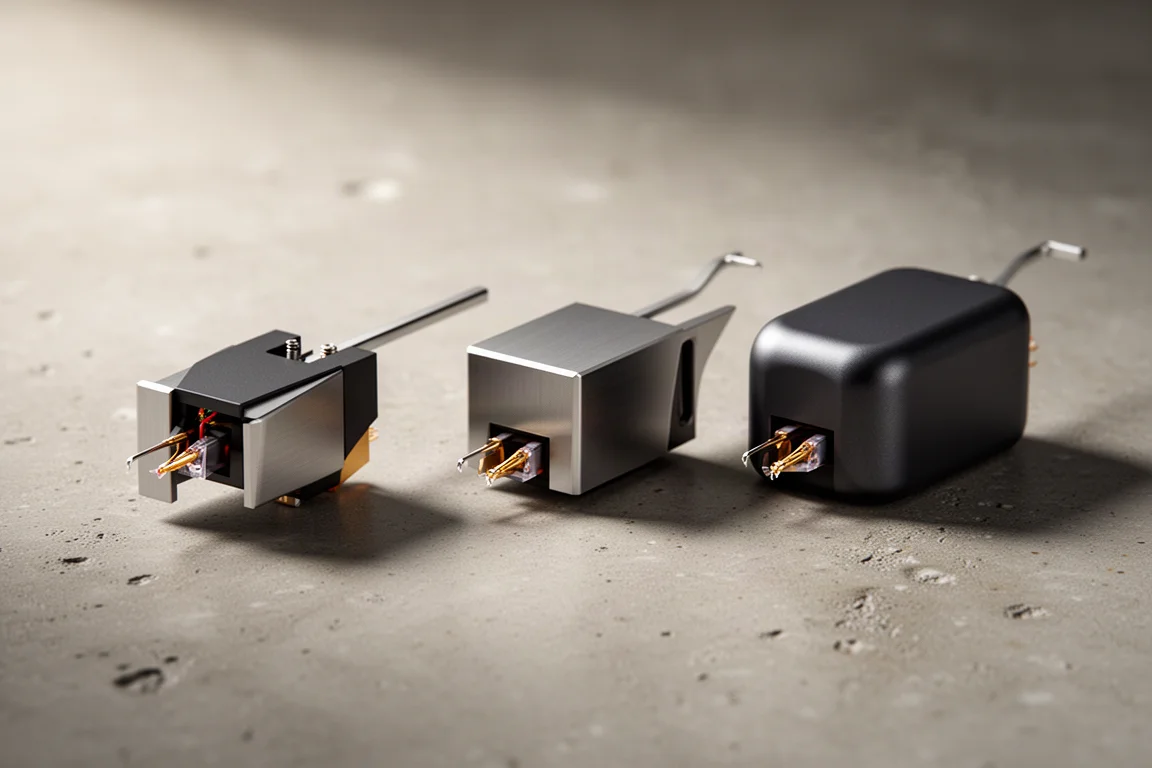
A cartridge swap is one of the few upgrades that changes the character of a turntable rather than just its measurements. It is also one of the least expensive, which is why three affordable cartridges keep coming up in the same conversation: the Goldring E3, the Ortofon 2M Blue, and the Nagaoka MP110.
Each sits in a different place on the sound spectrum, and each asks something slightly different of the person installing it. This guide walks through what separates them, where they overlap, and which one makes sense depending on the sound you are after and the turntable you already own.
What to Consider Before Upgrading
Three things matter more than anything else when choosing a cartridge in this price bracket.
The first is sound signature. The three cartridges here span a spectrum from bright and detailed to warm and relaxed, and the right choice depends on whether you want more sparkle on top, more weight at the bottom, or a balance between the two.
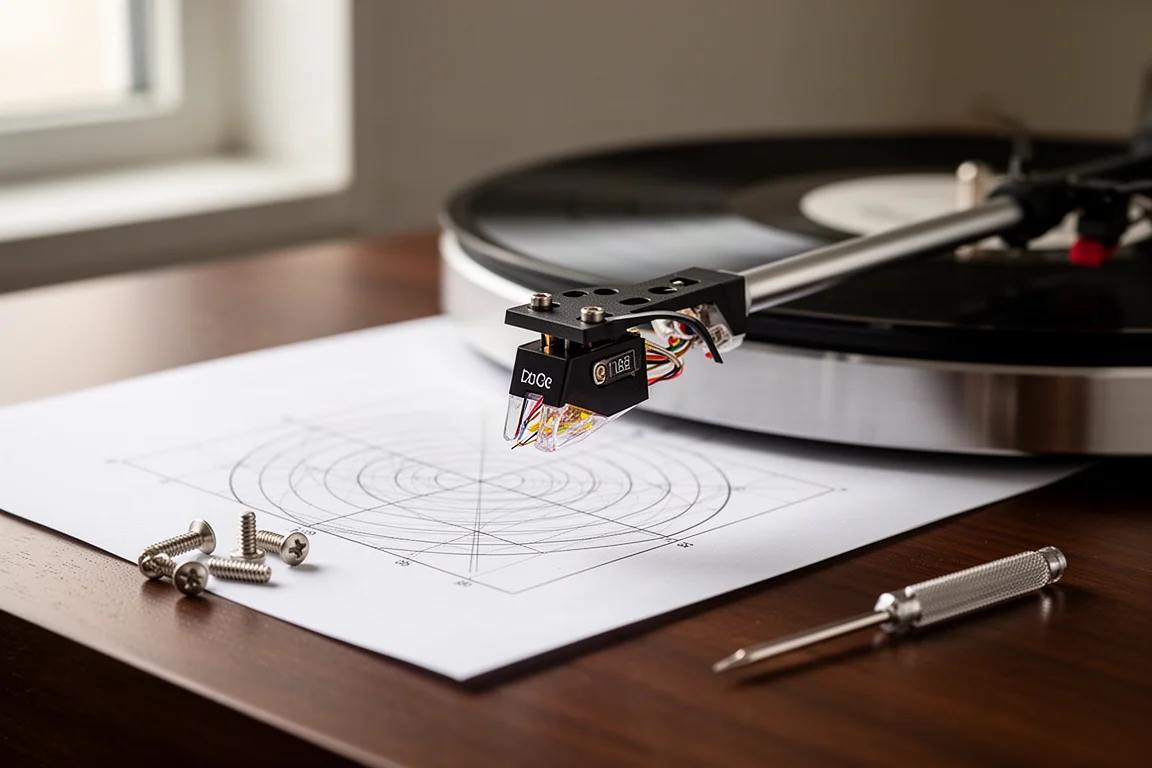
The second is installation. A cartridge that is easy to align and balance will spend more time playing records and less time on a workbench. Body shape, mounting hardware, and how clearly the stylus sits in the groove all affect how painful a swap feels.
The third is the price of the complete cartridge rather than the stylus alone. A cartridge sold as a full unit at a fair price is a simpler proposition for a first serious upgrade.
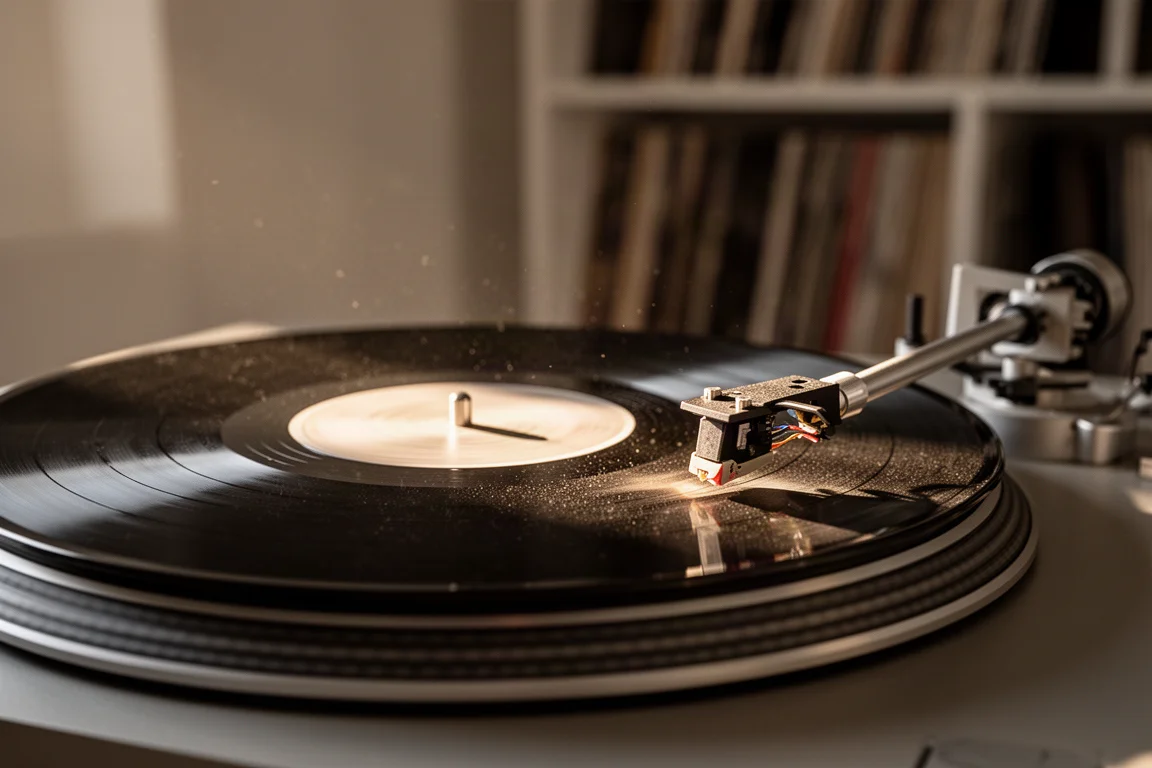
One more practical point: the Fluance RT82, RT83, RT84, and RT85 share the same turntable platform and differ mainly in the cartridge fitted at the factory, with the RT85 also adding an acrylic platter. The RT82 ships with an Ortofon 2M Red. Because the headshell is removable, buying the least expensive model in that line and fitting your own cartridge is a sensible route if you already know which one you want.
Goldring E3: The Fun, Engaging Pick
At $165 for the complete cartridge, the Goldring E3 is the value story of this group. It is not just a replacement stylus; the whole cartridge arrives for that price.
Installation is where it separates itself. The housing has threaded inserts built in, so the mounting bolts thread directly into the body instead of requiring tiny nuts held in place with tweezers. That single design decision makes mounting and balancing dramatically quicker.
The body shape helps as well. The front is blunt and straight rather than squared off, and the sides flare outward in a wide, gradual curve. Those angles make it much easier to see when the cartridge is slightly out of alignment, and easier to correct it.
Sonically, the E3 is punchy, lively, and detailed, with sparkle at the top and real weight at the bottom. Its sound stage is wide and open, broader than the Ortofon 2M Blue’s. It gives up a little fine detail compared with the 2M Blue, but it makes up for that with energy. It sits right in the middle of the spectrum between bright and warm, which makes it an easy recommendation for a first serious upgrade.
Ortofon 2M Blue: Detail and Balance
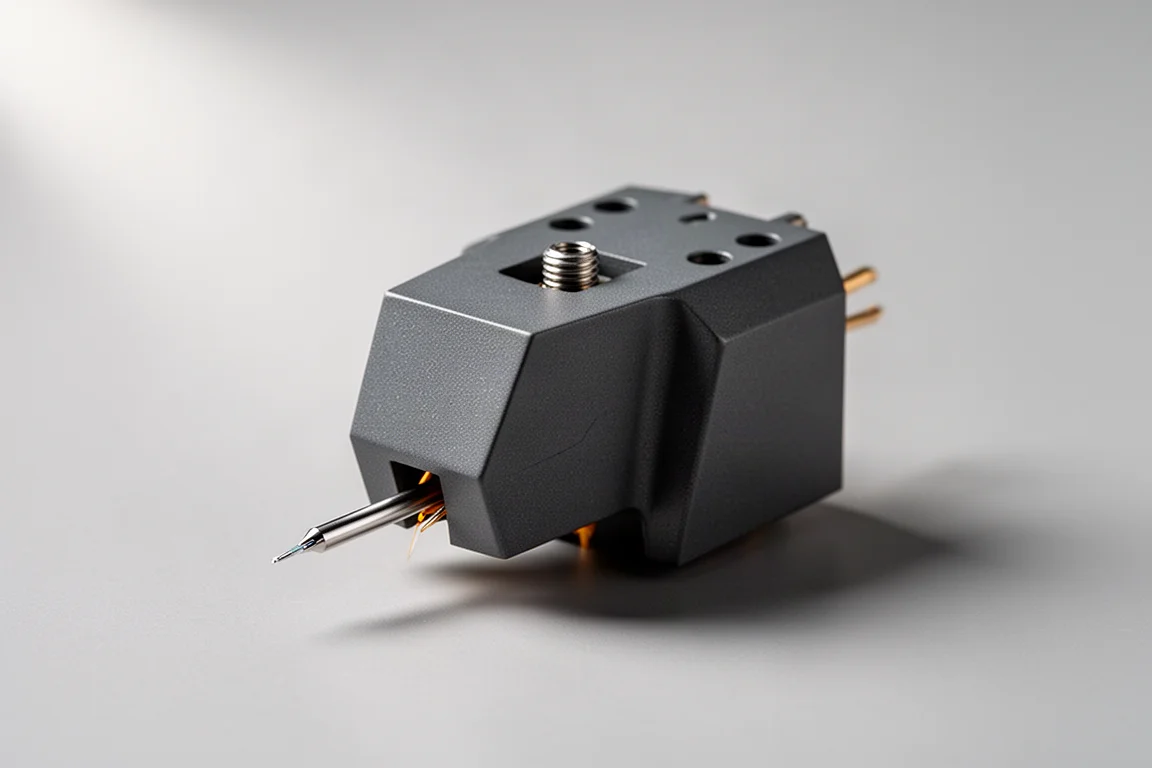
The Ortofon 2M Blue costs around $226, up from around $200 previously. It remains the most detailed and the cleanest of the three, pulling a lot of information out of the grooves and presenting it in a balanced way. Bass is present and controlled rather than emphasised, and the overall character stays even across the frequency range.
Two trade-offs come with that clarity. The 2M Blue shows a little more sibilance than the E3, and its bottom end is not as thick or as weighty. Its sound stage is also narrower than the Goldring’s.
The body does it no favours during setup. The front is squared off and the side flares are narrower, so small alignment errors are harder to spot by eye. It is not difficult to mount, but it is less forgiving than the E3.
For listeners who want the cleanest, most informative presentation and are willing to accept a leaner low end, the 2M Blue still delivers.
Nagaoka MP110: Warm and Relaxed
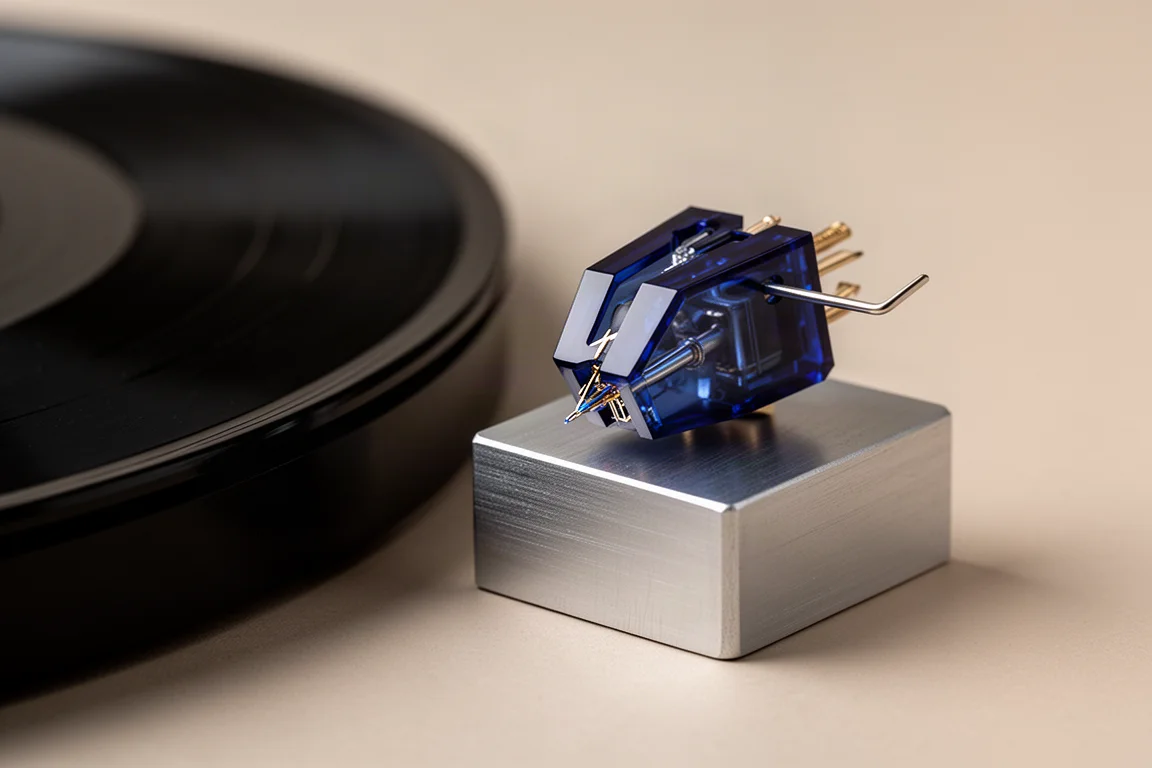
The Nagaoka MP110 sits at the warm end of the group. It is the least excitable of the three, with a relaxed character that trades some sparkle for smoothness. For listeners who find bright cartridges fatiguing, that is exactly the point.
For a long time the MP110 was the natural recommendation under $200, and it can still be specified as a factory option on the Fluance RT85. Its pricing has climbed considerably since then, which changes the value calculation but not the sound.
It rounds out the spectrum neatly: warm on one side, detailed on the other, with the Goldring in the middle.
Fit, Alignment, and Mounting
Cartridge swaps live or die on small details, and the three cartridges here handle those details differently.
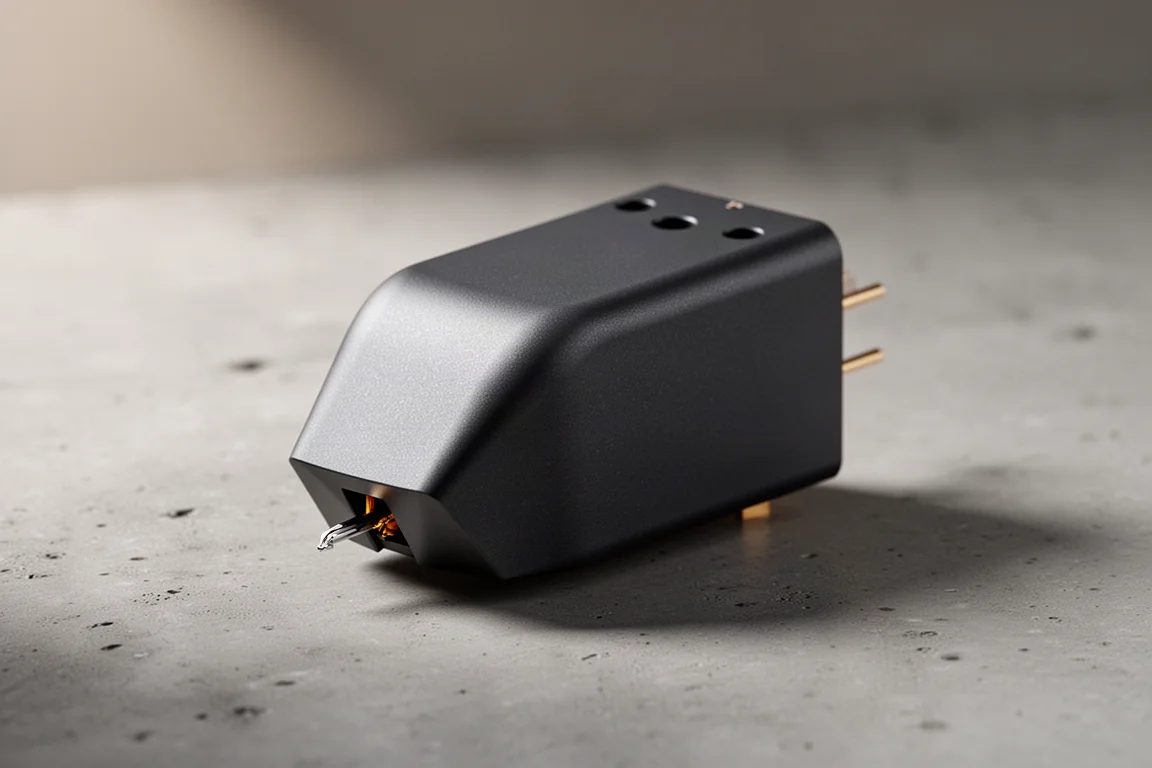
The Goldring E3 is the easiest of the group to fit. Threaded inserts remove the need to juggle loose nuts, and its blunt front and wide side flares make alignment easy to judge. Balancing the tonearm afterwards is quick because the cartridge goes on straight the first time.
The Ortofon 2M Blue takes more patience. Its squared-off front and narrower flares hide small errors, so it rewards a careful eye and a good protractor.
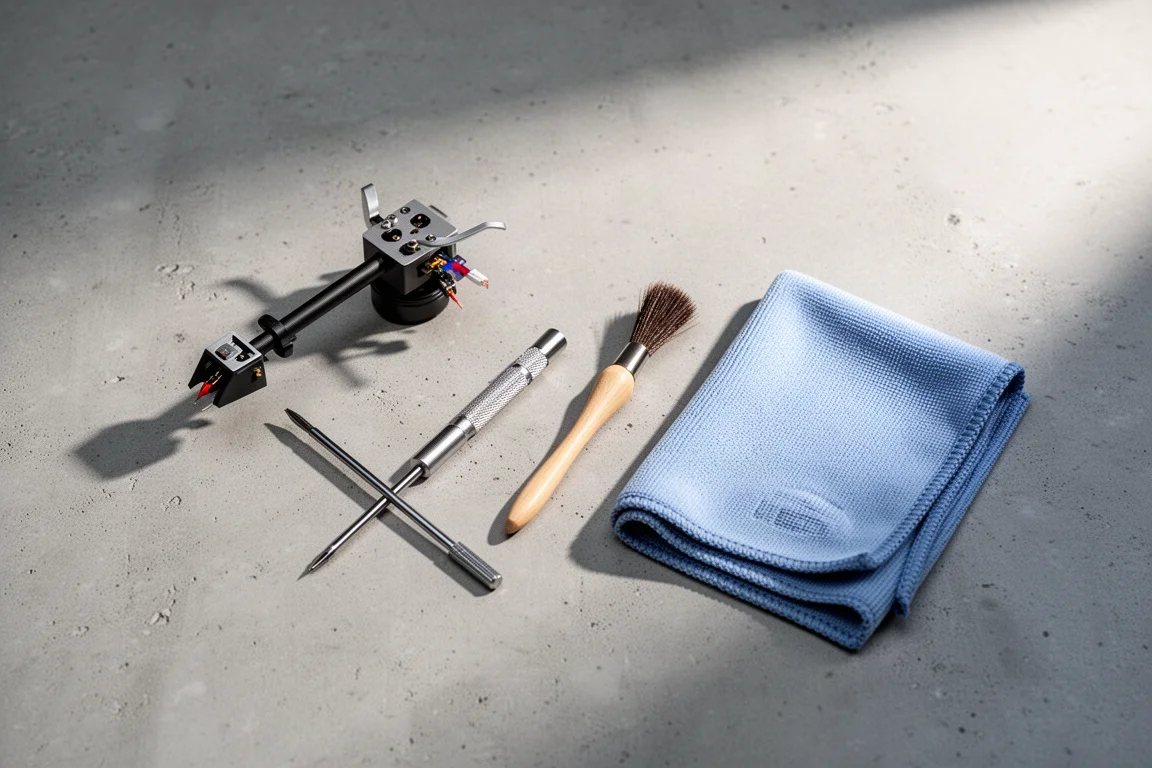
A removable headshell makes any comparison far simpler, since you can mount each cartridge on its own shell and swap them in seconds rather than re-aligning every time. Two headshells are enough to compare a pair of cartridges directly.
Sound Signature Guide
If you are trying to place these three on a single line, it runs from sparkly to warm: the Ortofon 2M Blue at the bright, detailed end, the Goldring E3 in the middle, and the Nagaoka MP110 at the warm end.
The E3 is the fun cartridge of the group, poppy at the bottom and sparkly at the top, with a wide open sound stage. The 2M Blue is the most detailed and the most balanced, with a touch more sibilance and a leaner bottom end. The MP110 is the calmest and the smoothest.
What makes these differences worth caring about is that they survive modest equipment. Even through an inexpensive tube phono preamp and a pair of budget bookshelf speakers, the character of each cartridge came through clearly. You do not need an expensive system to hear what you are paying for.
Buying Advice: Matching a Cartridge to Your Setup
If you want the most enjoyable sound for the least money, the Goldring E3 is the pick. At $165 for the complete cartridge, with threaded mounting and a body that is easy to align, it is a straightforward first upgrade that makes records fun to listen to.
If detail and balance matter more than energy, the Ortofon 2M Blue justifies its higher price. Accept the extra sibilance and the leaner bass, and it will show you more of what is in the grooves.
If you prefer warmth and a relaxed presentation, the Nagaoka MP110 remains the natural choice. Its price has risen, so it is worth checking the current figure before committing.
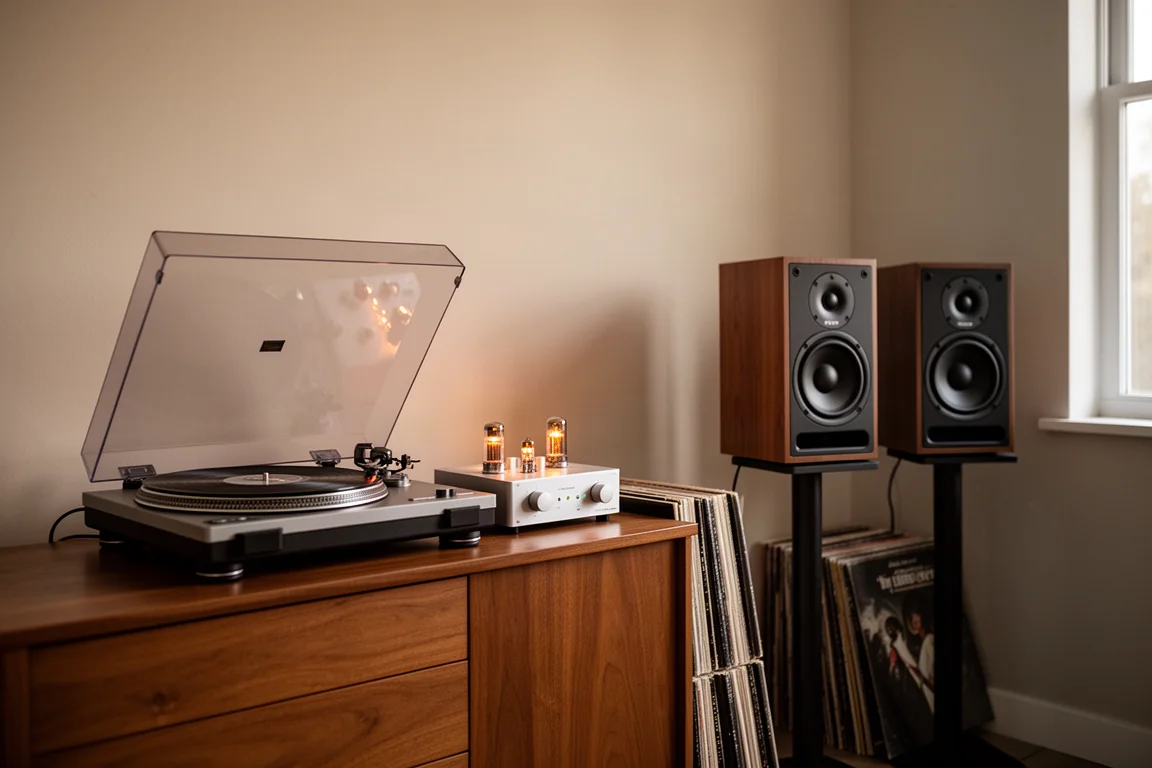
Pairing advice is simple. If you are buying a Fluance turntable and already know which cartridge you want, take the least expensive model in the RT line and fit the cartridge yourself, since the platform is shared across the range. If you are keeping an existing turntable, check that the headshell is removable, because that makes the whole process far easier.
Conclusion
These three cartridges cover the useful part of the affordable upgrade market, and none of them is a bad choice. The Goldring E3 is the easiest to live with and the most fun, the Ortofon 2M Blue is the most revealing, and the Nagaoka MP110 is the warmest and calmest. Pick the character you want, fit it carefully, and the upgrade will be obvious from the first record.
Further reading
Related Reviews
Phono Cartridges
DS Audio E1 Review: An Optical Cartridge That Reads Vinyl Differently
A close look at the DS Audio E1, a Japanese-made optical cartridge system that reads the groove with an LED and a photodiode, including what it does well and what to weigh before buying.
Phono Cartridges
EMIA Denon DL-103 and 103 SUT Review: More Music From an Iconic Cartridge
A modified Denon DL-103 moving coil cartridge paired with a purpose-built step-up transformer, plus how it compares with two other moving coil options.
Phono Cartridges
Five Phono Cartridges Compared: From a $69 Moving Magnet to a $2,150 Moving Coil
Five phono cartridges compared on the same turntable, from an affordable moving magnet to high-end moving coils, with the strengths and trade-offs of each.