Smart Telescopes
ZWO Seestar S50 Pro Review: The Best Smart Telescope Yet, Compared With the Full Seestar Lineup
Two months with the new Seestar S50 Pro, plus comparisons against the original S50, S30 Pro, and S30 to help you pick the right smart telescope.
Introduction
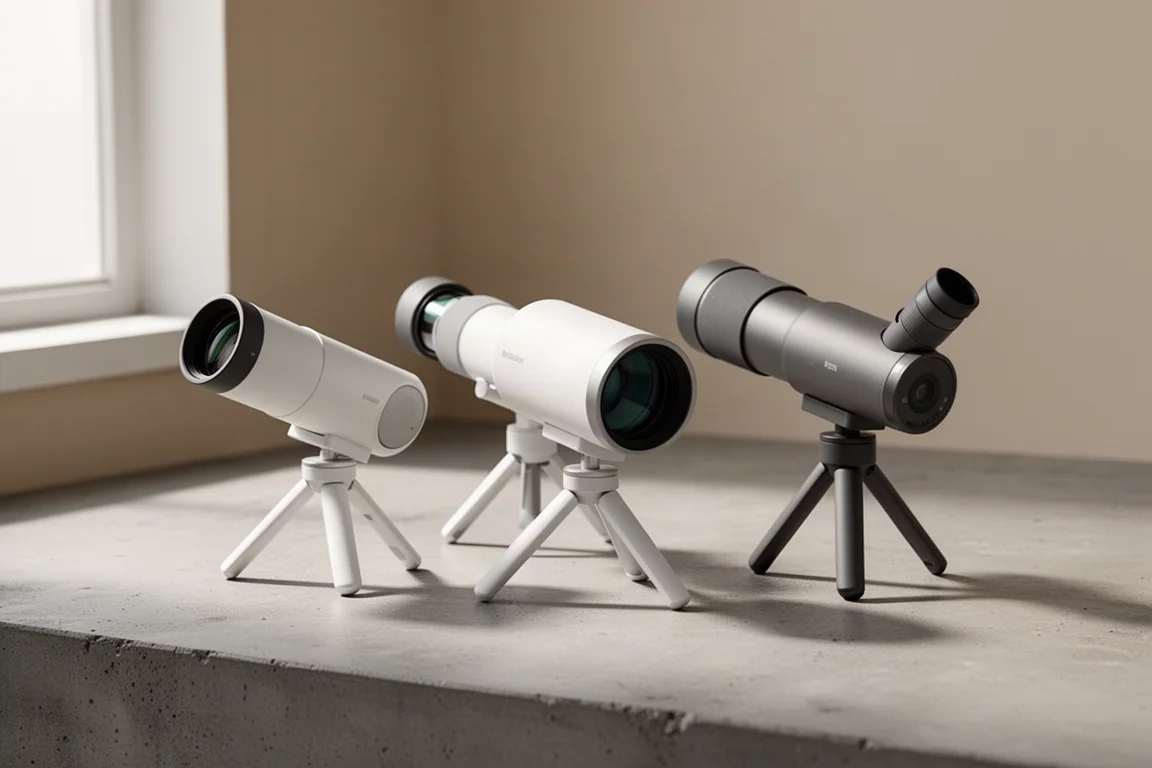
The ZWO Seestar S50 Pro has been one of the most anticipated smart telescope releases in a while. On paper, it promises the reach of the original S50 combined with the feature set of the S30 Pro, including a larger, more sensitive 4K sensor and improved optics. After two months of testing, it lives up to that promise, and it is clearly the best Seestar ZWO has made to date. This review breaks down what the S50 Pro actually delivers and how it compares with the original S50, the S30 Pro, and the standard S30 so you can pick the right model for your budget and travel habits.
Design, Portability, and Noise
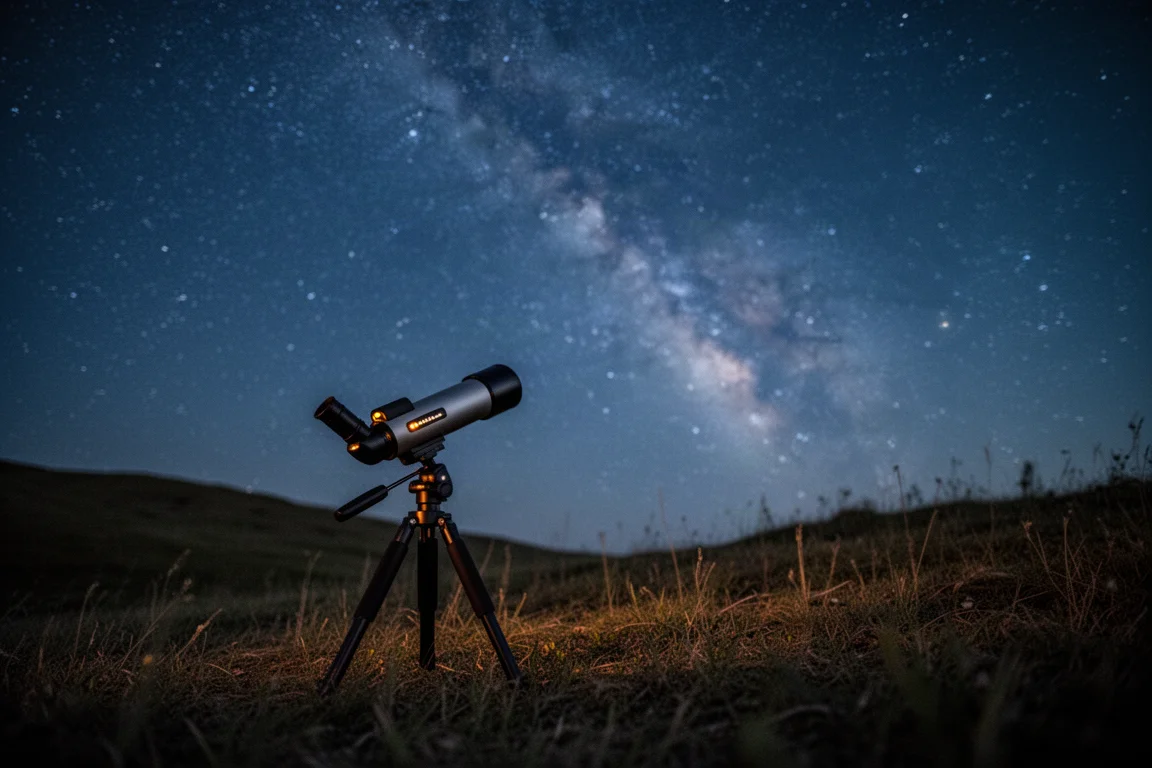
The S50 Pro is the largest and heaviest Seestar so far. It is a full pound heavier than the original S50 and a bit thicker as well. For airport travel, the S50 Pro case works as an under-the-seat carry-on, but the S30 and S30 Pro can slip into a padded case inside your under-seat bag alongside a laptop, so the S30 line remains the more portable option.
Storage also differs across the lineup. The S50 Pro and S30 Pro both include 128 GB of internal storage, while the non-Pro Seestars have 64 GB.
One change you will notice immediately: the S50 Pro is whisper quiet when slewing and tracking, the quietest Seestar yet. That quieter operation likely reflects an improved drive system, which lines up with the tracking improvements discussed below.
Tracking and Sharpness Gains
With every previous Seestar model, 30-second exposures in equatorial mode worked reliably, but pushing to 60 seconds caused the app to reject noticeably more frames due to poor tracking. The S50 Pro’s rejection rate at 60-second exposures is now very low, which means more usable data through the night.
The improved tracking, combined with the upgraded optics (an extra lens element was added), produces visibly sharper deep sky images. In side-by-side stacked comparisons against the original S50, faint small stars that blurred out on the S50 resolved clearly on the S50 Pro, and larger stars came out tighter. The effect was just as pronounced in equatorial mode with 60-second exposures as it was in altazimuth mode with 10-second exposures.
One nuance: the S50 Pro’s sensor is four times larger than the S50’s HD 1080p sensor, so at 1x magnification objects like the moon appear smaller on screen with more space around them, but zooming to 100% reveals essentially identical resolution on solar system targets. No actual detail is lost.
Battery Life and Power in the Field
Battery capacity is the other headline upgrade, and it is likely the main reason the S50 Pro is heavier and thicker. The three previous Seestars use 6 Ah batteries, while the S50 Pro carries a 10 Ah battery. In real-world use, older models deliver roughly four to six hours per charge, while the S50 Pro runs eight to nine hours. During summer testing it always lasted through the entire night without needing a plug-in, though long winter nights and cold temperatures could change that math.
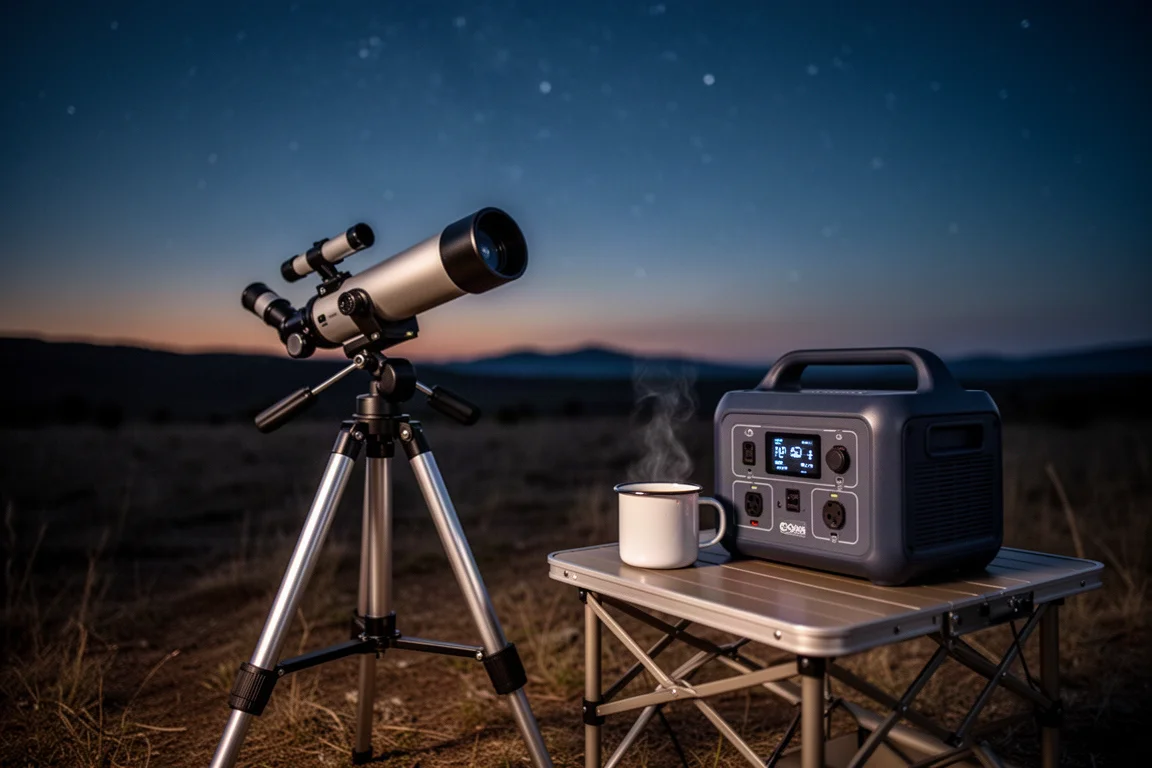
Recharging at home is simple with the included USB cable. For camping trips and dark sky sites, pairing the Seestar with a portable power station keeps the night going. A high-capacity unit can recharge the S50 Pro many times over and offers USB-A, USB-C, AC, and 12V DC barrel outputs suitable for other astronomy gear as well.
Milky Way Mode and Wide-Field Features
Milky Way mode is exclusive to the Pro models, and it is essentially identical between the S30 Pro and S50 Pro. Both use a 4K sensor behind a very wide-angle lens giving a 63-degree field of view, usable in any part of the sky. When capturing the Milky Way core, the feature can freeze the foreground and blend it back in seamlessly, and this blending has improved with each app release, now allowing several minutes on the foreground to reduce noise.
The Milky Way arch panorama mode also worked well in testing, automatically expanding the field of view into an 8K pano image, though moving clouds made early results look slightly rough even when the stitching itself was correct.
Deep Sky Performance
Stargazing mode, ZWO’s deep sky mode, is the main event, and this is where the S50 Pro impresses most. In field-of-view comparisons, the S30 Pro has the biggest field of view, the S50 Pro is next and just slightly larger than the standard S30, and the original S50 has the smallest. The S30 Pro remains the best pick for very large objects, but the S50 Pro’s field of view is a nice middle ground for many deep sky targets, and mosaic mode can expand any of the smaller fields at the cost of extra time.

On signal quality, the improved sensor appears to deliver a little more signal, though not a dramatic difference. The real gains are in sharpness and tracking. On color, the original S50’s triplet design leans slightly green while the S50 Pro leans magenta; both are minor chromatic aberration tendencies that are easy to correct in processing.
Real results back this up. A roughly 6-hour capture of the Iris Nebula in mixed 10, 30, and 60-second exposures produced rich detail in the reflection nebula, a colorful star field, and dark dust. A 30-minute session on the Andromeda Galaxy brought out hot blue stars in the outer arms and detail in the core and dust lanes, an impressive result for half an hour. On the faint Sharpless 132, the Lion Nebula in Cepheus, 13 hours of integration revealed a dim OIII river and extensive background hydrogen-alpha signal, demonstrating how sensitive the new sensor is.
The included light pollution filter, a wide dual narrowband filter unchanged from previous models, still does its job on emission nebulae, and processed results show far more than the default straight stacks.
The Original Seestar S50
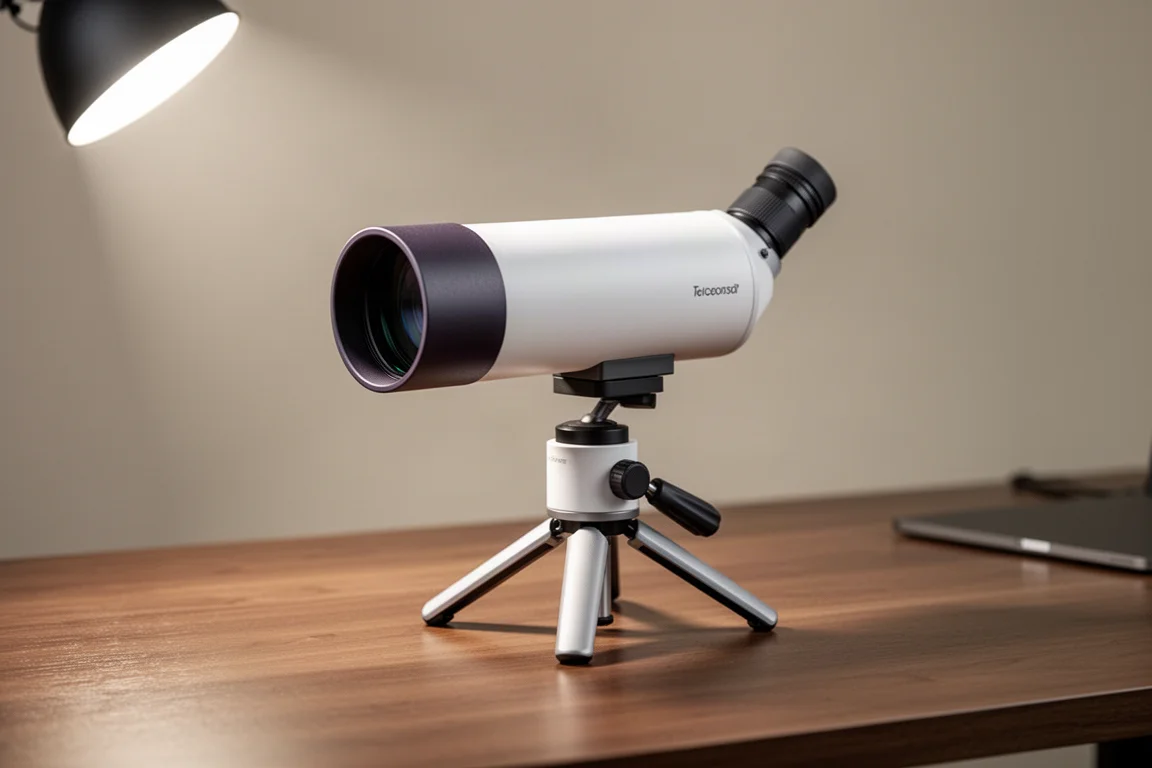
The original S50 has been discontinued for several months, with a last price of $549 before it left the market. It remains a capable smart telescope with the smallest field of view of the four, a 1080p sensor, and the 6 Ah battery that limits run time to roughly four to six hours. If you can find one secondhand at a good price, it still delivers, but for new purchases the S50 Pro supersedes it on nearly every axis: sharper optics, better tracking, a larger battery, and double the storage.
Seestar S30 Pro
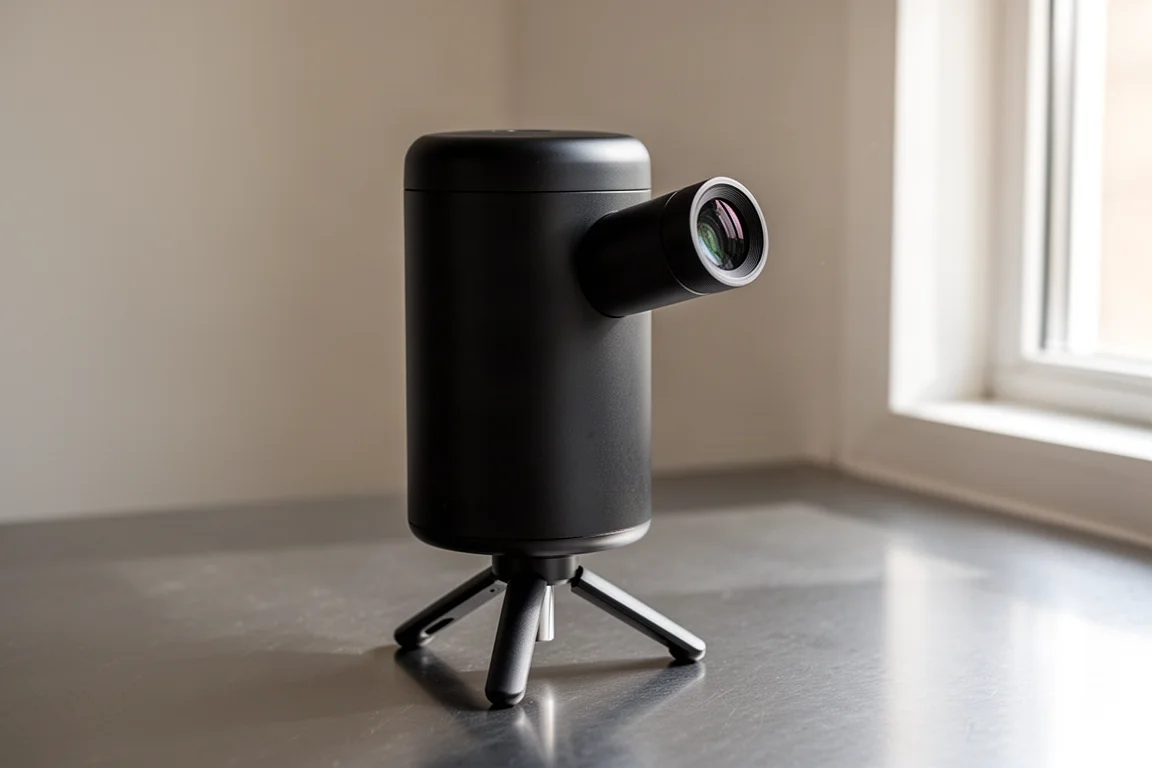
The S30 Pro is the more portable Pro model, about half the size and half the weight of the S50 Pro, making it the easiest Seestar to take everywhere. It shares the 4K sensor, 128 GB of storage, and the full Milky Way mode feature set with the S50 Pro, including foreground blending and the 8K panorama mode. Its bigger field of view makes it the best choice for large targets like wide nebulae. The trade-off versus the S50 Pro is less reach for small objects and, in testing, the S50 Pro’s noticeably better tracking.
Seestar S30
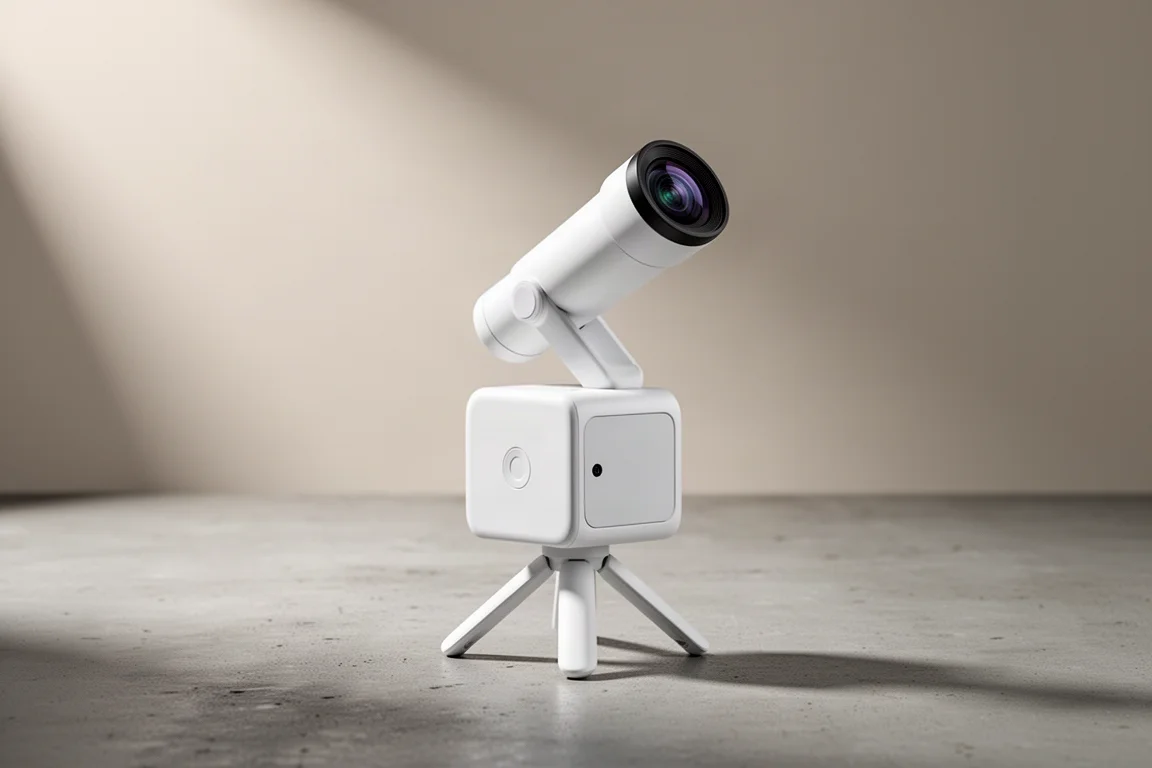
The standard S30 is the value model of the lineup, competing with entry-level rivals like the Dwarf Mini at the low end with fewer frills. It has a smaller 64 GB of storage and no secondary wide-angle camera, so no Milky Way mode or star trails. It keeps the smallest-and-lightest portability crown for travelers who want a smart telescope that disappears into a bag. For the price, it is the simplest way into the Seestar ecosystem.
Buying Advice: Which Seestar Should You Get?
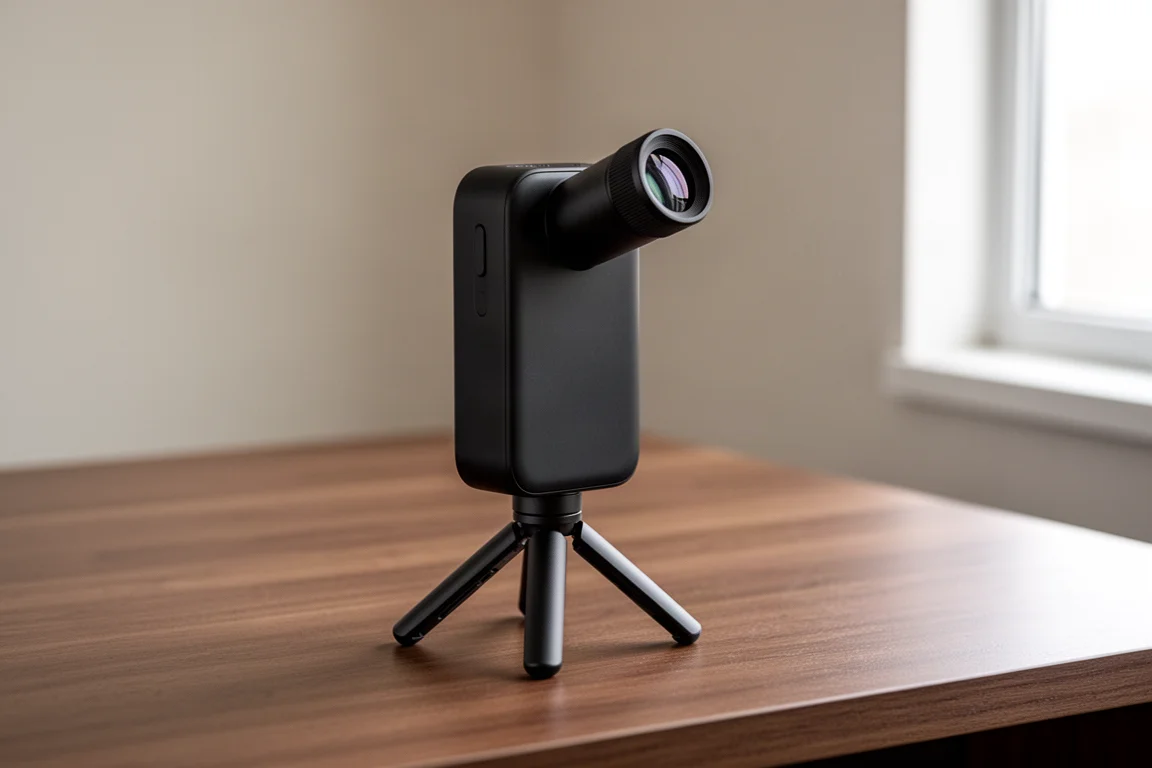
Pricing frames the decision. The S50 Pro has a pre-order price of $899, rising to $999 after pre-orders end. The S30 Pro is $699, the standard S30 is $399, and the discontinued S50’s last price was $549.
The S30 is the budget pick for casual stargazing and maximum portability. The S30 Pro adds the 4K sensor, Milky Way mode, and 128 GB of storage in the most travel-friendly body. The S50 Pro is the flagship for serious deep sky work, with the best tracking, sharpest optics, longest battery life, and the most reach, which matters most for smaller targets like many galaxies in the Messier catalog.
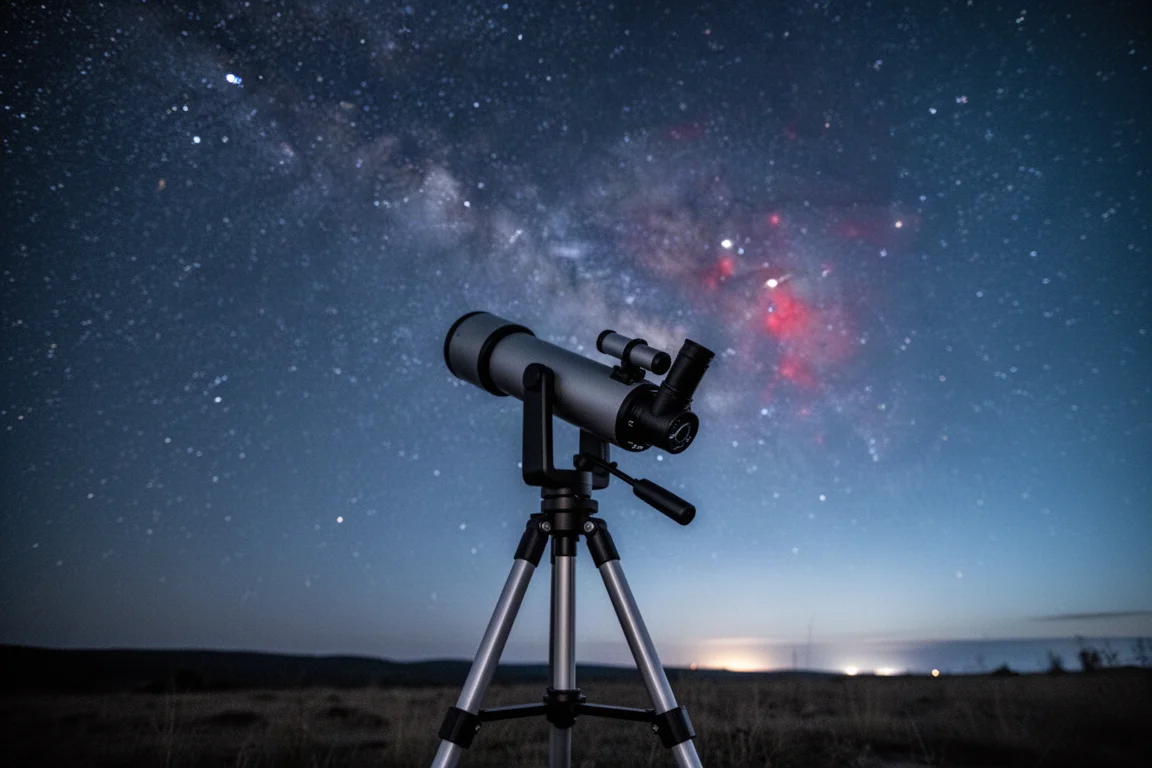
With each Seestar release, the gap to entry-level traditional astrophotography rigs keeps narrowing. The S50 Pro closes it further than any model before it.
Conclusion
The Seestar S50 Pro is the best smart telescope ZWO has made: quieter, sharper, better tracking, and a battery that lasts all night. Choose it if deep sky performance is your priority, the S30 Pro if portability and wide-field Milky Way features matter more, and the S30 if you want the lowest-cost entry. Whichever you pick, the Seestar lineup now offers a clear, well-differentiated path into smart astrophotography.
Further reading
Related Reviews
Smart Telescopes
Vaonis Vespera 3 Review: A Premium Smart Telescope With Excellent Optics
A detailed look at the Vaonis Vespera 3 smart telescope, covering its standout hardware, impressive multi-night observations, and the software trade-offs to weigh before buying.
Smart Telescopes
Best Smart Telescopes Compared: Seestar S50 Pro, S50, S30 Pro, S30, and Dwarf Mini
Five of the most popular smart telescopes tested side by side in the desert: what they share, how they differ, and which one suits your budget and targets.
Smart Telescopes
Best Smart Telescopes: Four Scopes That Make Astrophotography Easy
Four smart telescopes that put detailed, color-rich night sky photos within reach of complete beginners, from ultra-portable to full home observatory.