Smart Telescopes
Best Smart Telescopes: Four Scopes That Make Astrophotography Easy
Four smart telescopes that put detailed, color-rich night sky photos within reach of complete beginners, from ultra-portable to full home observatory.
Introduction
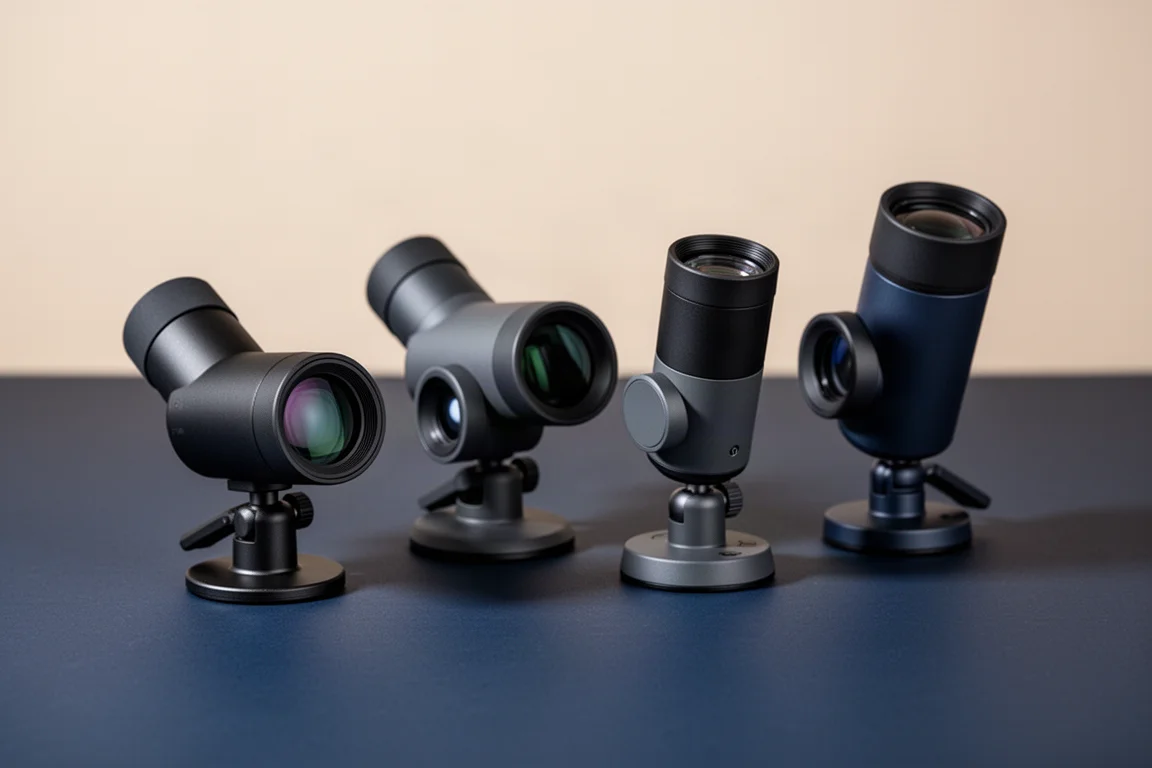
Smart telescopes have opened up astronomy and astrophotography to an entirely new group of people. With just a smartphone or tablet, and no prior experience in amateur astronomy, these all-in-one instruments capture beautifully detailed, color-rich photos of the night sky, making stargazing more approachable than ever.
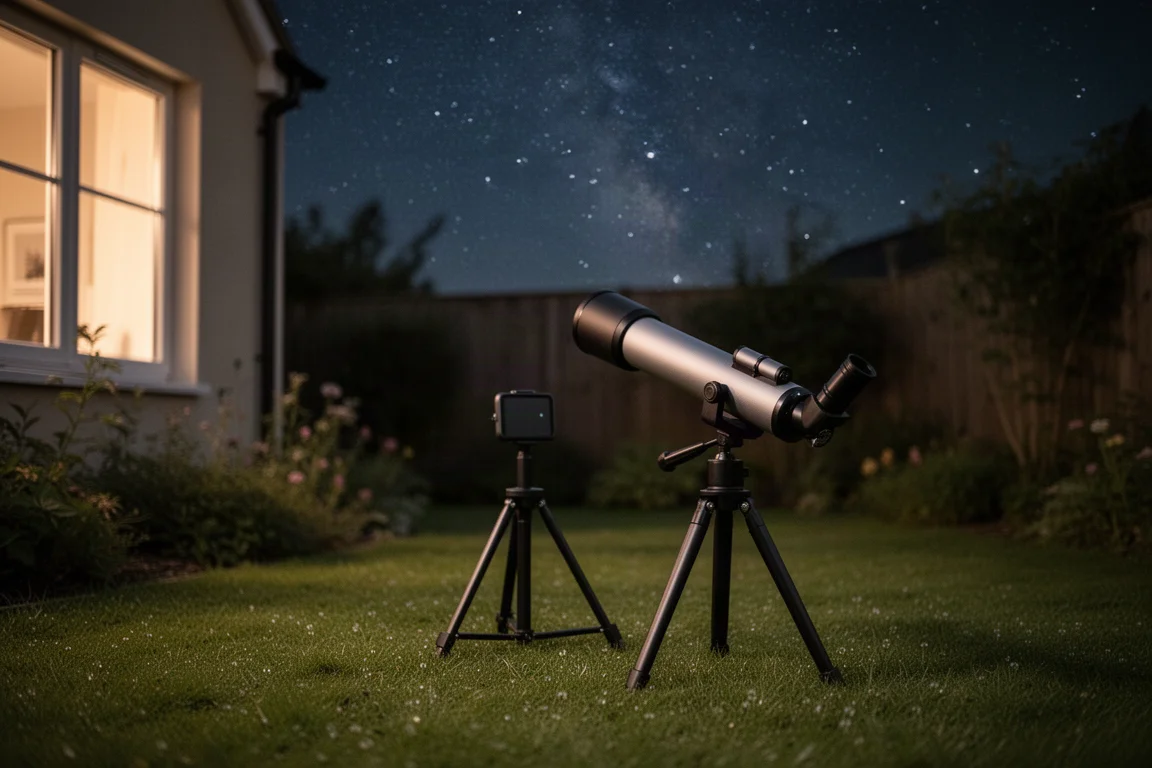
Four models clearly stand out from the rest of the market: the Dwarf Labs Dwarf 3 for portability, the Vaonis Vespera Pro for resolution, the ZWO Seestar S50 for value, and the Celestron Origin for outright performance. Here is how each one earns its place.
Best Portable and Daytime Pick: Dwarf Labs Dwarf 3
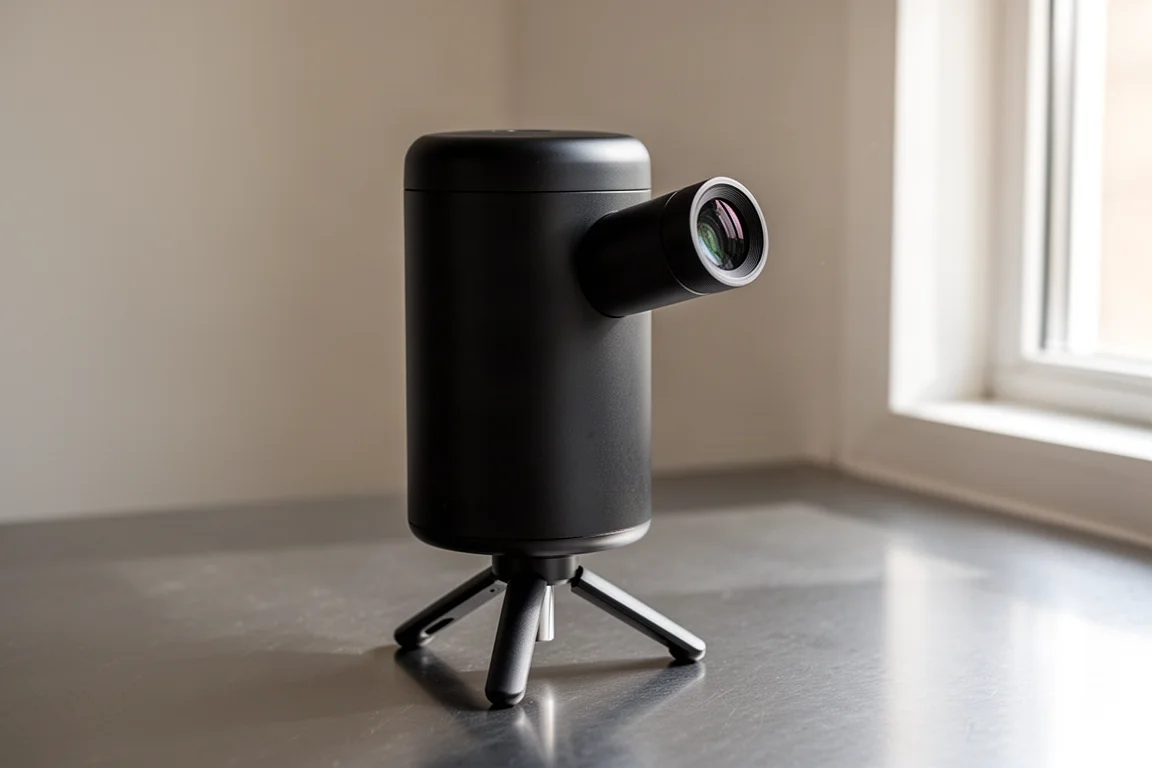
For daytime photographers looking for an ultra-portable entry into astrophotography, the Dwarf 3 is the best choice. It weighs in at only 2.9 lbs, comes with an extra portable case, and stows away easily in a backpack for hiking, camping, or trips to dark skies.
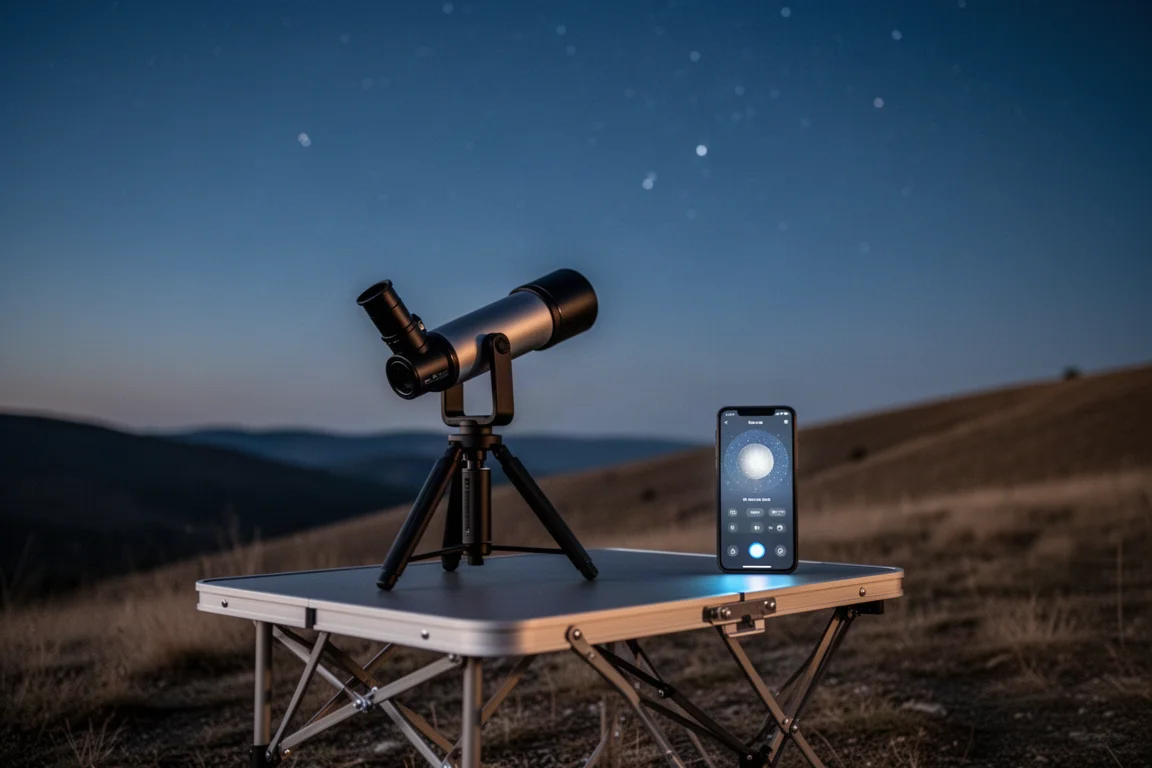
Portability is only part of the story. The Dwarf 3 includes three built-in night sky filters that give you more creative control over your night sky photography, and the Dwarf Labs app offers an engaging daytime mode with object tracking technology that makes nature and wildlife photography fun, easy, and rewarding.
Dwarf Labs consistently updates the app with features such as image stitching technology and a mosaic mode for deep sky astrophotos, so the Dwarf 3 is positioned to grow with your interest in the night sky for years to come.
Best for High Resolution: Vaonis Vespera Pro
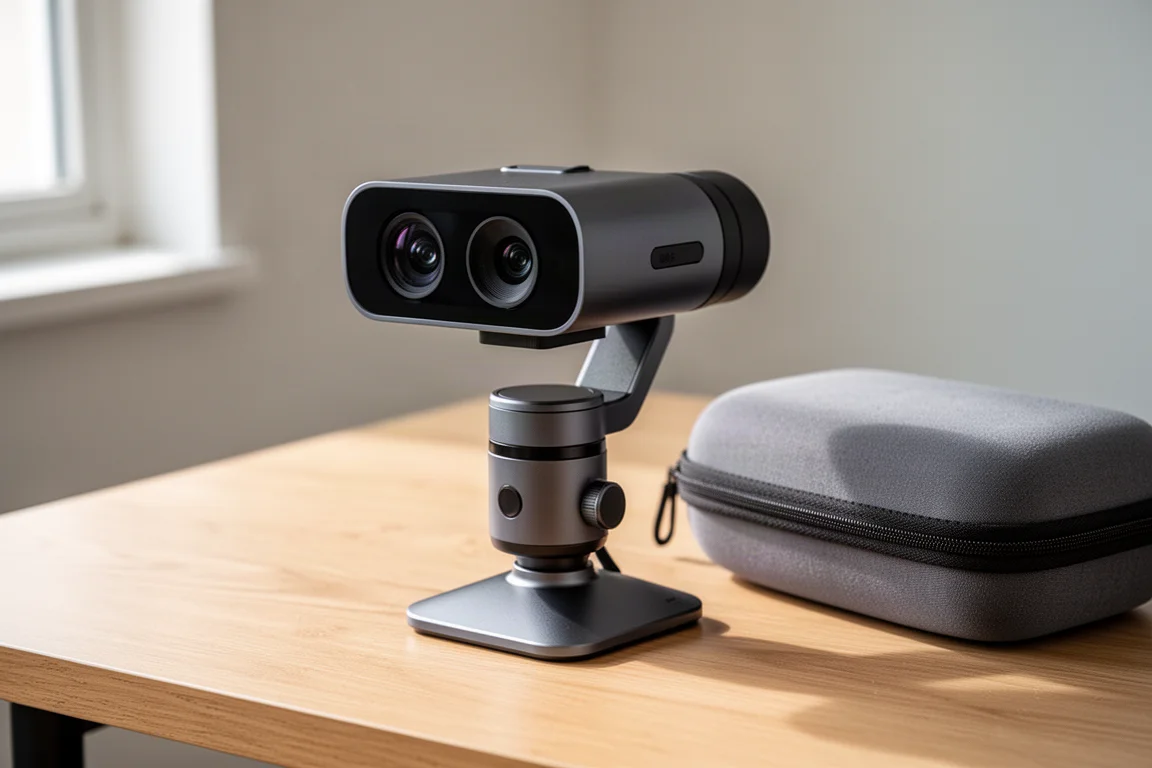
If you want large, high-resolution, crisp photos of galaxies and nebulae, the Vespera Pro is the strongest option. It uses the largest smart telescope camera sensor on the market at 12 megapixels, and paired with the exclusive CovalENS technology you can create stunning 50 megapixel mosaics of the night sky with ease.

Beyond the mosaic technology, Vaonis offers the ability to capture images over multiple nights with its industry-first Perseverance feature, built into the highly intuitive Singularity app. Capturing data across multiple nights adds the depth astrophotographers often seek in their images, and it makes an already fantastic package even more compelling.
Best Value: ZWO Seestar S50
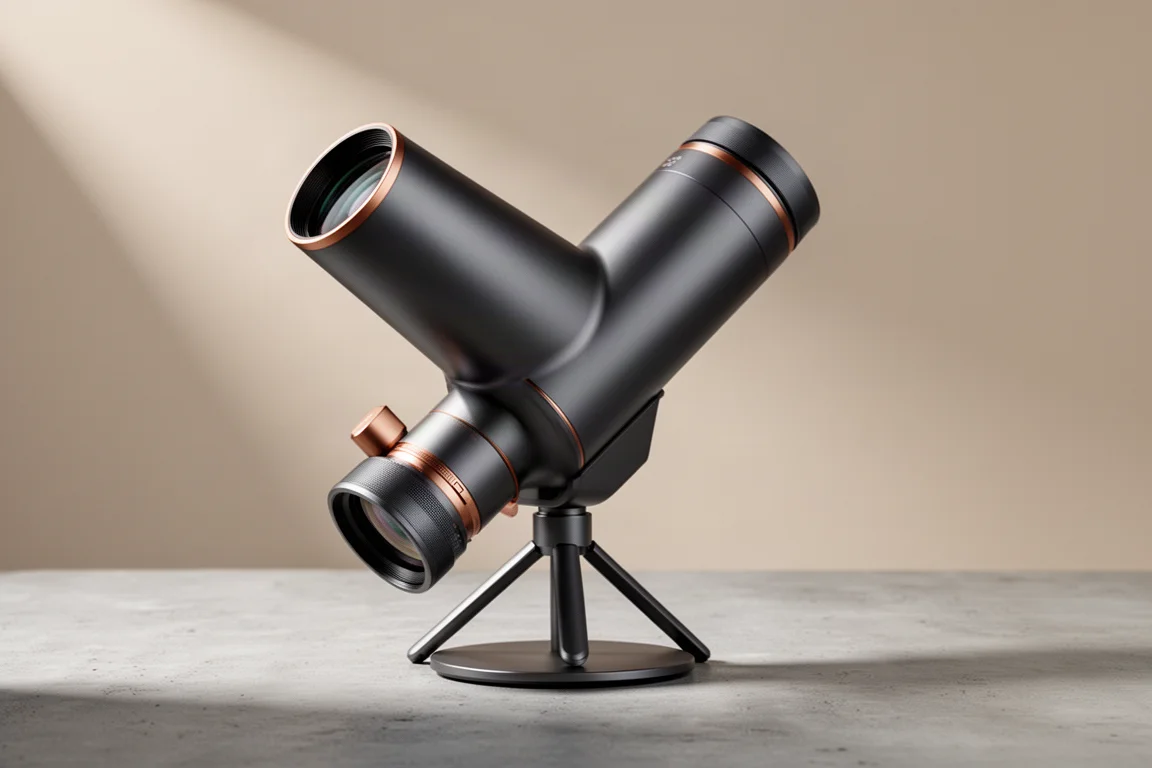
The Seestar S50 offers everything a smart telescope should: a high-quality sensor, a planetarium, and several imaging modes, all controlled through one of the clearest and most intuitive app interfaces in the amateur astronomy community.
While it is not the most feature-rich smart telescope of the bunch, its ability to capture solar, lunar, and deep sky objects like galaxies and nebulae in full color makes it a very compelling option at a fantastic value. It is arguably the most popular smart telescope on the market, and it is easy to see why.
Best Overall Performance: Celestron Origin
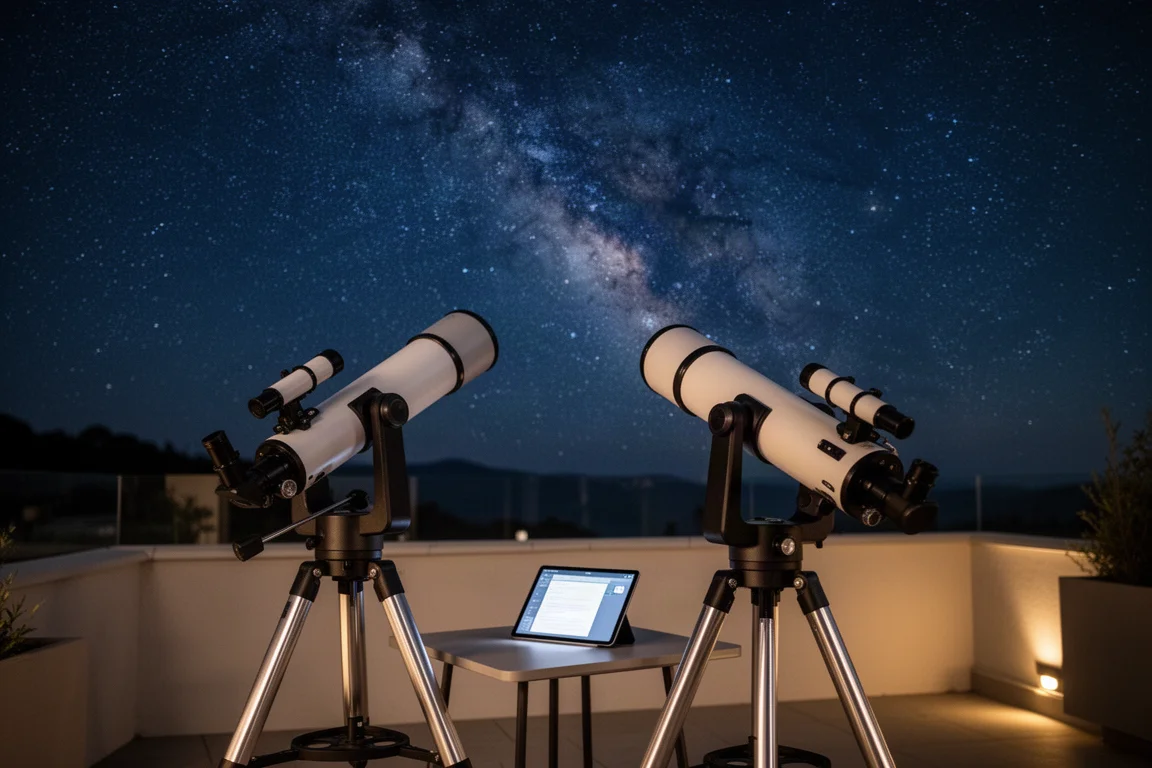
Celestron has spent decades developing amateur astronomy equipment with one purpose: bringing more people out under the night sky. The Origin Home Observatory continues that tradition. Its custom-designed ultra fast optics gather better images in a fraction of the time compared to all other smart telescopes.
Combined with a seamless app interface, the Origin simply outperforms the rest of this space. The fully automated setup requires minimal effort, and the Origin will have you capturing breathtaking photos of the faintest deep sky objects in as little as 3 minutes.
For serious enthusiasts who want the pinnacle of what a smart telescope can do, the Origin is in a class of its own.
Buying Advice
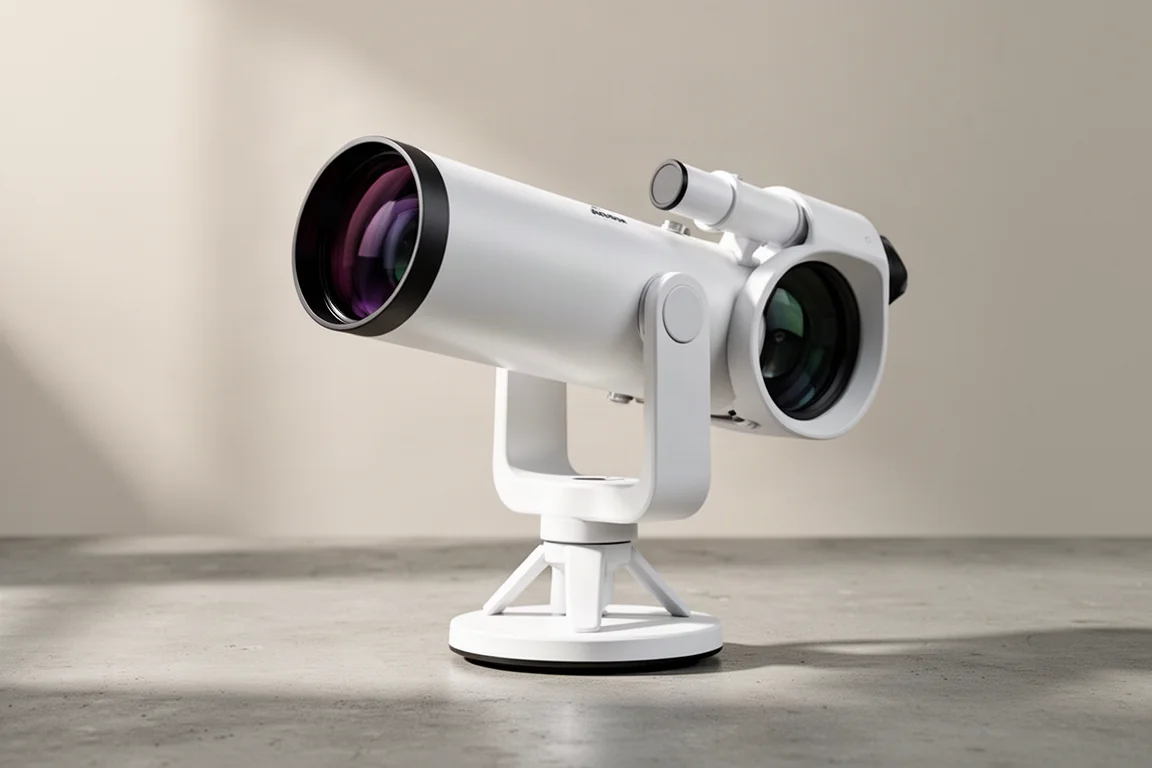
Choosing between these four comes down to what you value most. If you want something light enough to toss in a backpack and flexible enough for daytime use too, the Dwarf 3 is hard to beat. If image resolution and large mosaic prints are your priority, the Vespera Pro delivers. The Seestar S50 remains the value pick and the safest first smart telescope for most people. And if budget is secondary to results, the Celestron Origin is the fastest and most capable of the group.
Conclusion
There are other smart telescopes on the market, but the Dwarf 3, the Vespera Pro, the Seestar S50, and the Celestron Origin clearly stand out. Each one makes the night sky more accessible in its own way, and any of them can turn your first night of astrophotography into a genuinely rewarding experience. Clear skies.
Further reading
Related Reviews
Smart Telescopes
Vaonis Vespera 3 Review: A Premium Smart Telescope With Excellent Optics
A detailed look at the Vaonis Vespera 3 smart telescope, covering its standout hardware, impressive multi-night observations, and the software trade-offs to weigh before buying.
Smart Telescopes
Best Smart Telescopes Compared: Seestar S50 Pro, S50, S30 Pro, S30, and Dwarf Mini
Five of the most popular smart telescopes tested side by side in the desert: what they share, how they differ, and which one suits your budget and targets.
Smart Telescopes
Celestron Origin Mark II Review: A Smart Telescope With Serious Imaging Muscle
The Origin Mark II pairs a fast 6-inch RASA optical tube with full automation, making deep space imaging far more approachable without giving up control.