Smart Telescopes
Best Smart Telescopes Compared: Seestar S50 Pro, S50, S30 Pro, S30, and Dwarf Mini
Five of the most popular smart telescopes tested side by side in the desert: what they share, how they differ, and which one suits your budget and targets.
Introduction
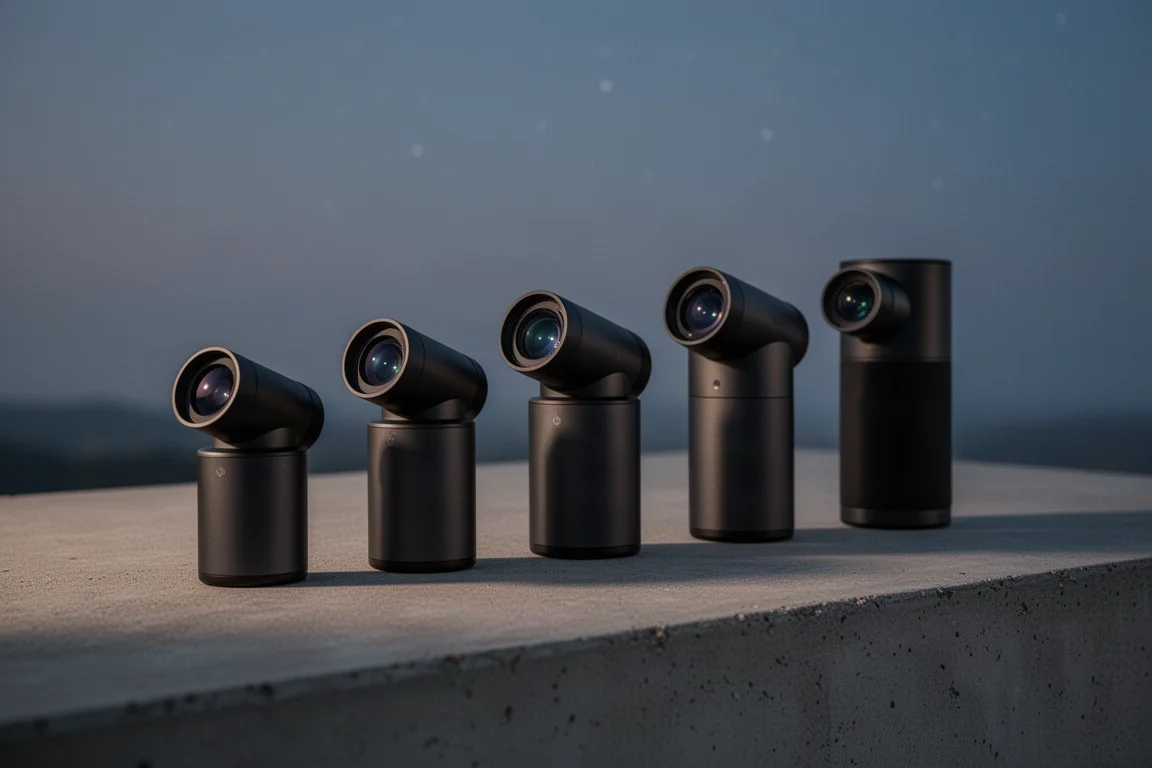
Smart telescopes have completely changed how people get into astrophotography. Not that long ago, getting started meant buying a telescope, camera, mount, filters, cables, and software, then learning how all of it worked together. Today, a smart telescope packs all of that into one portable, app-controlled system.
We compared five of the most popular models on the market: the ZWO Seestar S50 Pro, the Seestar S50, the Seestar S30 Pro, the Seestar S30, and the Dwarf Mini. All five were taken out to the desert and put through their paces for a direct, side-by-side comparison. One note up front: the original S50 and S30 have been discontinued, but they are included here because so many people still own them.
What All Five Smart Telescopes Have in Common
All five are compact, app-controlled, automated astrophotography systems. They can slew to a target, autofocus, track, and live stack images while you watch the detail build on your phone or tablet. Every one of them can photograph deep sky objects, and all of them can photograph, record video of, and image stack the Moon and the Sun. Just remember to always use the included solar filter when imaging the Sun.
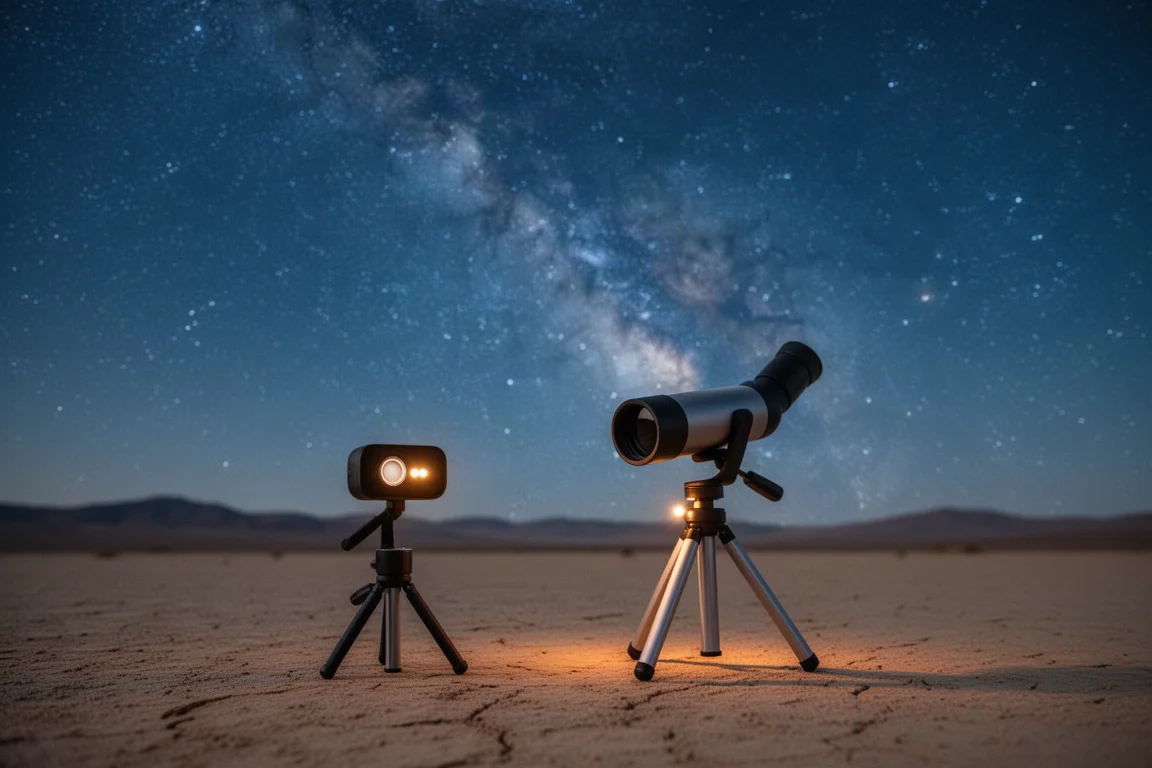
They also all include built-in filters that help with light pollution when shooting emission nebulae, and all support equatorial mode, which allows longer exposures and reduces field rotation when properly polar aligned. Mosaic imaging for larger targets, adjustable imaging settings, and the ability to save raw data for further processing round out the shared feature set. The only common gap: none of these are traditional visual telescopes. There is no eyepiece, and while they can capture bright planets, Jupiter and Saturn will look small with limited detail in any of them.
Camera, Field of View, and Aperture: The Real Differences
The biggest differences between the models come down to the camera and field of view. The original S50 uses a 1080p camera with roughly a 1.46-degree diagonal field. The S30 and the Dwarf Mini are also 1080p, at about 2.46 and 2.45 degrees respectively. The S50 Pro jumps to 4K with a 2.8-degree field, while the S30 Pro offers the widest telephoto view at 4.6 degrees in 4K.
The wide-angle cameras differ too. The S50 does not have one. The S30 sits at about 23 degrees, the Dwarf Mini at about 50 degrees, and both Pro models reach 63 degrees, making them far better for Milky Way shots, constellations, star trails, and nightscapes.
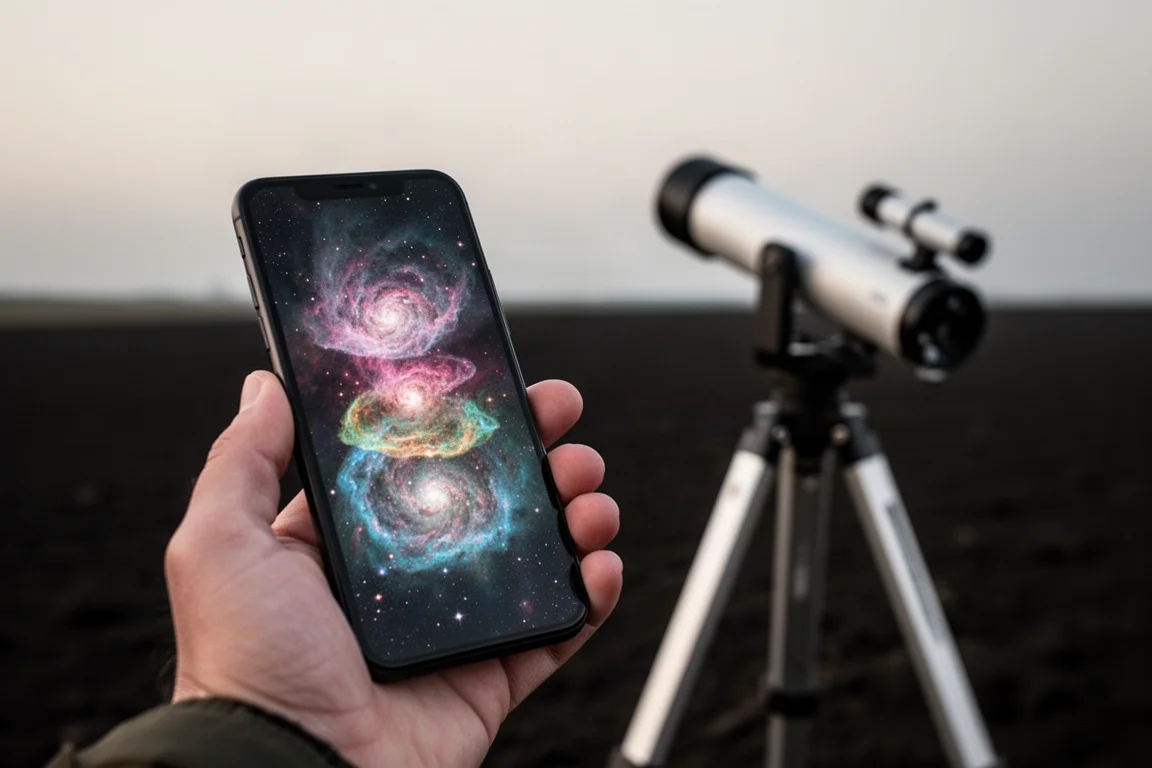
Aperture matters as well. The S50 and S50 Pro both use 50 mm apertures, gathering more light and resolving more detail on galaxies and nebulae. The S30, S30 Pro, and Dwarf Mini use 30 mm apertures, which are more portable but show slightly less detail.
Battery, Storage, and Pricing
Storage is 64 GB on the S50, S30, and Dwarf Mini, and 128 GB on both Pro models. The S50, S30, and S30 Pro all use a 6,000 mAh battery good for about 6 hours of use. The Dwarf Mini uses a 7,000 mAh battery with around 4 hours of runtime, while the S50 Pro jumps to 10,000 mAh and delivers roughly 9 hours.
At the time of writing, pricing breaks down as follows: the S30 is $299, the S30 Pro is $699, the Dwarf Mini is $419, the S50 was last listed at $549, and the S50 Pro is $999.
ZWO Seestar S50 Pro
The S50 Pro is the flagship of the lineup. It combines a 4K camera with a 2.8-degree field, a 50 mm aperture for stronger light gathering, 128 GB of storage, and the largest battery in the group at 10,000 mAh for about 9 hours of use. It is the strongest all-round choice for detail-oriented deep sky work.
ZWO Seestar S50
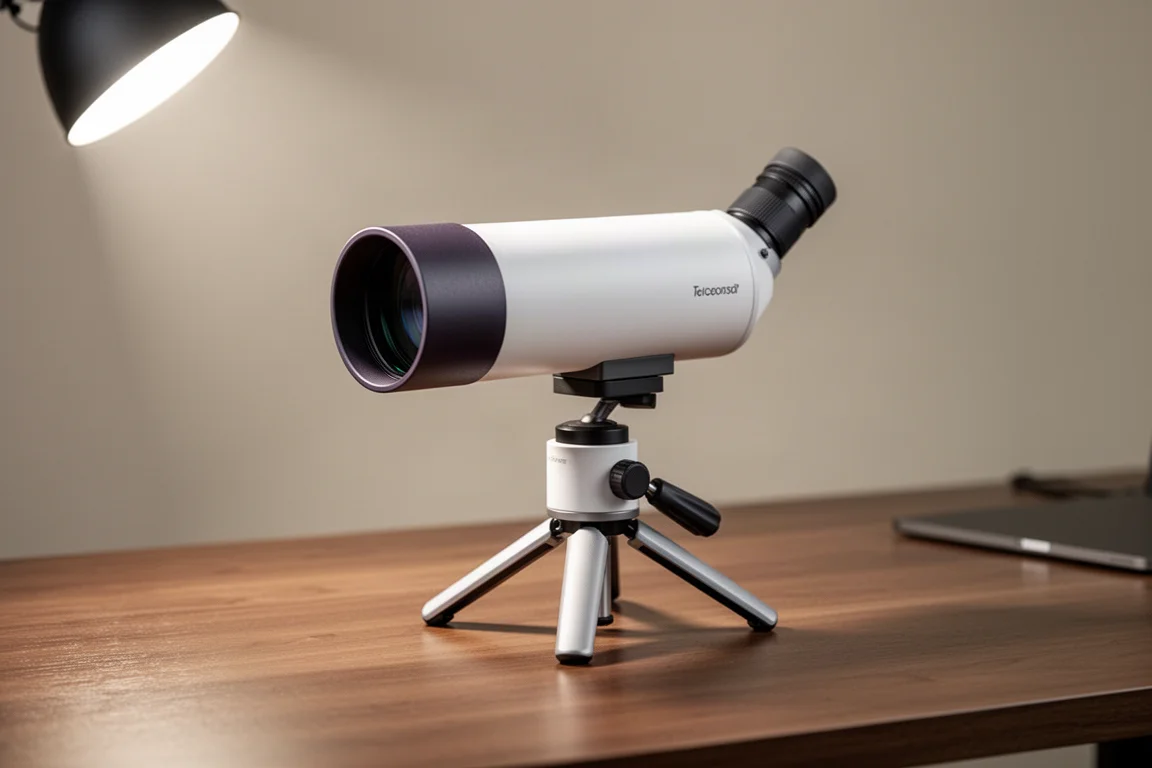
The original S50 remains a capable 50 mm smart telescope with a tighter 1.46-degree field on its 1080p camera. It has since been discontinued, but with 64 GB of storage and a 6-hour battery, it is still a solid performer for the many people who already own one or who find it on closeout.
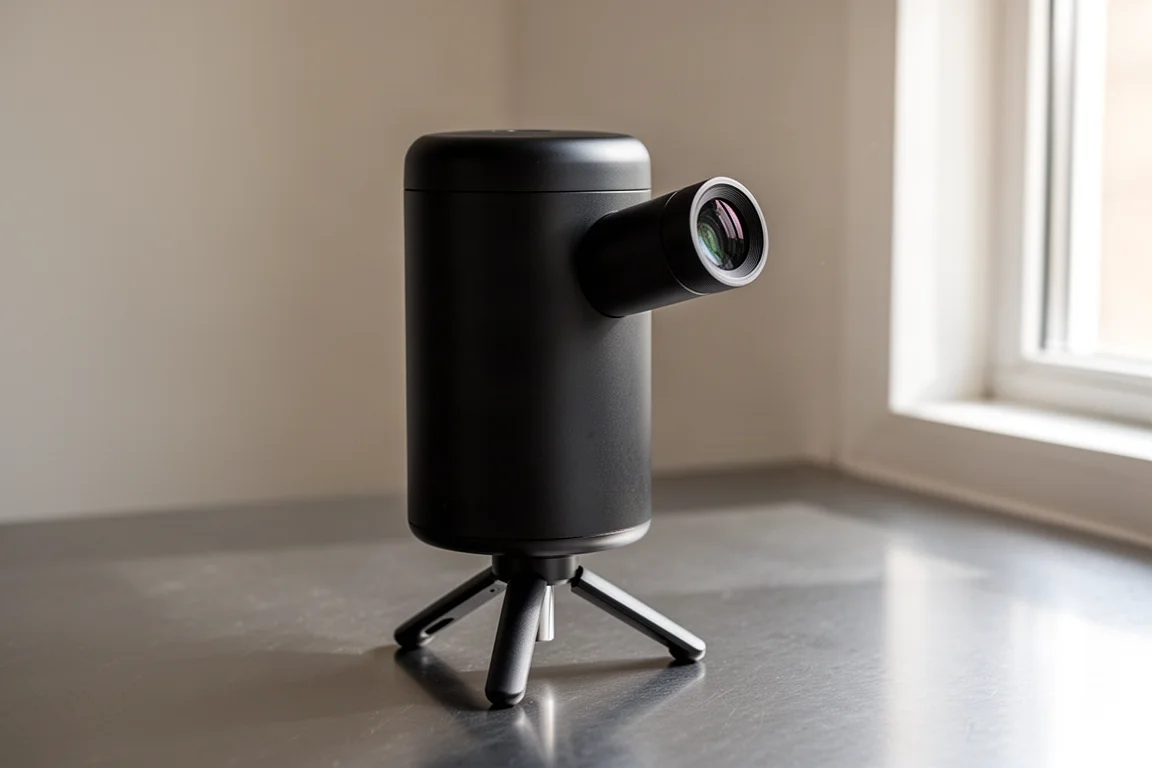
ZWO Seestar S30 Pro
The S30 Pro offers the widest telephoto field of view in the group at 4.6 degrees in 4K, plus a 63-degree wide-angle camera that makes it excellent for the Milky Way, constellations, star trails, and nightscapes. It is the best fit if big targets and sweeping sky scenes appeal to you more than maximum focal reach.
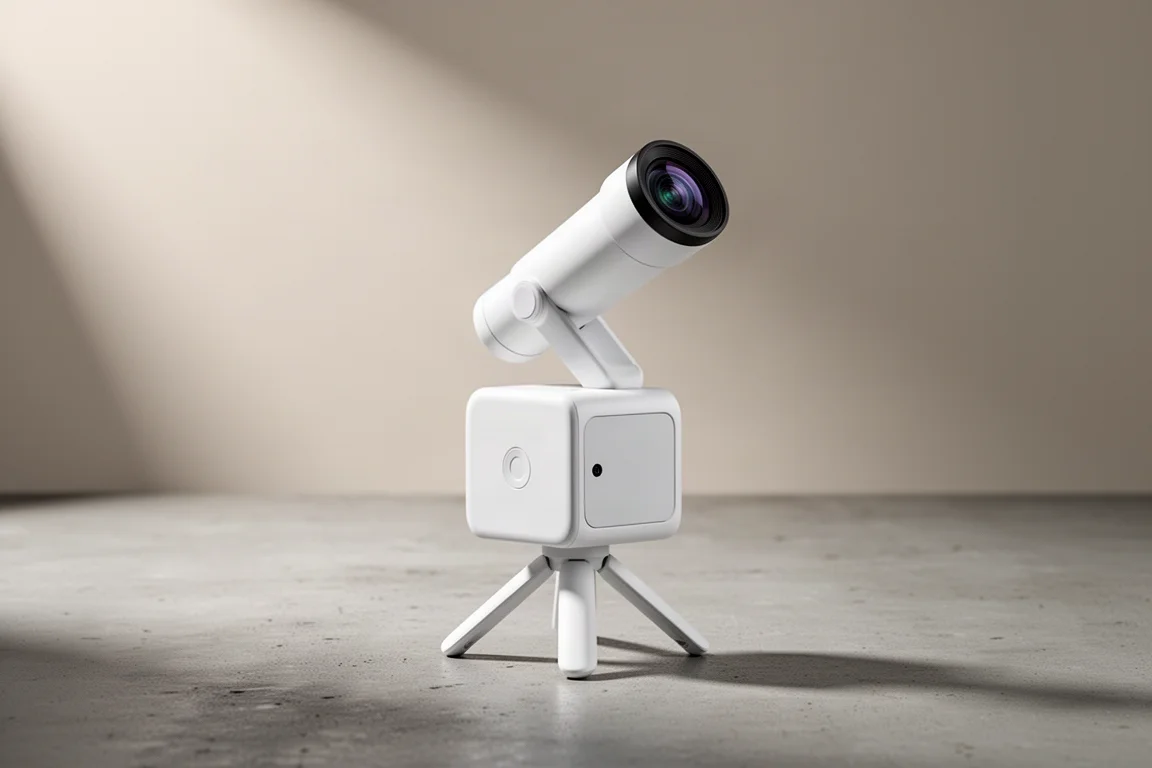
ZWO Seestar S30
The S30 is the most affordable entry point here at $299. Its 1080p camera covers roughly 2.46 degrees, it has a 23-degree wide-angle camera, 64 GB of storage, and about 6 hours of battery life. For a highly portable smart telescope that still produces impressive images at an entry-level price, it is a fantastic choice.
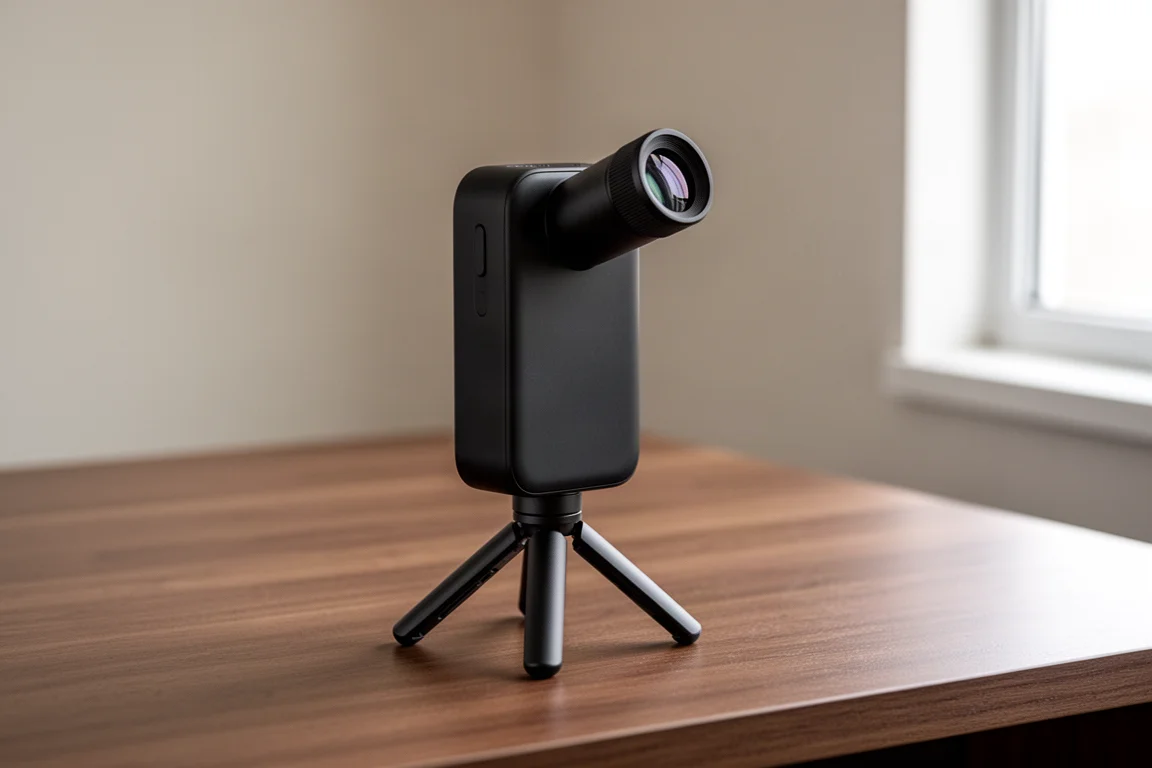
DWARF Mini
The Dwarf Mini is another 30 mm, 1080p option with a 2.45-degree field and an unusually wide 50-degree wide-angle camera. It carries 64 GB of storage, a 7,000 mAh battery with around 4 hours of runtime, and is priced at $419, making it a strong portable alternative in the same bracket as the S30.
Which One Should You Buy?
For overall quality and versatility, the S50 Pro and the S30 Pro are the recommendations. The S50 Pro gives you the larger 50 mm aperture for getting closer in on galaxies and nebulae, while the S30 Pro gives you that huge field of view for capturing bigger targets more easily.

If you are looking for a highly portable option that still produces impressive images at an entry-level price, the S30 and the Dwarf Mini are both excellent. And if you want a middle path with a proven 50 mm aperture, the discontinued-but-still-available S50 remains worth a look.
Ultimately, it comes down to your personal preference for detail, portability, and price. It is genuinely hard to go wrong with any of these five smart telescopes, which is exactly why they earned this comparison.
Conclusion
Smart telescopes have matured into compact, capable astrophotography systems that remove nearly all of the traditional setup barrier. Pick the S50 Pro for maximum detail, the S30 Pro for the widest views, the S30 or Dwarf Mini for affordable portability, and the S50 if you find a good deal on a proven classic. Clear skies.
Further reading
Related Reviews
Smart Telescopes
Vaonis Vespera 3 Review: A Premium Smart Telescope With Excellent Optics
A detailed look at the Vaonis Vespera 3 smart telescope, covering its standout hardware, impressive multi-night observations, and the software trade-offs to weigh before buying.
Smart Telescopes
Best Smart Telescopes: Four Scopes That Make Astrophotography Easy
Four smart telescopes that put detailed, color-rich night sky photos within reach of complete beginners, from ultra-portable to full home observatory.
Smart Telescopes
Celestron Origin Mark II Review: A Smart Telescope With Serious Imaging Muscle
The Origin Mark II pairs a fast 6-inch RASA optical tube with full automation, making deep space imaging far more approachable without giving up control.