Smart Telescopes
Vaonis Vespera 3 Review: A Premium Smart Telescope With Excellent Optics
A detailed look at the Vaonis Vespera 3 smart telescope, covering its standout hardware, impressive multi-night observations, and the software trade-offs to weigh before buying.
Introduction
Smart telescopes have changed how casual observers and budding astrophotographers experience the night sky. Instead of manually aligning a scope and hunting for faint objects, these automated instruments handle the heavy lifting: they identify targets, point themselves, and stack exposures to reveal details that would otherwise remain invisible.
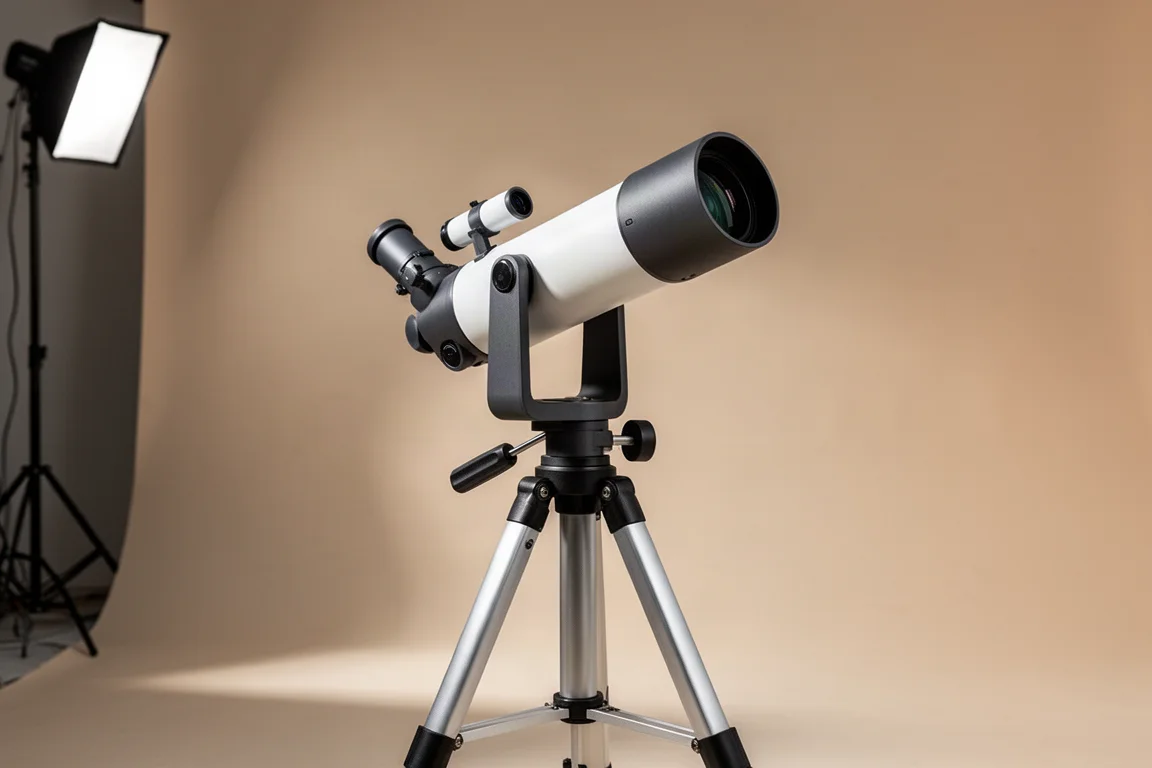
The Vaonis Vespera 3 is one of the most premium offerings in this category. It sits in a middle ground between compact budget models and very large smart telescopes, with 50 mm optics and a 245 mm focal length. That combination makes it well suited for nebulas, planetary nebulas, galaxies, and star clusters, while being less ideal for planets like Jupiter or Saturn, where you will see some detail but likely want more magnification.
This review covers the strengths and drawbacks of the Vespera 3 in detail, so you know exactly what you are getting before making a significant purchase.
Who the Vaonis Vespera 3 Is For
The Vespera 3 is designed for people who want a reliable, high-quality smart telescope without playing the optical or mechanical lottery that can come with cheaper brands. It is assembled in France with apparent care, and the optics and gears feel excellent in practice. The tracking is smooth, and the continuous autofocus keeps targets sharp throughout the night, even when temperatures change and other scopes tend to drift out of focus.
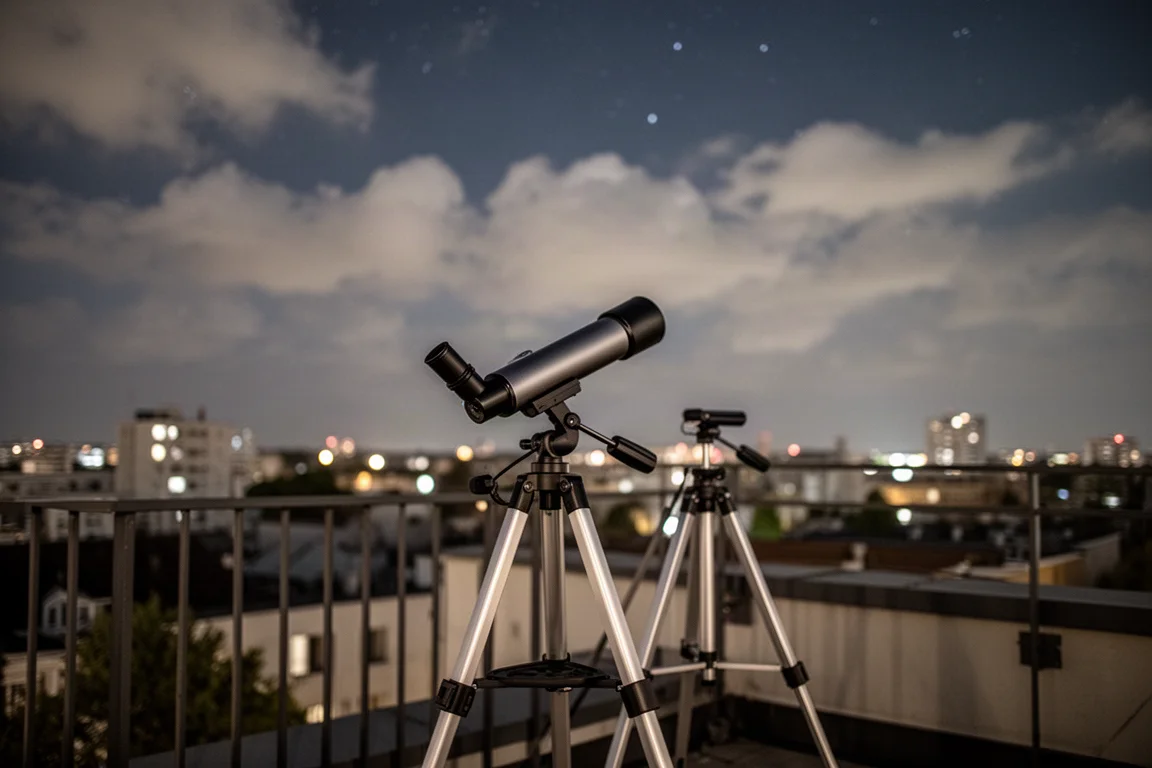
This telescope is also a strong fit for those who value long battery life. The internal battery is rated for 11 hours, and in real use it has lasted around 12 hours, including time spent communicating with the app and processing images. A built-in humidity and temperature sensor also helps the telescope heat the front element lens to prevent dew formation, doing so in an energy-efficient way.
If you want a smart telescope that feels premium, has excellent build quality, and comes with a five-year warranty, the Vespera 3 is a compelling option. It is not the cheapest choice, but it is built to last.
Build Quality and Hardware
The Vespera 3 uses a 50 mm aperture with a 245 mm focal length, giving a focal ratio of f/4.9. It captures images with a Sony IMX 585 sensor, a well-regarded sensor even in full-fledged astrophotography rigs. The telescope includes 115 GB of storage, which is more than enough for most observation sessions.
The build quality is one of its biggest strengths. The gears sound smooth, the tracking is precise, and the optics are excellent. Unlike some cheaper smart telescopes where optical quality can vary between units, the Vespera 3 benefits from rigorous quality control, meaning you are more likely to get a consistently good sample.
The telescope weighs around 5 kg and comes with an aluminum tripod, a protective cover, a tripod case, and additional tripod accessories. A carbon fiber tripod is available on the more expensive Vespera 2 Pro, but the aluminum tripod here is perfectly serviceable.
One minor quirk is the capacitive power button. To turn the telescope on, you need to hold your finger on it until the light becomes solid, then release before it disappears. It works, but it takes a moment to get used to, especially when trying to power on the telescope in bright sunlight.
The Singularity App Experience
The Vespera 3 is controlled through the Singularity app, which connects to the telescope’s own Wi-Fi hotspot. The telescope does not need an internet connection to operate, so it works in remote locations without issue. However, if you want features like the AI assistant commentary or weather forecasts, your smartphone needs internet access while connected to the telescope’s Wi-Fi.
On Android, this can be tricky because many phones drop mobile data when connected to a Wi-Fi network without internet. A workaround is to use an app that combines Wi-Fi and mobile data, allowing both connections to work simultaneously.
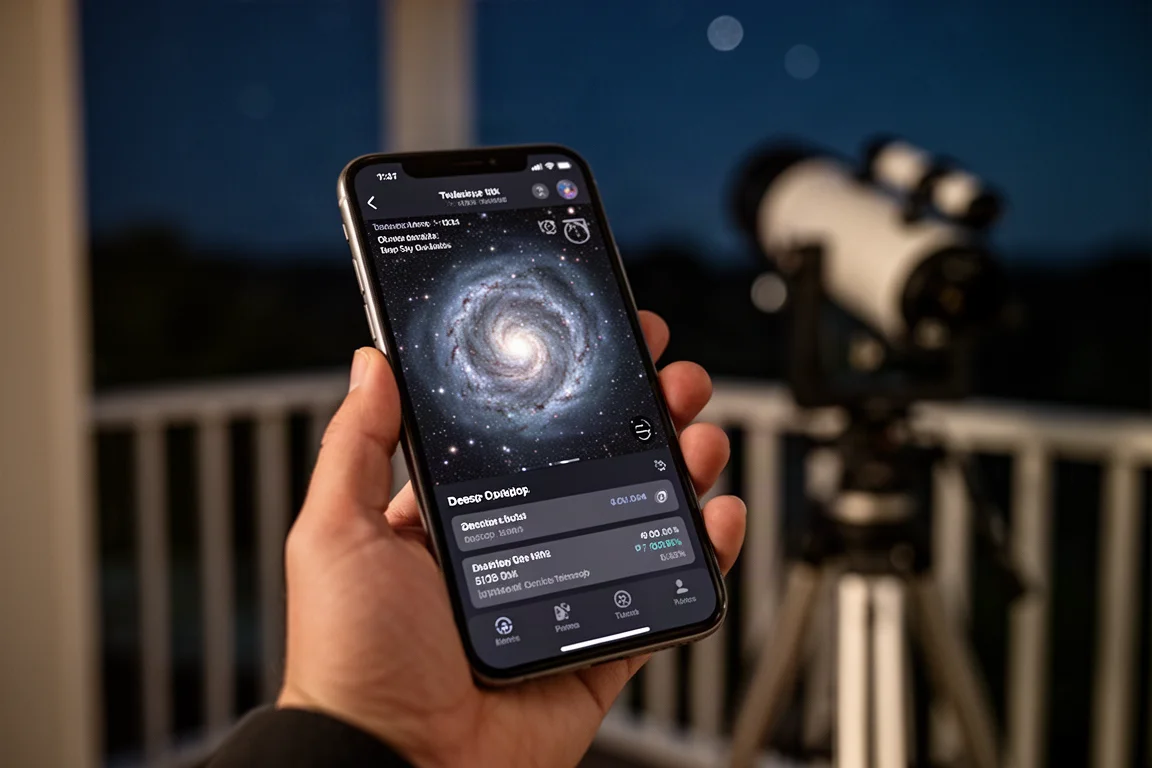
The app itself is well organized and stable. Vaonis has been careful to keep the layout familiar when adding new features, avoiding the frequent redesigns that can make other smart telescope apps confusing. That said, finding the image album on the telescope is not always intuitive, and you may need to navigate through multi-night observations or plans to access your saved images.
The in-app processing tool, called Sky Color, works well for basic edits. You can denoise, adjust vibrance, saturation, and contrast, and even apply different color palettes. It is a solid tool for quick results, though more advanced users will likely prefer processing images on a computer for finer control.
Multi-Night Observations
One of the standout features of the Vespera 3 is multi-night observations. When you enable this mode for a target, the telescope saves your progress and lets you resume stacking on a future night, whether it is the next day, a week later, or even a year later. The telescope simply picks up where it left off, adding more data to the same observation.
This is a genuinely unique feature that makes it easy to build up deep images over multiple clear nights. The telescope supports up to 15 multi-night observations at a time, which is generous for most users.
There is a caveat when using multi-night observations within the plan feature. If you create a plan and run it on consecutive nights, the telescope may start a new multi-night observation for each target instead of continuing the existing one. This can lead to duplicate observations that you then need to manage manually. It is a frustrating quirk, especially since multi-night observations are one of the telescope’s biggest strengths.
Image Quality and Processing
The Vespera 3 produces excellent images, especially when you take the time to process them properly. During observations, the telescope takes a series of 10-second exposures and stacks them to reveal the target gradually. The default processing tends to favor high contrast, which makes objects look punchy but can hide fainter details.
For example, a two-hour observation of the Crescent Nebula showed the main structure clearly, but almost none of the surrounding nebulosity until the contrast was reduced during processing. This is a common theme: the telescope captures more data than its default view shows, and you need to use the Sky Color tool or external software to bring out the full detail.
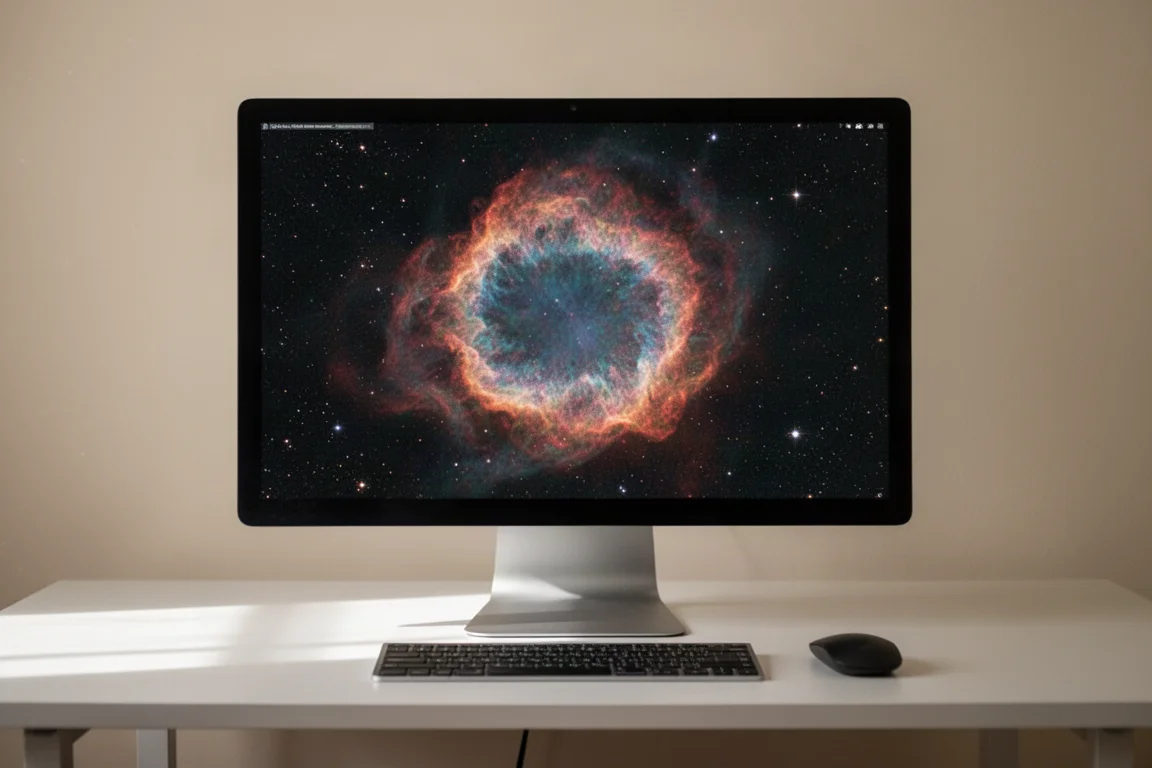
When images are transferred to a computer and processed with free software, the results are impressive. Targets like the Hercules Cluster, the Dumbbell Nebula, the Whirlpool Galaxy, and the North America Nebula all come out with rich detail, even when captured from a light-polluted city like Tokyo through thin clouds. The solar filter also performs well, revealing sunspots and granulation on the Sun’s surface with good clarity.
One drawback is the lack of automated dark frame calibration. The Vespera 3 cannot take dark frames automatically, which means hot pixels can appear in images as rows of green pixels, particularly if your sensor has one near the center. The more expensive Vespera 2 Pro can take dark frames automatically, as can some cheaper competitors. For casual users, this may be frustrating, though experienced astrophotographers can take dark frames manually using the expert mode and process them on a computer.
Filters and Accessories
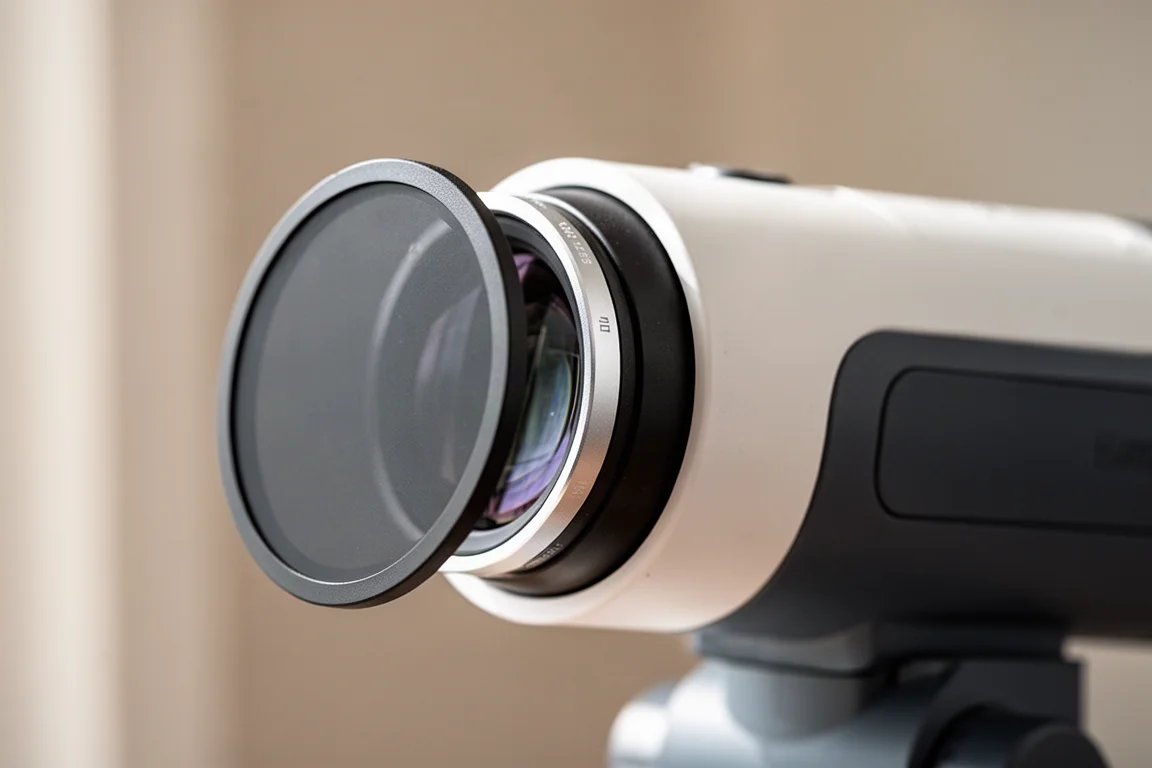
The Vespera 3 offers three filters: a general light pollution filter, a dual-band narrowband filter, and a solar filter. The dual-band filter is particularly effective for emission nebulas from light-polluted areas, with 12 nm band passes and transmission slightly below 90 percent. It is a great filter for nebula imaging, but at $400 it feels overpriced compared to similar filters from other brands.
The solar filter costs $150 and is a must-have if you want to observe the Sun. It blocks most of the light and delivers good quality results, showing sunspots and surface granulation clearly.
One limitation is that the filters are manual. Unlike some competitors with internal filter wheels that switch automatically based on the target, the Vespera 3 requires you to physically change filters between targets. This means a plan that includes both a nebula and a star cluster will not automatically switch filters, and you will need to stay up to make the change yourself.
Buying Advice
The Vaonis Vespera 3 is an excellent smart telescope with outstanding hardware, reliable optics, and a genuinely useful multi-night observation feature. It is also expensive, with a price of $2,500, and adding the dual-band filter brings the total to nearly $3,000.
If you prioritize the best possible optics and mechanics, want a telescope that is guaranteed to perform well, and value the long battery life and five-year warranty, the Vespera 3 is a strong choice. It is currently the only 50 mm aperture smart telescope of its class on the market, though competitors may release similar models in the future.
If you are more budget-minded or enjoy tinkering with software, you may want to wait for upcoming alternatives like the Sea Star S50 Pro, if and when it is released. But for now, the Vespera 3 stands alone in its class, offering a premium experience that is hard to match.
Conclusion
The Vaonis Vespera 3 is a premium smart telescope that delivers excellent optics, smooth mechanics, and a unique multi-night observation feature. It is not without its drawbacks: the software lacks some features found in cheaper competitors, the filters are expensive, and there is no automated dark frame calibration. But if you want a reliable, high-quality instrument that will serve you well for years, the Vespera 3 is worth serious consideration.
Product link
View more details for Vaonis Vespera 3
This product is mentioned in the review. Check the specifications, options, and compatibility before buying.
View more details for Vaonis Vespera 3Further reading
Related Reviews
Astrophotography
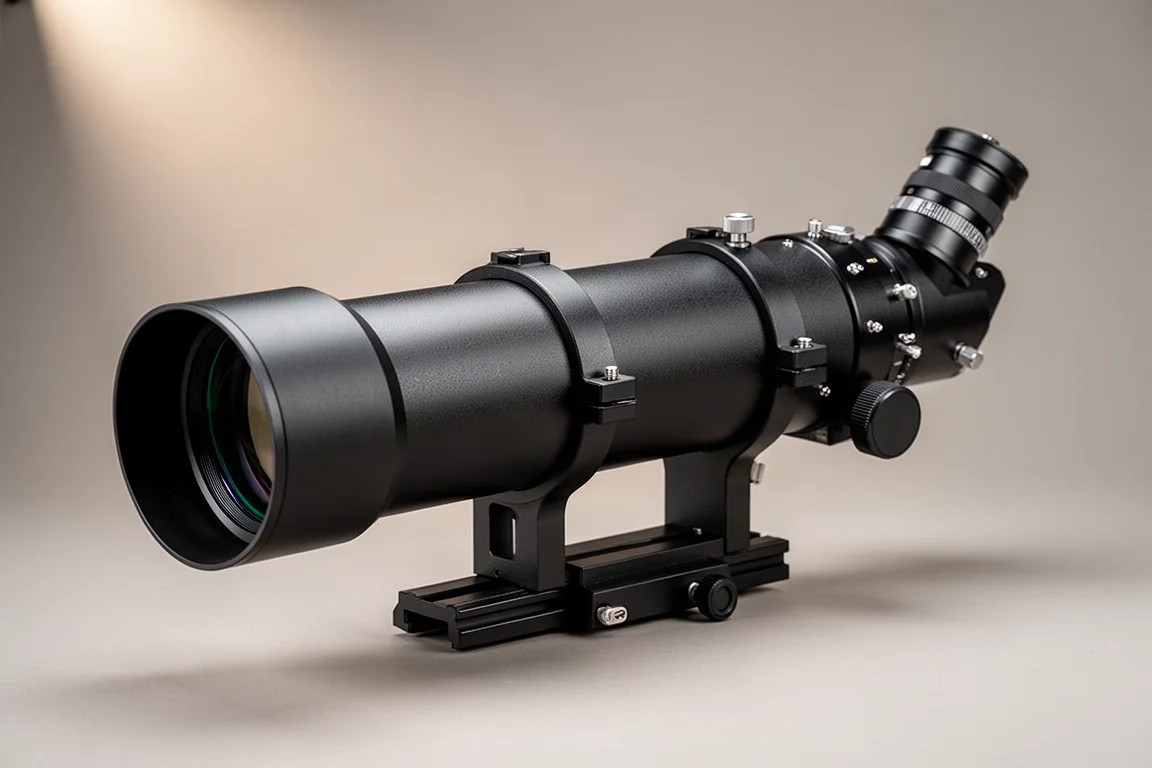
ASKAR FRA400C Review: A Versatile 400mm Refractor for Astrophotography and More
The ASKAR FRA400C is a compact 72mm refractor that balances reach, versatility, and portability for astrophotographers and visual observers.
Astrophotography
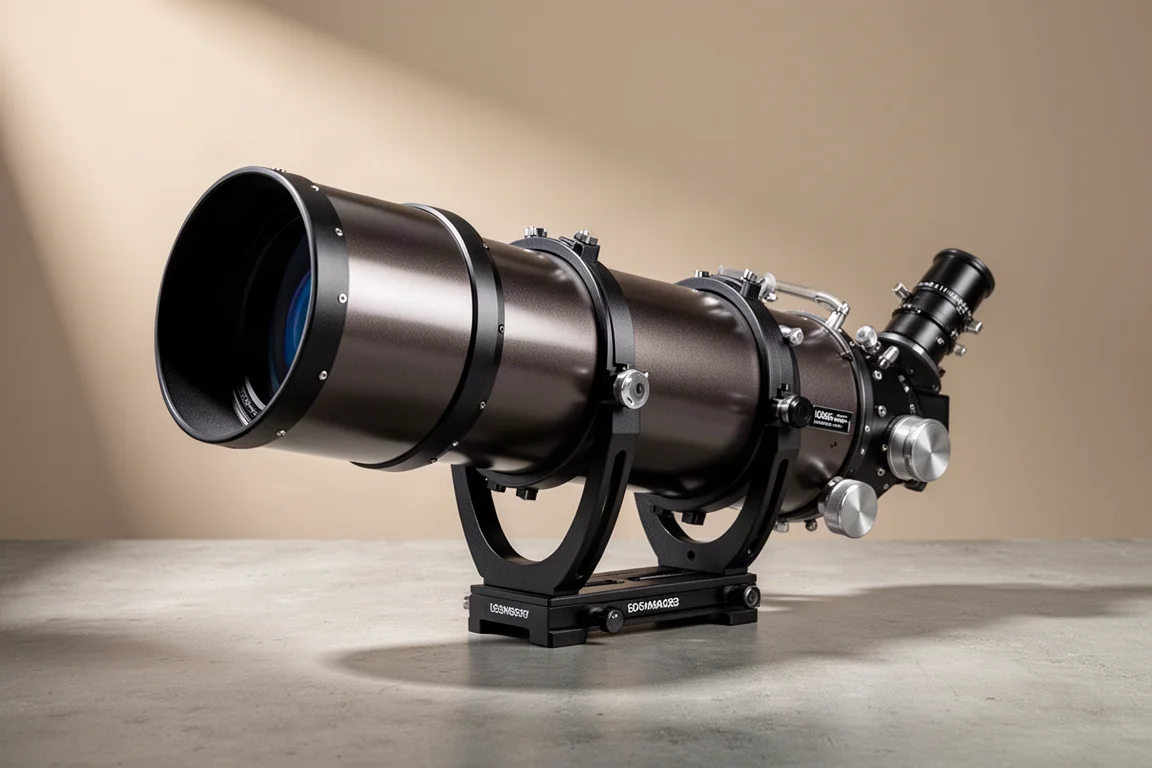
Askar SQA106 Review: A Premium 106mm Astrograph With Exceptional Optics
The Askar SQA106 is a premium 106mm quintuplet astrograph with impressive sharpness across full-frame sensors, though its price and weight demand careful consideration.
Astrophotography
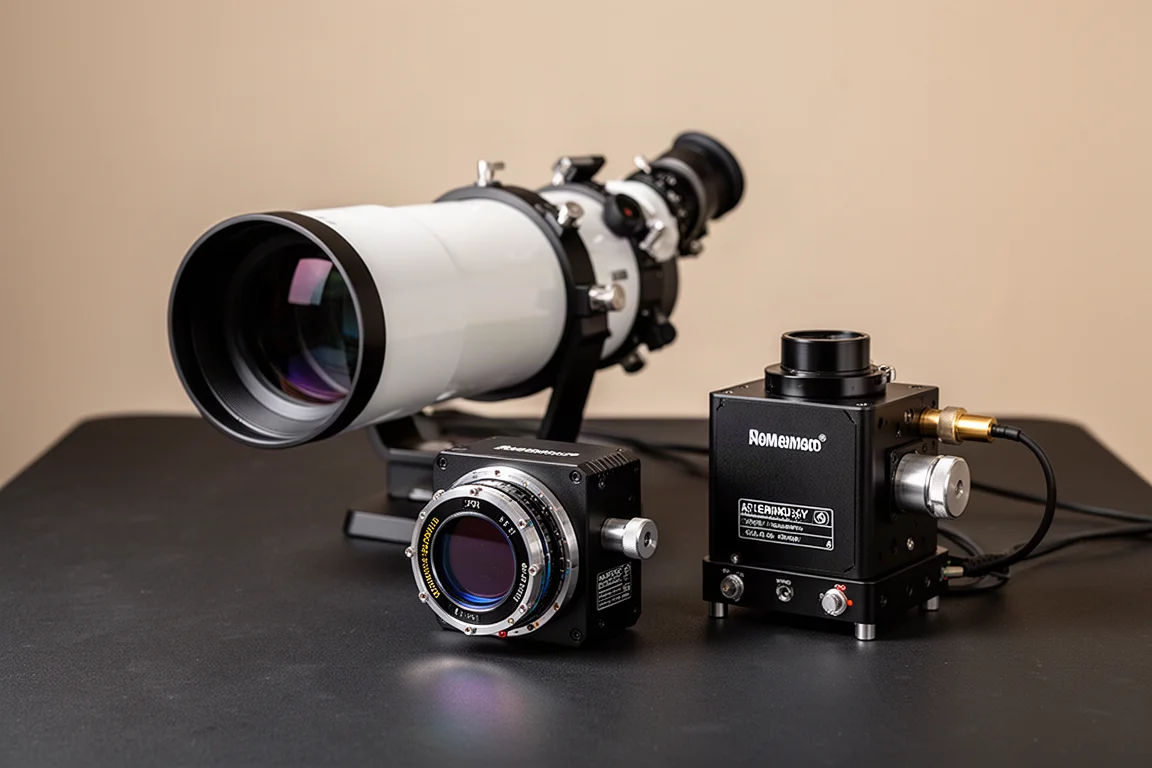
Astro Imaging Gear 2026: Eight New Products Worth Watching
A look at the most interesting new astrophotography and astronomy products announced this year, from fast telescopes to smart cameras and wireless accessories.