Astronomy
ZWO Seestar S30 vs Seestar S50: Which Smart Telescope Should You Buy?
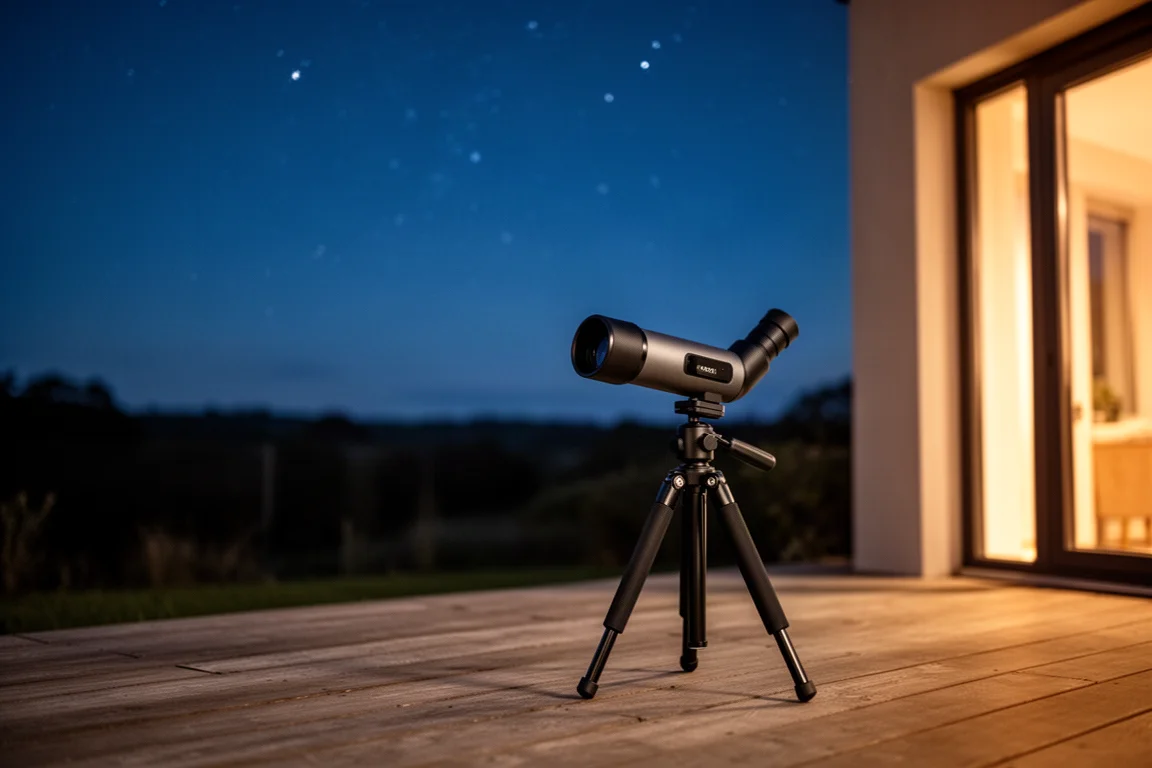
A direct comparison of ZWO's two smart telescopes across solar, lunar, planetary, and deep sky imaging, plus mosaic mode, tripods, and print quality.
Introduction
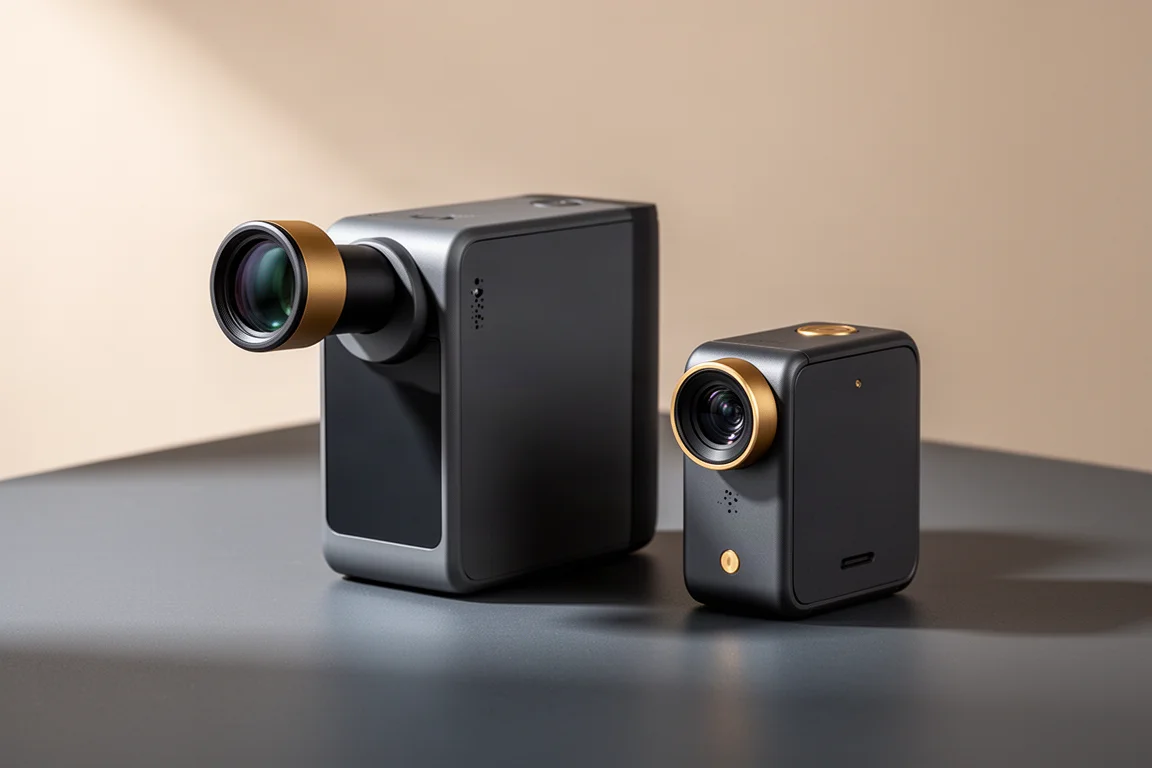
ZWO’s Seestar line has made astrophotography dramatically more accessible, and with the S30 joining the S50, the choice between the two comes down to more than just size and price. On paper the feature sets are very similar; the real differences show up in aperture, field of view, and a few design details that matter a lot depending on what you like to shoot.
Both units use the same sensor and pixel size, so the S50’s larger aperture should resolve finer detail, while the S30’s smaller telescope trades that for a wider field of view that takes in more of the sky. The numbers in each name refer to the diameter in millimeters of the front aperture of the internal refractor telescope. Here is how that plays out in practice across the sun, the moon, Jupiter, and deep sky objects, in both normal and mosaic modes.
Solar Imaging
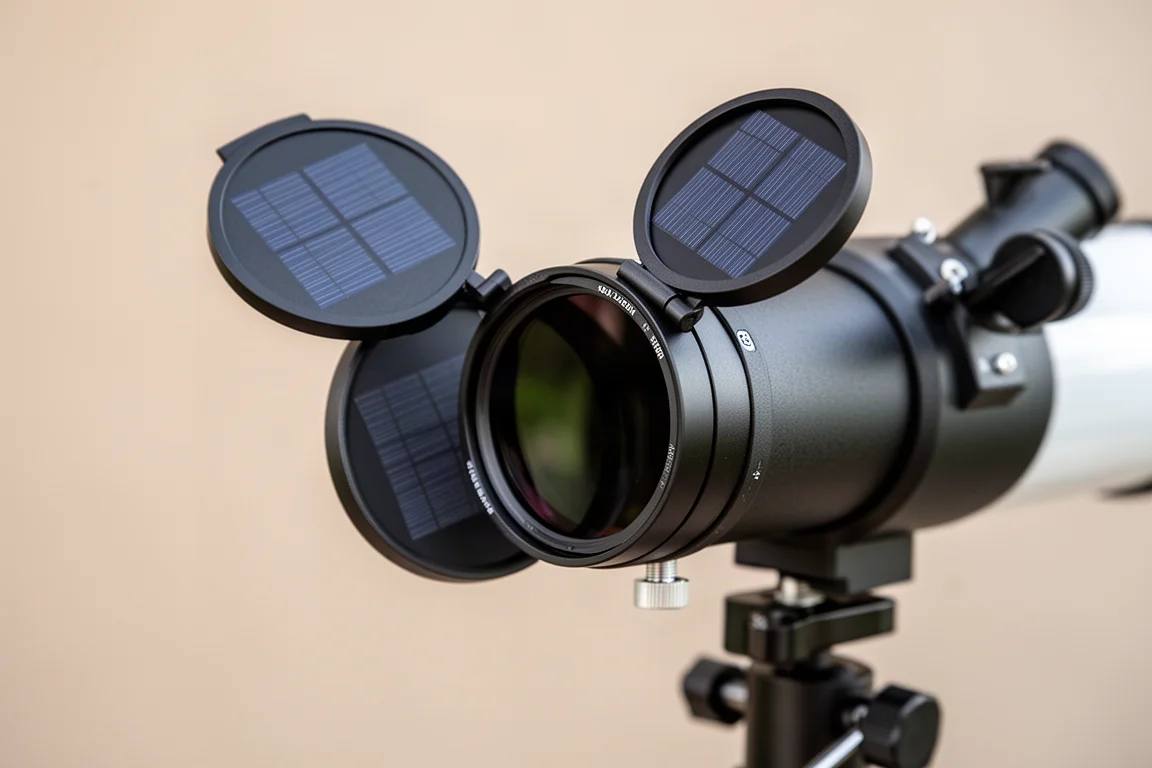
For solar work, both telescopes require the included solar filter, which is absolutely necessary for safety and to protect the equipment. One clever design touch: the telescope arm closes completely with the filter installed, with just enough clearance to make that work.
The S30’s solar filter is a meaningful improvement. It holds on securely but removes much more easily thanks to a magnetic attachment, where the S50 uses a tight friction fit. For total solar eclipse imaging that is a genuine advantage, because removing the filter at totality is a time-critical moment and the S50’s filter is much harder to get off quickly.
Both telescopes can attempt to find the sun automatically, but they often fail. The S30 has a secondary wide-field camera system that works well as a solar finder in those cases. With the S50, a common workaround is taping a small external solar finder on top of the arm, and once the sun is found, the tracking that keeps it centered in frame works very well on both. Autofocus on the sun was generally accurate, likely helped by the currently high level of solar activity and visible sunspots.
In the resulting images, the sun fits snugly in frame on the S50 while the S30 leaves more breathing room around it. The wider field would be a real advantage for capturing more of the sun’s corona during a total eclipse, but for regular solar observing the S50’s images resolve better detail on features like sunspots.
Lunar Imaging
The moon follows a similar pattern. Both units can fail to find it automatically and fall back on manual alignment, and here the S30’s wide-field camera is a clear advantage: you can quickly navigate to the bright moon with the on-screen joystick and center it on the main sensor. On the S50 it is more trial and error, looking behind the telescope and moving it until you catch the glow of the moon on screen. It does not take long, but it takes practice.
Once framed, the S50 has the clear photographic advantage. Its larger aperture resolves smaller details, so the moon looks sharper and more detailed, especially when zoomed in. At high zoom levels the S30 data starts to look pixelated, while the S50 still shows finer resolution and depth, with nice gradients visible in the lunar maria.
Planetary Imaging
Jupiter is bright enough that both telescopes found it automatically and fairly quickly. In planetary mode, automatic exposure renders Jupiter itself completely blown out, which is deliberate: the overexposure lets you see the Galilean moons orbiting the planet, and that behavior is very similar between the two units.
When exposure is brought down manually, the difference appears. Even at its lowest exposure, the S30 could not resolve surface detail, while the S50 revealed two cloud bands on Jupiter’s surface. If you are new to astronomy, seeing those cloud bands on your first telescope is genuinely exciting, and it makes the S50 the better pick for planetary viewing. That said, planets are not really the focus of either device.
Deep Sky and Mosaic Mode
Deep sky objects are where both Seestars perform surprisingly well. Both find and track targets automatically, and when started side by side on the same object, they were ready within seconds of each other. Battery drain tested night after night was identical between the two, and all other software features, including autofocus, performed the same. The only real differences come down to sampling and field of view.
A previous criticism of the S50 was that several popular deep sky objects were awkwardly cropped by its tight field of view. ZWO addressed part of this with a new framing mode in the Seestar app that builds mosaics, effectively doubling the field of view and allowing different image orientations by tiling many small captures into one bigger picture. It is available on both telescopes and opens up a lot of creative flexibility.
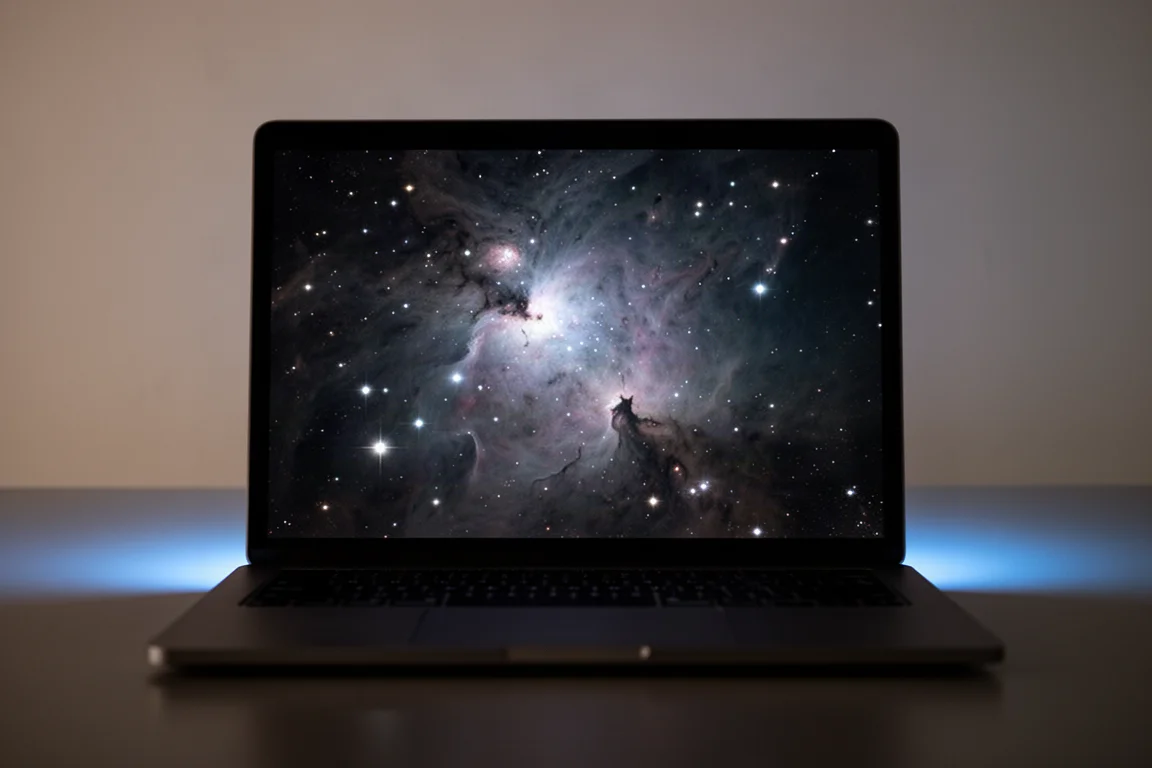
The catch: mosaic mode takes much longer to build up enough integration. Doubling the framing produces an image four times larger in area, so you need four times the exposure for equal signal strength. A half-hour capture becomes a two-hour capture at maximum framing, and the app helpfully tells you this up front with a recommendation.
Comparing the Pleiades (M45) in normal mode, the S30’s framing felt more useful while the S50 felt too cropped in. In mosaic mode at full expansion, the two framings became much closer and harder to pick between. For wide-field compositions, the S30 was the preferred tool in both modes, and that held true again and again on nebula scenes.
A concrete example is the Boogeyman nebula, a difficult target for both. After processing, the S50 image technically resolves more detail but feels too zoomed in for what these telescopes can do. The S30’s focal length suits the object better, and the composition benefits from framing the dark nebulosity between two bright stars. One last difference: the included S50 tripod is better than the S30’s, which has no leveling feature and is best described as a way to get the unit off the ground. The S30’s lower price, around $150 below the S50, likely reflects that trade-off, and serious users will want a sturdier tripod for either unit.
Printing Your Images
Printing results from the Seestar images turned out better than expected. The 27-minute stacks from normal mode, printed straight with correct printer profiles at 350 DPI on glossy 4x6 photo paper, came out with good detail and a pleasing high-contrast look.
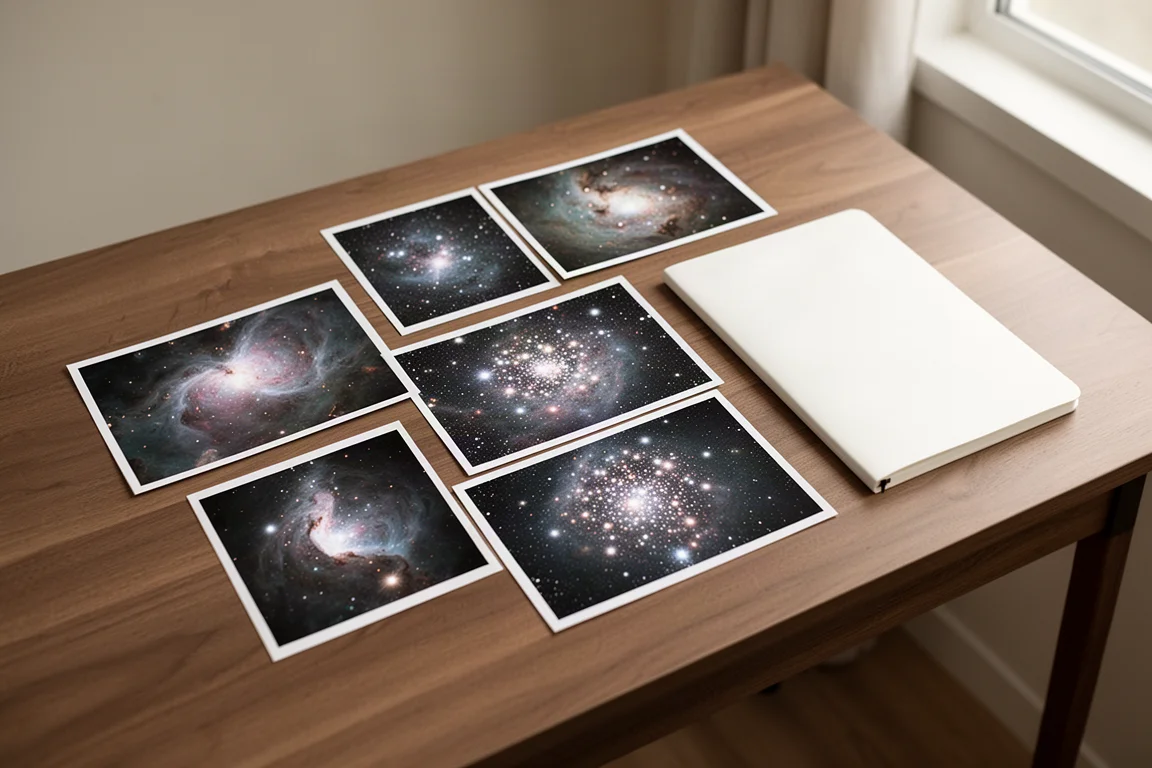
Using higher-end Canson Baryta Photographique semi-gloss paper, three-hour mosaic-mode stacks printed at 350 DPI produced prints about 11 inches across, and those looked good too, with some adjustments to bring out the nebulosity. The lesson from printing: the signal-to-noise ratio is not high enough to bring out the faint dust around the Pleiades in a print even after three hours in mosaic mode with either telescope, so dim detail needs substantially more exposure time if printing is the goal. On the bright side, mosaic mode provides enough resolution to print twice as large in both directions, making a nice 8x10 inch or A4 print possible if you are willing to pile on exposure time.
Which One Should You Buy?
The S50 is the better all-rounder. It delivers more detail on the sun, moon, and planets thanks to its larger telescope, mosaic mode makes it versatile across a wide range of deep sky objects, and its included tripod is better than the S30’s.
The S30, meanwhile, wins for two specific pursuits: wide-field nebula and nebula-scene compositions, and total solar eclipse imaging. For eclipse chasing, where the telescope has to share carry-on luggage with other camera gear, the S30’s compact size is a major advantage, and the magnetic solar filter makes the critical filter removal at totality far easier. The S30 also includes the secondary wide-field camera, useful as a finder for the sun and moon and potentially for daytime scenery use such as locating birds.
Ultimately, if your priority is detail on solar system targets, the S50 is the stronger choice. If wide-field nebula work and travel-friendly eclipse imaging appeal to you, the S30 is the one to keep, though it is worth reviewing sample images from both before deciding, since field-of-view preference is personal.
Conclusion
The Seestar S30 and S50 share an impressively similar software experience, battery life, and automatic object finding. The S50 buys you finer resolution on the sun, moon, and planets plus a better bundled tripod; the S30 trades that for a wider field of view that suits nebula compositions and eclipses, an easier-to-remove magnetic solar filter, and a helpful secondary wide-field camera. Choose based on what you actually want to shoot, and either one is a capable window into the night sky.
Product link
View more details for ZWO Seestar S30
This product is mentioned in the review. Check the specifications, options, and compatibility before buying.
View more details for ZWO Seestar S30Further reading
Related Reviews
Astronomy
Astronomy Gifts for Dads: Binoculars, Telescopes and Accessories Worth Giving
A practical gift guide covering stargazing binoculars from around $50, beginner telescopes under $500, and accessories under $100.
Astronomy
Best Filters for EAA in Light Pollution: What Short-Exposure Testing Actually Showed
Five astronomy filters and two noise reduction tools tested under light polluted skies for electronically assisted astronomy, with practical results for broadband and narrowband targets.
Astronomy
Six Premium Eyepieces That Transform a Beginner Telescope
A hands-on comparison of Tele Vue Panoptic, Tele Vue Nagler, and Baader Hyperion eyepieces, and why upgrading the stock eyepieces is the best first move in stargazing.