Astronomy
Best Filters for EAA in Light Pollution: What Short-Exposure Testing Actually Showed
Five astronomy filters and two noise reduction tools tested under light polluted skies for electronically assisted astronomy, with practical results for broadband and narrowband targets.
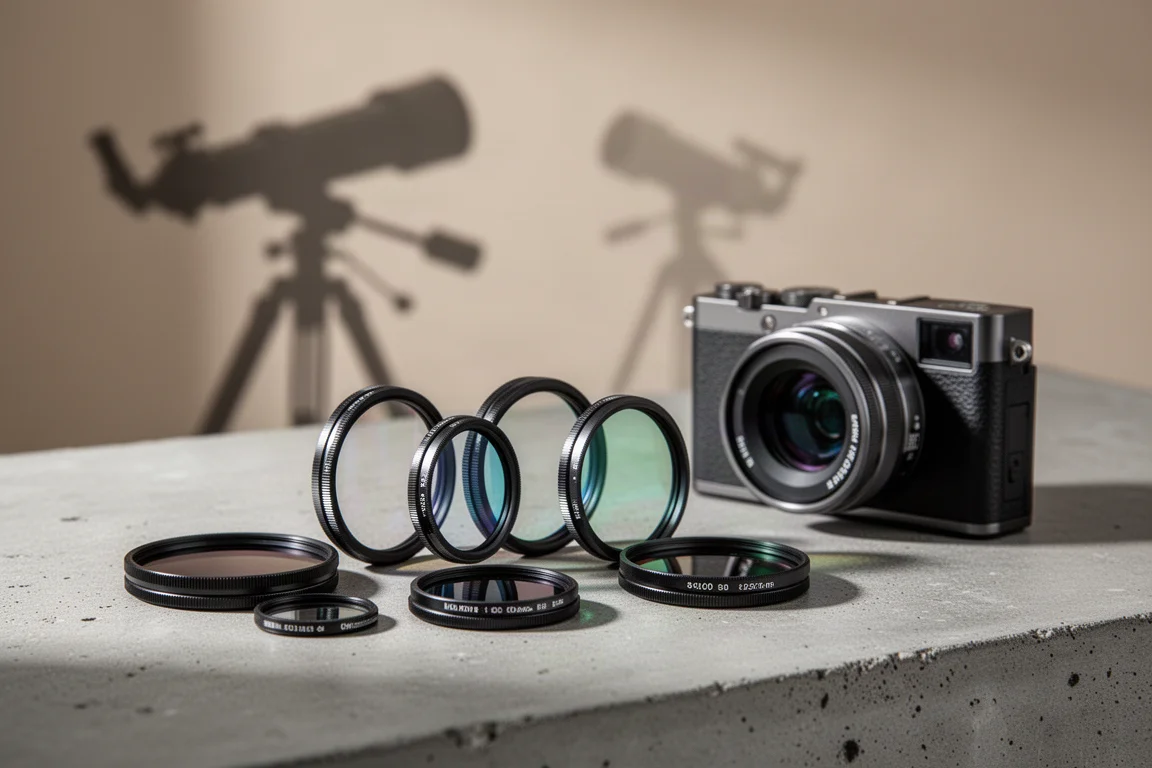
Introduction
Electronically assisted astronomy, or EAA, uses a camera to transmit a live image from a telescope to an attached screen. It has real advantages over eyepiece viewing: the image is in focus for everyone, glasses do not matter, it works well for very young, elderly, and disabled viewers, and it delivers color images with much more detail in most deep space objects. With around 90 EAA events run in a single year, one question kept coming up: which filters produce the best results for each target type when observing from a light polluted location?
Why Filters Matter for EAA
EAA sessions generally split into two target groups: broadband objects such as galaxies, open clusters, and globular clusters, and narrowband targets such as planetary and emission nebulae. The goal was to find out how filters compare for short exposures, the kind used in live EAA sessions, rather than long-stacked astrophotography.
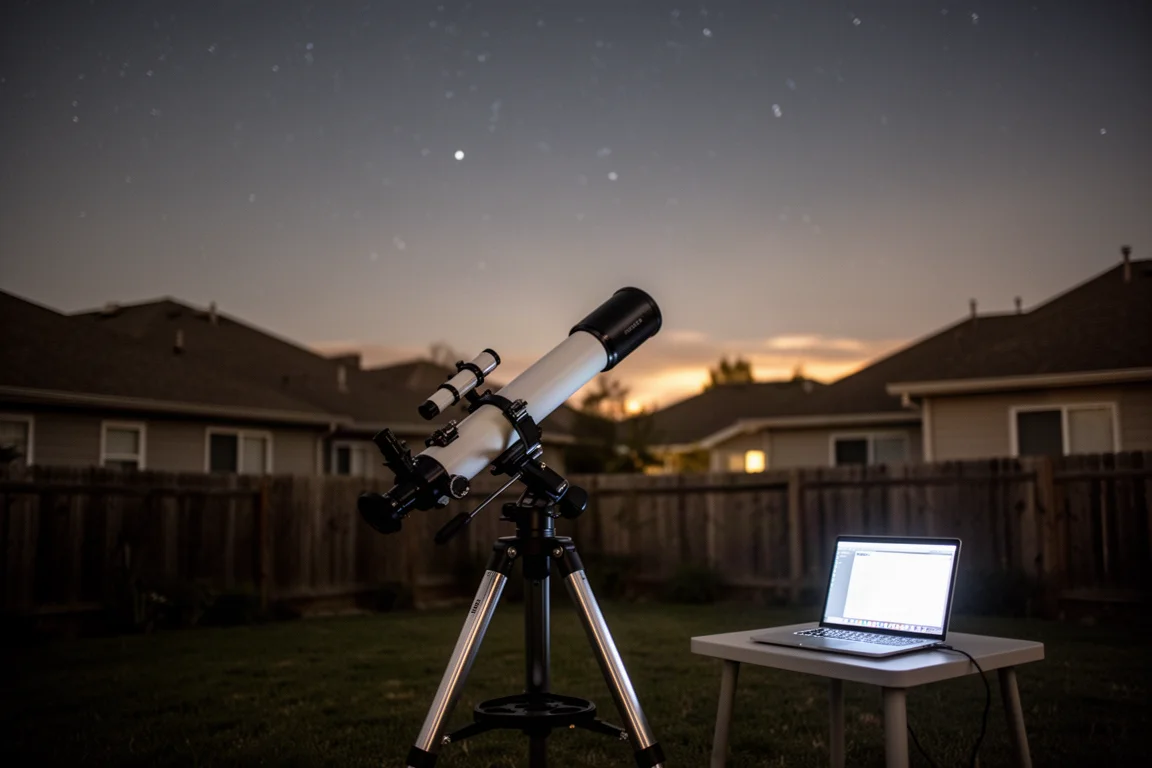
An important caveat applies throughout. This is not advice for deep space astrophotography, where many stacked exposures collect far more total light and produce very different filter behavior. For single short exposures, the results were surprising.
Test Setup
Two telescope configurations were used. The first was a Celestron C9.25 Edge HD SCT with a Hyperstar at f/2.2 and a ZWO 183MC Pro camera, shot from a bortle 7 backyard with a six-day-old Moon. Four days later, a Tech 140 f/7 refractor with an Apex L focal reducer at f/4.6 and a ZWO 2600MC Pro was used, with a ten-day-old Moon. Both setups guided on an AM5 mount, typically starting exposures once guiding was better than 0.5 arc seconds, and always better than one arc second.
Targets included M13, M51, M27, and NGC 7000 on the Celestron, plus M11, M101, M31, and the Wild Duck Cluster on the refractor. The process was simple: refocus for each filter, wait for stable guiding, and take one 60-second sub on the faster system or one 120-second sub on the slower one. No calibration frames were taken.
Broadband Targets: No Filter, L-Pro, or Antlia
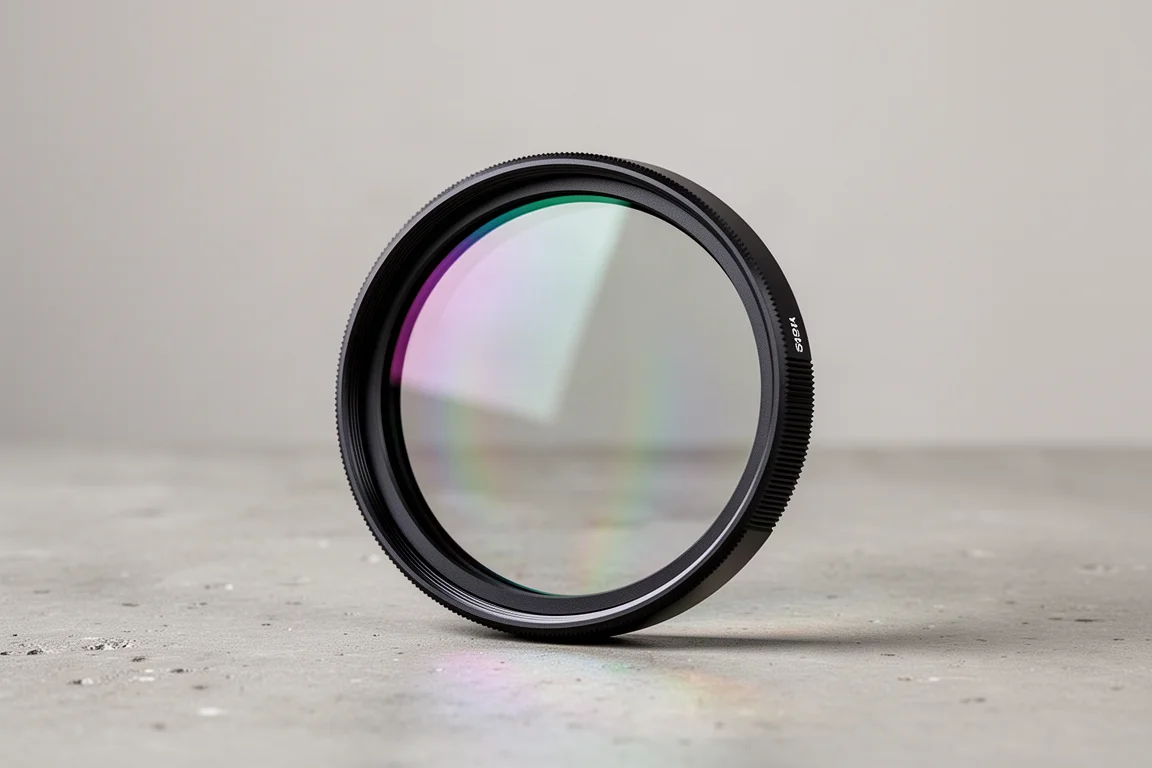
Three conditions were compared on galaxies, globulars, and open clusters: no filter, the Optolong L-Pro, and the Antlia RGB Tri-Band Ultra filter. The L-Pro is marketed for better color balance and light pollution suppression on galaxies, reflection nebulae, and globular clusters, while the Antlia Tri-Band RGB Ultra targets OSC cameras shooting the same categories, with excellent halo suppression and usability down to f/2 systems.
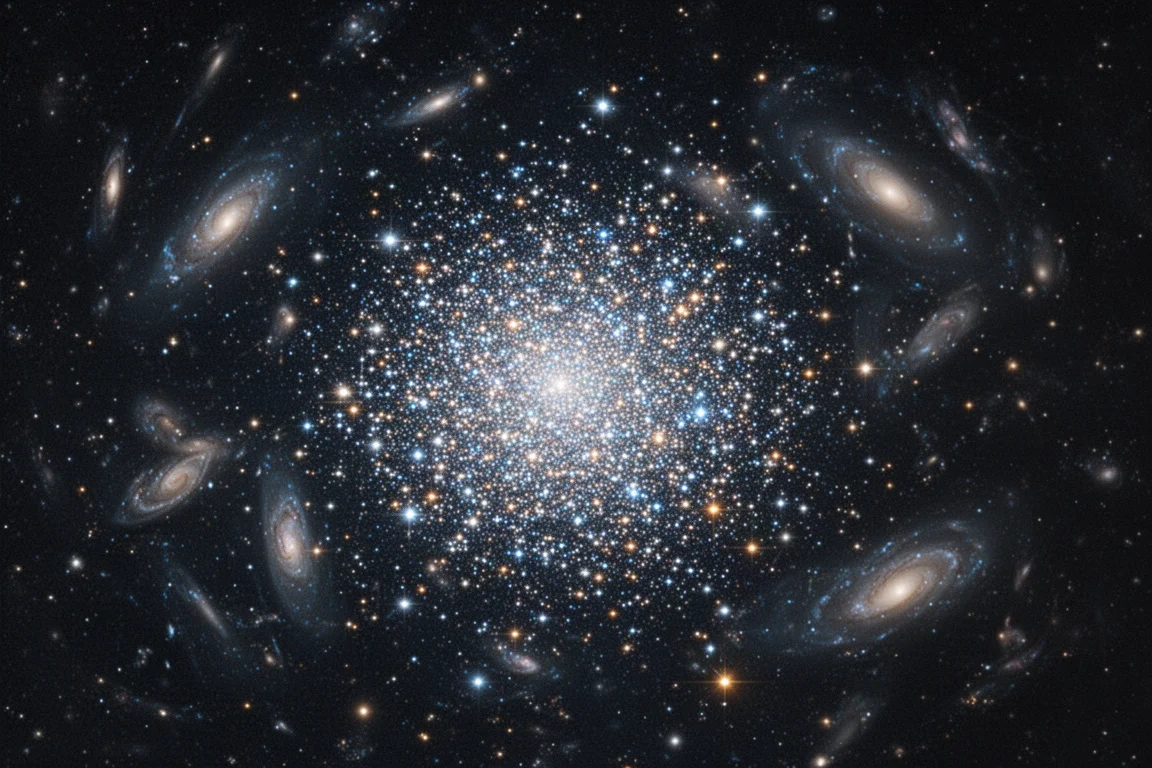
The surprise was that both broadband nebula filters attenuated too much light for short exposures, even with the Moon present. On broadband targets under EAA conditions, no filter performed just as well as either the L-Pro or the Antlia.
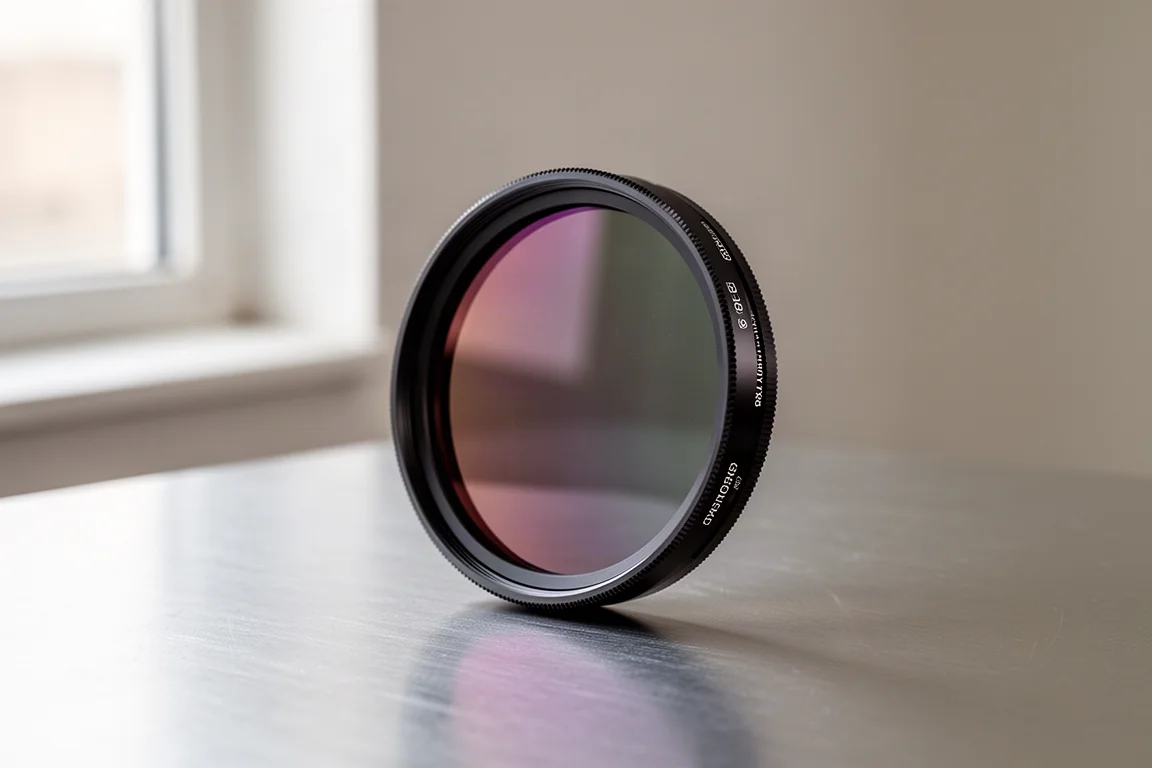
Nebula Targets: L-Enhance vs NBZ
Planetary and emission nebulae added two more dual-band filters to the comparison: the Optolong L-Enhance, a dual pass filter designed for DSLR color CMOS and monochrome CCD cameras, and the IDAS NBZ, which enhances hydrogen alpha and oxygen III contrast while accommodating filter spectral shift on fast optical systems.
The L-Enhance did a good job on both planetary and emission nebulae. The NBZ was clearly superior on the planetary nebula M27 but attenuated too much light from the North American Nebula, making it less effective than the L-Enhance on emission nebula in short exposures.
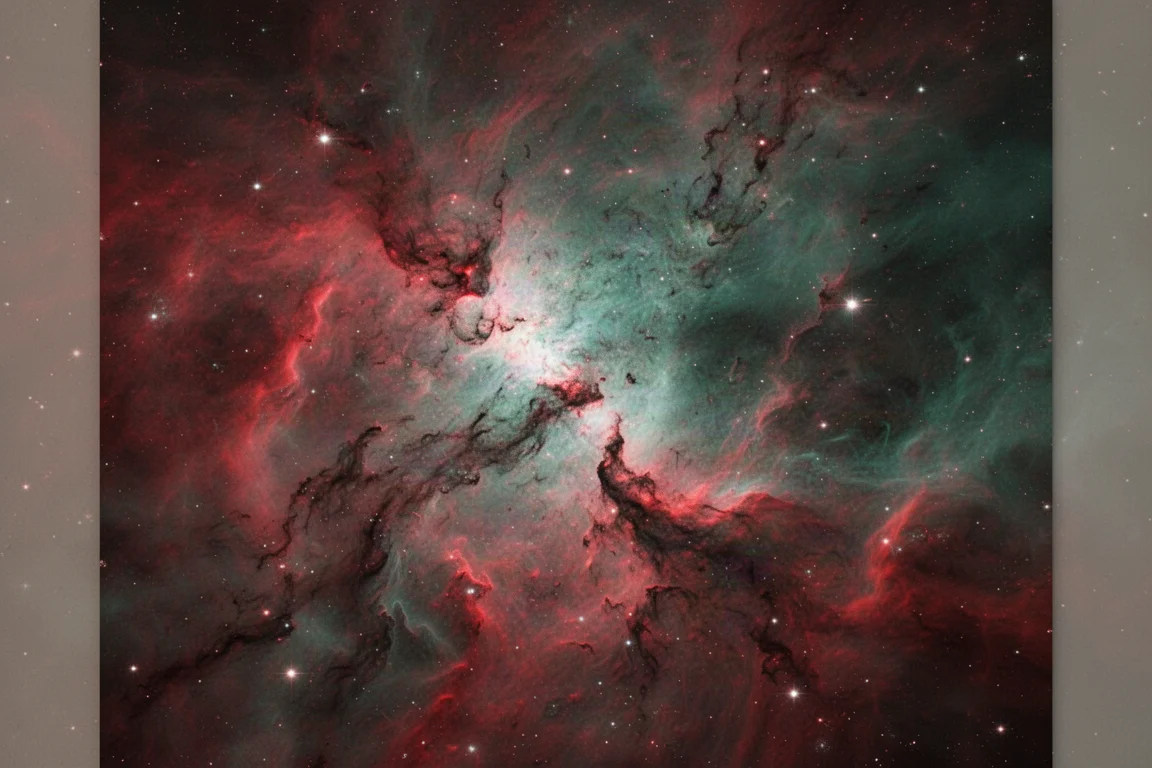
The NBZ remains an excellent filter when enough integration time is gathered, but for quick EAA-style exposures it shines brightest on bright planetaries. One practical note: the L-Pro and L-Enhance are designed to operate at the same or very close focus points, so switching between broadband and narrowband targets saves refocusing time.
Post-Processing Tools That Carried the Results
Even for single subs, post-processing mattered. AstroFlat Pro handled gradient removal and flat field creation right after the initial stretch, replacing calibration frames in nearly every published image. Two noise reduction and sharpening plugins were then compared: Topaz DeNoise AI and RC Astro’s NoiseXterminator.
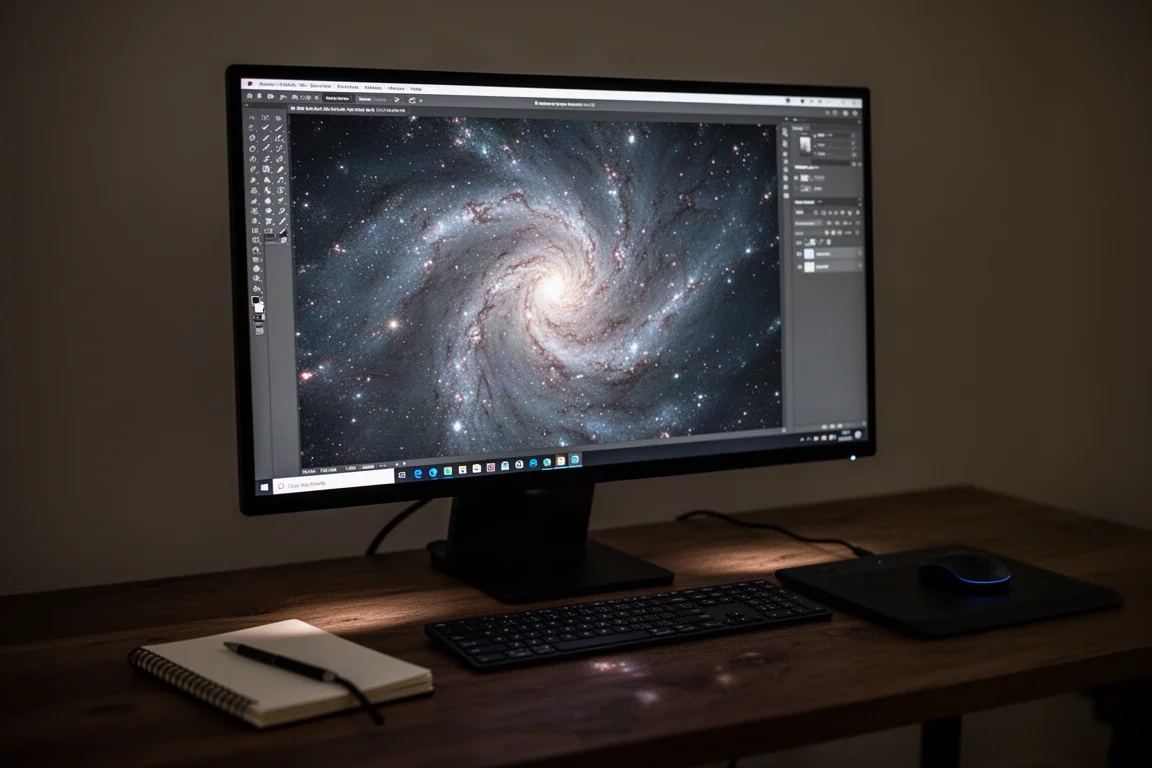
NoiseXterminator generally produced better noise reduction and sharpening results in this test, though a single fixed setting was used, and Topaz still performs notably better for solar photography noise reduction. Results can differ with different data sets.

Buying Advice
For EAA from a light polluted location, the simplest takeaway holds: broadband targets need no filter, and the L-Enhance is the more versatile dual-band choice for nebulae, with the NBZ reserved for bright planetaries or longer integrations. Pairing the L-Pro with the L-Enhance is a smart combo because their shared focus point speeds up filter changes during live sessions. On the software side, NoiseXterminator earned its place for deep sky work, while Topaz DeNoise AI remains the better option for solar images.
Conclusion
Short exposures change the filter math. Filters that transform stacked astrophotography can dampen a single 60-second frame, and the winning setup here was a focus-matched L-Pro and L-Enhance pair, AstroFlat Pro for gradients, and NoiseXterminator for cleanup. Match your filter to your exposure style, not just the marketing.
Further reading
Related Reviews
Astronomy
Astronomy Gifts for Dads: Binoculars, Telescopes and Accessories Worth Giving
A practical gift guide covering stargazing binoculars from around $50, beginner telescopes under $500, and accessories under $100.
Astronomy
Six Premium Eyepieces That Transform a Beginner Telescope
A hands-on comparison of Tele Vue Panoptic, Tele Vue Nagler, and Baader Hyperion eyepieces, and why upgrading the stock eyepieces is the best first move in stargazing.
Astronomy
Best Solar Telescopes for Hydrogen Alpha Viewing: Five Ways to Observe the Sun Safely
From an affordable starter scope to modular 100mm systems and mica-based etalons, five paths into safe solar observing compared.