Astronomy
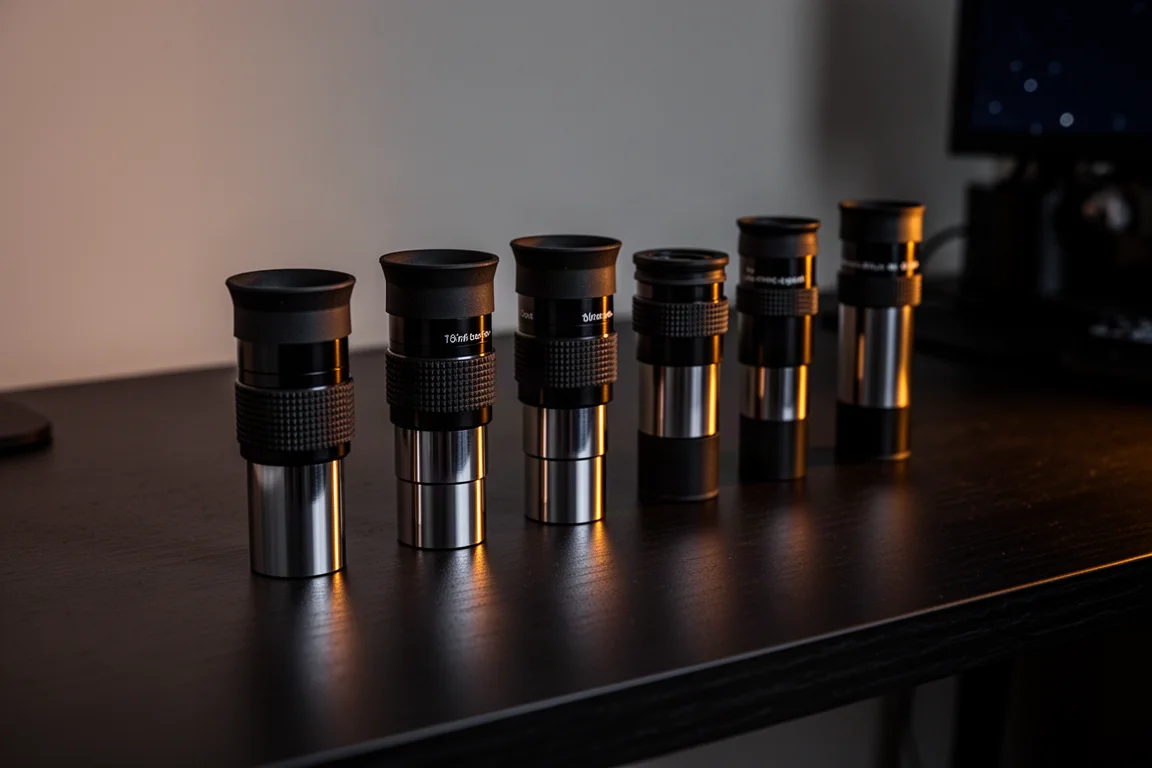
Six Premium Eyepieces That Transform a Beginner Telescope
A hands-on comparison of Tele Vue Panoptic, Tele Vue Nagler, and Baader Hyperion eyepieces, and why upgrading the stock eyepieces is the best first move in stargazing.
Introduction
There is a problem with almost every beginner telescope on the market, and it is holding a lot of people back from enjoying this hobby: the eyepieces that come bundled in the box are simply not very good. The telescope itself is often fine. The views are not, and the eyepieces are the reason.
The fix is easier than most newcomers expect. Swapping the stock eyepieces for one low-power, wide-field eyepiece for general observing and one higher-power eyepiece for planets and globular clusters can take your stargazing to a completely different level, regardless of what type of telescope you own. This comparison focuses on six eyepieces that sit in the sweet spot between entry-level Plossl designs and eyepieces that run upwards of a thousand dollars.
What Eyepieces Actually Do
A telescope’s primary mirror or lens collects light and forms an image where all the points of light converge: the focal plane. That image is far too large to fit into your eye. An eyepiece concentrates the image so it fits, which is why the eyepiece, not the telescope tube, determines so much of what you actually see.
A useful way to think about the category: a basic Plossl, typically a four-lens design with about a 50 degree field of view, is usually the first upgrade most beginners make. At the other end of the spectrum, the Tele Vue Ethos series can run well over a thousand dollars and typically appears on very large telescopes or at observatories. The eyepieces covered here sit between those two extremes.
Eyepiece Specifications Worth Knowing
A few terms explain most of the difference between eyepieces. Magnification is the focal length of your telescope divided by the focal length printed on the eyepiece, so a shorter eyepiece focal length means higher magnification. Higher magnification is not automatically better, because resolution, your ability to see fine detail, is determined solely by the aperture of the telescope.
Eye relief is how far your eye needs to be from the glass to see the image. Cheap eyepieces force your eye very close, while better designs allow more distance. Typical values run from 12 to 50 millimeters, and if you observe with glasses, high eye relief up to around 20 millimeters is ideal.
Apparent field of view is how much of your vision the view of the sky fills. Around 50 degrees and you will see a black circle around your target. At 68 degrees the circle is noticeably larger. Ultra-wide designs range from 80 to 100 degrees, and with your eye positioned just right you may not see the edges of the view at all. Divide the apparent field of view by your magnification to get the true field: at 100x with a 50 degree field, your view spans 0.5 degrees, exactly enough for the full Moon to fill the frame.
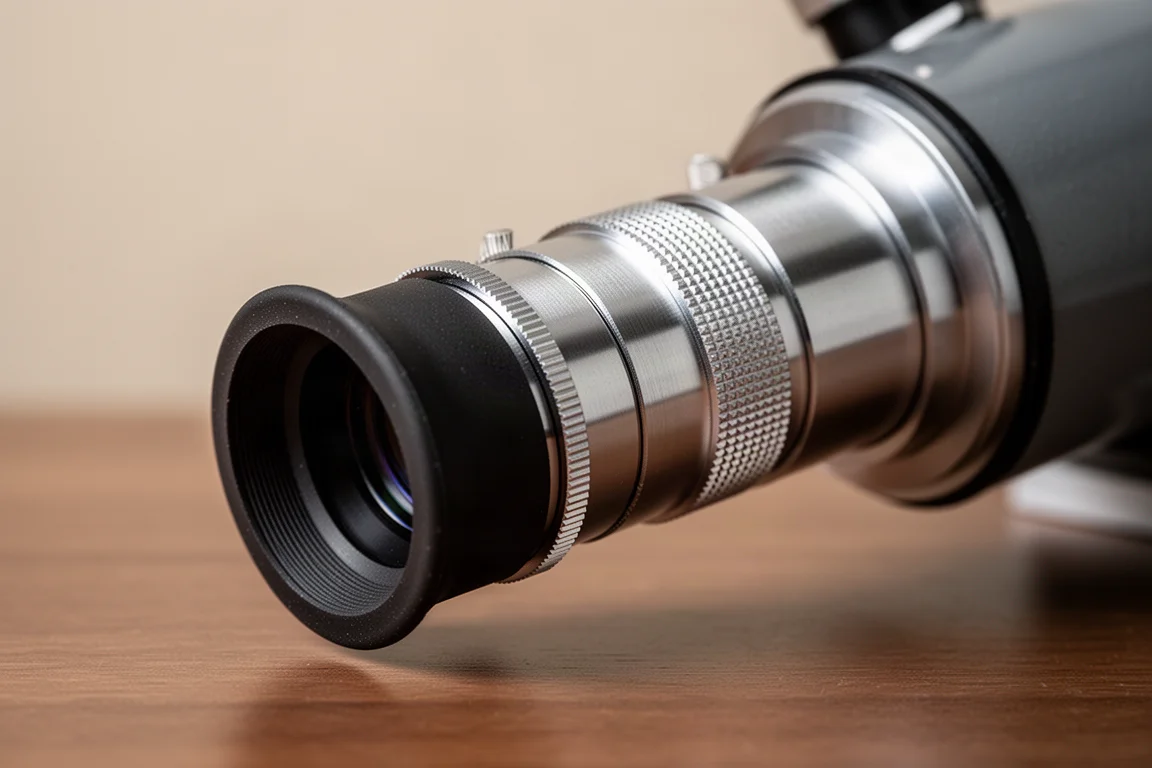
Practical features matter too. Most eyepieces have threaded barrels for filters such as Moon filters, blue filters for Jupiter, and UHC filters for nebulae. Eyecups fold up or down depending on whether you wear glasses or are dealing with background glare. Some premium short-focal-length eyepieces are actually long-focal-length designs with a built-in Barlow that can be removed. Some, like the Hyperion series, accept both 1.25-inch and 2-inch focusers. Most premium eyepieces are also waterproof, which matters in dewy climates where after a few hours your gear is soaked.
How These Eyepieces Were Tested
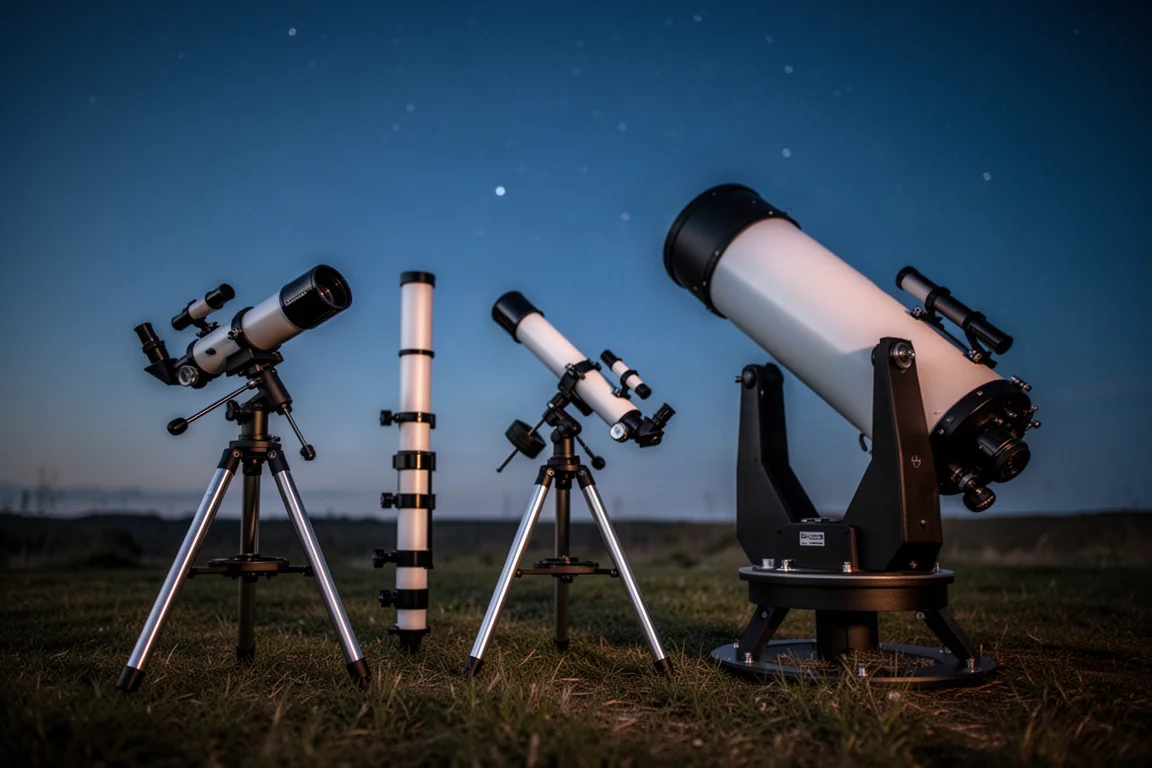
The comparison was run across three very different telescopes: a five-inch SCT, a 102 millimeter short-tube refractor, and an eight-inch Newtonian, with targets placed at 100 feet and sized to scale. Both 102 millimeter telescopes tested, one an inexpensive retail model and one a three-thousand-dollar carbon fiber instrument from Explore Scientific, share about an f7 focal ratio, and with the right eyepiece both offer nearly identical views of deep-sky objects.
One honest caveat: a camera photograph through an eyepiece cannot reproduce the clarity, contrast, and immersive feel of the view in person. The comparisons here show how views change between eyepiece types, but if you want to try before buying, visit a star party. These eyepieces are extremely popular, and several observers at any event will happily let you look through theirs.
Tele Vue Panoptic 24mm
This is a 68 degree field eyepiece that, in a small telescope, is about as good as it gets. Regarded as one of the best eyepieces on the market today, it earned the strongest personal endorsement of the entire test: after a week of use, it became the reviewer’s new favorite eyepiece, and it was the one reached for almost regardless of which telescope was in use.
The 24mm focal length keeps magnification low, making it the ideal general-observing eyepiece for scanning the sky and framing larger deep-sky objects.
Tele Vue Nagler 9mm
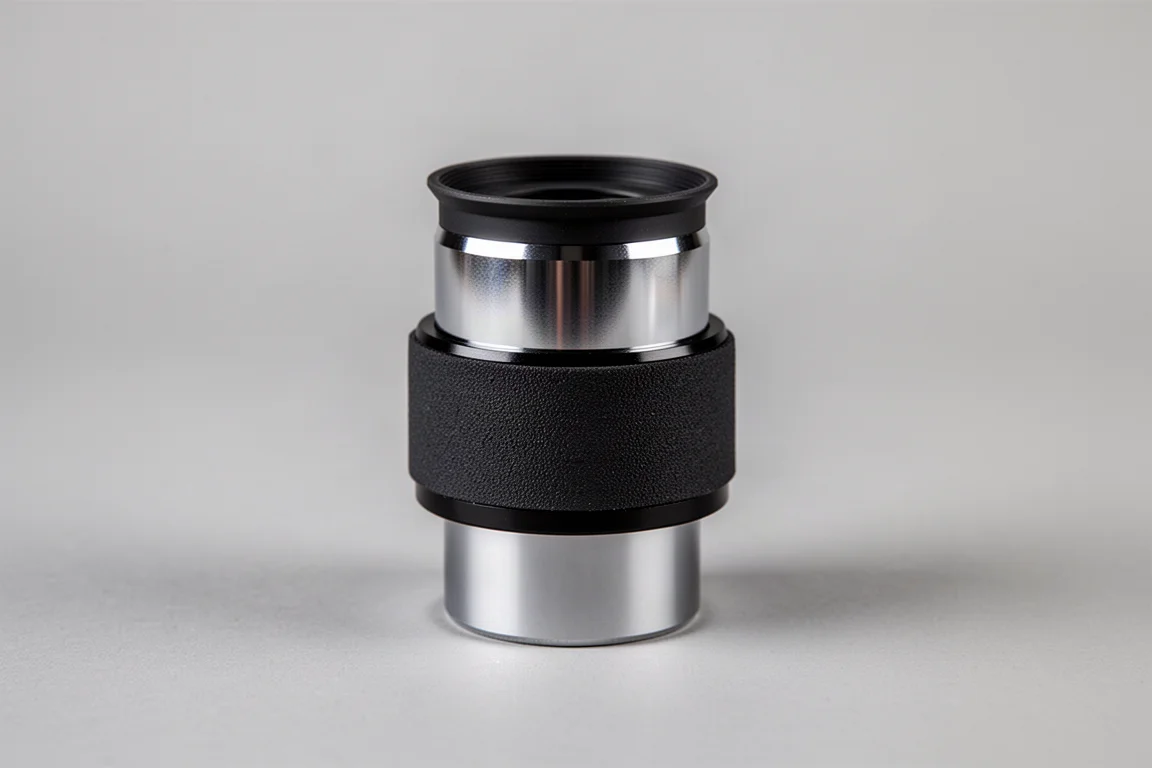
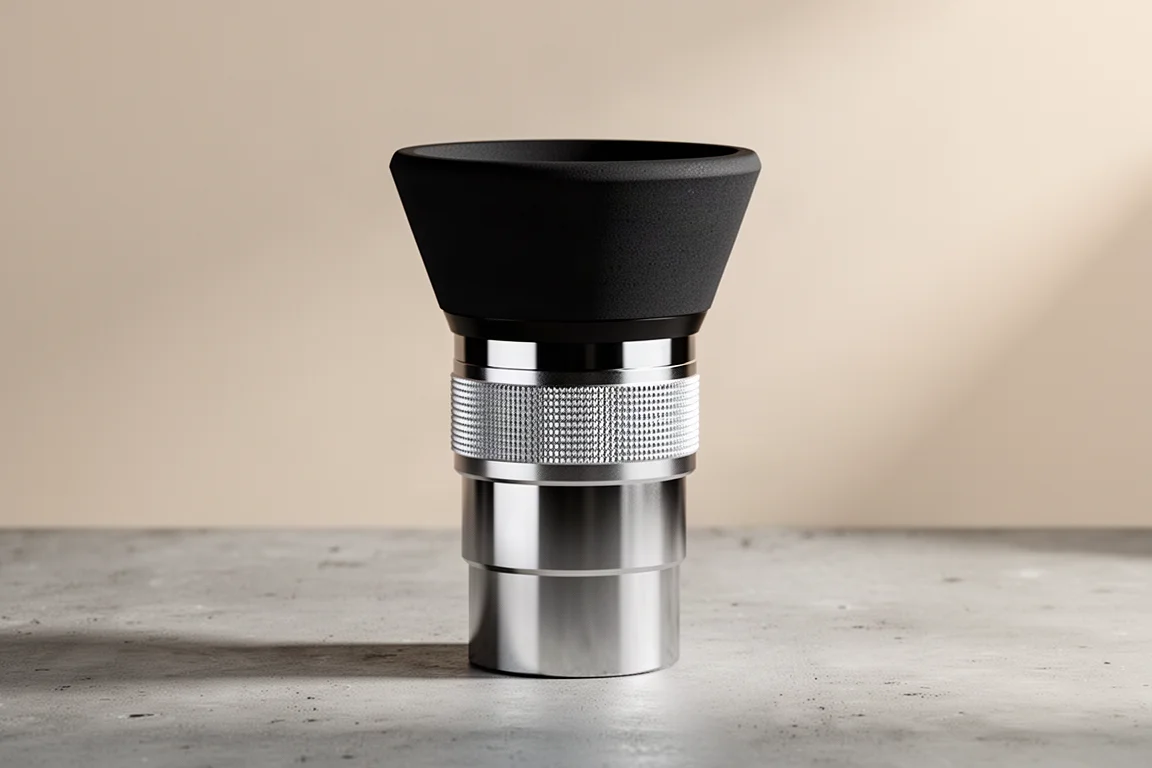
Named for Al Nagler, the Nagler line uses seven lenses to deliver an amazing 82 degree field of view at high magnification. With your eye placed just right, the edges of the eyepiece disappear entirely, producing the floating-in-space views ultra-wide designs are famous for.
The trade-off is 12 millimeters of eye relief, which means these eyepieces probably will not work well with glasses. For high magnification on planets and globular clusters, though, the views are described as unparalleled. It was also the more comfortable choice on larger telescopes, staying at a manageable 166x magnification when a shorter eyepiece became unruly.
Tele Vue Nagler 5mm
The five-millimeter Nagler pushes magnification even higher with the same 82 degree field and seven-element design. In the smaller telescopes, particularly the 102 millimeter refractors, it was wonderful, delivering crisp, immersive high-power views of the Moon and planets.
The same magnification was harder to handle in an eight-inch dobsonian, where even though 300x is within the telescope’s capability, the view shook with every breeze and each bump was amplified. On smaller, steadier setups, this is the eyepiece for those small, demanding targets.
The Tele Vue Price Question
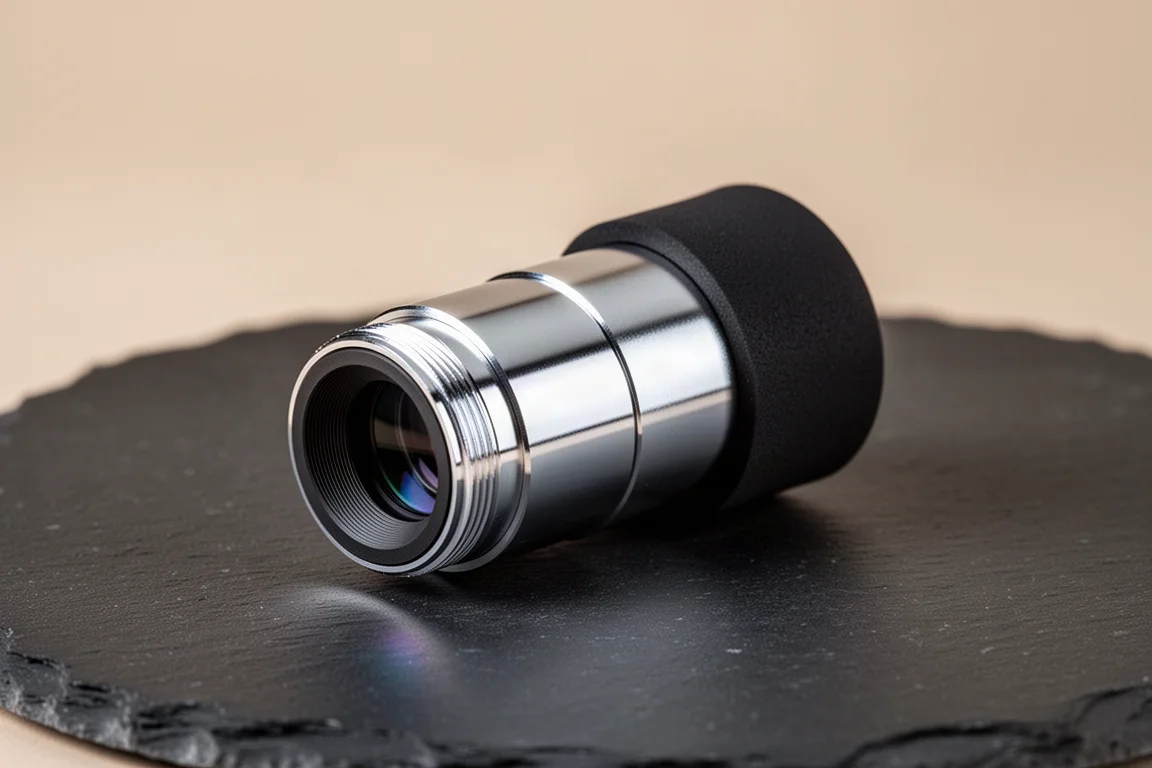
Tele Vue eyepieces are often compared to Apple computers in the eyepiece world: typically about twice the price of the competition, but in reality there is no real competition. These eyepieces are known to transform your stargazing experience.
The late astronomer Terrence Dickinson summed it up well when talking about them: expensive, yes, but if you want a smile every time you look in the eyepiece, that is the answer.
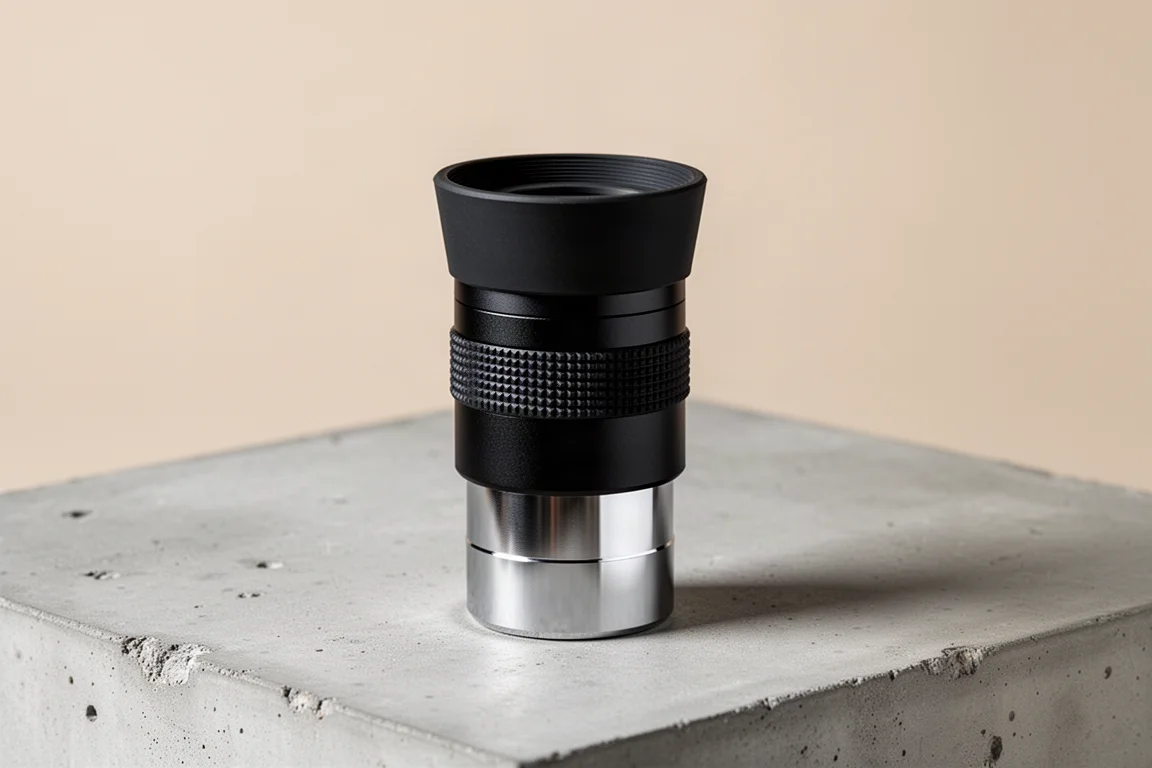
Baader Planetarium Hyperion 68 Degree 24mm
The 24mm Hyperion is a wonderful eyepiece in any telescope. First impressions were genuinely striking: the view was so good that it came as a surprise at this level. Then came the honest part of the comparison, because when placed side by side with the 24mm Tele Vue Panoptic, the view improved even further.
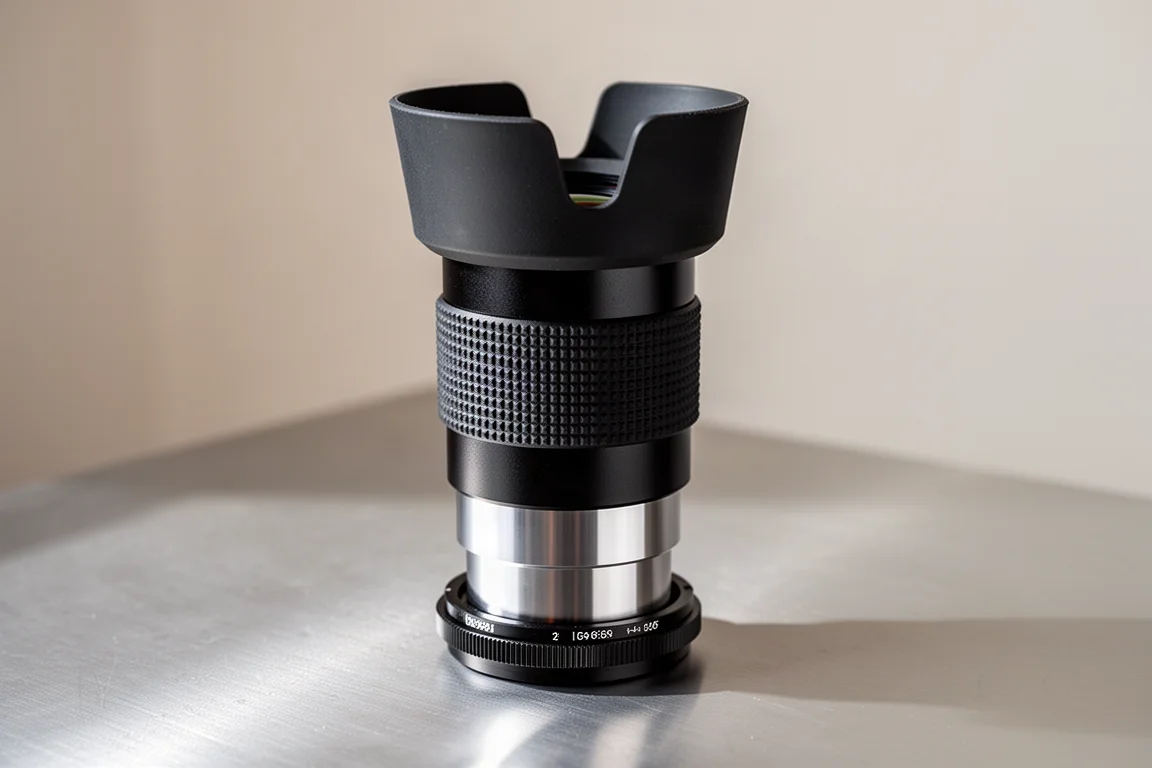
That said, this is a genuinely strong eyepiece with a 68 degree field, and its multi-barrel design lets it fit either a 1.25-inch focuser or, with a section removed, a 2-inch focuser. For anyone not ready for Tele Vue prices, this is an excellent general-observing eyepiece.
Baader Planetarium Hyperion 68 Degree 10mm
Dropping to the 10mm Hyperion more than doubles the magnification, and the image quality held steady in testing. The view remained clean and consistent as focal length decreased, which is exactly what you want from a mid-range high-power eyepiece.
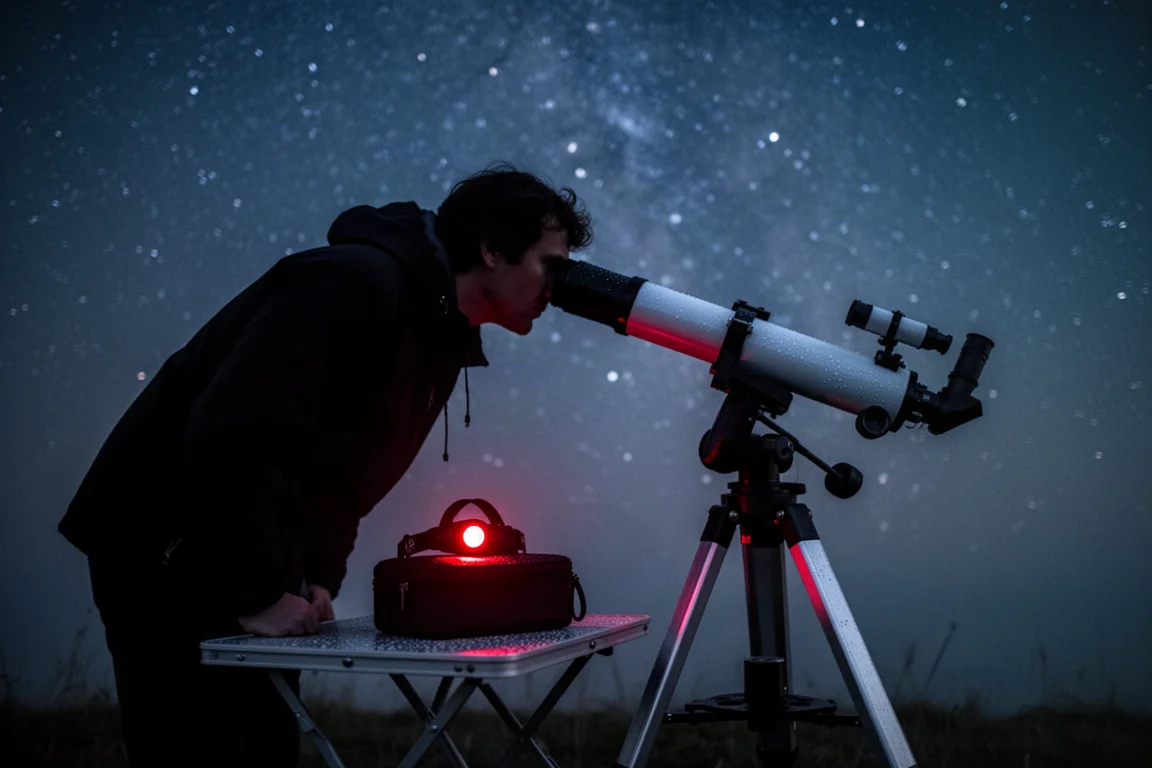
This focal length suits nights of steady seeing, and it pairs well with refractors and catadioptric telescopes where moderate high power stays comfortable.
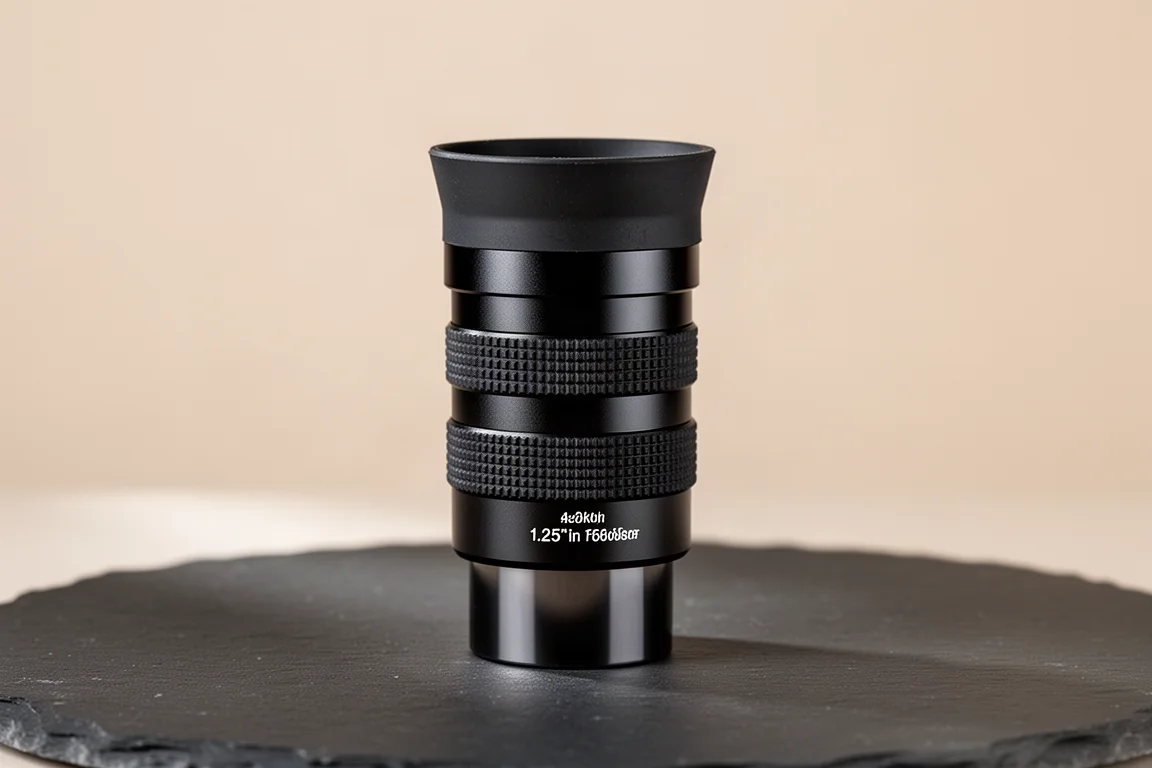
Baader Planetarium Hyperion 68 Degree 5mm
The 5mm Hyperion doubles the magnification again. Testing conditions were windy, and the high magnification amplified every little bump, which is a fair warning about any short-focal-length eyepiece: high power magnifies the atmosphere and your tripod along with your target.
The views themselves remained sharp, and like the rest of the Hyperion line it offers the 68 degree field, flexible barrel options, and threaded filters. It is a strong pick for smaller telescopes on calm nights.
What Months of Testing Taught
Three lessons came out of weeks of use across all three telescopes. First, eyepieces are a very personal preference: whether you use glasses, how you like your eyecups positioned, how close you put your eye to the glass, and whether you prefer the focused framing of 68 degrees or the immersive 82 degree ultra-wide view all shape the choice.
Second, certain eyepieces pair well with certain telescopes and others do not. The 5mm eyepieces were wonderful in the smaller 102 millimeter refractors but a bit unruly in the dobsonian, where the 9mm at 166x was much more comfortable for smaller targets.
Third, quality matters a lot. The 24mm Hyperion was impressive until it was compared side by side with the 24mm Tele Vue, and then the view improved even more.
The Two-Eyepiece Recommendation
Most seasoned stargazers regularly use only two eyepieces, and that pattern showed up here too. If only two could be chosen from everything tested, they would be the 24mm Tele Vue Panoptic for general observing and the 9mm Tele Vue Nagler for high magnification.
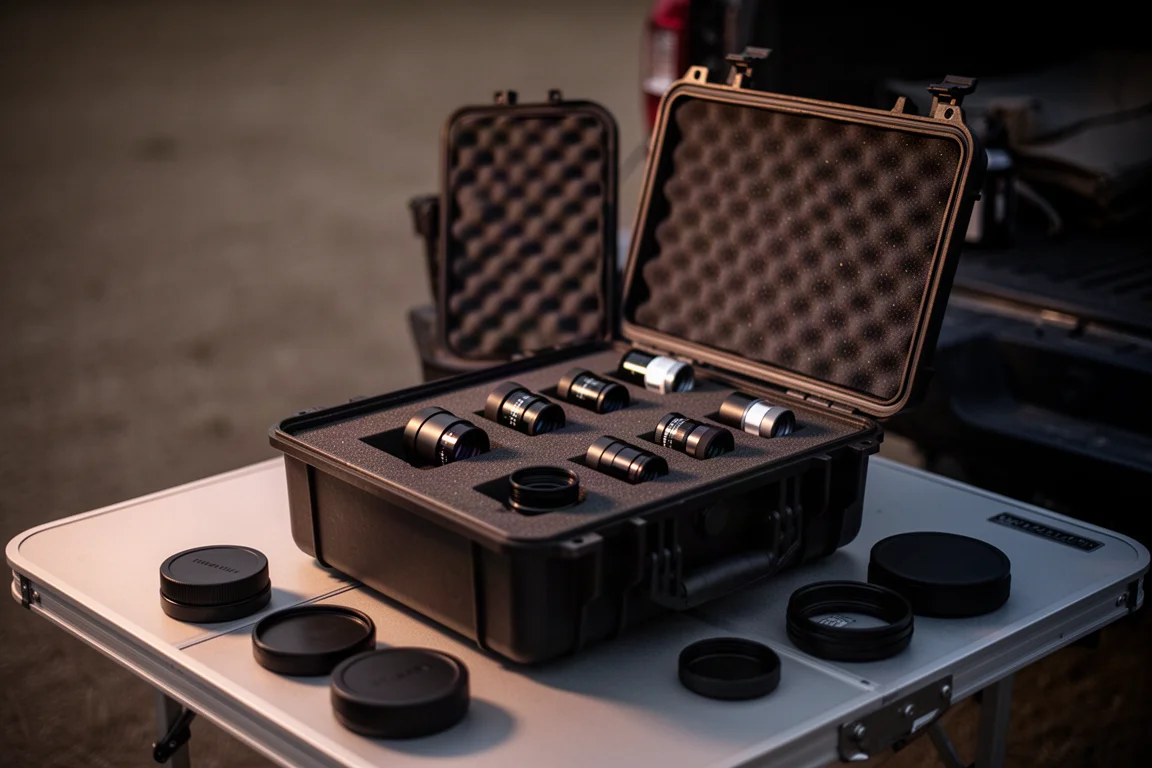
That combination covers the whole range: a wide, bright, low-power view for scanning the sky and framing large objects, and an immersive high-power view for planets and globular clusters. Two well-chosen eyepieces really are enough, and they will make any telescope, from an inexpensive starter model to a premium instrument, a joy to use.
Conclusion
Stock eyepieces are the weakest link in most beginner telescopes, and replacing them is the highest-impact upgrade available. The Baader Hyperion line delivers genuinely excellent views at a friendlier price, with flexible barrel options and strong image quality across focal lengths. The Tele Vue Panoptic 24mm and Nagler 9mm cost more, but they deliver views that many observers describe as transformative. Pick one low-power and one high-power eyepiece that match your telescope and your eyes, and the night sky will reward you every time you look up.
Further reading
Related Reviews
Astronomy
Astronomy Gifts for Dads: Binoculars, Telescopes and Accessories Worth Giving
A practical gift guide covering stargazing binoculars from around $50, beginner telescopes under $500, and accessories under $100.
Astronomy
Best Filters for EAA in Light Pollution: What Short-Exposure Testing Actually Showed
Five astronomy filters and two noise reduction tools tested under light polluted skies for electronically assisted astronomy, with practical results for broadband and narrowband targets.
Astronomy
Best Solar Telescopes for Hydrogen Alpha Viewing: Five Ways to Observe the Sun Safely
From an affordable starter scope to modular 100mm systems and mica-based etalons, five paths into safe solar observing compared.