Astronomy
Astronomy Gifts for Dads: Binoculars, Telescopes and Accessories Worth Giving
A practical gift guide covering stargazing binoculars from around $50, beginner telescopes under $500, and accessories under $100.
Introduction
Space and astronomy gifts hit a sweet spot: they feel special, they get used for years, and they do not have to cost a fortune. This guide walks through three spending tiers: stargazing binoculars from around $50, beginner telescopes mostly under $500, and accessories, most of which come in under $100.
A quick reality check before the recommendations: binoculars are genuinely underrated for the night sky. Some of the sky’s best targets, such as the Andromeda galaxy and the Pleiades, actually look better in binoculars than through a telescope. But if the person you are shopping for has specifically asked for a telescope, they probably want a telescope, so feel free to skip ahead.
Binoculars: The Underrated Stargazing Tool
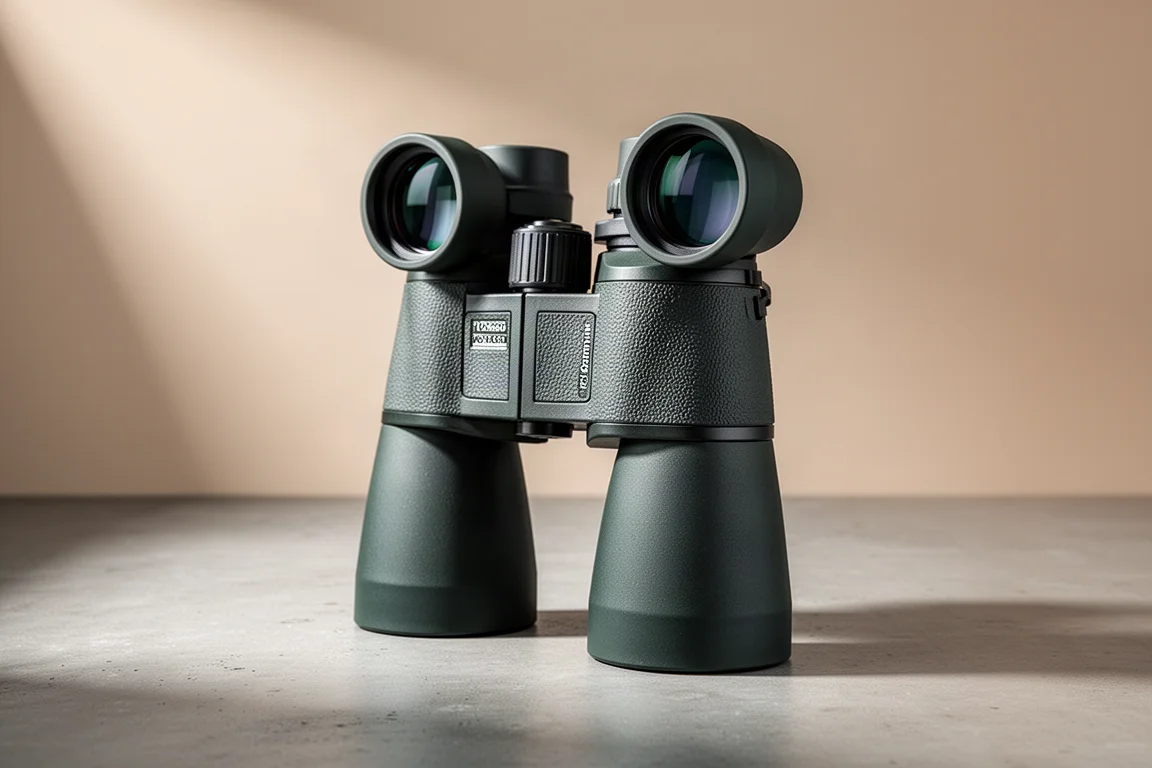
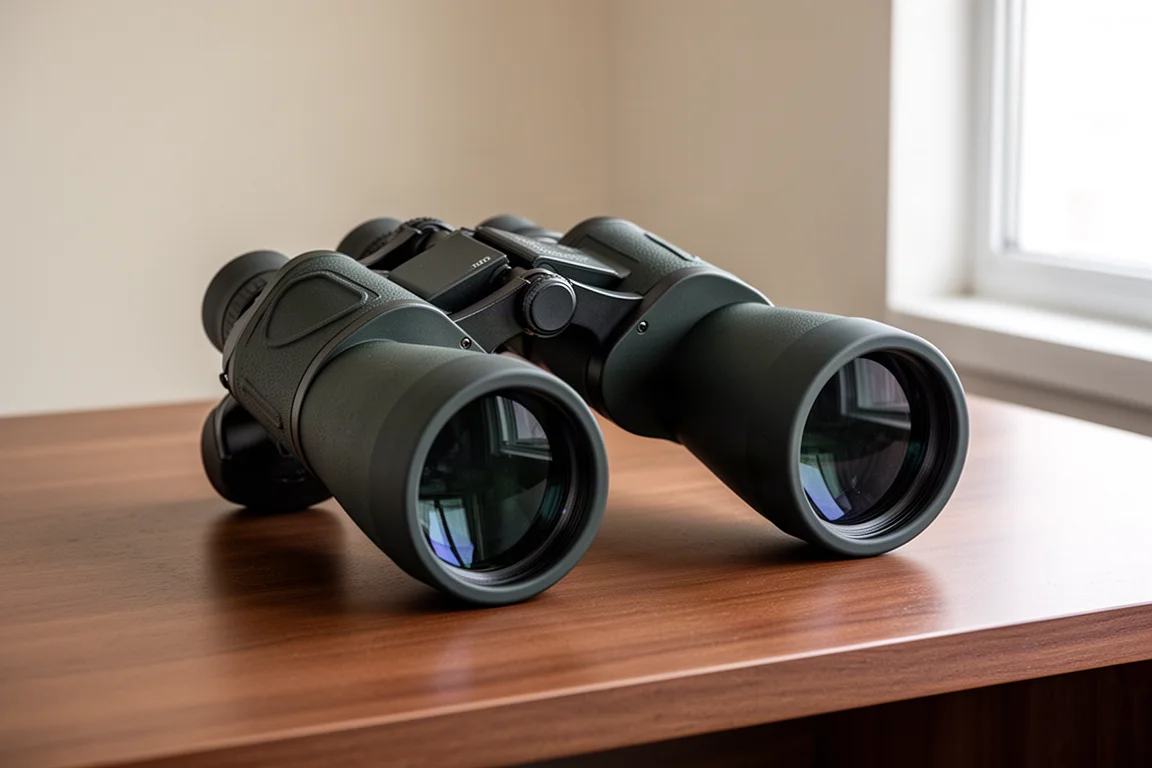
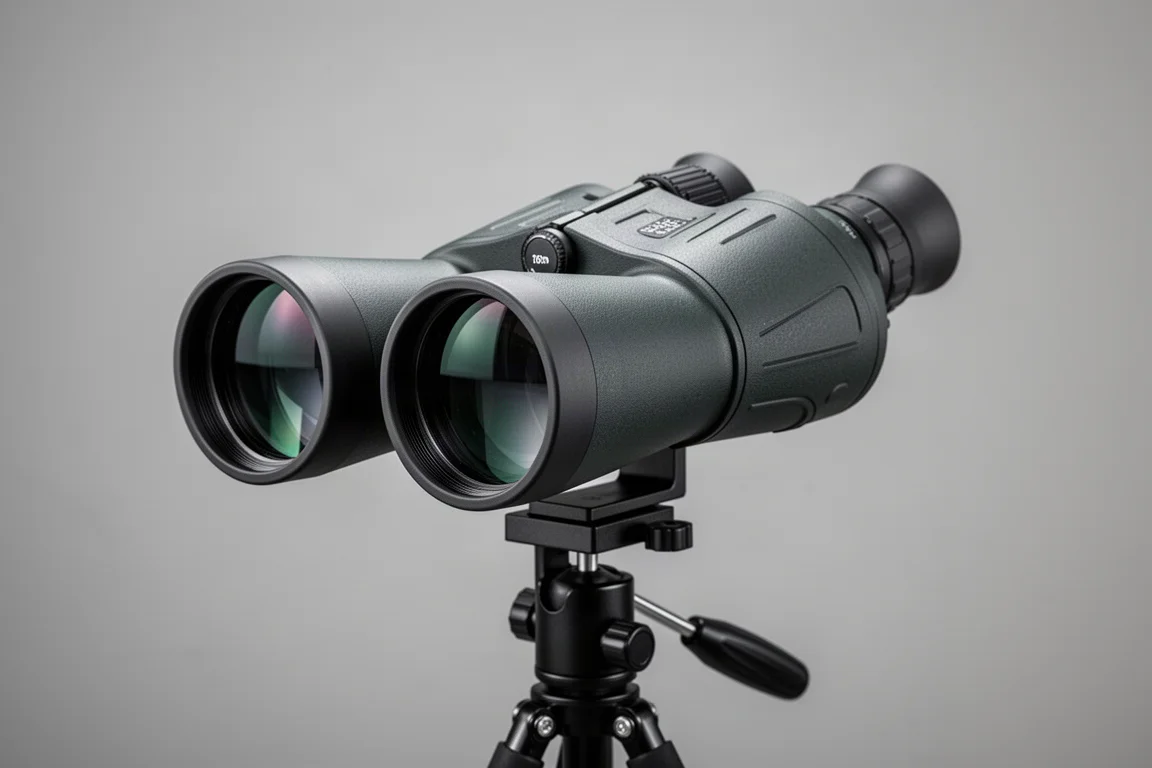
Binocular numbers matter here. The first figure is magnification and the second is aperture, the diameter of the primary lens. Ten times magnification works well for handheld stargazing because higher powers make the image bounce around, while an aperture of 50mm or more gathers enough light for sky targets and shows them in satisfying detail.
A basic pair of 10x50s is the entry point, with roughly $50 budgeted. One practical tip: pair any stargazing binoculars with a monopod and a binocular adapter. On many models the logo plate on the hinge pops off to reveal a threaded socket for the adapter, which steadies the view dramatically.
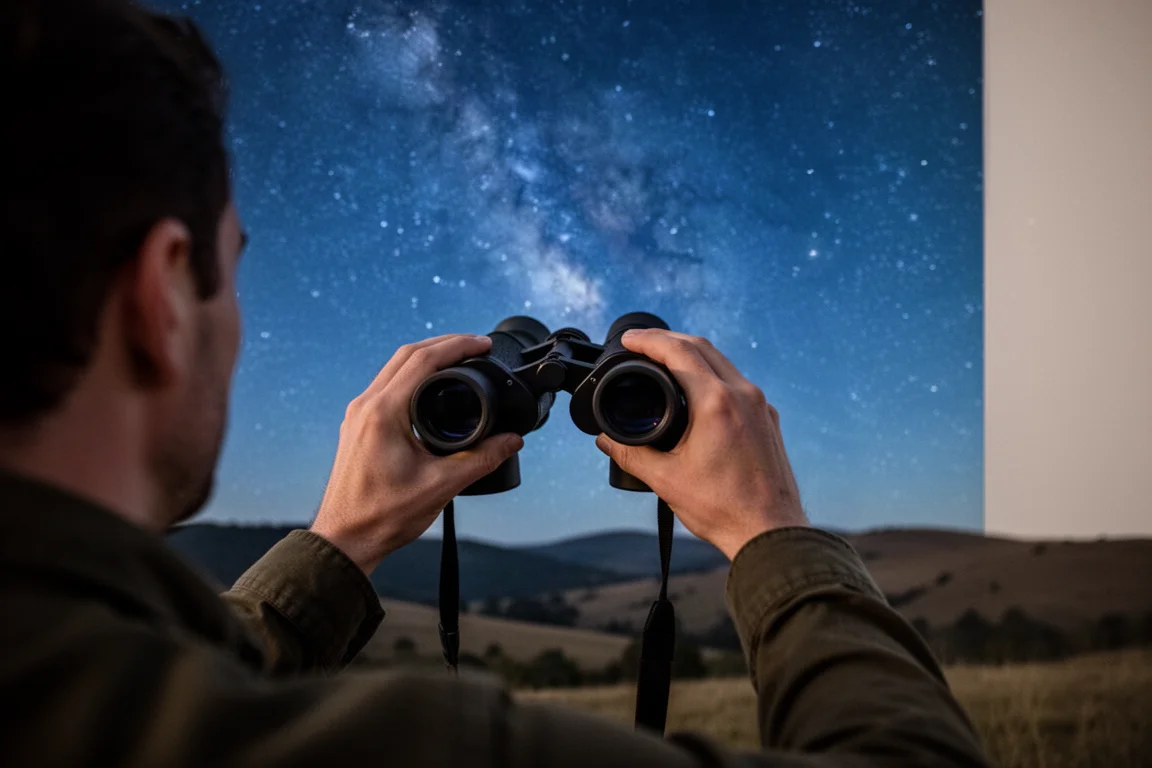
For more reach, dedicated astronomy binoculars like the Celestron SkyMaster series are popular, with the 15x70 and 25x70 variants both typically priced around $100. The 15x version is generally easier to handle, and either way a tripod or monopod with an adapter is strongly recommended. At the far end of the spectrum sit wide-field “Milky Way” style binoculars that barely magnify but make many more stars pop into view, even from light-polluted locations. Beyond that, zoom or image-stabilized binoculars start costing enough that a telescope becomes the better investment.
Choosing a Beginner Telescope: Five Rules
Most beginner telescope misery comes from bad design choices, so five simple rules filter out the duds. First, insist on 100mm of aperture or more; this alone eliminates most of the junk on the market. Second, the telescope should include a red dot or bullseye finder, or at least a universal dovetail adapter so any finder can be attached. Third, choose an alt-azimuth or Dobsonian-style mount rather than an equatorial mount, since the former are far easier and more fun to use. Fourth, the telescope should move freely but hold its position when released, which rules out flimsy camera tripods and rod-and-yoke mounts. Finally, it should genuinely point straight up, and if it is a refractor it should come with a 90-degree diagonal rather than a 45-degree one, a detail surprisingly many beginner scopes get wrong.
The recommendations below cluster into three categories: 102mm refractors, 130mm Newtonians, and 6 to 8 inch Dobsonians, typically running between $200 and $500. None include computerized mounts, which are usually purchased separately. Checking the refurbished page of major photo retailers can also surface excellent deals.
102mm Refractors: A Solid Budget Starting Point
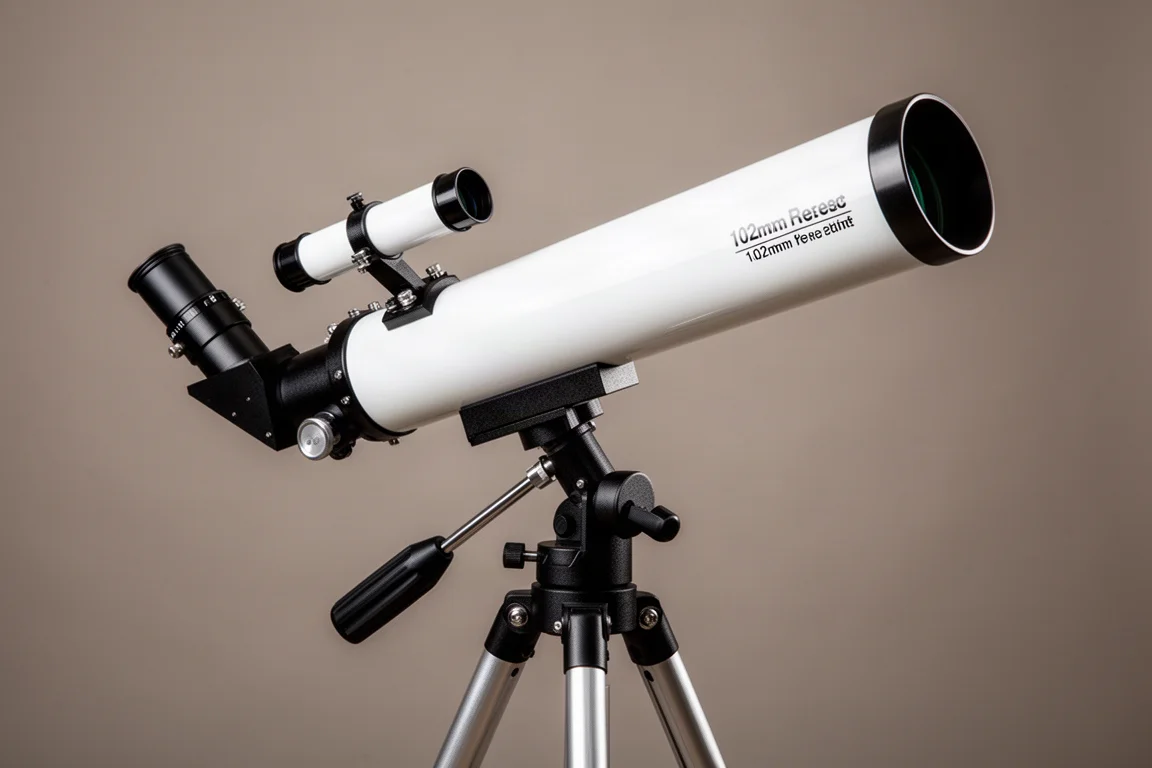
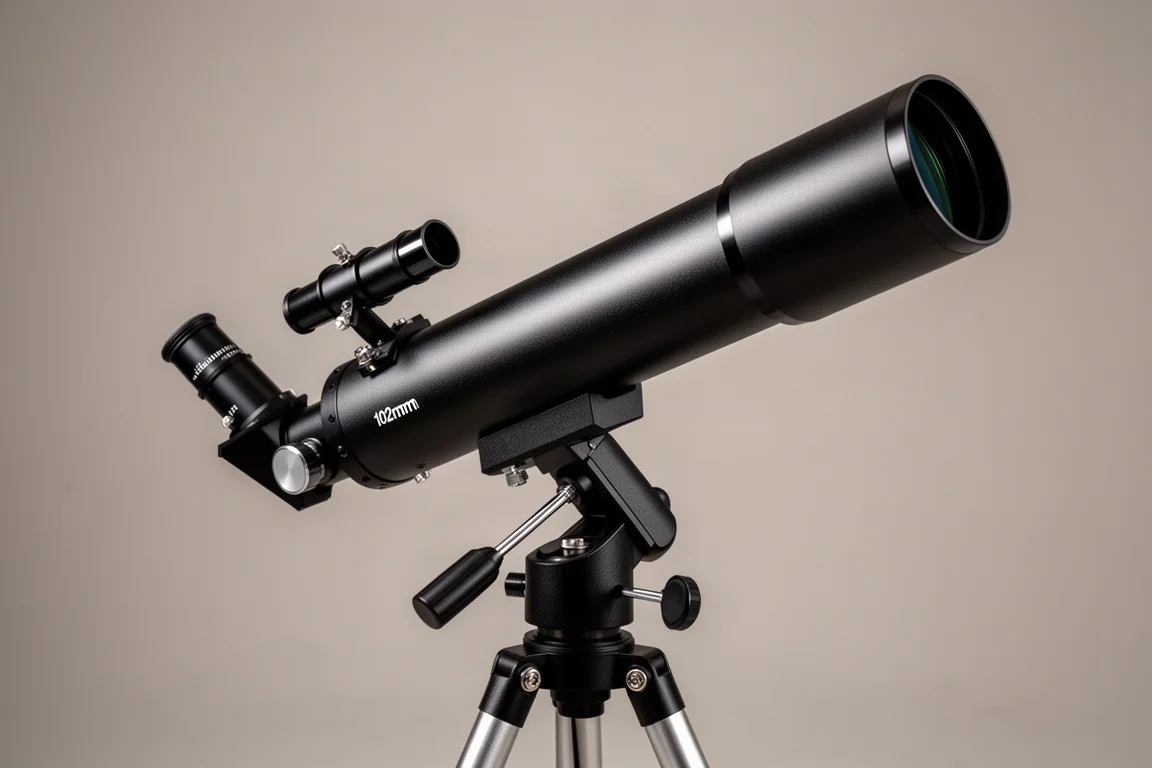
The highest-quality 102mm refractor encountered in this category is the Sky-Watcher StarTravel 102. One caveat: it breaks the fifth rule, so a 90-degree diagonal must be purchased separately.
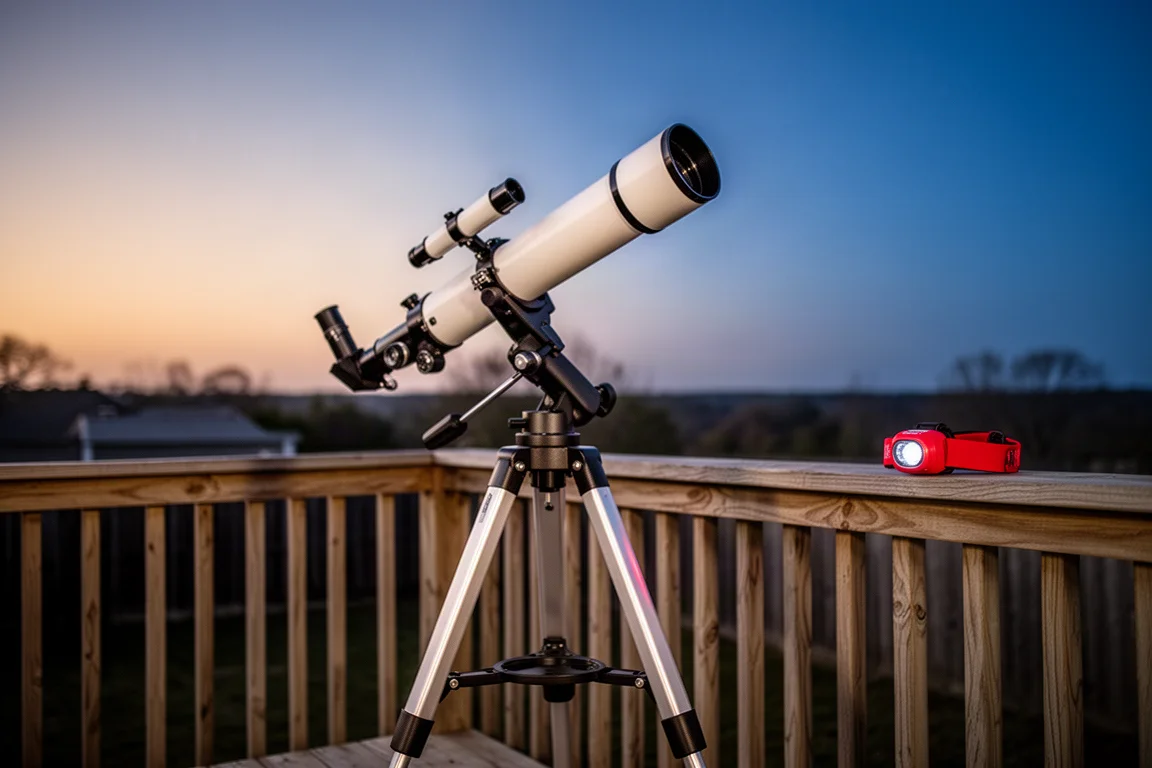
Warehouse clubs sometimes carry 102mm refractors for around $200, often the Omni 2 or the National Geographic 102mm version. The National Geographic model is actually made by Explore Scientific, whose various 102mm refractors are generally pretty good. Some ship on the Nano Mount, which is lightweight and lacks slow-motion controls, though it balances telescopes well and remains perfectly usable.
StarSense Explorer: Smart Finding Without the Premium Price
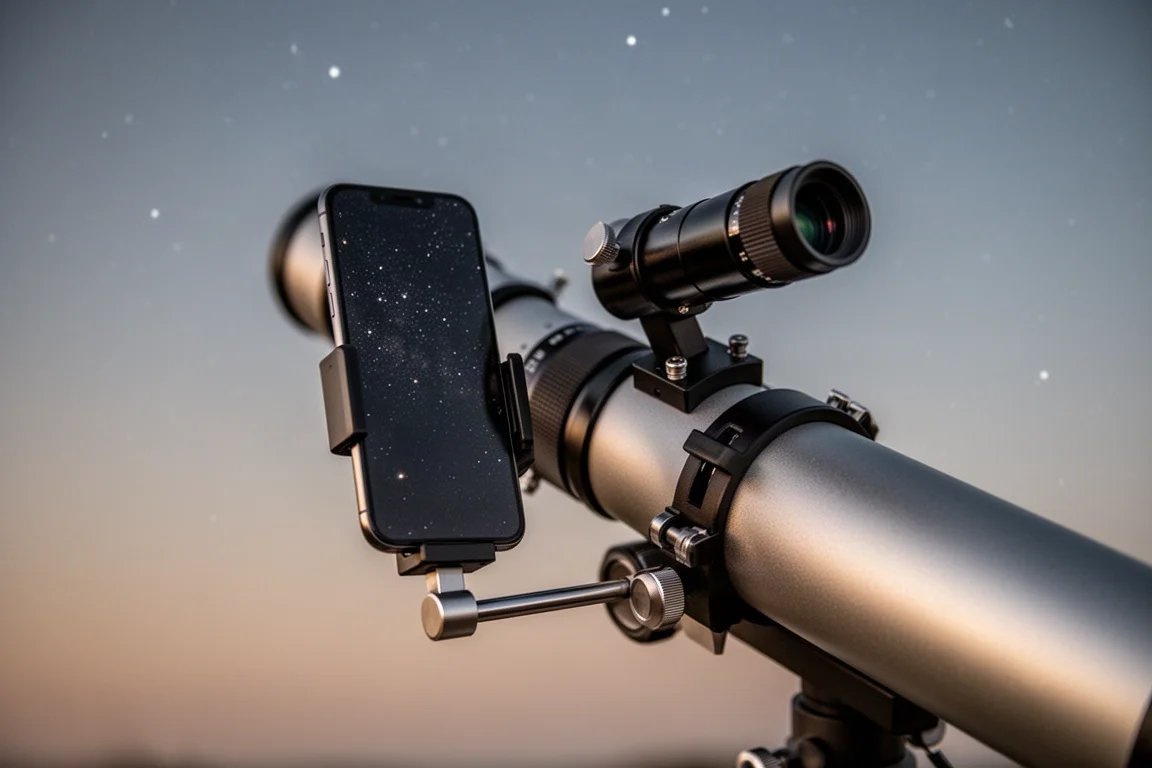
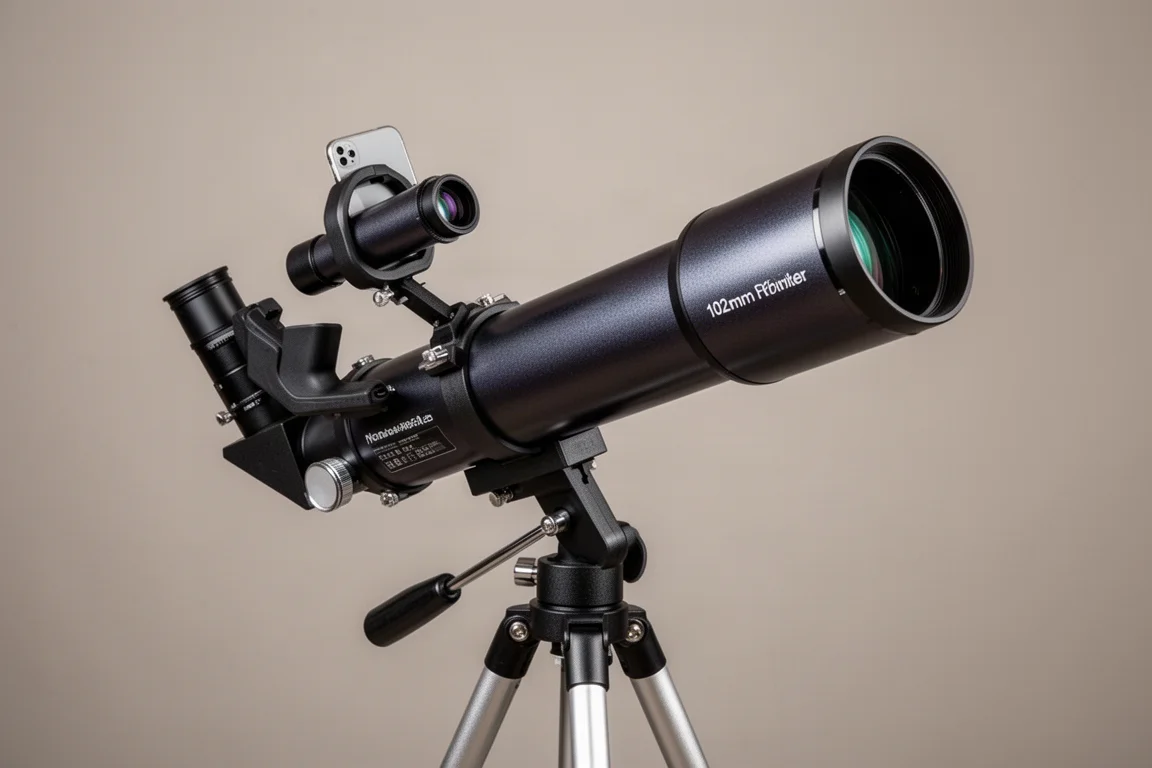
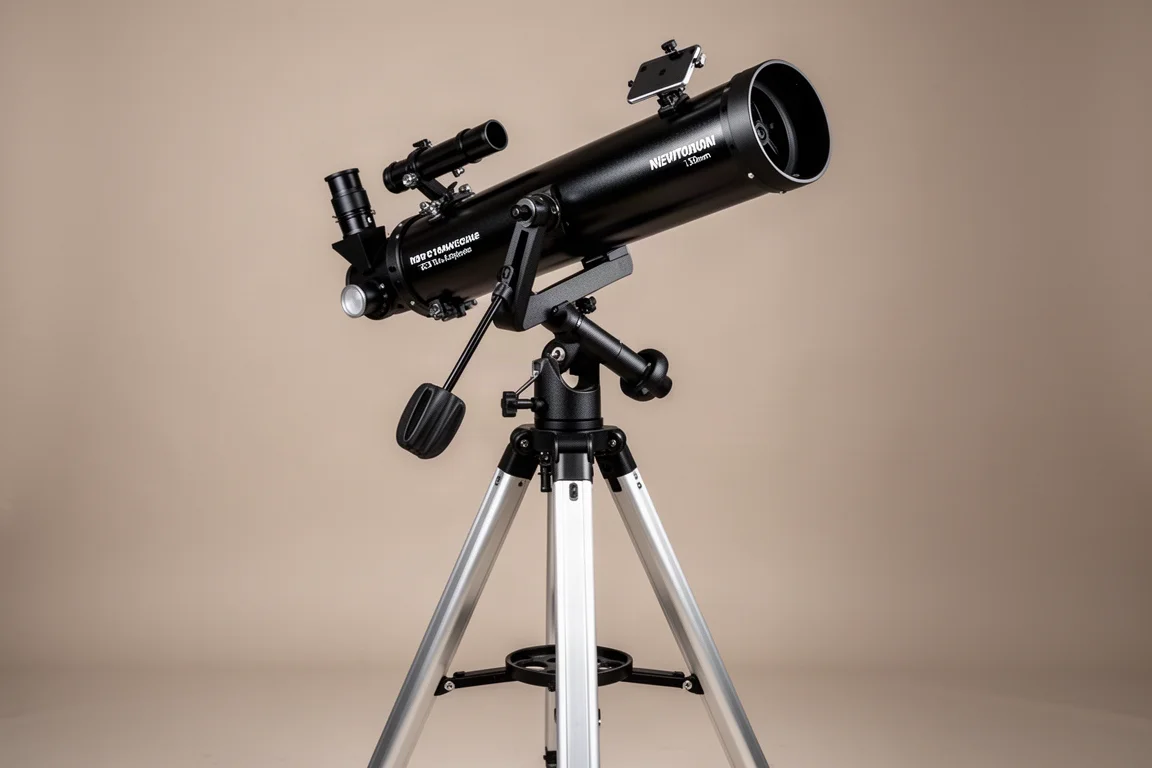
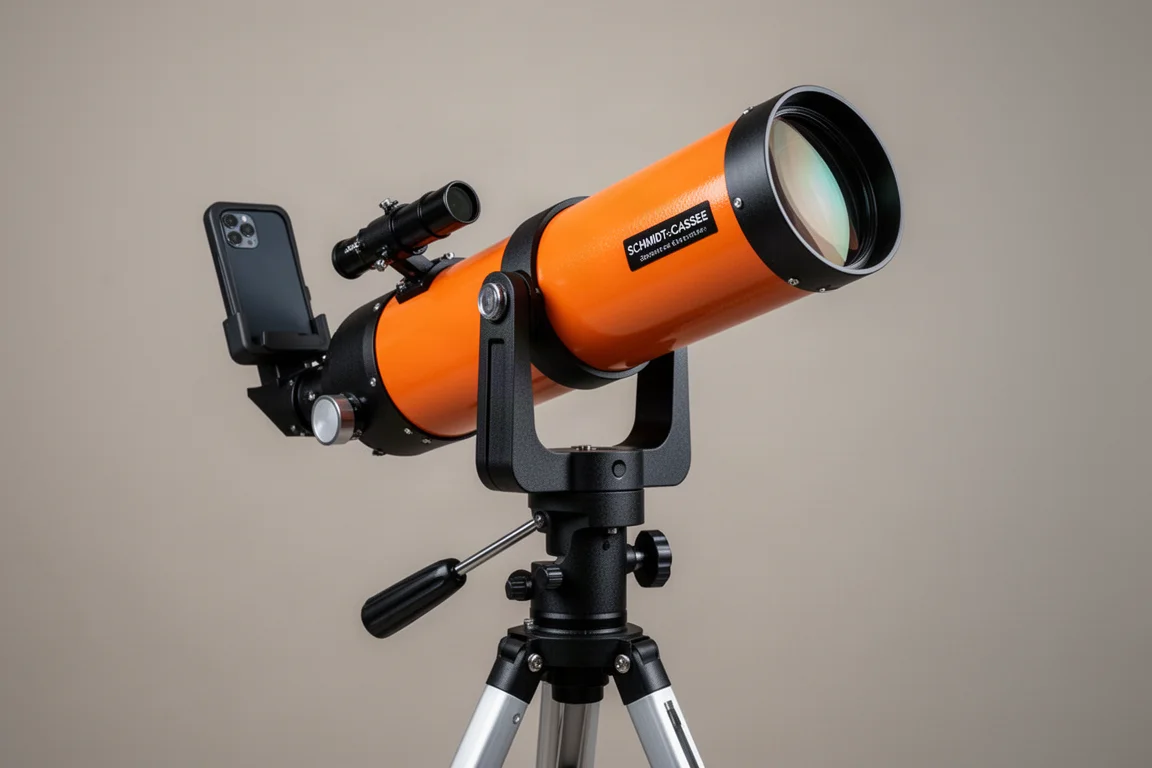
Celestron’s StarSense technology connects a smartphone to the telescope through a special mount. A mirror directs light into the phone’s camera so the app can identify where the telescope is pointed, then an on-screen arrow shows which way to move it to reach the chosen target. It works reliably in practice, and it is worth clearing up one misconception: StarSense helps you find targets, it does not take pictures of space. You still observe through the eyepiece.
The DX versions are the ones to get; the LT versions fall short on optical quality. There is a 102mm refractor version, and for about the same price a 130mm Newtonian version that performs well, with one caveat: check the collimation of the mirrors, which can be done easily with a collimation laser costing about $20. There is also a DX 5, a Schmidt-Cassegrain design that is genuinely enjoyable to use.
Dobsonians and Smart Scopes: Best Views Per Dollar
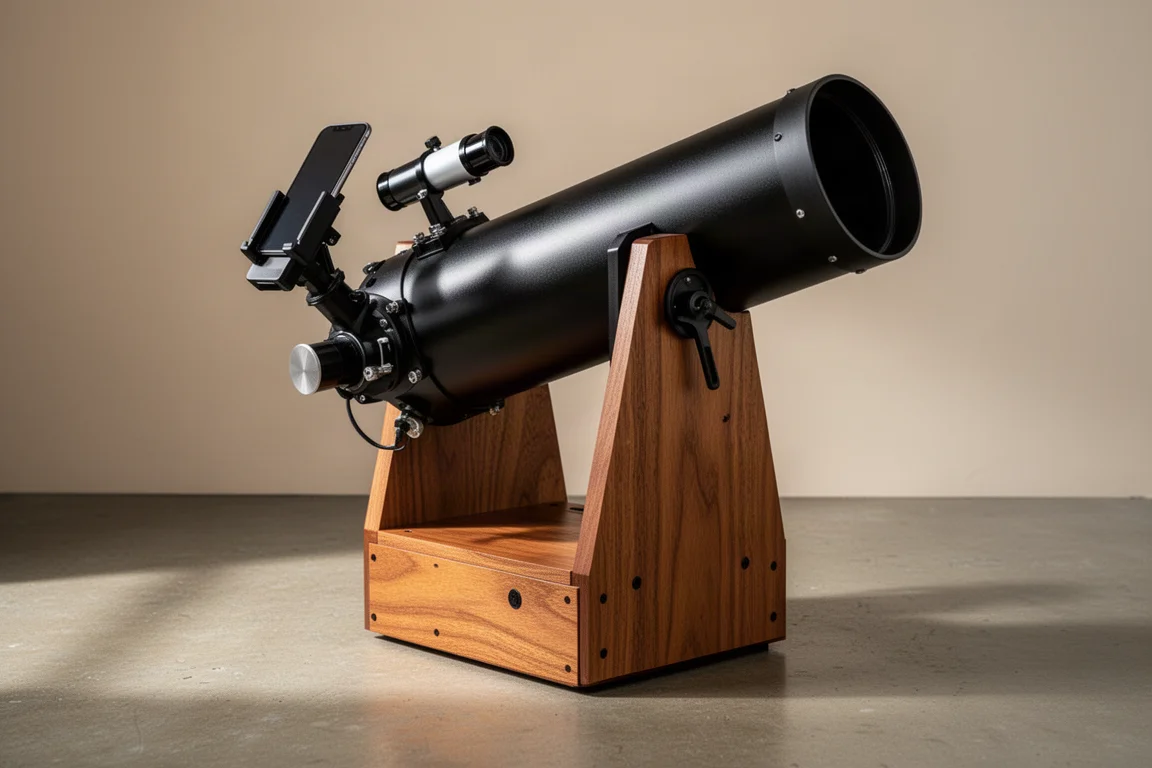
For the best deep-space views per dollar spent, a Dobsonian is the answer. The 6-inch version is the only one that seems to stay under $500 new, though 8-inch versions can often be found used for under $500 as well, sometimes far less if you hunt patiently.
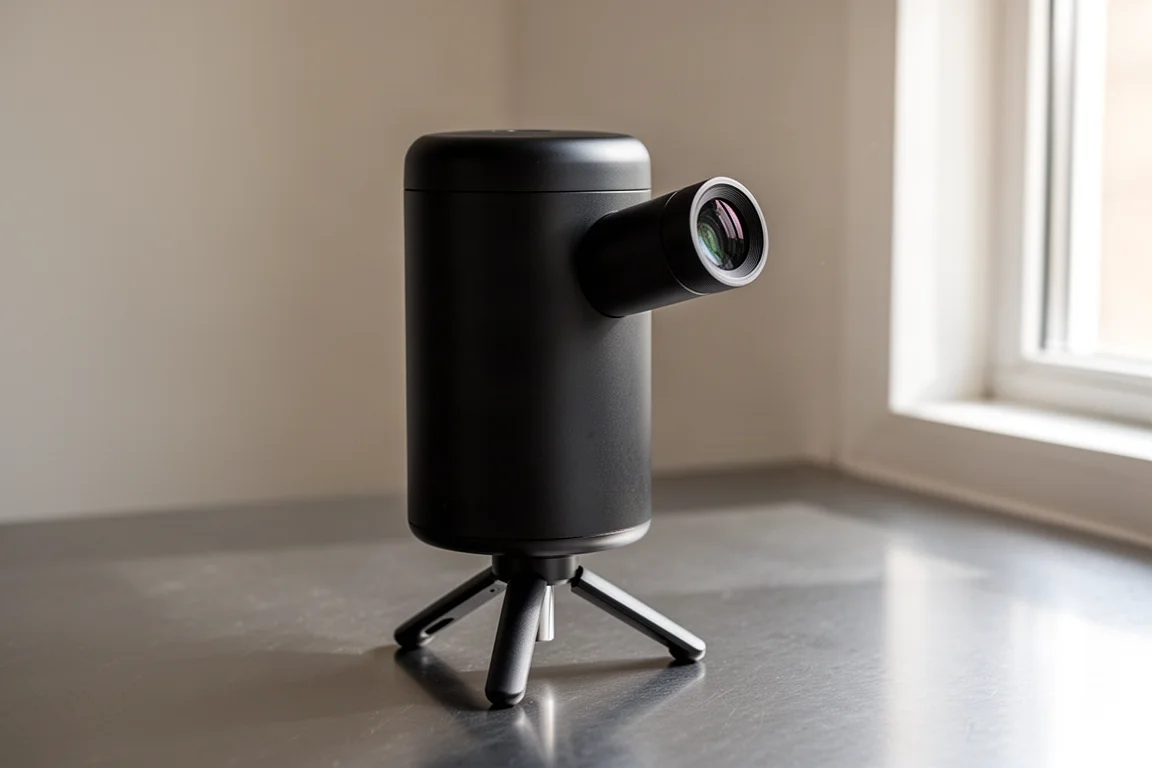
For anyone curious about astrophotography without a budget of several thousand dollars, the ZWO Seestar S50 is new and costs $499. It has proven genuinely fun to use; during a total solar eclipse it was possible to set it up, switch it to time-lapse mode, and simply let it run.
Accessories Under $100 That Genuinely Help
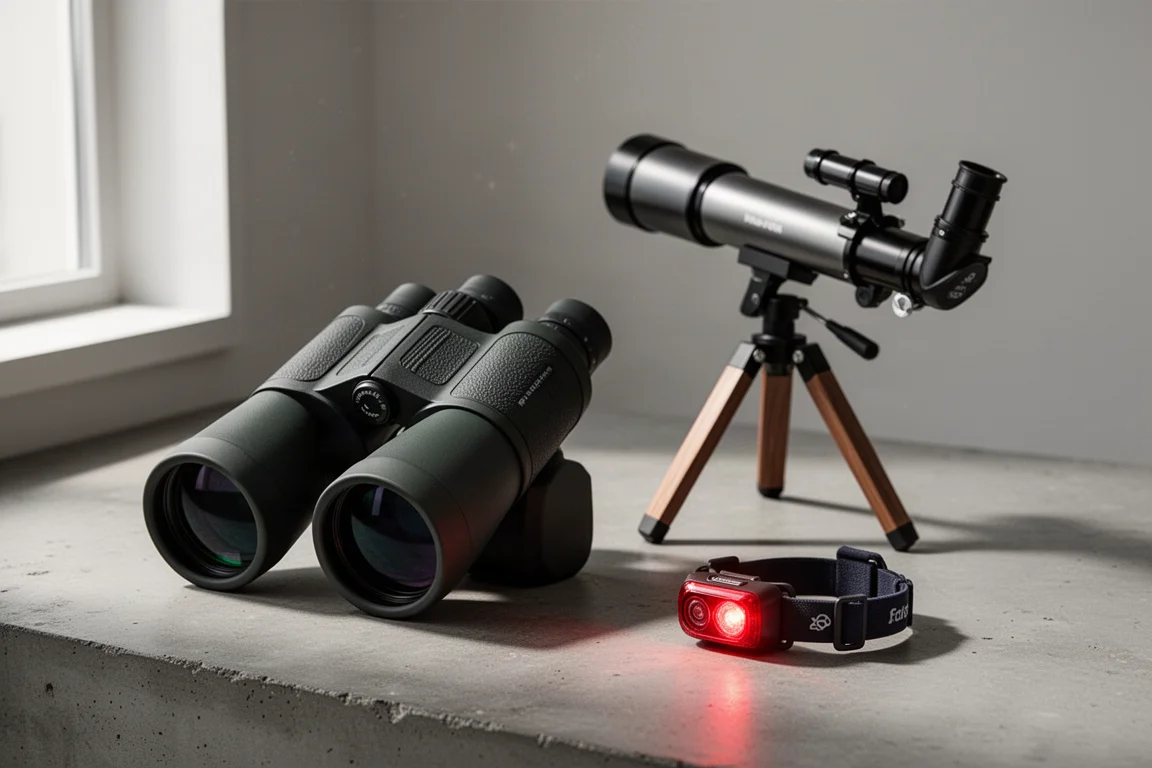
A few small gifts make a big difference under a dark sky. Red light headlamps, usually under $20, preserve night vision while reading star charts and guidebooks. Zero gravity chairs are a favorite for meteor showers and binocular stargazing; they are widely stocked at general retailers and well reviewed by people who own them.
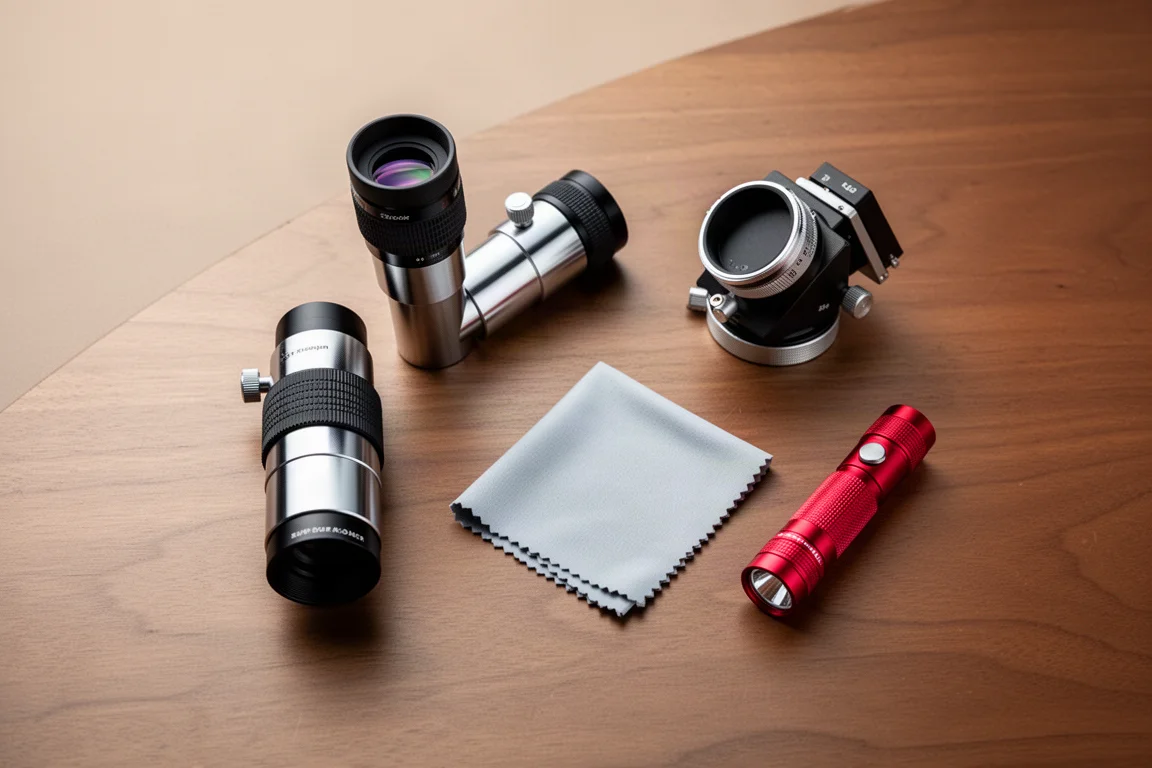
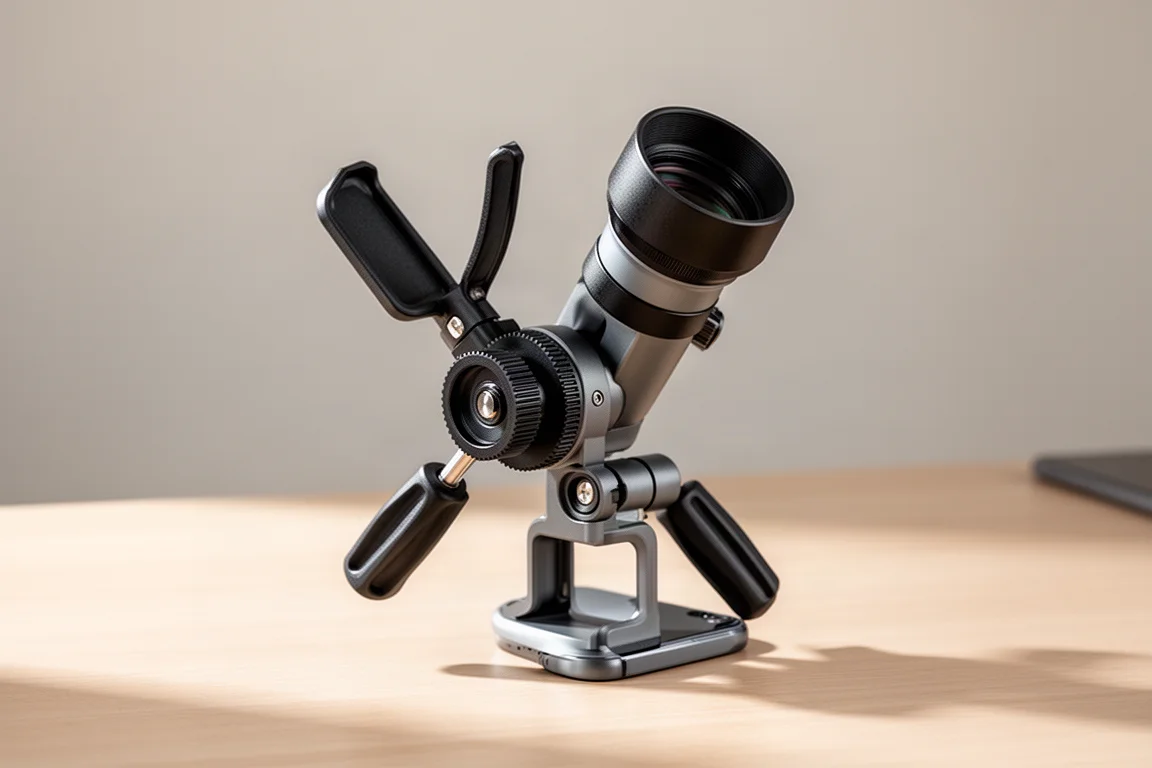
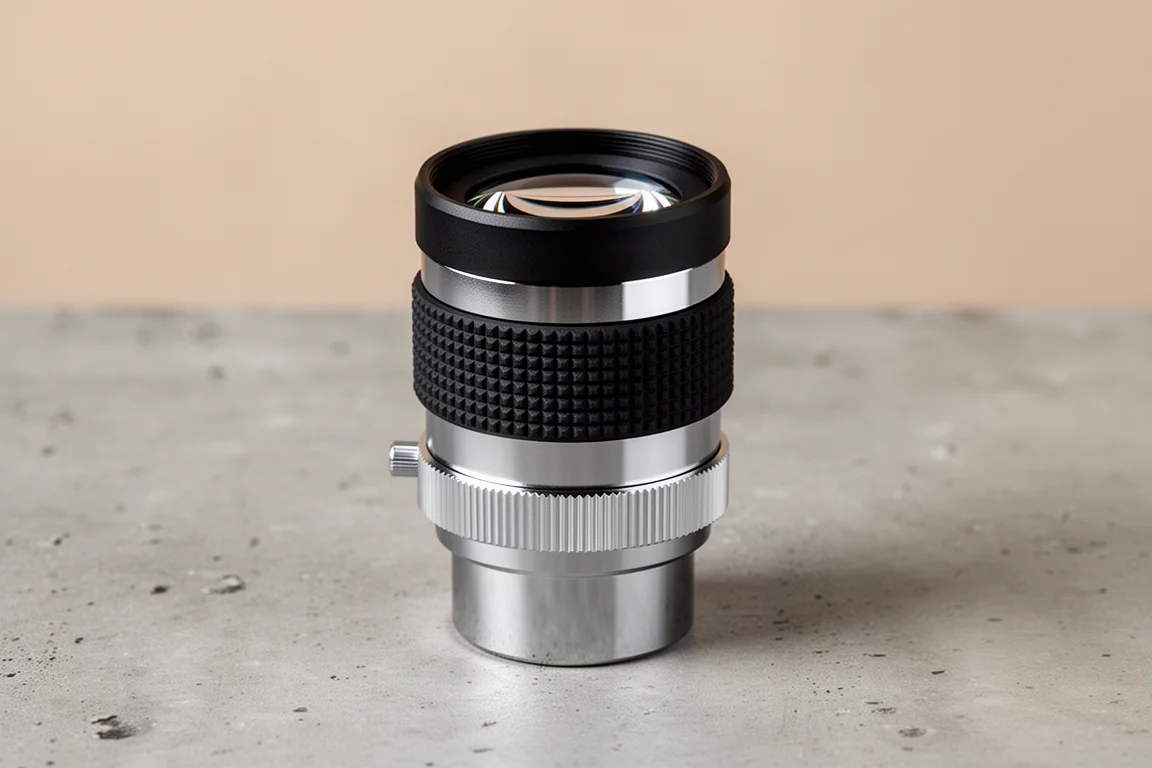
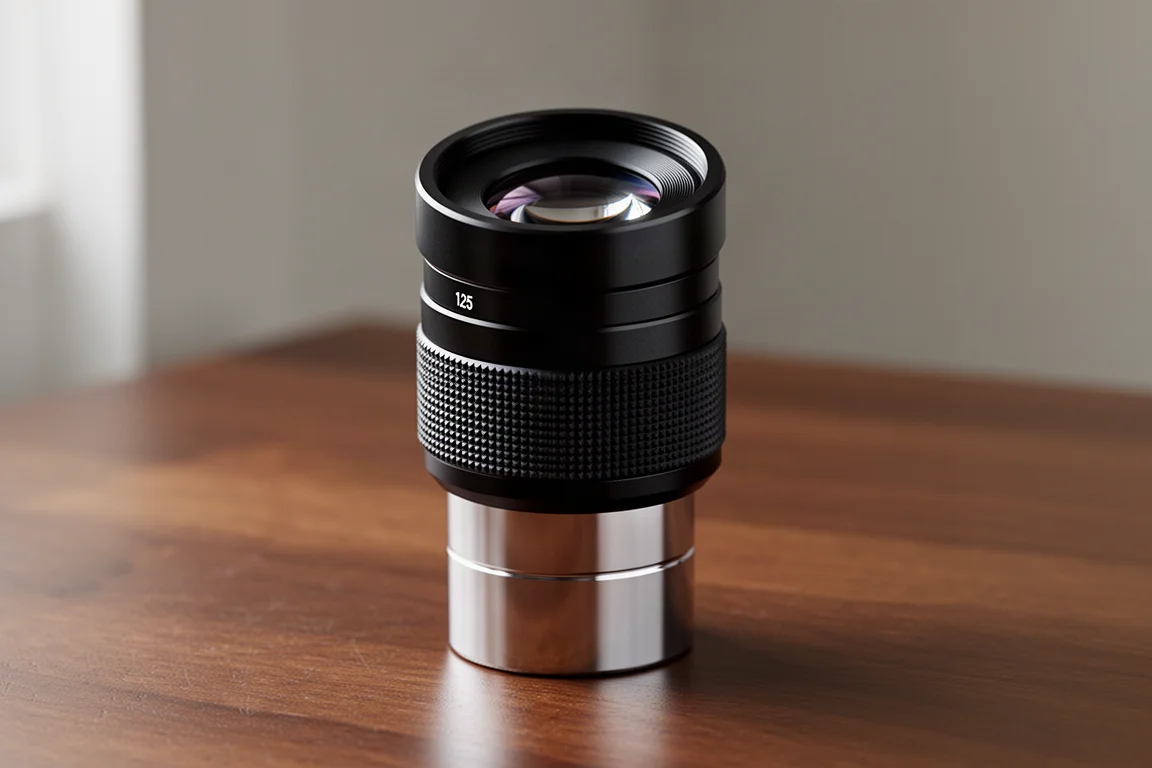
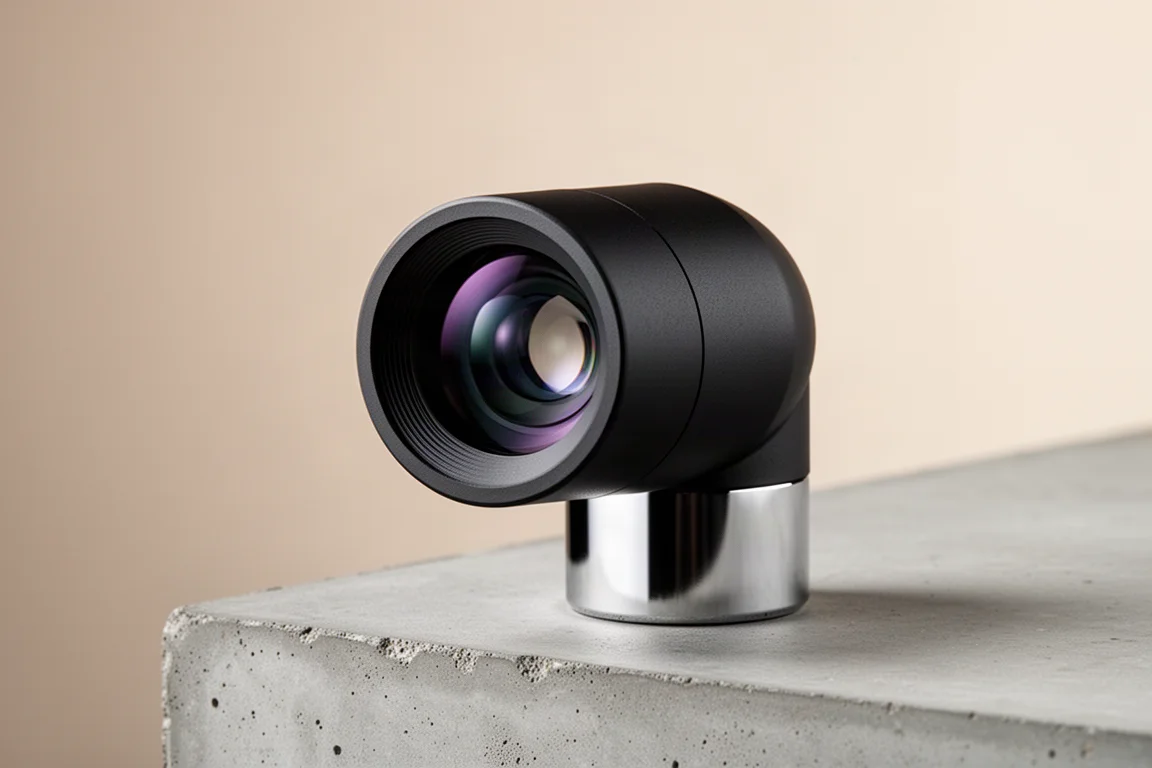
For connecting a phone to a telescope, the Celestron NexYZ is the only smartphone adapter that has proven to work effectively. For moon and planet viewing, zoom eyepieces are a real pleasure to use; Celestron makes one and SVBONY makes another that many observers enjoy. A USB dew heater is another inexpensive favorite, keeping dew off telescope lenses and working for binoculars too. And for an eyepiece upgrade that does not break the bank, 18mm Ultra Flat Field eyepieces cost around $100 and deliver views clearly above and beyond the eyepieces bundled with most telescopes.
Conclusion
The best gift depends on how the person wants to stargaze. Binoculars from around $50 to $100 offer the easiest entry, 102mm refractors and StarSense Explorer models make excellent beginner telescopes between $200 and $500, Dobsonians deliver the most deep-space view per dollar, and the Seestar S50 opens the door to astrophotography for $499. Add a red headlamp, a zoom eyepiece, or an 18mm Ultra Flat Field for a thoughtful finishing touch, and the future is looking up.
Further reading
Related Reviews
Astronomy
Best Filters for EAA in Light Pollution: What Short-Exposure Testing Actually Showed
Five astronomy filters and two noise reduction tools tested under light polluted skies for electronically assisted astronomy, with practical results for broadband and narrowband targets.
Astronomy
Six Premium Eyepieces That Transform a Beginner Telescope
A hands-on comparison of Tele Vue Panoptic, Tele Vue Nagler, and Baader Hyperion eyepieces, and why upgrading the stock eyepieces is the best first move in stargazing.
Astronomy
Best Solar Telescopes for Hydrogen Alpha Viewing: Five Ways to Observe the Sun Safely
From an affordable starter scope to modular 100mm systems and mica-based etalons, five paths into safe solar observing compared.