Astrophotography
ZWO Seestar S30 Pro vs S30 vs S50: Which Smart Telescope Should You Buy?
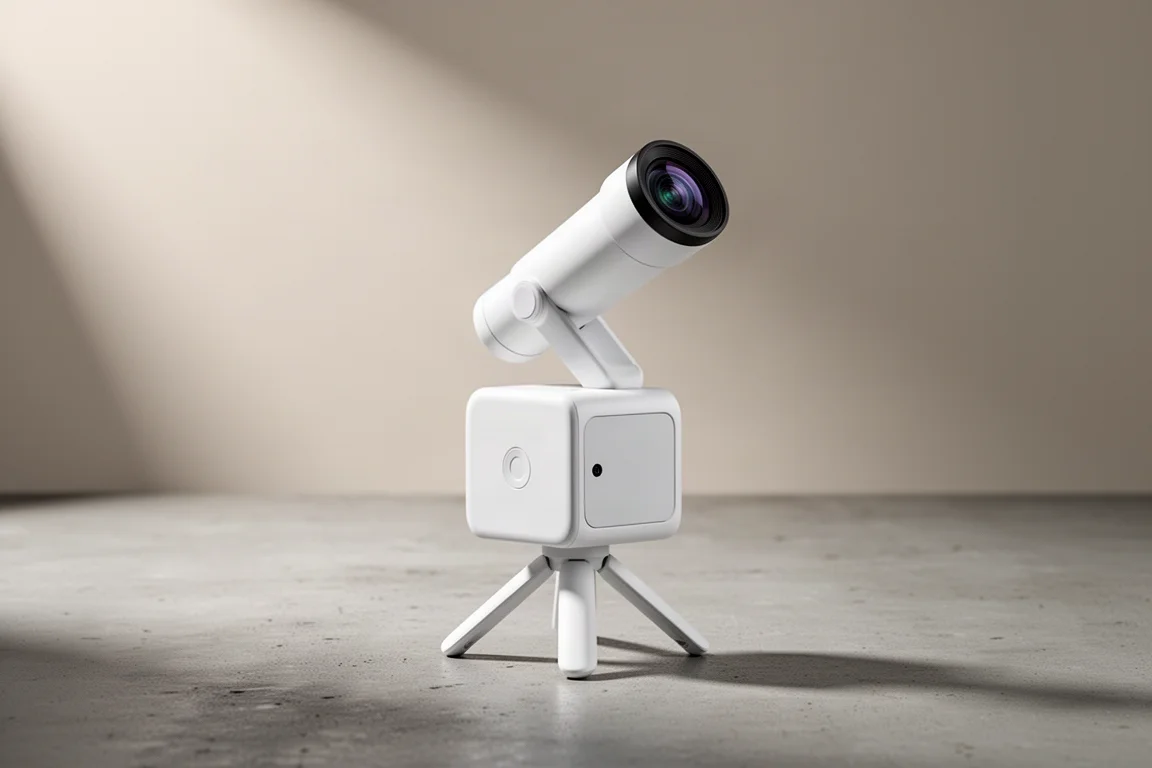
The S30 Pro adds a four-times-larger sensor and a dedicated Milky Way mode. We compare it with the regular S30 and the S50 to help you pick the right Seestar.
Introduction
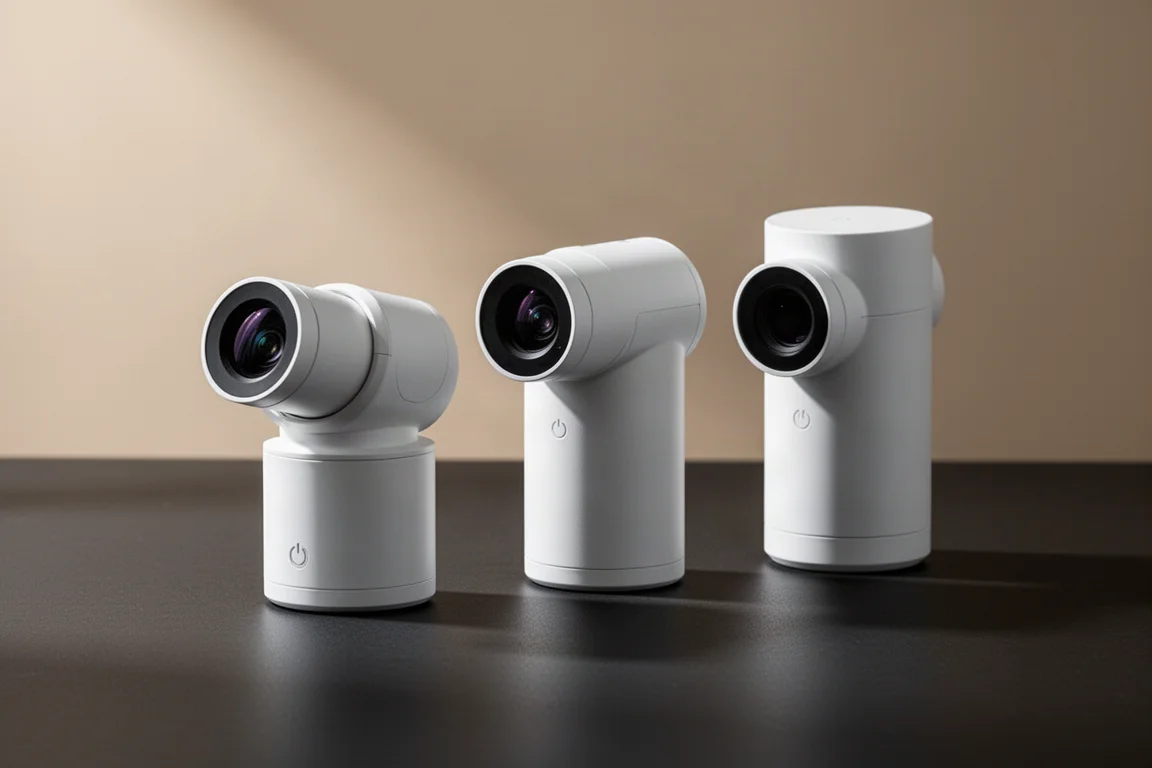
Smart telescopes have always been jack-of-all-trades instruments: capable of very nice results across solar, lunar, and deep sky work, while not quite matching the image quality of a heavier, specialized astrophotography rig built from component parts. The new ZWO Seestar S30 Pro does not change that equation, but it may be the best all-rounder in the lineup yet. It keeps the exact same size as the regular S30 while quadrupling the sensor area behind both the telescope and the wide-angle lens, and it adds a dedicated Milky Way mode for stacked time-lapses and star trails.
This comparison covers the S30 Pro, the regular S30, and the S50, with tests on targets like the Orion Nebula and the Jellyfish Nebula to show where each model makes sense.
Deep Sky Performance and Field of View
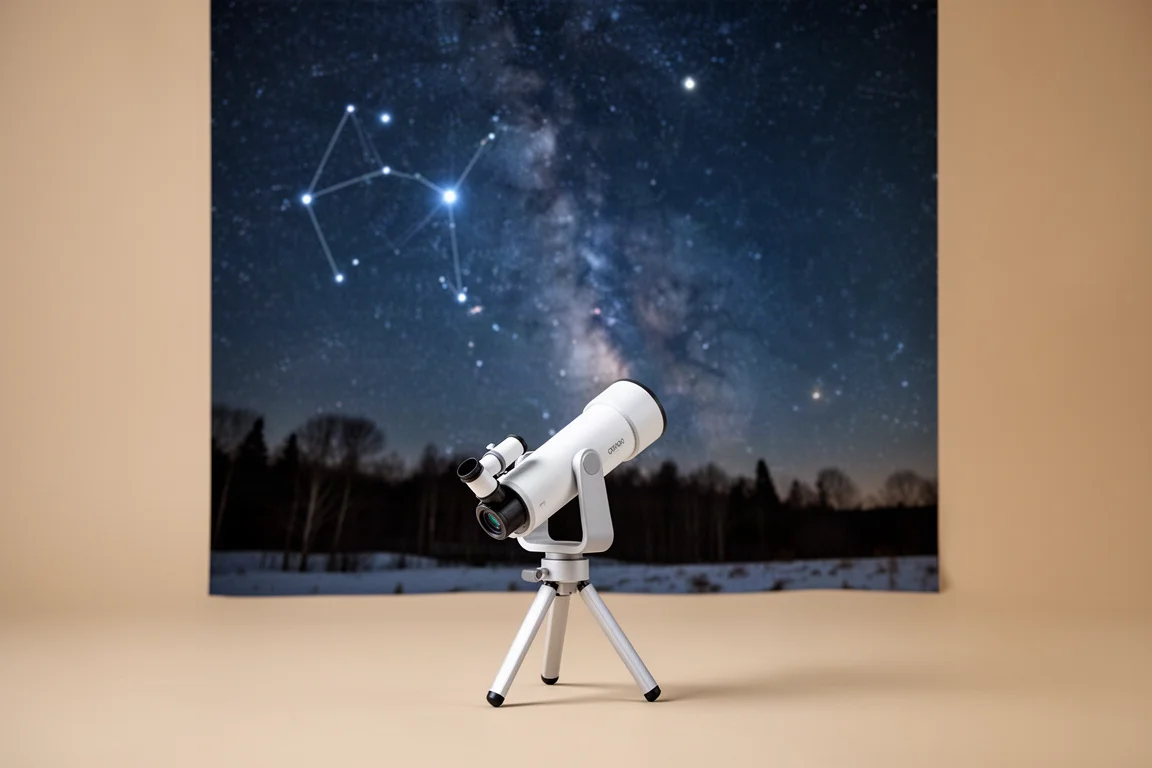
On the Orion Nebula, imaged for 30 minutes in standard stargazing mode with the light pollution filter off, the difference between the two S30 models becomes clear. Both telescopes share the same aperture and pixel size, so they have the same resolving power and are equally zoomed in on deep sky objects. The S30 Pro simply has a sensor that is two times wider and two times taller, producing a larger image that takes in more sky.
A useful way to think about it: the regular S30 output is like a pre-cropped version of the S30 Pro’s image. You can always crop into the S30 Pro frame and keep just as much detail, and cropping in also removes the rotation artifacts that appear in the Pro’s wider frame. With the S30, removing those artifacts means cropping in even further, which can make the composition feel tight. From a creative standpoint, the larger field of view is almost purely an advantage; the trade-off is the higher price of the Pro, which also brings updated optics to support the bigger sensor.
Those rotation artifacts are a known limitation of the alt-az stargazing mode on any Seestar. After roughly half an hour of exposure they become visible, and the longer you image, the harder they are to deal with. Keeping total exposure under about 20 minutes, or stacking the raw frames yourself with pixel rejection, keeps them manageable.
Equatorial Mode: A Real Upgrade for Serious Imaging
A newer feature across the Seestar line is equatorial mode, found under Advanced Features in the app. It requires some additional hardware: any tripod head with separate pan and tilt adjustments will work. ZWO sells its own fluid head, the Seestar TH10, for about $80 US, and third-party options like the Sirui L-20S pan-tilt head also work well.
For best results, keep refreshing the polar alignment deviation and adjusting the tripod until you get the green check three times in a row, rather than stopping at the first confirmation.
In equatorial mode with 30 minutes of 30-second exposures, the S30 Pro pulled out impressive dust structures surrounding the Orion Nebula. Achieving the same field of view with the regular S30 in mosaic mode would have taken at least four times as long, and realistically closer to six, since mosaic mode produces more failed exposures and spends time repositioning the telescope between panels.
The Jellyfish Nebula Test
To probe sensor sensitivity on a dimmer target, both S30 models ran mosaic mode in alt-az on the Jellyfish Nebula (IC 443) with the light pollution filter on, processing both results identically down to the same stretches, hue and saturation values, and noise reduction. Both did well, but the S30 Pro showed a stronger O3 signal, giving the nebula a pleasing pink hue, while the S30’s weaker O3 let H-alpha dominate and produced a redder result.
The bigger story was again framing: with the S30 Pro it was possible to include both IC 443 and the connected IC 444 reflection nebula in one field, a composition the regular S30 struggles to fit. One caveat: the color difference came from a single session cut short by clouds, so it deserves replication on another target before drawing firm conclusions.
Solar and Eclipse Imaging
For solar work, the S30 Pro offers no advantage over the S30 in detail, since aperture and pixel size are identical, and nothing is lost either; cropping into the Pro frame yields the same solar detail. If you mainly want maximum solar, lunar, or limited planetary detail, the S50 remains the better choice.
Where the S30 Pro genuinely shines is total solar eclipses, in two ways. First, the magnetic solar filter has been redesigned with a raised edge, making it much easier to grab and remove during totality, which was awkward on the earlier S30 design. Second, the larger field of view should capture far more of the sun’s corona during totality. With the next total solar eclipse arriving on August 12th, the S30 Pro is well positioned as an eclipse travel scope.
Milky Way Mode: The Biggest New Feature
Just as the telescope sensor quadrupled, the sensor behind the wide-angle lens did too, now offering a 66-degree field of view, roughly equivalent to a 35mm lens on a full-frame camera. That turns the wide-angle camera into a genuinely usable nightscape tool, with constellation shots, Milky Way time-lapses, and star trails all supported in the app.
Even a short 5-minute exposure of Cepheus and part of Cygnus showed real potential, and a 6-minute shot of the Orion constellation revealed H-alpha detail including part of Barnard’s Loop, the Horsehead and Flame Nebulae, the Lambda Orionis Ring, and the Rosette Nebula. Two advantages over a phone shot stand out: tracking is built in, and the sensor is sensitive to the H-alpha line, making red nebula easy to pull out in processing.
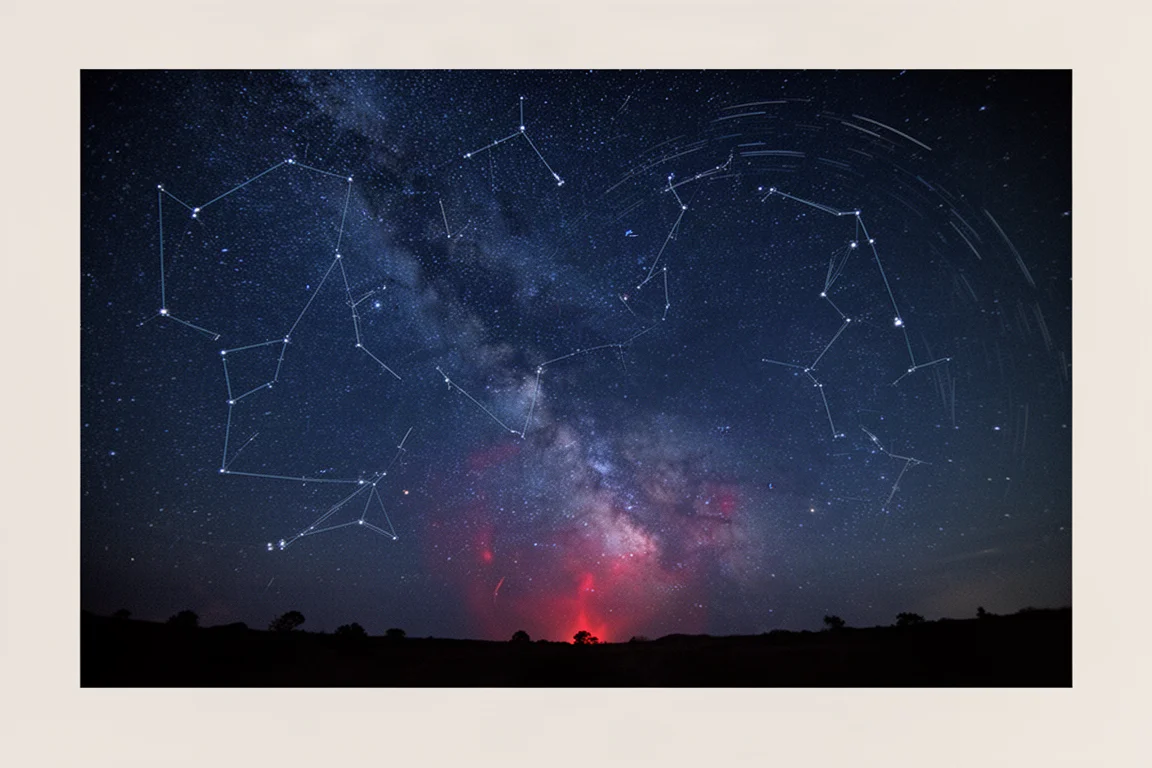
The app includes a fast, accurate constellation labeling feature with attractive artwork, though it uses names like “Hunter” rather than “Orion,” with no option to switch. Time-lapse and star trails modes work as expected: time-lapse produces an MP4 of stars rotating around Polaris, and an hour in star trails mode stacks trails around the North Celestial Pole.
Known Issues to Consider
The one negative found during testing appeared in very cold weather. After several hours in the cold, this S30 Pro lost the ability to autofocus, and even manual focusing would not recover it until the unit was warmed up and power-cycled. The test night hit about -12 Celsius, below the stated -10 Celsius operating rating, and the S50 and original S30 had previously handled similar cold without issues. Whether this is a quirk of a pre-production unit or something fixable in software remains to be seen. Beyond that, the testing window was only a couple of weeks, which in a New Hampshire winter amounts to only a few hours of clear sky time, so longer-term reliability is still an open question.
Which Seestar Fits Your Needs
For capturing small details, especially solar and lunar imaging, the S50 is still the strongest choice in the lineup. For nebula work, particularly emission and dust nebulae, the S30 Pro is the favorite thanks to its field of view and new sensor. The original S30, at $400 regularly and around $350 on sale, remains the best value for similar deep sky interests.
The S30 Pro is the most expensive Seestar at $600 US, but that sits close to the S50’s $550 price. For travelers who want to grab a quick Milky Way shot or star trails before settling into deep sky imaging, the S30 Pro is now the most versatile smart scope in the family, covering solar, lunar, deep sky, tracked and stacked Milky Way, wide-field time-lapse, and star trails in one package.
Looking ahead, an S50 Pro updating the S50’s sensors and optics seems a reasonable expectation, and speculation points toward a possible larger S70, though nothing is confirmed.
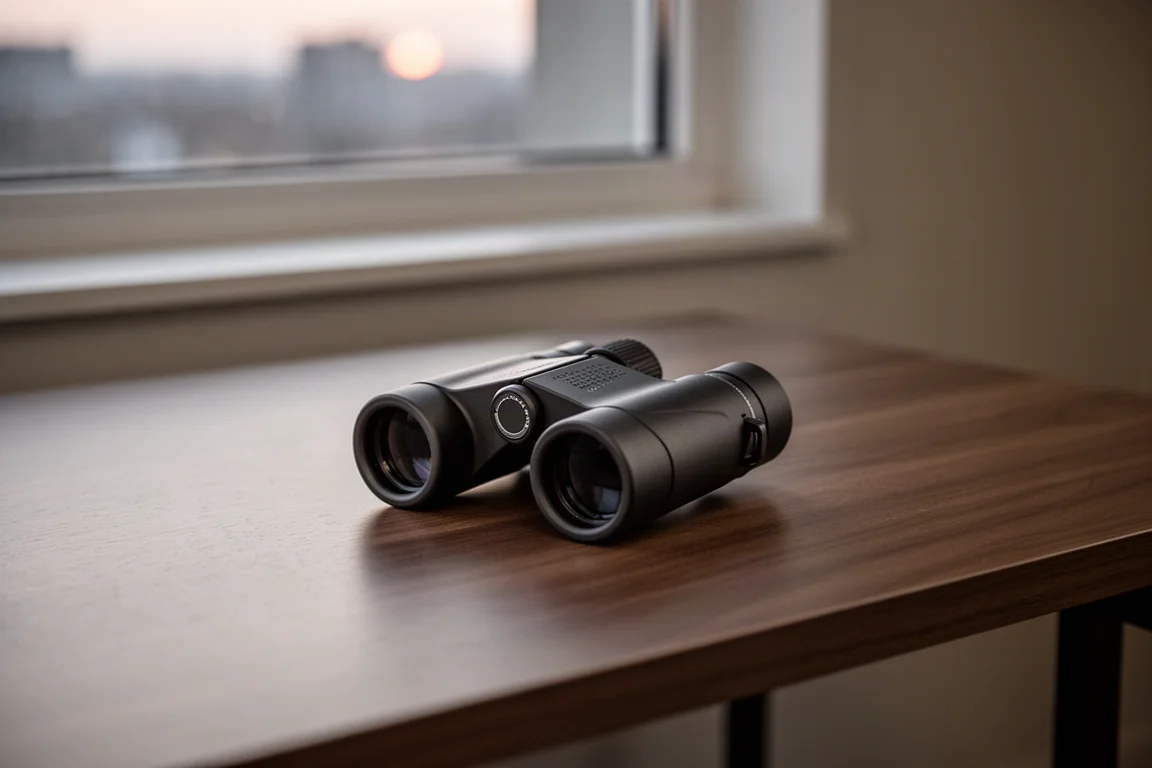
A Bonus Mention: ZWO’s Compact Binoculars
ZWO also offers a pair of tiny binoculars as an add-on purchase for around $70, and they turned out to be surprisingly enjoyable. Their extremely low weight makes them effortless to hold for long sessions, which addresses a common complaint with binoculars, and the low 8x magnification combined with that lightness makes steady views easy.
Messier objects like the Andromeda Galaxy, the Pleiades, and the Orion Nebula all showed a pleasing amount of detail despite the tiny form factor. It is a nice gesture from ZWO, pairing traditional grab-and-go astronomy with its high-tech smart scopes.
Conclusion
The Seestar S30 Pro is the best all-around smart scope in the current lineup: the same compact body as the S30 with a much larger sensor, updated optics, equatorial mode support, and a genuinely useful Milky Way mode. Choose the S50 if small-detail solar and lunar imaging is your priority, the original S30 if value matters most, and the S30 Pro if you want the widest creative flexibility for deep sky and nightscape work in one travel-friendly package.
Further reading
Related Reviews
Astrophotography
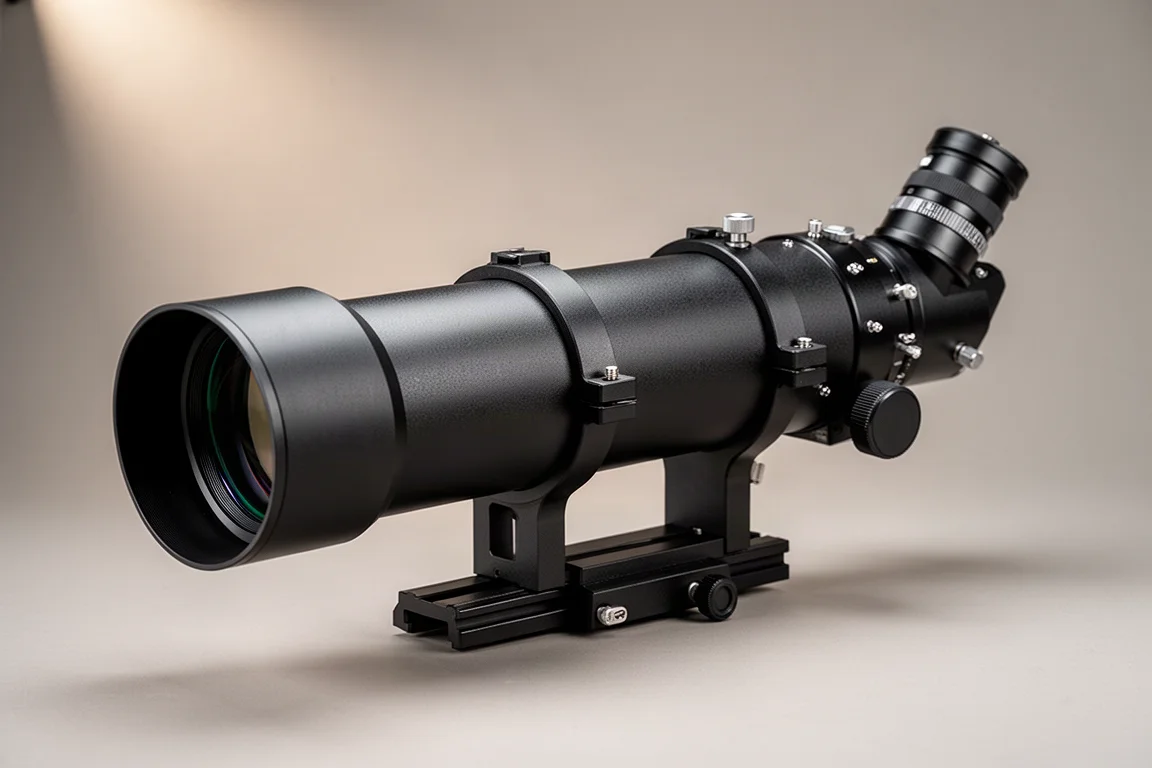
ASKAR FRA400C Review: A Versatile 400mm Refractor for Astrophotography and More
The ASKAR FRA400C is a compact 72mm refractor that balances reach, versatility, and portability for astrophotographers and visual observers.
Astrophotography
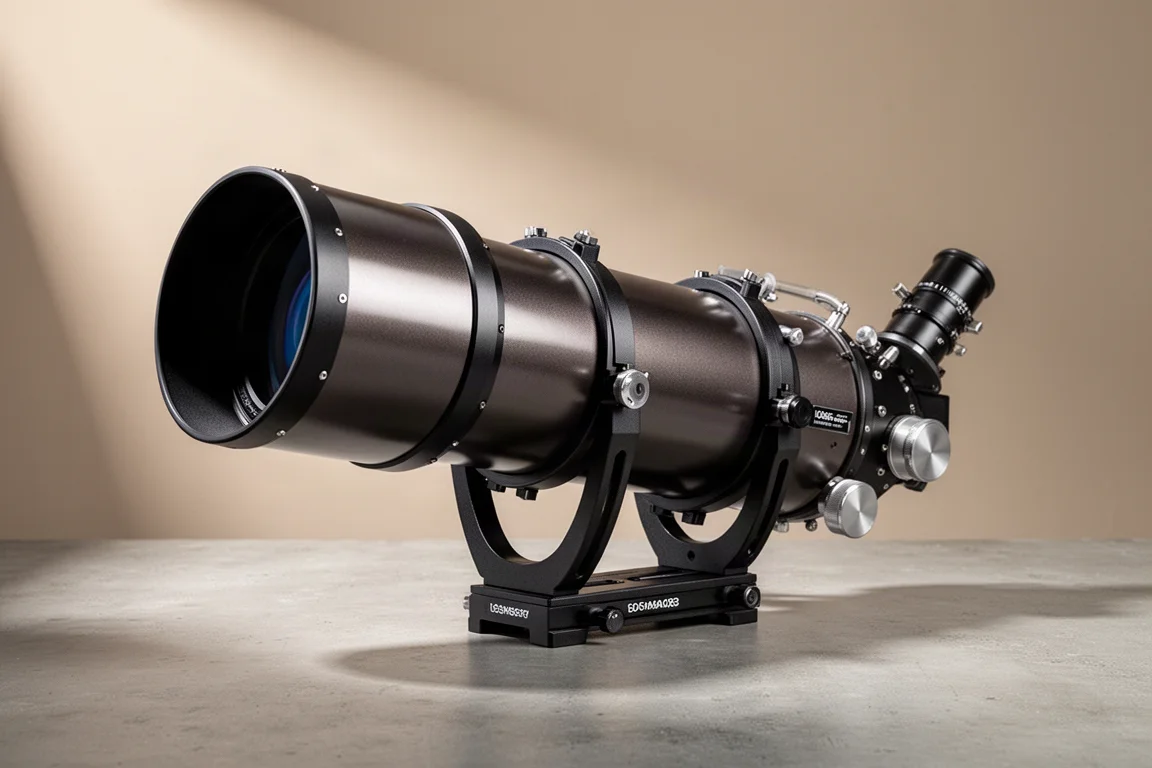
Askar SQA106 Review: A Premium 106mm Astrograph With Exceptional Optics
The Askar SQA106 is a premium 106mm quintuplet astrograph with impressive sharpness across full-frame sensors, though its price and weight demand careful consideration.
Astrophotography
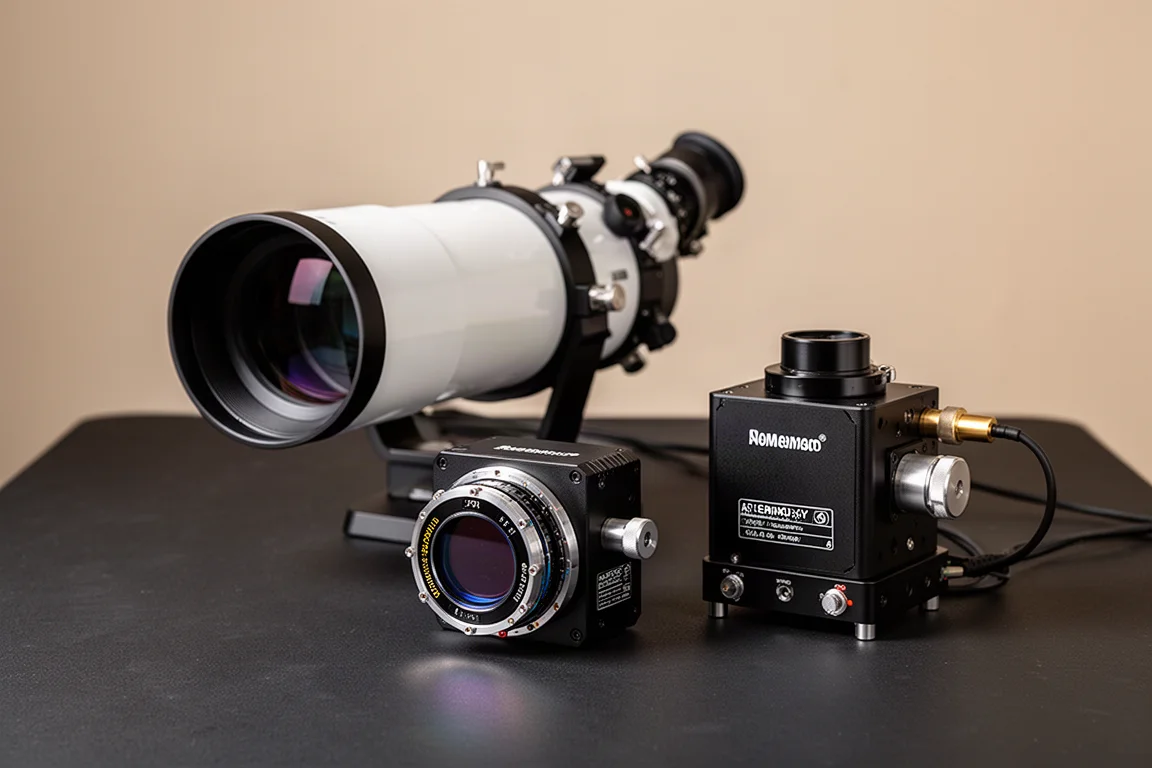
Astro Imaging Gear 2026: Eight New Products Worth Watching
A look at the most interesting new astrophotography and astronomy products announced this year, from fast telescopes to smart cameras and wireless accessories.