Astrophotography
Astro Imaging Gear 2026: Eight New Products Worth Watching
A look at the most interesting new astrophotography and astronomy products announced this year, from fast telescopes to smart cameras and wireless accessories.
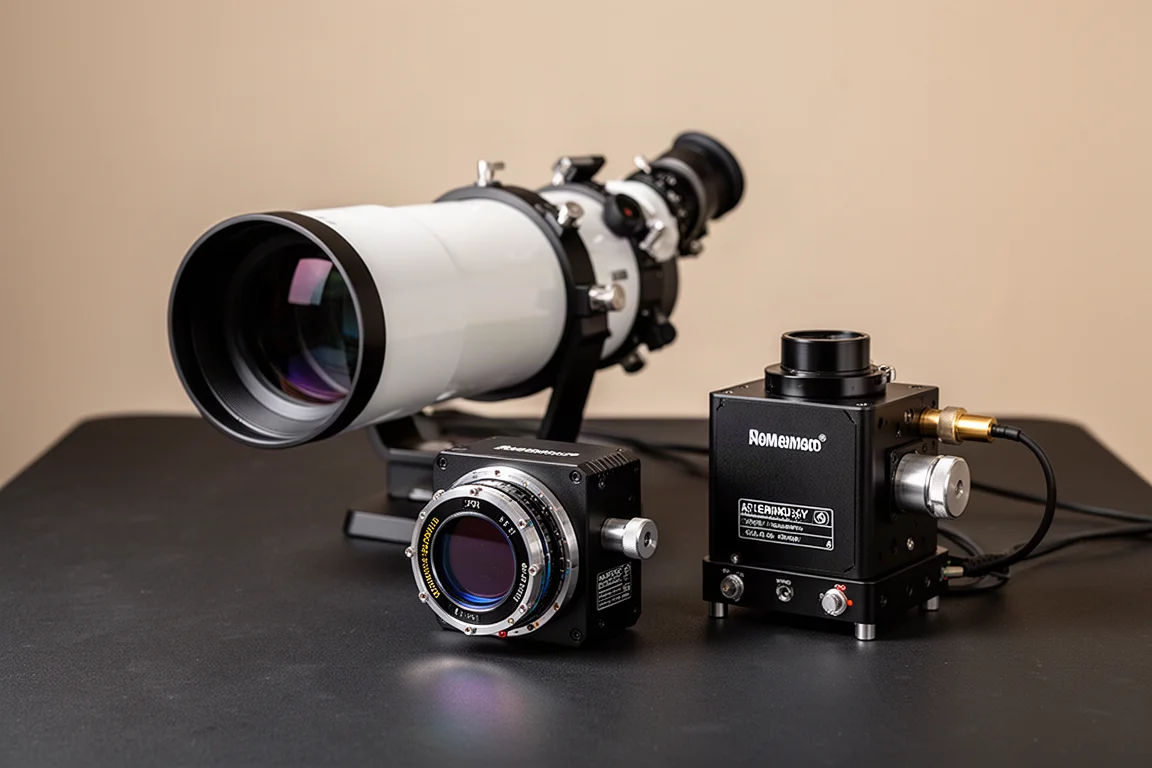
Introduction
The astrophotography world moves quickly, and this year’s new product announcements show just how much the hobby is evolving. From ultra-sharp refractors to smart telescopes with wider fields of view, there is a lot to be excited about. This roundup covers eight products that stand out for their potential to change how we capture the night sky, along with some honest thoughts on their limitations.
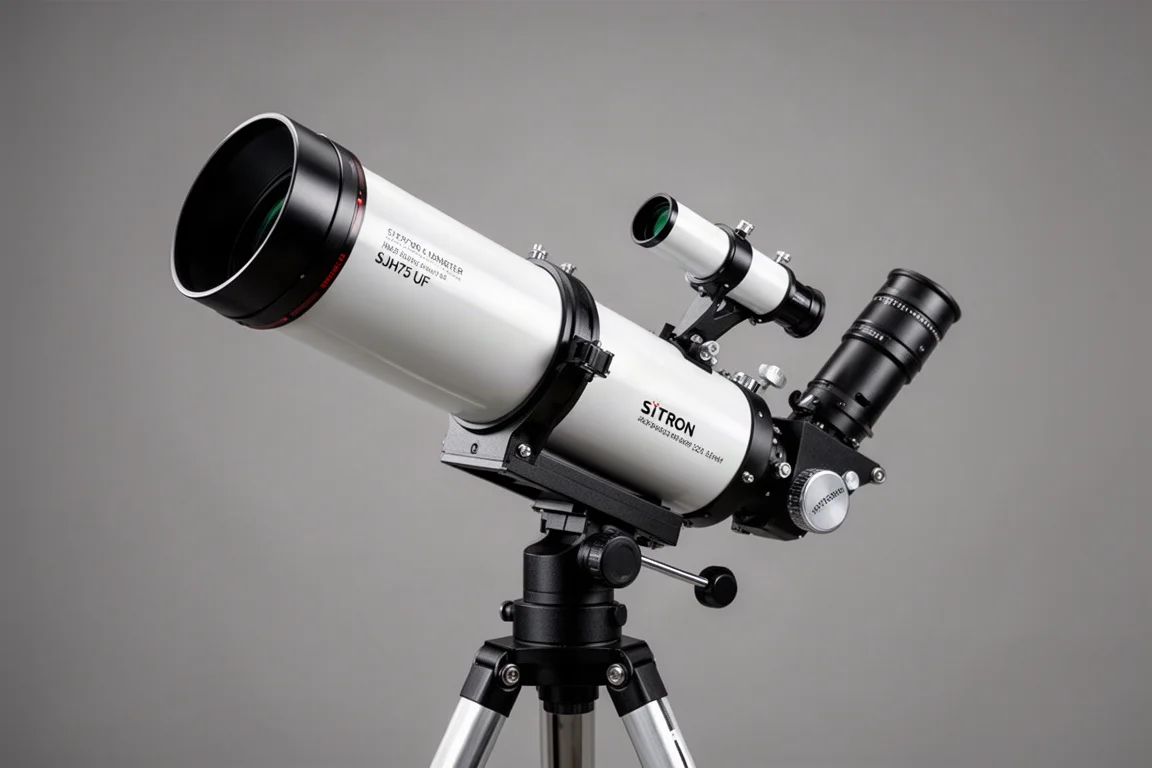
Sitron Japan SJH75 UF: A New Standard in Refractor Optics
Sitron Japan has introduced a Japanese-made harmonic drive mount paired with a new telescope, the SJH75 UF. This refractor is generating serious interest because of its optical specifications. At 22 mm from the center of the field of view, it delivers an RMS spot diameter of 1.31 microns, which is exceptional by any measure. The designer of the telescope explained that this level of performance is the result of steady progress building on earlier innovations, and the results speak for themselves.
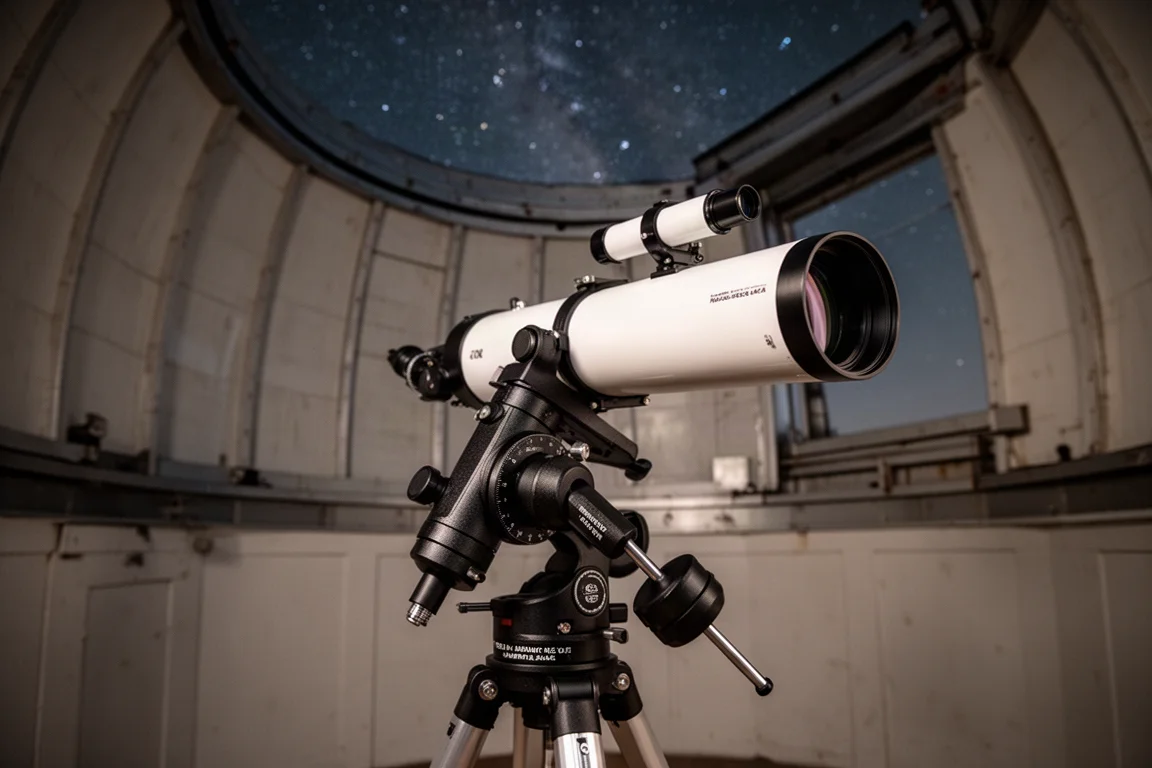
The SJH75 UF is expected to be priced around $5,000 in the United States, with a considerably lower price likely in Japan. That puts it firmly in premium territory, but the optical quality on offer is genuinely impressive. For astrophotographers who demand pinpoint stars across a full-frame sensor, this telescope represents a significant step forward. The main drawback is the cost, which will limit it to serious enthusiasts with deep pockets.
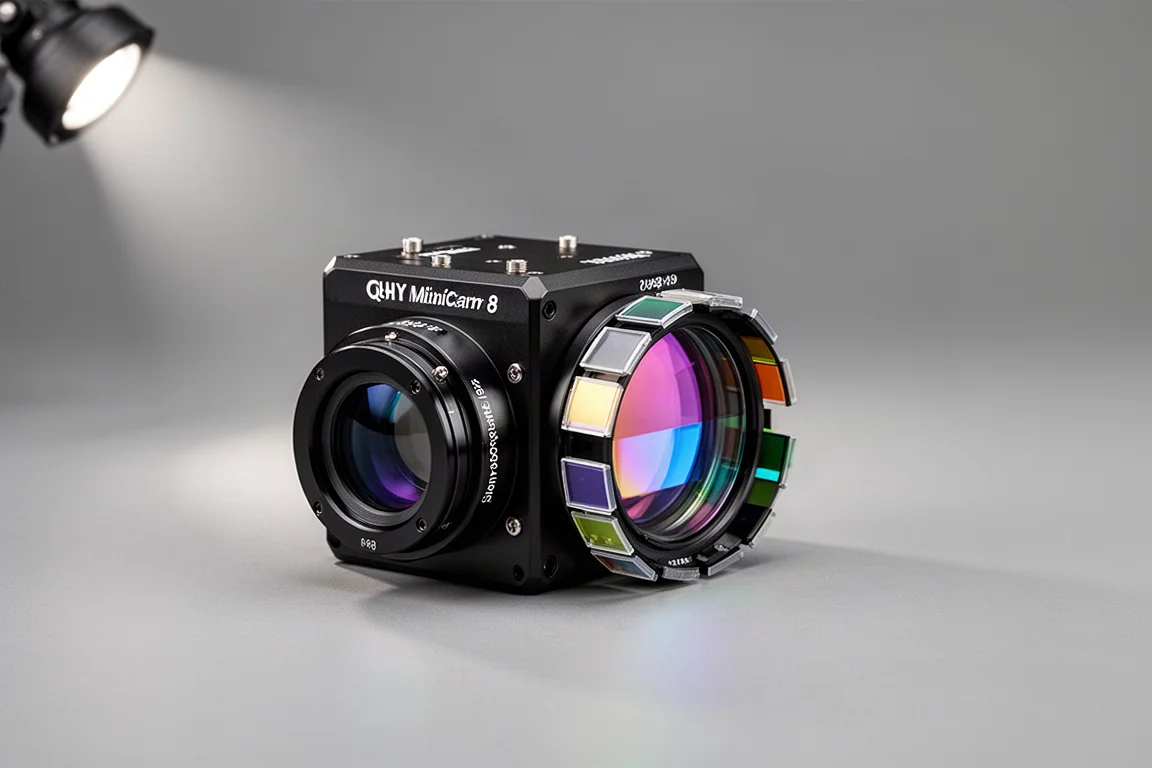
QHY MiniCam 8: Expanding Filter Options
The QHY MiniCam 8 has already earned a reputation as one of the best value monochrome cameras on the market. It packs a cooled sensor, an integrated filter wheel, and all the filters you need for LRGB and narrowband imaging into a tiny body. Now QHY is expanding the filter lineup with new options, including Sloan filter transmission curves designed for photometry work.
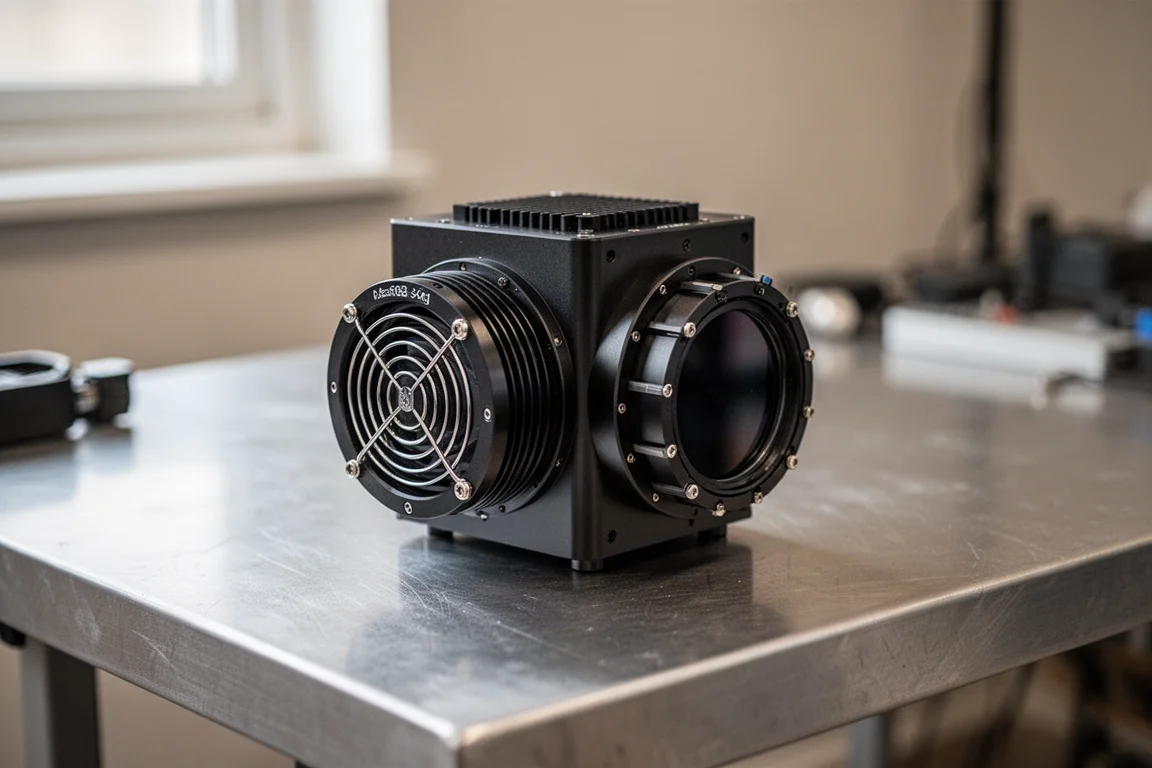
While photometry filters may not appeal to every imager, the fact that QHY is investing in new filters for the MiniCam 8 is a positive sign. It suggests the camera is selling well and that the ecosystem around it is growing. There is also talk of an off-axis guider solution for the MiniCam 8, which would address one of the current limitations of the design. For anyone considering a compact monochrome setup, the MiniCam 8 continues to be a compelling choice.
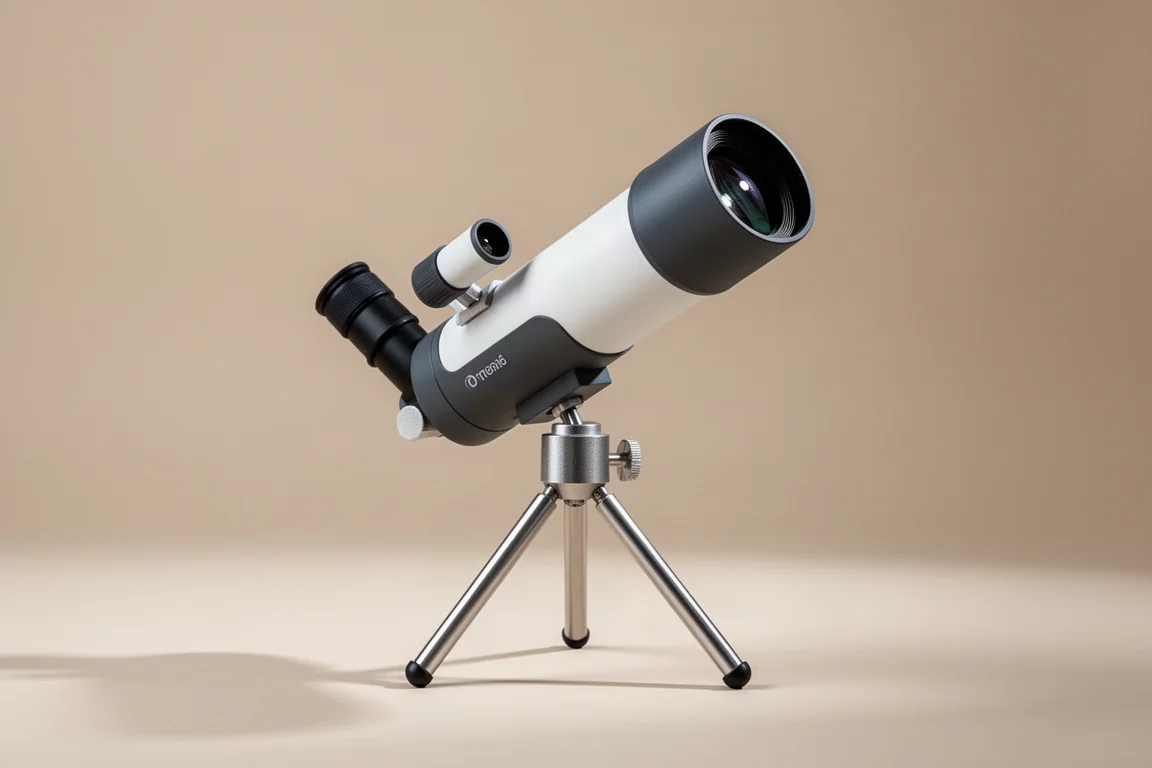
SkyWatcher HAC125DX: A Tiny Fast Refractor
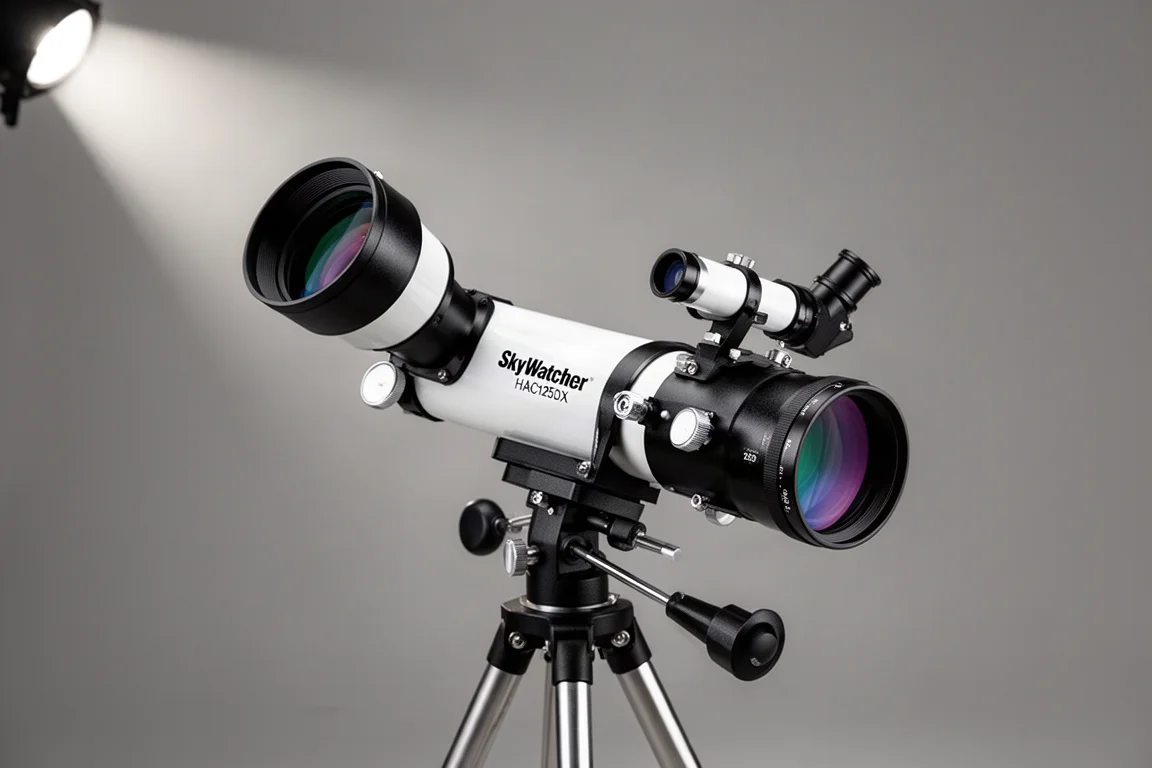
SkyWatcher’s HAC125DX is a small telescope with a big appetite for photons. It offers a 125 mm aperture and a 250 mm focal length, making it one of the fastest refractors available. The original HAC125 had a significant flaw: focusing was only possible at the front of the tube, which made automated astrophotography difficult. The DX version fixes this by moving the focuser to the rear mirror, opening up the possibility of electronic focusing.
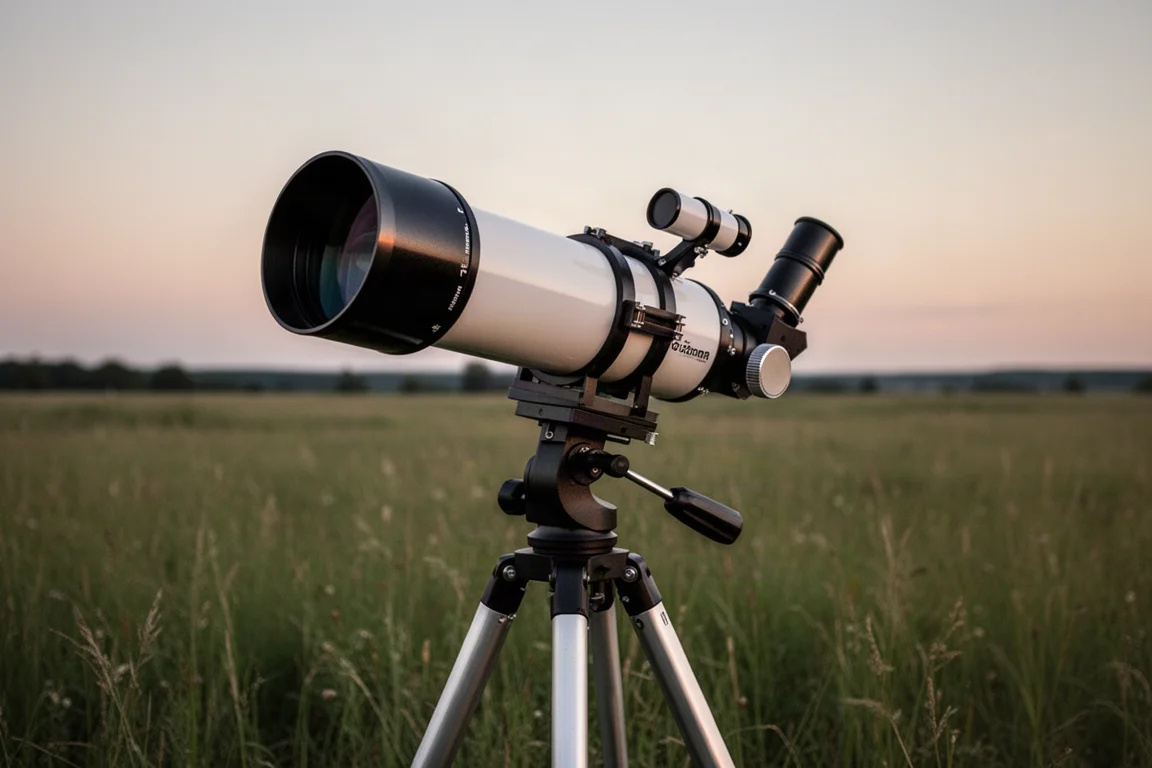
The image circle is 16 mm, which suits sensors like the 533 and 585 series. However, the central obstruction of 53 mm means the effective transmission ratio is closer to f/2.2 than the nominal f/2. With a typical cooled camera attached, that effective ratio drops to around f/2.56. It is still remarkably fast, but it is worth understanding the real performance before buying. The lack of obvious attachment points for an autofocuser is another consideration, though a 3D-printed bracket could solve that problem.
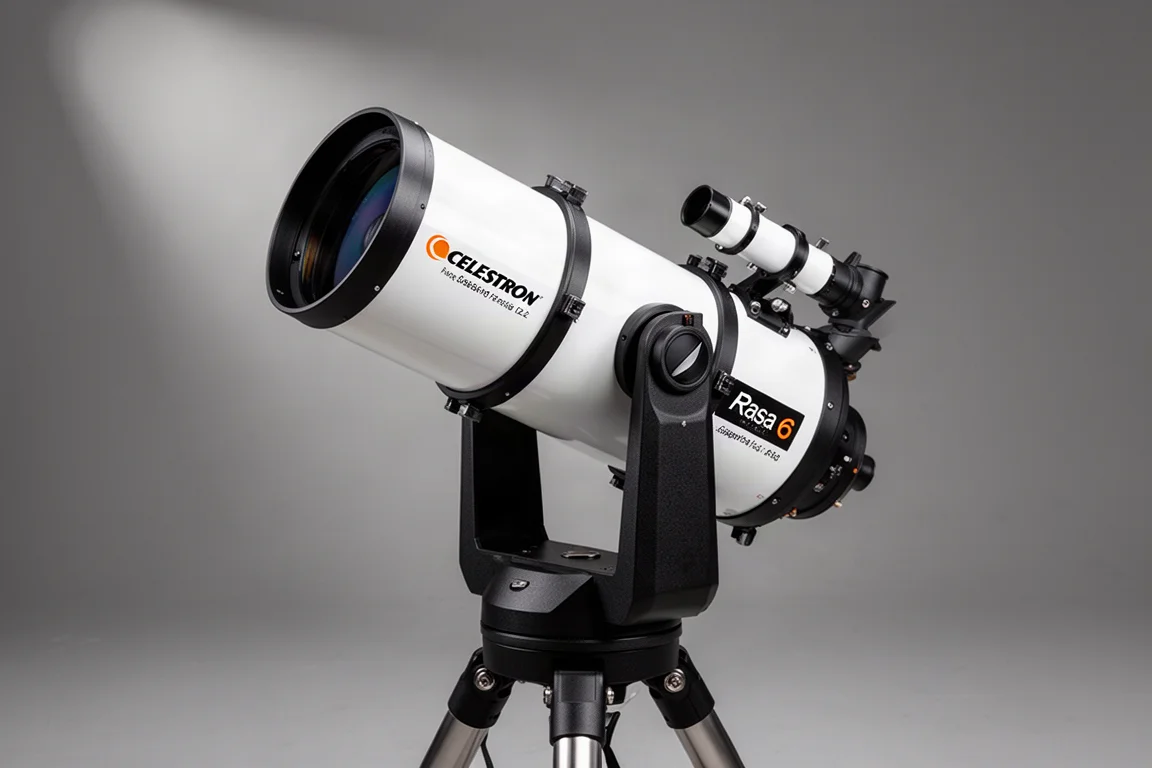
Celestron Rasa 6: A Dedicated Fast Astrograph
The Celestron Rasa 6 has been a long time coming. The Rasa series is known for its ultra-fast focal ratios, and the 6-inch version finally brings that performance to a smaller package. It offers a native focal ratio of f/2.2, a weight of just 3.88 kg, and an image circle of 16 mm that is usable up to 22 mm, meaning APS-C sensors are supported.
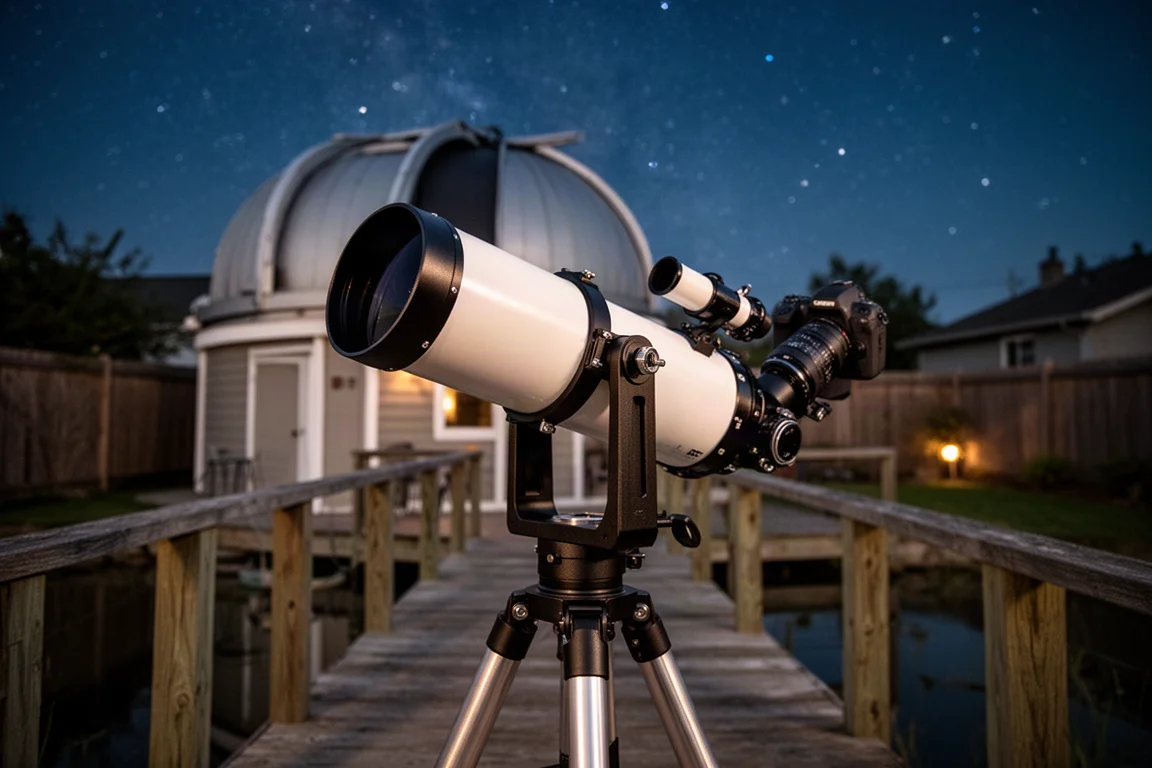
The rear focuser is designed to accept an electronic focuser easily, so autofocusing is not a concern. The central obstruction is 77 mm, which affects the effective transmission ratio. With a typical cooled camera attached, the effective ratio works out to about f/2.56. If you plan to use an APS-C camera, the outside diameter of the camera matters: Touptek cameras have a smaller diameter than ZWO models, which reduces additional obstruction. Collimation can also be tricky on Rasa telescopes, so be prepared for some adjustment work.
ZWO SeeStar S30 Pro: A Wider View of the Sky
The ZWO SeeStar S30 Pro is an upgraded version of the popular smart telescope, and the big news is the sensor. It now uses the IMX585 sensor, which has the same pixel size as the original S30 but offers a much wider field of view. That puts it on par with, and even ahead of, the Dwarf 3, its main competitor. The S30 Pro also gains a wide-field lens for Milky Way photography, just like the Dwarf 3.
The optics have been upgraded from triplet to quadruplet design to accommodate the larger sensor. The S30 Pro can be used in equatorial mode, supports internal stacking and processing, and remains a relatively affordable all-in-one solution. The only real advantage the Dwarf 3 retains is a slightly larger aperture and a marginally smaller footprint. For anyone looking for a portable smart telescope that delivers excellent results, the S30 Pro is a very strong option.
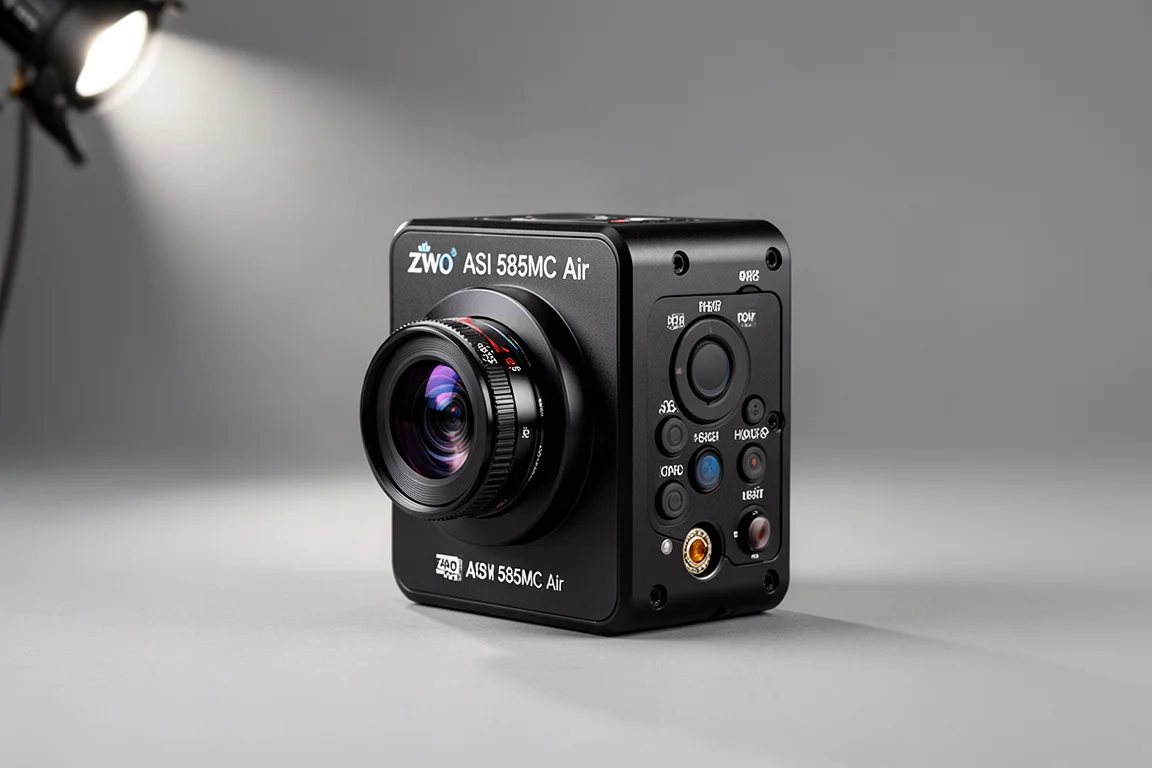
ZWO ASI 585MC Air: A Smart Camera with Guiding Built In
The ZWO ASI 585MC Air combines the popular 585 color sensor with a guiding chip and the ASI Air control system in a single unit. This is a smart camera that simplifies the imaging rig considerably. The 585 sensor is widely regarded as one of the best on the market, and having a guiding chip integrated means you do not need a separate guide scope or camera.
The rear panel includes four USB ports and a single power output. That single output is less of a limitation than it might seem, thanks to the rise of battery-powered accessories. For imagers who want a clean, minimal setup, the 585MC Air is an attractive option. It is particularly well suited to use with the new wireless focuser from ZWO.
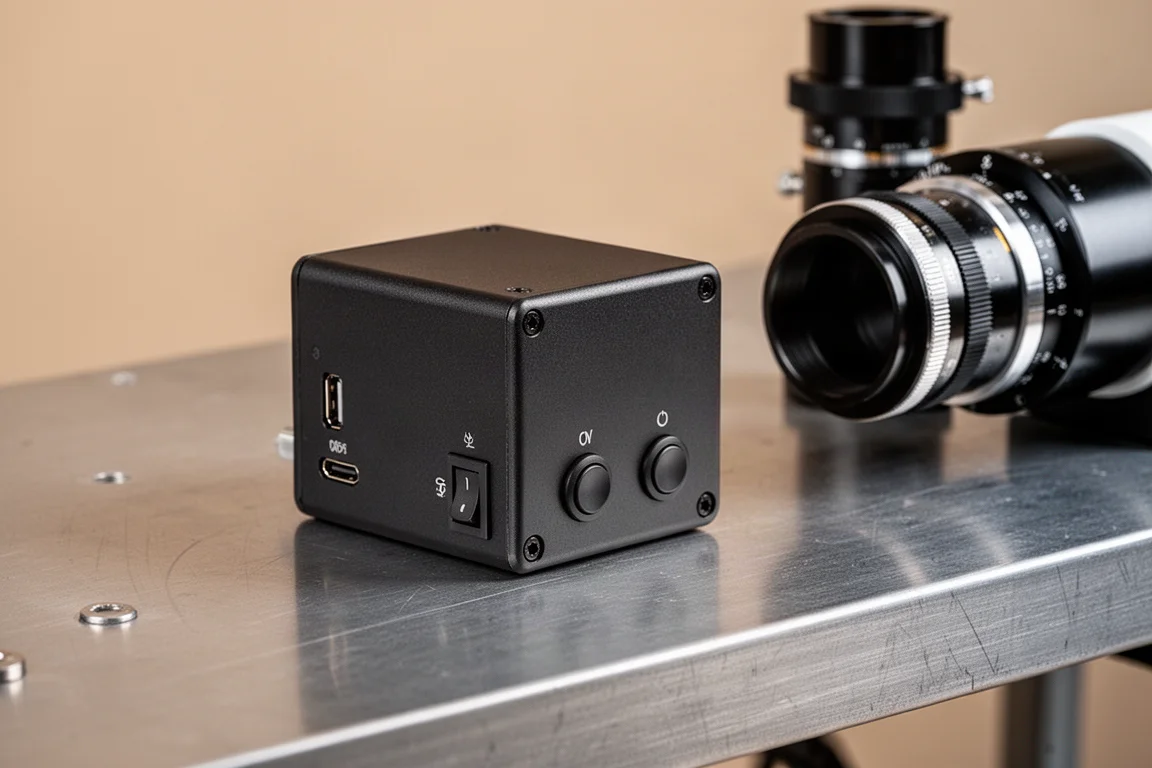
ZWO EAF Pro: Wireless Focusing
The ZWO EAF Pro is an electronic focuser with a twist: it has an integrated battery and wireless connectivity. That means no cable is needed to power or control the focuser. The focuser has buttons for moving in and out, plus an on/off switch. This is a small change with big implications for cable management.
Imagine a rig with a mount, a smart camera, and this focuser. The only cables needed are one from the battery to the mount and one from the saddle to the camera. Everything else communicates wirelessly. The main concern is battery lifespan. When the internal battery eventually dies, will ZWO sell replacements? That is a question worth asking before committing to this product. If the battery is replaceable, the EAF Pro could be a game-changer for keeping setups clean and simple.
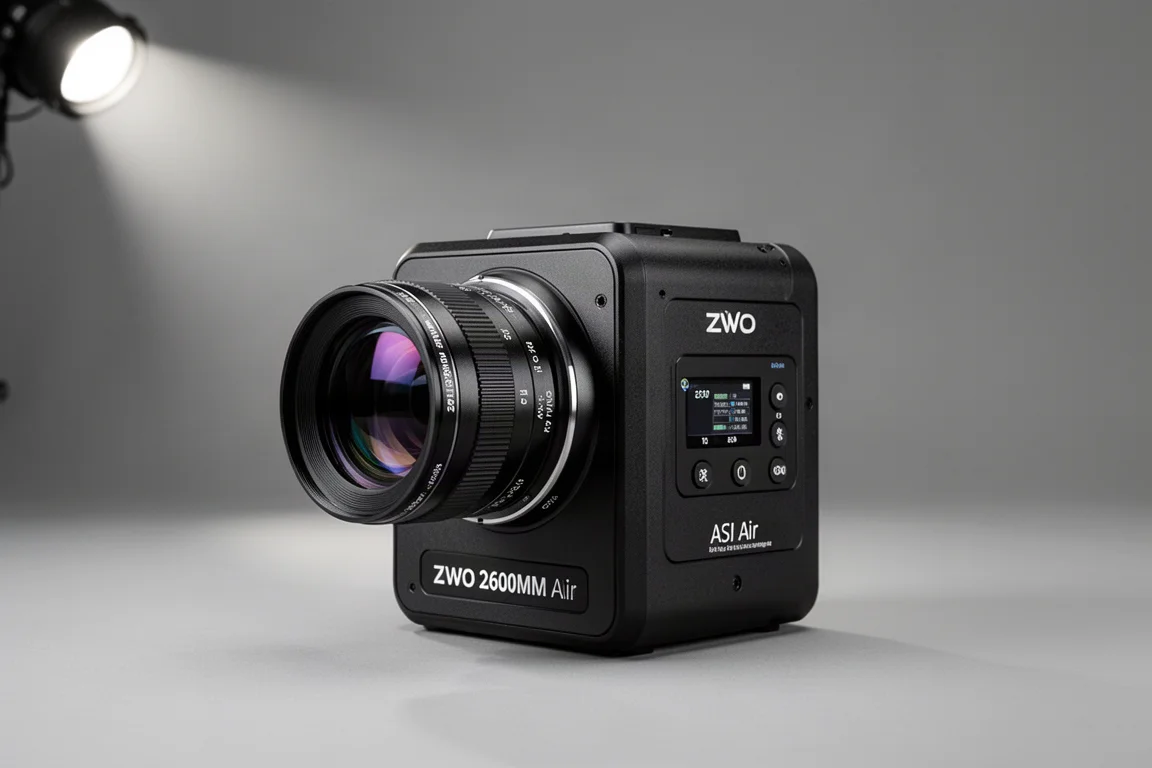
ZWO 2600MM Air: A Monochrome Smart Camera
The ZWO 2600MM Air is a monochrome version of the smart camera concept. It pairs the well-regarded 2600MM sensor with the ASI Air control system, giving imagers a powerful all-in-one solution for monochrome imaging. The 2600MM sensor is a full-frame format with excellent sensitivity and low noise, making it a favorite among serious astrophotographers.
With a monochrome camera, a filter wheel becomes necessary, and that is where the wireless trend becomes relevant. If ZWO releases a battery-powered filter wheel, the entire rig could run with just two cables. The 2600MM Air is aimed at imagers who want the convenience of a smart camera without sacrificing the flexibility of monochrome imaging.
Overall Buying Advice
The products in this roundup cover a wide range of needs and budgets. The Sitron Japan SJH75 UF is a premium refractor for those who demand the very best optics. The QHY MiniCam 8 remains a great value for monochrome imaging. The SkyWatcher HAC125DX and Celestron Rasa 6 are both fast telescopes that offer large apertures in compact packages, though both require some understanding of their effective transmission ratios.
For beginners or those who want simplicity, the ZWO SeeStar S30 Pro is an excellent smart telescope. The ZWO ASI 585MC Air and 2600MM Air offer a more hands-on approach with the convenience of integrated control. The ZWO EAF Pro is a forward-looking accessory that could make cable management a thing of the past.
Conclusion
This year’s new products show a clear trend toward smarter, more integrated, and more convenient astrophotography. Fast telescopes are getting smaller and more capable, smart cameras are becoming more powerful, and wireless accessories are reducing cable clutter. There are still questions to answer, particularly around battery longevity and collimation, but the direction is promising. Whether you are a beginner or a seasoned imager, there is something here to get excited about.
Further reading
Related Reviews
Astrophotography
ASKAR FRA400C Review: A Versatile 400mm Refractor for Astrophotography and More
The ASKAR FRA400C is a compact 72mm refractor that balances reach, versatility, and portability for astrophotographers and visual observers.
Astrophotography
Askar SQA106 Review: A Premium 106mm Astrograph With Exceptional Optics
The Askar SQA106 is a premium 106mm quintuplet astrograph with impressive sharpness across full-frame sensors, though its price and weight demand careful consideration.
Astrophotography
Central Obstruction in Astrophotography: What It Really Costs You
A practical look at how a telescope's central obstruction affects resolution, narrowband filter performance, and effective light gathering speed.