Astrophotography
ZWO Seestar S30 Pro Review: A Compact Smart Telescope That Punches Above Its Size
The ZWO Seestar S30 Pro combines a wide-field IMX585 sensor, quadruplet optics, and fully automated operation in a portable package that handles deep sky, solar, and more.
Introduction
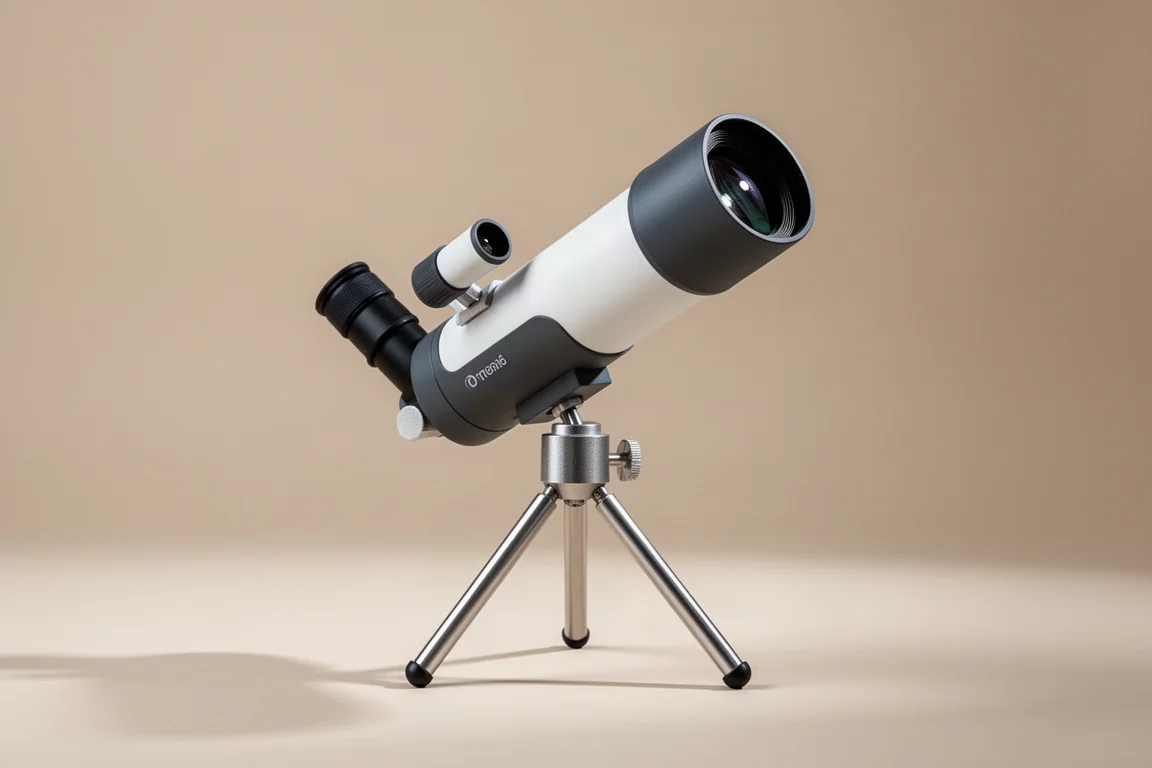
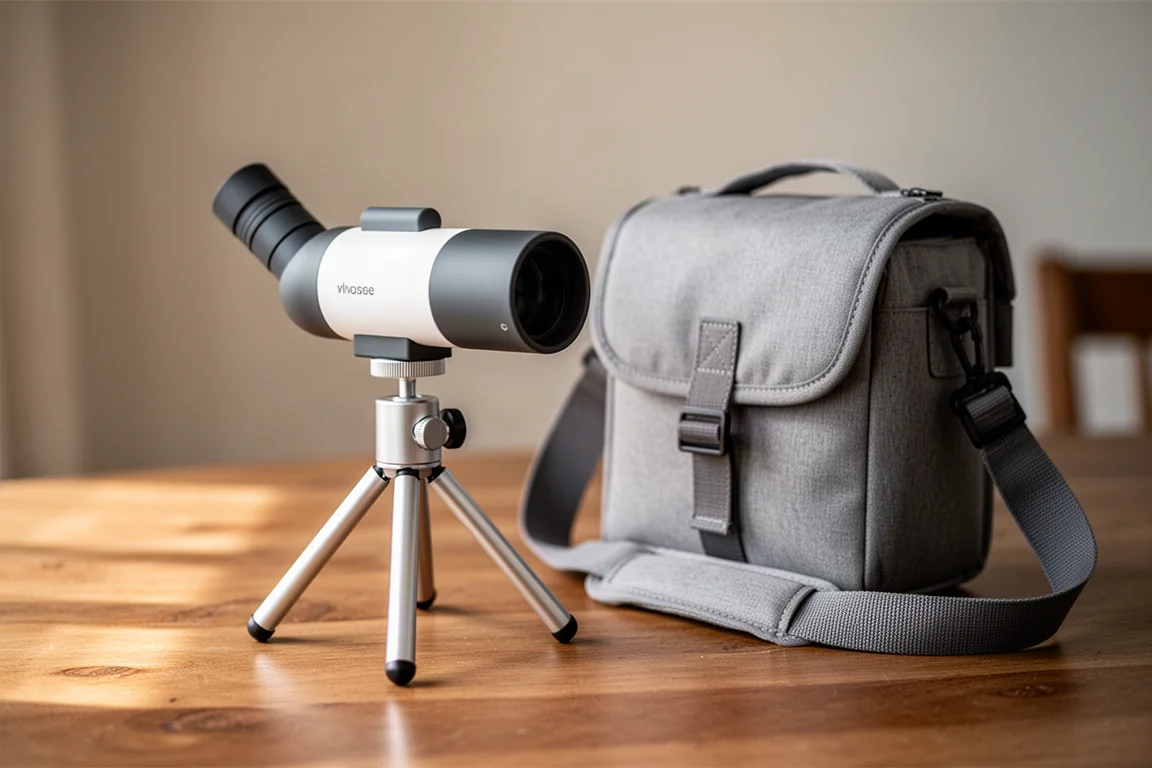
Smart telescopes have made deep sky imaging far more accessible, and the ZWO Seestar S30 Pro is one of the most interesting entries yet. It arrives in a soft carrying case with a small metal tabletop tripod, a USB-C cable for charging and file transfer, and a shoulder strap for the case. The tripod feels more solid than the one that shipped with the earlier Seestar S30, which is a welcome improvement.
The headline feature is the quadruplet optics. This design delivers sharp images corner to corner across a relatively large sensor, the IMX585, which is widely regarded as an excellent choice for astrophotography. The combination gives you both resolution and a wide field of view in a package that weighs roughly 1.7 kg. It is slightly larger and about twice as heavy as some competing smart telescopes, but it remains genuinely portable and easy to carry.
Who This Smart Telescope Is For
The Seestar S30 Pro is aimed at anyone who wants to explore the night sky without learning complex equipment. You select a target on your smartphone, and the telescope points itself, runs autofocus, and begins stacking exposures automatically. It even provides a spoken description of the object you are about to image, which is a nice touch for newcomers.
It is also a strong option for experienced astrophotographers who want a grab-and-go setup. The wide field of view from the IMX585 sensor makes it well suited to large nebulae and open clusters, and the built-in light pollution filter helps when observing from urban areas. If you want to capture the Milky Way, star trails, or solar activity, the secondary wide-field lens covers those use cases as well.
Main Strengths
The optical performance is the standout feature. The quadruplet design keeps stars round across the entire frame, which is not always the case with smart telescopes in this class. The IMX585 sensor has very low read noise, so it works well with short exposures. That is why the telescope can produce good results on targets like the Horsehead Nebula even with 10-second exposures through the light pollution filter.
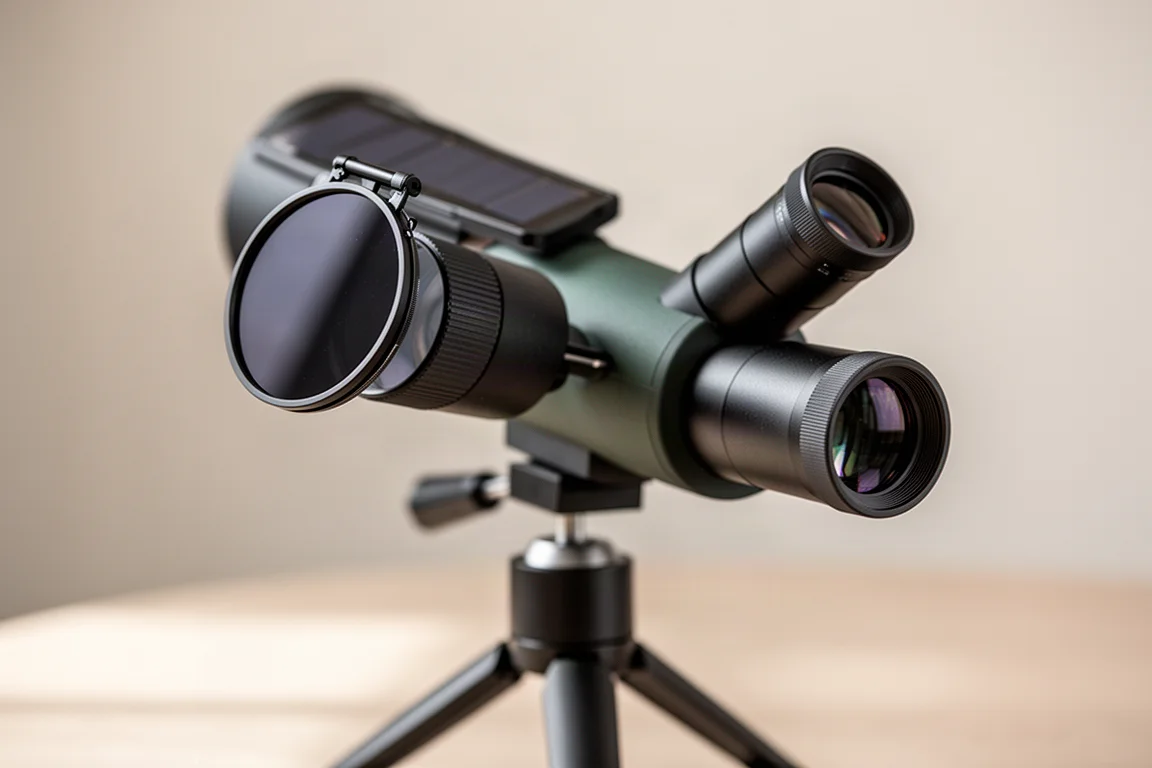
Battery life is another strong point. In testing, the Seestar S30 Pro imaged continuously for six to seven hours on its own. That is significantly better than some competing models, and it means you can often leave the power bank at home, especially during short summer nights.
The fully automated workflow is genuinely impressive. After you select a target, the telescope performs a horizontal calibration, runs autofocus, and begins taking and stacking 10-second exposures. It automatically discards frames with star trails caused by wind or tracking issues. You can close the app and come back later; all processing happens inside the telescope itself.
Things to Consider Before Buying
The most noticeable limitation is that stars can appear slightly soft. The autofocus does a good job, and manual adjustment did not produce better results, so it may be a characteristic of the optics rather than a focus issue. It is not a major problem, but it is worth knowing if you plan to do heavy post-processing.
Planets are not this telescope’s strength. With a 150 mm focal length and 30 mm aperture, you will be able to see the rings of Saturn and perhaps the main cloud bands of Jupiter, but little beyond that. If planetary imaging is your priority, a different instrument would be a better fit.
The AI voice that describes targets can be a little awkward with pronunciation, and the plan feature does not let you set different exposure times for different targets. These are minor annoyances rather than deal-breakers.
How It Works in Practice
Getting started is straightforward. You screw the telescope onto the included tripod, press and hold the power button until it beeps, and wait for it to announce that it is ready to connect. The Seestar app then guides you through the connection process. If the telescope is set up on your home Wi-Fi network, it connects automatically.
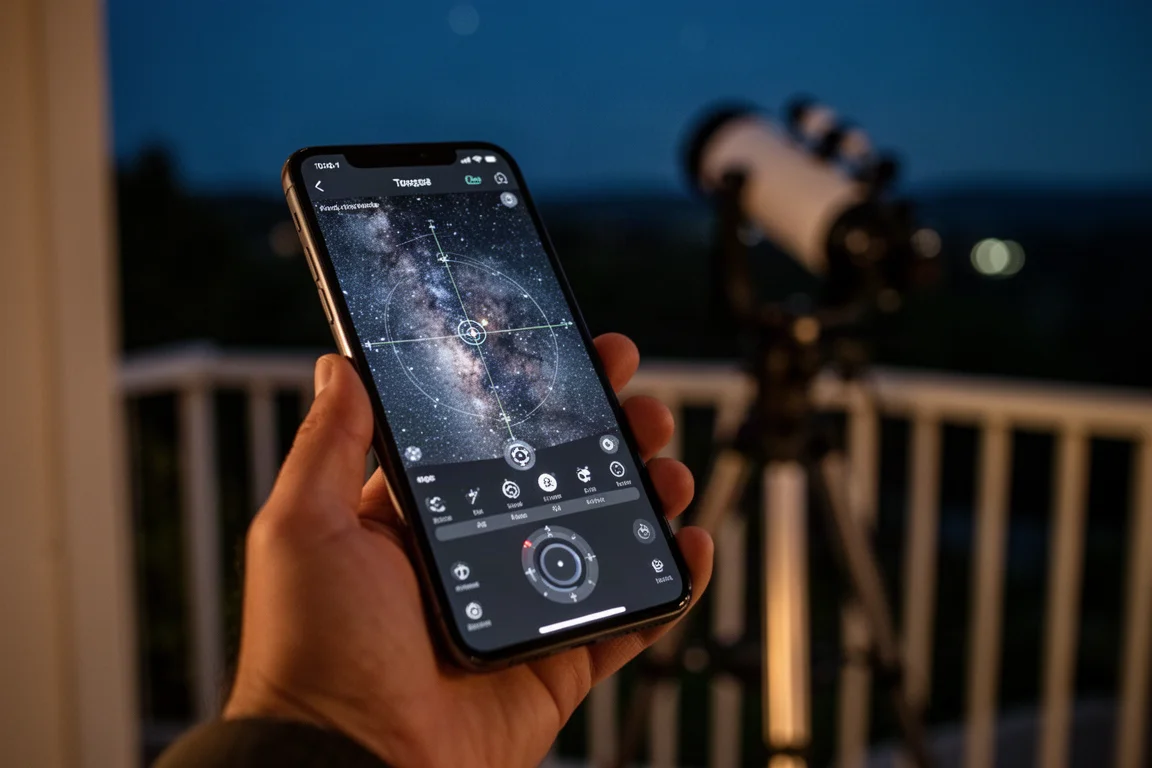
Once connected, you can browse targets and check their altitude and direction before starting. The app shows a graph of the target’s altitude, so you can confirm it will be visible from your location. After you tap go gazing, the telescope finds the object, centers it, and begins autofocus. You can watch the stacked image improve in real time as more exposures are added.
The built-in AI denoising tool can enhance images with a single tap, and you can adjust brightness, contrast, and saturation before saving or sharing. For more advanced users, the telescope provides raw access to individual subframes, so you can do your own stacking and processing on a computer.
Going Further with Equatorial Mode
For the best possible results, the Seestar S30 Pro supports an equatorial mode. This requires a sturdy tripod with a pan-tilt head and an Arca Swiss plate with a 3/8-inch adapter. The app guides you through polar alignment in real time, telling you how far to adjust the mount until it is accurate.
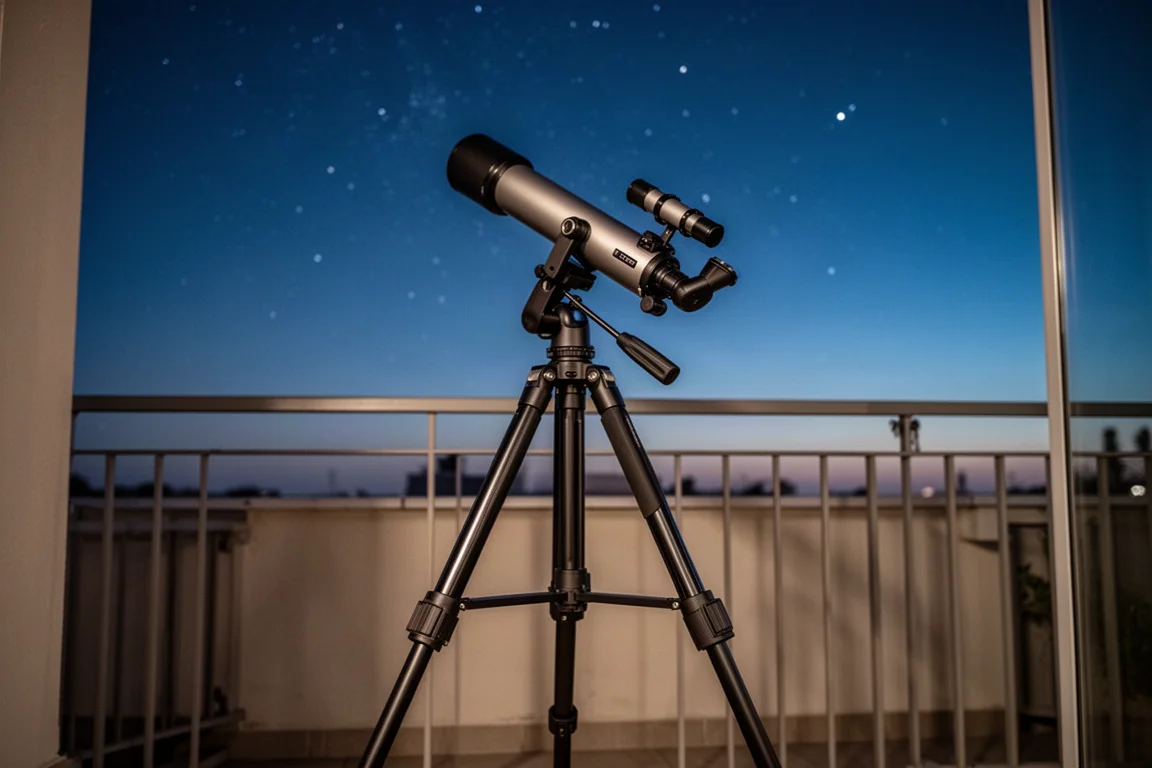
The main advantage is that equatorial mode eliminates field rotation, which can leave artifacts in the corners of images taken with the standard horizontal and vertical mount. It also allows longer exposures, up to 60 seconds. In testing, roughly 90 percent of those 60-second exposures were usable, which is a strong success rate.
The plan feature is particularly useful in this mode. You can create a sequence of targets with specific elevation limits, and the telescope will work through them automatically. You can leave it running and check the results later from your phone.
Buying Advice
The Seestar S30 Pro is a very good smart telescope. It is small, relatively light, and portable, and it performs well in both simple tabletop mode and more advanced equatorial mode. On-body processing produces excellent images, and manual processing with dedicated software can reveal even more detail.
If the retail price lands at or under $600, this is an easy recommendation. The combination of good optics, a capable sensor, solid accessories, and polished software makes it a compelling choice for both beginners and experienced astrophotographers.
Conclusion
The ZWO Seestar S30 Pro delivers impressive results from a compact package. It handles deep sky imaging, solar observation, Milky Way photography, and star trails, and it does most of the work automatically. The wide field of view, long battery life, and low read noise make it a versatile tool that can grow with your skills. If you are looking for a portable smart telescope that produces genuinely good images, this is one of the strongest options available.
Product link
View more details for ZWO Seestar S30 Pro
This product is mentioned in the review. Check the specifications, options, and compatibility before buying.
View more details for ZWO Seestar S30 ProFurther reading
Related Reviews
Astrophotography
ASKAR FRA400C Review: A Versatile 400mm Refractor for Astrophotography and More
The ASKAR FRA400C is a compact 72mm refractor that balances reach, versatility, and portability for astrophotographers and visual observers.
Astrophotography
Askar SQA106 Review: A Premium 106mm Astrograph With Exceptional Optics
The Askar SQA106 is a premium 106mm quintuplet astrograph with impressive sharpness across full-frame sensors, though its price and weight demand careful consideration.
Astrophotography
Astro Imaging Gear 2026: Eight New Products Worth Watching
A look at the most interesting new astrophotography and astronomy products announced this year, from fast telescopes to smart cameras and wireless accessories.