Astrophotography
ZWO EAFN and EAF Pro: A New Generation of Electronic Autofocusers for Astrophotography
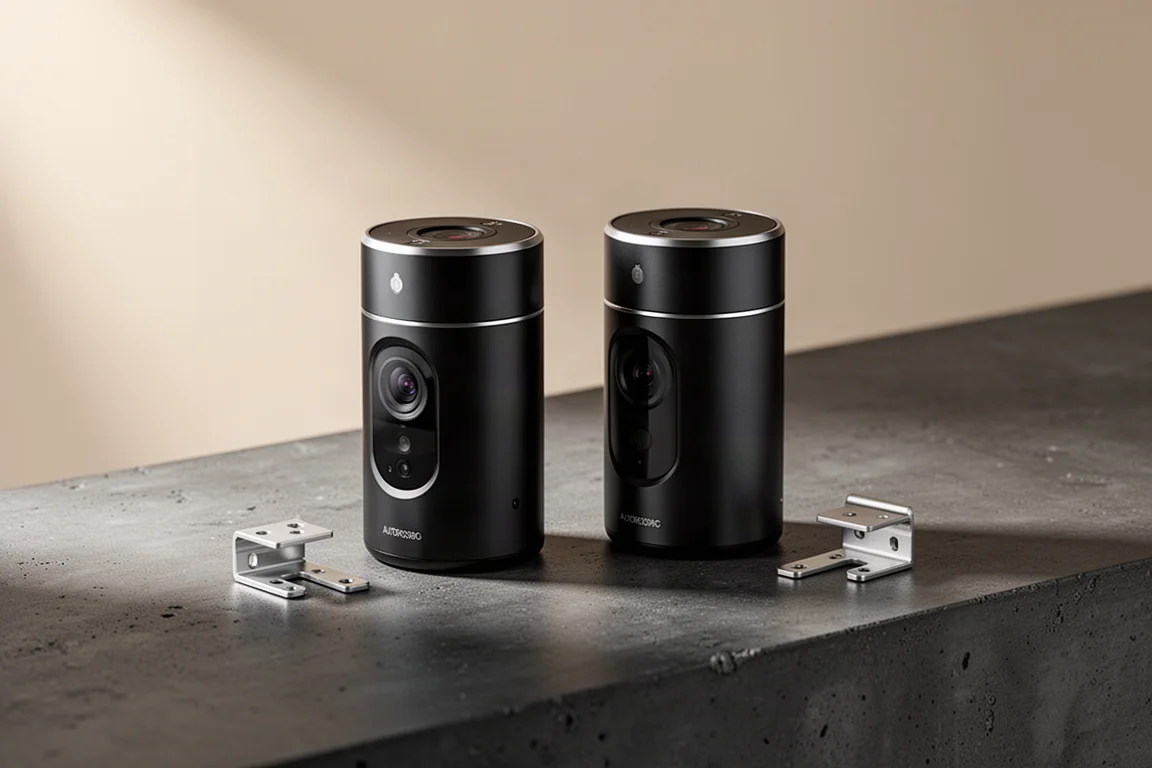
ZWO refreshes its EAF line with the EAFN and the EAF Pro, adding USB Type-C, finer precision, lighter bodies, and for the Pro, full wireless operation.
Introduction
A mount, a camera, a telescope, a guiding solution, and a way to control it all: that is what most astrophotographers consider the absolute essentials of an imaging rig. An electronic autofocuser, however, has been steadily working its way onto that list, and ZWO has a lot to do with it. The company has just refreshed its EAF line with two new models, the EAFN and the EAF Pro, refining the core autofocusing experience into something more modern and more convenient.
If you are already invested in the ZWO ecosystem of cameras and accessories, the EAF Pro in particular continues that trend of simplification. Here is what both new models bring to the table, and why this generation might be the right moment to add an EAF to your build.
What an Electronic Autofocuser Actually Does
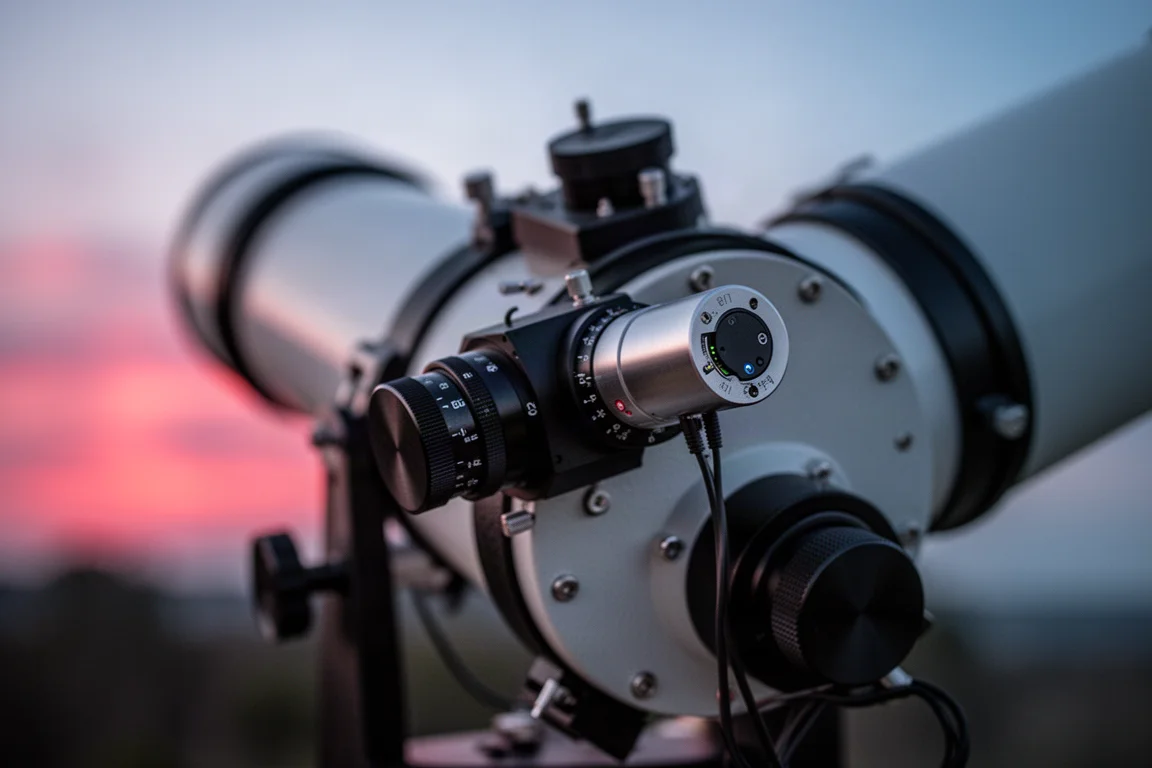
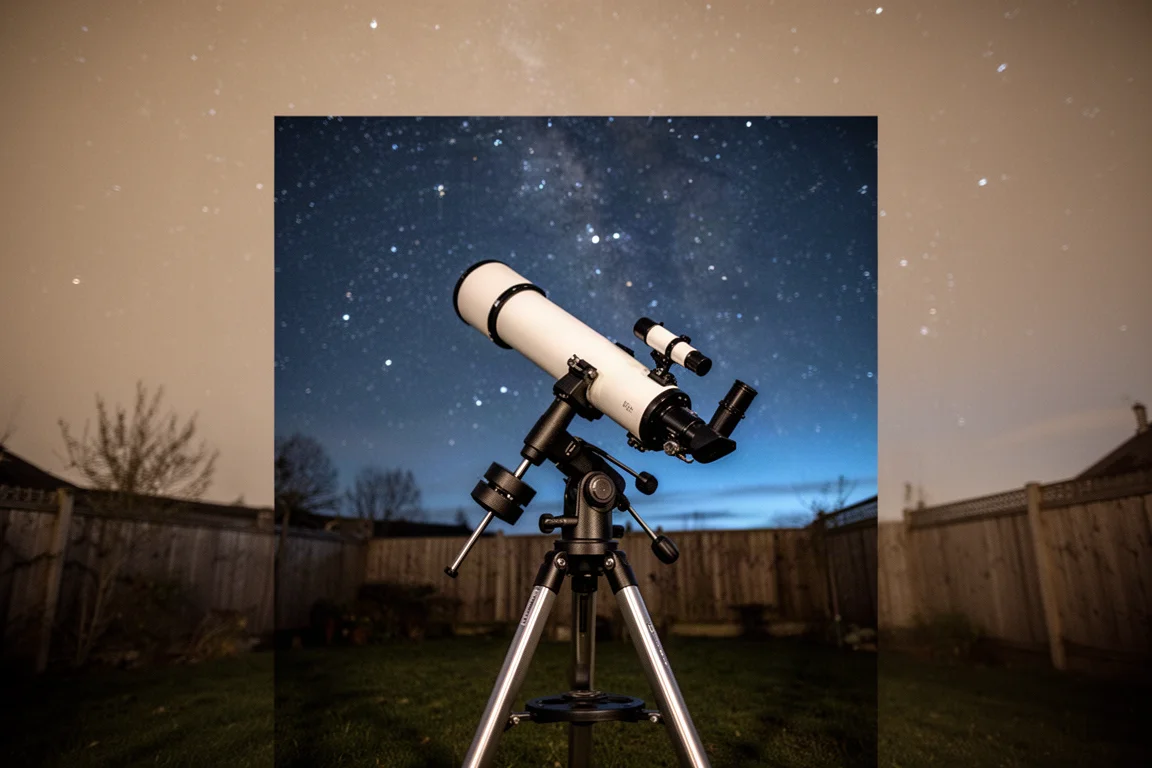
The EAF belongs to the bracket-style category of electronic autofocusers because of how it mounts to the telescope. It takes the place of one of your focus knobs, allowing you to move the focuser from a computer or a Wi-Fi camera control device.
That brings two immediate benefits: more precise focusing, and full remote operation. It also unlocks the automation built into modern imaging software, which can autofocus and compensate for both temperature changes and filter changes. Instead of setting alarms in the middle of the night, you set up your focus routine in advance and wake up to sharp, perfectly focused astrophotos.
Once considered a nice-to-have, this kind of automation is becoming a staple as remote imaging systems become more accessible and imaging setups grow more advanced.
Shared Upgrades Across the New EAF Generation
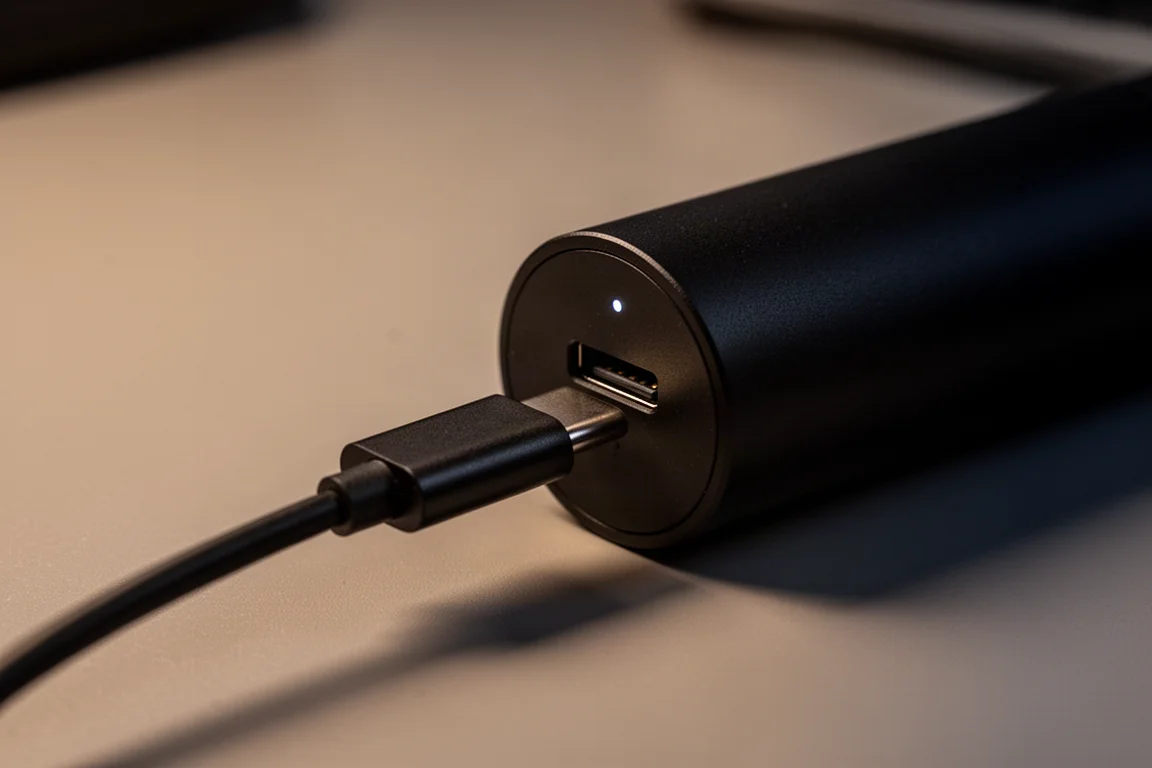
Both new models carry several meaningful updates over the previous generation. The first is the switch from USB Type-B to USB Type-C, a welcome change since the connector’s orientation-free design makes setup in low light much easier. The port also follows the EAF 5V approach, handling both power and data through a single connection.
Precision also improves, with a 1:128 gear reduction ratio compared to the previous 1:120, and ZWO now describes the focusing as micron level precision. On top of that, both units are lighter: the EAF Pro sheds almost 7% of its overall weight, while the EAFN drops roughly 22% compared to the EAF 5V. The result is a pair of sleeker, more modern autofocusers.
Backwards Compatibility: A Sensible Decision
One thing ZWO deliberately kept unchanged is the physical design. Both models feature very similar dimensions to the prior model and remain compatible with the same bracket. That is good news, because most telescopes on the market are compatible with the EAF 5V. If you already own an EAF, you can simply remove the old unit, keep the bracket installed, and add the EAF Pro or EAFN.
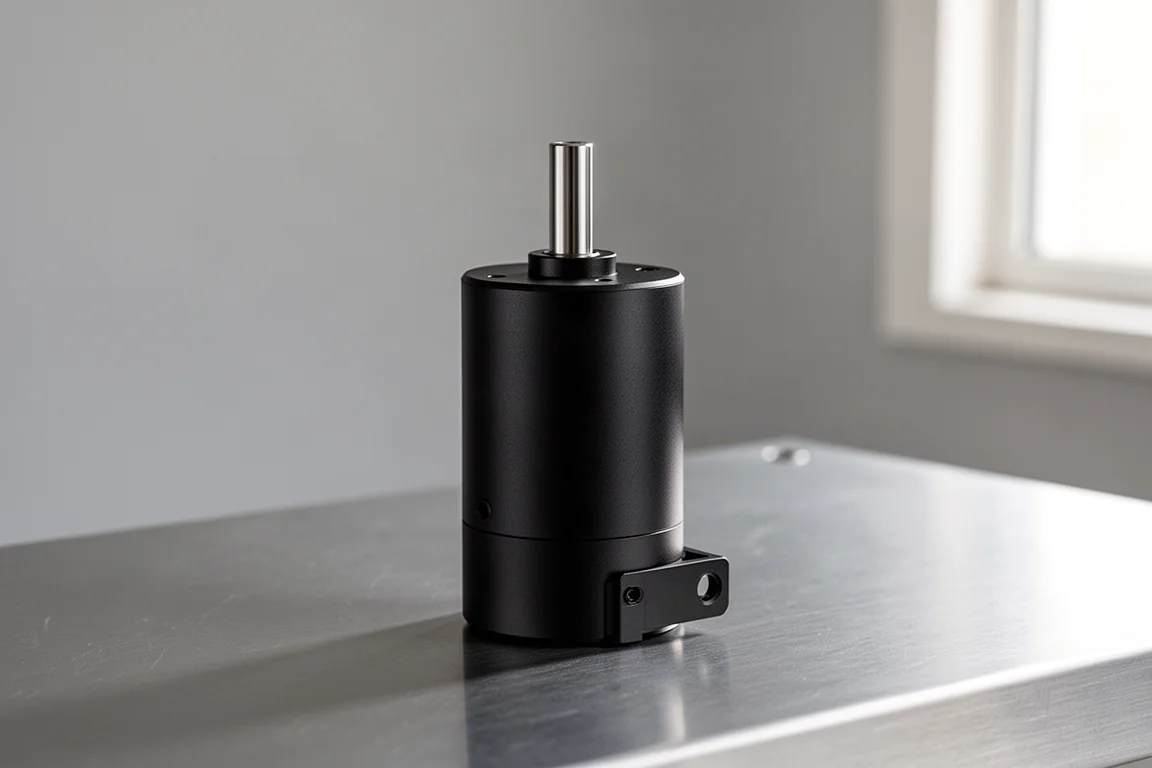
There is one detail to note: the new models use a smaller 4mm output shaft, so you may want to swap the coupling as well. However, ZWO has confirmed that with the specialty brackets for Takahashi telescopes and Celestron C8 through C14, this may not be necessary, as those use 5mm output shafts.
ZWO EAFN: The Refined Everyday Autofocuser
The EAFN is an iteration on an already tried-and-true electronic autofocuser. It keeps the core experience that made the EAF line popular and modernizes it with USB Type-C, the improved 1:128 gear reduction, micron level precision, and a body that is about 22% lighter than the EAF 5V.
For anyone taking their first steps into automation and remote control of an imaging setup, the EAFN covers the fundamentals without changing how the EAF concept works.
ZWO EAF Pro: Going Fully Wireless
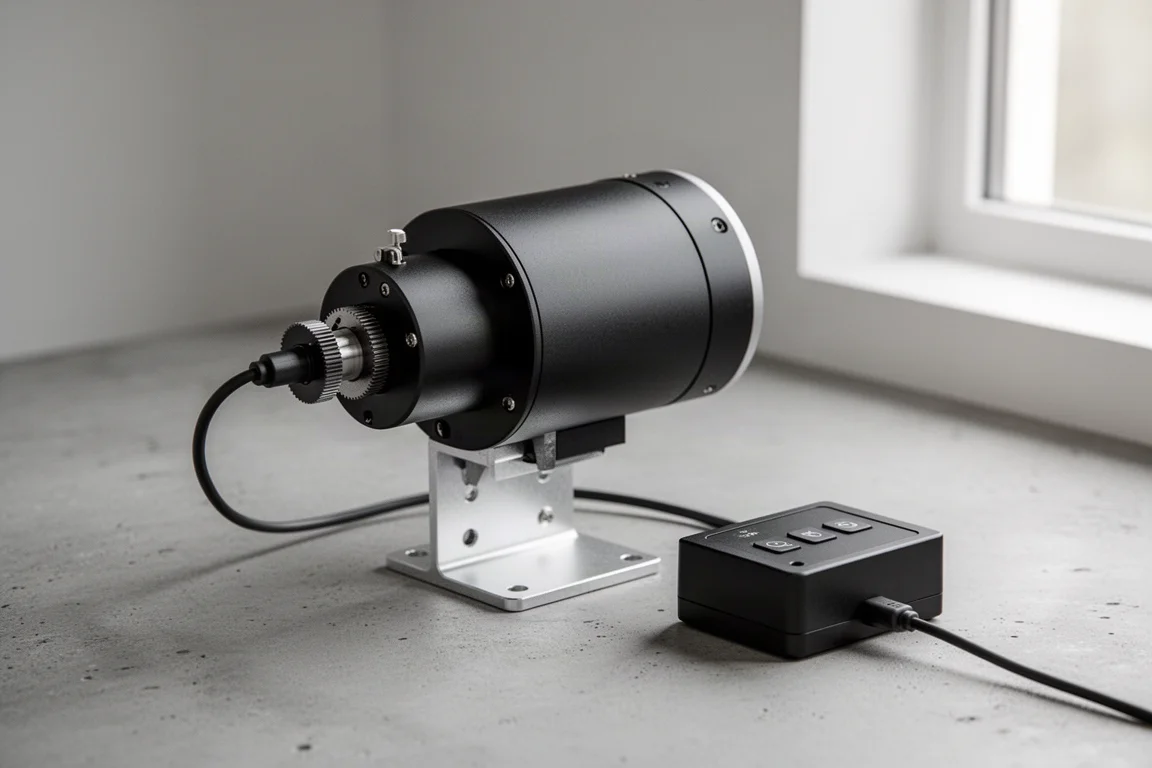
The EAF Pro is an escalation rather than an iteration, bringing two new features to the EAF line. The first is immediately apparent: manual adjustment buttons on the housing itself. This matters because installing an EAF normally takes away focus control through the focus knob, and these buttons give you a quick way to make manual adjustments without reaching for the computer.
The standout feature, though, is wireless functionality. With a Bluetooth module and a built-in battery, the EAF Pro can work with a ZWO air camera completely wirelessly, with no power cable and no data cable. ZWO states that you can run this configuration over seven consecutive eight-hour nights while autofocusing twice an hour, which adds up to more than 100 total focus adjustments. That should satisfy even the most demanding imaging schedules.
Overall Buying Advice
If your imaging rig already runs on cables and you simply want modern autofocusing at a lower weight, the EAFN is the straightforward choice, and it keeps compatibility with your existing EAF bracket. If you are drawn to ZWO’s cable-free philosophy, run a ZWO air camera, or value quick manual adjustments at the eyepiece position, the EAF Pro justifies the step up with its Bluetooth module, built-in battery, and onboard manual buttons.
Either way, both units share the same mounting compatibility and precision improvements, so you are choosing based on how wireless you want your setup to be.
Conclusion
The EAFN and EAF Pro make a solid case for moving the electronic autofocuser from optional accessory to essential part of an astrophotography build. With USB Type-C, finer gear reduction, lighter bodies, and, on the Pro, genuine wireless operation across multi-night imaging runs, this generation refines a proven concept rather than reinventing it. For remote and automated imaging, that refinement lands at exactly the right time.
Further reading
Related Reviews
Astrophotography
ASKAR FRA400C Review: A Versatile 400mm Refractor for Astrophotography and More
The ASKAR FRA400C is a compact 72mm refractor that balances reach, versatility, and portability for astrophotographers and visual observers.
Astrophotography
Askar SQA106 Review: A Premium 106mm Astrograph With Exceptional Optics
The Askar SQA106 is a premium 106mm quintuplet astrograph with impressive sharpness across full-frame sensors, though its price and weight demand careful consideration.
Astrophotography
Astro Imaging Gear 2026: Eight New Products Worth Watching
A look at the most interesting new astrophotography and astronomy products announced this year, from fast telescopes to smart cameras and wireless accessories.