Astrophotography
ZWO CAA Rotator Review: Electronic Camera Rotation for Repeatable Astrophotography Framing
An electronic camera angle rotator that lets you dial in framing through software, with plate-solve matching for multi-night projects.
Introduction
If you have ever framed a nebula or galaxy, you know that camera angle matters. Whether you want the Pillars of Creation oriented vertically or you need to match the framing from a previous night, it usually means loosening adapters, rotating the camera by hand, tightening everything back down, and hoping you did not introduce tilt in the process.
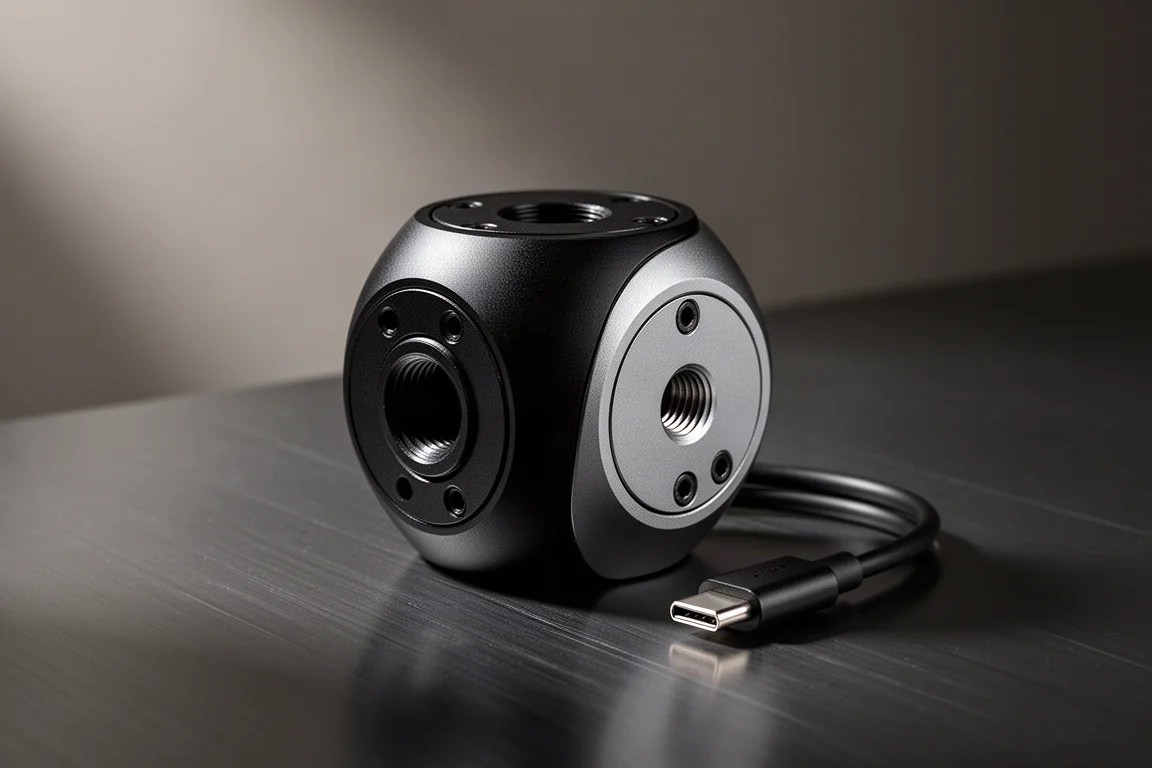
The ZWO CAA is an electronic camera rotator designed to remove that step entirely. It sits in your imaging train and lets you rotate the camera through software, so you can dial in composition without taking the rig apart.
Who This Product Is For
The CAA is aimed at deep-sky imagers who care about framing and repeatability. If your projects span multiple nights, or you tear down and set up between sessions, manual rotation quickly becomes the weak link in your workflow.
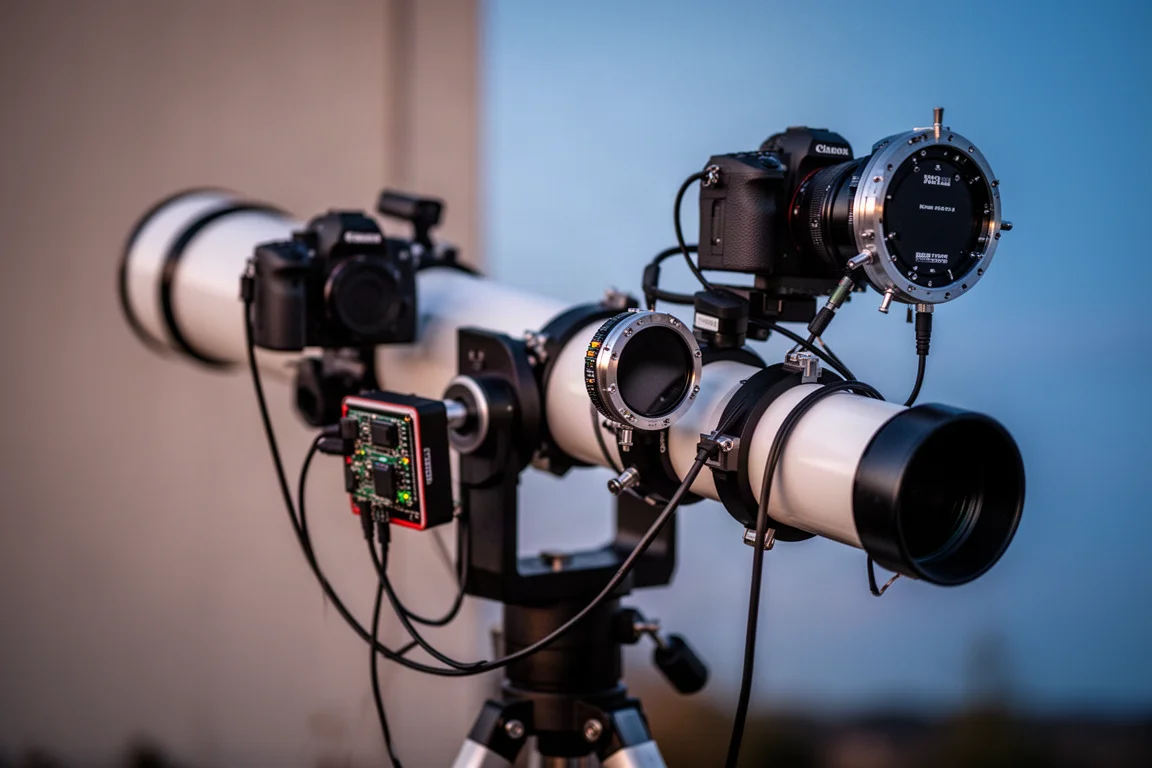
It is also a natural fit for anyone already invested in the ZWO ecosystem, since the CAA is designed to work alongside the ASIair for automated framing control.
Main Strengths
The headline spec is 360 degrees of rotation with positioning accuracy better than 0.1 degrees. Rotation speed reaches up to 7.5 degrees per second, so changing framing is quick but still precise.
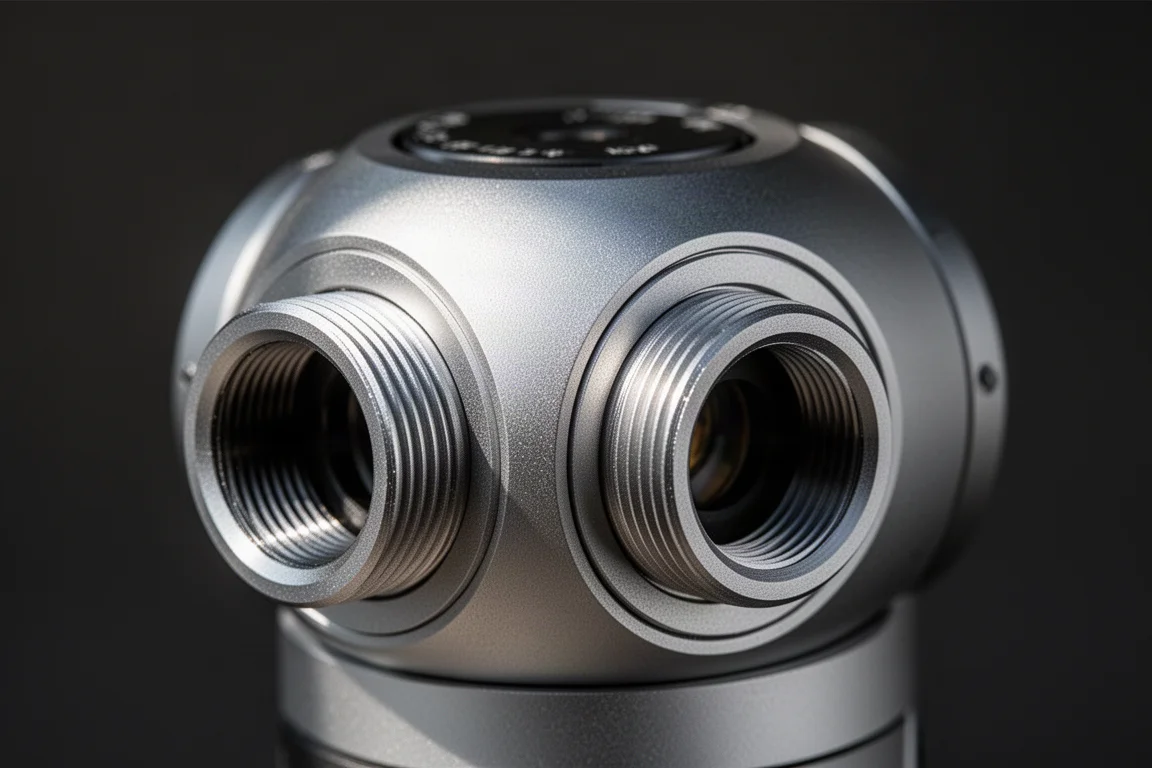
The real benefit shows up in multi-night and multi-target imaging. When paired with the ASIair, the CAA can use plate solving to match a previous camera orientation and line up your new data with the old data. That is a significant advantage for projects that stretch across several clear nights, particularly if you need to disassemble and reassemble your setup between sessions.
Cable management is refreshingly simple. One USB-C cable handles both power and data, and the CAA works with ASIair and ASCOM software. There is also a port for the optional ZWO hand controller if you prefer manual control.
Things to Consider Before Buying
The CAA is compact at just 16.5 mm thick, weighing 1 lb, with a 48 mm clear aperture. It includes M54 and M48 camera-side connections, with an optional M42 adapter available separately.
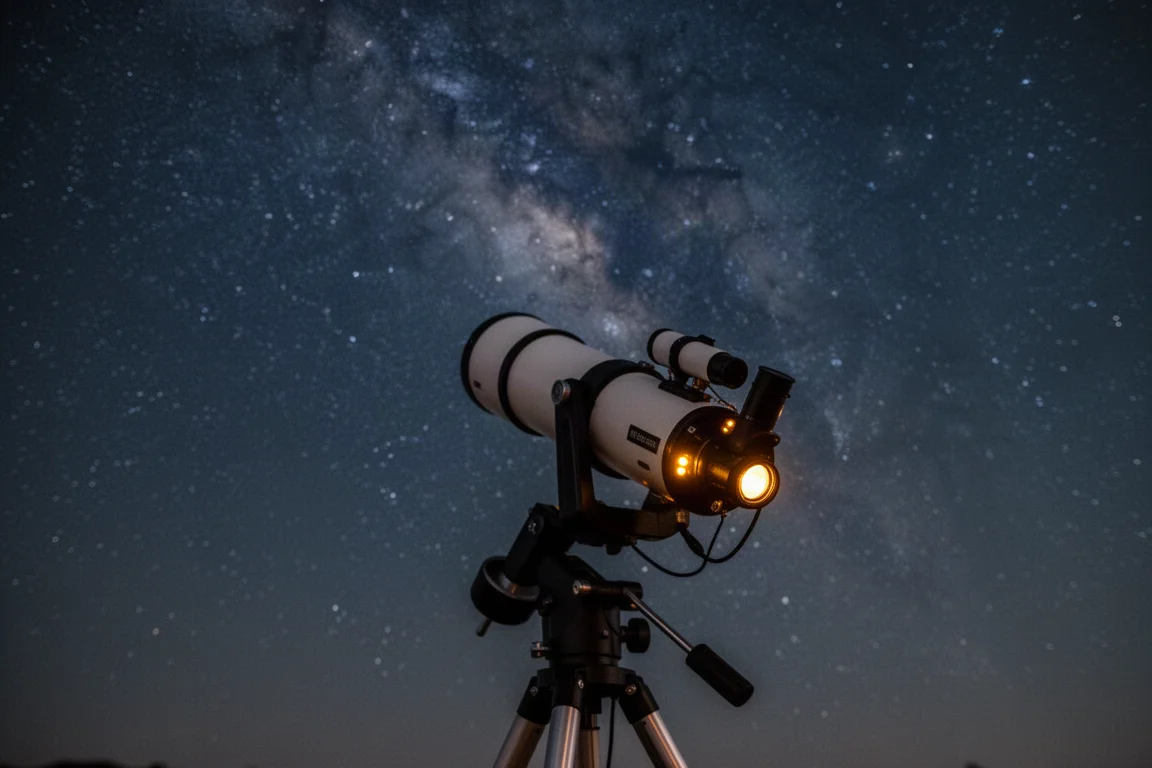
The key planning consideration is back focus. The CAA consumes 16.5 mm of back focus, so if you are running a mono camera with a filter wheel and off-axis guider, you will likely exceed the standard 55 mm of back spacing. To make room, ZWO recommends using a separate guide scope or choosing one of the ZWO duo or Air cameras, such as the ASI 2600 MC Air or ASI 585 MC Air, which already have the guide camera and ASIair built in.
Buying Advice
Before ordering, map out your imaging train and confirm you have the 16.5 mm of back focus to spare. If you shoot mono with a full filter wheel and off-axis guiding, plan on switching to a guide scope or an integrated duo/Air camera to keep the total spacing within budget.
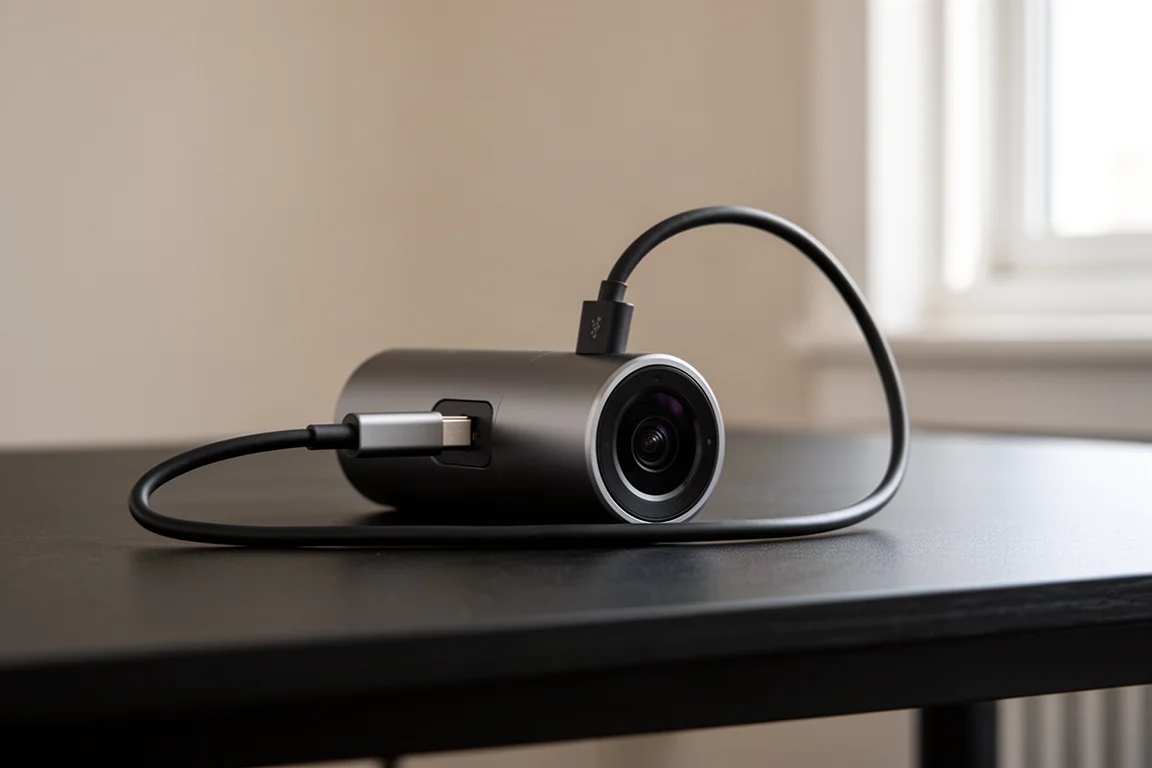
If your back focus works out, the CAA is an easy recommendation for repeatable framing. It removes one more manual step from your setup and makes multi-night projects noticeably smoother.
Conclusion
The ZWO CAA is all about repeatable framing, smoother multi-night projects, and taking one more hands-on task out of your imaging routine. For deep-sky imagers who fight with camera angle night after night, it is a purposeful upgrade that earns its place in the imaging train.
Product link
View more details for ZWO CAA Rotator
This product is mentioned in the review. Check the specifications, options, and compatibility before buying.
View more details for ZWO CAA RotatorFurther reading
Related Reviews
Astrophotography
ASKAR FRA400C Review: A Versatile 400mm Refractor for Astrophotography and More
The ASKAR FRA400C is a compact 72mm refractor that balances reach, versatility, and portability for astrophotographers and visual observers.
Astrophotography
Askar SQA106 Review: A Premium 106mm Astrograph With Exceptional Optics
The Askar SQA106 is a premium 106mm quintuplet astrograph with impressive sharpness across full-frame sensors, though its price and weight demand careful consideration.
Astrophotography
Astro Imaging Gear 2026: Eight New Products Worth Watching
A look at the most interesting new astrophotography and astronomy products announced this year, from fast telescopes to smart cameras and wireless accessories.