Astrophotography
ZWO ASI 6200MM Pro Review: Is a Monochrome Astronomy Camera Worth the Extra Work?
A cooled full-frame monochrome astronomy camera that captures stronger signal per channel, at the cost of filters, extra hardware, and a heavier workflow.
Introduction
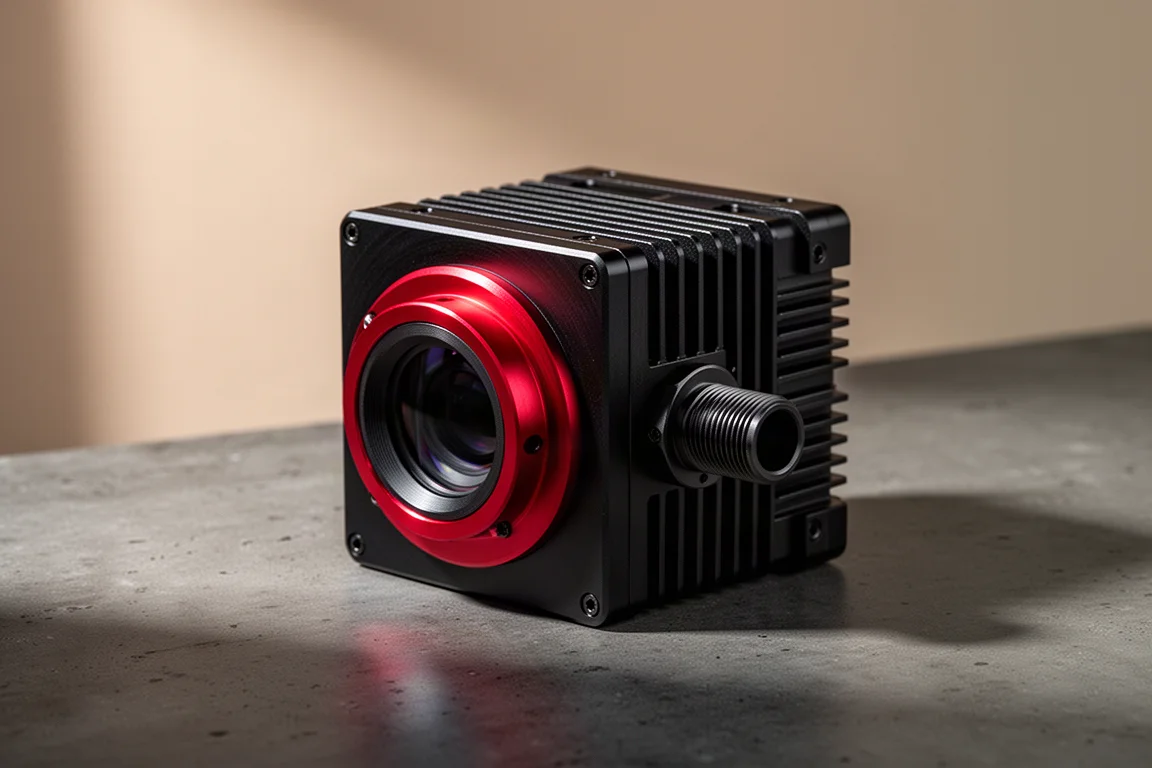
Choosing between a color and a monochrome astronomy camera is one of the first big decisions in deep sky astrophotography, and it shapes everything that follows: your hardware, your workflow, and how many hours you spend stacking files. The ZWO ASI 6200MM Pro is a cooled monochrome astronomy camera built for imagers who want the strongest possible signal in every exposure, and it sits firmly on the demanding end of that choice.
This review looks at what shooting mono actually involves, where the 6200MM Pro shines, and whether the payoff justifies the extra effort. The comparison context matters: a monochrome camera does not automatically sort incoming photons into red, green, and blue buckets the way a one-shot color camera does. Instead, you shoot through a minimum of three filters and assemble the color image yourself, one channel at a time. That is the trade at the heart of this camera.
Who This Camera Is For
The 6200MM Pro is aimed at serious deep sky imagers, particularly those working on narrowband projects from home observatories. If you build an image over many nights, capturing the best possible signal in each channel is exactly what this camera is designed to deliver.
Beginners should look elsewhere first. A color camera, whether a DSLR or a dedicated one-shot-color astronomy camera, delivers a full color image in a single exposure with no filter wheel and no filter set, and it remains the recommended starting point for anyone new to the hobby. Mono is an upgrade for when you have outgrown that convenience.
Main Strengths
The core advantage is signal quality. The RGB Bayer pattern on a one-shot color camera is comparatively inefficient, leaving usable signal on the table in every exposure. A monochrome sensor captures everything, so the combined RGB channels from a mono camera will always look better than a single exposure from an equivalent color camera.
In direct comparisons of single 150-second exposures through matching red and green channels, the monochrome data showed a clearly stronger signal than the same channel from the color camera. Even in uncalibrated, lightly stretched frames, the difference was visible, and the green channel comparison, which favors the color camera’s Bayer design, still went to mono.
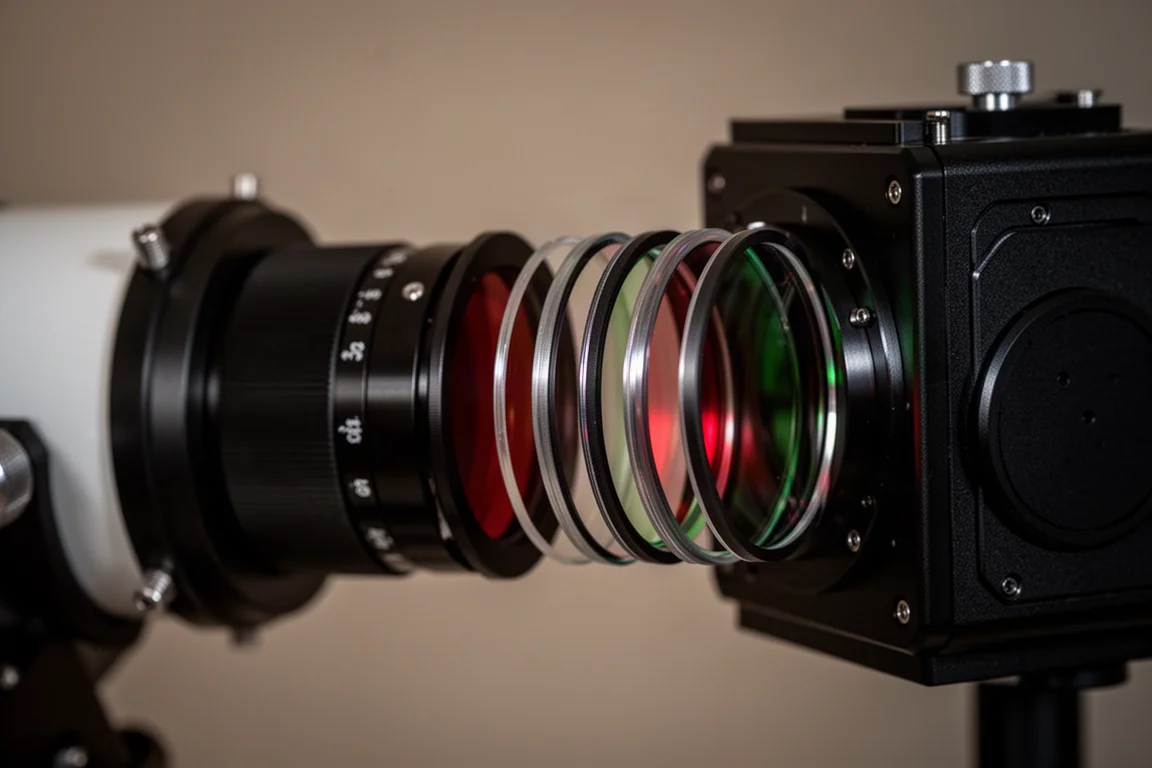
The camera also integrates well into a typical monochrome workflow. It sits behind an electronic filter wheel loaded with LRGB filters, controlled by software such as N.I.N.A. or the ASIAIR, which handles filter selection and sequencing. For narrowband imaging, where the project is built through specialized filters anyway, shooting mono simply makes sense: capturing a fraction of the signal in each shot with a color camera would undercut the entire technique.
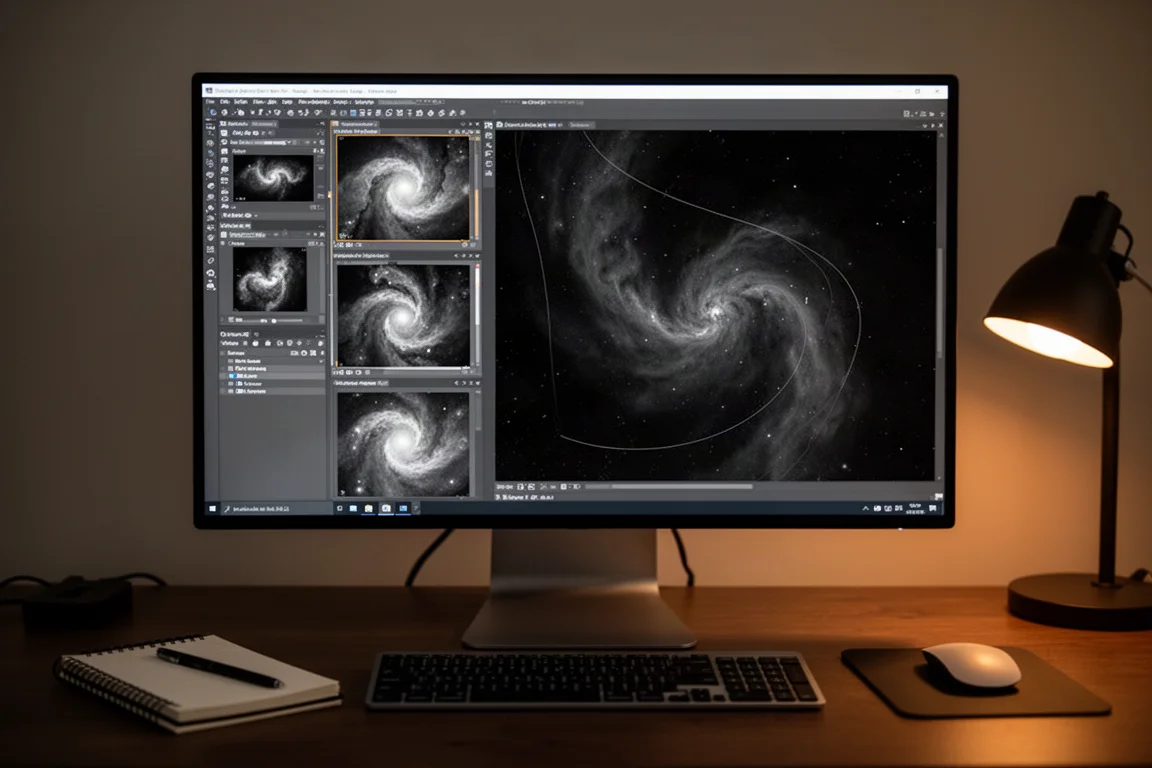
One practical note: a single exposure from the ASI 6200MM Pro runs over a hundred megabytes, so storage and file management need planning. Mono work also means roughly four times the file volume of a color session.
Things to Consider Before Buying
The honest downside is workload. Shooting mono means shooting through at least three filters, capturing as many exposures as you can through each, plus a luminance pass, and taking matching calibration frames such as flats for every filter. Stacking software then combines the data one color at a time, and the grayscale frames are aligned into the appropriate RGB channels to produce the final image.
That is more hardware, a more involved pre-processing routine, and far more files. Refocusing between filters and shooting multiple sets of flats adds real session time. In head-to-head single-frame comparisons, a lone color exposure can even hold its own against an LRGB combination at that stage, partly because the mono combination carries four times the total exposure time.
There is also a practical caution: calibration frames need to match your setup. If you swap cameras mid-session, flats taken later may not align with the dust positions of the earlier mono frames, which can compromise the final stacks.
Buying Advice
If you currently own a color camera, make the most of it first. There is a great deal you can accomplish in processing to compensate for any lack of detail, and the simplified capture workflow keeps you outside enjoying the rig instead of managing files. Starting with a monochrome camera is not recommended, even if that is an unpopular position.
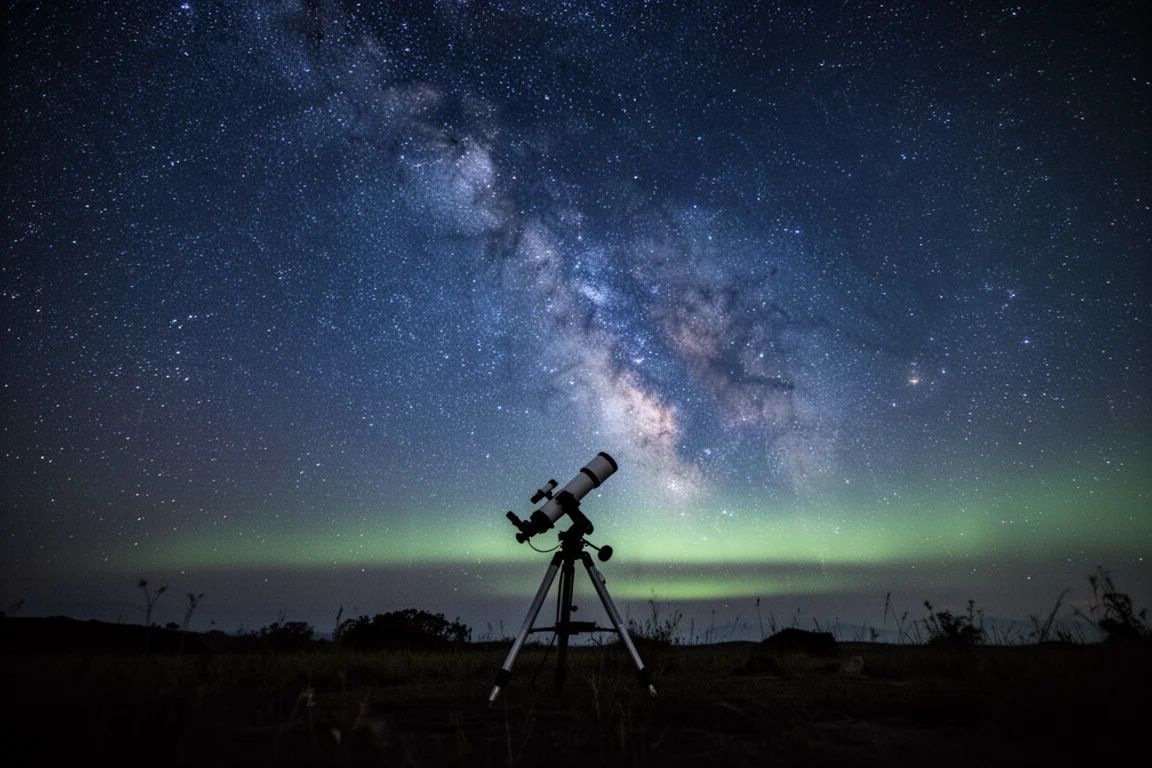
When you do transition, the timing matters. At a dark sky site shooting a broadband wide-field target, even an hour of integration can produce a beautiful image, and mono means twice the work for a modest gain. From the backyard on a narrowband project, however, this camera earns its keep every night. And the first sub-exposure through a hydrogen alpha filter with a mono camera is genuinely memorable.
Conclusion
The ZWO ASI 6200MM Pro delivers measurably better signal in every channel, and for narrowband and long-term deep sky projects it is the right kind of tool. The cost is not just financial: expect a filter wheel, a full filter set, four times the files, and a heavier pre-processing routine. For imagers ready to make that commitment, it is a rewarding step up. For everyone else, a good one-shot-color camera remains the smarter first move.
Product link
View more details for ZWO ASI 6200MM Pro
This product is mentioned in the review. Check the specifications, options, and compatibility before buying.
View more details for ZWO ASI 6200MM ProFurther reading
Related Reviews
Astrophotography
ASKAR FRA400C Review: A Versatile 400mm Refractor for Astrophotography and More
The ASKAR FRA400C is a compact 72mm refractor that balances reach, versatility, and portability for astrophotographers and visual observers.
Astrophotography
Askar SQA106 Review: A Premium 106mm Astrograph With Exceptional Optics
The Askar SQA106 is a premium 106mm quintuplet astrograph with impressive sharpness across full-frame sensors, though its price and weight demand careful consideration.
Astrophotography
Astro Imaging Gear 2026: Eight New Products Worth Watching
A look at the most interesting new astrophotography and astronomy products announced this year, from fast telescopes to smart cameras and wireless accessories.