Astrophotography
ZWO ASI585MC-Air and Askar V: A Compact Deep Sky Imaging Pair Worth a Close Look
The ASI585MC-Air brings the ASIAir platform into a beginner-friendly all-in-one camera, and paired with the modular Askar V it forms a tidy deep sky travel rig.
Introduction
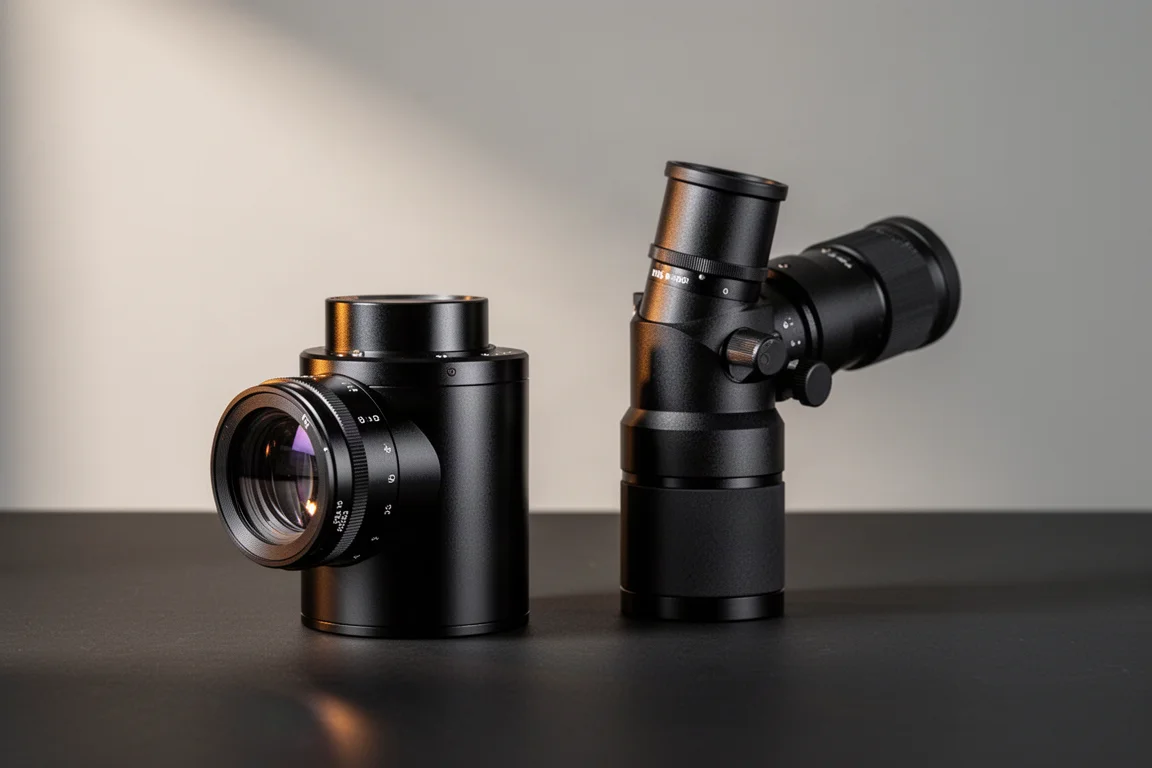
Some astrophotography setups grow complicated fast: a camera here, a guide camera there, a power box, a pile of cables, and a laptop balancing on a camp stool. The ZWO ASI585MC-Air takes a different approach by folding much of that workflow into a single camera body, and when it is paired with a flexible scope like the Askar V, the result is one of the tidier deep sky rigs we have looked at recently.
This pairing makes sense for anyone moving from a DSLR or a beginner camera into dedicated astrophotography, especially if you like the idea of controlling everything from a single app.
ZWO ASI585MC-Air: An All-in-One Imaging Camera
The ASI585MC-Air is built around a Sony IMX585 sensor with 2.9 micron pixels and a full 4K resolution of 3840 by 2160 pixels. Those small pixels make it a natural match for telescopes in the medium focal length range of roughly 700 to 800mm, which puts you just under one arcsecond per pixel, a comfortable sampling point for average seeing conditions.
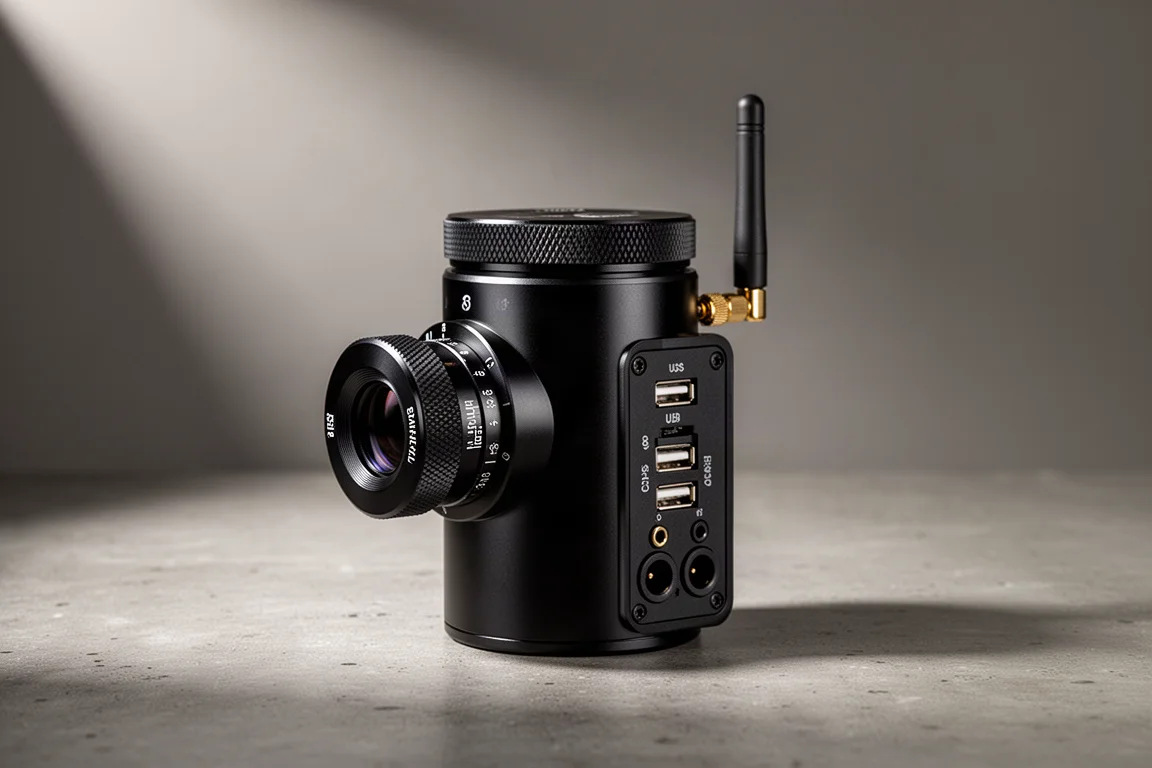
The headline feature is the integration. The camera combines Wi-Fi control, power distribution, and ZWO’s full capture software within the ASIAir app, so if you already know the ASIAir Plus interface, you will feel right at home. Same interface, same functions, fewer cables.
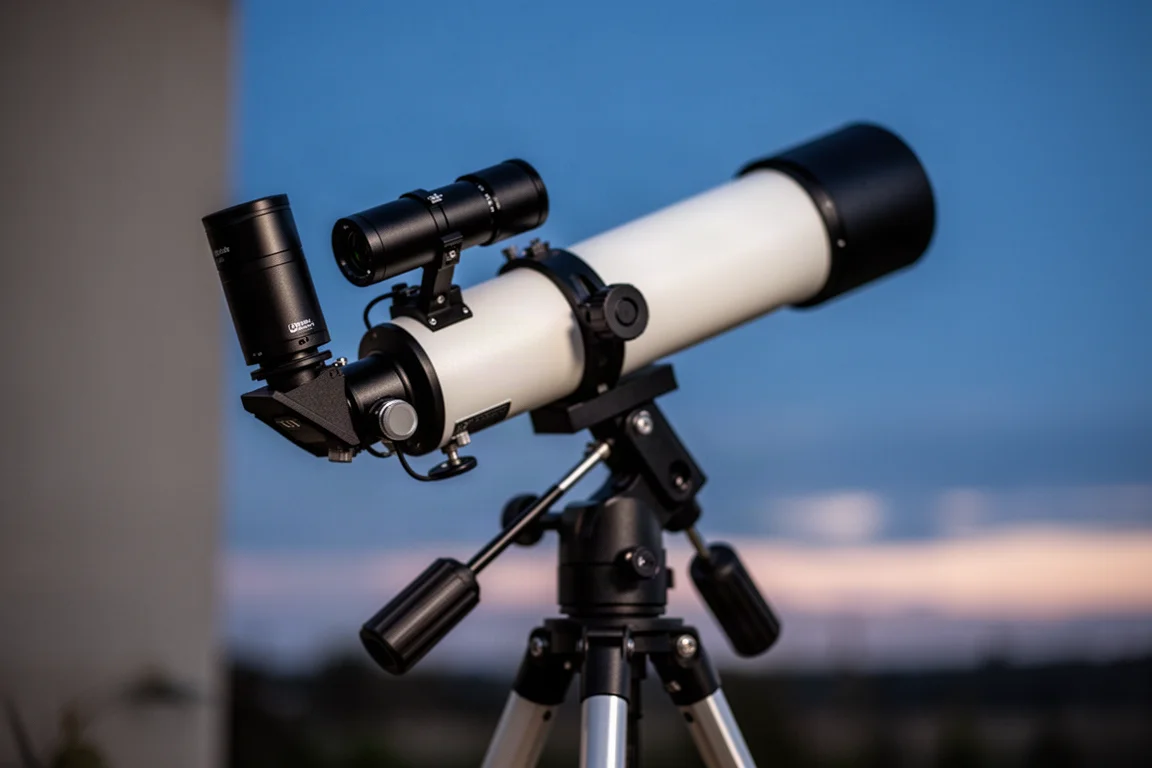
There is also a built-in guide camera that uses the same highly sensitive sensor as the ASI220 Mono, so guiding does not require a separate camera. Around the back you get a USB hub with several USB 2.0 ports plus two power input ports: one to power the camera itself and one to pass power to an accessory.
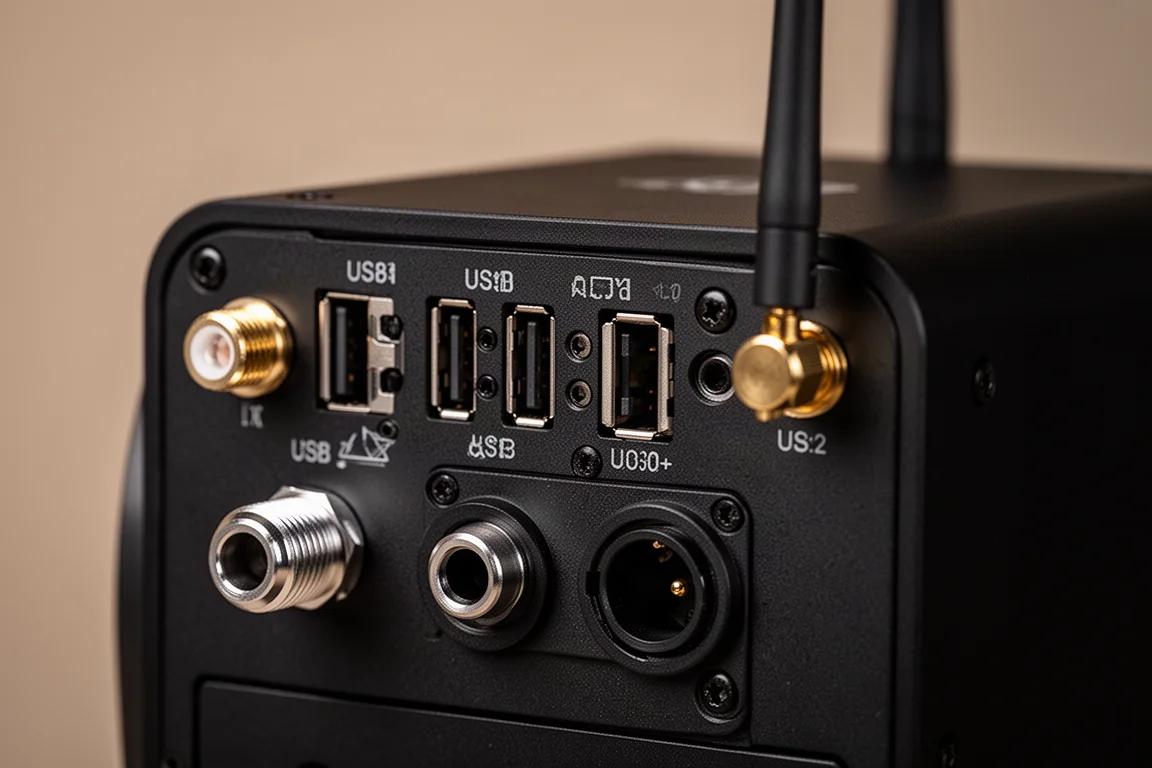
In the box you get a camera bag, a 1.5 meter male-to-female extension cable, a DC cable, a USB 2.0 cable, 55mm worth of spacers, an M42 to M48 threaded ring, a velcro strap, an antenna, and a hex key. It is a complete kit out of the gate.
Askar V: One Refractor, Six Configurations
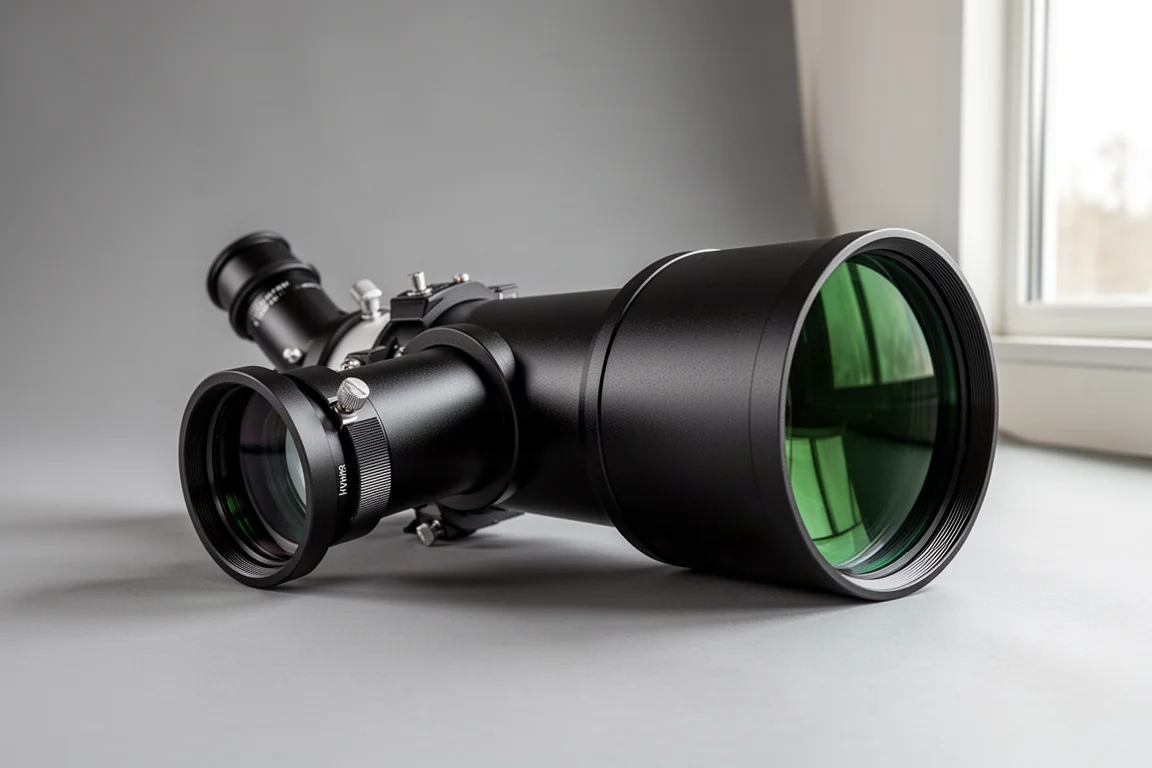
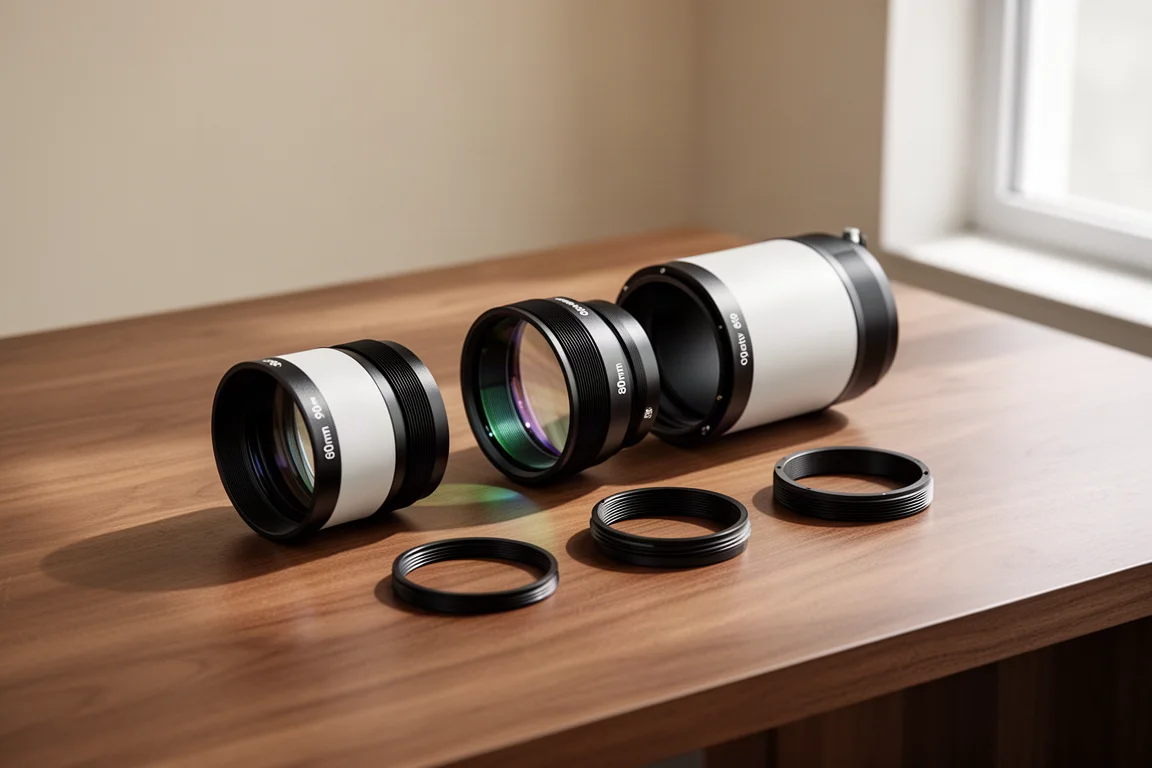
The Askar V is a modular refractor designed to adapt rather than be replaced. It ships with a 60mm objective and an 80mm objective, along with an extender, a focal reducer, and a field flattener, giving it six different focal length variations in one optical package.
That modularity is exactly why it pairs so well with a camera like the ASI585MC-Air. You can widen the field for large nebulae or extend the focal length when a target rewards more reach, all without swapping telescopes.
Why This Pairing Works
Matching a camera to a telescope comes down to pixel size and focal length. Using a 600mm focal length as an example, the ASI585MC-Air’s 2.9 micron pixels yield a resolution of about 1.0 arcsecond per pixel, a great sampling point for average seeing conditions.
For the test configuration, the Askar V was set up with the 80mm objective and the extender, bringing the focal length to 600mm. With average to slightly above average seeing, that combination was judged the ideal match for the 585MC-Air’s sensor.
Setting Up the Rig
Mounting the camera directly onto the Askar V is straightforward thanks to the standard 55mm of back spacing, which the included spacers cover. The camera was powered through the back of the AM5 mount’s hub using the included power cable, and an EAF focuser was powered and connected via the camera’s rear USB hub.
One of the nicest touches is that the ASI585MC-Air connects to the mount over Bluetooth, which cuts down on cable snags and keeps the whole rig remarkably simple. Everything worked without drama, which is exactly what you want from a travel-oriented setup.
Field Performance and Imaging Results
For the test target, the choice fell on a bright nebula favorite: the North American Nebula in Cygnus, home to the dense wall of ionized hydrogen known as the Cygnus Wall. That hydrogen structure fits perfectly within the ASI585 sensor’s frame, and the plan was to collect roughly 9 hours of total exposure over two clear nights.
Throughout the entire experience, the camera behaved as reliably as the ASIAir Plus and the 2600MC-Air. Reliability and consistency carried over unchanged, and the built-in guide camera guided very well even through a 3nm L-Ultimate filter, which is a demanding test for any guiding sensor.
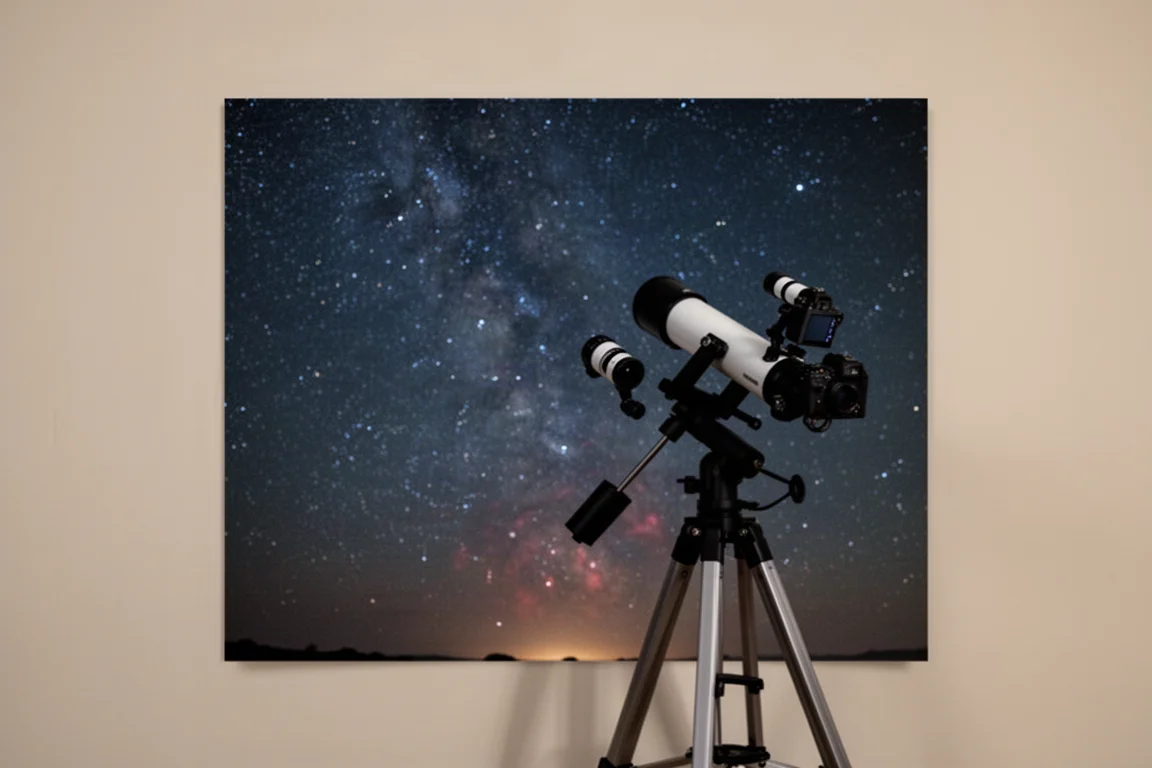
Whether you want a versatile all-in-one system for an astrophotography travel rig or a dedicated astronomy camera for medium focal length Newtonians and refractors, the ASI585MC-Air earns its place. It brings the trusted ASIAir platform into a more affordable, beginner-friendly form factor without sacrificing image quality.
Buying Advice
If your telescope sits in the 600 to 800mm range and you want to simplify your imaging workflow, the ASI585MC-Air is an easy recommendation. If you value flexibility across multiple focal lengths and want one scope that can serve wide-field and more reach, the Askar V justifies its modular design. Together they form a compact, cable-light powerhouse for deep sky imaging.
Conclusion
The ASI585MC-Air delivers the familiar ASIAir experience in an integrated camera that handles control, power, and guiding in one body. Paired with the Askar V’s six configurations, it makes a compelling case as a complete deep sky kit for anyone who would rather spend clear nights imaging than untangling cables.
Further reading
Related Reviews
Astrophotography
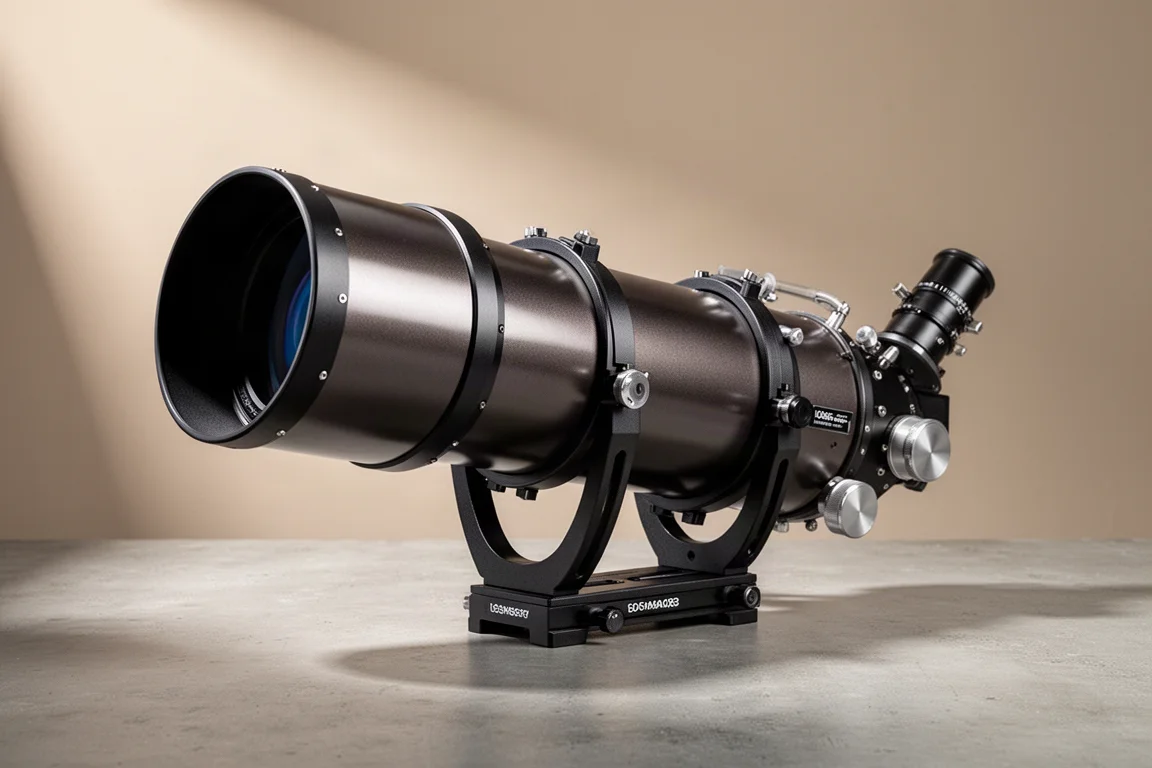
ASKAR FRA400C Review: A Versatile 400mm Refractor for Astrophotography and More
The ASKAR FRA400C is a compact 72mm refractor that balances reach, versatility, and portability for astrophotographers and visual observers.
Astrophotography
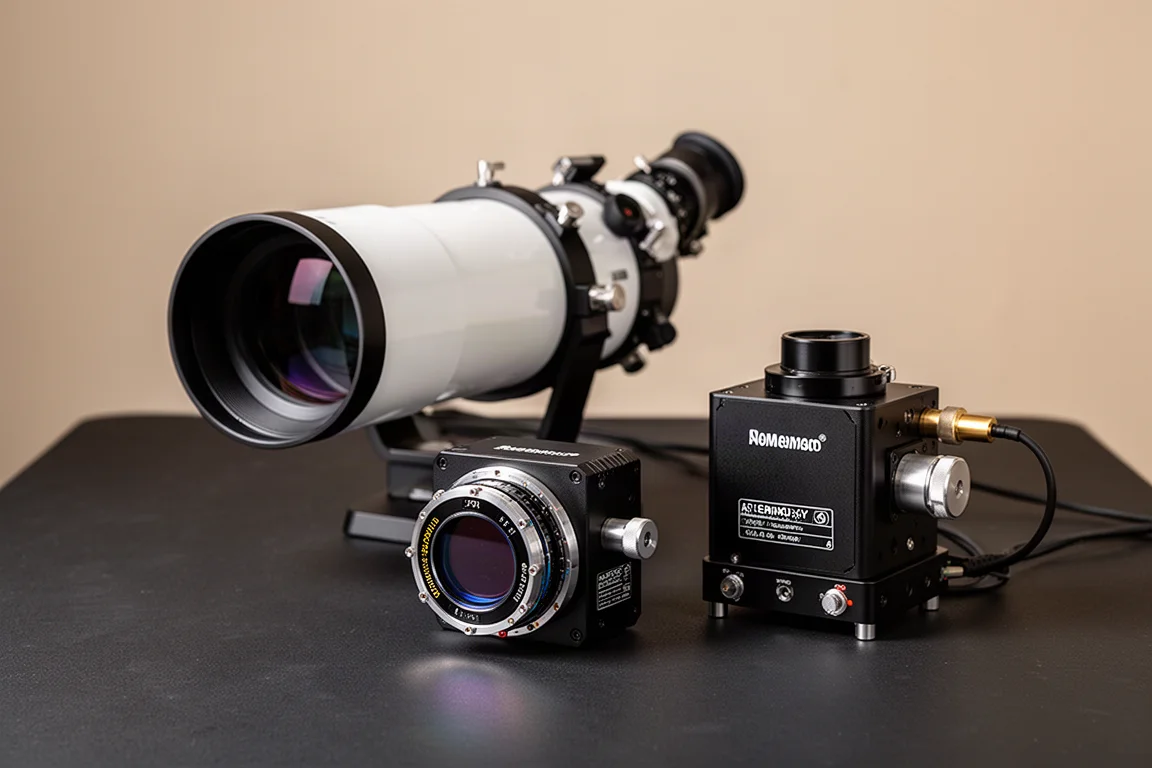
Askar SQA106 Review: A Premium 106mm Astrograph With Exceptional Optics
The Askar SQA106 is a premium 106mm quintuplet astrograph with impressive sharpness across full-frame sensors, though its price and weight demand careful consideration.
Astrophotography
Astro Imaging Gear 2026: Eight New Products Worth Watching
A look at the most interesting new astrophotography and astronomy products announced this year, from fast telescopes to smart cameras and wireless accessories.