Astrophotography
ZWO ASI585 MC Pro Review: An Affordable Cooled Astronomy Camera Worth a Close Look
The ASI585 MC Pro brings cooled sensor performance to the entry level of dedicated astrophotography cameras. Here is how it stacks up against the ASI533 MC Pro.
Introduction
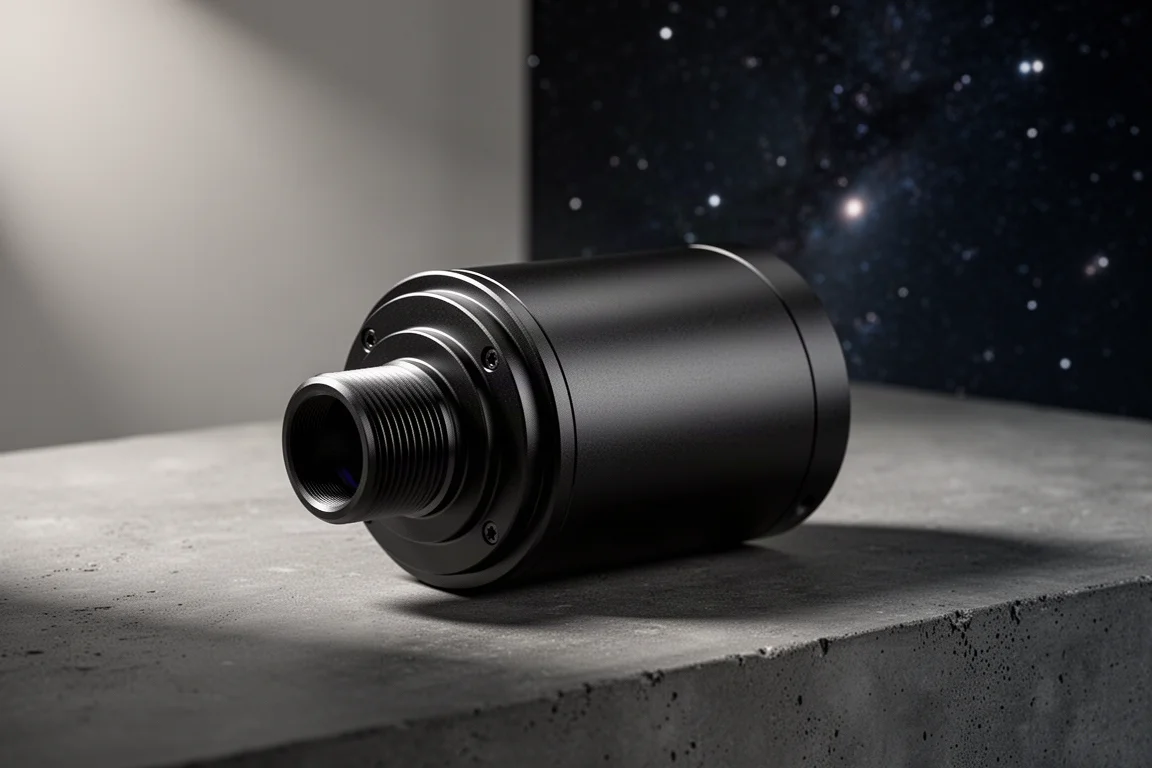
There is a new camera in town, and it is one of the most affordable cooled dedicated astronomy cameras ever made. The ZWO ASI585 MC Pro may have a tiny sensor, but that does not mean it cannot do what the big cameras can. If you are currently shooting with a DSLR and a dedicated astronomy camera is on your wish list, this compact one-shot color camera deserves a close look, alongside its older sibling, the ASI533 MC Pro.
Why the ASI585 MC Pro Matters for Beginners
The ASI585 MC Pro fills a gap in the beginner stages of the astrophotography journey. The ASI533 MC Pro used to hold down the best starter astrophotography camera category, and the smaller 585 now challenges it for that title. Its sensor was designed for long exposure deep sky work through a telescope, built for five minute exposures, duo narrowband filters, and live stacking targets like the Ring Nebula on a tablet.
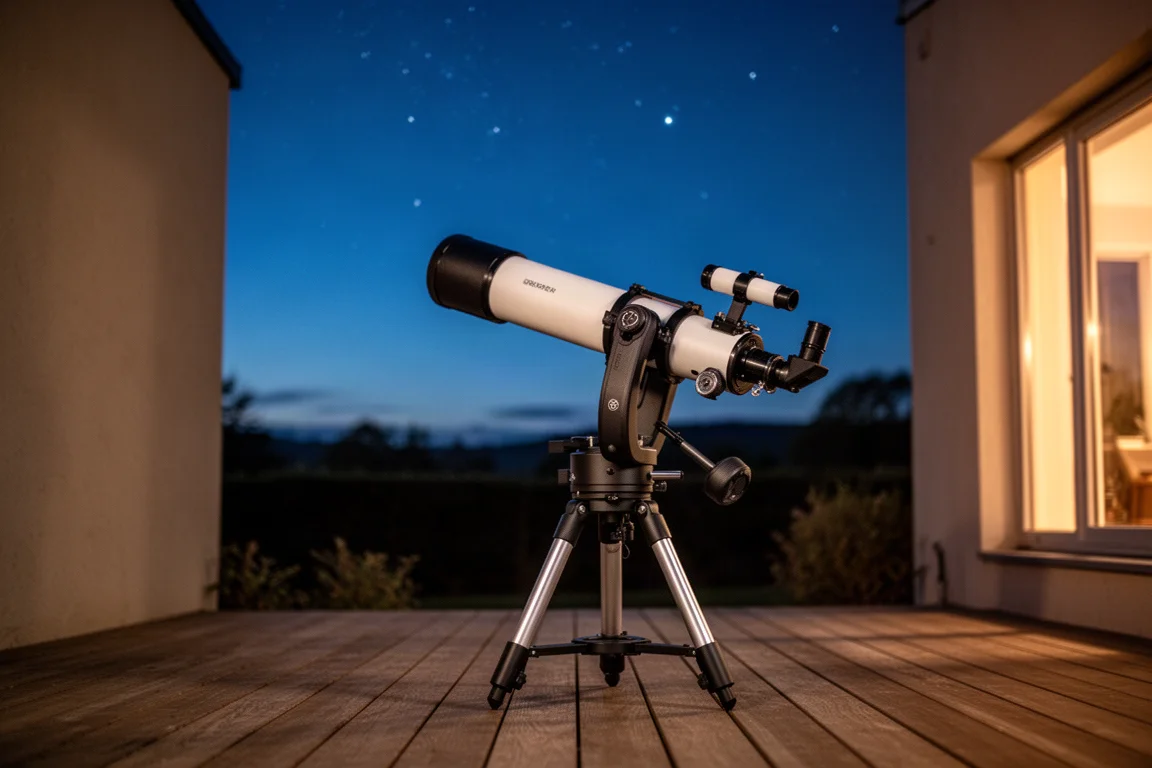
There is a learning curve when switching from a DSLR, which has a bigger sensor and is easier to control with lenses. But once you get to the other side, you will wonder how you ever lived without a highly sensitive sensor cooled to minus 10 degrees Celsius.
Planetary and Deep Sky Performance in One Camera
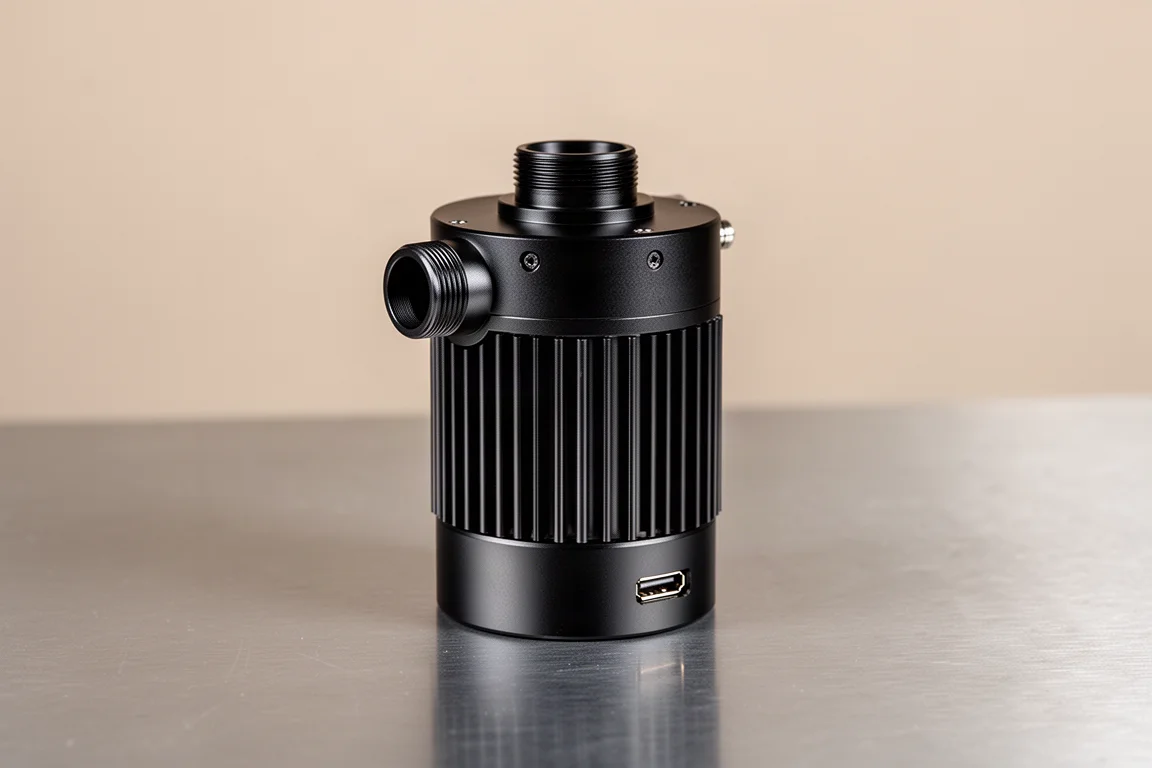
Why is the ASI585 MC Pro the cheapest option in this category? The catch is the size of the sensor, and possibly the 12-bit ADC. A small sensor has pros and cons. It is great for planets, where you need a high frame rate, and this camera can do almost 50 frames per second at its native resolution. A camera equally capable of planetary imaging and deep sky imaging is genuinely rare.
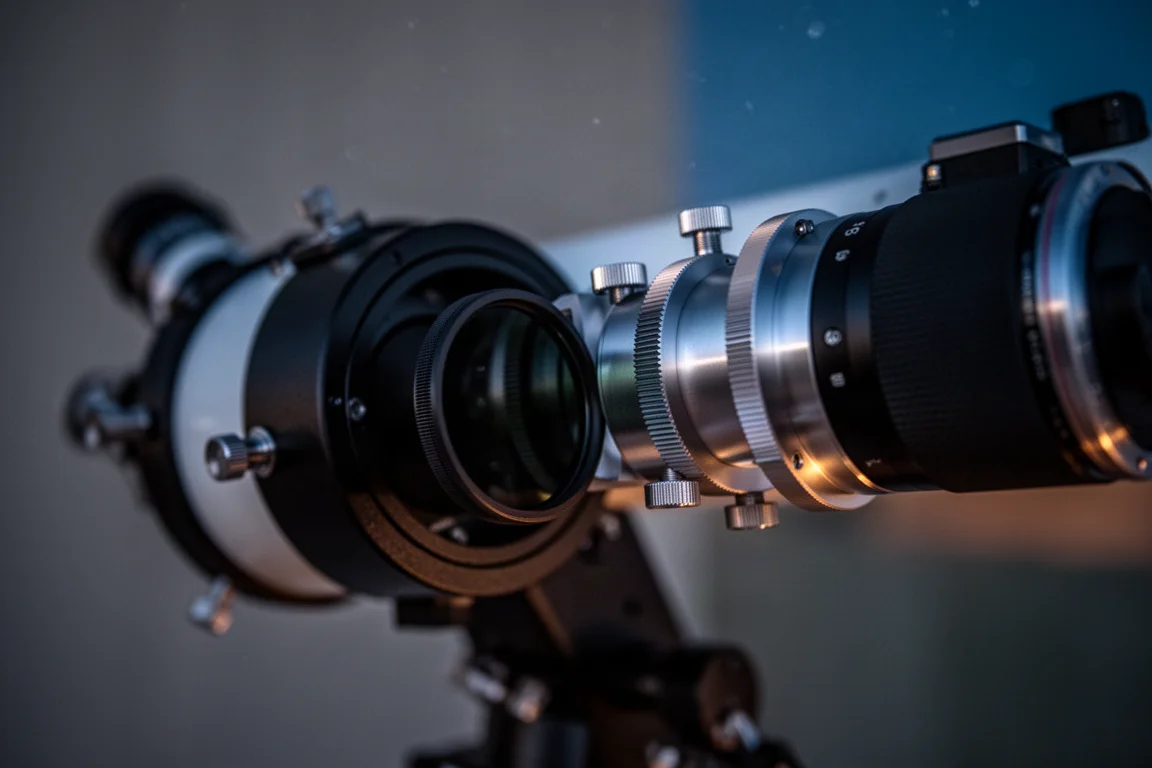
For deep sky imaging, the field of view can feel a little limited compared to a DSLR through the same telescope, so it is something you need to plan around. The pixel size is 2.9 microns, which is best used with a telescope in the 250 to 600 mm range. The 12-bit ADC is a frequent debate topic among astrophotography communities: compared to the more expensive 14-bit ASI533 MC Pro, you could achieve a higher dynamic range with the 533. In practice, these specs do not make as much difference in the final image as you might think, but they are worth keeping in mind.
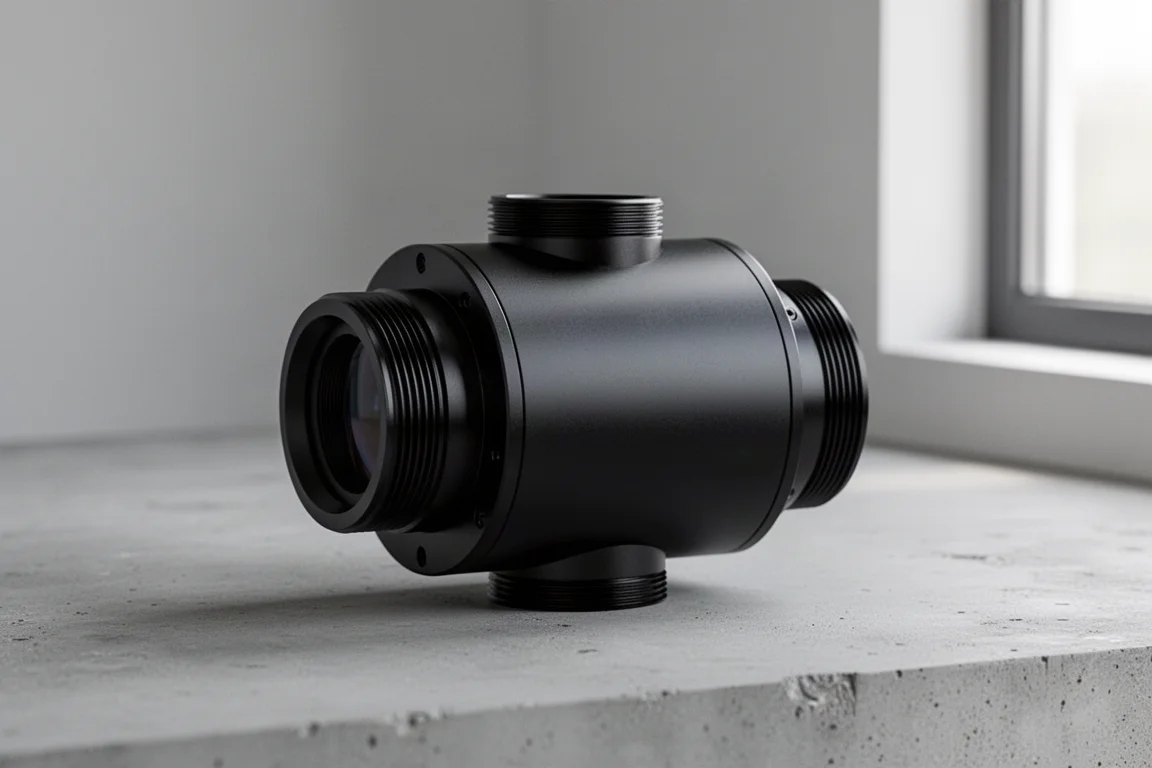
A Great Fit for Live Stacking and Outreach
Two things about the ASI585 MC Pro stand out. First, it makes a perfect live stacking camera for outreach or just fun in the backyard. The 533 MC Pro has been a favourite for this purpose, but the 585 may do even better, because you can add a Barlow lens, hop over to a planet, and benefit from the high frame rate. Second, the 4K image resolution is an ideal format for image reveals, where the square sensor of the ASI533 made displaying final images a bit awkward.
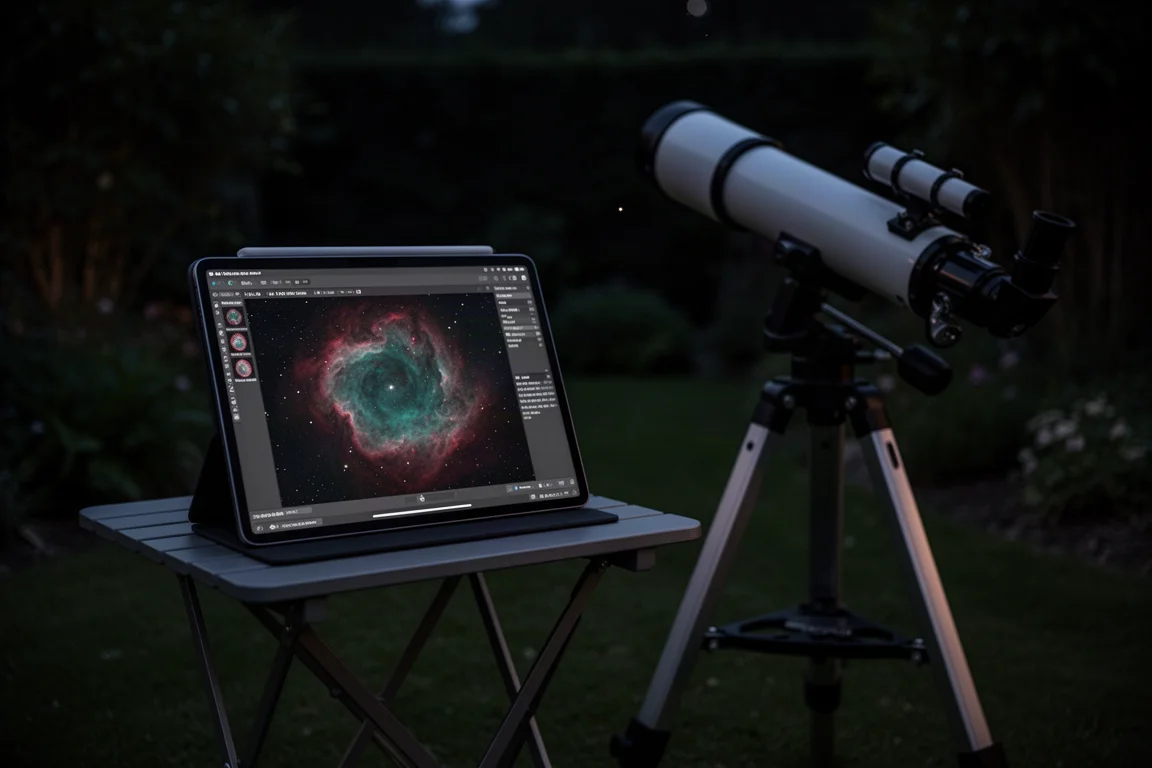
Real-World Imaging Results
The camera was put to work on a deep sky project targeting Sharpless 112, an emission nebula in Cygnus, using a 640 mm focal length refractor at f/5.6 with a duo narrowband filter, under a full moon shooting toward the city. The unprocessed stack of about sixty 3-minute subframes looked promising, with data that was not overly noisy despite noticeable gradients from the difficult conditions. Reviewing the raw subs frame by frame is a useful habit, and it is the best way to see what is really going on in your data before processing.
On a second night with a large 300p reflector capturing the Crescent Nebula, each subframe looked incredible as it came through, though a few odd subframes with a brightening event and artifacts appeared during the session. The cause is unclear, possibly the sensor adjusting to the ambient temperature, and the final Crescent Nebula image still turned out great. It is a small anomaly worth knowing about, but overall the early results are encouraging.
Buying Advice
The ASI585 MC Pro makes sense if you want an affordable cooled camera that handles both planetary and deep sky work, especially for live stacking, outreach, and targets that fit a smaller field of view. The ASI533 MC Pro remains the stronger pick if you want a larger square sensor, a wider field of view, and the potential dynamic range advantage of a 14-bit ADC, and you are willing to pay more for it. Choose based on your typical targets: small, bright planetary subjects and compact nebulae favour the 585, while broader deep sky fields favour the 533.
Conclusion
The ZWO ASI585 MC Pro proves that a tiny sensor does not hold back serious astrophotography. With a cooled, sensitive sensor, a rare combination of planetary frame rates and deep sky capability, and an entry-friendly price position, it is a compelling first dedicated astronomy camera. Pair that choice with the ASI533 MC Pro when a larger sensor and higher bit depth matter more to your imaging style, and either path will put you firmly on the other side of that learning curve.
Further reading
Related Reviews
Astrophotography
ASKAR FRA400C Review: A Versatile 400mm Refractor for Astrophotography and More
The ASKAR FRA400C is a compact 72mm refractor that balances reach, versatility, and portability for astrophotographers and visual observers.
Astrophotography
Askar SQA106 Review: A Premium 106mm Astrograph With Exceptional Optics
The Askar SQA106 is a premium 106mm quintuplet astrograph with impressive sharpness across full-frame sensors, though its price and weight demand careful consideration.
Astrophotography
Astro Imaging Gear 2026: Eight New Products Worth Watching
A look at the most interesting new astrophotography and astronomy products announced this year, from fast telescopes to smart cameras and wireless accessories.