Astrophotography
ZWO ASI2600MC Duo vs ASI2600MC Pro: Built-In Guiding Changes the Game
The ASI2600MC Duo folds a guide sensor into a proven one-shot-color imaging camera, but it needs the right telescope to shine. Here is how it compares with the ASI2600MC Pro.
Introduction
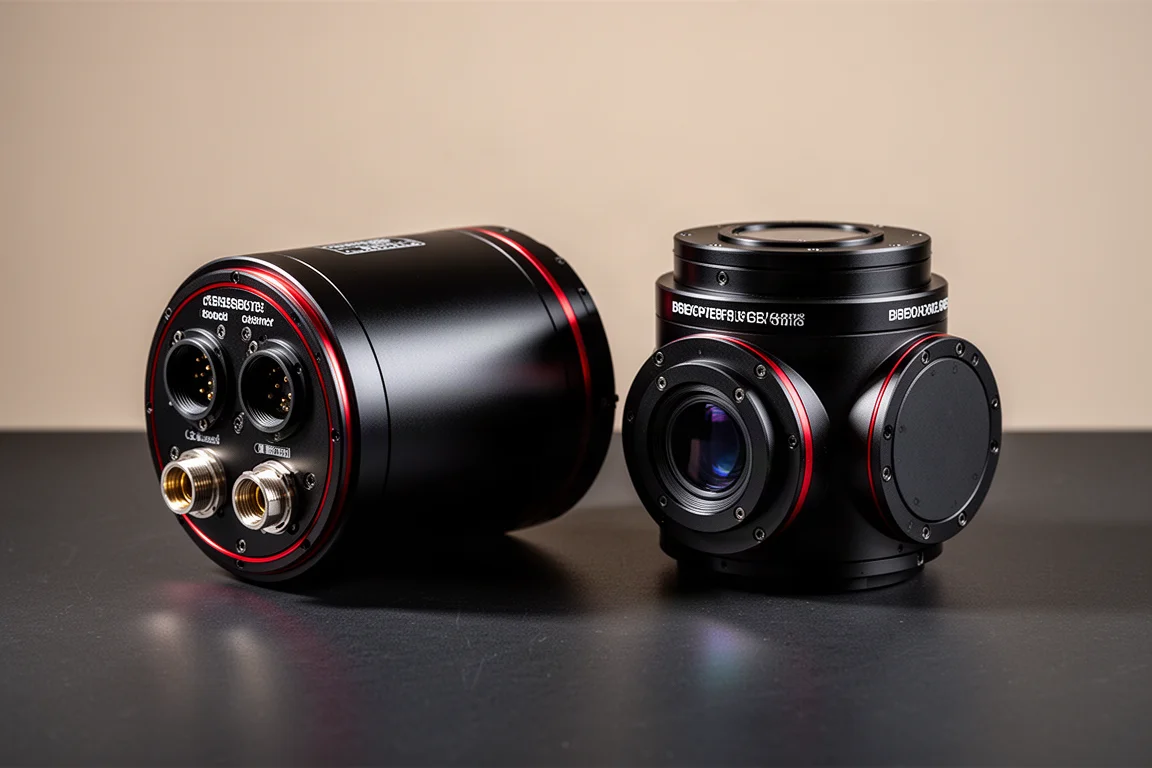
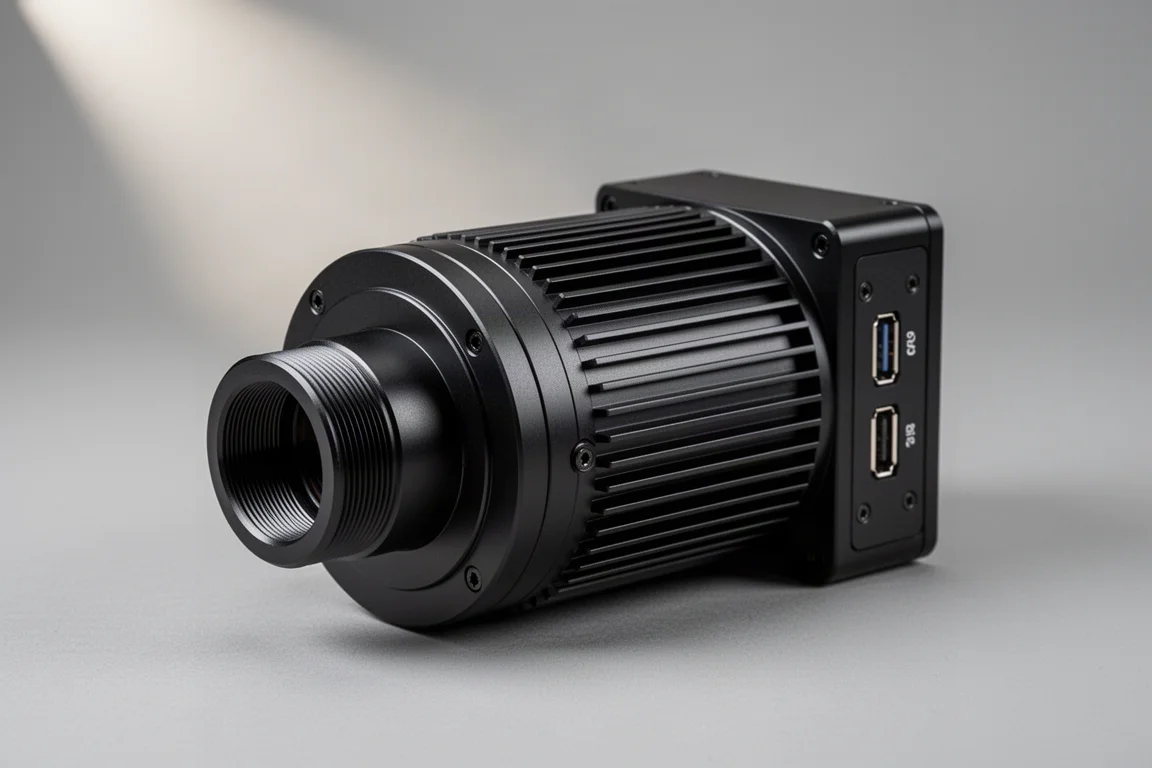
The ZWO ASI2600MC Duo takes one of the most popular deep-sky imaging cameras around and builds a guide camera directly into the same body. Two sensors, one camera: the main imaging sensor for your photos, and a smaller guide sensor that keeps your tracking mount locked on target all night. This review looks at how the Duo works in practice, how it compares with the ASI2600MC Pro, and whether the built-in guiding is worth the small price premium.
Why Guiding Matters for Deep Sky Imaging
Deep-sky astrophotography relies on a tracking mount to keep the camera centered on a celestial object throughout the night. But for very precise tracking over several-minute exposures with long focal length telescopes, an average mount alone usually is not enough. That is where guiding comes in: a second camera, usually paired with a guide telescope or an off-axis guider, locks onto stars with quick exposures roughly every second, notices when they drift, and sends tiny correction commands to the mount.
The problem is that guiding adds a lot that can go wrong, especially for beginners. Suddenly you are managing two telescopes and two cameras, focusing both, getting all the settings right, and making sure a guide scope stays firmly attached all night. Anything that reduces that complexity is welcome.
What Makes the Duo Different
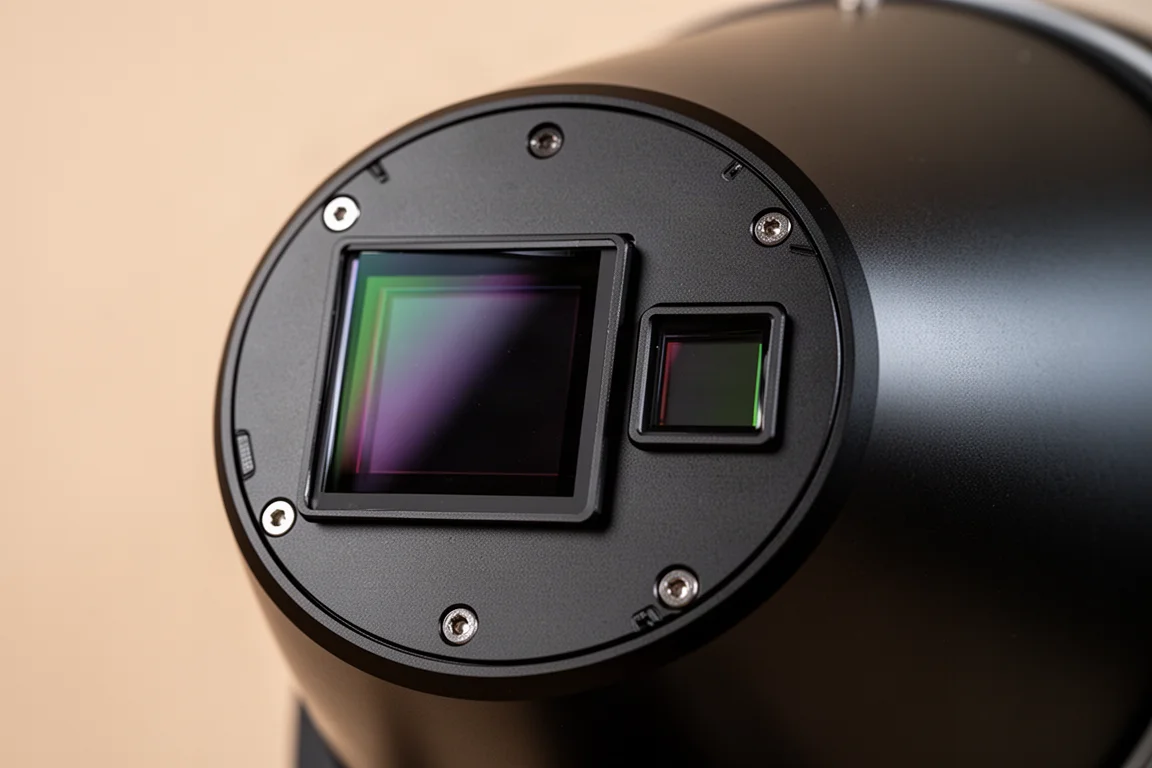
The Duo’s smaller sensor is a built-in guide camera, based on ZWO’s latest guide sensor design with 4-micron pixels, sitting behind the same faceplate as the imaging sensor. Because both sensors share the exact same focal plane, you focus once with the main camera and you are ready to guide. No guide scope, no off-axis guider, no pickoff mirror alignment. To your computer, it simply appears as two cameras, so guiding software works exactly as you would expect.
Beyond the guide sensor, there are a few practical differences. The Duo ships with a thicker, more durable red-sleeved USB 3 cable rather than the Pro’s flat black cable. Its faceplate redesign requires larger 54mm diameter spacers instead of the Pro’s 42mm stack, though back focus is unchanged: with the tilt plate in place, you need about 37.5mm of spacers to reach the common 55mm back focus, which ZWO provides with both cameras. One caveat: the Duo ends in 54mm threads and includes a 54-to-48mm step-down ring for compatibility with most flatteners, and that thin ring can seize on reducer threads, which makes it the least pleasant part of the kit.
How the Duo Compares with the ASI2600MC Pro
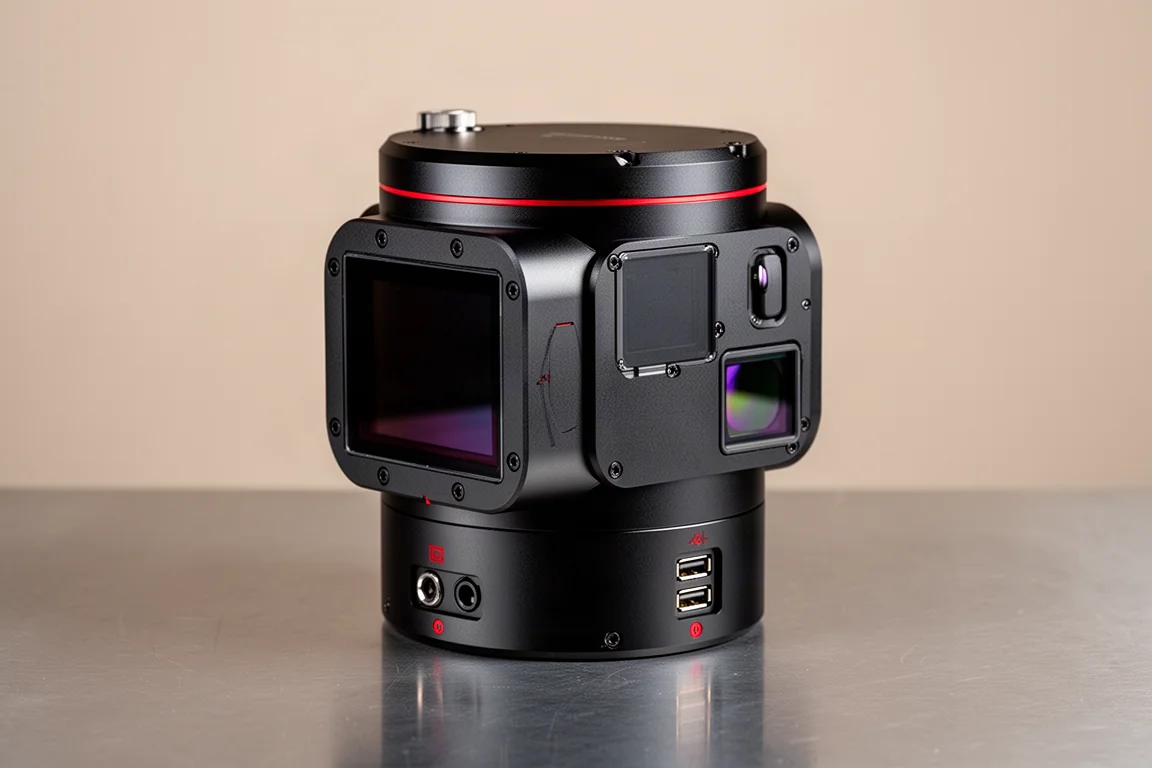
If you bought the Pro and wanted equivalent guiding, you would add an ASI 220-class guide camera and a guide scope, which costs roughly 400 at minimum. The Duo is only about 200 more than the Pro, so choosing it can effectively save you around 200 while removing an entire piece of hardware from your imaging train.
The trade-off is flexibility. A separate guide camera and scope can move to any future system, so if you later upgrade to a full-frame or mono camera, your guiding setup comes with you. With the Duo, your guiding is paired to this specific one-shot-color sensor. It is an excellent sensor that should stay relevant for a long time, but it is worth weighing portability of your guiding against simplicity tonight.
How the Duo Performed in Testing
Testing was done on a portable strain-wave mount that tends to favor short guide exposures, around half a second, which makes it an interesting stress test for the built-in guide sensor. Guide performance was evaluated from guiding logs using a free log viewer, alongside the raw sub-exposures themselves.
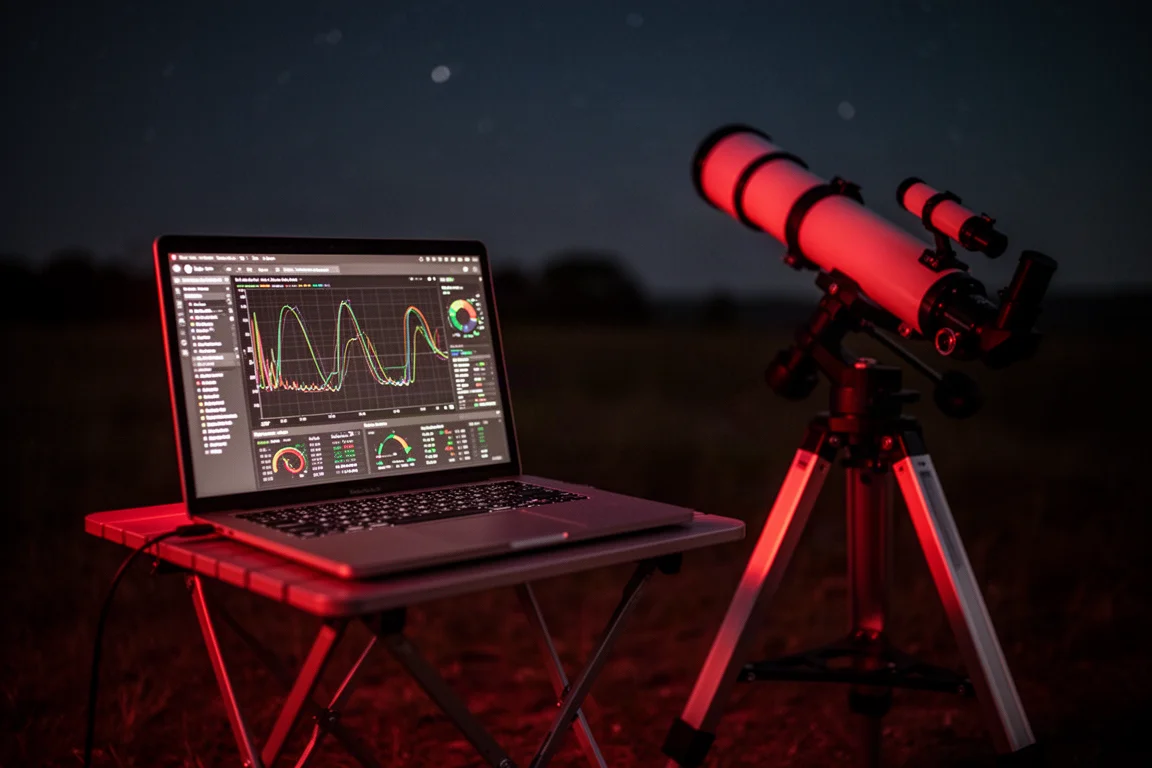
At f/4 with no filter, guiding was excellent, with a total RMS around 0.44 arcseconds, about as good as this mount ever delivers. Stars were round across the frame in the resulting exposures. Switching to a dual narrowband filter with two 7nm bandpasses nudged the total RMS up slightly to 0.53 arcseconds, with only a few brief, quickly recovered spikes that should not affect five-minute subframes. Even a demanding 3nm hydrogen-alpha filter worked at f/4 by pushing guide camera gain to 600, holding multi-star guiding with a still-good total RMS of 0.71 arcseconds.
At f/6.8, results were slightly spikier under less steady skies, but no-filter guiding stayed under an arcsecond at 0.99 total RMS, and the dual narrowband filter performed about the same with multi-star guiding intact and round stars in the images. The 3nm filter, however, simply would not cooperate at f/6.8: guiding could lock onto a single star for about a minute and then lose it, repeatedly, with no way to recover.
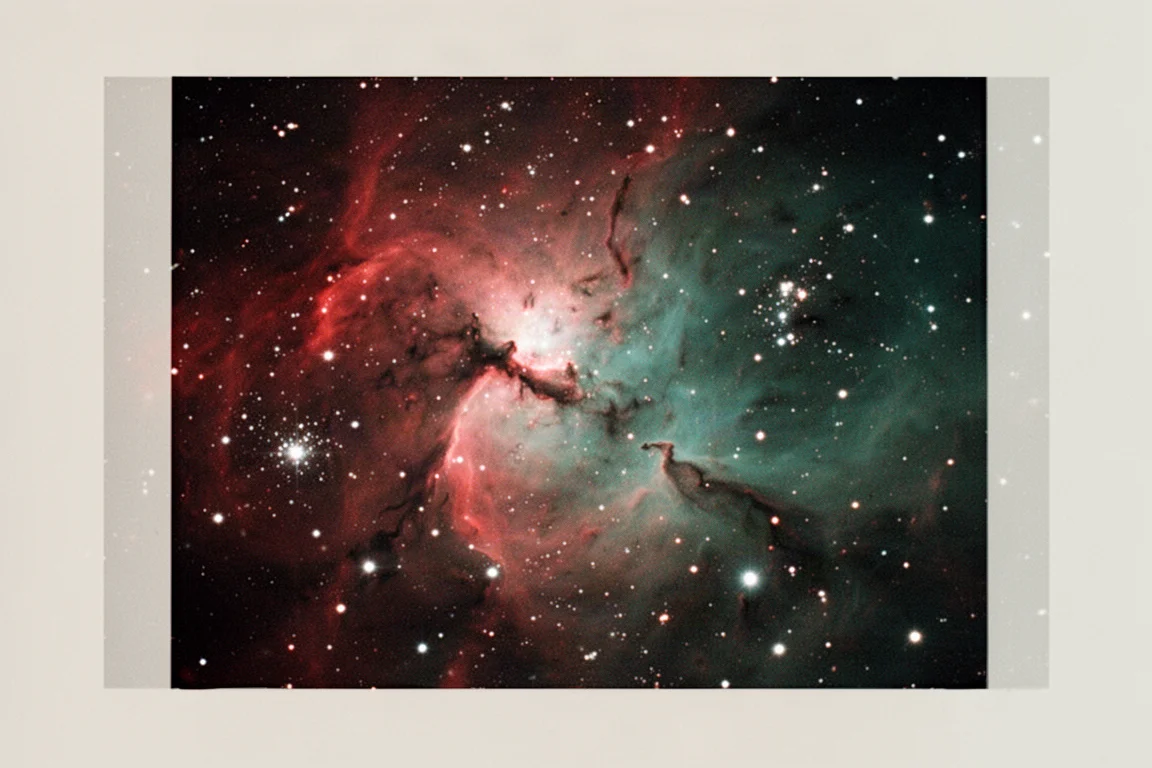
Image Circle and Filter Testing
The key requirement is that your telescope illuminates roughly a 35mm image circle so the guide sensor sees light. ZWO’s guidance is that the telescope should support a full-frame sensor, which in practice means it can illuminate a full frame, even if corner stars are not perfectly corrected. Stars being slightly wonky at the edge still guides fine, and that opens the Duo up to many more telescopes than a strict reading would suggest.
To probe that limit, testing included a crop-sensor-only zoom lens known to vignette heavily on full frame. Calibrating was possible, but actual guiding was rocky: guiding on a single star at high gain and two-second exposures, the guide star was lost five times in quick succession. The takeaway is clear. With a small, poorly illuminating light cone you will struggle to find bright guide stars, lose multi-star guiding, and get questionable results. Pair the Duo with a telescope that properly illuminates the larger circle, even a slow one around f/7 with a dual narrowband filter, and it performs admirably.
Buying Advice
Ask yourself two questions before choosing the Duo. First, does your telescope illuminate about a 35mm image circle? Second, might you combine it with a very slow telescope and very restrictive narrowband filter? If either concern applies to your setup, the Pro plus a separate guide scope gives you more flexibility. If neither does, the Duo is easy to recommend: it removes a whole class of beginner headaches for only about 200 more than the Pro, and potentially saves around 200 compared with buying separate guiding hardware.
Conclusion
The ASI2600MC Duo is the simplest way to add reliable guiding to a compatible imaging train. With the right telescope, guiding quality matched or exceeded what this mount typically achieves, even through dual narrowband filters and, at fast focal ratios, even through a 3nm filter. For anyone starting out or wanting a cleaner imaging train, the Duo turns two-camera complexity into a single, focus-once-and-go package.
Further reading
Related Reviews
Astrophotography
ASKAR FRA400C Review: A Versatile 400mm Refractor for Astrophotography and More
The ASKAR FRA400C is a compact 72mm refractor that balances reach, versatility, and portability for astrophotographers and visual observers.
Astrophotography
Askar SQA106 Review: A Premium 106mm Astrograph With Exceptional Optics
The Askar SQA106 is a premium 106mm quintuplet astrograph with impressive sharpness across full-frame sensors, though its price and weight demand careful consideration.
Astrophotography
Astro Imaging Gear 2026: Eight New Products Worth Watching
A look at the most interesting new astrophotography and astronomy products announced this year, from fast telescopes to smart cameras and wireless accessories.