Astrophotography
ZWO ASI2600MC Air Review: An All-in-One Astrophotography Imaging System
The ASI2600MC Air combines a color camera sensor, auto guiding, and Wi-Fi control in one streamlined housing. Here is how it performed under a full moon with an 8 inch RC.
Introduction
Ask anyone who has been imaging the night sky for years and they will tell you the same thing: there is always something to worry about. Did you pack the guide camera? Is the guide cable in the bag? Will the declination axis balance with all those accessories attached? Will the cables behave tonight?
After roughly eight years of using a long list of scopes, guide cameras, planetary cameras, monochrome and color cameras, and control systems ranging from full PCs to wireless-only devices, that low-level anxiety is part of the hobby. Clear nights are rare, and few things feel better than when everything simply works. The ZWO ASI2600MC Air exists to shrink that list of worries into a single box.
Who This Product Is For
The ASI2600MC Air is aimed at astrophotographers who want fewer pieces of gear, fewer cables, and fewer failure points without giving up capability. If you currently run a separate imaging camera, a dedicated guide camera, and an ASIAir-style control box, this consolidates all three roles into one streamlined housing.
It is especially interesting for anyone already comfortable with the ZWO ecosystem. If you know the ASIAir Wi-Fi control module, the transition is genuinely seamless: the connection process and setup workflow are completely identical, so your existing habits carry over directly.
What the ASI2600MC Air Actually Is
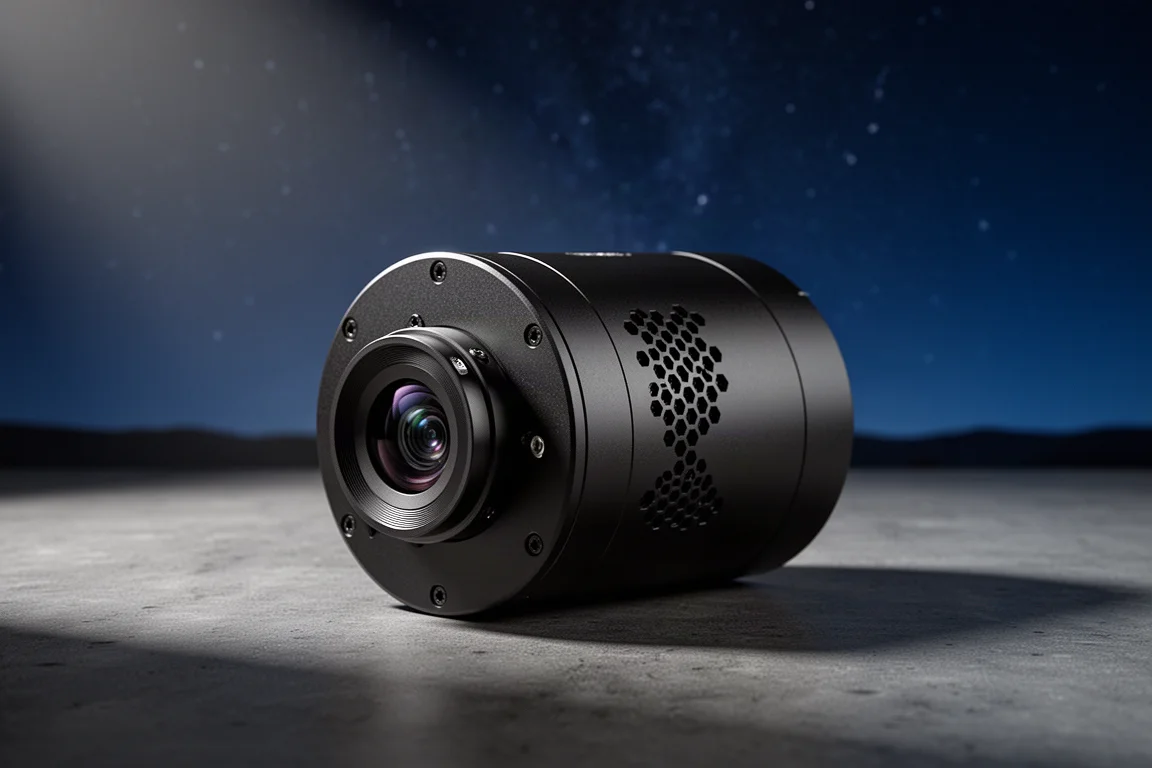
The 2600MC Air is not just another camera added to an already impressive ZWO lineup. It is a fully integrated imaging system: a color imaging sensor, a complete auto-guiding system, and smartphone-based control of the entire unit, all built into one housing with the ports an astrophotographer needs.
Under the hood you get a highly sensitive back-illuminated IMX571 APS-C color sensor, an ASI220 guide sensor, and an integrated ASIAir Wi-Fi control module. The rear panel carries three industry-standard 2.1mm input/output power ports, four powered USB 2.0 ports, and a USB-C port for data transfer. In the box you also get the standard 55mm of M54 spacers and an M48 step-down ring, which covers the usual back-focus spacing needs out of the gate.
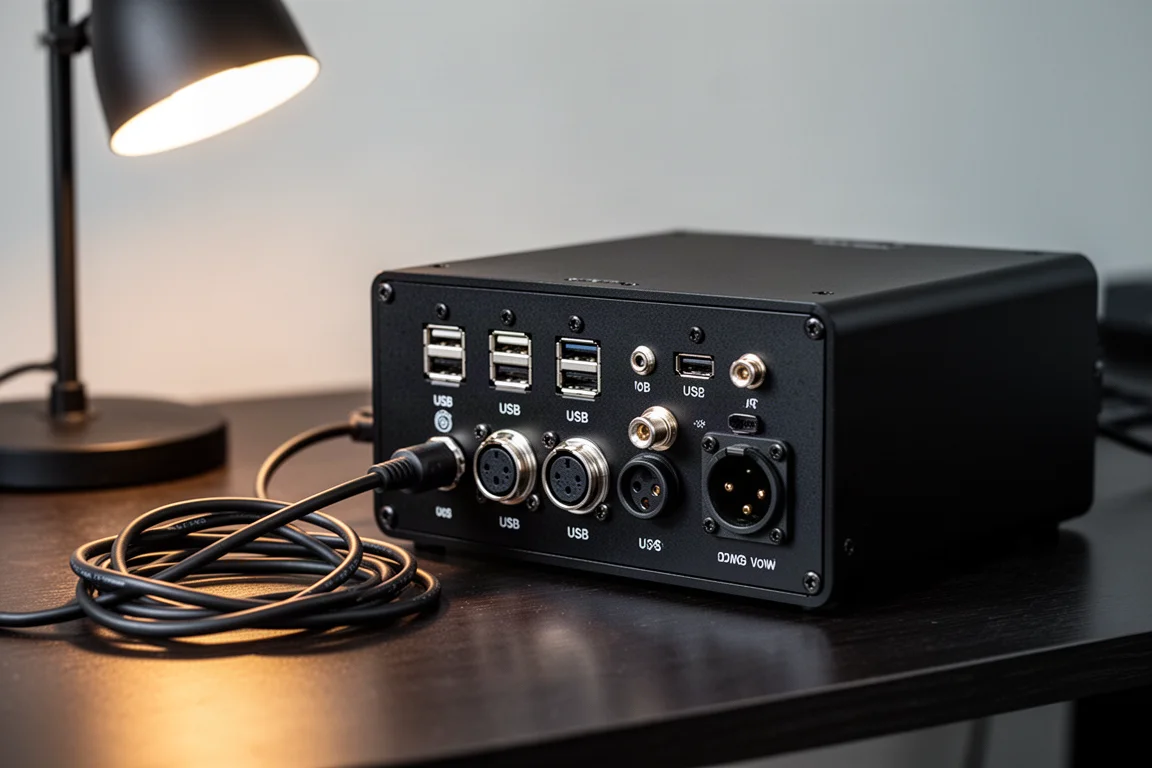
That combination is the core appeal. One device handles imaging, guiding, and control, which means fewer cables to manage and one less box to balance on the dovetail.
Setup, Wi-Fi, and Wireless Mount Control
For testing, the 2600MC Air was paired with the Apertura Carbonstar 8 inch RC on a ZWO AM5N, with a ZWO EAF handling focus. The Carbonstar 8 RC, with its custom field rotator and M54-threaded focuser, is a natural match for an APS-C sensor and the integrated guide camera at long focal length.
Wi-Fi performance proved to be a genuine highlight. Connecting from the ASIAir app works exactly as it does with an ASIAir Plus, but the extended Wi-Fi range allowed roaming throughout an entire house and yard without dropping the connection. That is a practical improvement you feel every session.
The bigger change comes from the new firmware: you can now connect your mount to the camera over Bluetooth, eliminating the USB cable that traditionally ran from camera to mount. That is one less cable to route, strain-relieve, and worry about in the dark.
Guiding Over Bluetooth vs USB
The obvious question with any wireless link is whether it costs you guiding performance. In testing, guiding commands sent over Bluetooth were compared directly against a traditional USB cable connection, and there was no notable difference at all.

The guide graphs from both methods were essentially indistinguishable. For anyone hesitant to drop the camera-to-mount USB cable, this is reassuring evidence that the wireless path holds up in real use.
Imaging Performance
Testing happened under a full moon, bright and unforgiving, which is about as far from ideal as conditions get. Even so, the setup captured the core of the Andromeda Galaxy through the Apertura 8 RC without the moon getting in the way of the session.

The IMX571 APS-C sensor is the well-regarded heart of this system, and paired with a long-focal-length RC it frames galaxy-scale targets comfortably. The integrated guiding held its end of the bargain throughout, which is exactly what you want from a system designed to be left running while you watch from your phone.
Buying Advice
If you already own a separate imaging camera, guide camera, and ASIAir, replacing all three is a real decision. What you gain is a cleaner rig, fewer cables, built-in guiding, and extended Wi-Fi range, all in one housing that removes several common failure points.
If you are starting fresh or streamlining an existing rig, the consolidation argument is strong. The workflow is identical to the ASIAir you may already know, Bluetooth mount control removes a cable without a guiding penalty, and the included M54 spacer set gets you imaging without hunting for adapters.
Conclusion
The ASI2600MC Air is an undeniably innovative take on the all-in-one astrophotography system, and in testing it worked as seamlessly as promised: familiar workflow, strong Wi-Fi, cable-free mount control, and guiding performance indistinguishable from a wired connection. For astrophotographers who want more time under the night sky and less time troubleshooting, it makes a compelling case.
Product link
View more details for ZWO ASI2600MC Air
This product is mentioned in the review. Check the specifications, options, and compatibility before buying.
View more details for ZWO ASI2600MC AirFurther reading
Related Reviews
Astrophotography
ASKAR FRA400C Review: A Versatile 400mm Refractor for Astrophotography and More
The ASKAR FRA400C is a compact 72mm refractor that balances reach, versatility, and portability for astrophotographers and visual observers.
Astrophotography
Askar SQA106 Review: A Premium 106mm Astrograph With Exceptional Optics
The Askar SQA106 is a premium 106mm quintuplet astrograph with impressive sharpness across full-frame sensors, though its price and weight demand careful consideration.
Astrophotography
Astro Imaging Gear 2026: Eight New Products Worth Watching
A look at the most interesting new astrophotography and astronomy products announced this year, from fast telescopes to smart cameras and wireless accessories.