Astrophotography
ZWO ASI 2600 MM Pro Review: A Deep Sky Imaging Workhorse
Six years of real-world use with ZWO's APS-C monochrome astronomy camera: sensor performance, cooling, connectivity, and who it makes sense for.
Introduction
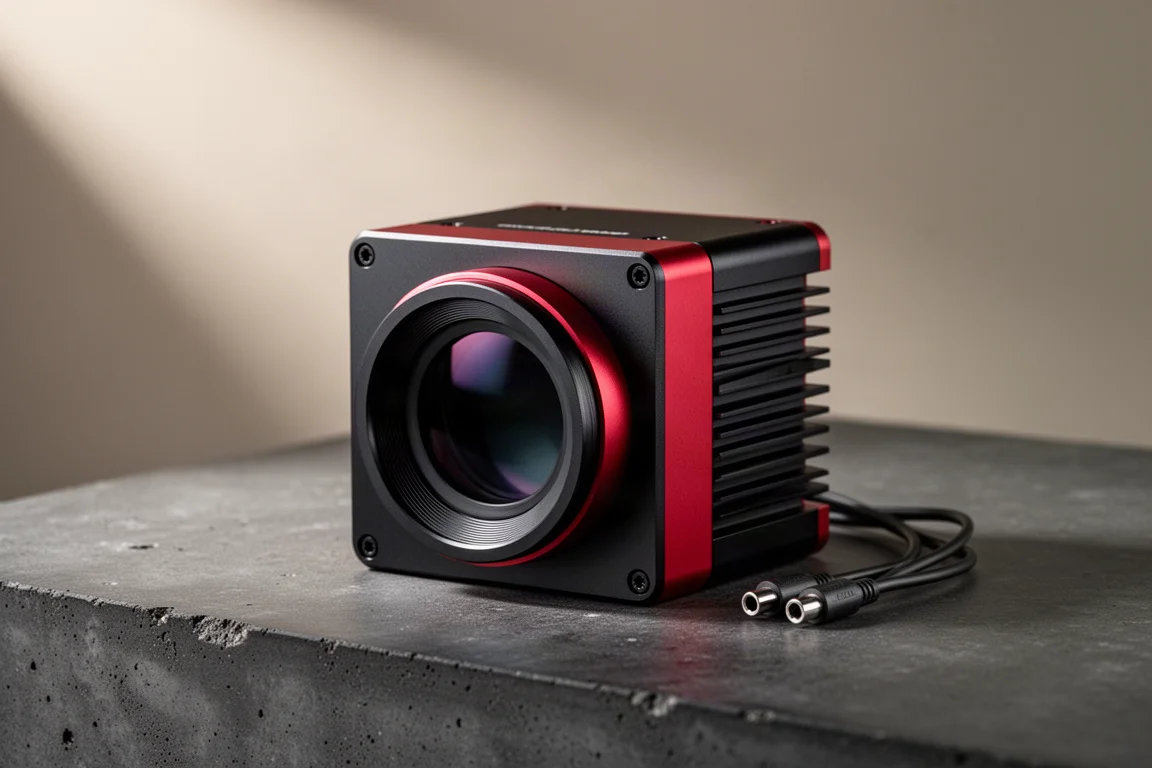
The ZWO ASI 2600 MM Pro has been a main camera for many serious deep sky imagers, and after extended long-term use it is easy to see why. It combines a modern Sony monochrome sensor with two-stage cooling, useful onboard memory, and a connectivity package built around long imaging sessions. This review breaks down where it excels and what you should think about before buying.
Who This Camera Is For
This is a camera built for imagers who want clean data and an ultimate level of detail from a monochrome sensor. It suits anyone targeting faint deep sky objects such as nebulae, galaxies, and star clusters, where sensor sensitivity and dynamic range matter more than convenience features like a color filter array.
If you spend many hours per night collecting data, the monochrome approach rewards you: you control exactly how each channel is captured, and the camera is designed to make that workflow as productive as possible.
Sensor Performance and Image Quality
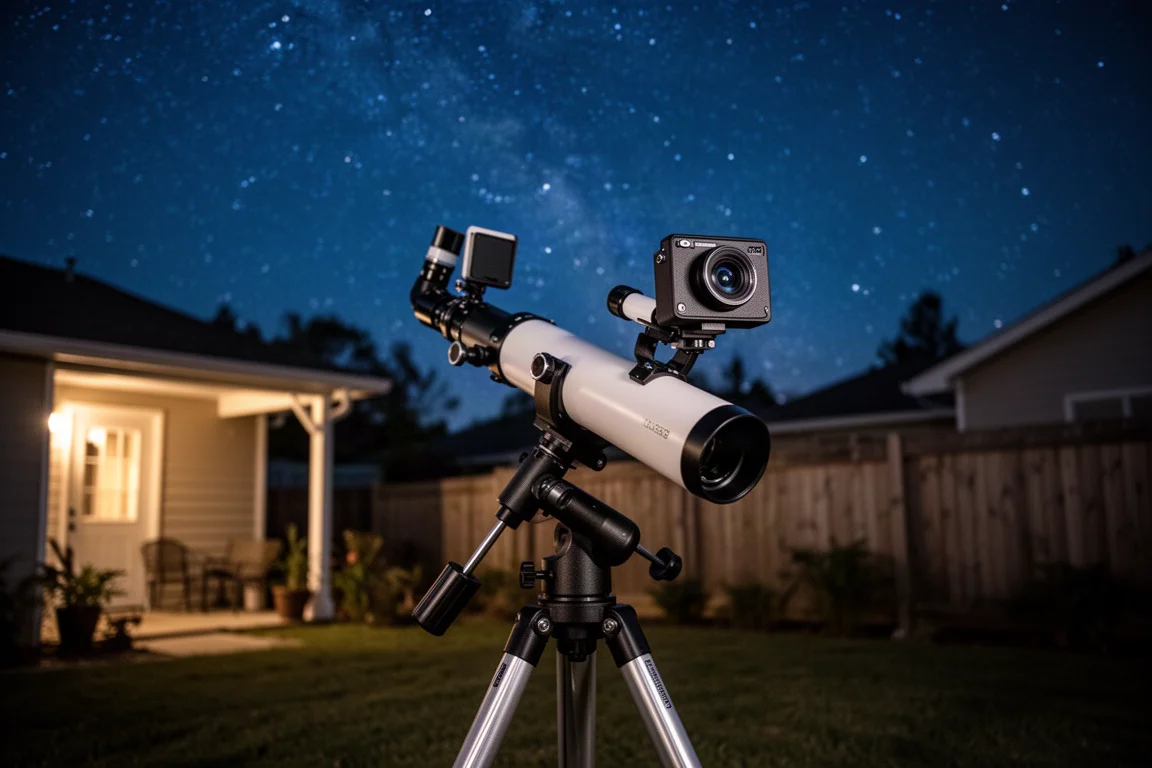
At the heart of the ASI 2600 MM Pro is a Sony IMX571 APS-C monochrome sensor. You get 26 megapixels of resolution, up to 91% peak quantum efficiency, and 3.76 micron pixels, which makes it a great match for a wide range of telescope setups.
The camera also delivers true 16-bit depth, 14 stops of dynamic range, and a strong full well capacity. In practice, that means it excels at capturing faint signals while giving you more headroom before bright stars clip. That combination is exactly what deep sky imaging demands: quiet shadows and highlights that hold together.
Cooling, Noise, and Long Exposures
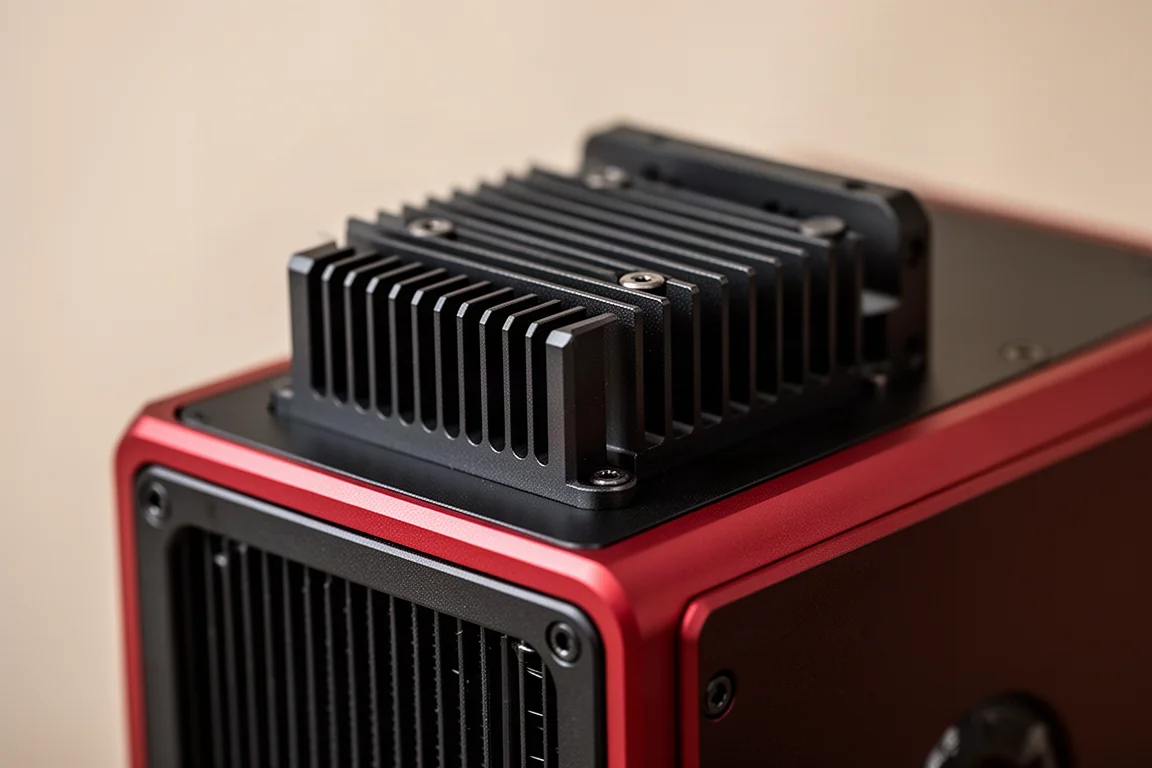
Because this is a cooled astronomy camera, it uses two-stage thermoelectric cooling to bring the sensor down as much as 35°C below ambient temperature. Keeping the sensor cold suppresses thermal noise during long exposures, which is precisely what you want when stacking many hours of data on a single target.
Lower noise per subframe means you can reach fainter signal in the same total integration time, and dark frames stay more predictable across a session. For anyone imaging dim nebulae or distant galaxies, the cooling system is one of the most practical reasons to choose this camera over an uncooled alternative.

Connectivity and Practical Features
The ASI 2600 MM Pro includes 512 MB of built-in DDR3 memory, which helps prevent dropped frames when recording video of targets like the sun or the moon. It also has zero amp glow, so your calibration workflow does not have to fight a bright glow corner in every frame.
On the connectivity side, you get USB 3 for fast transfer rates plus USB 2 ports for accessories such as a guide camera, filter wheel, or focuser. That hub arrangement keeps an imaging train tidy and reduces cable runs back to your capture computer.
Buying Advice
If your goal is high-quality deep sky imaging with a monochrome camera, the ASI 2600 MM Pro is one of the strongest options on the market. It is especially compelling for dedicated imagers who shoot through filters and want maximum control over every channel.
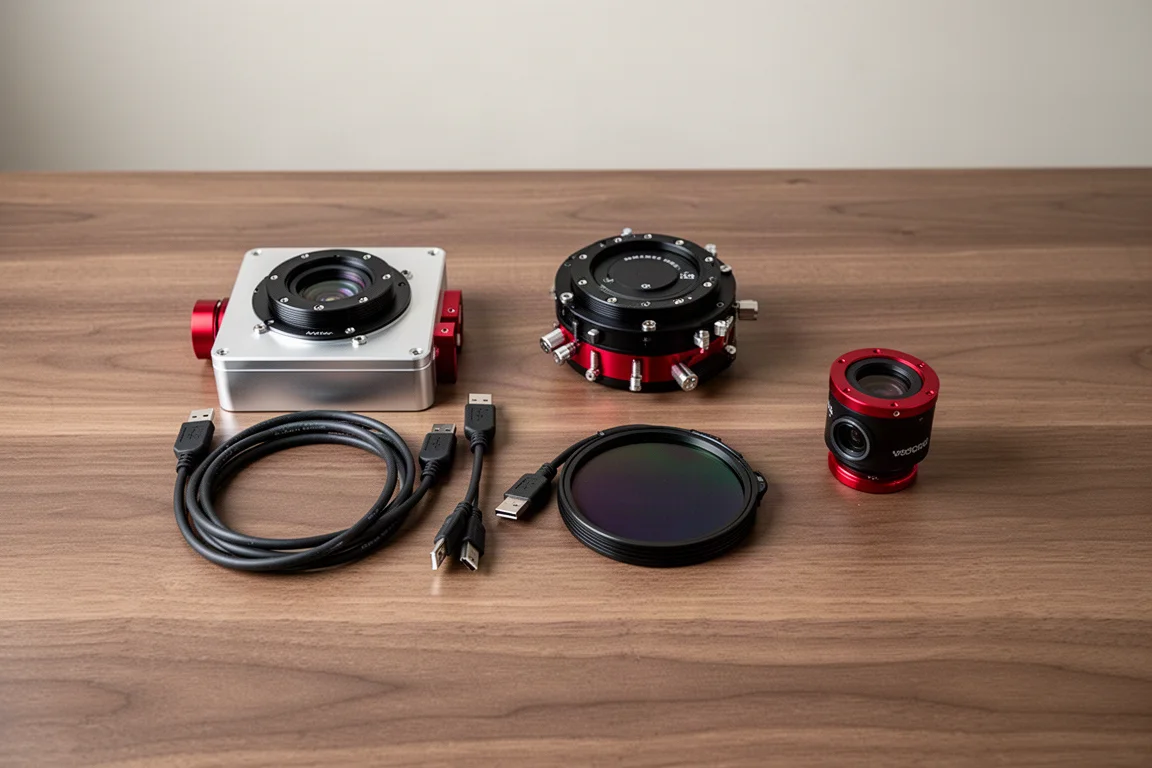
It is also worth knowing that ZWO offers related models in the same family: the ASI 2600 MM Duo, which has a built-in guide camera, and the ASI 2600 MM Air, which includes a built-in ASI Air plus a guide camera as well. If self-guiding or all-in-one control appeals to you, those variants may fit your setup even better than the standard Pro.
Conclusion
The ZWO ASI 2600 MM Pro pairs an excellent Sony IMX571 APS-C monochrome sensor with effective two-stage cooling, zero amp glow, fast USB 3 transfer, and handy onboard memory. For imagers chasing faint deep sky targets with clean data and fine detail, it remains a very safe, very capable choice.
Product link
View more details for ZWO ASI 2600 MM Pro
This product is mentioned in the review. Check the specifications, options, and compatibility before buying.
View more details for ZWO ASI 2600 MM ProFurther reading
Related Reviews
Astrophotography
ASKAR FRA400C Review: A Versatile 400mm Refractor for Astrophotography and More
The ASKAR FRA400C is a compact 72mm refractor that balances reach, versatility, and portability for astrophotographers and visual observers.
Astrophotography
Askar SQA106 Review: A Premium 106mm Astrograph With Exceptional Optics
The Askar SQA106 is a premium 106mm quintuplet astrograph with impressive sharpness across full-frame sensors, though its price and weight demand careful consideration.
Astrophotography
Astro Imaging Gear 2026: Eight New Products Worth Watching
A look at the most interesting new astrophotography and astronomy products announced this year, from fast telescopes to smart cameras and wireless accessories.