Astrophotography
ZWO AM7 Review: A Portable Strain Wave Mount Built for Larger Imaging Rigs
ZWO's AM7 strain wave mount raises payload capacity 50% over the AM5 while staying portable. We look at what it can really handle under load.
Introduction
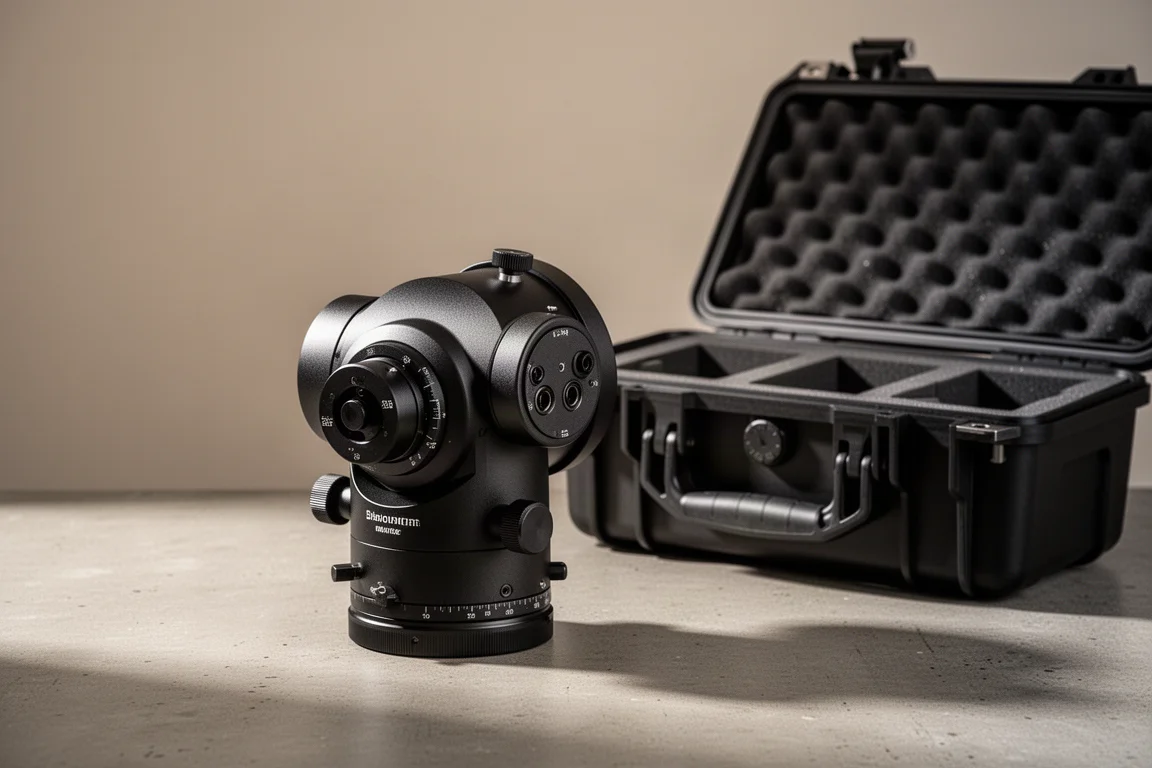
ZWO has released the AM7, the latest addition to its line of strain wave mounts, and the headline figure is significant: a 50% payload capacity increase over the AM5, gained while adding only about 3 lbs of weight. That combination positions the AM7 as a lightweight, portable solution for astrophotographers who want to run seriously large imaging rigs without moving to a heavy conventional mount.
The question worth asking is whether the AM7 is worth it, or whether the AM5 already covers your needs now and into the future. To find out, this review puts the AM7 through a demanding real-world test, including what happens when it is pushed close to full payload capacity.
What Comes in the Box
The AM7 ships in a foam-lined hard case that keeps the familiar portability of the ZWO strain wave mount line. The mount head fits snugly inside, and the overall package is only 15% larger than its older sibling, the AM5.
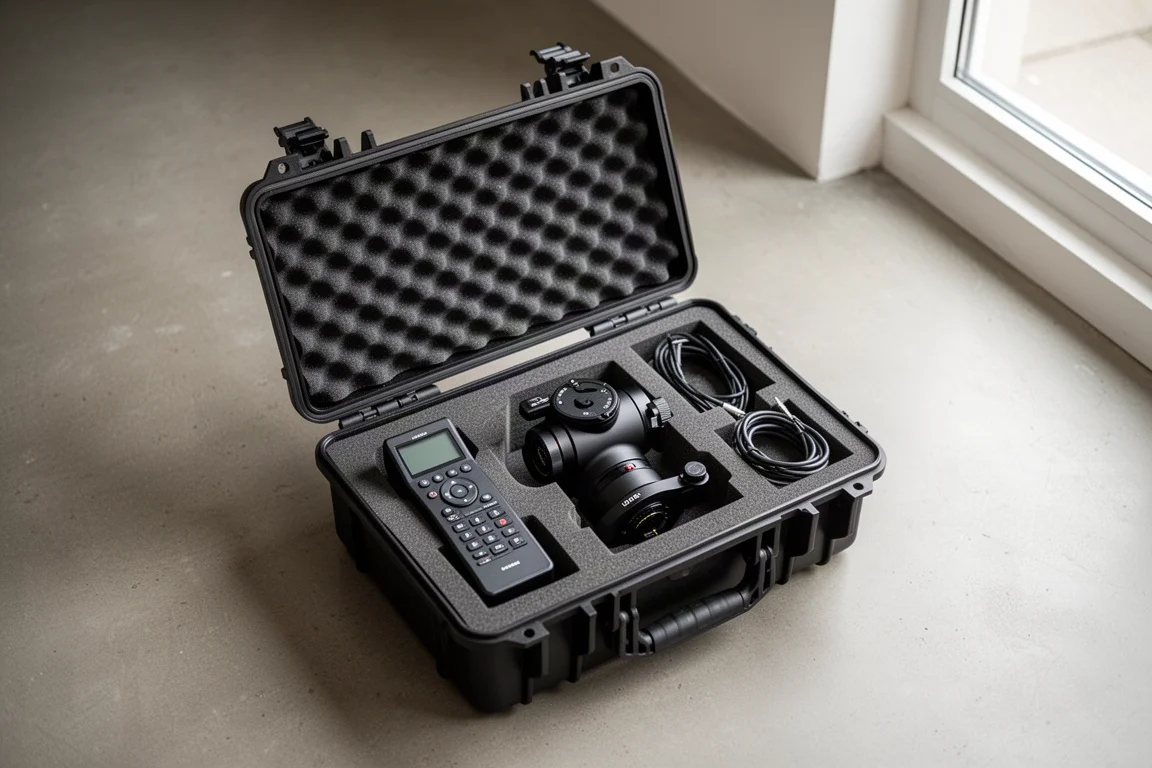
Inside the case you also get the standard hand controller with its dedicated cable, a USB-C cable and a USB printer-style cable for equipment connection, and a 25mm counterweight shaft.
Ports, Controls and Connectivity
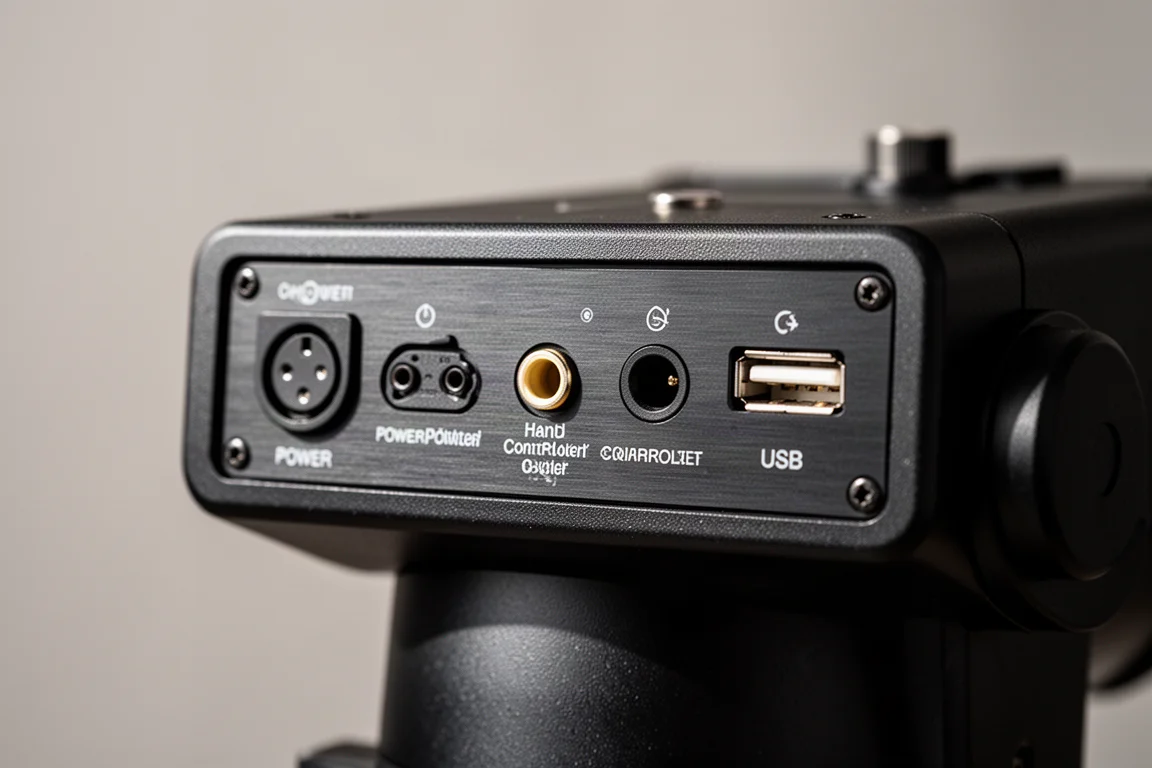
The front of the mount houses the power input port, the hand controller port for manual control, an ST4 port for autoguiding if you choose that route, and a USB printer-style input for controlling the mount through computer software such as NINA or Sequence Generator Pro. Note that an AC adapter is not included, so plan for a suitable 12V power supply.
On the back of the declination hub you will find a 12V 3A power output port and a USB-C input for connecting your equipment. Standard altitude and azimuth adjustment knobs handle polar alignment, and tension knobs on the side of the mount lock everything down once aligned.
Once connected and powered on, the AM7 offers a stable Bluetooth connection, letting you control cameras and accessories through the ASI Air smartphone app. That cable-free workflow carries over from the rest of the ZWO strain wave line and is one of the more enjoyable parts of using these mounts.
Payload Capacity and Counterweights
The AM7 offers a 66 lb payload capacity when using a counterweight and 44 lb without one. The counterweight is not included, and reaching the maximum capacity requires one that properly fits the AM7’s counterweight shaft. A poorly matched or loosely fitting counterweight can introduce wobble, allow the weight to slide, compromise tracking performance, or put your imaging equipment at risk.
At the time of this review, the counterweight designed specifically for the AM7 is the Apertura 22 lb counterweight. It is CNC machined with a black crinkle coat finish, includes a custom soft carrying case, and is manufactured in the United States.
Tripod and Mounting Options
The AM7 is available in four configurations: the mount head alone, the mount head paired with the ZWO TC40 tripod, the AM7 matched with the Apertura Heavy Duty Carbon Fiber tripod, and the AM7 paired with the Apertura Anchor Pier. The two upgraded configurations are designed to get the best performance out of the AM7, especially for larger imaging systems or for those planning to use larger optical tubes in the future.
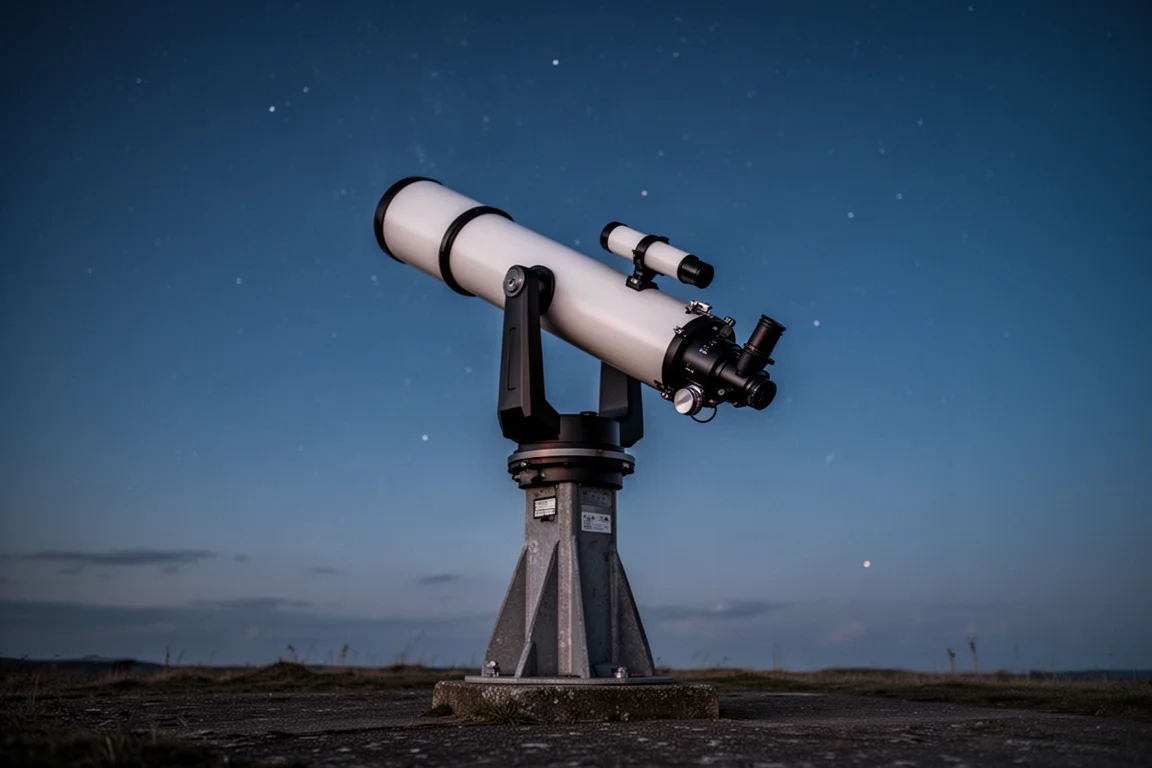
Investing a bit more upfront is less about buying a mount and more about building a foundation that can grow with your imaging ambitions without needing to replace the mount down the road.
Real-World Testing and Performance
The practical question is simple: can the AM7 handle a large optical tube with a full imaging train? In testing, the AM7 held the weight of a Celestron 14-inch Edge HD Schmidt-Cassegrain. The Apertura Anchor Pier proved to be a perfect mounting option for a rig of that size, and pairing the AM7 with the Apertura Heavy Duty Carbon Fiber tripod also worked well, with no risk of tipping or failure. A smaller or less robust foundation would have been a genuine risk with a load like this.
The test focused on how the AM7 performs when maxed out near full payload capacity. Guiding calibrations were run within the ASI Air app using exposures of about 1.5 to 2 seconds, with the guide sensor checking guiding performance straight through the 0.7 reducer on the Edge HD. After roughly 200 to 400 guide pulses, the total RMS error came in around 0.4 arcseconds and as low as 0.33 arcseconds.
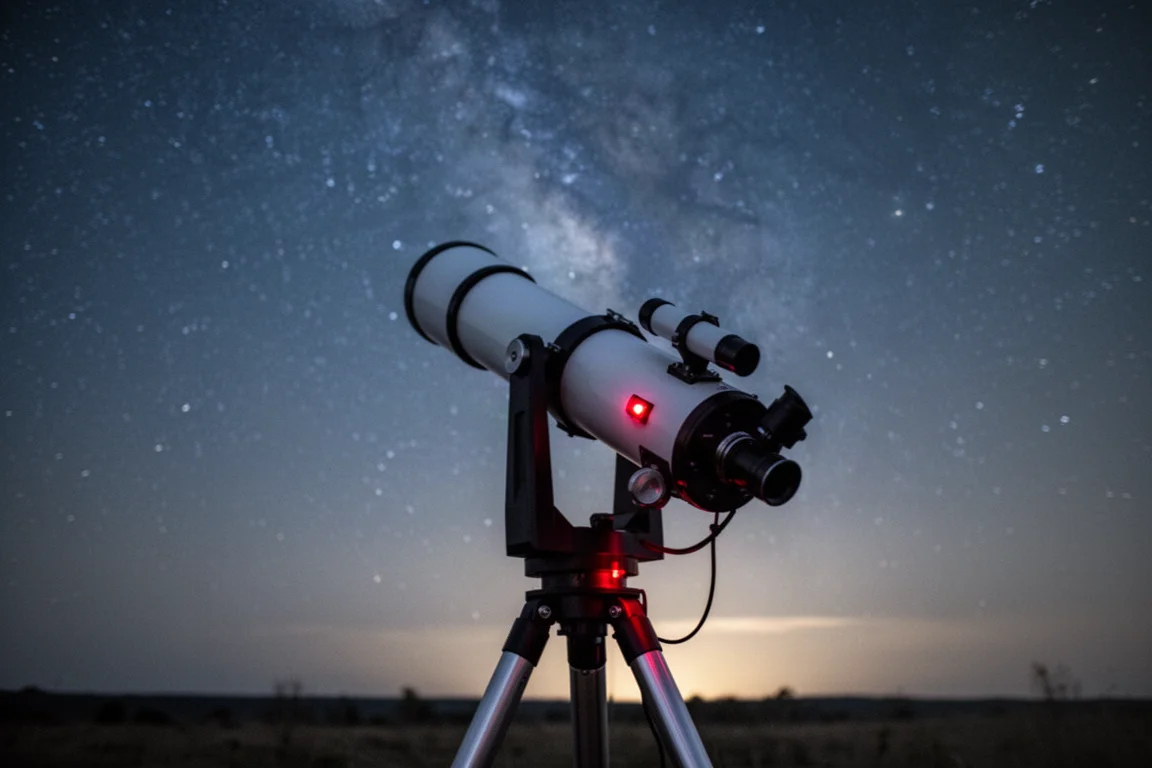
Conditions during the test were average, with transparency as the limiting factor: heavy fog and about 98% humidity made finding a guide star difficult, yet at least one or two usable stars were still found. Seeing the mount actually handle this size of imaging rig in real-world conditions was the pleasant surprise of the review, and if it can carry a rig like this, it can handle nearly anything else you throw at it.
Buying Advice
If you are upgrading from a current equatorial mount or buying your first strain wave mount, the AM7 is absolutely worth it, with one caveat: your choice of foundation matters just as much as the mount itself. The TC40 tripod works well for lighter setups similar to what many users run on the AM5, but to truly maximize the AM7’s capabilities, the Apertura Heavy Duty Carbon Fiber tripod or, better yet, the Apertura Anchor Pier for a more permanent solution are highly recommended. Either option gives you better stability, improved tracking performance, and room to grow as your rig evolves.
Conclusion
The ZWO AM7 takes everything that made the AM-line strain wave mounts appealing and adds a substantially higher payload capacity in a still-portable package. With the right foundation under it, it is a mount that can handle observatory-sized rigs today and keep up as your imaging setup grows.
Product link
View more details for ZWO AM7
This product is mentioned in the review. Check the specifications, options, and compatibility before buying.
View more details for ZWO AM7Further reading
Related Reviews
Astrophotography
ASKAR FRA400C Review: A Versatile 400mm Refractor for Astrophotography and More
The ASKAR FRA400C is a compact 72mm refractor that balances reach, versatility, and portability for astrophotographers and visual observers.
Astrophotography
Askar SQA106 Review: A Premium 106mm Astrograph With Exceptional Optics
The Askar SQA106 is a premium 106mm quintuplet astrograph with impressive sharpness across full-frame sensors, though its price and weight demand careful consideration.
Astrophotography
Astro Imaging Gear 2026: Eight New Products Worth Watching
A look at the most interesting new astrophotography and astronomy products announced this year, from fast telescopes to smart cameras and wireless accessories.