Astronomy
ZWO AM5 Harmonic Mount Review: Real-World Testing With Heavier Telescopes
A portable harmonic drive mount that punches above its weight, paired with ZWO's TC40 carbon tripod and PE200 pier extension.
Introduction
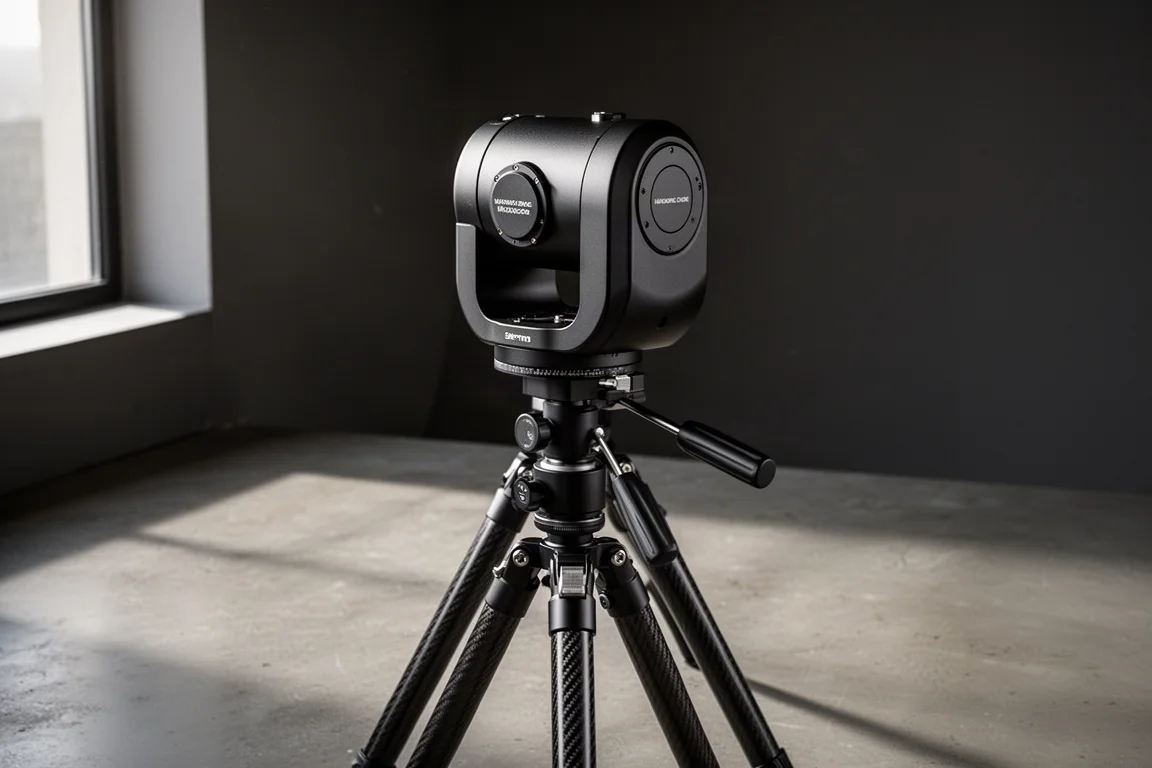
The ZWO AM5 is a harmonic drive equatorial mount that trades the bulk of a traditional equatorial head for serious portability. Compared to conventional equatorial mounts, it is extremely lightweight and quick to set up and tear down. If you do a lot of outreach events or imaging away from home, not having to lug around a 35-pound mount head is a genuine quality-of-life upgrade.
Key Features and Design
The AM5 supports both equatorial and alt-azimuth configurations. Its harmonic drive design keeps the mount small and lightweight for the load it can carry, at the cost of a higher periodic error than a traditional worm gear mount. In practice this is a non-issue for visual use, and for astrophotography you are guiding anyway.
The harmonic drives deliver high torque, low weight, and low backlash. The fixed, circularly distorted ring gear transmits torque from its inner surface to the outer with almost no backlash, tends toward excellent long-term reliability, and can support any latitude.
The mount head weighs just 5.5 kg (about 12 pounds), roughly a third or less of other popular mounts with the same capacity. Payload is 13 kg (28.6 lbs) without a counterweight and 20 kg (44 lbs) with one. Many users feel more comfortable adding a counterweight for astrophotography to reduce strain on the mount and the risk of tipping over; the counterweight bar and weight are sold separately, with a maximum supported counterweight of 5 kg (11 pounds).
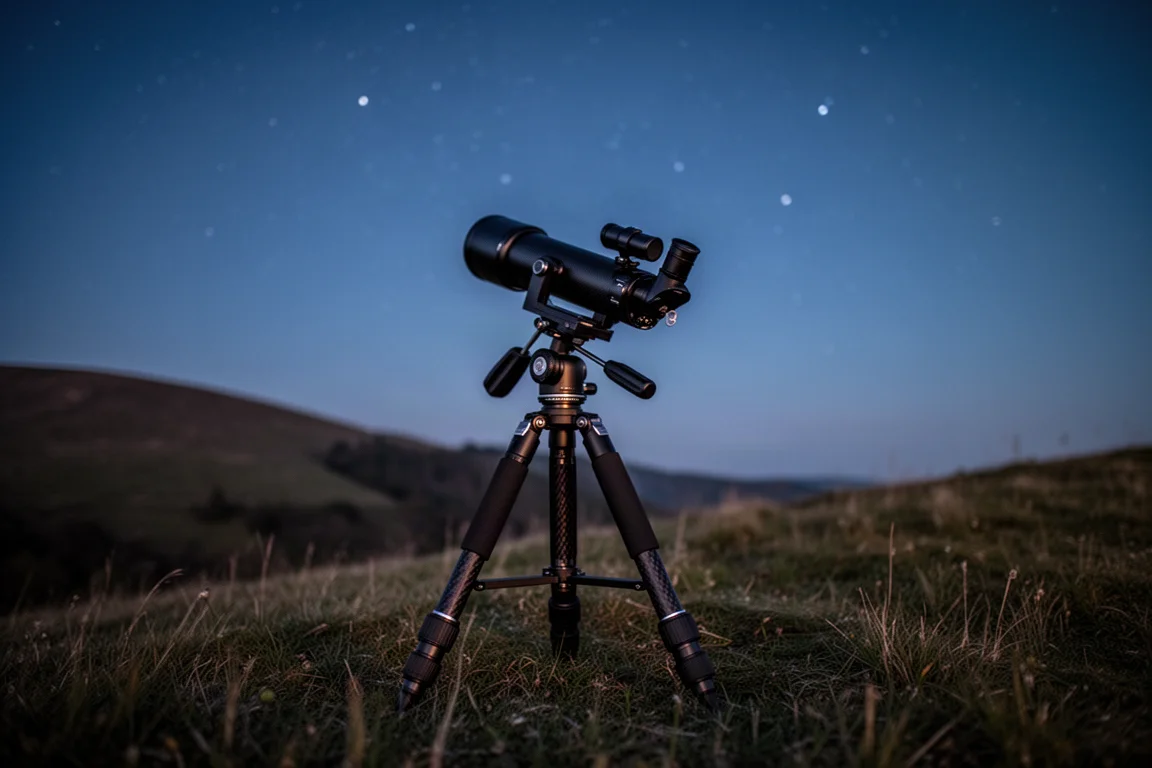
Nice touches include a dual dovetail saddle with a telescope logo indicating correct orientation, mounting bolts for a finder or ASI Air in two separate locations, a 3-amp output to power an ASI Air or camera, and a built-in hand controller that is more useful than some feedback suggests: it helps with visual use, centering the sun for solar imaging, slewing to the zenith, taking flats with a light panel, and toggling tracking quickly. The mount also has an ST-4 guide port, essential for solar work where you need a dedicated solar guiding device for long time-lapses, and it is ASCOM compatible. The companion app is fairly basic, offering sidereal, solar, and lunar tracking modes plus a large object database, though in practice most people will control the mount through an ASI Air or similar.
Portability and Setup
The AM5 ships with a nice carrying case with foam cutouts for the mount, hand controller, adjustment hex wrenches, and space for the optional counterbalance bar. A test report for the harmonic drive is also included. Setup is quick, and with a small telescope you do not need a counterweight at all: it operated very well with a Radian 75 Apo and a Lunt 100 MT without one.
Real-World Performance
Proper balancing matters. Using a pencil to check the balance of a Schmidt-Cassegrain is a simple way to confirm the load is set before slewing. Precise polar alignment requires PC software like SharpCap or NINA, or an ASI Air, which makes alignment quick.
ZWO’s guideline is a maximum focal length of 900mm for imaging; for visual there is no defined limit beyond what your magnification allows. In practice, results were good at 2800mm focal length for solar (short exposures) and at over a meter for deep-sky targets. Guiding error was often better than the stated specification of 0.6 to 0.8 arcseconds.
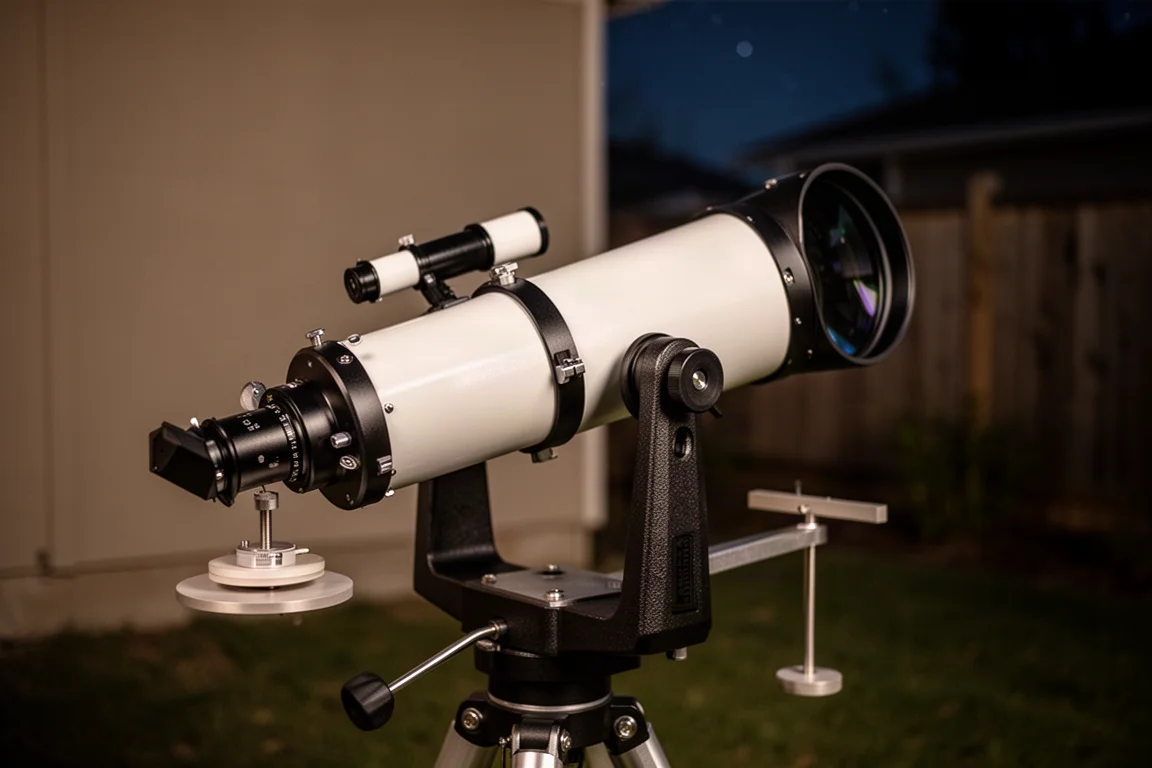
With a stable tripod, loaded weight bag, and a counterweight for larger telescopes, the AM5 handled medium-plus setups well. A 160mm refractor fits within the weight limit but is a very long telescope with a lot of torque and a focal length well beyond the official specification, yet it still produced good results.
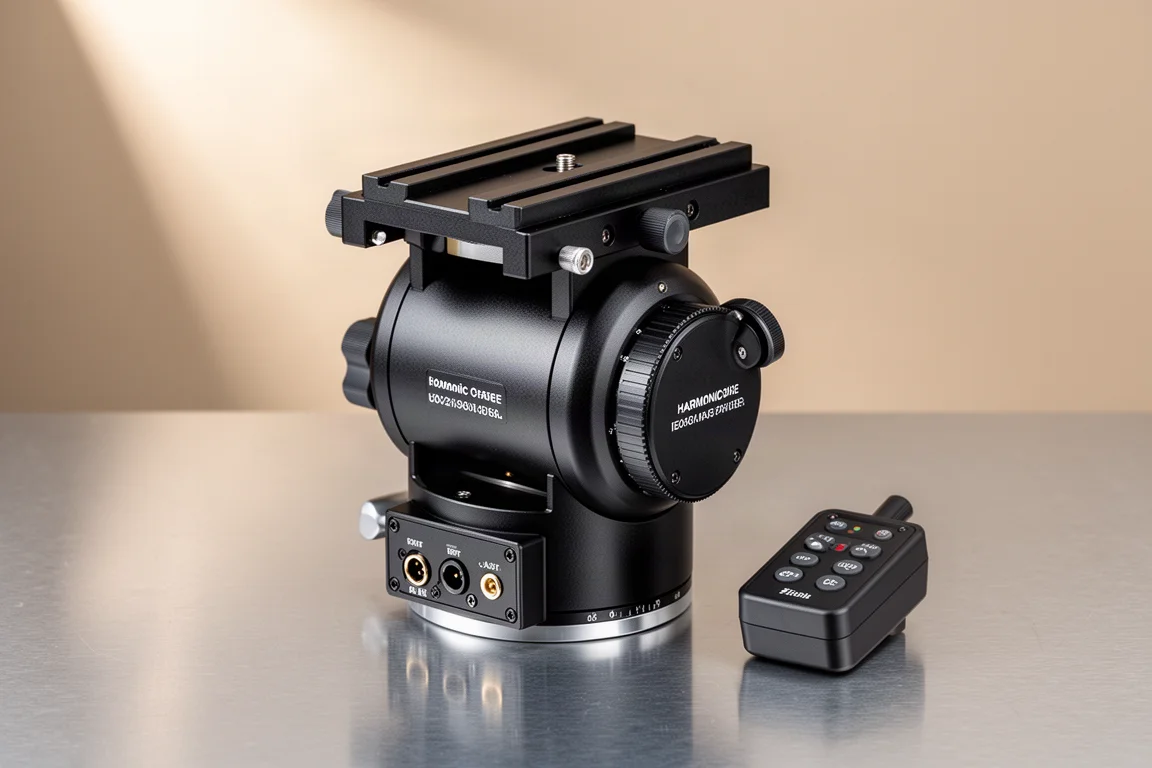
ZWO TC40 Carbon Fiber Tripod
The AM5 does not include a tripod, but ZWO offers the optional TC40 carbon fiber tripod. It has a maximum capacity of 110 lb (50 kg) and weighs just 5 lb, so it is light yet strong. A fabric weight bag holds up to 20 kg of ballast for additional stability, and adding weight significantly improves stability. Loading it with roughly 25 pounds, such as a kettlebell, is a simple way to keep the whole rig steady.
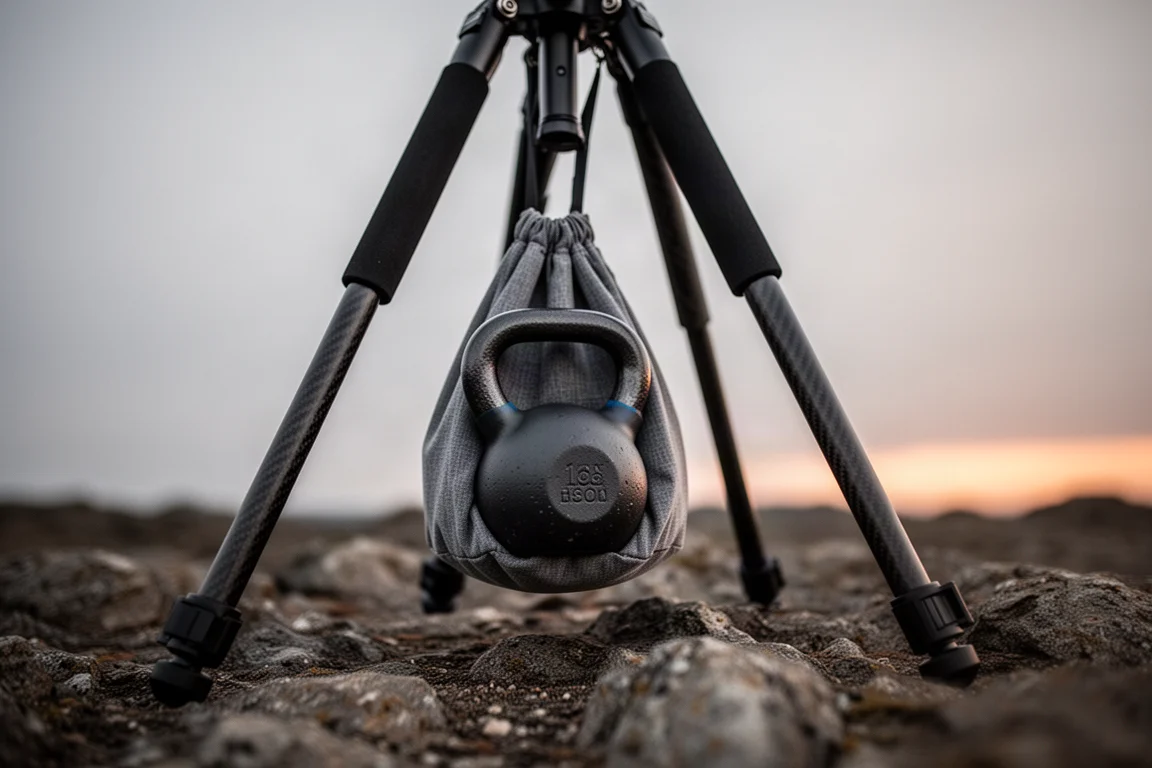
One trade-off: at a maximum height of about 950mm, it is a bit short compared to other astrophotography tripods. That lower center of gravity helps for imaging, but for visual use you may have to stoop over, especially with a refractor pointed at the zenith. No carrying bag is included, though third-party bags that hold the tripod with a pier attached are available.
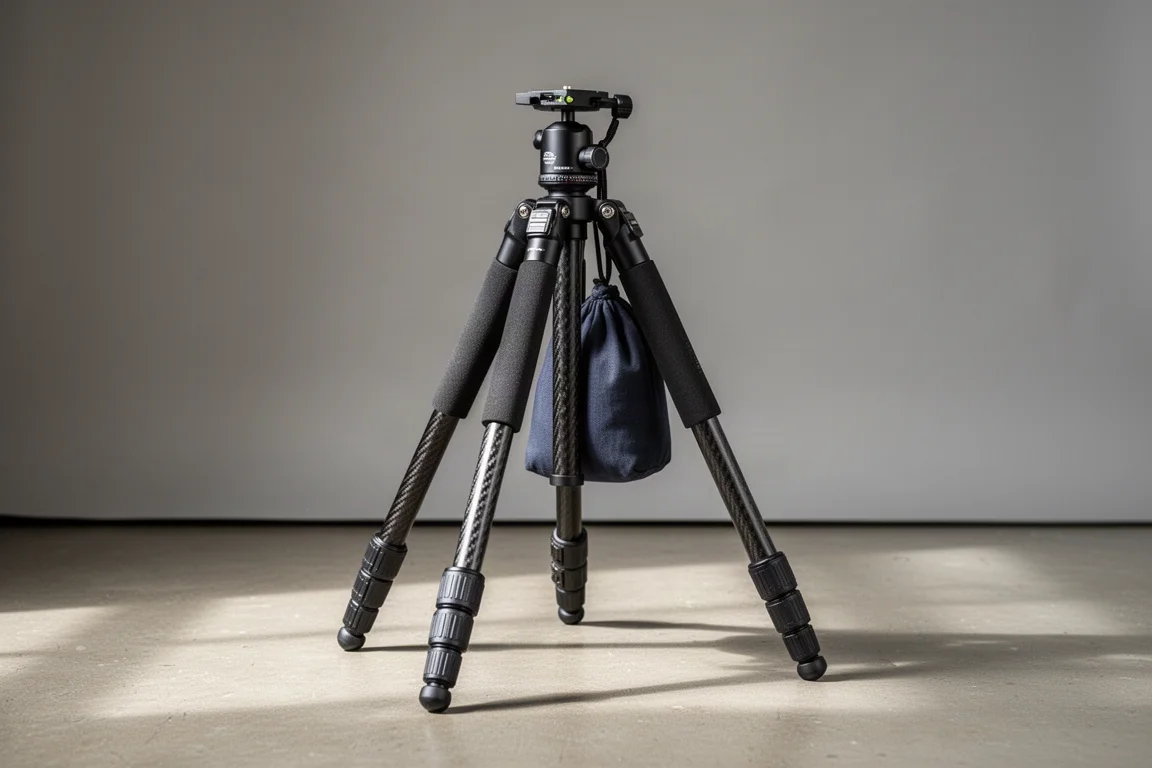
ZWO PE200 Pier Extension
The PE200 pier extension is solid and highly recommended over the prior version, which had three thin vertical bars and was not nearly as stable. It can be stacked twice for more zenith clearance with refractors, though ZWO recommends against stacking because it raises the center of gravity and affects stability.
Working Around Tripod Strikes
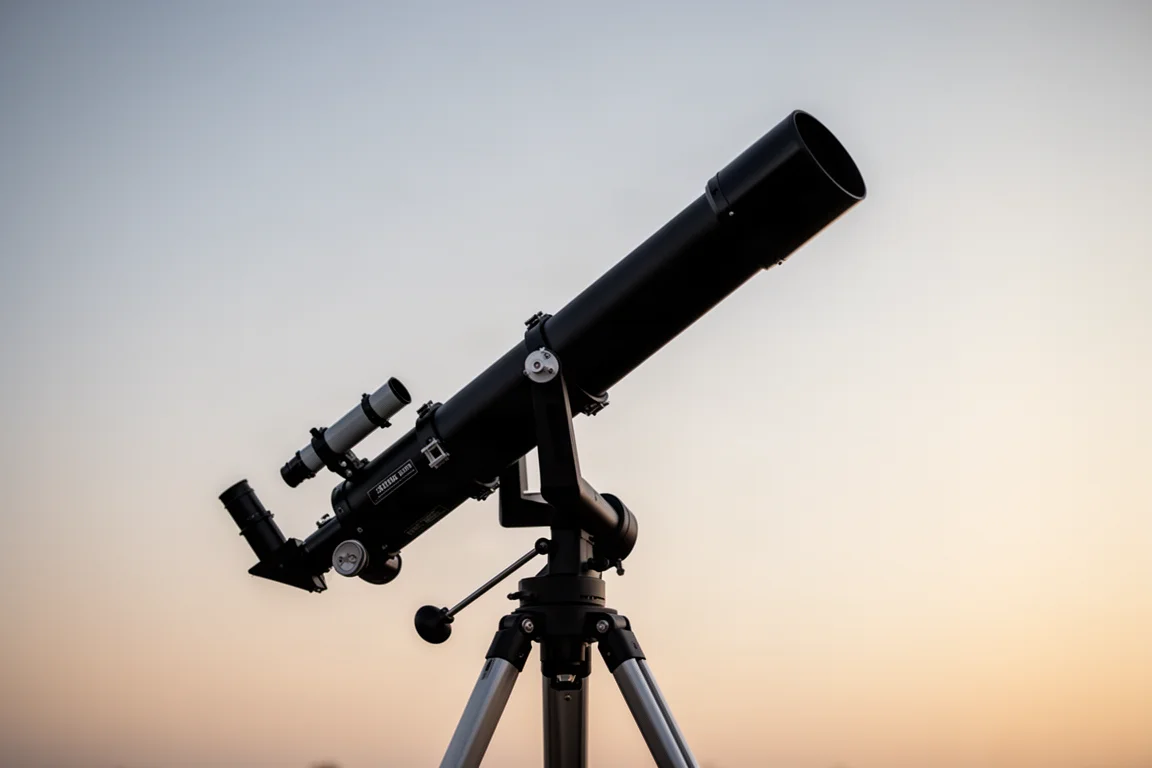
With any tripod, a refractor near the zenith can hit the pier or tripod legs. There are several workarounds: use a pier instead of a tripod, or use the ASI Air setting that stops the scope from getting too close to the tripod. There is no specific guidance for that setting, so a practical approach is to slew close to the meridian, check how close the bottom of the telescope comes to the tripod, and then configure the ASI Air to stop guiding within a set number of minutes of the meridian and flip after that.
Buying Advice
The AM5 is a great solution for any telescope up to about one meter in focal length, especially if you travel to dark sites or do outreach rather than leaving the rig permanently set up. It is excellent for small to medium astrophotography rigs covering deep-sky, solar, lunar, and planetary work, and it has very competitive pricing for a harmonic mount. It costs a little more than a traditional worm gear mount, but the advantages in weight, portability, compactness, and ease of use more than offset that. The only real complaint is the lack of built-in polar alignment software, which was not an issue in practice with an ASI Air. Pair it with the TC40 tripod and PE200 pier if you want a stable, portable foundation for the whole system.
Conclusion
The AM5 delivers excellent guiding, quick setup, and remarkable portability in a package that punches above its stated specifications. Add the TC40 tripod for a light, stable base and the PE200 pier for extra zenith clearance, and you have a travel-friendly imaging platform that is hard to beat for small and medium telescopes.
Further reading
Related Reviews
Astronomy
Astronomy Gifts for Dads: Binoculars, Telescopes and Accessories Worth Giving
A practical gift guide covering stargazing binoculars from around $50, beginner telescopes under $500, and accessories under $100.
Astronomy
Best Filters for EAA in Light Pollution: What Short-Exposure Testing Actually Showed
Five astronomy filters and two noise reduction tools tested under light polluted skies for electronically assisted astronomy, with practical results for broadband and narrowband targets.
Astronomy
Six Premium Eyepieces That Transform a Beginner Telescope
A hands-on comparison of Tele Vue Panoptic, Tele Vue Nagler, and Baader Hyperion eyepieces, and why upgrading the stock eyepieces is the best first move in stargazing.