Astrophotography
ZWO AM3N vs AM5N vs AM7: Which Strain Wave Mount Fits Your Setup?
Three compact strain wave mounts from ZWO compared: payload, portability, tracking specs, and which one makes sense for your astrophotography rig.
Introduction
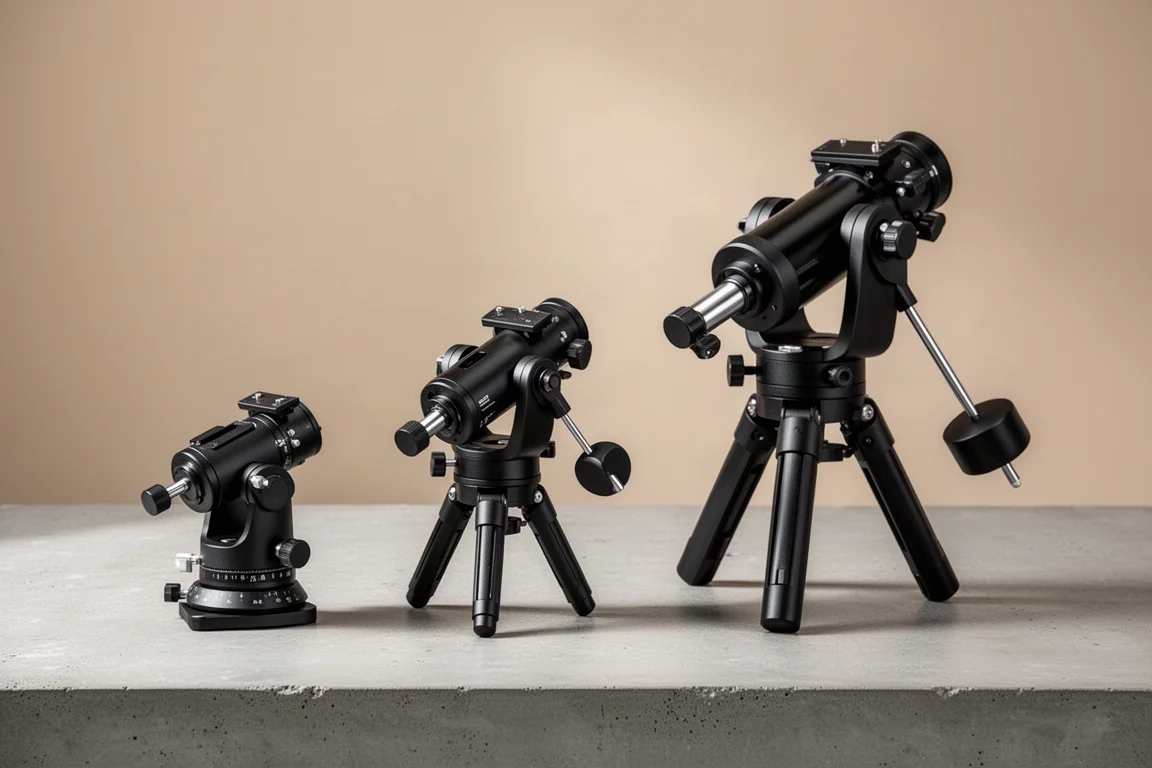
ZWO’s AM series has become one of the most talked-about families of telescope mounts, and for good reason. The AM3N, AM5N, and AM7 share the same core strain wave design but serve noticeably different setups, from ultraportable travel rigs to heavy long-focal-length refractors. This comparison breaks down what they share, where they differ, and which one fits your gear.
What All Three Mounts Have in Common
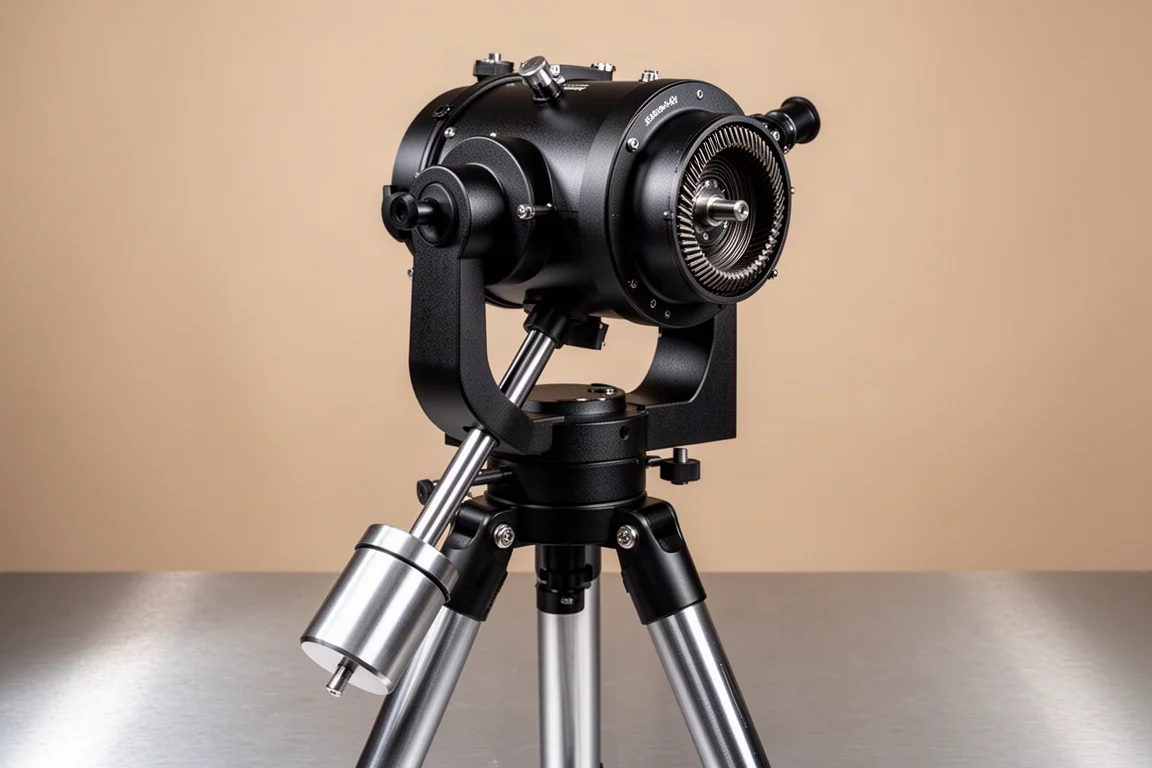
All three mounts use strain wave gearing, also known as harmonic drive. Compared to traditional worm gear mounts, this technology carries significantly more weight relative to the mount’s size while reducing or even eliminating the need for counterweights. That is what keeps the AM3N, AM5N, and AM7 compact and portable despite very different payload capacities.
Each mount operates in both equatorial mode for astrophotography and alt-azimuth mode for visual observing. USB and 12-volt power connections are built into the saddle, which helps clean up cable management on any rig.
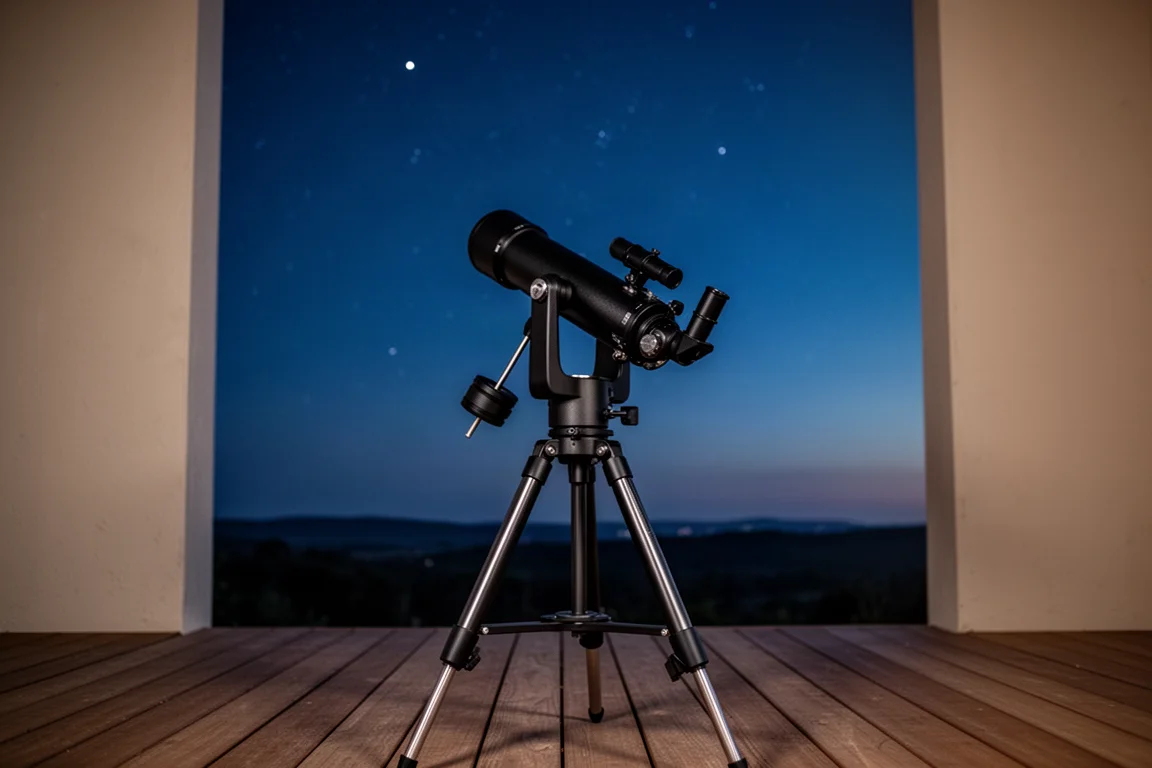
Control options are consistent across the range: ZWO’s app, a hand controller, Bluetooth, essentially any computer software such as NINA, and tight integration with the ASIAIR ecosystem. All three support an optional counterweight if you need to increase payload capacity, accept Vixen or Losmandy style dovetails, and come with a protective carrying case.
One modern quirk: none of these mounts use a traditional polar scope. For astrophotography, you polar align through software such as the ASIAIR, NINA, or SharpCap, which fits the software-driven workflow these mounts are built around.
There is also a power difference to note. The AM3N and AM5N run on 12 volts at around 3 amps, while the larger AM7 calls for a 12-volt 5-amp supply.
ZWO AM3N: The Grab-and-Go Option
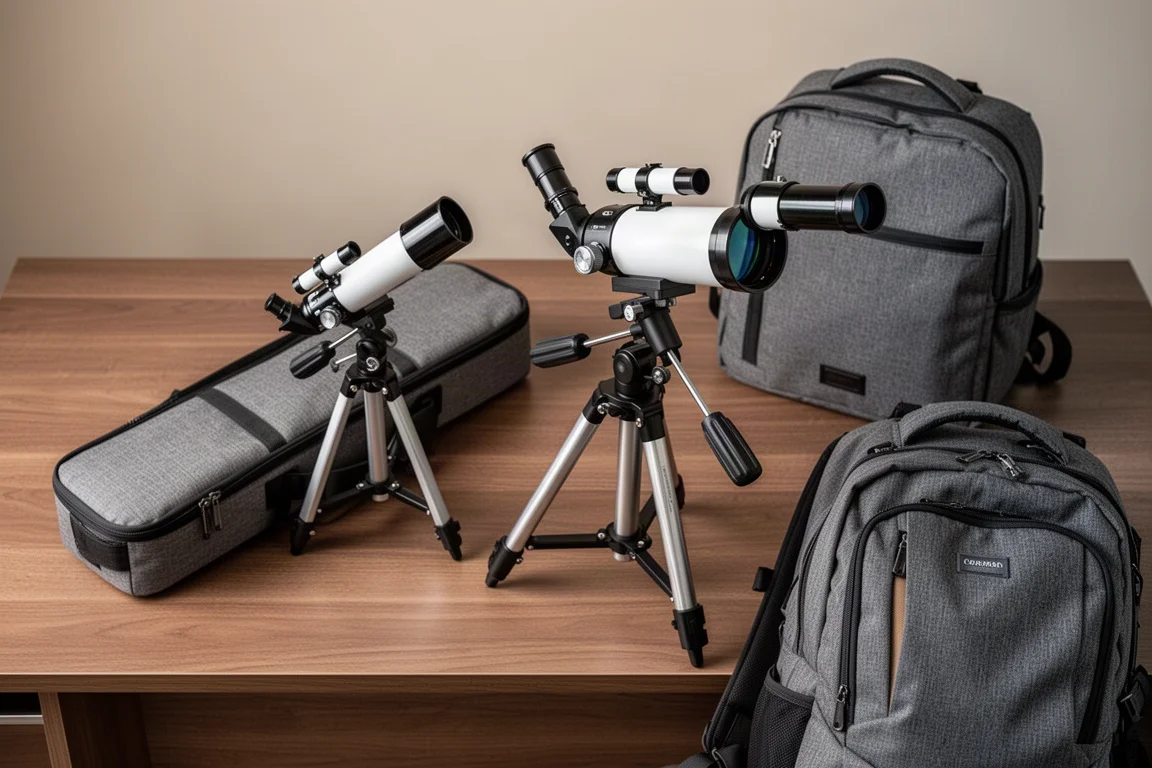
The AM3N is the smallest and lightest of the three at around 9 lb. It carries 17.5 lb without a counterweight and 28.5 lb with one, which makes it a natural grab-and-go mount. Think smaller refractors, compact imaging rigs, and setups that travel often.
It is rated at plus or minus 15 arc seconds of periodic error, and like every mount in this series it ships with its own individual performance report.
ZWO AM5N: The Middle-Ground Workhorse
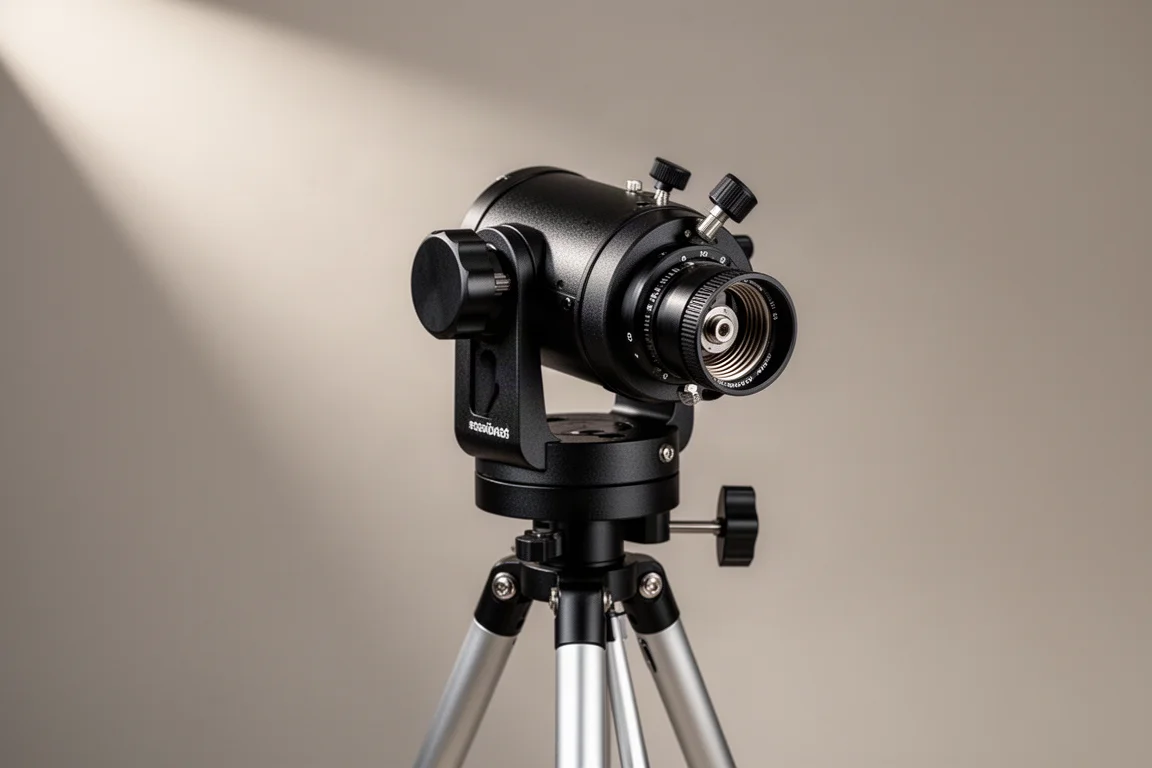
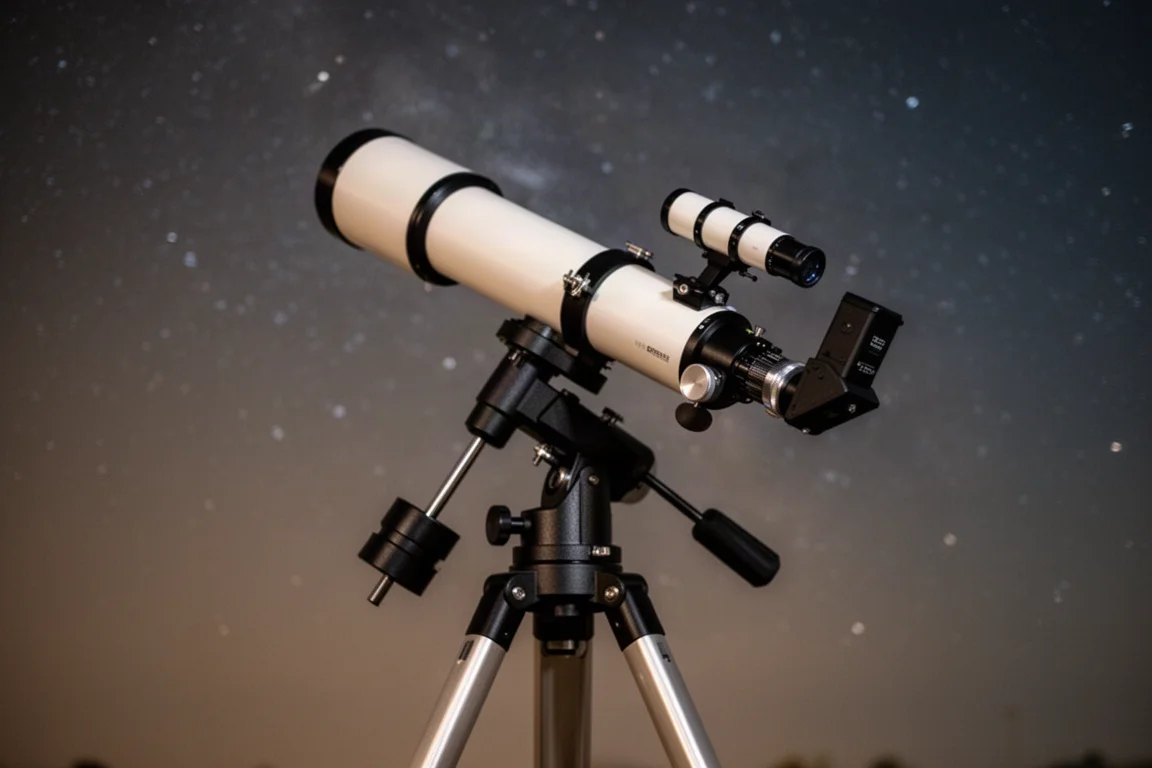
The AM5N weighs about 12.1 lb, but payload jumps significantly to 33 lb without a counterweight and 44 lb with one. This is the middle-ground workhorse of the family: enough capacity for medium-size refractors and heavier imaging trains while still being extremely portable.
Tracking tightens here as well, with a rating of plus or minus 10 arc seconds of periodic error, matching the larger AM7.
ZWO AM7: Room for the Heaviest Rigs
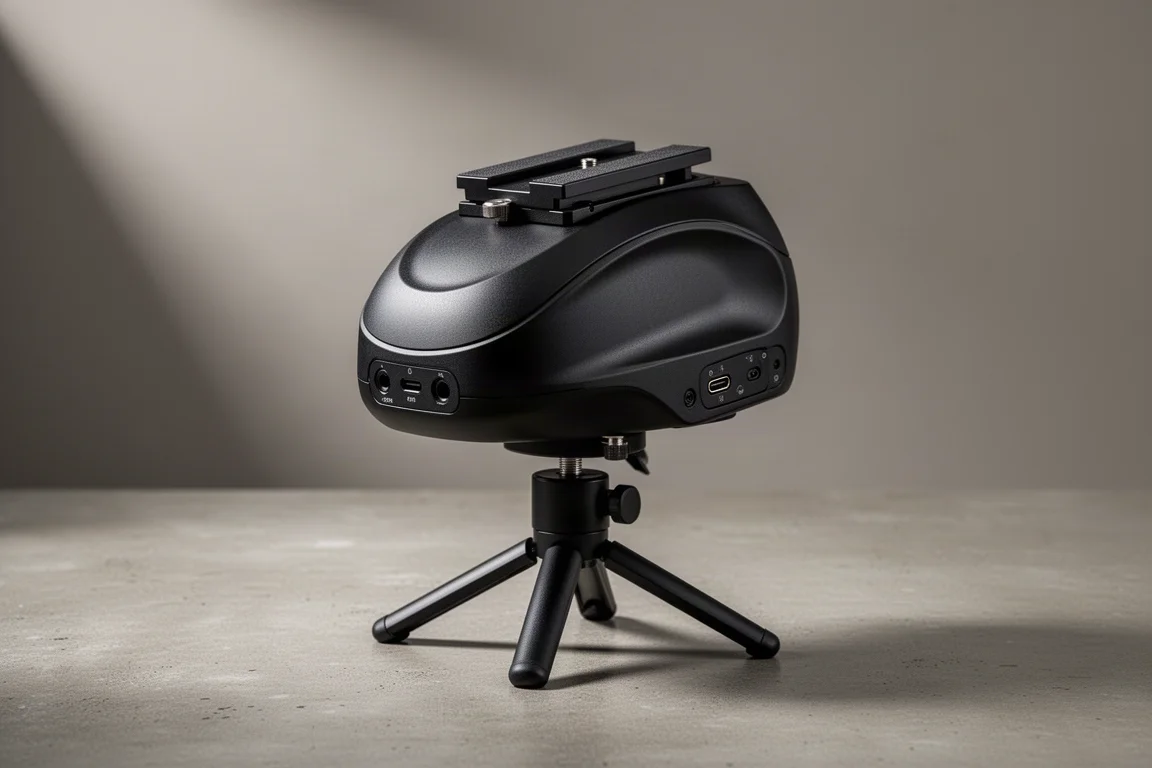
The AM7 weighs about 15 lb but carries a massive 44 lb without a counterweight and up to 66 lb with one. Unlike the AM3N and AM5N, the AM7 includes the counterweight shaft in the case, although the counterweight itself is sold separately.
It shares the plus or minus 10 arc second periodic error rating with the AM5N and requires the beefier 12-volt 5-amp power supply. If you run large refractors, long focal lengths, or simply want headroom for future upgrades, this is the mount in the lineup built for it.
Accessories Worth Knowing About
All three mounts include the TC40 tripod for the same price the mount head alone used to cost, which is a meaningful value point across the range.
If you use a longer refractor, the optional PE200 pier extension is worth adding. It gives extra clearance and helps keep the telescope from potentially hitting the tripod legs. For the ultimate stable platform, the Blue Fireball Tri-Pier offers a 220 lb payload capacity and a rock-solid pier to support even the heaviest rigs.
Which Mount Should You Buy?
If portability is your biggest priority and you run a smaller telescope, the AM3N is the clear pick. If you want the best balance between portability and payload for most astrophotography rigs, the AM5N hits that sweet spot and will fit most astrophotographers without needing an upgrade.
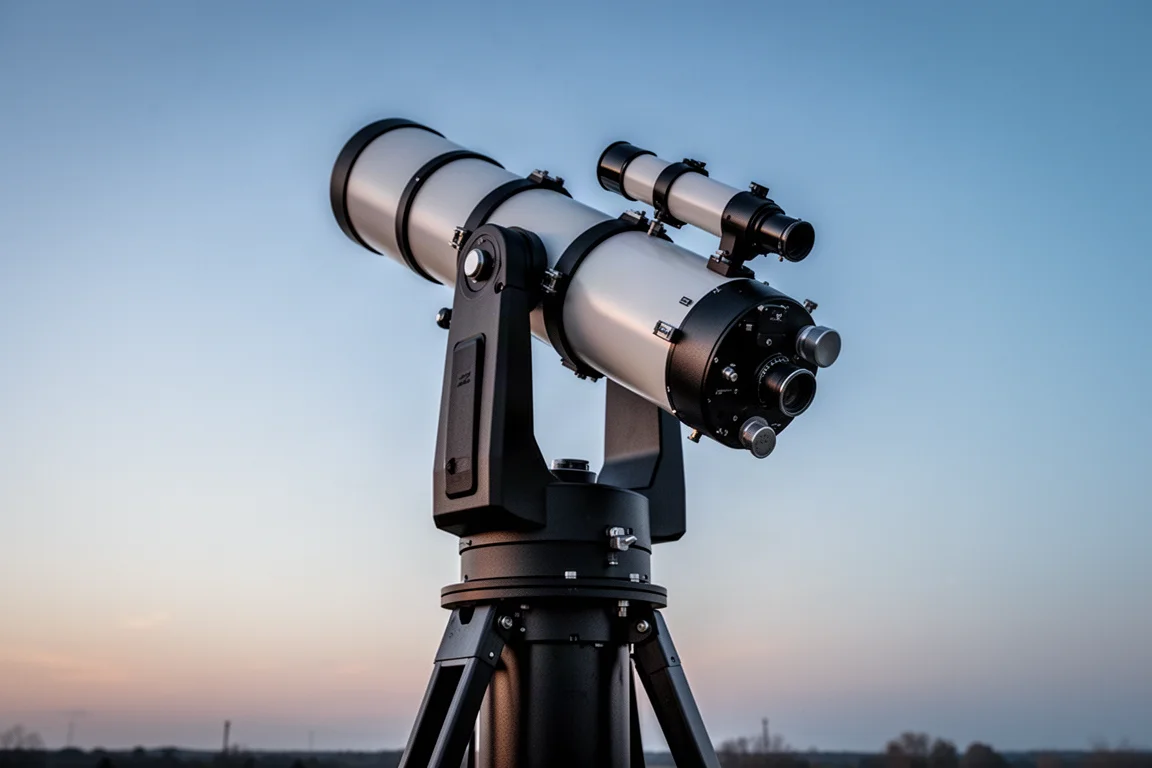
If you run large refractors, heavier telescopes, long focal lengths, or simply want to future-proof your setup, the AM7 is the way to go. Prices vary between models and can change over time, so it is worth checking current pricing before you decide.
Conclusion
The AM3N, AM5N, and AM7 share the same modern strain wave foundation, software-first workflow, and travel-friendly design. The right choice comes down to payload: go small and light with the AM3N, settle in the middle with the AM5N, or build for the long term with the AM7. Match the mount to the telescope you actually run, and any of the three will feel like a purpose-built platform rather than a compromise.
Further reading
Related Reviews
Astrophotography
ASKAR FRA400C Review: A Versatile 400mm Refractor for Astrophotography and More
The ASKAR FRA400C is a compact 72mm refractor that balances reach, versatility, and portability for astrophotographers and visual observers.
Astrophotography
Askar SQA106 Review: A Premium 106mm Astrograph With Exceptional Optics
The Askar SQA106 is a premium 106mm quintuplet astrograph with impressive sharpness across full-frame sensors, though its price and weight demand careful consideration.
Astrophotography
Astro Imaging Gear 2026: Eight New Products Worth Watching
A look at the most interesting new astrophotography and astronomy products announced this year, from fast telescopes to smart cameras and wireless accessories.