Astrophotography
Harmonic Drive Mounts Compared: ZWO AM3, ZWO AM5, and Pegasus NYX-101
Three strain wave telescope mounts put through real astrophotography tests with two different telescopes, guiding logs, and stacked images.
Introduction
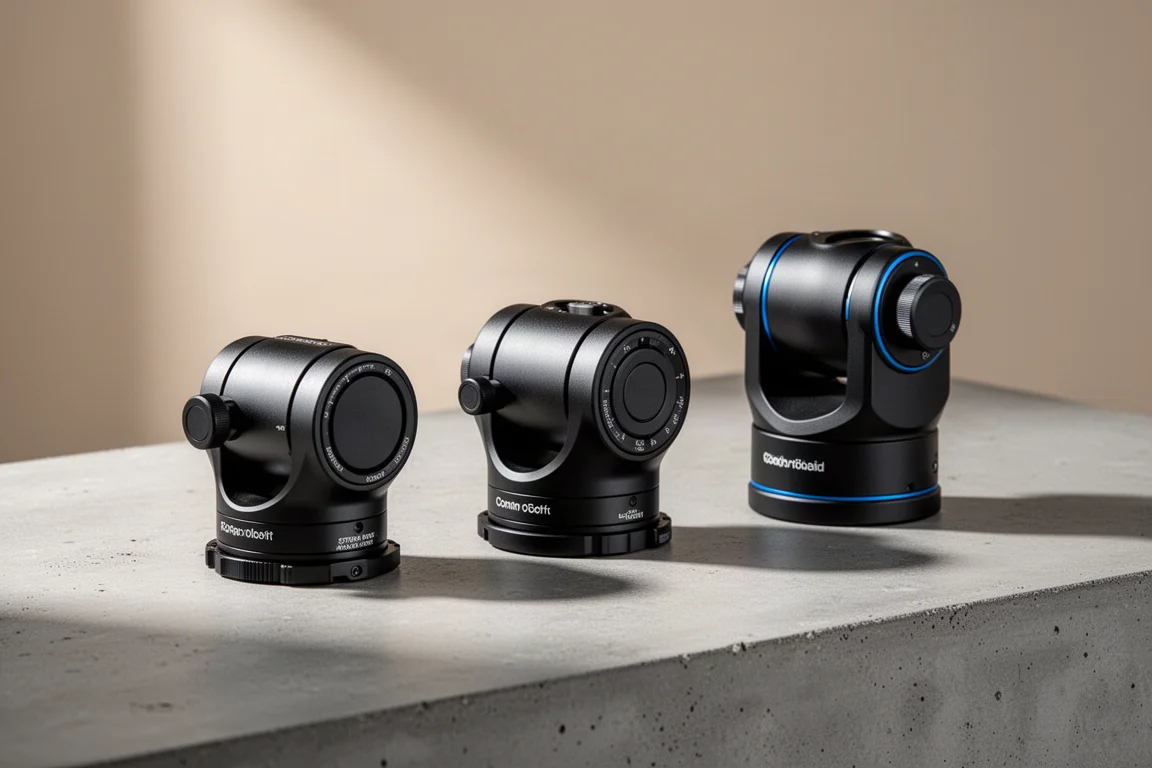
Harmonic drive mounts keep getting more interesting. Strain wave gearing lets a mount head stay compact and light while carrying a surprisingly large payload, often without counterweights. Some rigs still benefit from a counterweight so the whole assembly does not tip over, but the weight-to-payload ratios here are what make this category so appealing for astrophotographers.
This comparison looks at two newer models, the ZWO AM3 and the Pegasus NYX-101, alongside the ZWO AM5 as a reference. The AM3 makes sense as a possible step down from the AM5, while the NYX-101 positions itself as a step up. Both mounts were tested with the same telescopes, cameras, and polar alignment method, on the same night, so the results are directly comparable.
Design and Polar Alignment
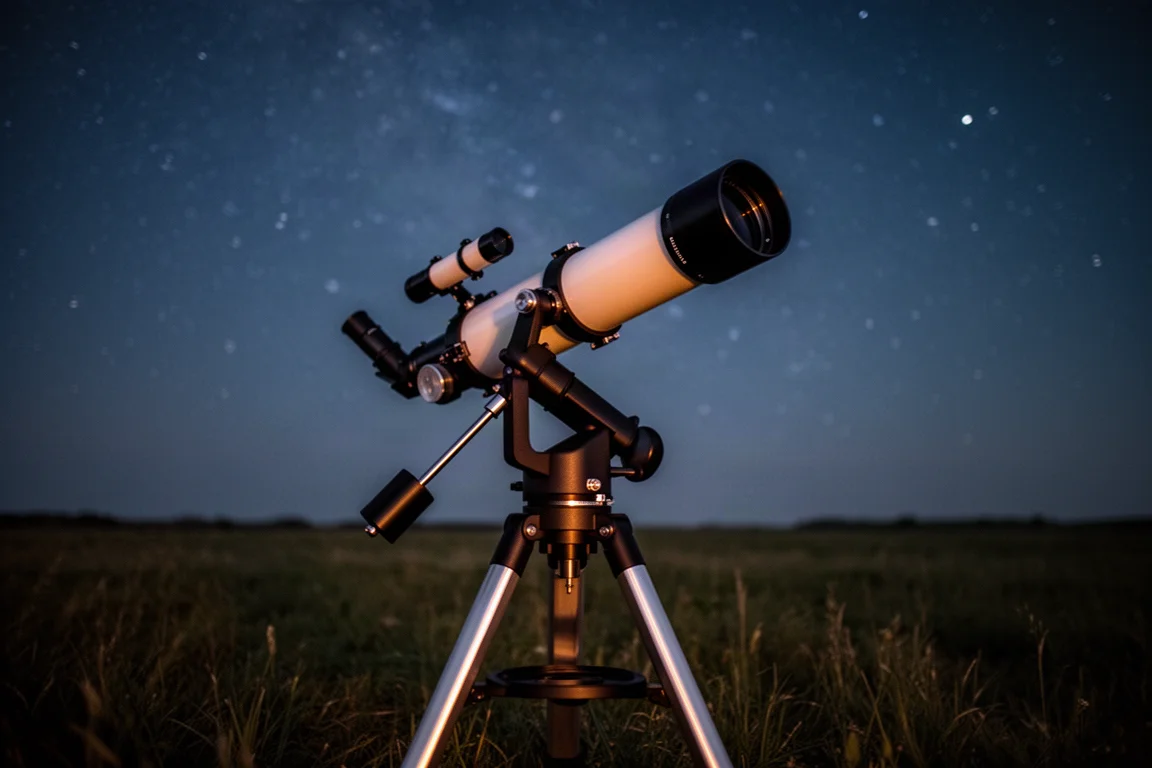
All three mounts work in either equatorial or alt-az mode. For deep sky astrophotography, equatorial mode is the practical choice, since it allows long exposures without field rotation. Visual observers get the better eyepiece positioning of alt-az mode. None of the three include a polar alignment scope, so polar alignment relies on software routines paired with a guide camera or a dedicated polar camera. A QHY PoleMaster on an ADM underslung adapter works well here, and the Pegasus Unity software even includes a module for moving the mount in exact right ascension increments, which makes camera-based polar alignment easier. The ZWO driver also handles this fine, just through a more traditional virtual keypad.
These mounts are undeniably techy. If you want a mount that runs without a computer or app, none of these fit, since there is no way to polar align traditionally and no traditional hand controller included. For imagers, though, software-driven alignment is a strength rather than a drawback. Of the three, the NYX-101 has the best altitude adjustment knob: smooth and easy regardless of payload. The AM5 has the best azimuth adjustment, while the AM3 is the most difficult, with coarse adjustments that make it easy to overshoot and spend extra time going back and forth.
Weight, Payload, and Price
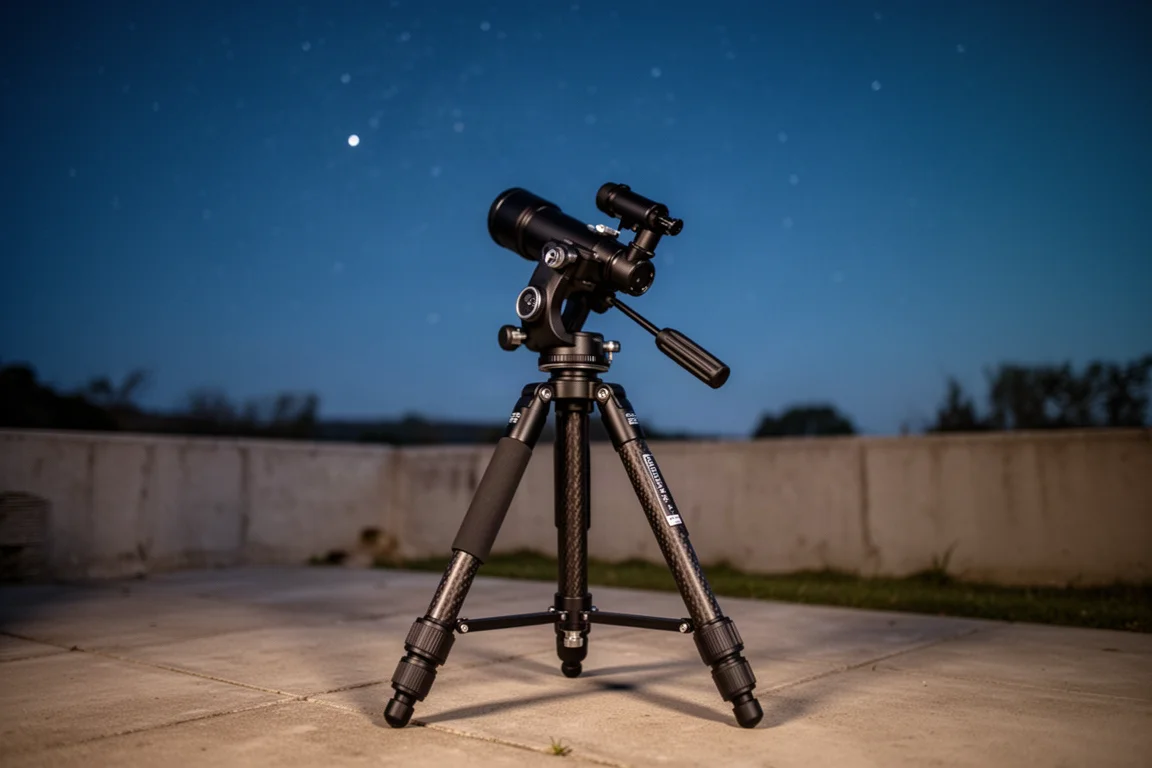
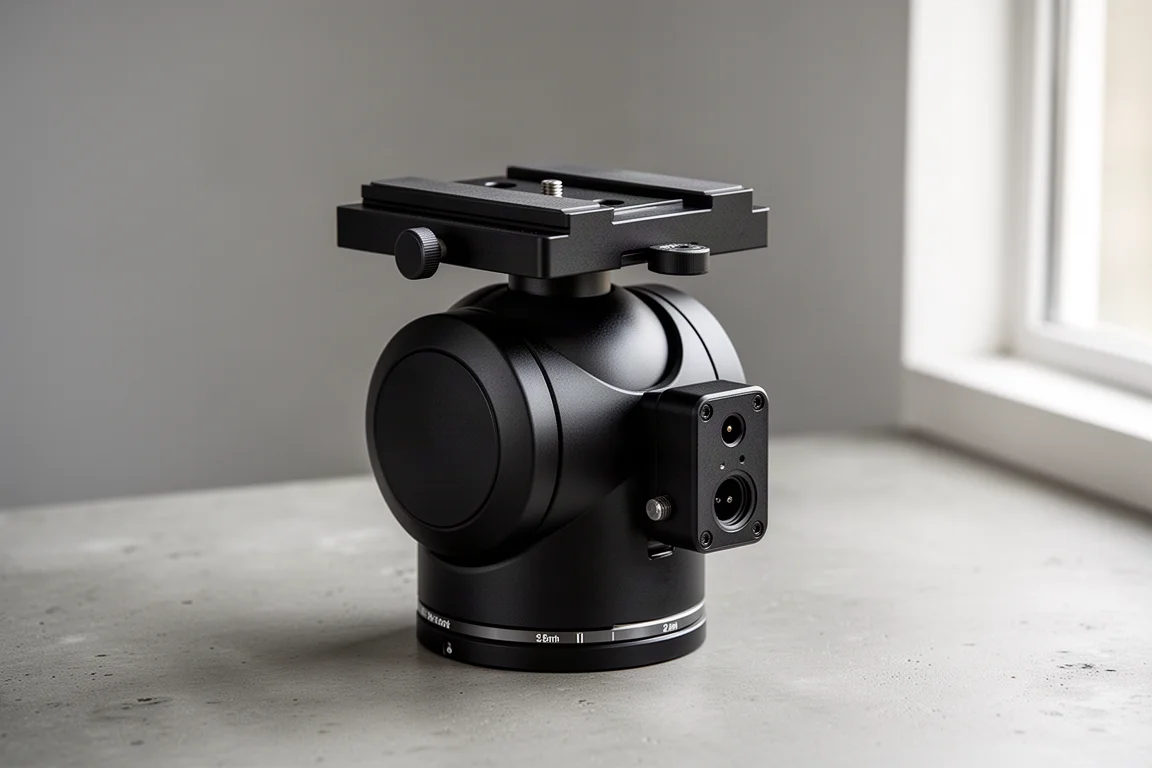
This is where harmonic drive mounts get genuinely interesting. The ZWO AM3 head is the smallest and lightest of the group at 8.6 lb, with a 17.6 lb payload limit without counterweights or 28.6 lb with one, a 3.3:1 ratio. The AM5 head weighs 12.1 lb, carries 28.6 lb without a counterweight and 44 lb with one, a 3.6:1 ratio. The NYX-101 head weighs 14.3 lb and carries 44 lb without a counterweight and 66 lb with one, an excellent 4.6:1 ratio.
Base prices in US dollars at the time of testing were $1,500 for the AM3, $2,000 for the AM5, and $2,960 for the NYX-101. Getting any of them onto a carbon fibre tripod with a pier extension adds roughly $400 to $500; the tripod alone runs about $300 to $350. At base price each includes the mount head, a USB cable, and a carrying case, though the AM5 and NYX-101 cases feel more premium with cloth exteriors and metal zippers. The NYX-101 also includes a 5 amp power supply; the ZWO mounts include no power supply or power cable at all. Any of these can be adapted to Sky-Watcher tripods with the right optional pieces.
Connections and Power
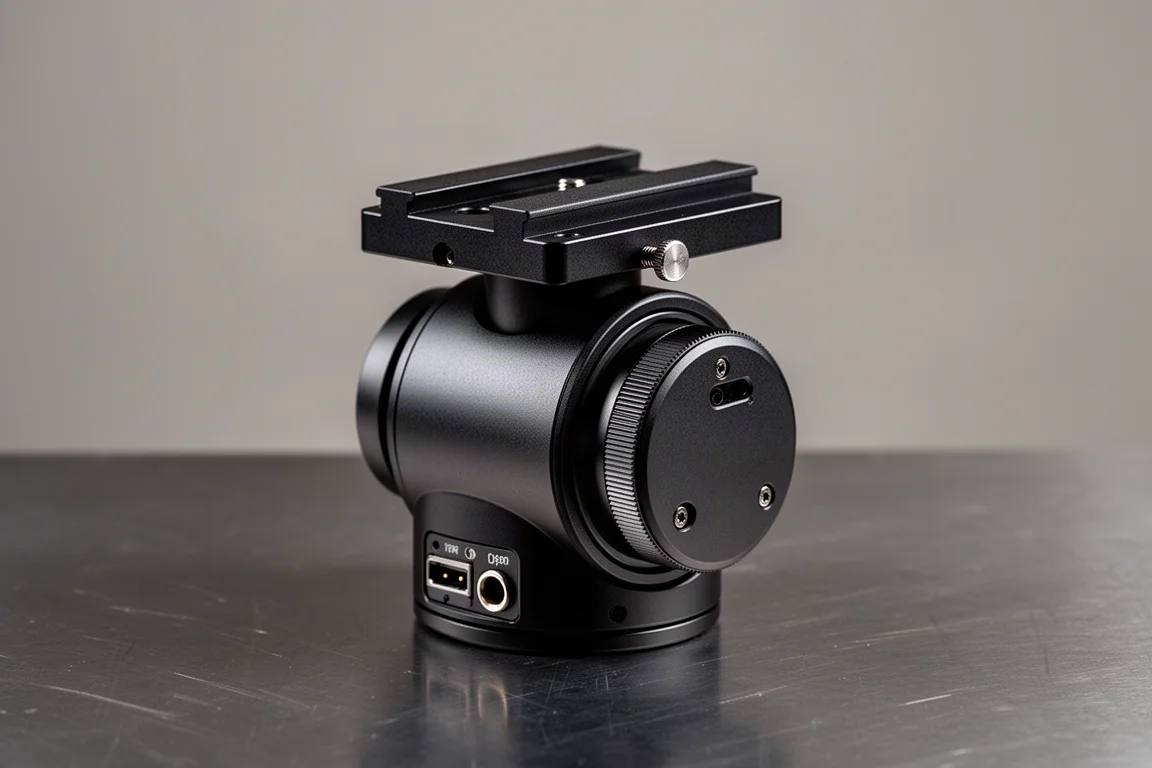
On the AM3 and AM5, most connections sit on the front. The AM3 adds Bluetooth alongside the Wi-Fi both ZWO mounts share, but it lacks the 12V power output the AM5 has. Both use a standard 12V 2.1mm centre-pin power input and USB-B for wired computer connection, with ST-4 guiding ports on each. The NYX-101 also has an ST-4 port, which doubles as the connection point for an optional hand controller still in development.
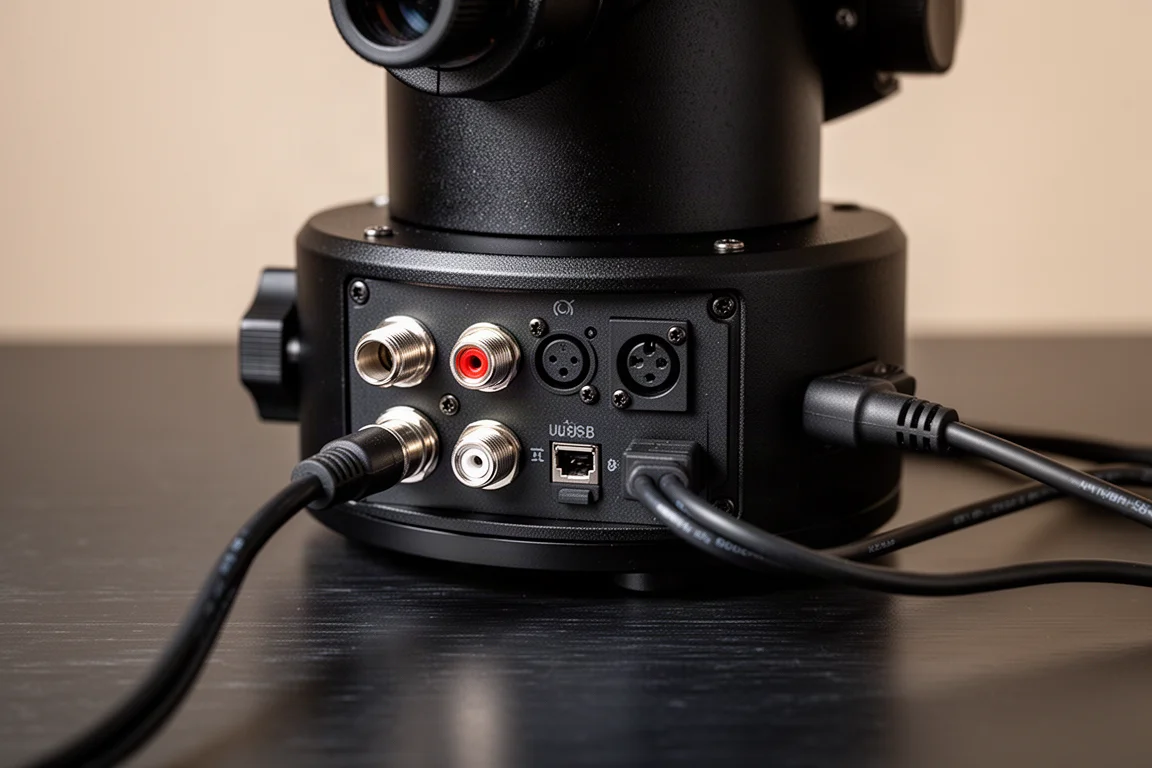
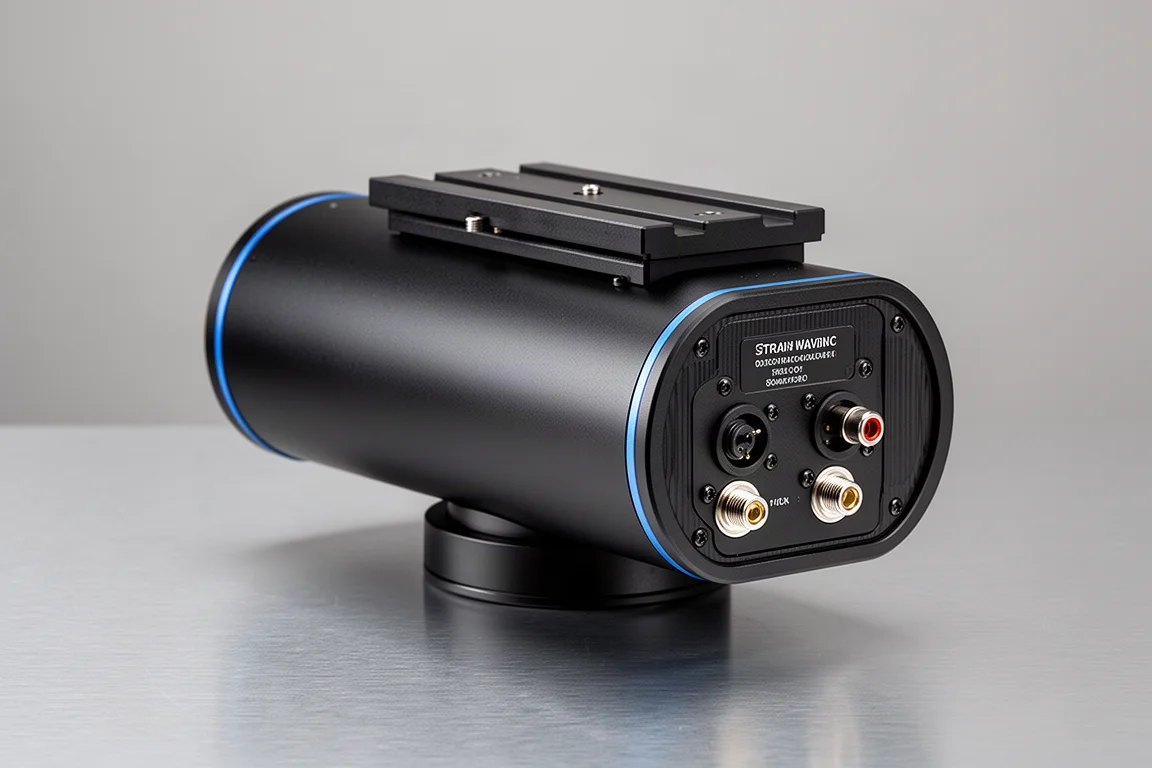
The NYX-101 puts all ports on the back and uses threaded GX12 connectors for 12V power in and out, the same robust connector Sky-Watcher uses on the EQ6-R. It ships with a 5 amp AC adapter meant to power the mount only. If you route power through the mount to a cooled camera, dew heaters, and other accessories, you will need the optional 10 amp Pegasus supply instead; underpowering the mount can cause frustrating data connection drops. The NYX-101’s Wi-Fi can either create its own network or join your home network, which is convenient since your computer can stay online while controlling it.
Saddles and Accessories
All three mounts have dual saddles that accept both Vixen and Losmandy dovetail plates, the two worldwide standards. The NYX-101 usually comes with a standard saddle but is also available in a package with the Pegasus saddle power box. That box routes power from the mount’s power output up to the telescope, giving you power, dew heater, and USB connections right at the scope, which makes cable management dramatically easier. It can be bought separately and fitted to the AM5 or other mounts, but it only matches the NYX-101’s black and blue colour scheme out of the box.
Test One: Light Payload at 700mm
The first test used a no-counterweight rig just under the AM3’s limit: 15.5 lb total, an Askar 103 APO at 700mm focal length with a 1x flattener, and an ASI 2600 MC Duo with its integrated guide camera, giving an image scale of 1.1 arcseconds per pixel. Polar alignment used PoleMaster on an ADM dovetail adapter for all three mounts.
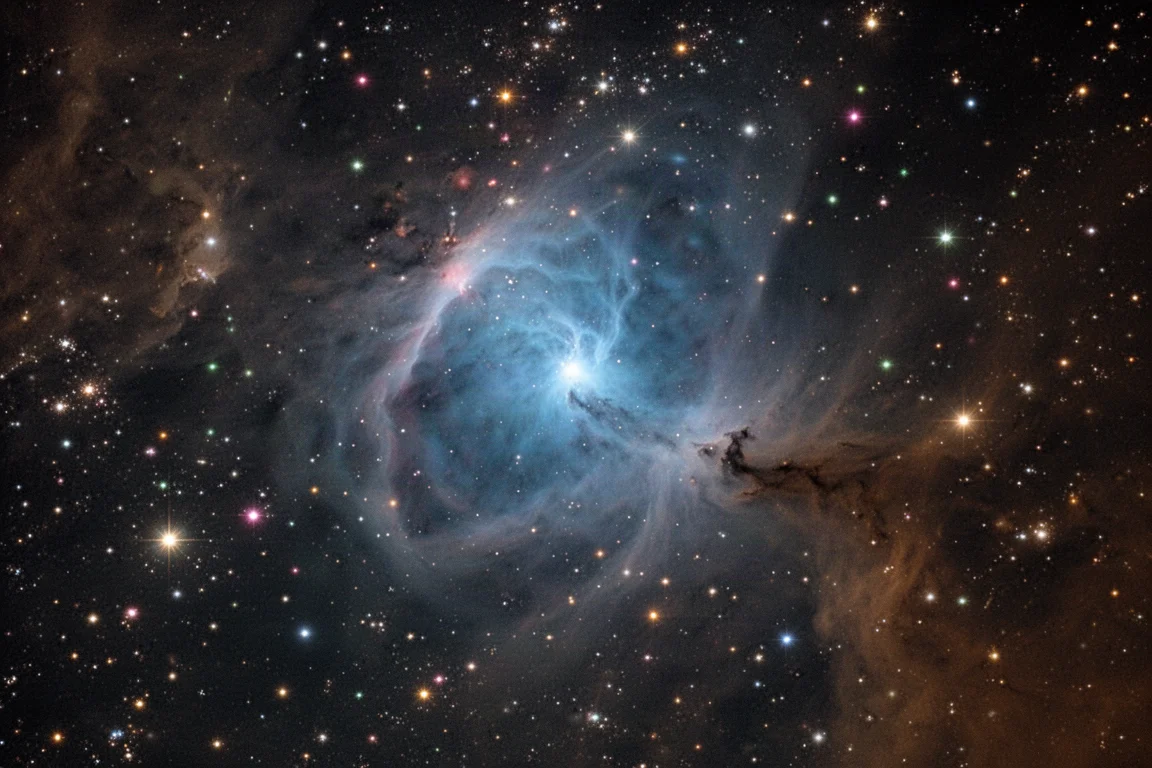
Guiding results were close. The AM5 posted 0.47 arcseconds total RMS, staying mostly within one arcsecond with one brief set of declination spikes it recovered from quickly. The NYX-101 recorded 0.57 arcseconds, again mostly within one arcsecond with a few excursions. The AM3 came in at 0.64 arcseconds and was noticeably spikier across the whole session, though it recovered quickly from every spike. For a $1,500 mount, that is still impressive.
In the stacked images, zoomed-out frames looked nearly identical, which is what you would expect from guiding this close at 700mm. On close inspection, though, the AM5 looked sharpest by a hair over the NYX-101, and the AM3 was noticeably a little fuzzier on the stars. You have to pixel peep to see it, but if critical sharpness matters, the AM5 and NYX-101 edged out the AM3 here.
Test Two: Heavy Payload at 1000mm
The second test pushed harder: a 29 lb (13.1 kg) payload with the Askar 130 PHQ at 1000mm and the same camera, an image scale of 0.78 arcseconds per pixel, plus a counterweight. This put the AM3 half a pound over its stated maximum with a counterweight, which is not a recommended configuration; the target sat nearly at the pole, so the weight balanced right over the mount. The NYX-101 can technically handle 44 lb without a counterweight, but that is not advisable on the carbon fibre tripod.
Guiding numbers looked respectable across the board: 0.81 arcseconds total RMS for both the AM3 and AM5, and 0.98 for the NYX-101, which was shooting the target lower in the sky later in the night through more turbulent atmosphere. The AM3 and AM5 graphs showed spikes in the three to four arcsecond range, but the totals looked good.
The images told a more complicated story. The AM3 produced stars with a small divot off to the right, giving them a slightly triangular shape, visible on every sub rather than a stacking artifact. By contrast, the NYX-101’s stars actually looked a touch rounder than the AM5’s despite the higher RMS number, though the two are extremely close. The takeaway is not that you should regularly hang a 30 lb telescope on the AM3. If you run a big telescope regularly, the NYX-101 is the more reliable and stable long-term choice, and a heavier steel or aluminium tripod with thicker legs is worth adding to any of these with a large payload.
Overall Buying Advice
At 700mm with a light payload, all three mounts deliver excellent results, and the differences only appear under close scrutiny. If budget is the priority and your rig stays light, the AM3 is a remarkable value. If you want a proven middle ground with more headroom and a 12V power output, the AM5 remains a strong reference. If you carry heavier telescopes or want the best weight-to-payload ratio, integrated power distribution at the saddle, home-network Wi-Fi, and threaded power connectors, the NYX-101 justifies its higher price.
Conclusion
Testing the same telescopes and cameras on all three mounts in one night showed how small the real-world gaps are at moderate focal lengths, and where they widen: the AM3 shows its limits under maximum load, the AM5 stays consistent, and the NYX-101 offers the most payload headroom and the most thoughtful accessory ecosystem. Matching the mount to your actual payload and imaging style matters more than any single guiding number.
Further reading
Related Reviews
Astrophotography
ASKAR FRA400C Review: A Versatile 400mm Refractor for Astrophotography and More
The ASKAR FRA400C is a compact 72mm refractor that balances reach, versatility, and portability for astrophotographers and visual observers.
Astrophotography
Askar SQA106 Review: A Premium 106mm Astrograph With Exceptional Optics
The Askar SQA106 is a premium 106mm quintuplet astrograph with impressive sharpness across full-frame sensors, though its price and weight demand careful consideration.
Astrophotography
Astro Imaging Gear 2026: Eight New Products Worth Watching
A look at the most interesting new astrophotography and astronomy products announced this year, from fast telescopes to smart cameras and wireless accessories.