Subwoofers
Zu Audio Method Subwoofer Review: A 15-Inch Sealed Sub Built for Music
A 15-inch sealed subwoofer with a 225-watt Hypex Class D amplifier, three configurable low-pass presets, and a music-first voicing that rewards careful pairing.
Introduction
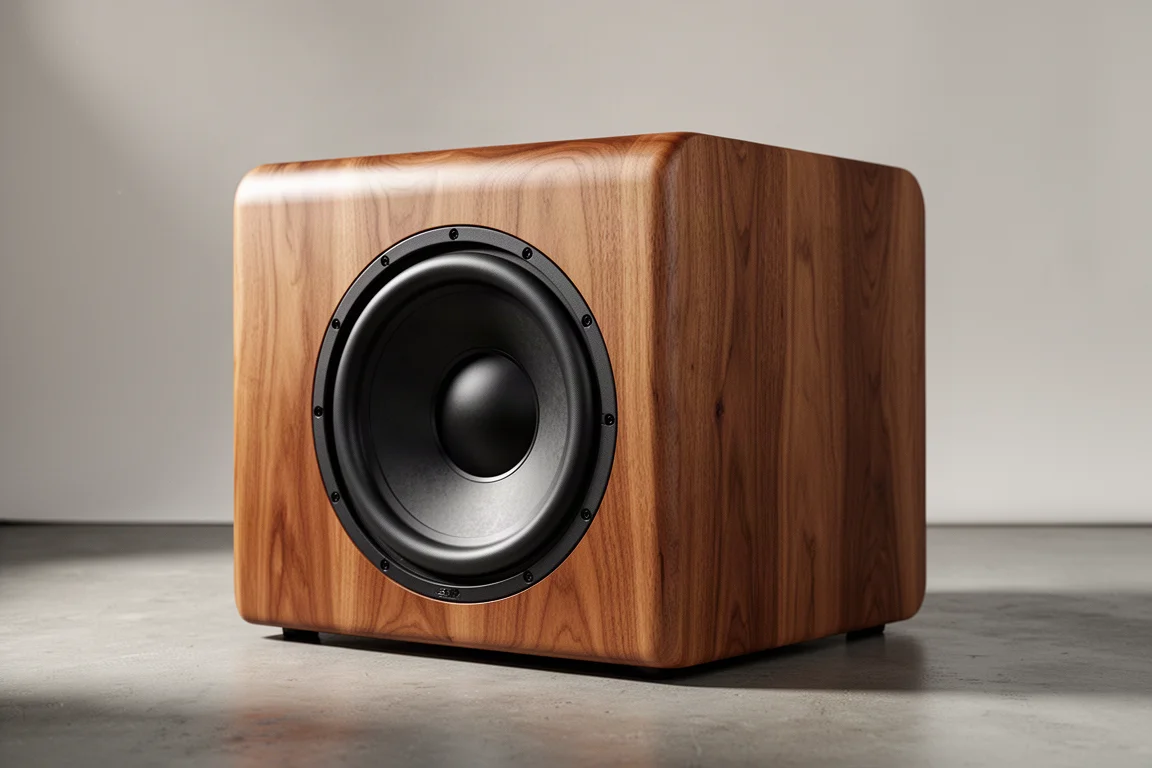
The Zu Audio Method is a 15-inch sealed-box subwoofer priced at $1,519 in satin black or satin white, with optional finishes costing a little more. Sealed cabinets are usually chosen for definition and speed rather than maximum output, and Zu Audio has built this one around music reproduction rather than room-shaking home theater effects. Zu Audio has designed and built its products in Ogden, Utah for more than 25 years, and the company sells direct worldwide without distributors, so buyers outside the United States pay the same price plus shipping.
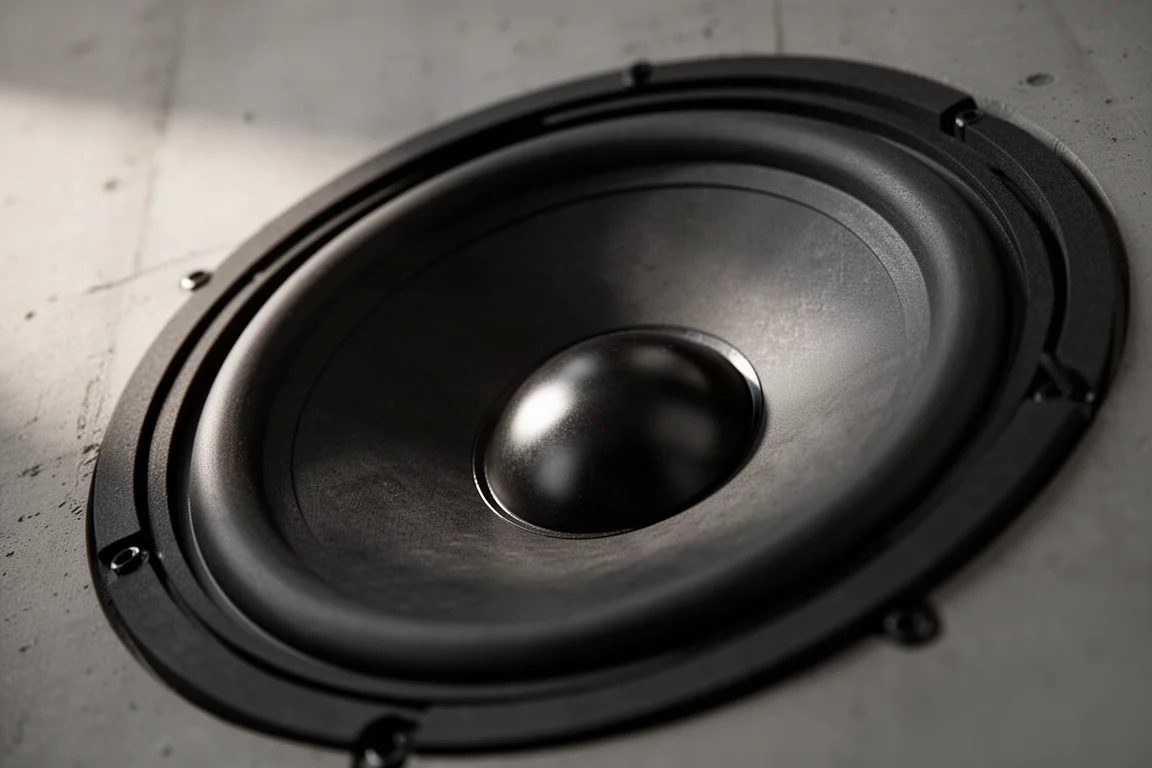
The Method is a two-channel-first design. A single 15-inch driver is driven by a 225-watt Hypex Encore Class D amplifier, and the back panel stays deliberately simple: a balanced XLR mono input, stereo RCA inputs that are summed to mono, and a gain control. Buyers who want a subwoofer to disappear into a music system rather than announce itself will find the intent easy to read here.
Who the Zu Audio Method Is For
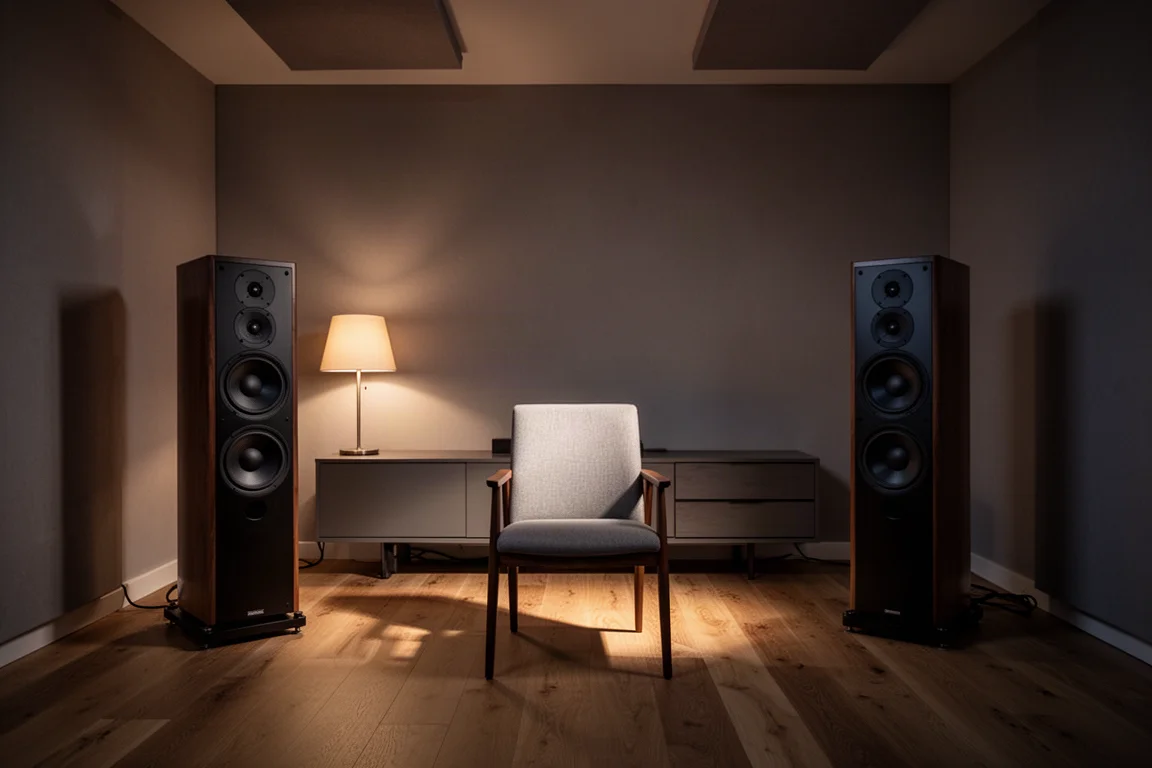
This subwoofer makes the most sense for listeners running larger two-way or floorstanding speakers who want deeper low-frequency extension without changing the character of their system. It also suits buyers who are willing to spend a little time on placement and level matching, because the Method rewards that effort.
It is a less obvious fit for very small stand-mount speakers. The general pattern with subwoofer matching is that larger main speakers blend more easily, and that held true across the pairings described below. Anyone running a compact speaker with a small woofer should treat the Method as a possible rather than a certain match.
Main Strengths: Low-End Extension and Seamless Blending
Paired with the Zu Audio Dirty Weekend 6, the Method settled into place after only a few minutes of level adjustment. On a solo piano recording of jazz improvisations built around Beethoven, played on a nine-foot Steinway concert grand, the left-hand extension, the dynamics, and the sense of space around the instrument all improved, and the piano sounded closer to the size of the instrument it actually is. That result came from a full-range floorstanding speaker that already produces a fair amount of bass on its own.
With the Klipsch RP600M Mark II and low-pass preset two, the blend became seamless after a small gain adjustment, and a lush orchestral tango record moved with the ease of a much larger system. With a large stand-mount speaker built around a 12-inch woofer, the combination was arguably the strongest of the group, and loud playback of Massive Attack lost a noticeable amount of energy and impact when the subwoofer was switched off.
The consistent thread across those pairings is that the bigger the main speaker, the easier the subwoofer is to integrate. The Method does not add a distinct layer of bass underneath the music; it extends what the main speakers already do.
Setup, Connectivity, and the Low-Pass Presets
The back panel offers a balanced XLR mono input and stereo RCA inputs summed to mono, along with a gain control. Two omissions stand out. There is no phase switch, neither a 0 and 180 degree option nor a variable control, though phase can still be inverted by reversing the hot and ground connections at each main speaker. There is also no variable low-pass filter. Instead, the Method provides three low-pass presets selected with a button.
Those presets can be tailored. Tell the factory which speakers you use and they will load an appropriate curve: preset one for larger speakers such as the Dirty Weekend 6, preset two for smaller speakers such as the KEF LS50 and the Klipsch RP600M Mark II, and preset three for smaller stand mounts. Presets can also be programmed at home, though that route requires a PC rather than a Mac. Placement matters as much as the settings. A sensible starting point is between the left and right speakers, then a side of the room, and the left of the left speaker is a well-established position.
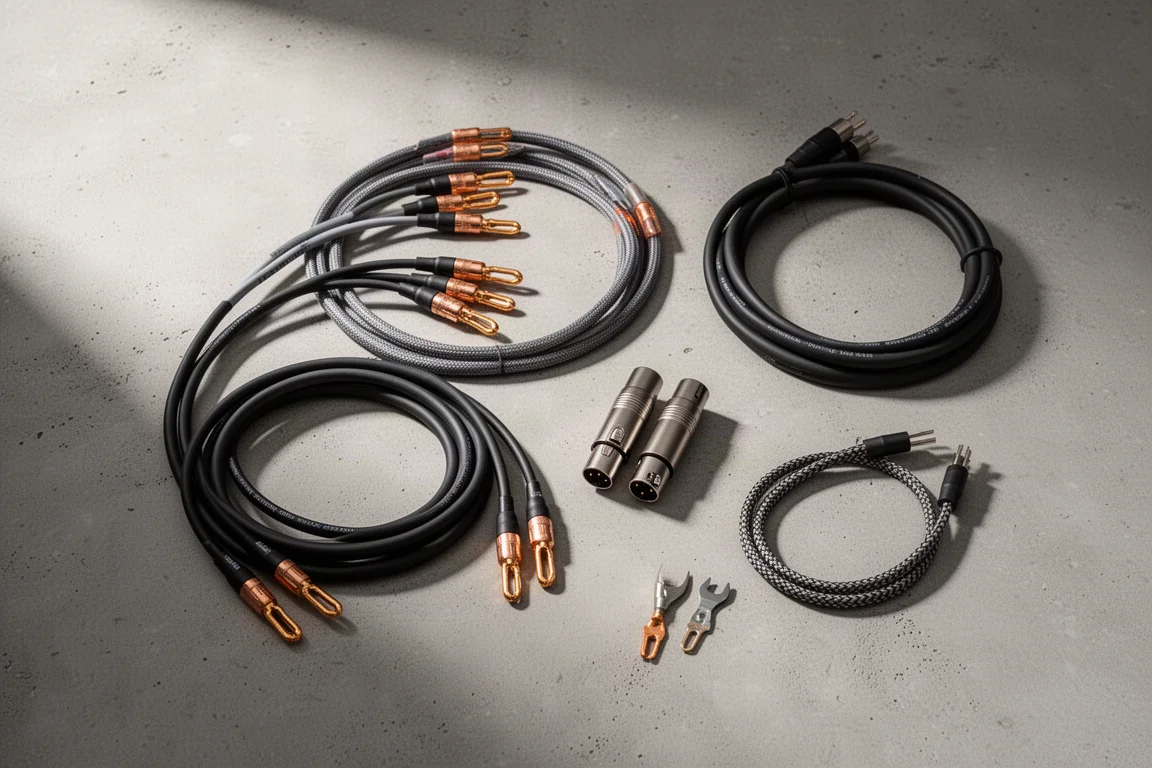
Cabling is generous for the money. Zu Audio supplies an interconnect for the RCA inputs, or a speaker-level cable with spades or banana plugs at the amplifier end and a dedicated connector at the subwoofer end. Of the three connection methods, the speaker-level link proved the better-sounding option. A black grille is included for buyers who prefer not to look at the driver.
Speaker Pairing Notes
Blending a subwoofer is a matching exercise rather than a simple volume adjustment, and the Method makes that clear. With a smaller stand-mount speaker built around a 5.25-inch concentric driver, the KEF LS50 Meta, no combination of presets, level adjustment, or phase reversal produced a convincing blend, and that pairing was set aside.
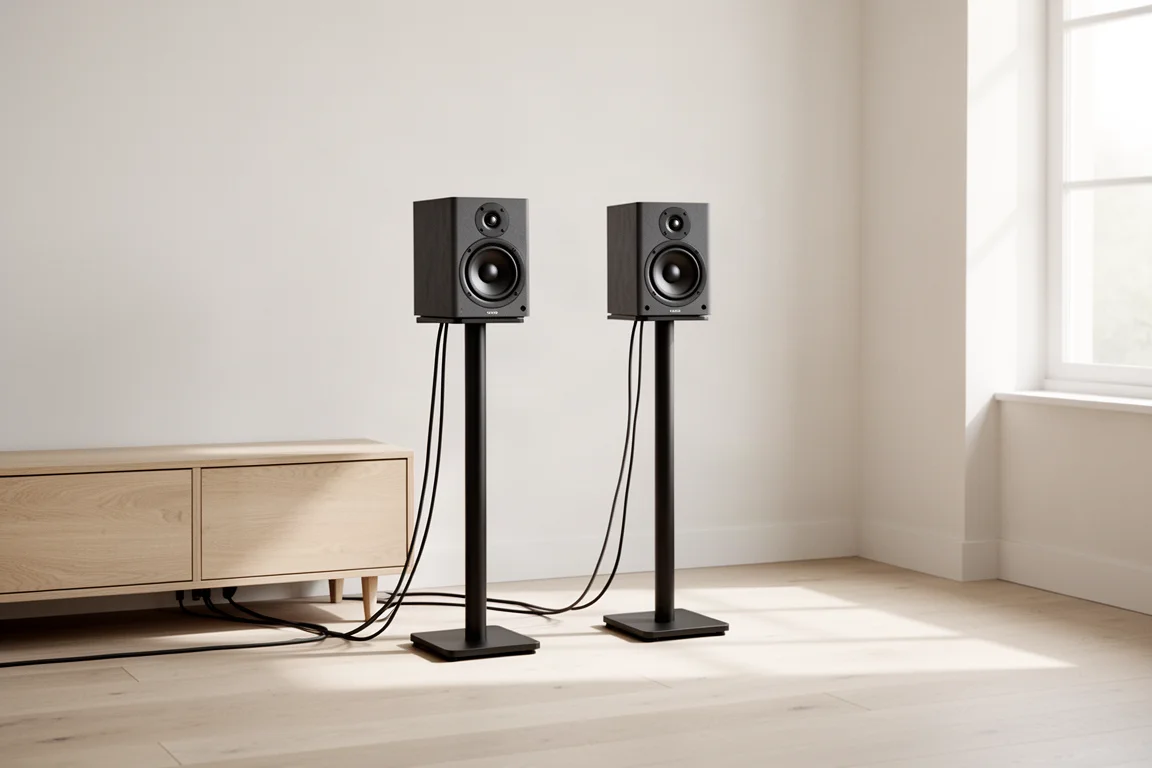
The practical takeaway is straightforward: plan around the speakers you already own. Larger cabinets with bigger woofers gave the Method the easiest job, while the smallest speaker in the group never quite met it. Buyers with compact stand mounts should confirm the intended pairing before committing.
Things to Consider Before Buying
There is no phase invert switch, so phase correction has to happen at the main speakers. The low-pass filter is fixed to three presets rather than being continuously variable, and programming custom presets yourself requires a PC. Optional finishes cost more than the standard satin black and satin white, and direct sales mean shipping is added on top of the list price.
Gain setting deserves attention. First-time subwoofer buyers tend to push the level higher than it should be, chasing the sensation of a shaking room. A more rewarding target is a setting lower than instinct suggests, so that the bass appears to come from the main speakers and the subwoofer itself stays effectively invisible.
Buying Advice
At $1,519, the Method is a considered purchase rather than an impulse one, but the argument for it is strong. A well-matched subwoofer changes the perceived sound of a system more than swapping a preamp, a DAC, or a power amplifier at similar money, because it alters scale, dynamics, and the sense of space rather than just adding low end.
Buyers in the United States get a 60-day return policy, which takes much of the risk out of an in-room experiment. Before ordering, it is worth noting which speakers the subwoofer will partner and asking the factory to load the matching low-pass presets, then budgeting for the finish and shipping you actually want.
Conclusion
The Zu Audio Method is a music-first subwoofer. Its sealed 15-inch cabinet, 225-watt amplifier, and factory-configured presets are aimed at extending larger speakers rather than overpowering a room, and in that role it blends cleanly and adds scale that is hard to achieve any other way. It is not a universal match: small stand-mount speakers may never gel with it, and the fixed presets and absent phase switch ask for a little patience during setup. For listeners with substantial speakers and a two-channel system, it is a convincing upgrade.
Product link
View more details for Zu Audio Method
This product is mentioned in the review. Check the specifications, options, and compatibility before buying.
View more details for Zu Audio MethodFurther reading
Related Reviews
Subwoofers
Arendal 1961 Subwoofer 1S Review: Beautiful Build, Modest Punch at $1,000
A sealed $1,000 subwoofer with a gorgeous cabinet, plus three lower-priced alternatives that deliver more impact for movie nights.
Subwoofers
Arendal Sound 1723 2V Subwoofer Review: Dual 13.8-Inch Drivers Under $3,000
A flagship ported subwoofer with dual opposing 13.8-inch drivers, a 1,200W RMS amplifier, app-based DSP, and a 10-year warranty.
Subwoofers
Ascendo 16 Sub Active Sealed Review: Sealed Bass Built on Real Engineering
A close look at the Ascendo 16 Sub Active Sealed, a 16-inch sealed home theater subwoofer with independently verified measurements, a purpose-built driver, and genuinely controlled output.