Subwoofers
Arendal 1961 Subwoofer 1S Review: Beautiful Build, Modest Punch at $1,000
A sealed $1,000 subwoofer with a gorgeous cabinet, plus three lower-priced alternatives that deliver more impact for movie nights.
Introduction
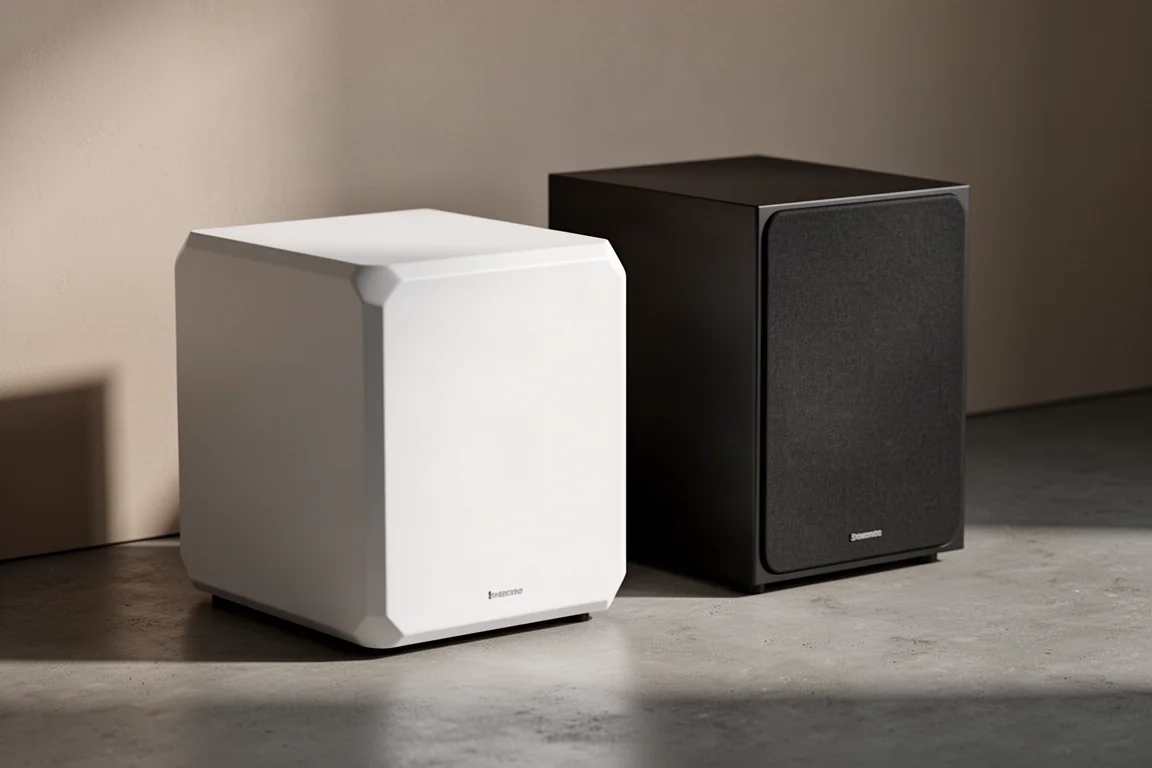
A $1,000 subwoofer has to justify itself twice: on paper and in the room. The Arendal 1961 Subwoofer 1S is a sealed cabinet in a matte white finish, with a black option also available, a 550 watt RMS amplifier, and a rear panel that carries the full set of controls. It measures 12.5 inches wide, 16.25 inches deep and 16.75 inches tall, and it weighs 43.9 pounds, which makes it a piece of furniture as much as a speaker.
The build quality is genuinely good, and the finish is the kind that earns a place in a visible corner of a living room. The question is whether the sealed design delivers the impact buyers expect from a subwoofer at this price, and whether the less expensive alternatives make more sense for a system that has to handle both music and movies.
What the Arendal 1961 Subwoofer 1S Gets Right
The 1961 1S is a handsome object. The cabinet is rectangular with chamfered corners, and the matte white surface reads as furniture rather than equipment, which matters when the subwoofer cannot be hidden behind a couch. The amplifier is rated at 550 watts RMS, and the rear panel is densely populated with controls for matching the subwoofer to the rest of the system. At 43.9 pounds, the cabinet feels solid without being difficult for one person to move.
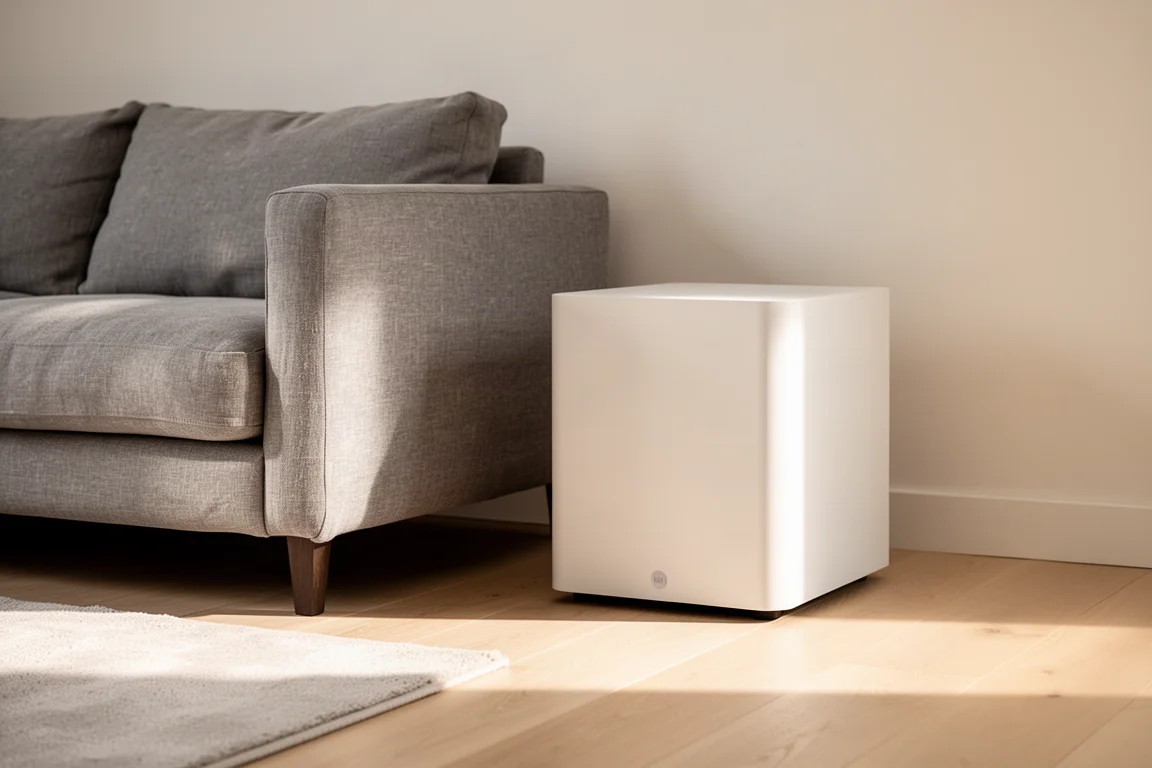
On music, the sealed cabinet behaves the way a sealed design is meant to: composed, tidy, and never overwhelming. The low end is filled in rather than forced forward, and it stays out of the way of the midrange. For listeners who play music far more often than they watch films, that character is a real strength rather than a compromise.
Where the Arendal 1961 Subwoofer 1S Falls Short
The trade-off with a sealed cabinet is output, and that trade-off defines this subwoofer. In movie use it rounds out the bottom end, but it does not pressurize a room the way an output-focused design does. At $1,000, that is a difficult compromise when comparable or stronger performance is available for less money.
The wider lineup adds another wrinkle. Arendal also builds a vented 1961 model with deeper low-frequency extension and a rear display that adds little in daily use, which leaves the sealed 1S feeling like the middle child of its own family. And because every adjustment sits on the back panel, tuning means reaching behind the cabinet rather than adjusting from a seat.
SVS SB-1000 Pro: App-Based Tuning for Less
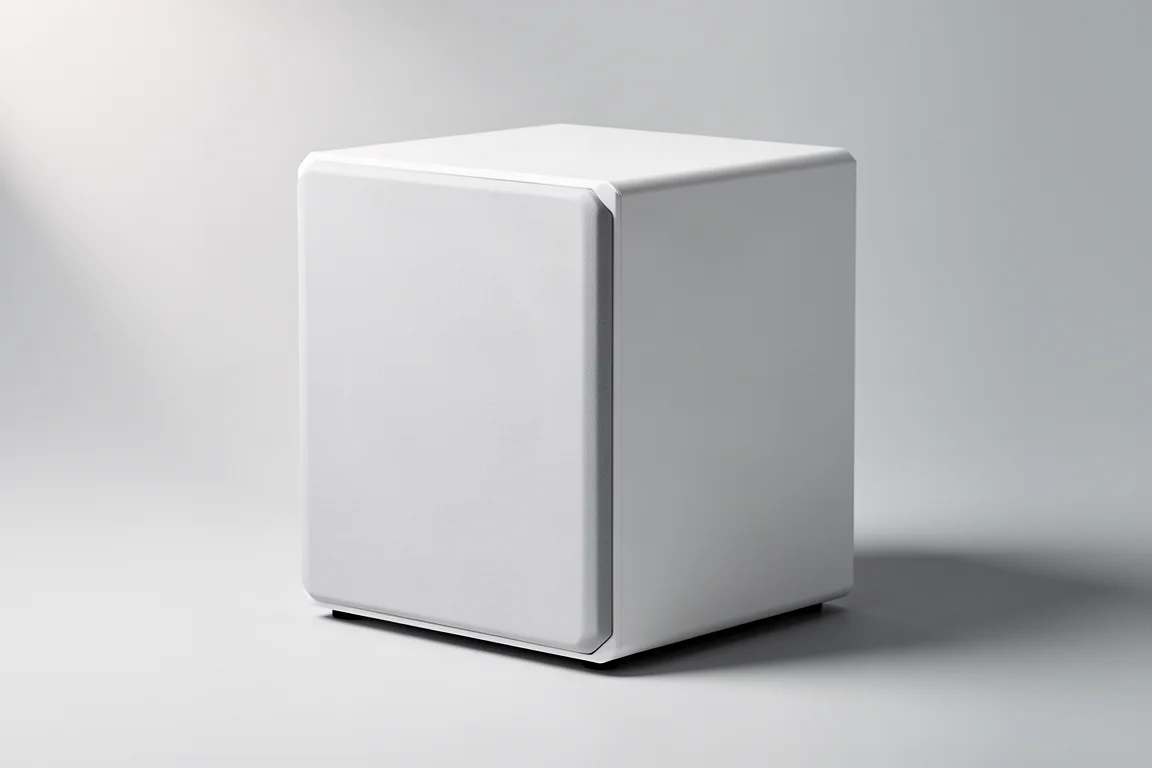
The SB-1000 Pro lists at around $600 and is frequently discounted, including through manufacturer returns and blemished stock. Its headline feature is app-based control, which means level, crossover and tuning changes can be made from the listening position instead of from behind the cabinet. For anyone who has spent an evening crouched on the floor with a phone flashlight, that convenience is worth real money.
That combination of a lower price and easier tuning makes it the straightforward recommendation for most buyers working with a $1,000 budget. It is not a statement piece the way a matte white cabinet is, but it removes the most annoying part of living with a subwoofer.
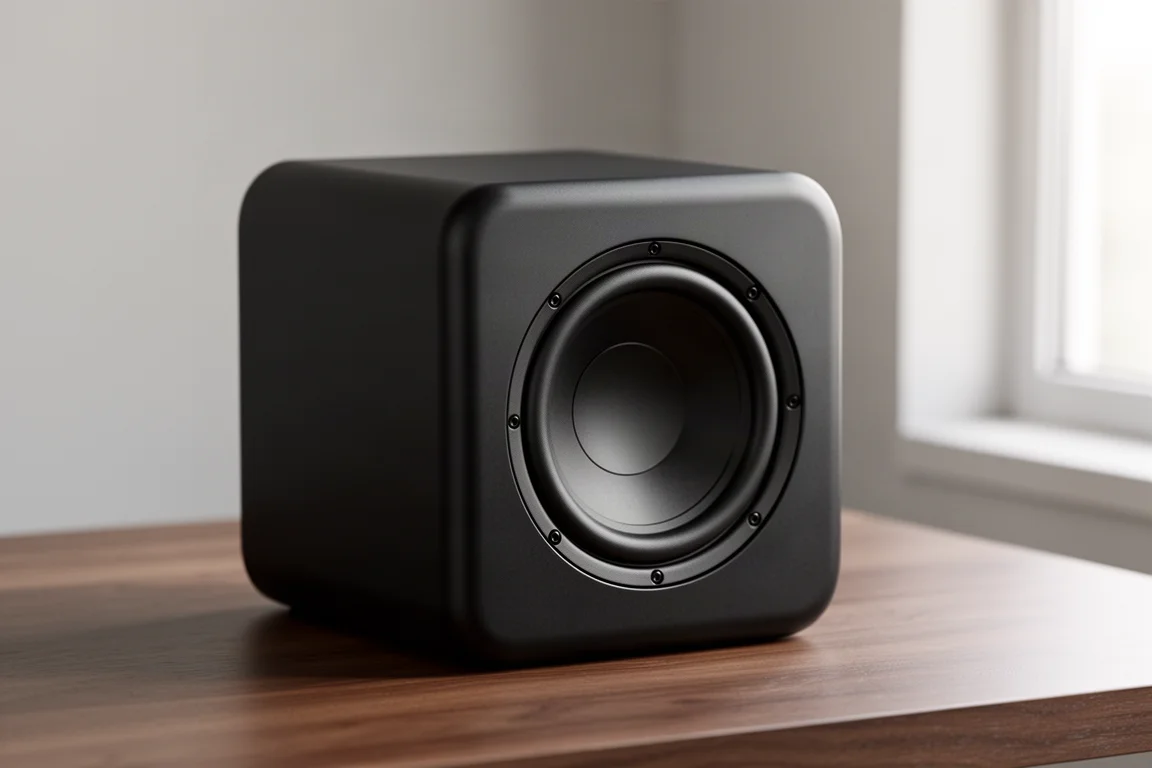
RSL Speedwoofer 12S: Output Without the App
The Speedwoofer 12S sits at roughly $700 to $800 and takes the opposite approach. It delivers the kind of room-shaking low end a sealed cabinet holds back on, and it stands out as one of the most capable subwoofers in this price range. This is the option to choose when movie night matters more than a tidy, controlled character.
What it does not offer is an app. Adjustments are made with knobs on the back of the cabinet, old-school style, so buyers who want to tune from their seat should weigh that against the extra output they are getting for less than the Arendal.
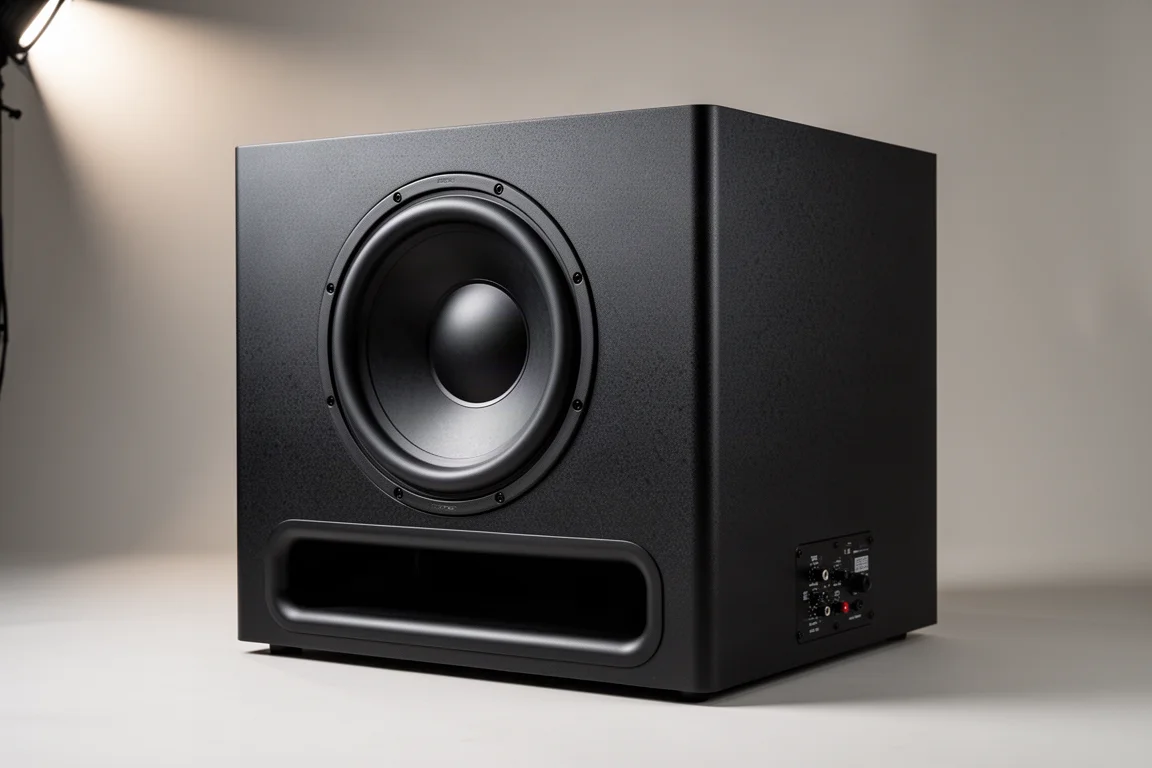
RSL Speedwoofer 10S: Two Subs Instead of One
The Speedwoofer 10S is the smaller route into the same family. Rather than one large cabinet, a pair of 10S units is a reasonable path for buyers who want two subwoofers in the room, and it is a sensible suggestion for anyone working with roughly a $1,000 budget who would rather not spend all of it on a single box.
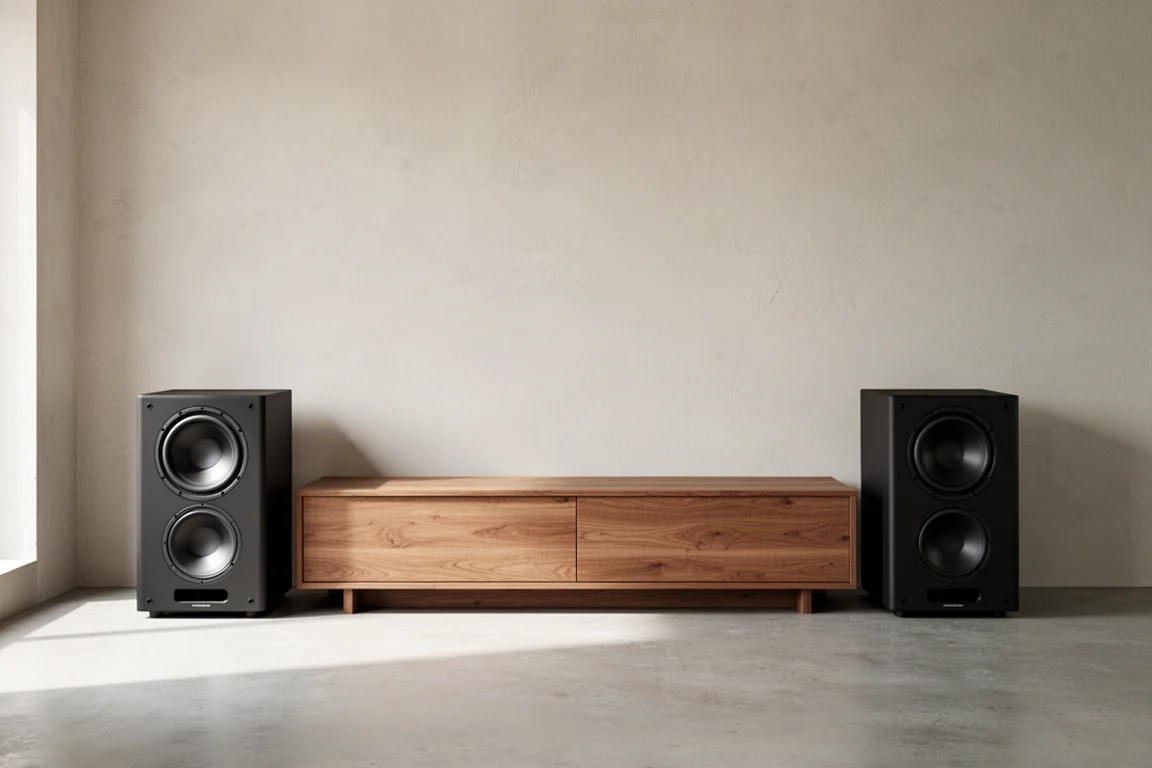
Like the larger model, it favors simple rear-panel adjustments over app control. Buyers who do not need to tune from their chair and would rather spread their budget across two cabinets have a clear option here.
Buying Advice: Matching a Subwoofer to the Room
The right choice depends on what the subwoofer has to do. If the cabinet will sit in plain view and music is the priority, the Arendal 1961 Subwoofer 1S is a defensible $1,000 purchase, because the finish and the sealed character are the point. If convenience and value matter more, the SVS SB-1000 Pro at around $600 with app-based tuning is the easier call. If movies and physical impact come first, the RSL Speedwoofer 12S at roughly $700 to $800 delivers more of what most buyers are actually shopping for. And if you would rather run two cabinets than one, the RSL Speedwoofer 10S is the route to take.
One more consideration: sealed and vented designs behave differently, and the Arendal lineup itself splits along that line. Decide which character you want before you decide which price you are willing to pay.
Getting the Most From Any Subwoofer You Buy
Whichever subwoofer you choose, the practical difference between a frustrating setup and a satisfying one comes down to how easily it can be adjusted once it is in the room. A subwoofer that can be tuned from the listening position, as the SVS SB-1000 Pro can, tends to get dialed in more carefully than one that requires a crawl behind the cabinet.
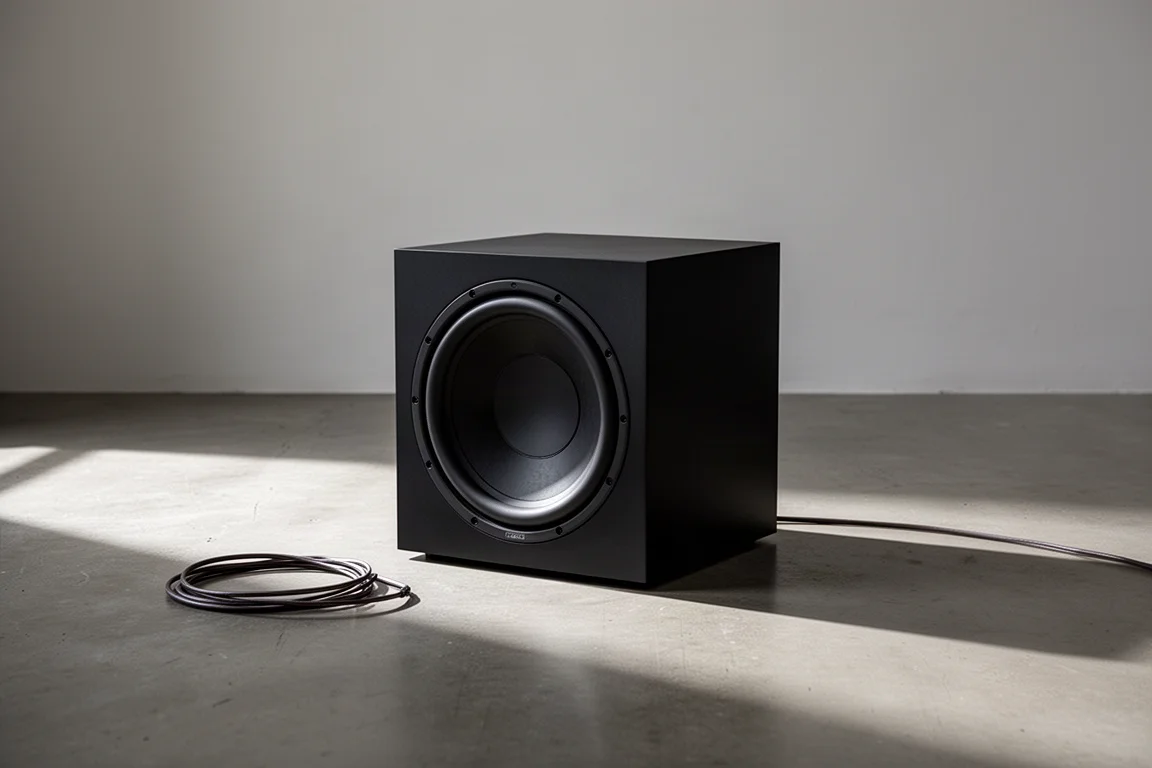
Rear-panel controls, like the ones on the Arendal and both RSL models, work perfectly well, but they reward buyers who are willing to spend an afternoon getting the level and crossover right. Set expectations accordingly: a sealed cabinet and an output-focused cabinet will not sound alike in the same corner, and no control panel changes that.
Conclusion
The Arendal 1961 Subwoofer 1S is a beautifully made subwoofer with a finish worth showing off, and it handles music with composure. At $1,000, though, it asks buyers to accept less physical impact than the SVS SB-1000 Pro at around $600 or the RSL Speedwoofer 12S at roughly $700 to $800. If looks and music are the priority, it earns its place. If movie night is the reason you are shopping, the less expensive options are the ones to look at first.
Further reading
Related Reviews
Subwoofers
Arendal Sound 1723 2V Subwoofer Review: Dual 13.8-Inch Drivers Under $3,000
A flagship ported subwoofer with dual opposing 13.8-inch drivers, a 1,200W RMS amplifier, app-based DSP, and a 10-year warranty.
Subwoofers
Ascendo 16 Sub Active Sealed Review: Sealed Bass Built on Real Engineering
A close look at the Ascendo 16 Sub Active Sealed, a 16-inch sealed home theater subwoofer with independently verified measurements, a purpose-built driver, and genuinely controlled output.
Subwoofers
Best Compact 8-Inch Subwoofers: JL Audio Dominion D108, SVS 3000 Micro, and Monoprice THX 8
Three compact 8-inch subwoofers compared on low-frequency extension, group delay, and output capability, with practical notes on crossover and placement.