Hi-Fi Speakers
Zu Audio DWX Review: A High-Efficiency Standmount With Punch and Finesse
The Zu Audio DWX pairs a 10-inch full-range driver with a 12 kHz super tweeter for a warm, dynamic and unusually refined standmount sound.
Introduction
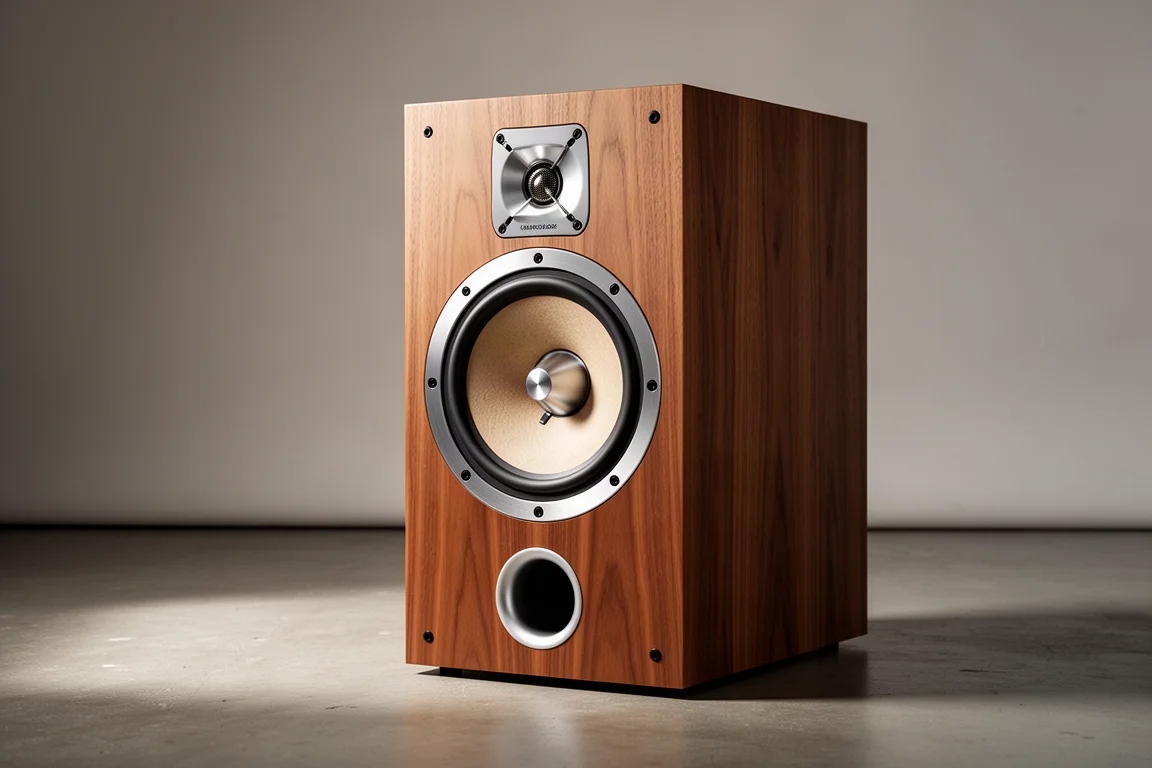
The Zu Audio DWX is a large, high-efficiency standmount loudspeaker with an unusual recipe for its price. Rather than the compact two-way design most buyers expect at this level, it pairs a 10-inch paper pulp full-range driver with a super tweeter that only comes in above roughly 12 kHz. It is built and sold from Zu Audio’s factory in Ogden, Utah, and it is a direct descendant of the DW6 floorstander that the company has produced in small runs for the last four or five years.
That heritage matters, because the DWX uses the same 10-inch full-range driver as the floorstander, and Zu Audio says the two sound very close to one another. A 10-inch driver is also genuinely unusual at this price. What follows is a practical look at what the DWX does well, where it asks more of the buyer, and how it sits alongside other standmounts in the same conversation.
Who the Zu Audio DWX Is For
This is a speaker for listeners who want the scale and punch of a floorstander without giving up the standmount format. Its rated efficiency of around 95 dB means it plays beautifully with modest integrated amplifiers, and it holds its composure at low volumes. That combination makes it unusually well suited to late-night listening, where it stays genuinely satisfying rather than merely quiet.
It also appeals to vinyl listeners and to anyone who prefers a warm, meaty midrange over a bright, forensic presentation. If your priority is hearing every flaw in a rough recording, that is not what this speaker is built to do. If your priority is being pulled into the music, it very much is.
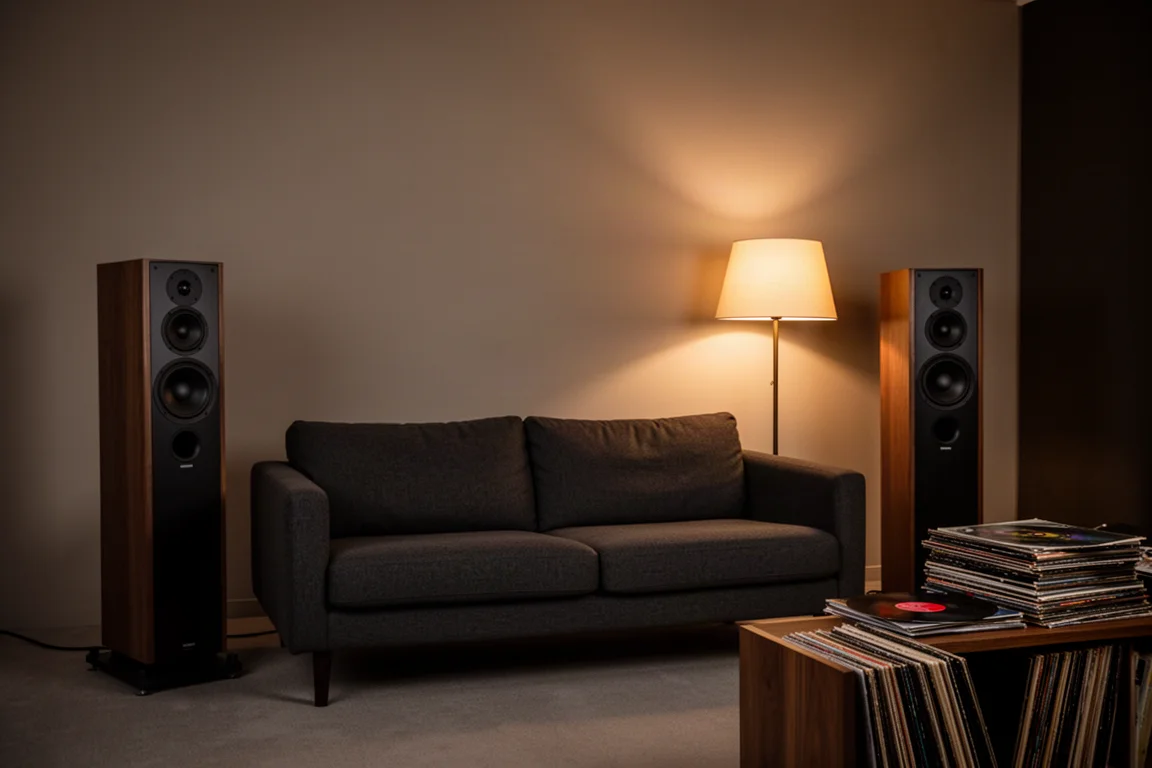
Room size matters too. The DWX fills a space with ease, and because the bass reflex port fires forward rather than backward, it does not need a large amount of clearance behind it. Listeners in smaller rooms can therefore place it closer to the wall than a rear-ported design would allow.
Design, Drivers and the Crossover-Free Approach
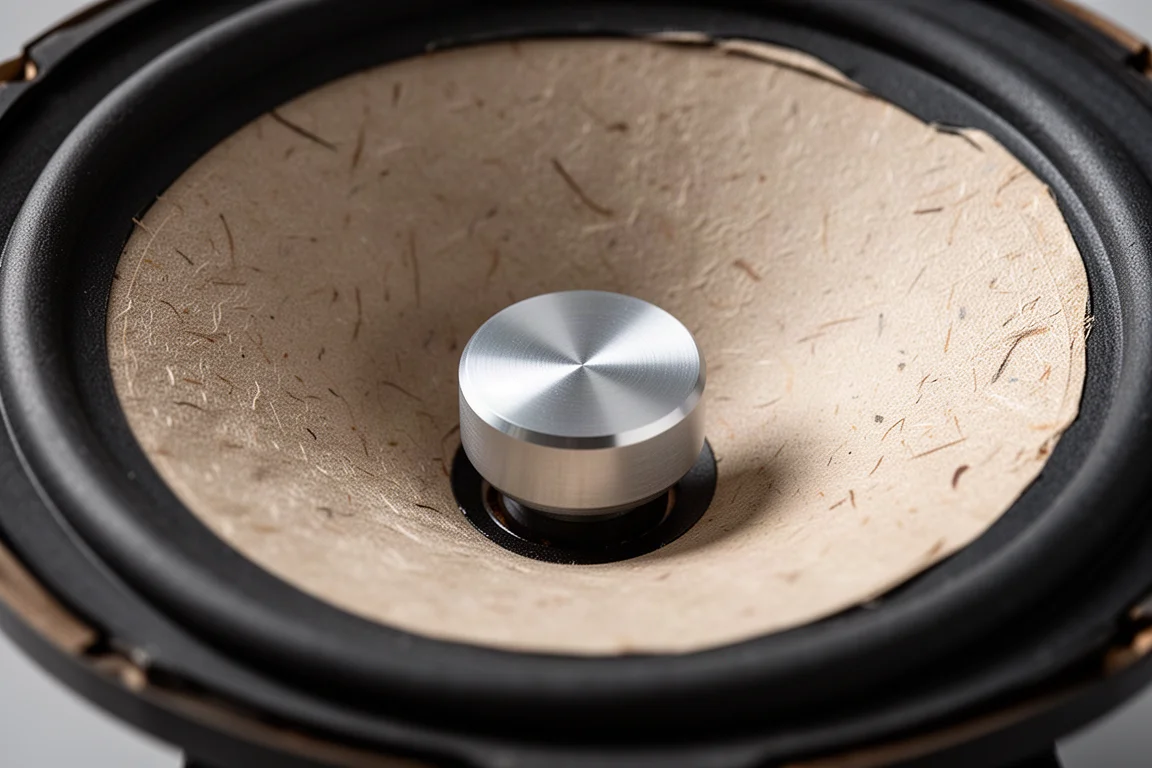
The heart of the DWX is a 10-inch full-range driver with a paper pulp cone. Zu Audio calls it a full-range unit because it runs its full natural range rather than covering 20 Hz to 20 kHz. Output starts at roughly 38 Hz and begins to roll off around 12 kHz, at which point the super tweeter takes over.
Only the super tweeter receives any filtering, in the form of a first-order filter that blends it with the driver’s natural rolloff. There is no crossover on the full-range driver at all, a deliberate choice rooted in the view that crossovers can blunt tone. The handover point of roughly 12 kHz is also unusual, since most loudspeakers cross over between 2 and 3 kHz. That is precisely why the high-frequency unit here is described as a super tweeter rather than a conventional tweeter.
Physically, the cabinet feels chunky and solid, and it is finished in real wood veneer. A sturdy aluminium ring surrounds the full-range driver, a substantial phase plug sits at its centre, and an aluminium waveguide helps disperse the super tweeter’s output into the room. The Supreme version adds upgraded capacitors on the super tweeter filter and upgraded wiring, and Zu Audio indicates that the sonic difference between the standard and Supreme versions is not dramatic.
Main Strengths: Dynamics, Warmth and Finesse
Dynamics are the DWX’s signature. Low-end punch and wallop come through clearly, and the speaker sounds thrilling even at low volumes. On bass-driven electronic material it pushes sound into the room in a way that few standmounts of this size manage, and it does so without needing to be turned up.
Warmth is the second characteristic, and it comes from an unusual place. The DWX is not obviously rolled off at the top. Instead, its warmth comes from a slightly reticent lower treble, so the presence region never becomes sharp or insistent. The result is a detailed sound that is never lit up or fatiguing.
Finesse is the pleasant surprise. The super tweeter delivers a smooth, lovely, detailed top end, and it may benefit from not having to reach down to 2 or 3 kHz the way a conventional tweeter would. Vinyl playback in particular comes across with a refinement that is easy to appreciate. Pair the DWX with a more powerful amplifier and a little extra sparkle appears up top, but the speaker never depends on that to sound right.
How the DWX Compares With Other Standmounts
Sensitivity is where the DWX separates itself most clearly. At around 95 dB it is far easier to drive than the Bowers & Wilkins 705 S3 at 88 dB. With a modest integrated amplifier the 705 S3 can sound like it is working hard, and it needs a push before it fully wakes up. The DWX, from the same amplifier, serves up a meaty midrange and a full low end. It is also the better of the two at low volumes, and while the 705 S3 realistically wants a subwoofer to complete the picture, the DWX is far less dependent on one.
Character differs just as much. The PSB Passif 50 is polite and laid back, and it comes across as more refined with boisterous pop material, while the DWX is considerably more forceful with its dynamics. The Wharfedale Linton is closer in size and shares a warm balance, but the warmth reads differently: the Linton can suggest a more rolled-off top, whereas the DWX keeps its treble lift and reveals more detail. Of the group, the DWX is the most exciting on low-end punch and drive.
Pricing shapes the comparison too. The standard DWX sells for roughly what the Linton costs, while the Supreme version sells for about twice that. Zu Audio builds and sells direct from its Utah factory, so no dealer or distributor margin is baked into its US pricing, though buyers outside the USA may see different figures once local distribution is involved.
Things to Consider Before Buying
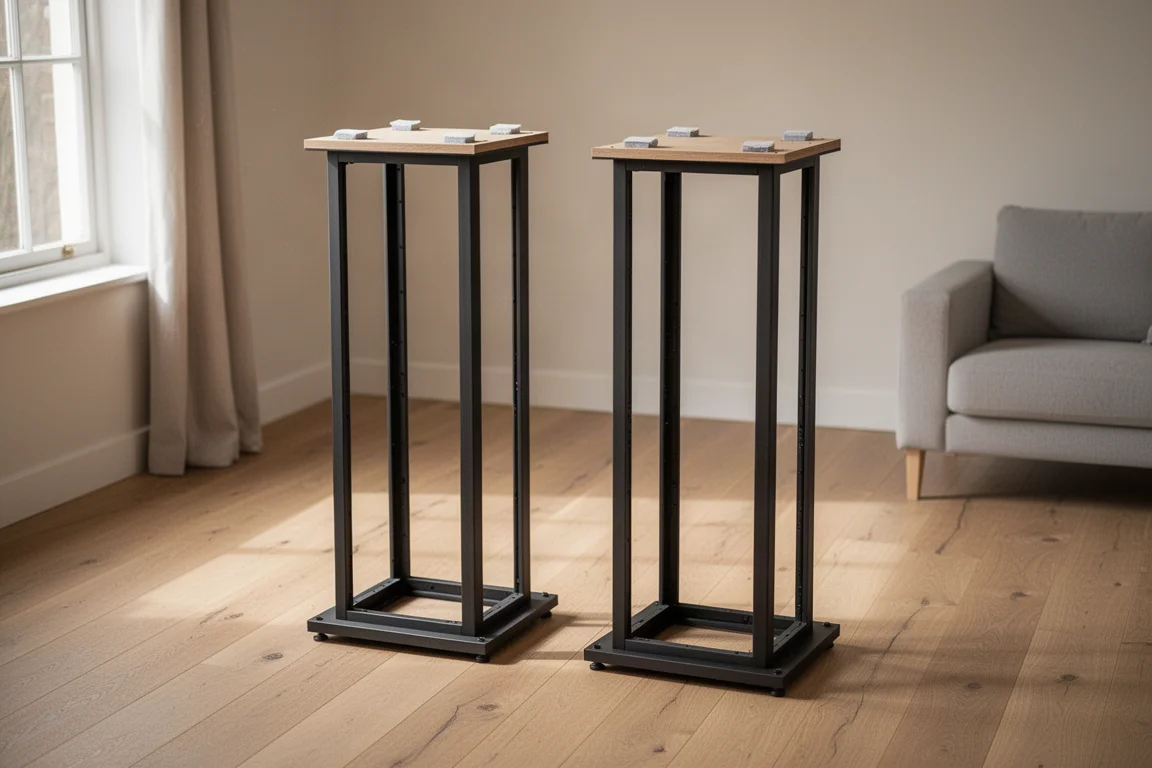
The biggest practical hurdle is stands. Finding a pair that suits the DWX is not straightforward. Wharfedale Linton stands are exactly the right width, but their wooden blocks are not a good visual match, and the DWX is not as deep as the Linton, so it does not reach the back of the stand plate. Expect to spend some time on this part of the setup.
Tonally, the reticent lower treble is a trade-off. The speaker is forgiving with imperfect recordings and enveloping with dense mixes, but it is not a forensic monitor, and overt layer separation is not its strength. Buyers who want maximum crispness and bite in the presence region should weigh that carefully.
Availability is the other consideration. Zu Audio sells from its own factory, and buyers outside the USA may face different pricing and distribution arrangements than domestic customers.
Living With the DWX: Setup and Placement
Placement is refreshingly forgiving thanks to the front-firing port. The DWX can sit closer to the front wall than a rear-ported speaker, which helps in rooms where space behind the speakers is limited. In a 6 m by 5 m room it drove the space properly, and no audible port noise appeared at the listening levels used, which rarely exceeded 85 dB at the seat.
Orientation is worth experimenting with. Inverted, with the super tweeter close to the stand, the full-range driver still sits roughly at ear level, and the result is a richer midrange harmonic character. The soundstage does not collapse, and atmospheric details simply sit a little lower. It is a small difference rather than a dramatic one, but it is noticeable. Upright on lower stands with a slight backward tilt, the presentation becomes a touch airier while losing some of that midrange body. The speaker also handles television dialogue extremely well, which makes it a strong choice for film and series viewing as well as music.
Buying Advice
Choose the standard DWX at around $1,400 if you want the core sound and the direct-from-factory value. Choose the Supreme version at around $2,500 if you want the upgraded capacitors and wiring, while accepting that Zu Audio describes the sonic gap between the two as modest rather than dramatic.
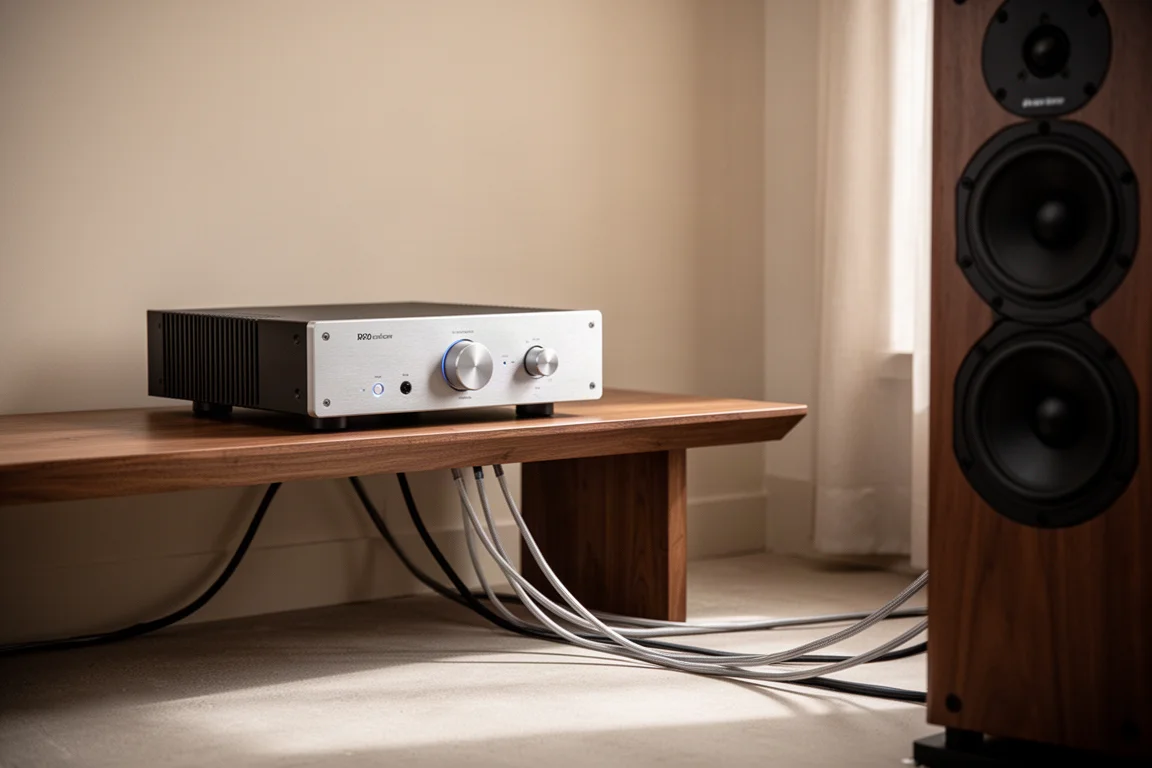
Amplifier pairing is straightforward. High efficiency means a wide range of integrated amplifiers will drive the DWX comfortably, and a modest model will already sound composed. A more powerful amplifier adds a little extra sparkle at the top, so it is worth considering if your budget allows, but it is not a requirement.
Budget for stands, and budget time for placement. The speaker rewards a little experimentation, and buyers who are willing to try different heights and angles will get more out of it than those who simply set it down and walk away.
Conclusion
The Zu Audio DWX is a standmount that behaves like something much larger. Its 10-inch full-range driver, crossover-free approach and 12 kHz super tweeter produce a sound that is warm, dynamic and unexpectedly refined, and its high efficiency means it works well with amplifiers that would struggle elsewhere. The trade-offs are real: lower treble bite is deliberately restrained, and stands take effort to get right. For listeners who value fun, finesse and low-volume satisfaction over clinical analysis, it is an easy speaker to recommend.
Product link
View more details for Zu Audio DWX
This product is mentioned in the review. Check the specifications, options, and compatibility before buying.
View more details for Zu Audio DWXFurther reading
Related Reviews
Hi-Fi Speakers
1723 THX Tower vs 1528 Bookshelf: Which Speaker Fits Your Room?
Two speakers at roughly the same price, built very differently. How the 1723 THX tower and the 1528 bookshelf compare on construction, bass, power needs, and sound.
Hi-Fi Speakers
Acoustic Energy AE 300 Review: Deep Bass From a Compact Standmount
A two-way standmount with real wood veneer, surprising low-end weight, and a warm, easygoing character. Here is what to know before buying.
Hi-Fi Speakers
Acoustic Energy AE1 40th Anniversary Review: A Modern Take on a British Classic
A compact standmount that revives a 1980s favorite with all-new parts, a warm mid-centric balance, and a price of £1,499 per pair.