Hi-Fi Speakers
Acoustic Energy AE 300 Review: Deep Bass From a Compact Standmount
A two-way standmount with real wood veneer, surprising low-end weight, and a warm, easygoing character. Here is what to know before buying.
Introduction
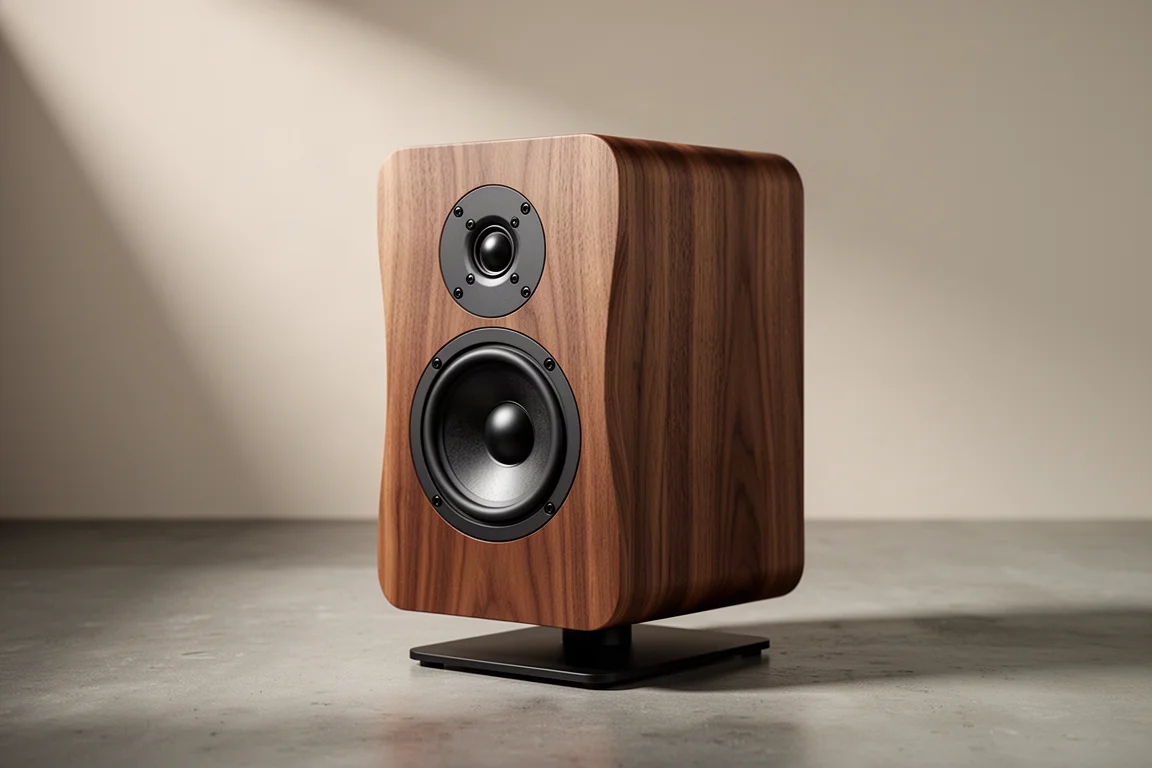
The Acoustic Energy AE 300 is a two-way standmount speaker built around a 5-inch woofer and a 1-inch tweeter in a rear-ported cabinet. It is a compact design, the sort that sits comfortably on a shelf or a pair of stands, and it arrives dressed in real walnut wood veneer with gently curved cabinet edges. Gloss white and gloss black finishes are also available.
The published specifications read 45 Hz to 30 kHz, a nominal impedance of 6 ohms, a sensitivity of 86 dB, and a crossover point at 2.8 kHz. The 300 series also brings a redesigned woofer and a redesigned tweeter, with revised cone materials and motor structures compared with the earlier generation.
Those numbers matter less than the impression the speaker leaves. The AE 300 does not set out to be a clinical, forensic monitor. It aims for weight, warmth, and an easygoing musicality that encourages you to keep listening, and on those terms it succeeds.
Who This Speaker Is For
This is a speaker for listeners who want a small cabinet that behaves like a much larger one. The low end is the headline: bass output is far greater than the cabinet dimensions suggest, and it filled a large living room without any subwoofer connected.
It suits people who play music for hours at a time and value engagement over absolute neutrality. It is also a strong option for rooms where floorstanding towers are impractical but a thin, bass-light sound would be a disappointment. If your priority is maximum midrange transparency and an airy top end, this is not the speaker to chase.
Design and Specifications
The AE 300 is a two-way design with a 5-inch woofer and a 1-inch tweeter, crossed over at 2.8 kHz. That crossover point keeps the woofer working well into the midrange while leaving the tweeter to handle the upper registers, and it avoids the crowded region around 1.5 kHz where many small speakers struggle.
Frequency response is quoted at 45 Hz to 30 kHz, which is ambitious for a cabinet this size, though the audible impression of deep bass lends the claim some credibility. Sensitivity is rated at 86 dB, which is on the low side, and nominal impedance is 6 ohms. The cabinet is rear-ported.
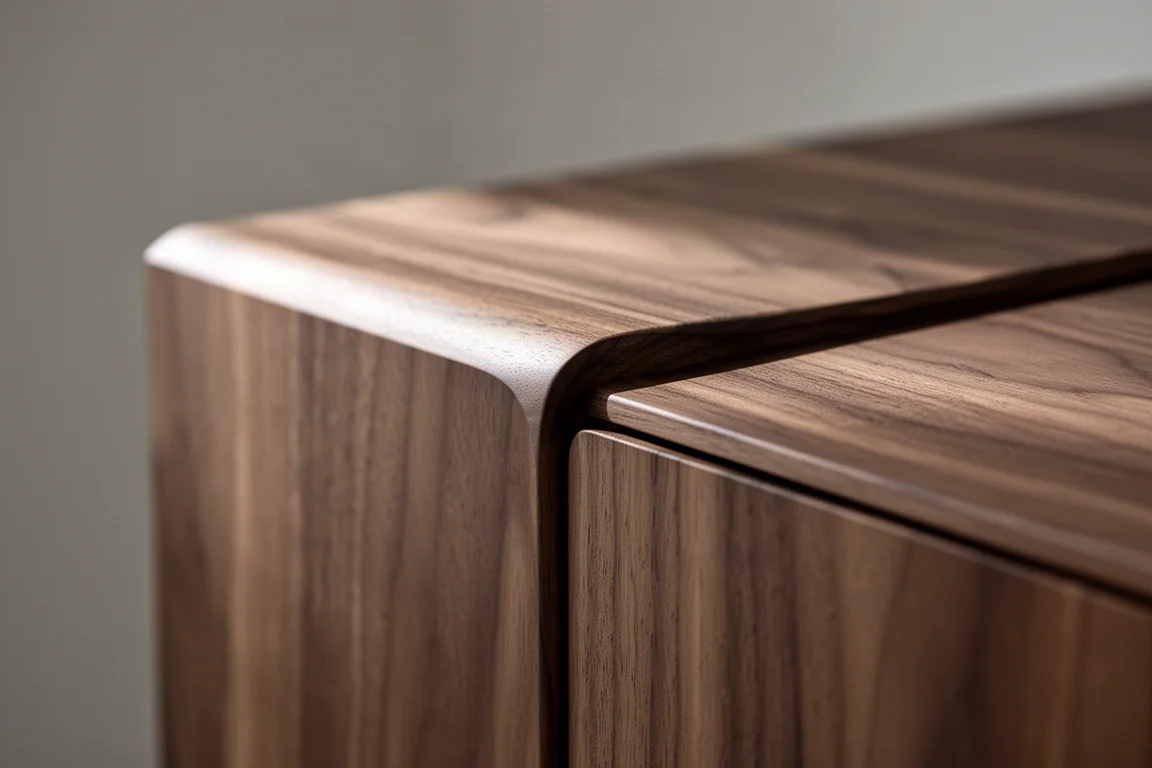
The finish is real walnut veneer, with piano gloss white and piano gloss black alternatives. Curved cabinet edges soften what is otherwise a conventional rectangular box, and the veneer gives the speaker a warm, furniture-like quality rather than a plain box aesthetic.
Main Strengths
Three qualities stand out in use: the bass, the midrange warmth, and a treble response that stays polite even with difficult material.
Bass That Belies the Cabinet Size
The low end is the defining characteristic. Bass from this speaker is remarkably strong for a 5-inch woofer in a cabinet of this size, and it stayed composed even in a large room. Heavily compressed rock recordings came across with real punch and weight, and there was no sense that a subwoofer was missing.
At around 80 dB at a listening distance of roughly 10 feet, the speaker held itself together without strain, which suggests it can fill a medium or large room without the help of towers.
Rich, Engaging Midrange
Male vocals are the midrange highlight. Baritone voices come through thick, full, and rich, with a sense of body that makes acoustic and singer-songwriter material especially rewarding. Acoustic guitars are rendered warmly rather than with forensic detail.
Female vocals are less natural by comparison, presented in a smoky, atmospheric way rather than a precise one. The midrange overall is slightly veiled, which softens fine detail but also makes poorly recorded music easier to enjoy.
Treble That Stays Composed
Treble is relaxed rather than forward. Cymbals sound like cymbals and percussion attacks land cleanly, but they sit further back in the mix than they do on more revealing speakers.
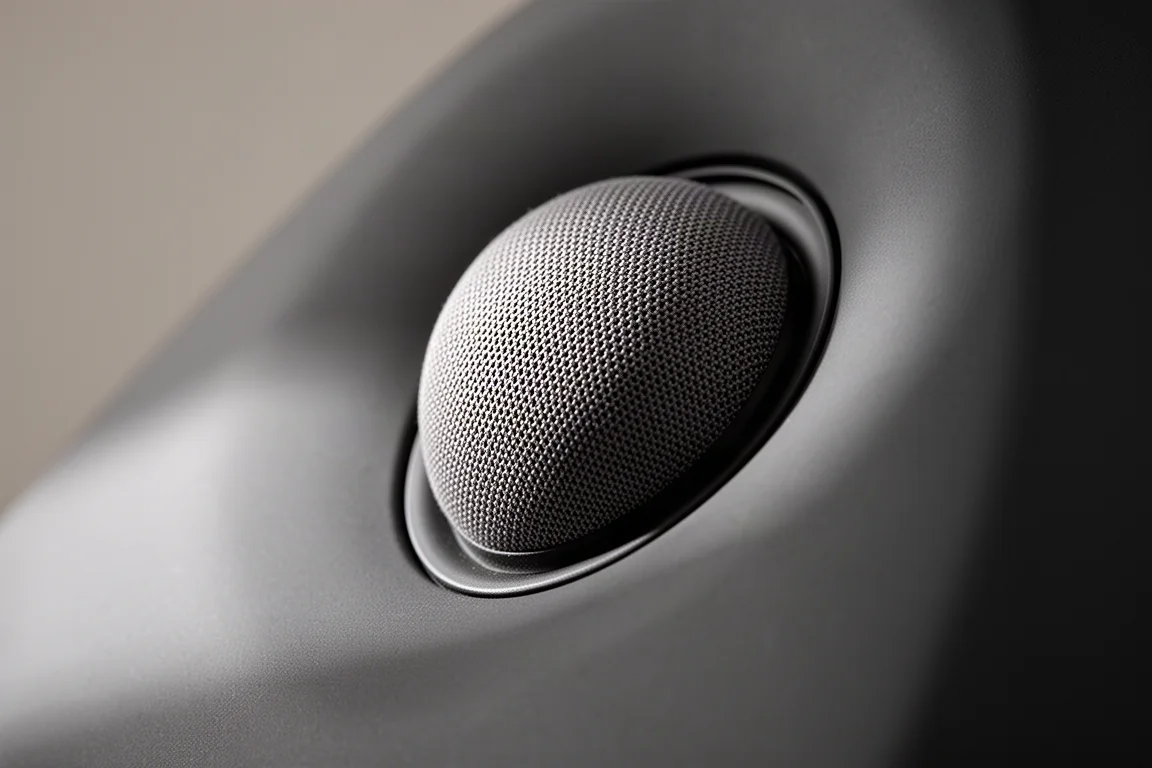
The practical payoff is an absence of sibilance, even on recordings that usually turn harsh. That makes long listening sessions far more comfortable, and it means the speaker flatters difficult material without ever sounding dull.
Things to Consider Before Buying
Vertical Off-Axis Response
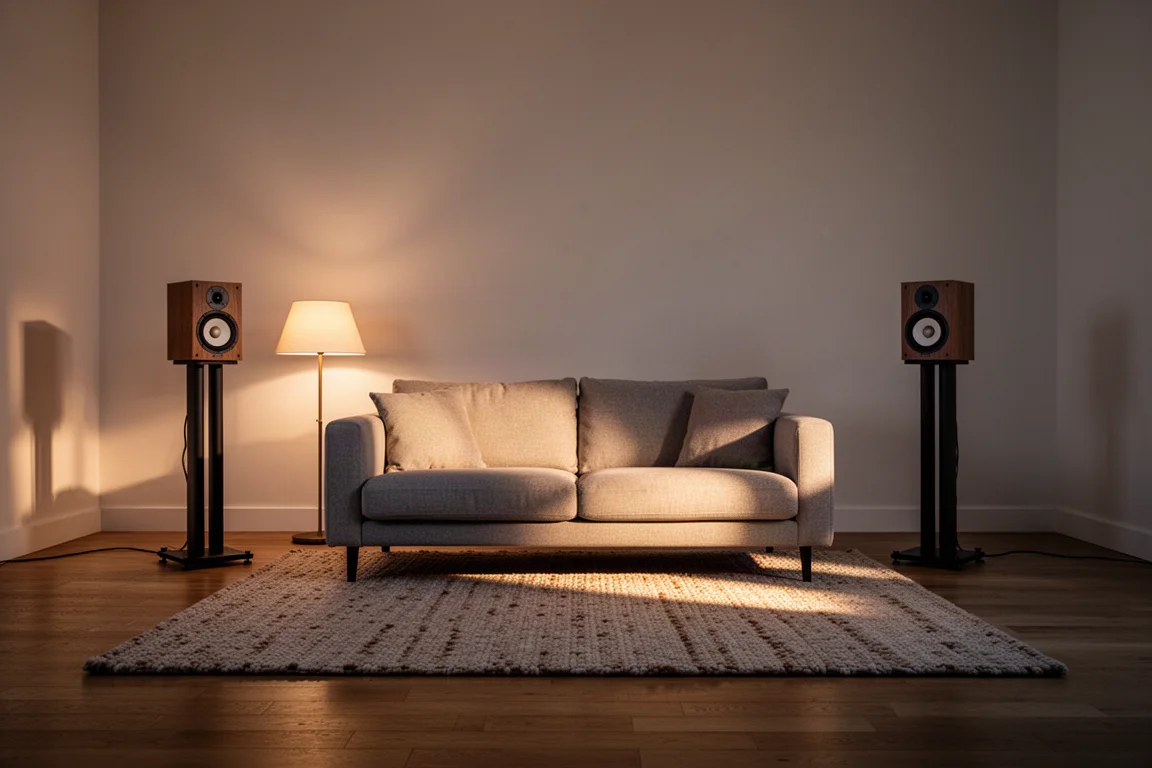
The listening window is narrower than average in the vertical plane. Once your ears move above or below the tweeter axis, top-end clarity and treble quantity drop noticeably. The fix is straightforward: pair the AE 300 with stands that place the tweeter at ear level or slightly above it, and keep your listening position consistent.
Midrange Clarity and Top-End Extension
The trade-off for that generous bass is midrange transparency. Detail in the middle of the mix is softened, and the top end rolls off rather than extending with air. Listeners who prize resolution above all else will find the presentation a little rounded, while a lot of music, including imperfect recordings, will sound pleasant and easy to follow.
Price Positioning
The AE 300 sits at around $1,000, which is a meaningful outlay for a standmount of this size. The performance justifies much of it, particularly the bass and the sheer listenability, but the value case would be considerably easier at a lower figure. It is worth weighing against other standmounts in the same bracket before committing.
Buying Advice
Buy the AE 300 if you want a compact speaker with genuine low-frequency weight, a warm midrange, and a forgiving treble that never turns harsh. Budget for a pair of sturdy stands that position the tweeter at or slightly above ear level, since that single decision affects this speaker more than most accessories will.
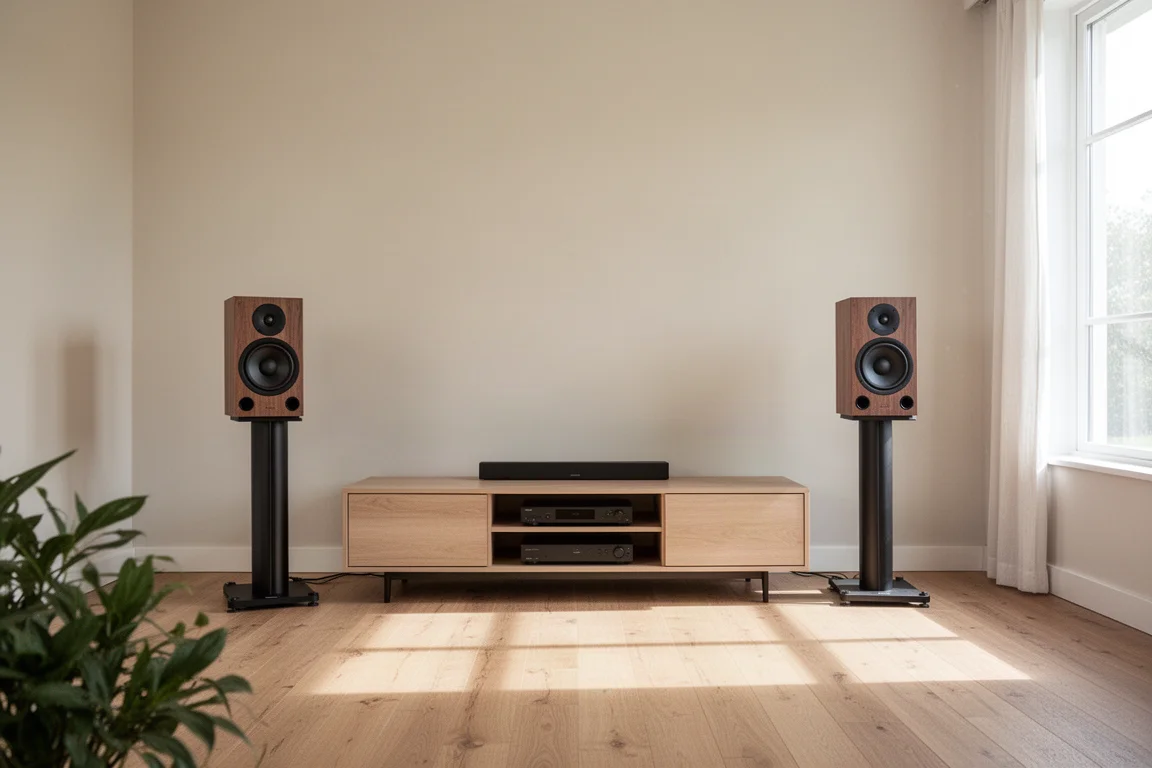
It is also worth being honest about what you are buying. This is a characterful speaker rather than a neutral reference. Listeners who want maximum detail and an airy top end should look elsewhere, while anyone who wants a system that invites long, relaxed listening will find a great deal to like here.
Conclusion
The Acoustic Energy AE 300 punches well above its size. Its bass output is the standout quality, the midrange is rich and easy to live with, and the treble avoids harshness even on difficult recordings. The compromises are a slightly veiled midrange, a narrow vertical listening window, and a price that asks a fair amount for a small cabinet.
For the right listener, those trade-offs are easy to accept. Set it up on proper stands with the tweeter at ear level and it delivers a big, engaging sound from a cabinet that takes up very little space.
Product link
View more details for Acoustic Energy AE 300
This product is mentioned in the review. Check the specifications, options, and compatibility before buying.
View more details for Acoustic Energy AE 300Further reading
Related Reviews
Hi-Fi Speakers
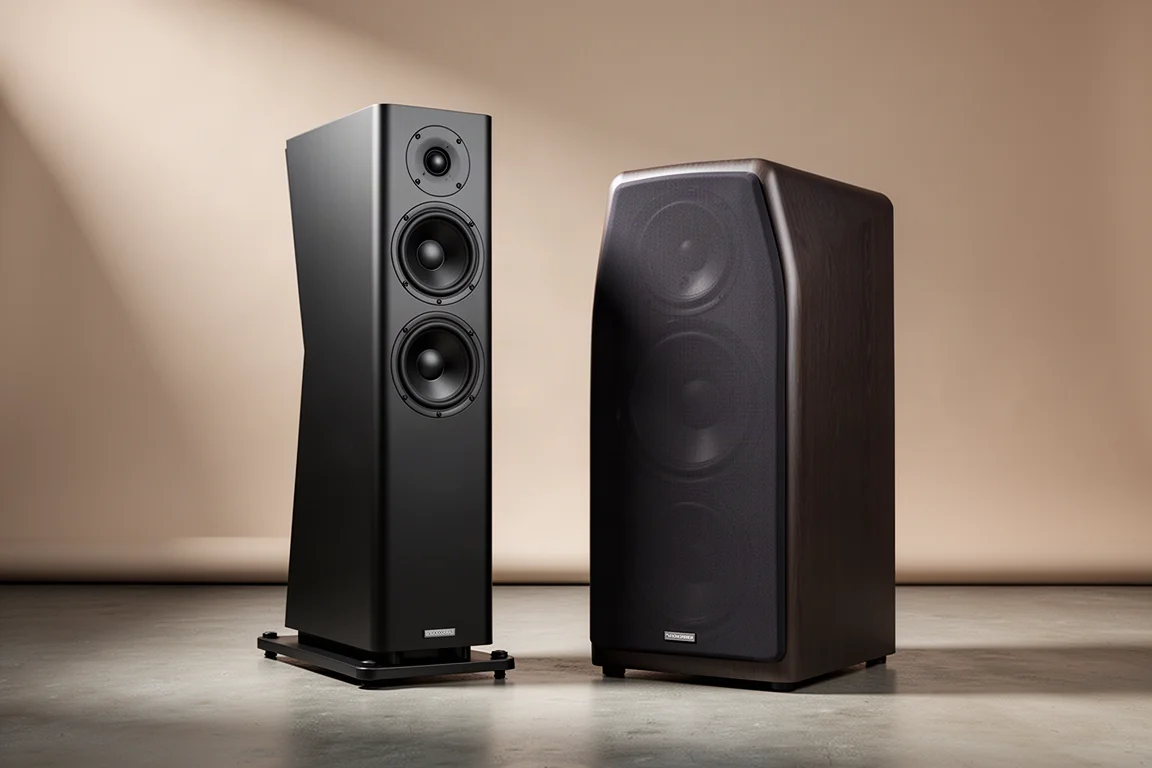
1723 THX Tower vs 1528 Bookshelf: Which Speaker Fits Your Room?
Two speakers at roughly the same price, built very differently. How the 1723 THX tower and the 1528 bookshelf compare on construction, bass, power needs, and sound.
Hi-Fi Speakers
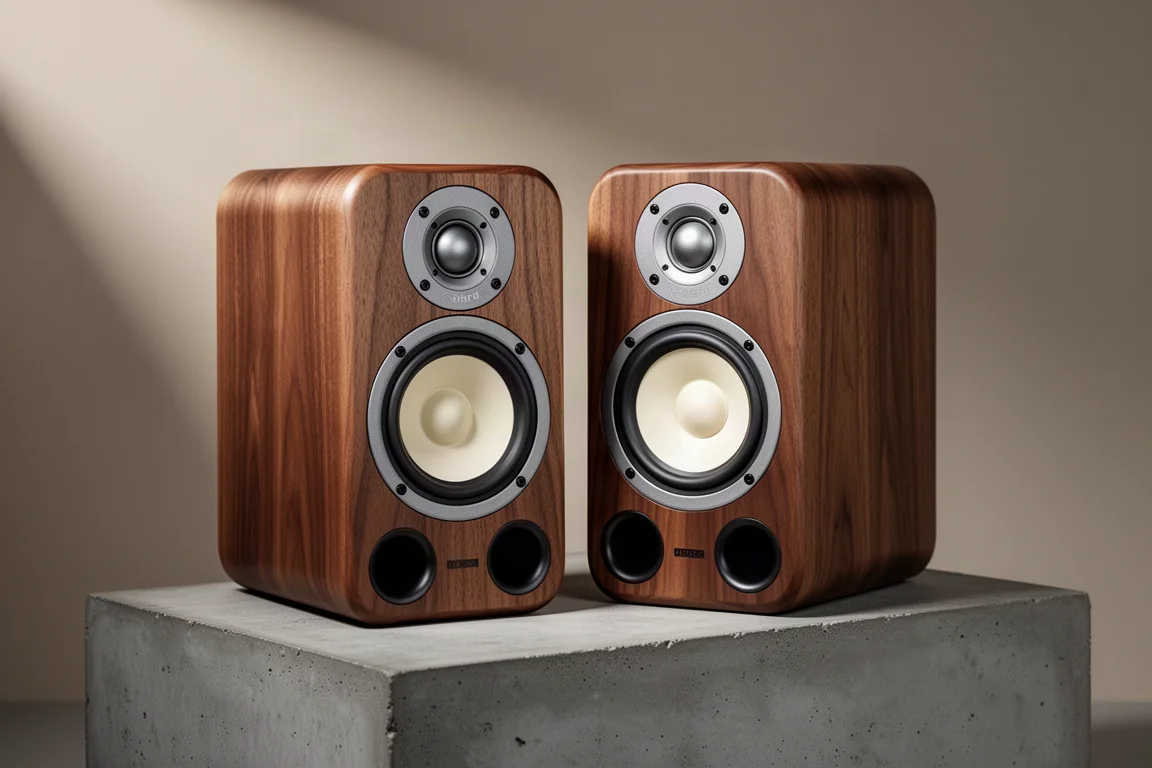
Acoustic Energy AE1 40th Anniversary Review: A Modern Take on a British Classic
A compact standmount that revives a 1980s favorite with all-new parts, a warm mid-centric balance, and a price of £1,499 per pair.
Hi-Fi Speakers
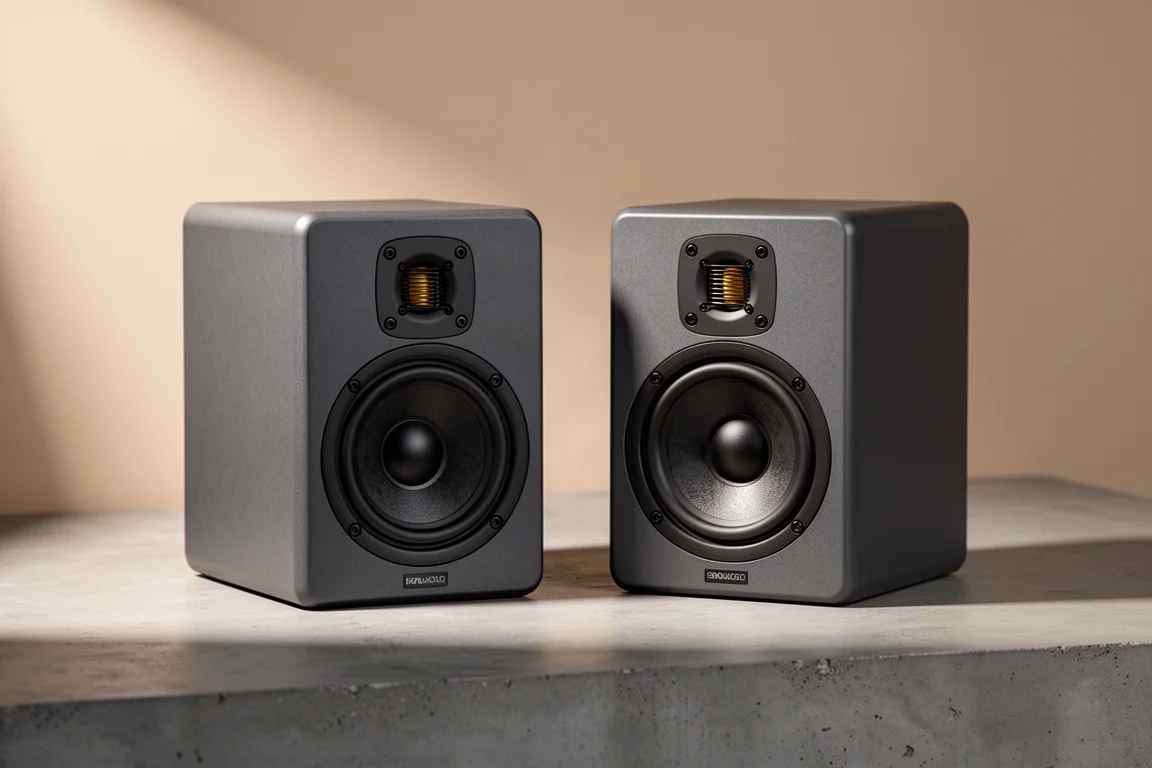
ADAM Audio A7V Review: Precision-First Active Standmount Speakers
The ADAM Audio A7V pairs a hand-built folded ribbon tweeter with a rigid mineral stone fibre woofer and 90 W of Class D power per cabinet. Here is how it sounds, who it suits, and what to weigh before buying.