Rain Jackets
Zpacks Vertice vs Enlightened Equipment Visp: Two Ultralight Rain Jackets Compared
A practical comparison of two three-layer ultralight rain jackets, covering weight, breathability, fit, cuffs, pockets, and wet-out performance.
Introduction
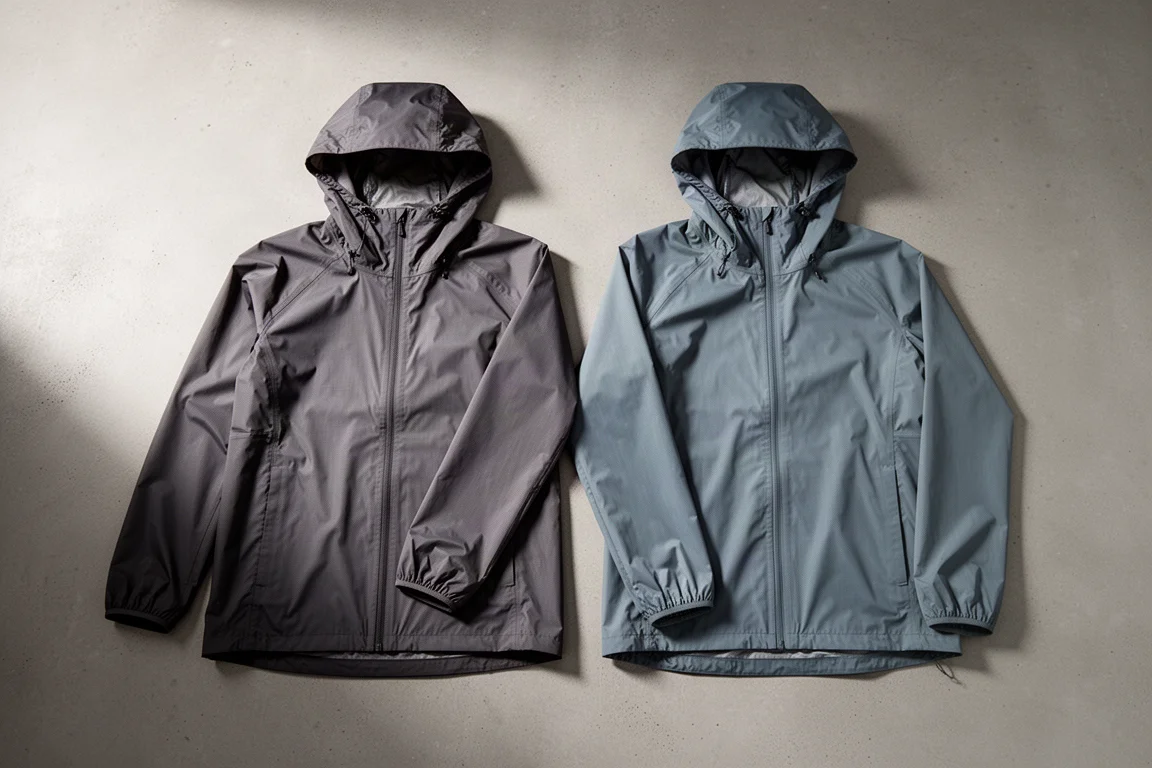
An ultralight rain jacket rarely keeps a hiker perfectly dry in sustained rain. On long trails it works as a protective barrier, holding body temperature steady when the weather turns cold and wet. That is the job both of these shells are built for, and it is why backpackers who count every ounce tend to compare them so closely.
The Zpacks Vertice and the Enlightened Equipment Visp look almost like the same jacket on paper. Both use a three-layer construction with a 7D face fabric treated with a DWR coating and a tricot backer on the inside. Both are rated to the same water resistance figure. The differences show up in the membrane, the cut, the hem, the cuffs, and the small features that decide how a jacket behaves after a few hundred miles.

Both jackets are aimed at backpackers rather than casual day hikers. They are light, packable, and designed to be worn under a pack and over a layering system, and each one makes a slightly different set of compromises to get there.
What Sets These Two Ultralight Shells Apart
Four things separate these jackets in practice: weight, breathability, fit, and feature set.
Weight is nearly a wash. The Vertice in a men’s large comes in at 5.6 ounces, and the Visp in a men’s large comes in at 5.5 ounces. Both are light enough that the difference is unlikely to matter on its own.
Water resistance is identical on paper, with both jackets rated to 20,000 millimeters. Breathability is where they diverge. The Vertice carries a moisture vapor transfer rate of 56,000, while the Visp is rated at 75,000. A higher figure suggests more vapor can escape through the fabric, which matters when a shell is worn during sustained climbing rather than at rest.
Fit and features are the most personal part of the comparison. The Vertice uses elastic bungee cuffs, a longer cut in the torso and sleeves, and a full chest pocket. The Visp uses velcro cuffs, an adjustable elastic hem, a drop tail, and no chest pocket. It can be ordered with or without pit zips.
Zpacks Vertice: A Longer Cut and Elastic Bungee Cuffs
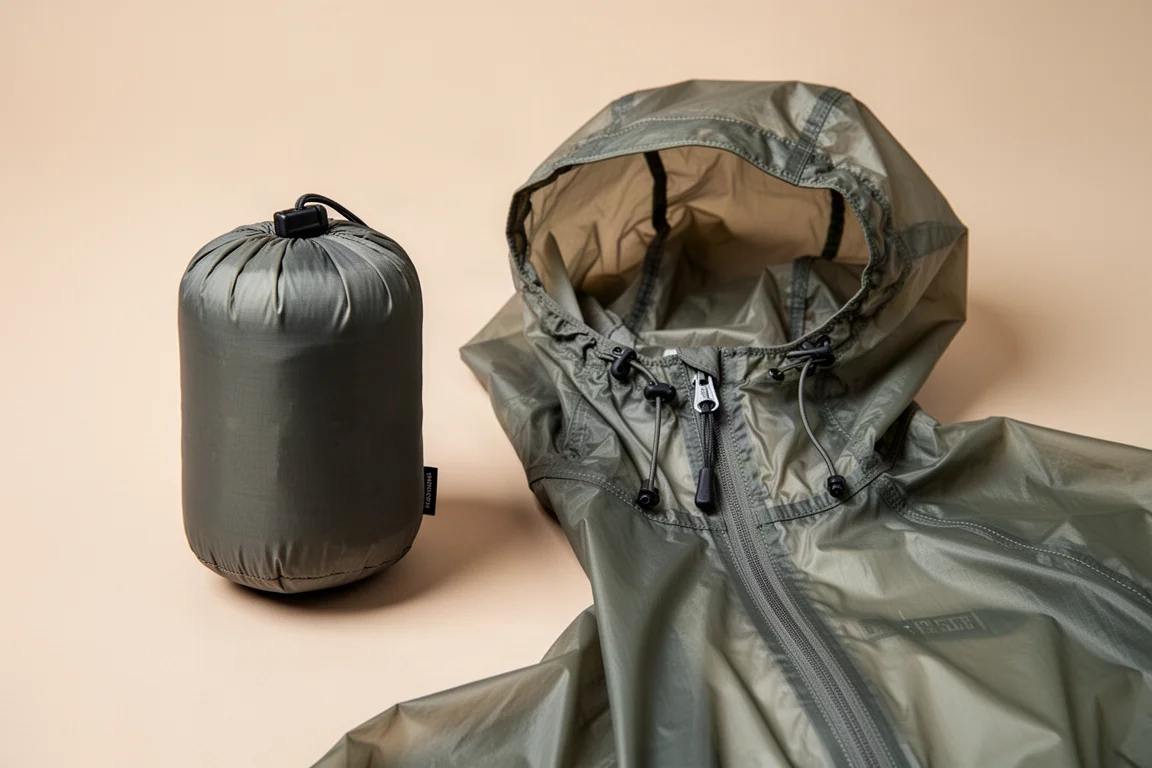
The Vertice is a three-layer shell with a 7D outer fabric treated with DWR and a tricot lining that supports wicking and breathability. It is rated to 20,000 millimeters of water resistance with a vapor transfer rate of 56,000. Features include pit zips, elastic bungee cuffs, a fully adjustable hood with a roll-down storage clip, and a full chest pocket that can also swallow the jacket for storage. A men’s large weighs 5.6 ounces and retails for 259.
The cut is the standout. The jacket is longer through the torso and the sleeves than many comparable shells, which keeps it from riding up when a pack and hip belt are in place. For taller hikers with long torsos and long arms, that extra length is a real advantage on the move.
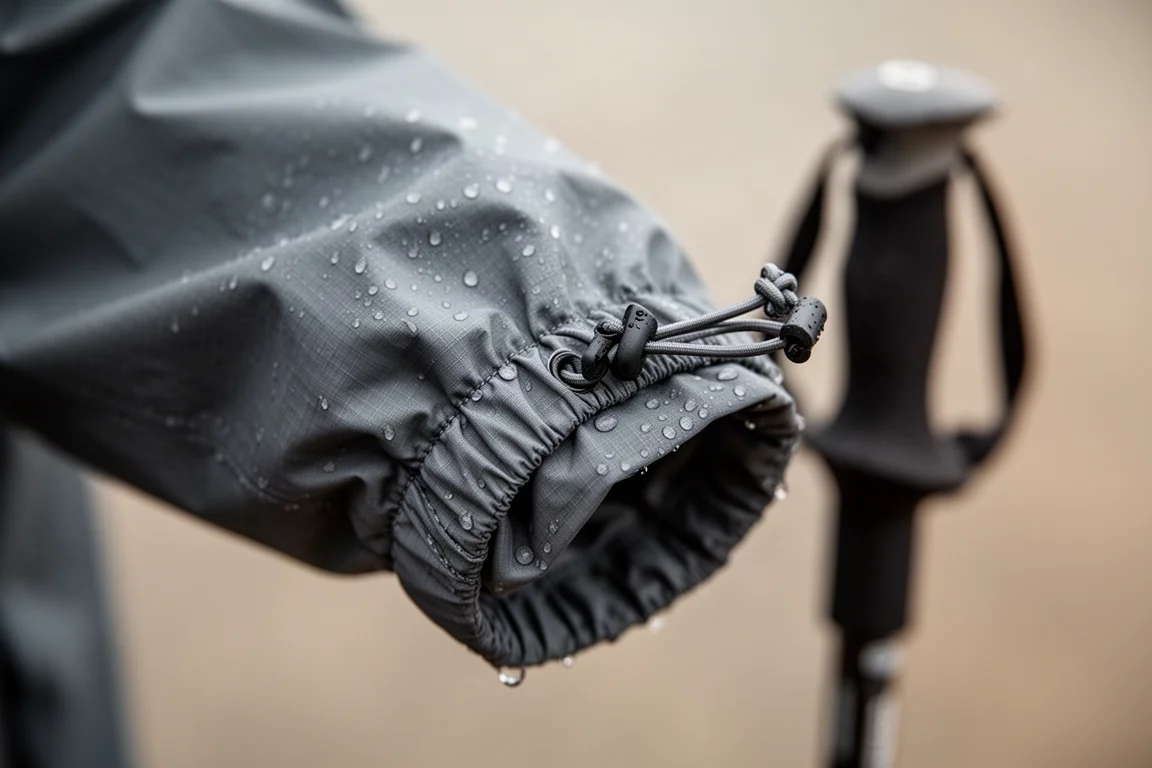
The bungee cuffs are a small feature that turns out to be genuinely useful. Instead of velcro, each cuff tightens with a pull cord that can be cinched one-handed when a draft or a bit of water gets in. Combined with pit zips and the tricot backer, the jacket breathes well enough to wear during hard effort without the clammy feel that many shells develop.
The main drawback is wet-out. Earlier versions of this jacket held off saturation for a long time, but a newer example soaked through within the first few miles of steady rain. The likely causes are the DWR application or the stitching and seam taping, which has not historically been this brand’s strongest area. All rain jackets eventually wet out, and a shell is often used as a barrier rather than a guarantee of dryness, but fast wet-out is still a meaningful negative when it happens early.
Enlightened Equipment Visp: Layering-Friendly Fit and Elastic Hem
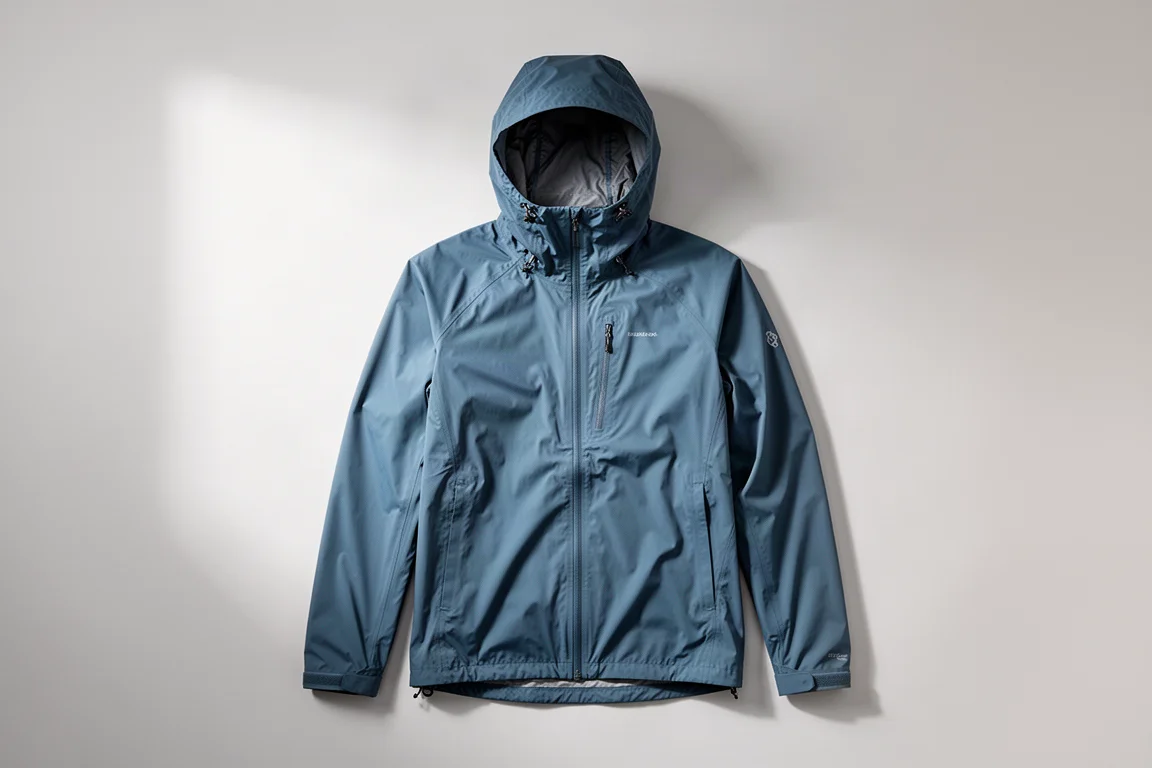
The Visp shares the same basic recipe: a three-layer build with a 7D DWR-treated outer and a tricot liner. Water resistance is rated at 20,000 millimeters, matching the Vertice, while the moisture vapor transmission rate is 75,000, which suggests a slightly more breathable fabric. It can be ordered with or without pit zips. The hood adjusts at both the back and the sides, the hem is fully elastic and adjustable, and the cuffs use velcro. A men’s large weighs 5.5 ounces, and the version with pit zips retails for 200.
The current version followed a redesign that added the option of pit zips and introduced a drop tail for a longer torso cut. Sizing is deliberately roomy. A medium is close in fit to a large Vertice, and the jacket is cut to layer over the brand’s own synthetic insulation, which makes the whole system more efficient for anyone already using that layering approach.
In the field, the Visp has taken longer to wet out and has breathed slightly better than the Vertice. Part of that may come from the higher vapor transmission figure and part from the stitching and seam sealing, which is notably clean. The elastic hem is another practical gain: it can be cinched to hold warmth in on a cold, wet day and it helps stop the jacket from riding up under a pack.
Breathability, Wet-Out Performance, and Craftsmanship
Breathability numbers only tell part of the story. A shell stays comfortable when vapor can move through the membrane and out of the fabric, and pit zips do a large share of that work by dumping heat directly. Both jackets offer pit zips, though the Visp makes them optional rather than standard, which lets a buyer decide how much ventilation they want to carry.
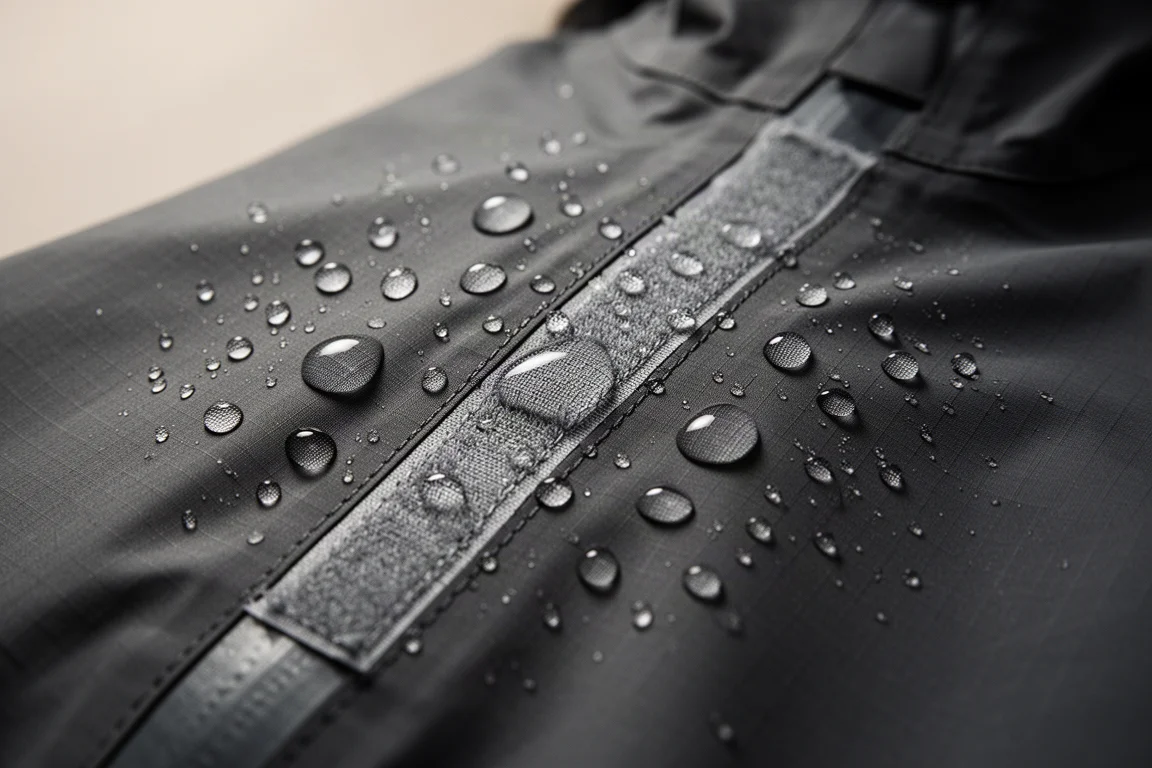
Wet-out is the other half of the equation, and it is where the two jackets differ most in real use. DWR coatings wear, dirt and oils build up, and every shell eventually saturates in prolonged rain. What separates a good jacket from a frustrating one is how long it takes to get there. So far the Visp has held out longer, while the newer Vertice saturated quickly in the first sustained rain it saw.
Craftsmanship appears to play a role. Seam taping and seam sealing are areas where the two brands differ, and stitching quality shows up most clearly at the shoulders, which is exactly where water pools and where a pack straps down on the fabric. A shell that leaks at the shoulder seams will feel wet long before the fabric itself gives up.
Cuffs, Pockets, and Fit: The Details That Divide Them
Cuffs are a small detail that shapes daily use. The Vertice’s bungee closure can be tightened with one hand and does not collect grit. The Visp’s velcro cuffs attract dirt and sand, particularly on desert routes, and when they are fastened the jacket can turn inside out during a fast removal and trap the wearer inside it. Anyone who has wrestled with a stuck sleeve at camp will recognize the annoyance.
Pockets are the second difference. The Vertice includes a full chest pocket that works for a snack, a phone, or a wallet during town chores, and it doubles as a stuff sack. The Visp has no equivalent pocket, which is the feature most missed by anyone who likes to carry small items on the body rather than in a pack.
Fit rounds out the list. The Vertice is longer in the torso and sleeves, which suits taller frames. The Visp is roomier through the body to accommodate a layering system and adds a drop tail, but its overall length is a little shorter.
Buying Advice: Which Rain Jacket Suits Which Hiker
The choice comes down to which set of trade-offs fits the way you hike.
If you are tall, with a long torso and long arms, the Vertice’s longer cut is the more comfortable option, and the chest pocket plus bungee cuffs make it easier to live with day to day. Its breathability and pit zips remain strong points, and it is still a reasonable buy for anyone who values length and storage above all else.
If fit and layering matter more, the Visp is the stronger pick. The roomier sizing is designed to work over an insulation layer, the elastic hem seals in warmth, and the fabric has so far resisted wet-out for longer while breathing a little better. The trade-offs are the velcro cuffs and the missing chest pocket, both of which are worth weighing before you commit.
Price is part of the picture as well, with the Visp retailing at 200 with pit zips against 259 for the Vertice. Neither figure is trivial, and neither jacket is the cheapest way to stay dry. What you are paying for is low weight, a three-layer build, and a fit that is meant to work with a pack and a layering system rather than against them.
Conclusion
These are not the same jacket, even though they share a face fabric, a liner, and a water resistance rating. The Vertice wins on length, storage, and cuff design. The Visp wins on layering-friendly fit, hem adjustment, breathability, and wet-out performance, and it does so at a lower price.
For most backpackers comparing the two today, the Visp is the easier recommendation, provided the velcro cuffs and the lack of a chest pocket are acceptable. The Vertice remains a solid option for taller hikers who want a longer cut and a pocket, and for anyone who prefers a one-handed cuff closure over velcro.
Further reading
Related Reviews
Rain Jackets
Outdoor Research Foray 2 Review: A Gore-Tex Shell That Earns Its Reputation
A six-month look at the Outdoor Research Foray 2 rain jacket, covering Gore-Tex protection, pocket layout, hood adjustment, and the trade-offs to weigh before buying.
Rain Jackets
Enlightened Equipment Visp Rain Jacket Review: 5.5 Ounces of Serious Rain Protection
A practical look at the Enlightened Equipment Visp Rain Jacket, a roughly 5.5-ounce ultralight shell with a slim layer-friendly fit, long sleeves, pit zips, and a large adjustable hood.

Backpacking Gear
Building a 10 lb Base Weight: An Ultralight Backpacking Gear List
A practical walkthrough of the ultralight pieces behind a 10 lb base weight, from a 765 g pack and a roomy one-person tent to a full camp chair and a dependable water filter.