Rain Jackets
Outdoor Research Foray 2 Review: A Gore-Tex Shell That Earns Its Reputation
A six-month look at the Outdoor Research Foray 2 rain jacket, covering Gore-Tex protection, pocket layout, hood adjustment, and the trade-offs to weigh before buying.
Introduction
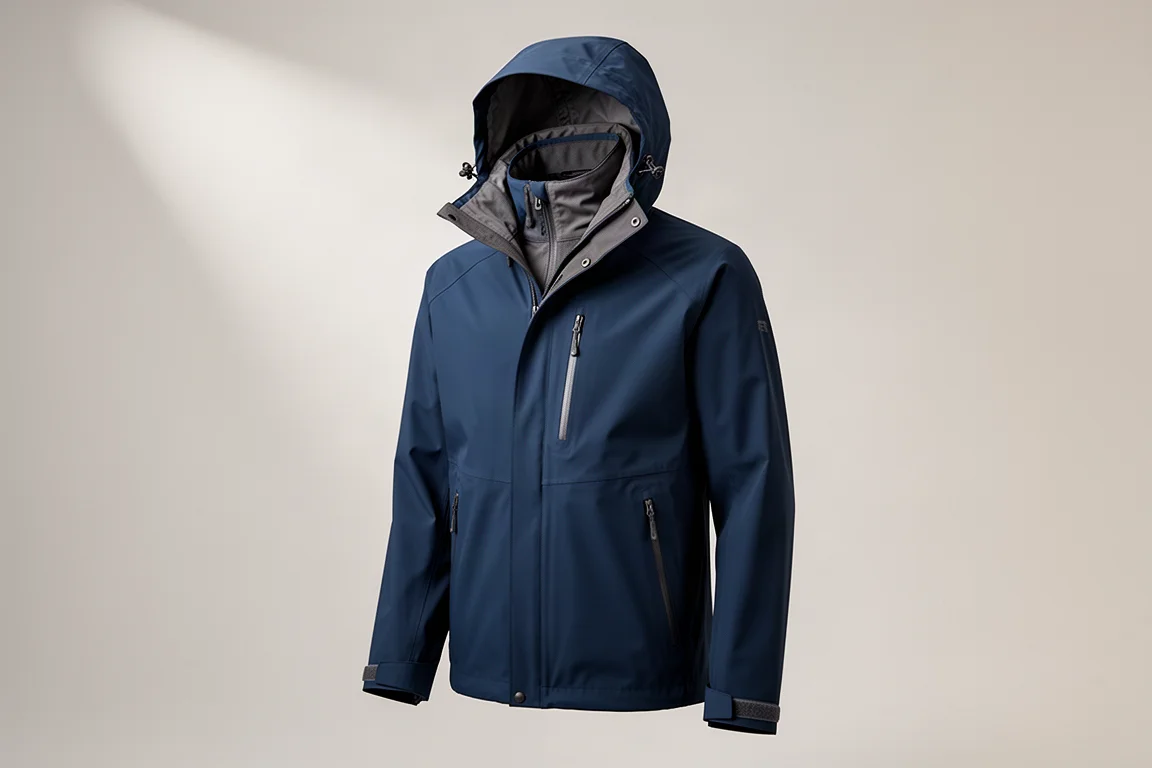
The Outdoor Research Foray 2 has built a strong reputation among hikers and backpackers who spend long days in wet weather. It is a two-layer Gore-Tex shell with a 50-denier polyester face fabric, AquaGuard YKK zippers, and a feature set aimed at people who need dependable protection rather than a lightweight emergency layer.
This assessment draws on six months of regular use in wind and heavy rainfall. What follows is what the jacket does well, where it falls short, and who should consider it.
Who the Foray 2 Is For
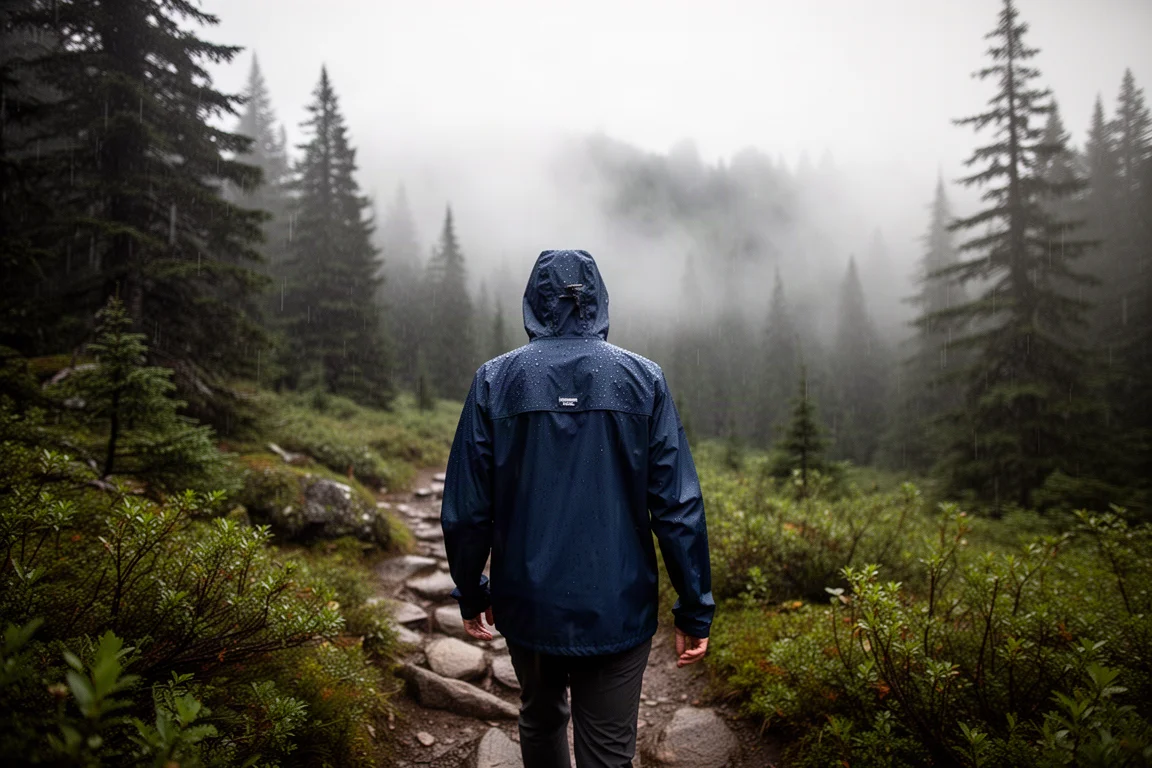
The Foray 2 makes the most sense for hikers, backpackers, and everyday outdoor users who want a durable waterproof shell that can handle abrasion from brush, branches, and rock without falling apart. The 50-denier polyester face fabric and the two-layer Gore-Tex construction place it in the technical category rather than the casual rain jacket category.
It also suits anyone who wants a shell that can be worn over a mid-layer or a light puffer without feeling restrictive. Sizing runs from small through triple XL, and the jacket comes in a wide range of colorways, including black, black and blue, coyote brown, naval blue, purple and black, light gray, orange and gray, and yellow.
If you mainly need a packable emergency layer for short trips in mild rain, the Foray 2 is more jacket than you need, and the price reflects that. It is aimed at people who will genuinely be out in the weather for hours at a time.
Build Quality and Weather Protection
The materials are the headline here. The two-layer Gore-Tex build is not the most protective Gore-Tex on the market, but it is a genuinely tough fabric that resists abrasion better than the nylon and polyester shells used on cheaper rain jackets. What that construction offers is a good balance of weight, strength, and waterproofing.
Seams are welded throughout, and the construction has held up with no thread or seam issues over six months of testing. The center zip is an AquaGuard YKK zipper with a single pull and a storm flap behind it that doubles as a chin guard when fully zipped. The chest and waist pockets use the same AquaGuard YKK zippers.
In practice, the jacket has been completely waterproof across six months of use in strong winds and heavy rain. It is windproof as well, which matters more than many people expect when the weather turns.
Pockets, Ventilation, and Hood
Storage is generous. The chest pocket is large enough to hold a standard-size phone with room to spare, and larger phones should fit comfortably too. The two waist pockets are very large and unlined, and the left side includes a small hook for keys or a similar item.
Ventilation comes from two sources. Pit zips are easy to reach and open, and the jacket has zippers at the bottom on both sides that let you open the hem and wear it more like a poncho. That second option is useful in light rain, but it is not something you would want to rely on in a heavy downpour.
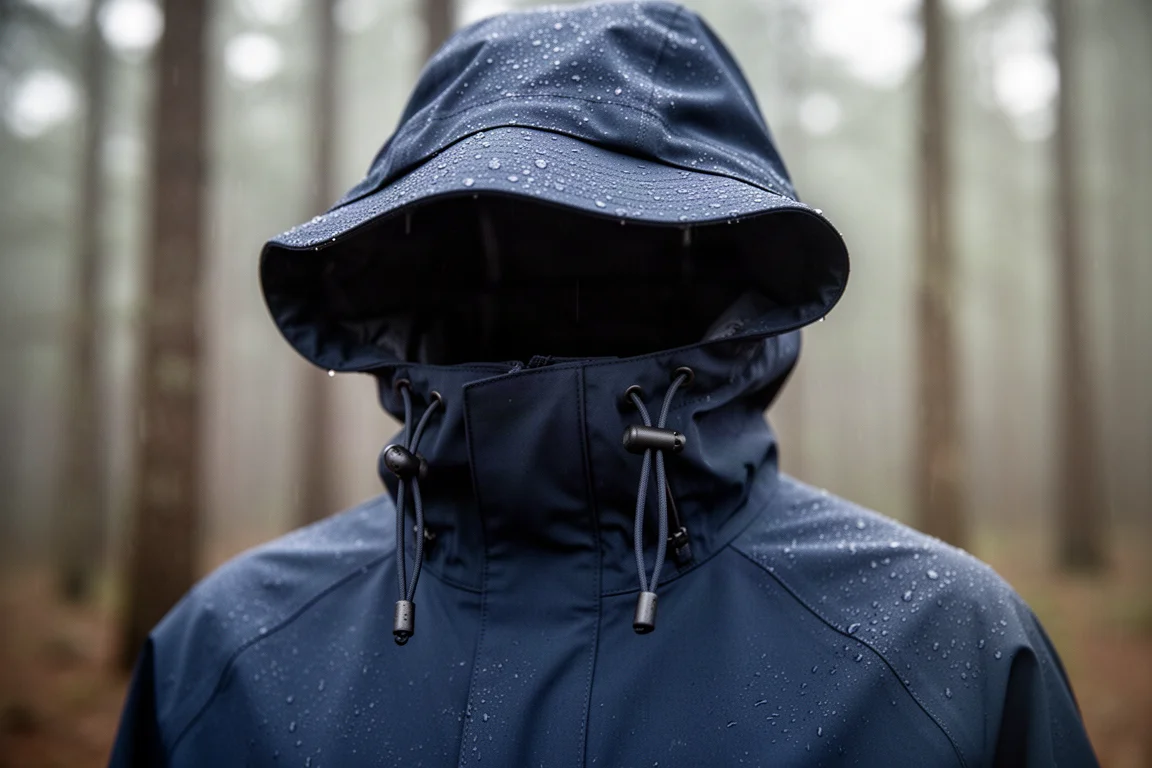
The hood is fully adjustable, with tensioners on both sides of the front and another at the back. It fits over a bare head, a beanie, and some helmets. The front of the hood has a short, fairly soft brim rather than a structured one, which is a minor detail rather than a functional problem.
Cuffs close with Velcro and adjust from very loose to fully tightened. Hem adjustments let you cinch the bottom of the jacket to keep air and snow from getting underneath.
Fit, Weight, and Freedom of Movement
A medium weighs 12.3 ounces, which is under a pound and reasonable for a two-layer Gore-Tex shell. It compresses down to roughly the size of a one-liter water bottle, so it packs into a daypack without much fuss, though lighter and more compressible shells do exist.
The cut is well judged. Arms move freely, there is no odd tightening across the shoulders or back, and a medium fits like a medium should. There is enough room underneath for a puffy down layer or a sweater, but not enough for a full parka.
Noise is a common complaint with rain jackets, and the Foray 2 does make some sound when you move. It is not loud or distracting, and it is well short of the crinkling that some shell fabrics produce.
Where the Foray 2 Falls Short
Cost is the first consideration. The Foray 2 sits in the mid-tier of Gore-Tex jackets, which generally runs from about 200 to 400 dollars, and that is a fair price for a mid-level Gore-Tex shell. High-end Gore-Tex jackets can go beyond 1,000 dollars. Even so, a non-technical rain jacket made from nylon or polyester typically costs somewhere between 50 and 150 dollars, so the Foray 2 is a significant step up in price.
Breathability is the second limitation, and it applies to essentially every waterproof shell. During hard hiking, moisture will build up on the inside of the jacket. That is condensation rather than a leak, and it is a property of waterproof materials rather than a defect. Pit zips help, and spending more generally improves breathability, but no shell eliminates the problem entirely.
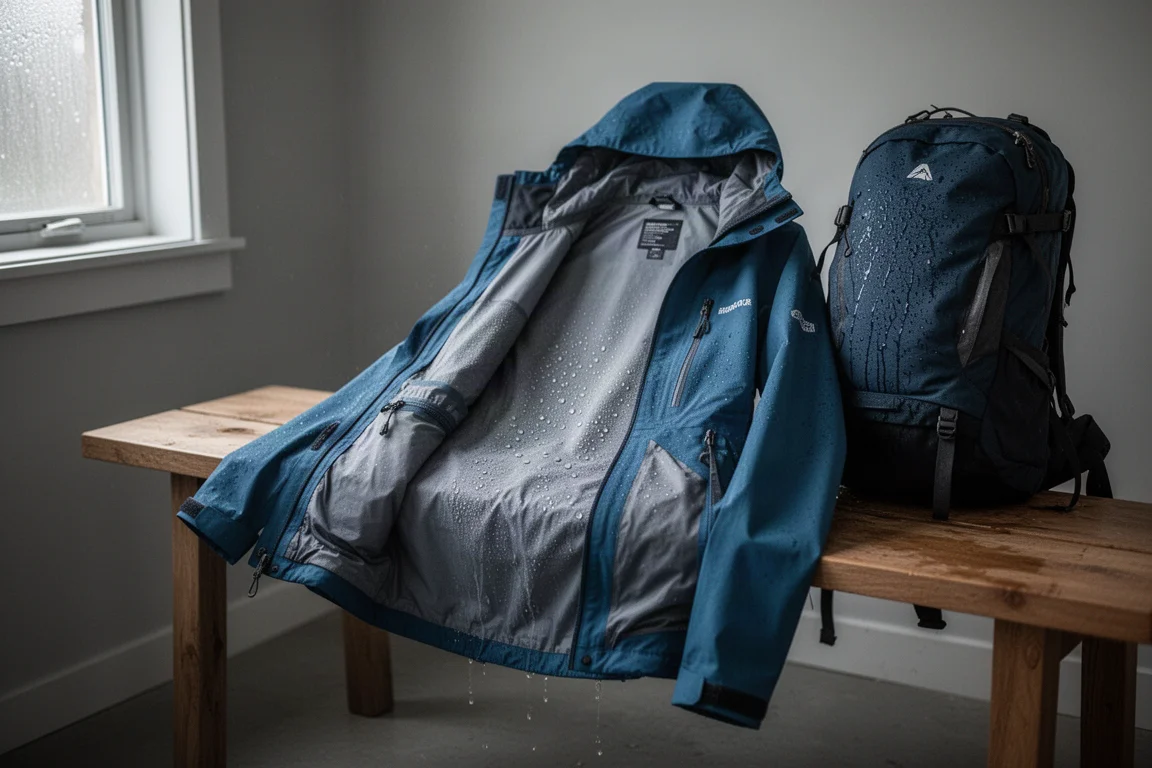
The collar is the most irritating detail. It flares out noticeably when the jacket is not zipped all the way up, so rain running off the hood can fall straight inside. In heavy rain you will want the collar fully zipped, which traps more heat and increases condensation. The main zipper is also fairly stiff.
Finally, there is no stuff sack or dedicated pocket for packing the jacket into itself, so you cannot compress it into a tidy bundle the way you can with some shells.
Layering and Cold-Weather Use
Under the shell, the Foray 2 accommodates a sweater or a light down jacket without restricting movement. The hem adjustments let you seal the bottom of the jacket against drafts and blowing snow, and the adjustable hood works over a warm hat or a compatible helmet.
Because the collar has to stay closed in serious rain, layering decisions matter. A breathable mid-layer and disciplined use of the pit zips will do more for comfort than trying to wear a heavy insulating layer under the shell.
Buying Advice
The Foray 2 is a strong choice if you want a durable, genuinely waterproof Gore-Tex shell and you are comfortable with mid-tier Gore-Tex pricing. It is less compelling if your budget is closer to a standard nylon rain jacket, or if you mostly need something to keep in a pack for occasional showers.
It is also worth comparing against other two-and-a-half-layer Gore-Tex shells at a similar list price. The Marmot Minimalist, for example, uses a two-and-a-half-layer Gore-Tex construction at a comparable retail price and is sometimes discounted well below it, so shoppers who value breathability per dollar may want to look at both before deciding.
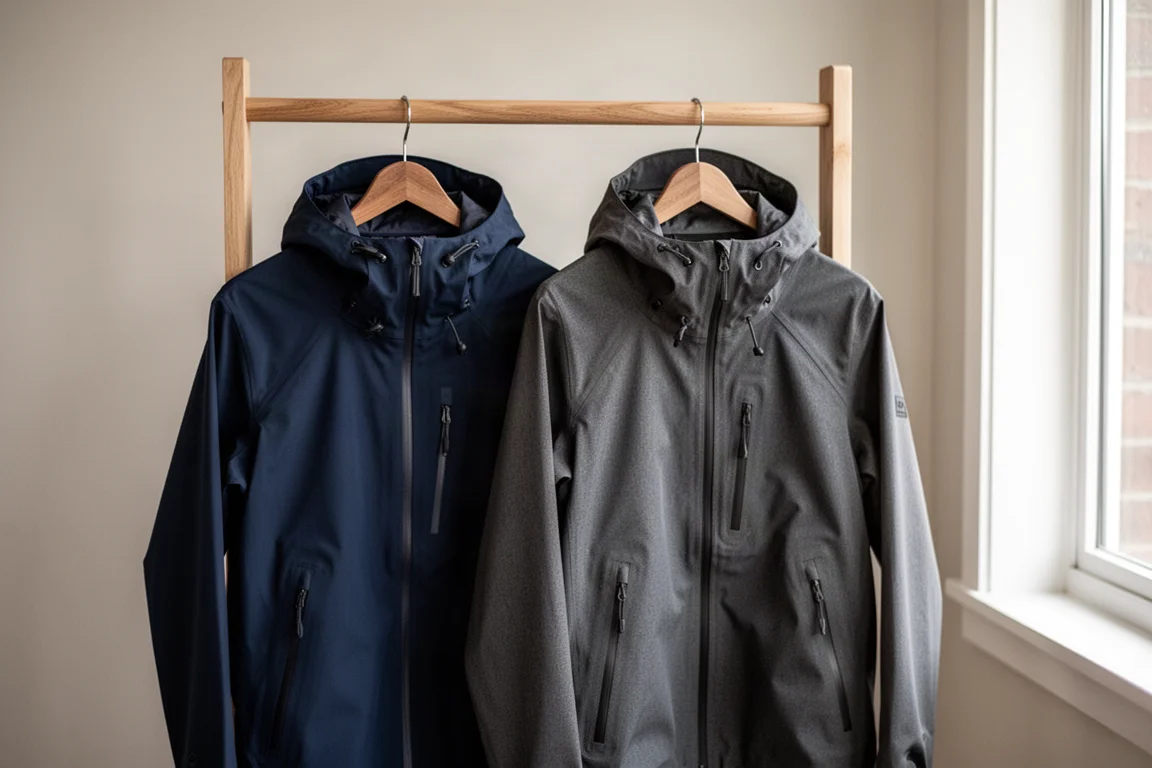
Whichever way you go, prioritize fit and hood adjustment. A shell that seals well at the cuffs, hem, and collar will outperform a more expensive jacket that fits poorly.
Conclusion
After six months of testing, the Outdoor Research Foray 2 earns its reputation. It is fully waterproof and windproof in practice, well built, comfortable to move in, and thoughtfully laid out for people who spend real time outdoors. The trade-offs are the price, the inherent limits of shell breathability, the flared collar, and the lack of a packable pocket. If those are acceptable, it is a jacket that should serve you well for years.
Product link
View more details for Outdoor Research Foray 2
This product is mentioned in the review. Check the specifications, options, and compatibility before buying.
View more details for Outdoor Research Foray 2Further reading
Related Reviews

Backpacking Gear
Building a 10 lb Base Weight: An Ultralight Backpacking Gear List
A practical walkthrough of the ultralight pieces behind a 10 lb base weight, from a 765 g pack and a roomy one-person tent to a full camp chair and a dependable water filter.

Road Bikes
10 New Road Bikes Worth Watching: Aero, Titanium, Steel and Endurance Standouts
A practical roundup of 10 new road bikes, from aero flagships chasing single-watt gains to titanium, steel and endurance platforms built for real roads.
Bikepacking Gear
11 Bikepacking Essentials for Long-Distance Cycling
Eleven bikepacking essentials for long-distance cycling, from a steel gravel frame and a two-person tent to helmet lights, packable gloves, and a frame bag that puts weight in the right place.