Rain Jackets
Outdoor Research Foray II Review: Six Months in a Two-Layer Gore-Tex Shell
A two-layer Gore-Tex rain jacket tested through six months of wind and heavy rain, covering what works, what to check, and who should buy it.
Introduction
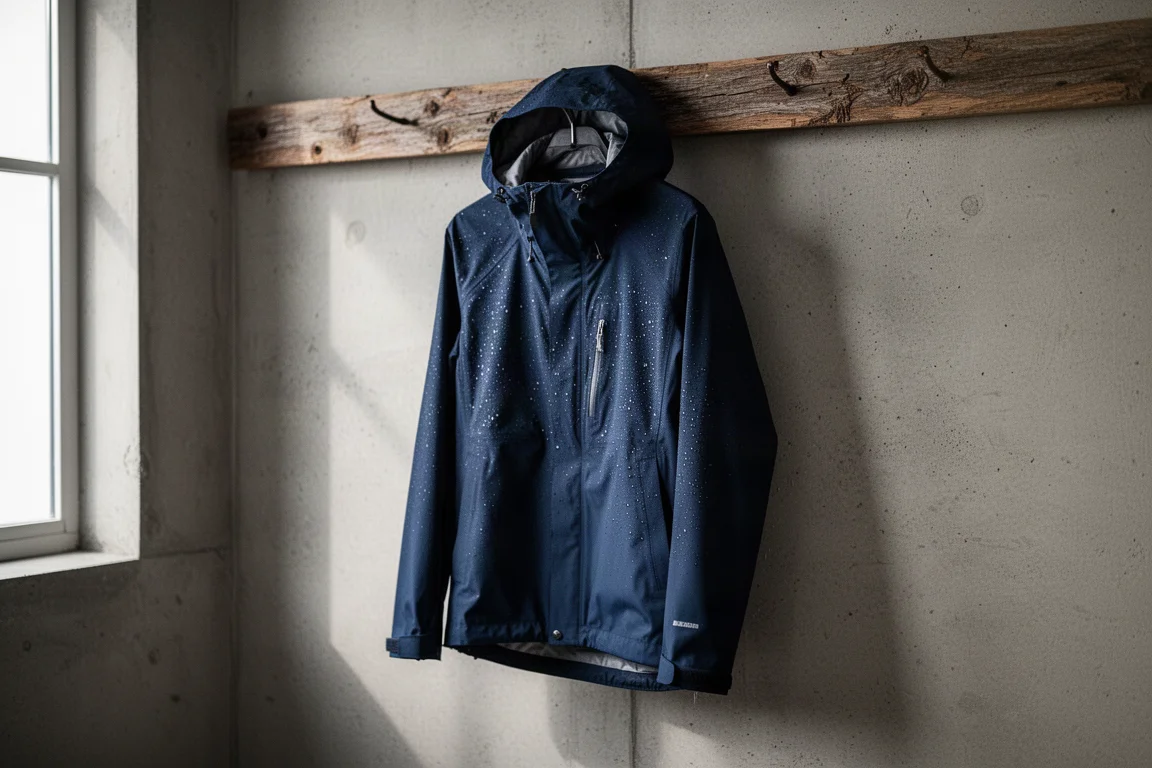
The Outdoor Research Foray II has earned a strong reputation among rain shells, and six months of testing in wind and heavy rain shows why. This is a two-layer Gore-Tex jacket built from a 50 denier polyester face fabric, and it is designed to be a durable, genuinely waterproof shell rather than a light shower jacket.
A medium weighs 12.3 ounces, which keeps it under a pound. Sizing runs from small through triple XL, and the jacket is offered in a wide range of colors, including black, black and blue, coyote brown, naval blue, purple and black, light gray, orange and gray, and yellow.
Who This Jacket Is For
This shell suits people who spend real time outside in poor weather: hikers, backpackers, climbers, and anyone who pushes through brush, trees, and rock. The two-layer Gore-Tex construction puts it above a typical nylon or polyester rain jacket in abrasion resistance and weather protection, while staying below the weight and cost of the most technical three-layer shells.
It also layers well. The medium leaves enough room for a puffy down jacket or a sweater underneath without feeling tight, although a full parka underneath would be too much.

If a rain jacket mostly lives in a car door pocket and comes out for a short walk, this is more jacket than the job requires. It makes the most sense for people who wear a shell for hours at a time and want the hood, pockets, and zippers to keep working when conditions turn.
Main Strengths
Weather protection is the headline. Across six months of testing in strong wind and heavy rainfall, the jacket stayed completely waterproof, and the windproofing held up just as well.
The materials are tough. The 50 denier polyester face fabric takes abrasion from branches, brush, and rock better than the lighter fabric on a cheaper shell, and the welded seams are clean throughout. It is not the most robust grade of Gore-Tex available, but the balance of weight, strength, and waterproofness is well judged.
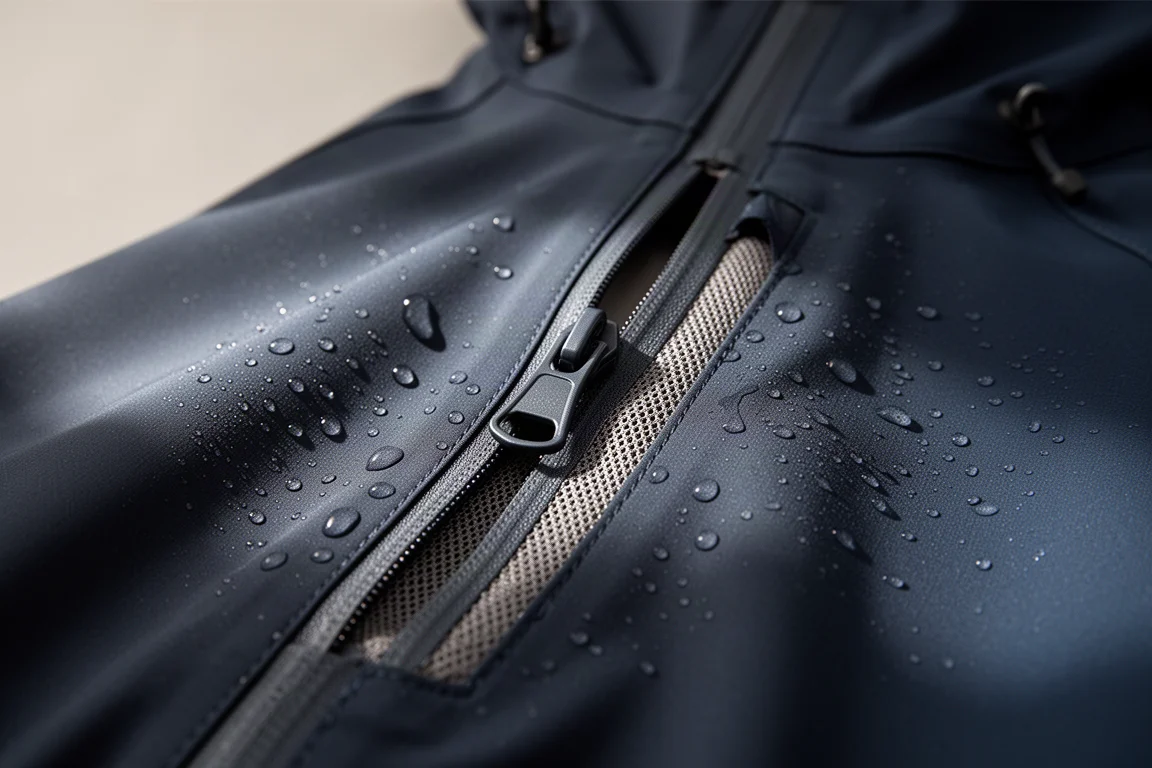
Hardware and construction are excellent. The jacket uses AquaGuard YKK zippers, the chest pocket is fully waterproof and fits a standard-size phone with room to spare, and the two waist pockets are genuinely large. The left waist pocket includes a small hook for keys.
Ventilation comes from pit zips and the full-length front zipper. The hem cinches down to keep air and snow from getting underneath, and the Velcro cuffs adjust from loose to tight. The hood is fully adjustable, with tensioners on both sides and at the back, and it fits over a hat or some helmets.
The fit is flattering, freedom of movement through the arms and back is good, and the fabric makes some noise as you move without being obnoxious. The jacket also compresses down to roughly the size of a one-liter water bottle, and details such as the key hook and oversized pockets matter more than they sound once you are wearing gloves in cold rain.
Things to Consider Before Buying
Cost is the first thing to weigh. This is an expensive jacket in absolute terms, though within mid-level Gore-Tex pricing, where shells commonly run from about $200 to $400, the price is fair. Higher-end Gore-Tex jackets can cost well over $1,000, while a non-technical nylon or polyester rain jacket usually sells somewhere between $50 and $150.
Breathability is the second. Every waterproof shell traps some moisture, and condensation on the inside is normal even in jackets that cost far more. Hike hard in this jacket and you should expect some dampness inside. The pit zips help, but they cannot remove it entirely. If a shell feels wet inside after a climb, that is usually condensation rather than a leak.
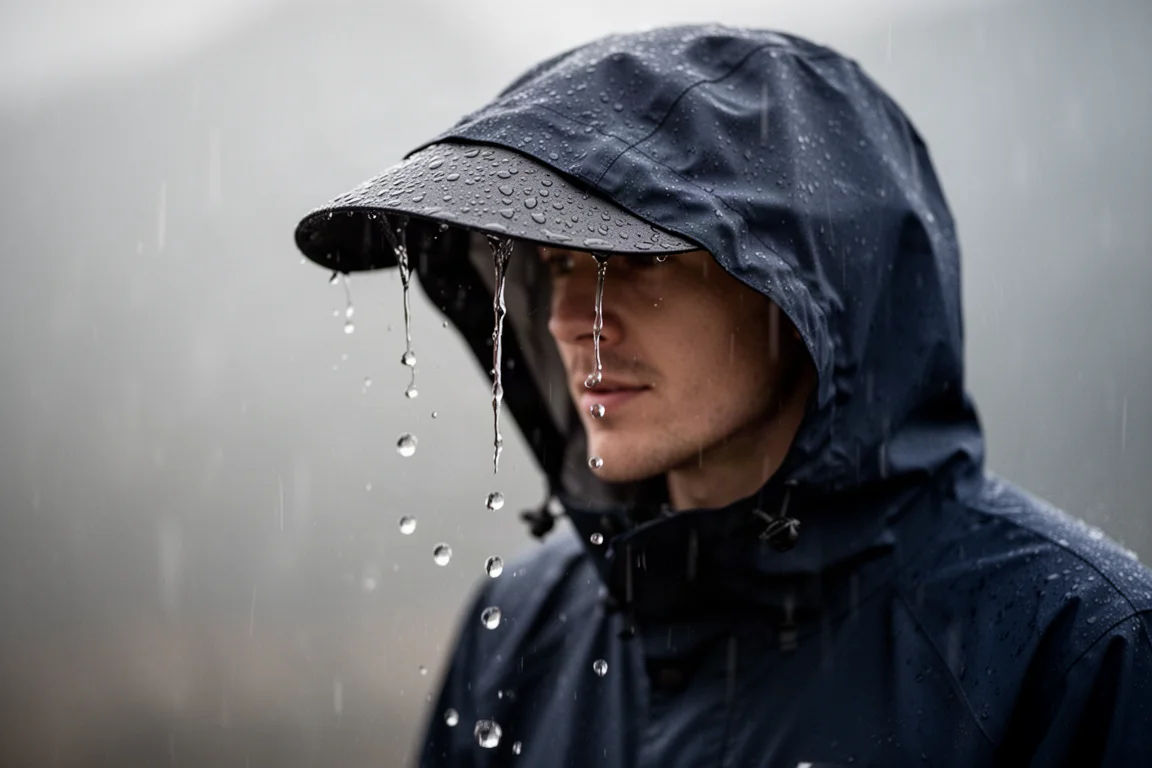
The collar is worth knowing about before you buy. It is wide and flares out when the jacket is left open, so rain running off the hood can drop straight inside. In practice that means zipping up to the chin, which also holds in heat and adds to the condensation. The main zipper is stiff, which makes the collar feel more intrusive than it needs to.
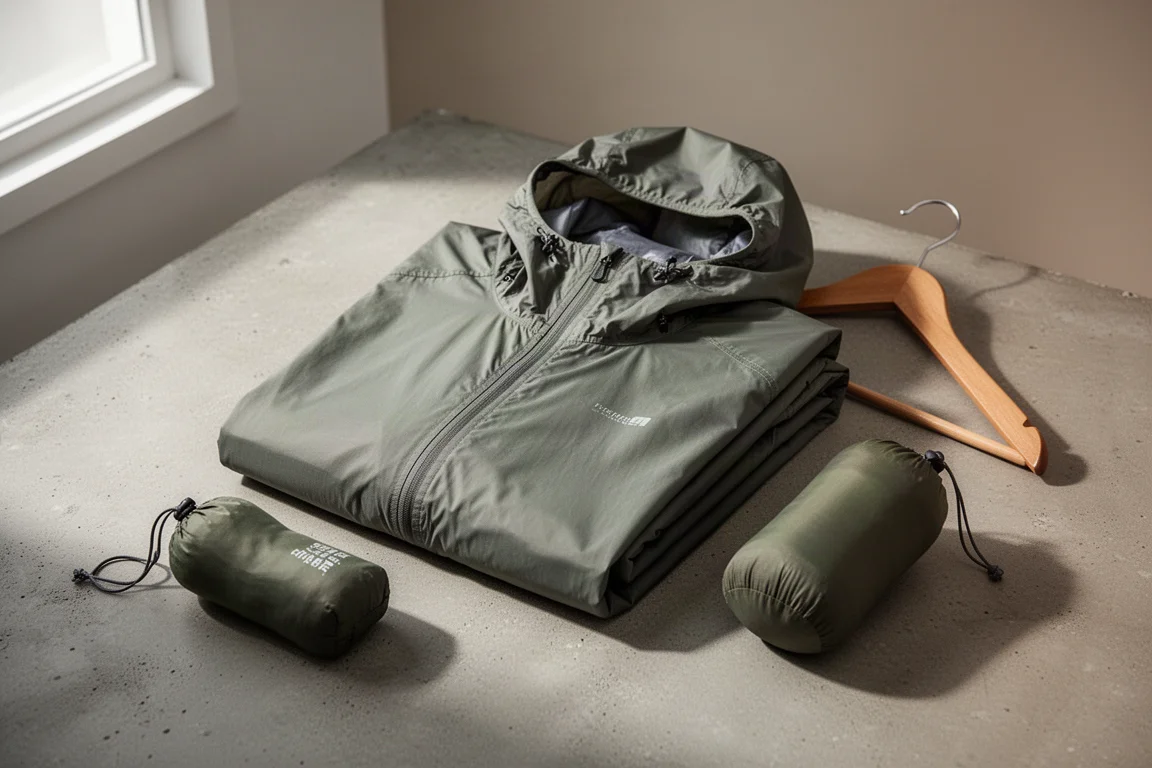
There is also no stuff sack or packable pocket. The jacket compresses reasonably well, but you will need your own bag to store it.
None of these are dealbreakers. They are simply the reasons a shell like this works best as a dedicated bad-weather layer rather than an everyday jacket.
Buying Advice
Buy the Foray II if waterproofing, durability, and a well-built hood matter more to you than saving money or shaving grams. It is a sound choice for hikers and backpackers who want one shell that will hold up season after season.
Sizing is straightforward. The medium fits like a medium, and the range from small to triple XL covers most people. If you plan to wear a down jacket underneath, keep your usual size rather than sizing up, because there is already room for thinner layers.
On price, this jacket sits in the middle of the Gore-Tex market. Two-and-a-half-layer Gore-Tex shells carry a similar retail figure, and patient shoppers can sometimes find them discounted well below it, so it is worth watching for a sale if budget is tight.

If you already own a basic rain jacket and find yourself soaked through after an hour of real rain, this is the kind of upgrade that solves the problem. If your jacket rarely leaves the house, a cheaper shell will do the same job.
Conclusion
After six months in wind and heavy rain, the Outdoor Research Foray II lives up to its reputation. It is fully waterproof, tough enough for brush and rock, carefully constructed, and comfortable to move in, with a hood, pockets, and ventilation that all do their job. The trade-offs are the price, the limited breathability that comes with any shell, an awkward collar, and the lack of a stuff sack. For anyone who needs a dependable Gore-Tex rain jacket rather than the cheapest one available, it is an easy recommendation.
Product link
View more details for Outdoor Research Foray II
This product is mentioned in the review. Check the specifications, options, and compatibility before buying.
View more details for Outdoor Research Foray IIFurther reading
Related Reviews
Rain Jackets
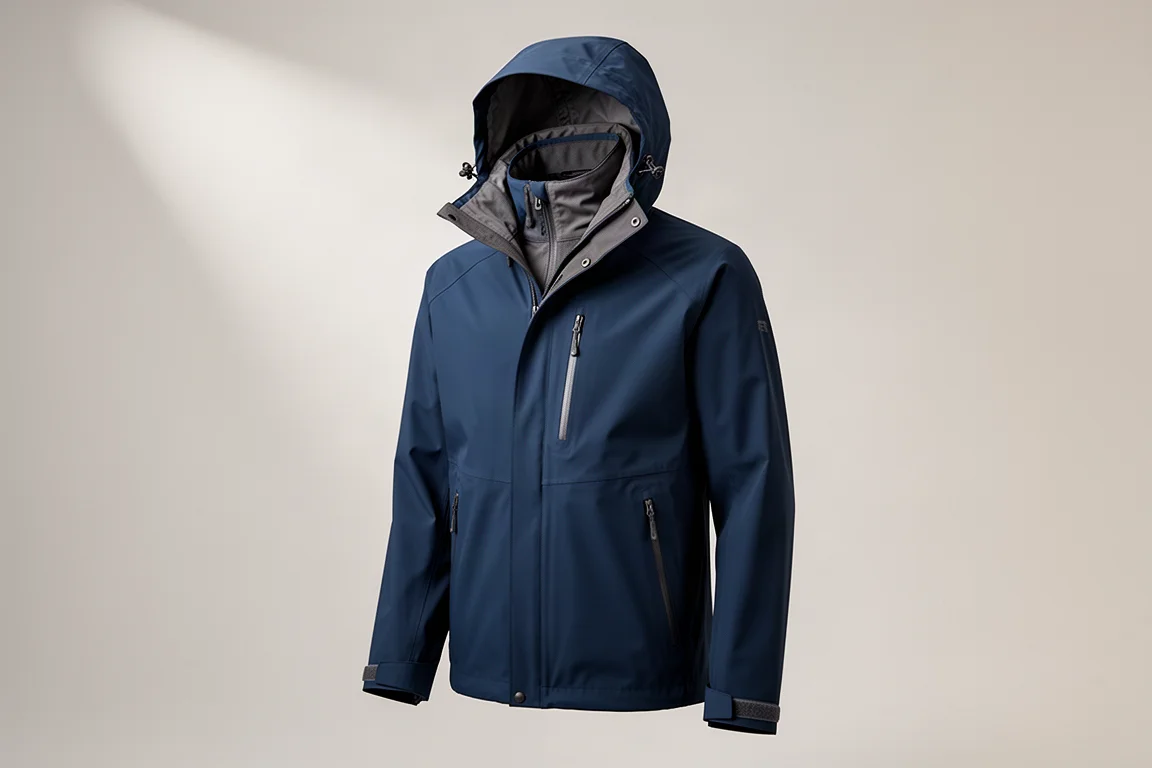
Outdoor Research Foray 2 Review: A Gore-Tex Shell That Earns Its Reputation
A six-month look at the Outdoor Research Foray 2 rain jacket, covering Gore-Tex protection, pocket layout, hood adjustment, and the trade-offs to weigh before buying.
Rain Jackets
Enlightened Equipment Visp Rain Jacket Review: 5.5 Ounces of Serious Rain Protection
A practical look at the Enlightened Equipment Visp Rain Jacket, a roughly 5.5-ounce ultralight shell with a slim layer-friendly fit, long sleeves, pit zips, and a large adjustable hood.
Rain Jackets
Zpacks Vertice vs Enlightened Equipment Visp: Two Ultralight Rain Jackets Compared
A practical comparison of two three-layer ultralight rain jackets, covering weight, breathability, fit, cuffs, pockets, and wet-out performance.