Rain Jackets
Enlightened Equipment Visp Rain Jacket Review: 5.5 Ounces of Serious Rain Protection
A practical look at the Enlightened Equipment Visp Rain Jacket, a roughly 5.5-ounce ultralight shell with a slim layer-friendly fit, long sleeves, pit zips, and a large adjustable hood.
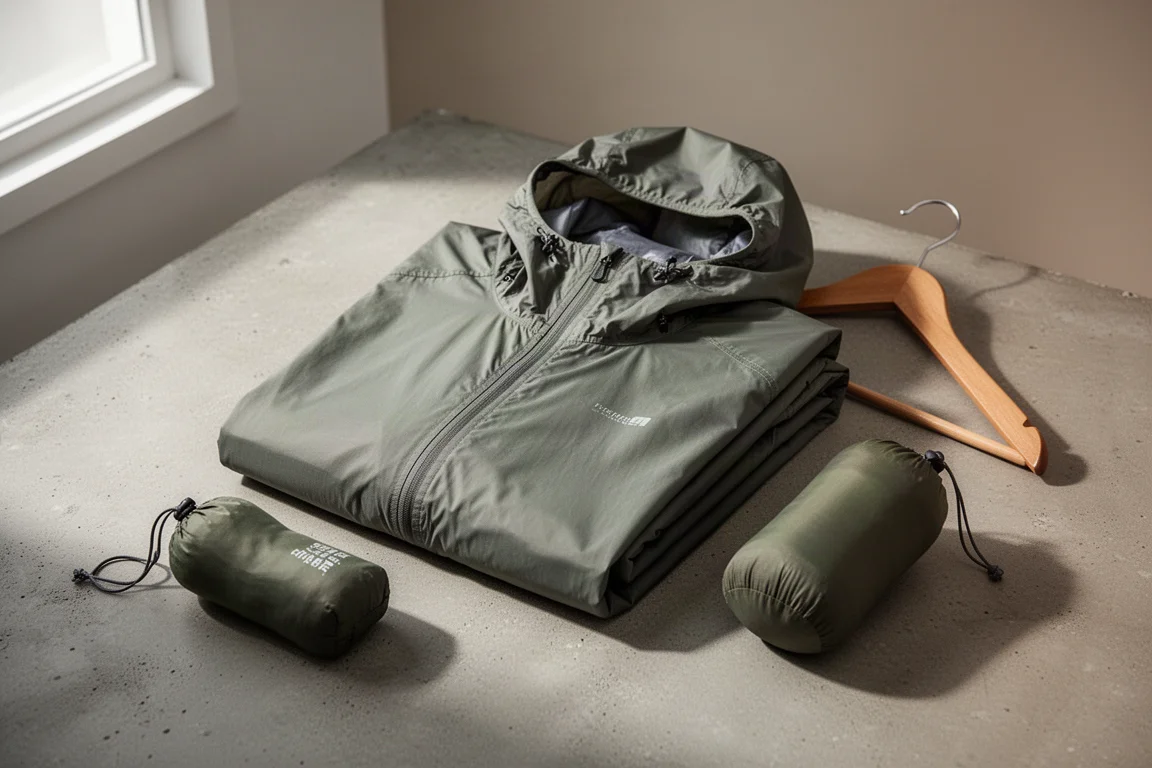
Introduction
Some pieces of gear only have to work on the days you would rather be indoors. A rain jacket is one of them, which is why ultralight shells always involve a compromise: every gram saved is a gram of fabric, coating, or hardware removed from the layer standing between you and a cold, wet day on the trail.
The Enlightened Equipment Visp Rain Jacket takes that compromise seriously. It weighs roughly 5.5 ounces, yet it carries features you would normally associate with a much heavier shell, including pit zips, a large adjustable hood, waterproof zippers, and sleeves long enough to swallow your hands. The question worth answering is whether that combination holds up in real use.
Who This Product Is For
This jacket suits anyone who counts grams but refuses to carry a shell that fails when the weather turns. Backpackers and long-distance hikers are the obvious audience, especially those who walk trails that are not always well maintained. A slim cut matters there. A baggy jacket catches on brush, snags on branches, and eventually collects the kind of tears that quietly destroy its ability to keep you dry.
It also works well for hikers who want one layer to do more than one job. With the pit zips open it vents like a wind shell, and zipped up over a base layer it traps enough warmth to stand in for a light fleece on cold, dry days. That flexibility means fewer items in the pack and less weight on your back.

It is a less obvious match for anyone who wants a cheap, abuse-tolerant shell they can replace without a second thought. This jacket asks for a bit of care, and the price sits above the loose budget shells it is designed to replace. If your priority is the lowest possible cost rather than reliability, a basic shell may still be the more comfortable purchase.
Main Strengths
The fit is the first thing that stands out. The Visp is noticeably slimmer through the body than the oversized budget jacket it replaces, which keeps it from snagging on brush along overgrown trails. At the same time there is still genuine room inside. A fleece or a puffy layers underneath without turning the jacket into a straitjacket, so the same shell works across a wide range of conditions.
Sleeve length is the second standout. Left to hang naturally, the sleeves cover the hands completely, which matters more than it sounds on a cold, wet hike. If you do not use trekking poles, you can simply pull your hands inside and keep them warm and dry. When you need your hands free, velcro straps at the wrists cinch the cuffs down for a slimmer, more accessible fit while scrambling or moving through brush.
Length is generous as well. The jacket sits longer at the waist than the loose shell it replaces, and longer still at the back, where the extra fabric covers the entire seat. That means fewer soaked shorts at the end of a long day of walking in the rain, which is a small luxury that adds up over hundreds of miles.
All of this comes in at roughly 5.5 ounces. For the amount of fabric, the number of features, and the layering room on offer, that is an impressive package.
Ventilation and Hood
Pit zips run along both arms, and they are one of the most useful details on the jacket. When it is windy but not raining, or warm and raining at the same time, opening them lets extra airflow move through without giving up the shell entirely. If you would rather save the weight, the jacket can be ordered without the pit zips at all, which makes the feature optional rather than forced.
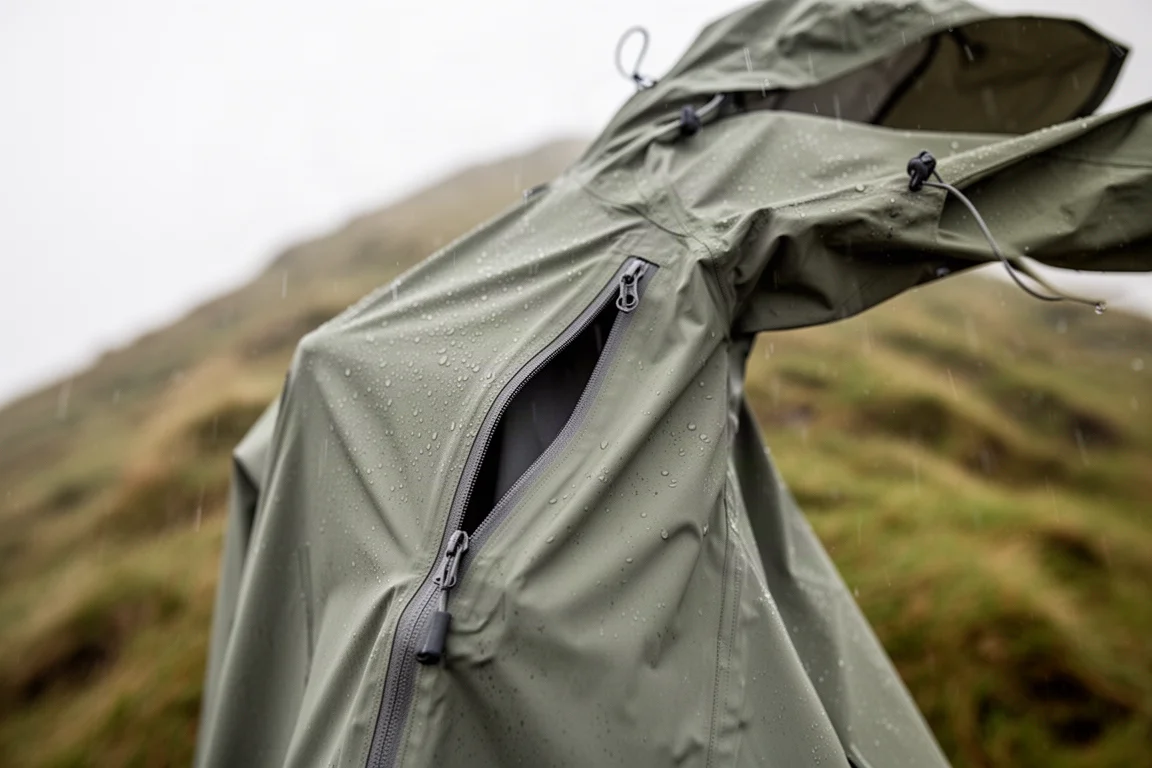
The hood is large. Fully zipped up over a hat, it reaches far enough forward to cover the mouth, and adjustable straps let you cinch it down in heavy rain or strong wind. A bungee strap at the hem pulls the bottom of the jacket closer to the body when you want a more secured fit, and it can be removed if you are chasing the lightest possible setup. The zippers are waterproof, which is a meaningful upgrade over the non-waterproof hardware on simpler shells.
Things to Consider Before Buying
The main trade-off is price. This jacket costs more than the loose budget shell it replaces, and the argument for spending the difference rests on reliability rather than savings. The other consideration is the fabric itself, which is thin in the way that all genuinely ultralight gear is thin.
Durability and Fabric Care
Thin fabric invites questions about how long it will last, and the honest answer is that ultralight gear carries an ownership responsibility. It rewards being handled with some care rather than being dragged through thorns and tossed into a pack full of sharp edges.
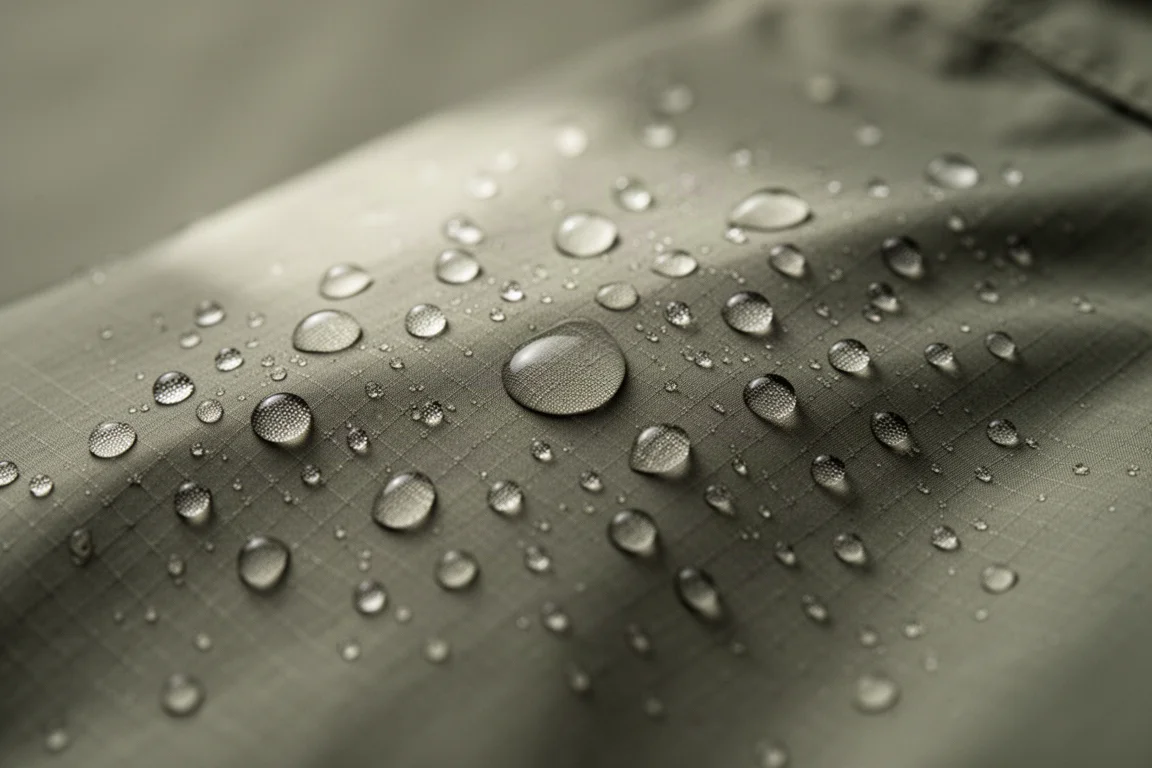
In roughly six months of regular use, the jacket has held up without issue. That use has included daily wear through a monsoon season, rounds of disc golf, local hikes, and shorter backpacking trips, including cold nights where the jacket replaced a fleece as the primary warmth layer. Nothing has failed so far, and given that even far heavier budget shells tend to give out after a couple of thousand miles of hard use, the expectation here is a long service life with reasonable care.
Zippers and Price
The zippers are small, and that takes some getting used to, particularly with cold hands. They are waterproof, though, which is a fair trade for the fiddlier pull. Price remains the one real drawback. This is not a budget purchase, and it is not trying to be one. It is a jacket that is meant to be trusted on the trail rather than replaced every season.
Buying Advice
Buy this jacket if you want a shell that disappears into your pack, layers cleanly over insulation, and keeps your hands and seat dry on long wet days. It makes the most sense for hikers and backpackers who already think in grams, who walk trails where a snagged, torn jacket would be a genuine problem, and who are willing to look after their gear in exchange for low weight.
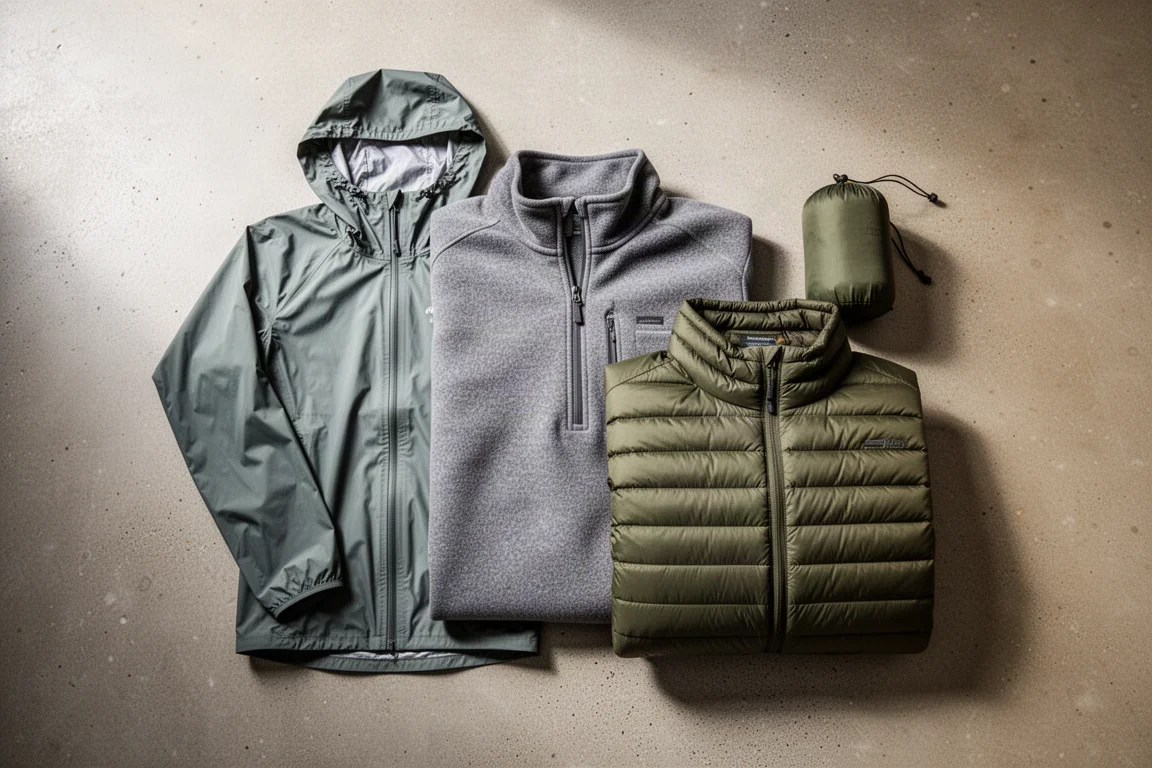
If you are deciding between configurations, think about where you walk. The pit zips add real versatility in changeable weather and are worth keeping for three-season hiking. Ordering without them makes sense only if you are already confident in your layering system and want the absolute lightest shell you can carry. Either way, size it with your coldest-weather layers in mind, because the slim cut still leaves room for a fleece or a light puffy underneath.
Conclusion
The Enlightened Equipment Visp Rain Jacket earns its place through a simple combination: roughly 5.5 ounces of weight, a slim fit that does not fight the trail, long sleeves and a long back hem that keep more of you dry, and ventilation that makes it useful well beyond steady rain. The compromises are real but narrow. The zippers are small, the fabric is thin, and the price is higher than a basic budget shell.
For hikers who want one light layer they can genuinely rely on, those trade-offs look reasonable. It is the kind of jacket that quietly does its job, mile after mile, and that is exactly what a rain shell should be.
Product link
View more details for Enlightened Equipment Visp Rain Jacket
This product is mentioned in the review. Check the specifications, options, and compatibility before buying.
View more details for Enlightened Equipment Visp Rain JacketFurther reading
Related Reviews
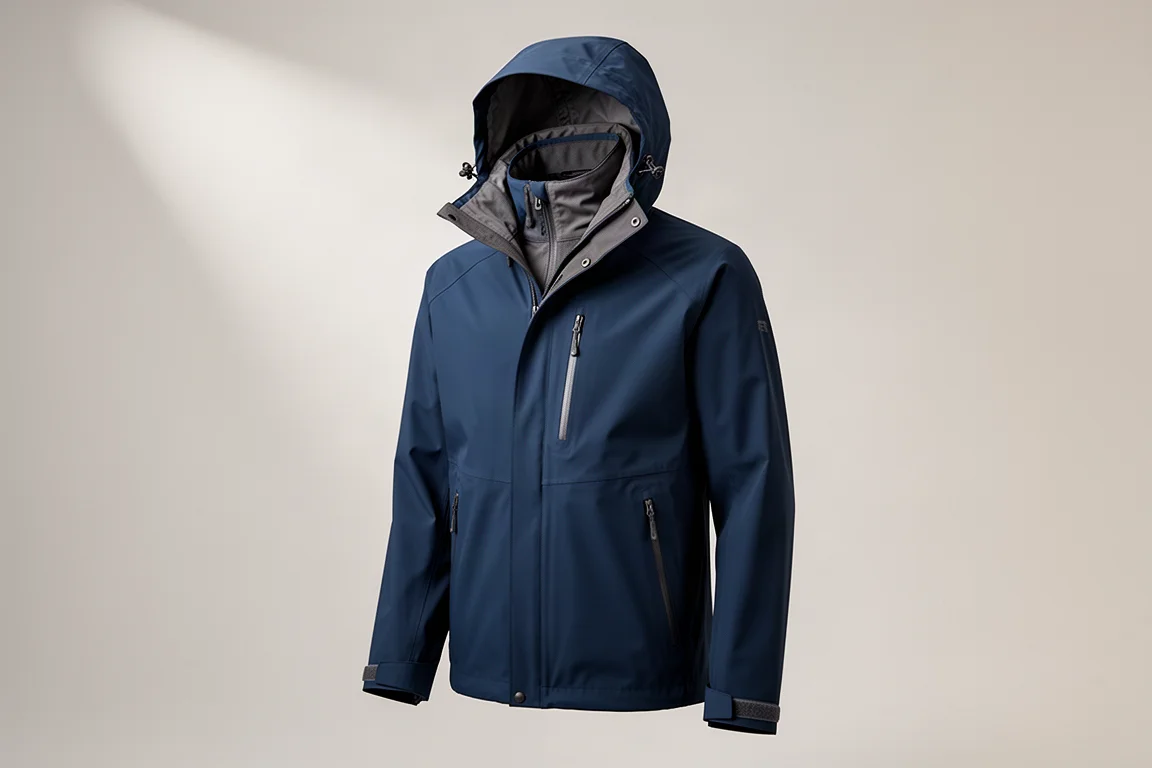
Rain Jackets
Outdoor Research Foray 2 Review: A Gore-Tex Shell That Earns Its Reputation
A six-month look at the Outdoor Research Foray 2 rain jacket, covering Gore-Tex protection, pocket layout, hood adjustment, and the trade-offs to weigh before buying.
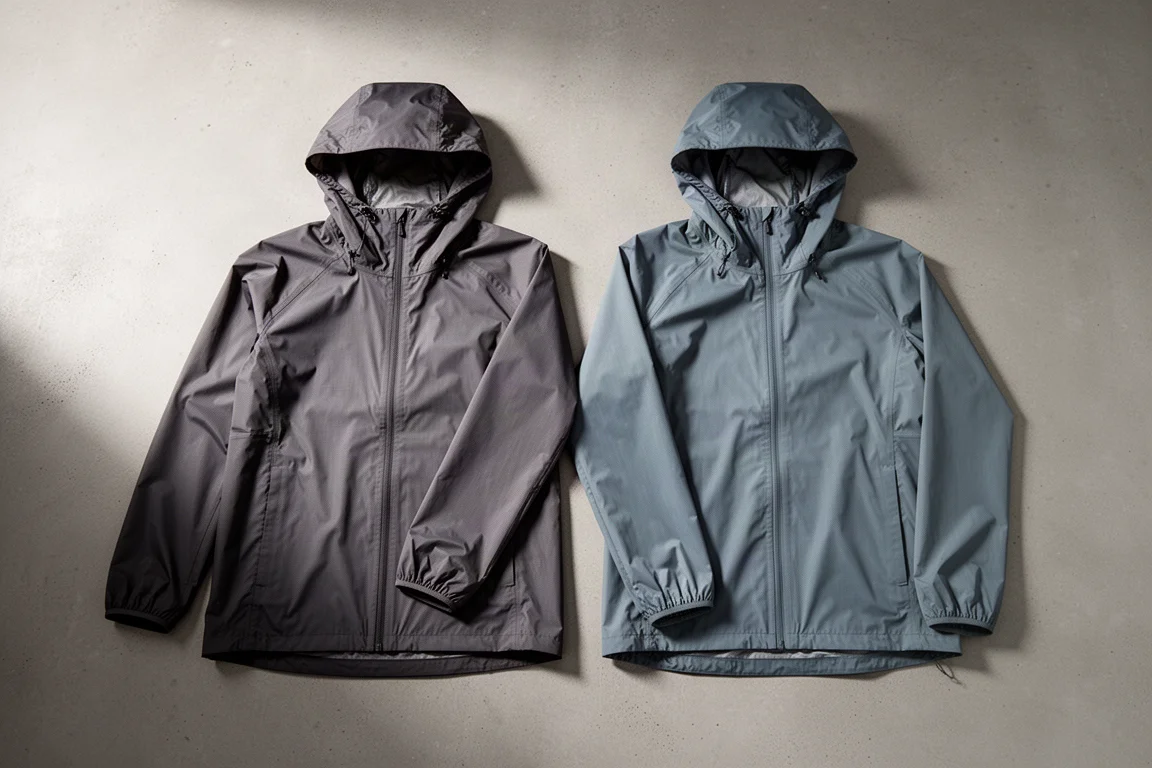
Rain Jackets
Zpacks Vertice vs Enlightened Equipment Visp: Two Ultralight Rain Jackets Compared
A practical comparison of two three-layer ultralight rain jackets, covering weight, breathability, fit, cuffs, pockets, and wet-out performance.
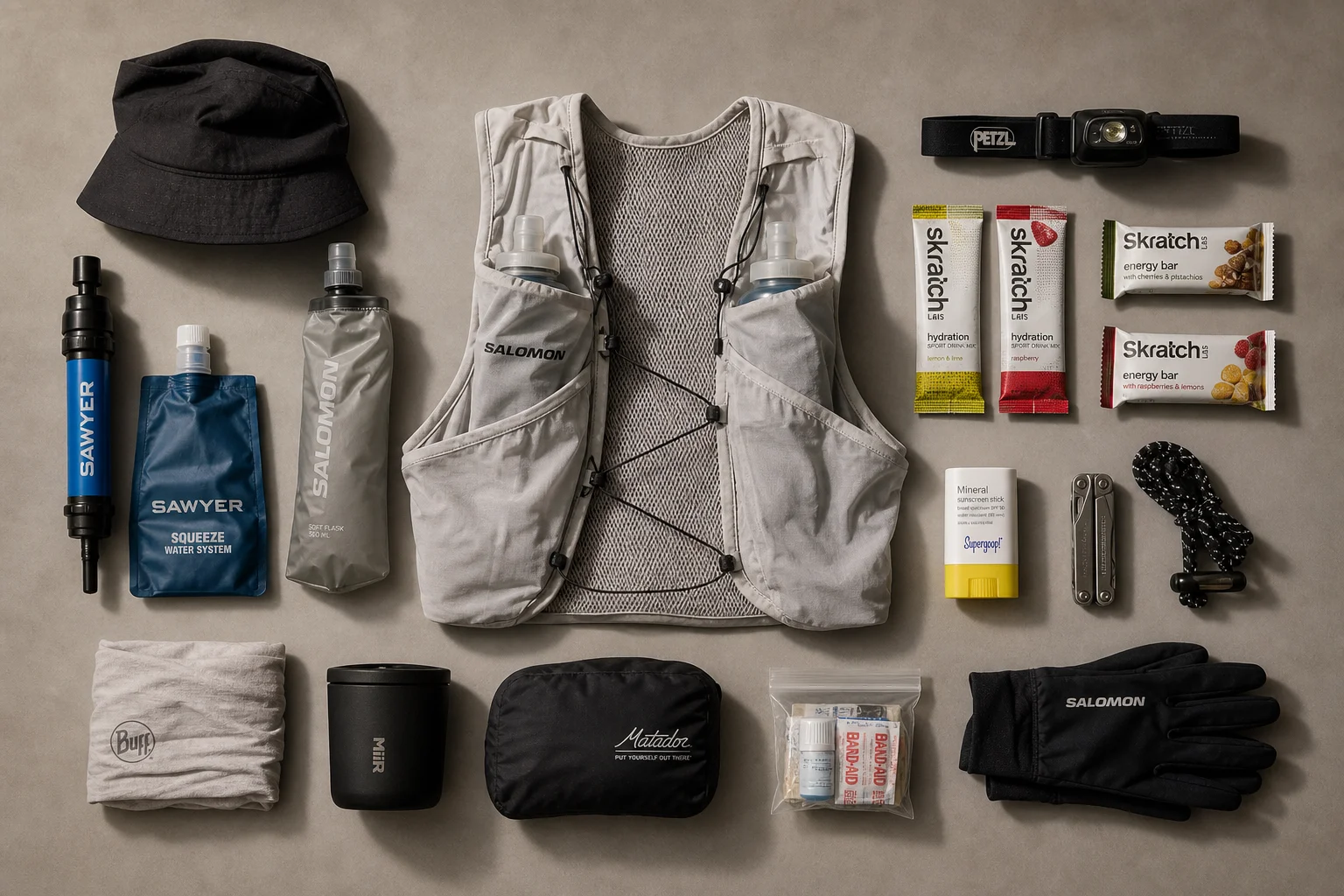
Trail Running Gear
28-Mile Trail Run Pack Loadout: Ultralight Gear for High Alpine Self-Supported Running
A complete breakdown of gear, clothing, hydration, nutrition, and safety equipment for a 28-mile high alpine trail run with 7,800 feet of elevation gain.