Ultralight Tents
Zpacks Plex Solo vs Gossamer Gear The One: Two Ultralight One-Person Tents Compared
A category-by-category comparison of two single-wall trekking-pole shelters, covering price, weight, materials, setup, interior space, vestibules, and rain performance.
Introduction
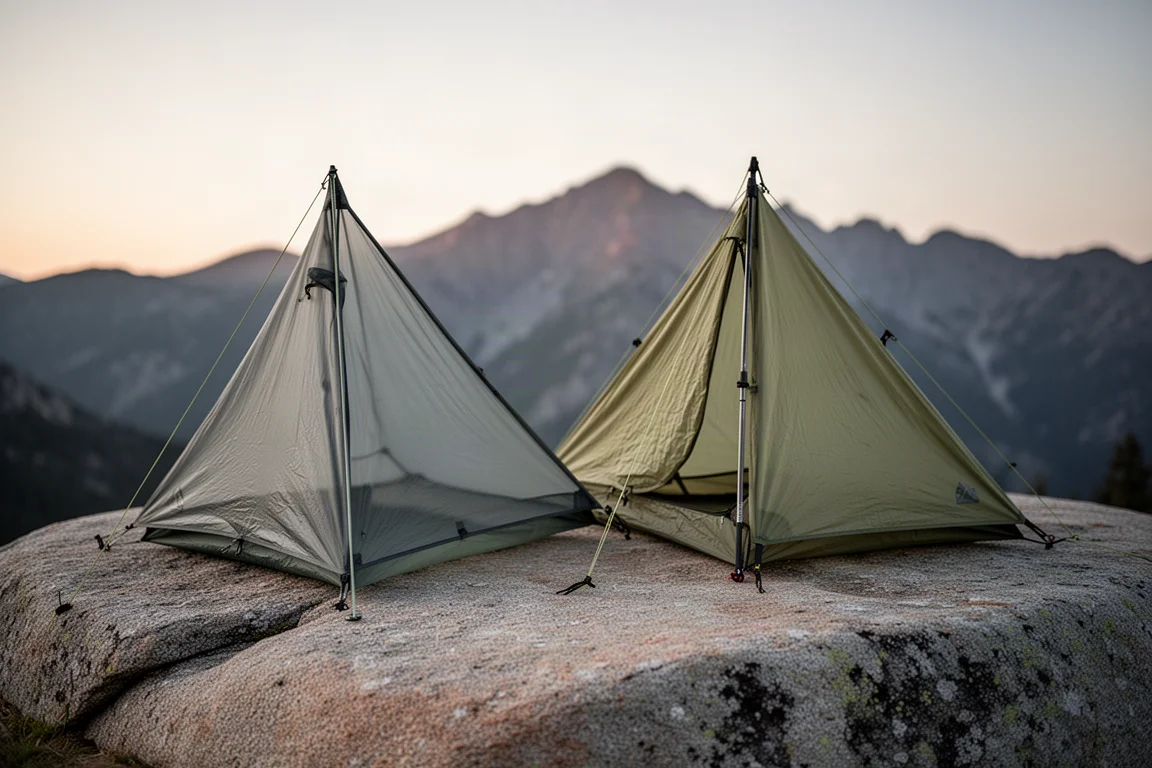
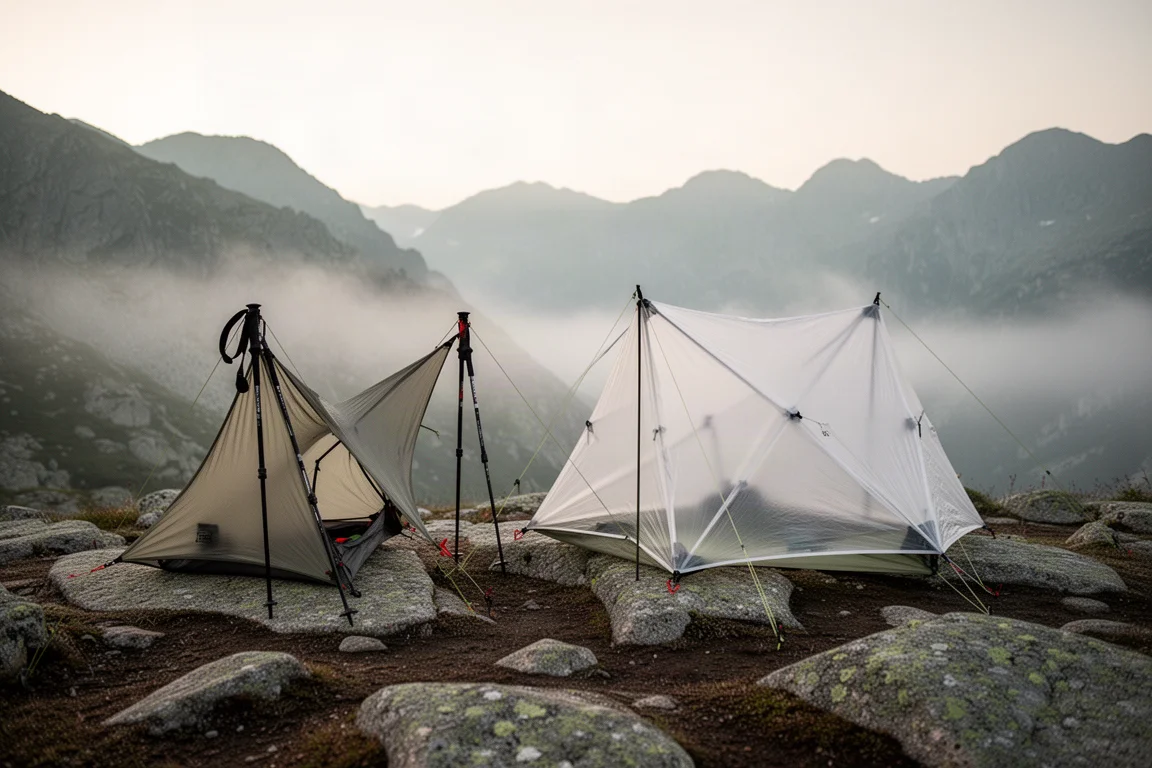
Two shelters come up again and again among long-distance hikers weighing a light pack: the Zpacks Plex Solo and the Gossamer Gear The One. Both are single-person, single-wall, trekking-pole-supported tents, and both saw hundreds of miles of Pacific Crest Trail use in a single season. They are also separated by a substantial price gap, which makes a direct comparison far more useful than a spec sheet alone.
This comparison works through seven categories: price, weight, material, setup, interior space, vestibule, and weather resistance. Each category gets a winner or a tie, followed by buying advice for different kinds of trips.
What These Two Tents Have in Common
Both shelters are non-freestanding ultralight trekking pole tents built for one person. Each is a single-wall design, meaning a single layer of fabric acts as both rainfly and sleeping area. Condensation is the trade-off that comes with that construction, and it appeared in both tents without either one being clearly worse than the other. Both are three-season tents, and both use a bathtub floor to keep ground moisture away from a sleeping pad.
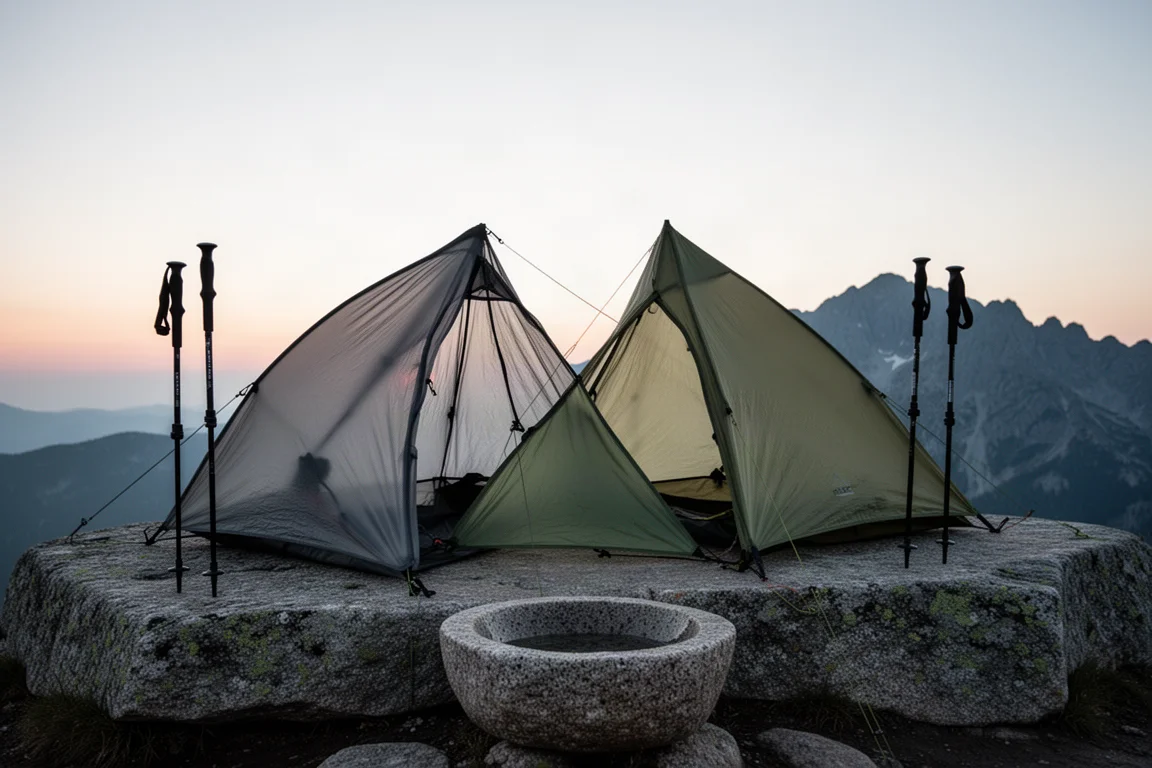
Those shared traits narrow the decision considerably. If a single-wall, trekking-pole shelter is the right format for you, the choice comes down to how each tent handles price, weight, and wet weather.
Price: Gossamer Gear The One Wins
There is a large gap here. The One has a standard price of $299.25, and it frequently appears at a discount during holiday sales, which is how many buyers end up picking it up. The Plex Solo is listed at $599, and while the manufacturer periodically runs a holiday promotion of $50 off orders over $500, it remains roughly double the cost.
Price is often the first filter for buyers, and on that measure The One is the clear winner. It is worth keeping in mind, though, that the two tents are not equal in every other category, so the higher price is not automatically the worse deal.
Weight: Zpacks Plex Solo Wins
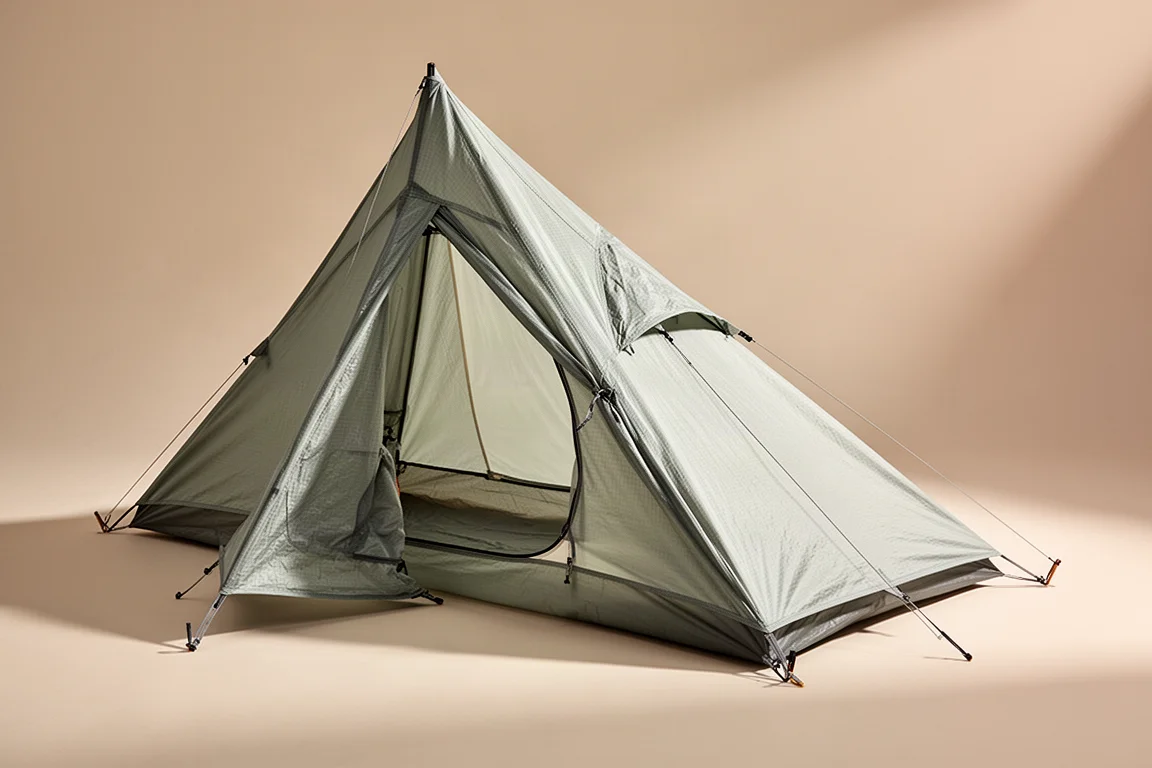
The One weighs 17.7 ounces (503 grams) for the shelter itself, an impressive figure that places it among the lightest tents available. Add-ons push that number up. The shelter ships with ten stakes at 11 grams each, and stuff sacks and extra cord add further weight, some of it optional and some of it necessary.
The Plex Solo comes in at 13.9 ounces (395 grams), a figure that includes the stuff sack and makes it one of the lightest tents on the market. Stakes are not included, so they have to be purchased separately, which is worth factoring into the total cost.
The Plex Solo takes this category, and that low weight goes a long way toward explaining its price. That said, 17.7 ounces is still an excellent figure for a fully enclosed shelter, so both tents earn a strong result here.
Materials: Dyneema and Silpoly
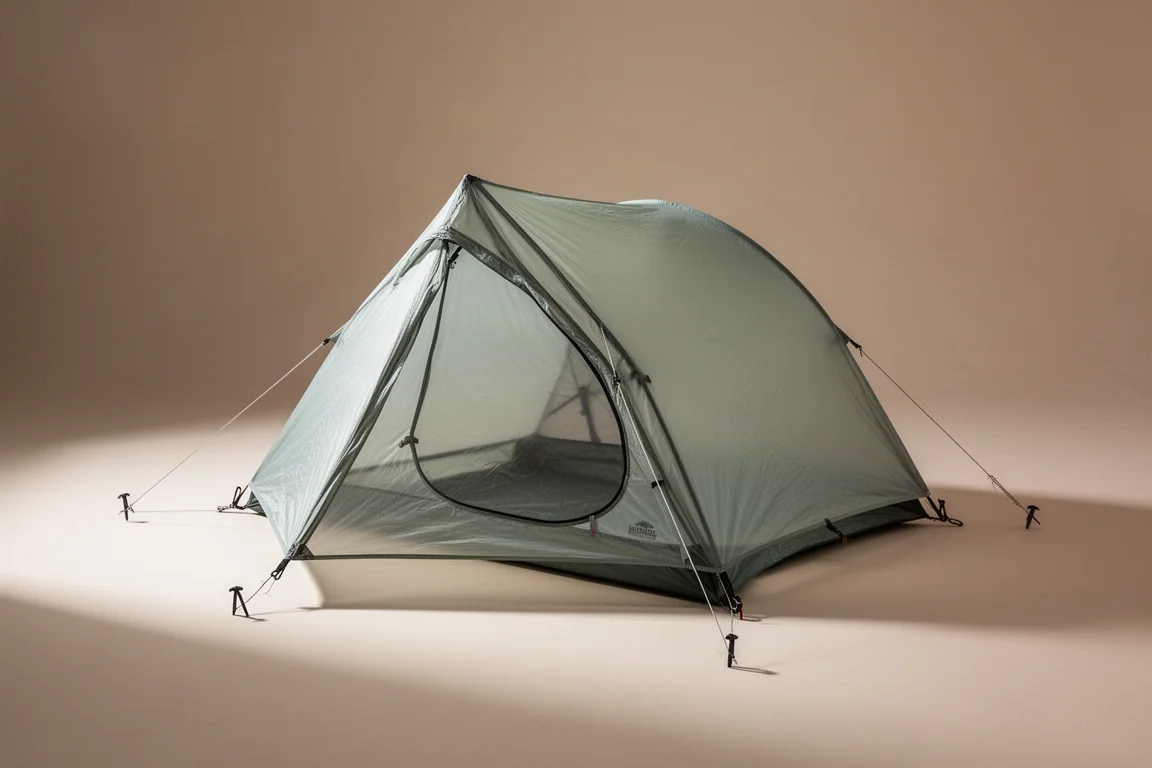
The One is built from 10D nylon ripstop silpoly. The Plex Solo uses Dyneema Composite Fabric, with 0.55 ounces per square yard as the standard weight and different strengths available depending on which color you choose.
Dyneema is the stronger material, and critically, it does not sag when it gets wet, which becomes important in the weather resistance discussion below. One caveat came up during testing: a small tear developed in the bug net near the zipper within the first few days of use, which is disappointing on a shelter at this price.
Gossamer Gear also offers a Dyneema version of The One, but it is frequently out of stock and priced at $539, which narrows the material gap on paper while making it hard to actually buy.
Setup: A Tie
Pitching The One starts with staking out the four corners and adjusting trekking poles to 125 centimeters. The rear pole goes in with the handle at the top and the tip slipped into the grommet on the bottom stake, then the front pole goes in the same way. Two pull-outs at the head and foot ends add meaningful interior room and are worth using. Because the floor is silpoly, a ground sheet is a sensible addition. The full requirement is two trekking poles and a minimum of six stakes, or eight with the extra tie-outs, plus that ground sheet.
The Plex Solo needs only one trekking pole, adjusted to 132 centimeters. Stake out the four corners, set the pole with its tip going into the ground stake, then stake the center tie at the back. That minimum setup uses one pole and six stakes. Four additional tie-outs can be deployed for more space and structure, bringing the total to ten stakes. The Dyneema floor means a ground sheet is optional, and a full season of trail use without one caused no problems.
Setup difficulty is close enough between the two that it should not drive the decision.
Interior Space: Gossamer Gear The One Wins
The One’s bathtub floor measures 84 inches long, 33 inches wide at the head end, and 21 inches wide at the foot end, with a peak height of 45 inches that tapers toward both ends. For a sleeper around 5 feet 10 inches, there is plenty of room inside: no contact with the top of the tent while lying down with a sleeping pad and pillow, and clear space above when sitting up.
The Plex Solo’s floor is 90 inches long, 38 inches wide at the center, and 28 inches wide at the ends, with a 52 inch peak height, so the interior is technically larger. Because it relies on a single pole, however, the back slopes down toward the ground, and seated headroom felt slightly reduced compared with The One. The extra floor area is genuinely useful for storing gear, but the tent feels a little more constricting when you sit up and organize equipment.
The One takes this category, though the Plex Solo’s interior remains comfortable and entirely workable.
Vestibule Space: A Tie
The One offers 35 inches between the bathtub floor and the end of the vestibule. The Plex Solo has a front vestibule depth of 18.5 inches. In practice The One’s vestibule is larger, though not dramatically so. Neither is especially roomy, and both are adequate for storing extra gear.
Both vestibules are triangular, and the edges can let some rain in, so anything that has to stay dry belongs inside the tent rather than out in the vestibule.
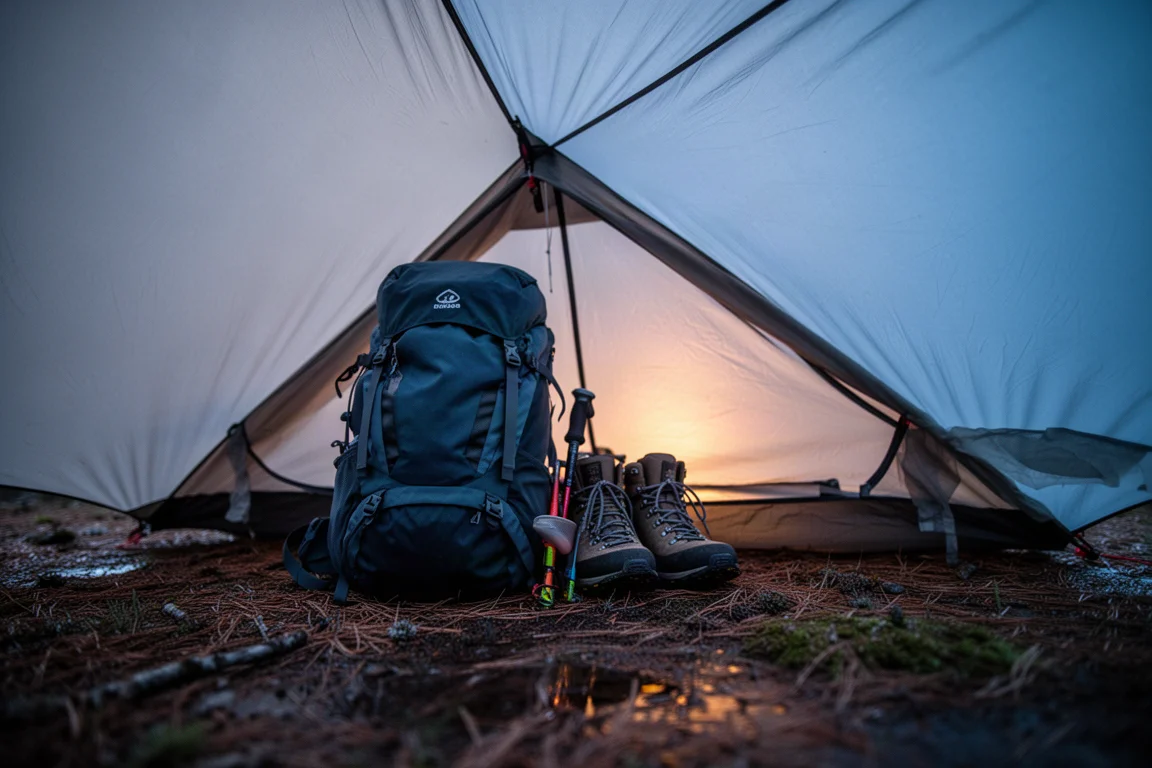
This category ends in a tie because the Plex Solo offsets its smaller vestibule with more interior floor space, giving you another place to put gear.
Weather Resistance: Zpacks Plex Solo Wins
Wind is a separate question. Both shelters have a fairly high profile because they are held up by one or two trekking poles, so neither is the ideal choice for exposed, extremely windy conditions.
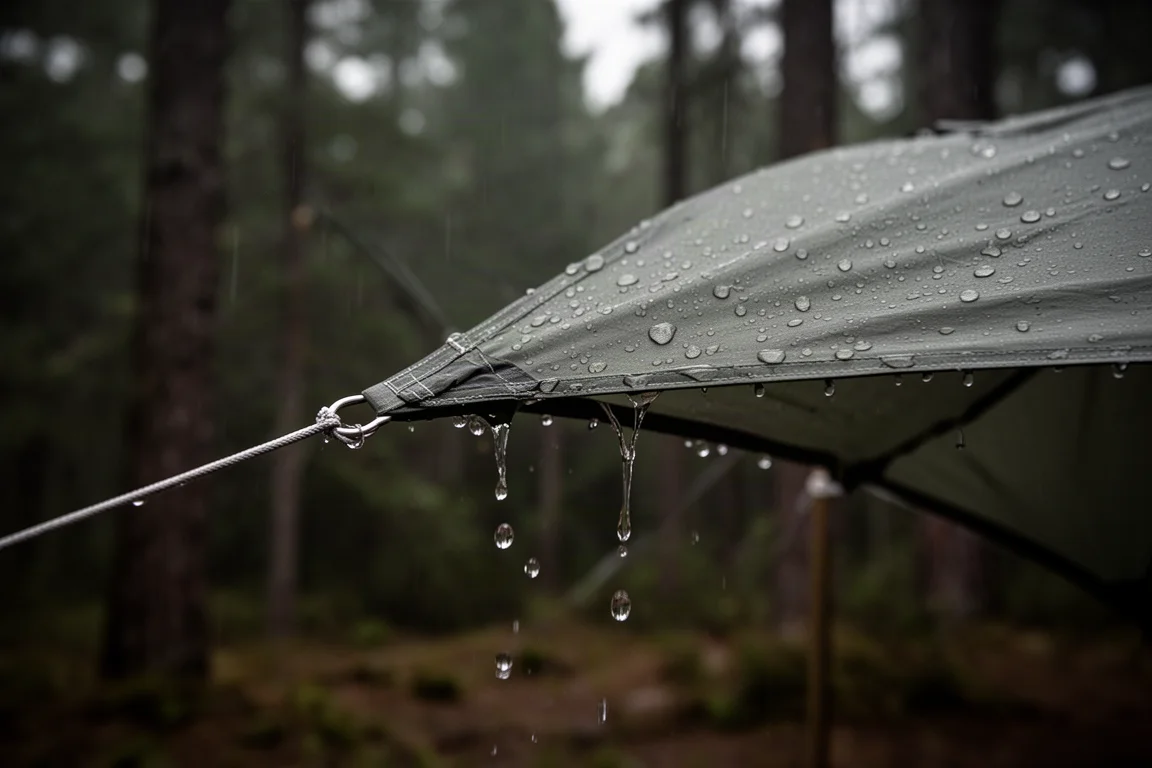
In rain, the Plex Solo is the clear winner. Silpoly stretches and sags, and it does so even when dry. When it gets wet it sags further and soaks up some moisture, and during rainstorms in The One the shelter needed to be retensioned as it got wetter, which means getting out of the tent in the middle of a storm. It was never in danger of collapsing, but it rarely stayed as taut as it should. The Dyneema on the Plex Solo never sagged and is simply the stronger material. The Plex Solo also has cinches on the bathtub floor that can be tightened for extra rain protection.
A second issue affected the purchased The One: it was not seam sealed correctly, and water ran down a seam and collected inside the bathtub floor. It may be a one-off defect rather than a widespread problem, and it can be fixed by resealing the seam, but it should not happen on a tent intended for through-hiking. The interior of The One ended up noticeably wetter than the interior of the Plex Solo.
Overall Buying Advice
The final decision depends less on which tent is better in the abstract and more on where you plan to sleep in it.
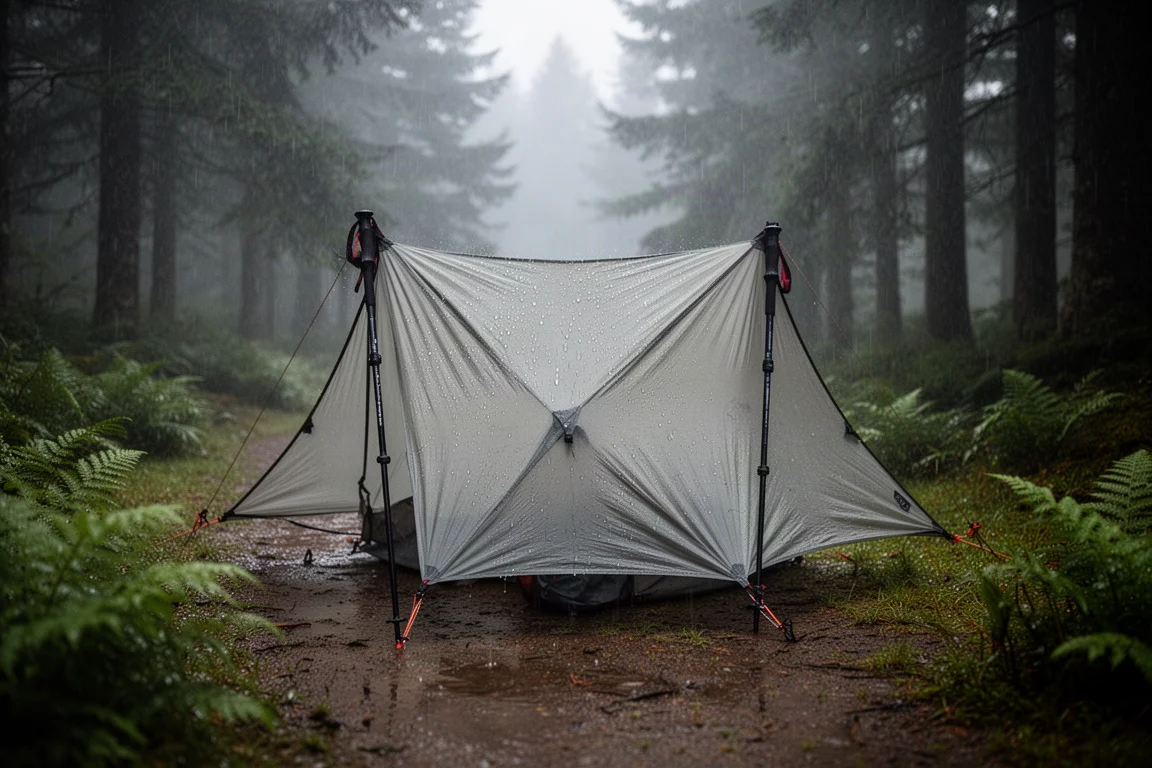
For trails that see a lot of rain, such as the Appalachian Trail, the Plex Solo is the shelter to choose. The Dyneema construction, the lack of sag when wet, and the bathtub floor cinches all point in the same direction. On drier routes such as the Pacific Crest Trail, both tents perform well and the decision shifts to budget and interior comfort.
If price is the primary constraint, The One remains a compelling ultralight shelter with more interior space and a larger vestibule, as long as you accept the wet-weather behavior of silpoly and check the seam sealing on arrival. If you want the lowest weight, the strongest fabric, and the most confidence in sustained rain, the Plex Solo justifies its premium.
Conclusion
After seven categories, the Zpacks Plex Solo comes out ahead overall. It wins on weight, material, and weather resistance, ties on setup and vestibule space, and gives ground only on price and interior space. The Gossamer Gear The One is the better value and the roomier tent, and it stays a strong option for drier trails and tighter budgets. The price difference is real, and whether it is worth paying depends on how much rain you expect to meet.
Further reading
Related Reviews
Ultralight Tents
Sierra Designs Mojo UFO Review: A 1.66 lb Two-Person Tent That Only 50 People Can Own
A rare ultralight two-person shelter built from Cuben fiber and carbon fiber poles, weighing 1.66 lb complete. Here is what it does well and what it costs.
Ultralight Tents
Durston X-Mid Pro and Zpacks Offset Duo: Two Ultralight Trekking Pole Shelters Compared
A practical look at two trekking pole shelters with very different priorities: the compact Durston X-Mid Pro and the roomy Zpacks Offset Duo.
Ultralight Tents
Gossamer Gear The Two Review: An Ultralight Shelter That Pitches Fast
A practical look at the Gossamer Gear The Two, an ultralight single-wall shelter with two doors, factory-taped seams and a packed weight under 900 g.