Ultralight Tents
Durston X-Mid Pro and Zpacks Offset Duo: Two Ultralight Trekking Pole Shelters Compared
A practical look at two trekking pole shelters with very different priorities: the compact Durston X-Mid Pro and the roomy Zpacks Offset Duo.
Introduction
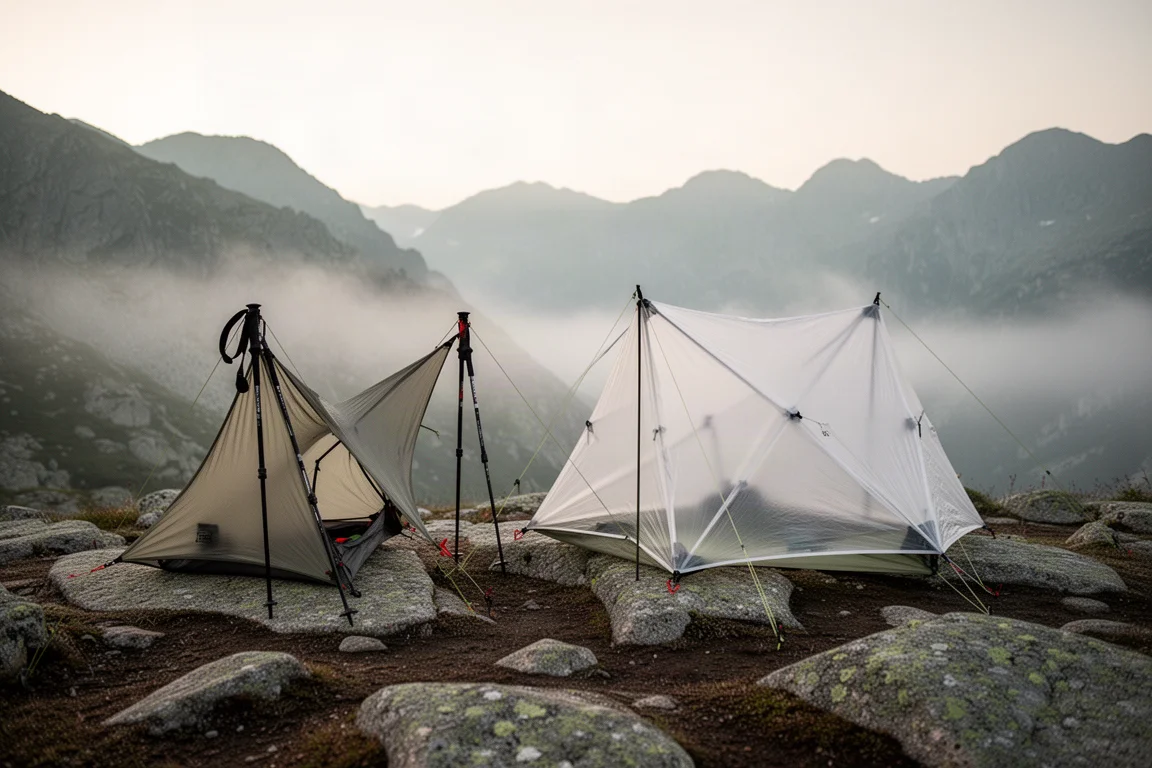
The Durston X-Mid Pro and the Zpacks Offset Duo are both trekking pole shelters, and that is roughly where the similarities end. One is a compact asymmetrical design aimed at solo hikers. The other is a much larger shelter with an interior that feels far bigger than its packed form would suggest.
Both were pitched overnight in the same conditions, and both collected condensation by morning. That single observation is worth keeping in mind, because it shows how little dual vestibules or a large open door can do when the weather works against you.
These shelters are not direct competitors. Choosing between them comes down to how much interior space you want, how much setup work you are willing to do, and how much room your campsite actually offers.
What to Look For in an Ultralight Shelter
Trekking pole shelters trade hardware for fabric, which means the details that matter most are usually the ones you notice on the second night rather than the first.
Start with the pitch. A shelter that goes up with one pole, a couple of stakes, and a single tensioning pass is easier to live with over a long trip than one that needs a dozen decisions before you can crawl inside. Setup complexity rarely matters on a calm evening, and it almost always matters in wind, rain, or fading light.
Interior volume is the second consideration, and it is not the same thing as floor area. Headroom above your sleeping position, room at the head and foot ends, and how close the walls sit when you straighten up all matter more than a single measurement.
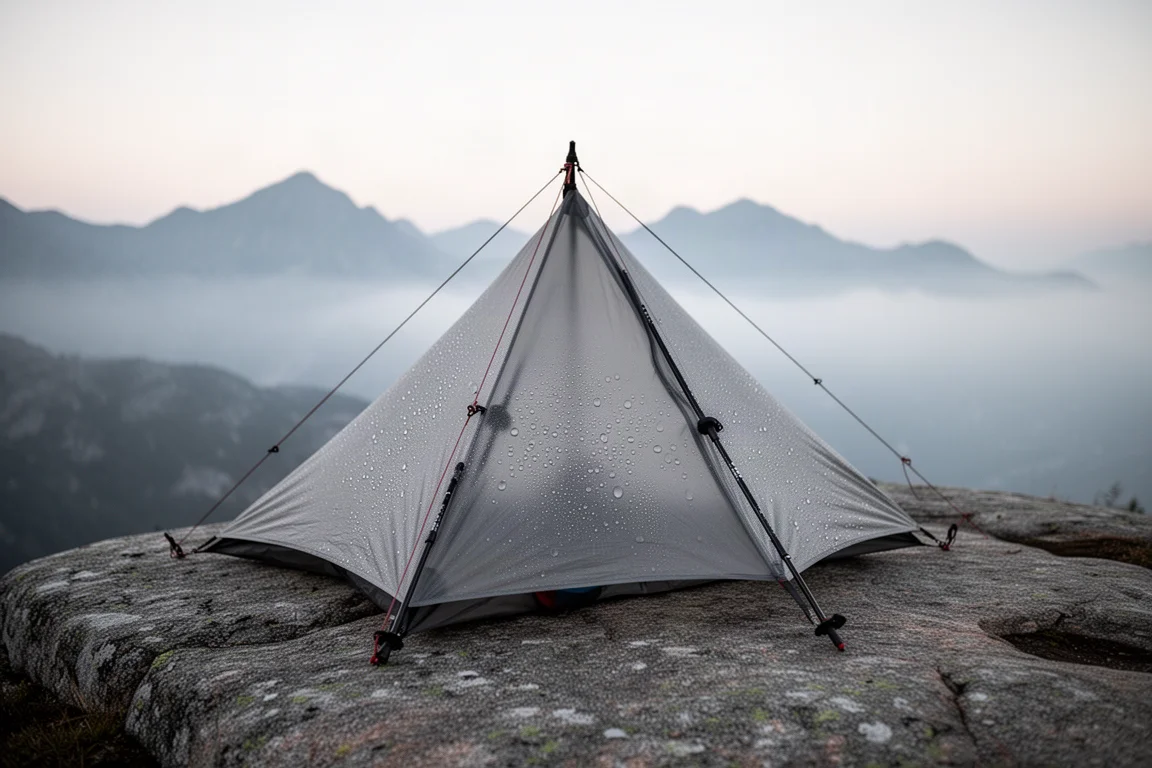
Ventilation and condensation are the third. Large openings help, but they are not a guarantee. Both shelters here were wet inside by morning.
Durston X-Mid Pro: Interior Space and Headroom
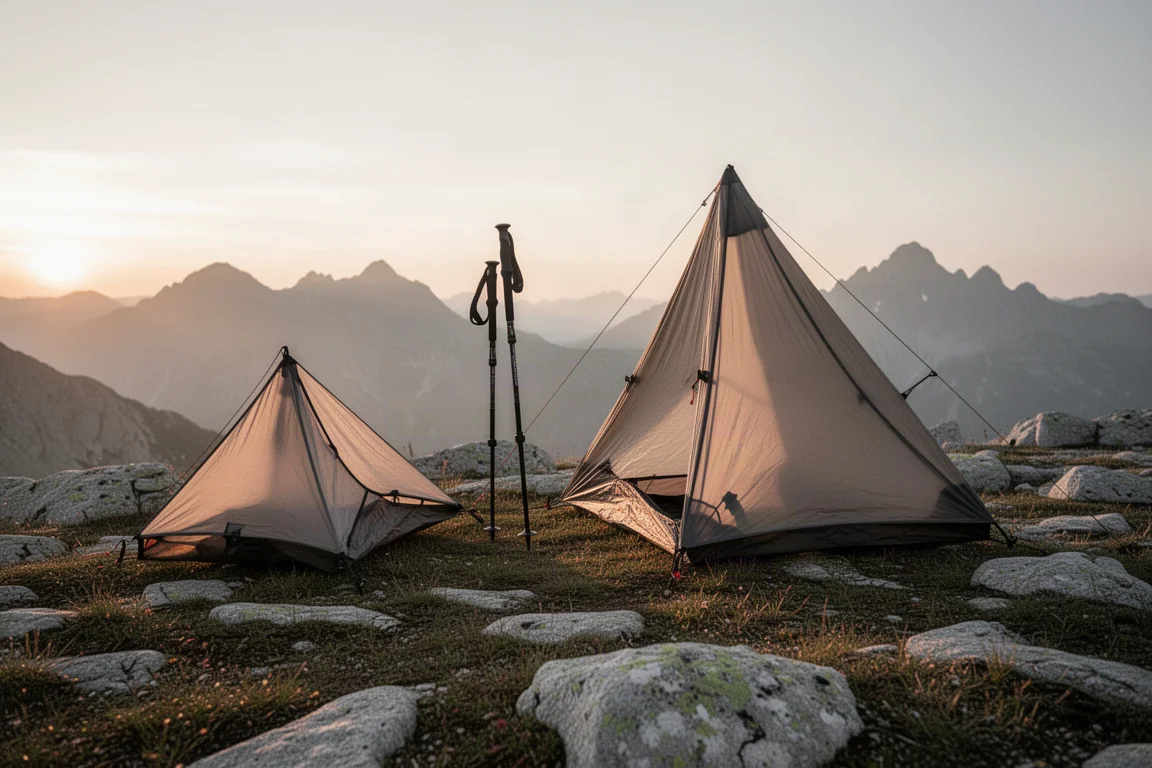
The X-Mid Pro uses an asymmetrical layout built around two trekking poles. Rather than a single slanted wall, the interior takes on a boxier shape at the head and foot, and that shape is the shelter’s most persuasive feature. There is noticeably more usable space at both ends than the exterior suggests.
Sitting up is where the design asks for a compromise. The side wall sits close, and the peak is lower than on taller shelters. If your morning routine involves sitting upright with a coffee and a wide view, you will feel the ceiling.
The two-vestibule layout will divide opinion on a one-person shelter. Opening both vestibules along with the door creates an unusually open, panoramic feel. Hikers who prefer a simpler single-vestibule design may see it as extra fabric and extra zips to manage.
Durston X-Mid Pro: Setup, Ventilation, and Trade-offs
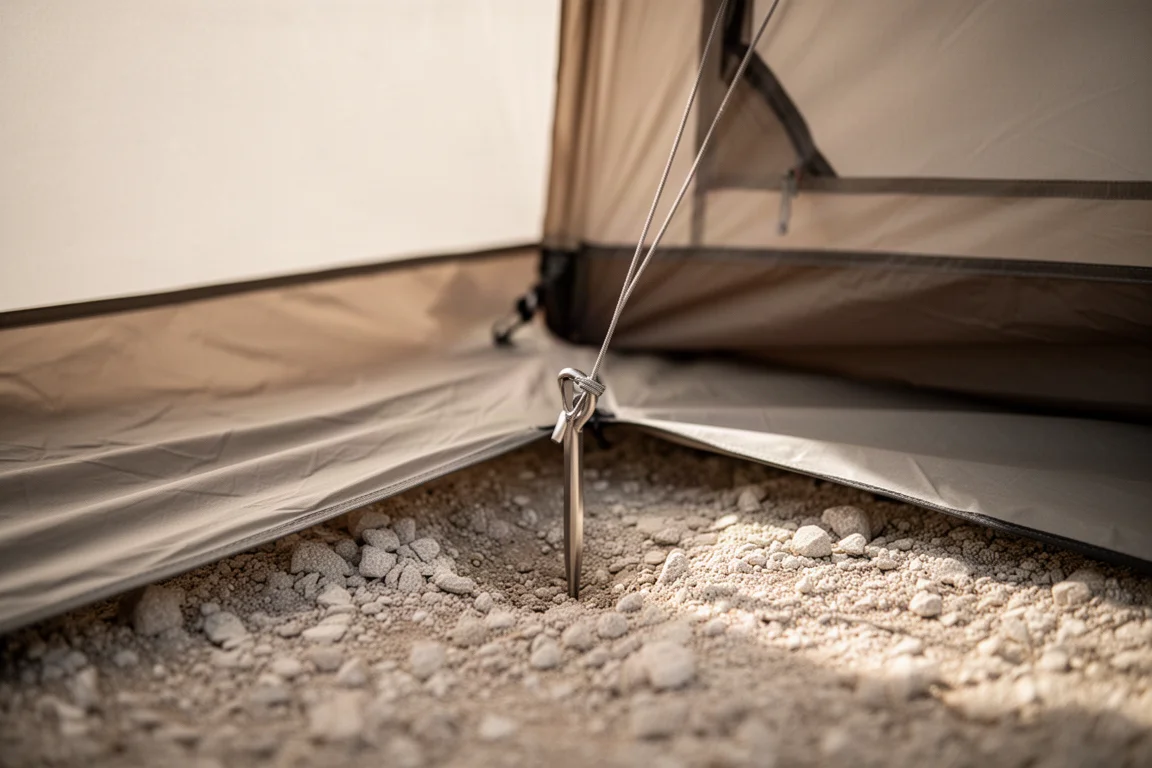
The fly can be tensioned to sharpen the pitch, which helps in exposed spots. Less convincing are the lines running to the bathtub floor. They have no tensioners fitted, so the floor can hold a visible wrinkle even when everything else is pulled tight.
Condensation formed overnight despite the dual vestibules, a reminder that airflow depends on more than the number of openings.
The wider verdict is that this is a capable shelter with a genuine strength at the head and foot ends. Whether it suits you depends on how you feel about pitching with two trekking poles and managing two vestibules on a solo trip. The design has a dedicated following, and the interior shape is the main reason why.
Zpacks Offset Duo: Interior Space and Comfort
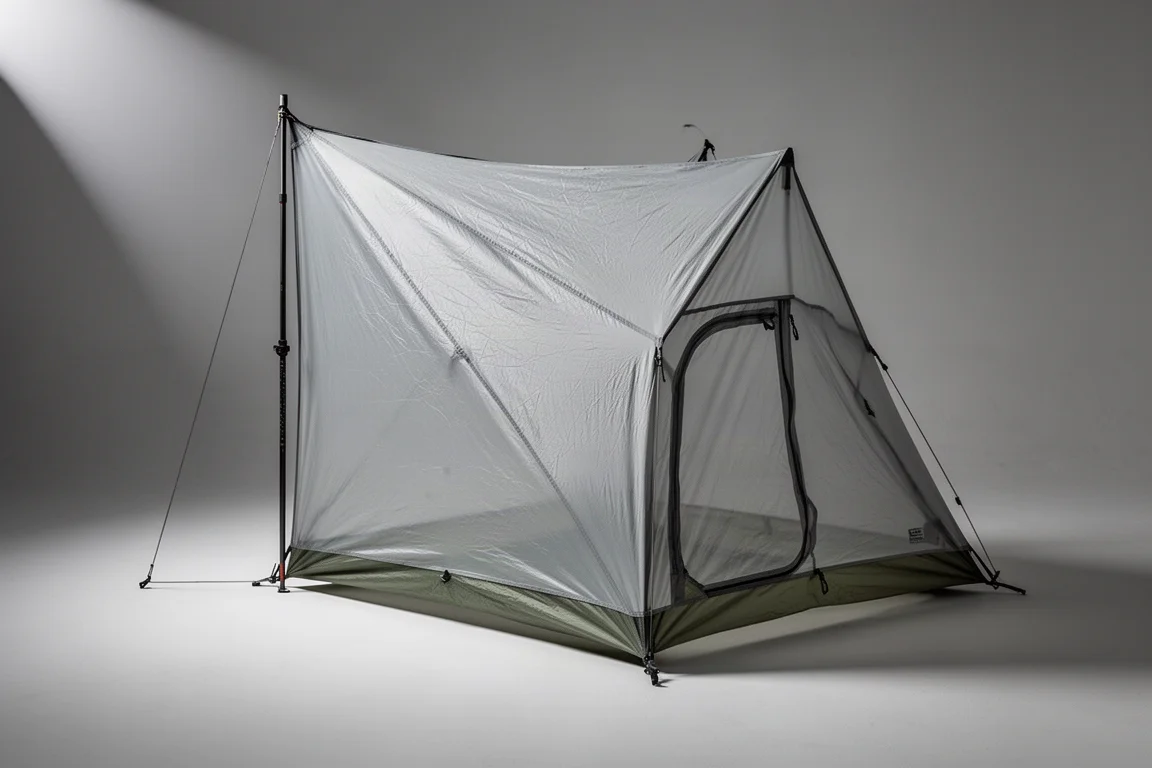
The Offset Duo goes the other way entirely. The interior is enormous, and the difference in headroom compared with the X-Mid Pro is immediately obvious. You can sit fully upright without brushing a wall, which changes how the shelter feels over a long evening.
The L-shaped door curves around the corner of the shelter, and magnets on the vestibules hold the panels open once they are rolled back. Both details make the interior easier to use rather than simply bigger.
The floor is DCF, which feels like sleeping on a sheet of plastic. The guy lines have no reflective elements, a small omission that matters when you are finding your way back to camp after dark. There are also a lot of guy-out points, and most of them are needed to get the shape the shelter is designed for.
Zpacks Offset Duo: Setup and Details
Setup is the Offset Duo’s real cost. The shelter involves a lot of moving parts and takes eight stakes to pitch properly, which is a long list of steps at the end of a hiking day. A dedicated pole holds the structure up, and it comes with a small case that is easy to misplace.
The payoff for all of that is headroom. The pull-outs along the sides lift the fabric well clear of the sleeping area, and the result feels closer to a small room than a tent.
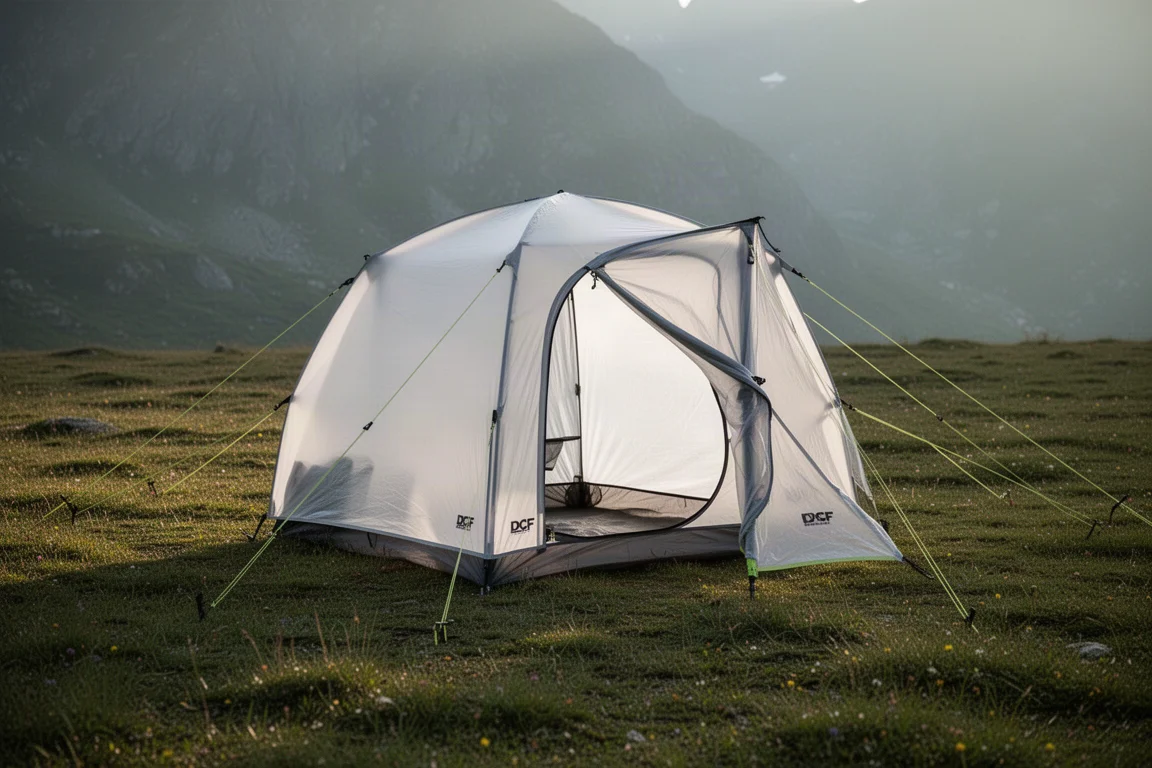
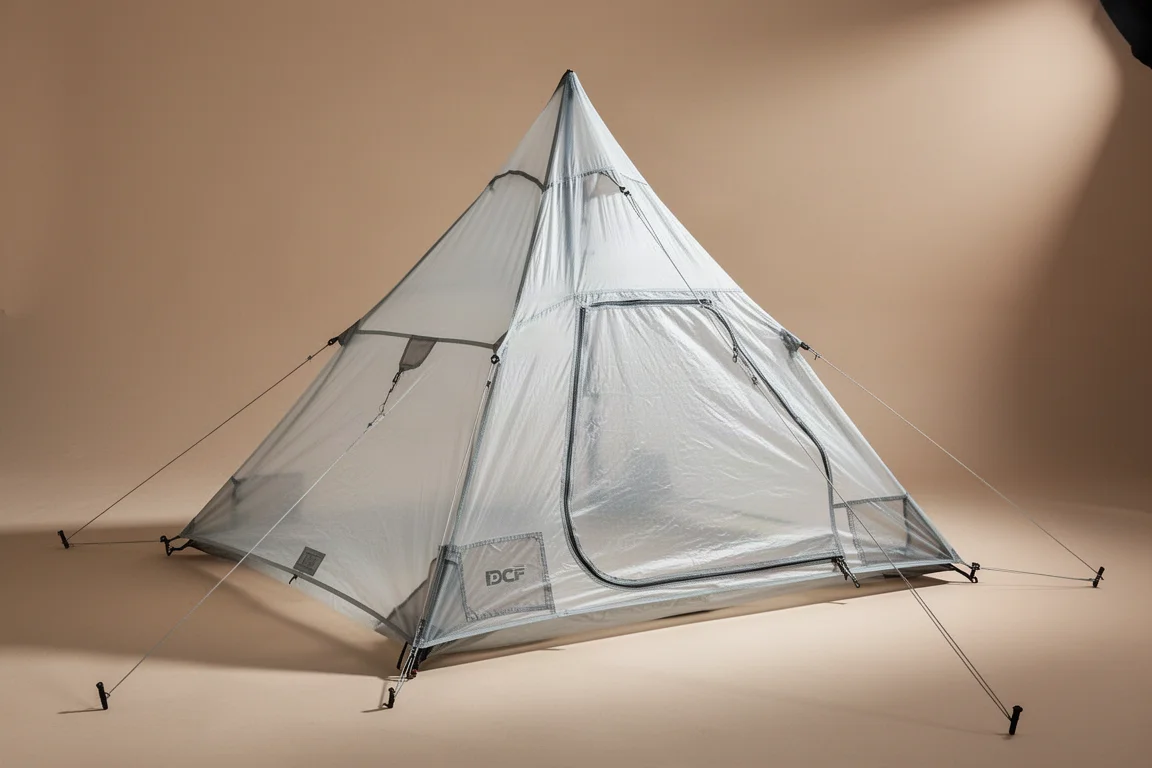
The footprint is the other consideration. It is very large, broadly similar in shape to a common two-person DCF shelter but extended further in one direction. That extra length is what creates the interior space, and it also means the Offset Duo needs a genuinely open pitch. On a constrained site, that can be the deciding factor.
For solo hikers who like the design but not the size, a one-person version of the same approach is the more sensible place to start.
Footprint and Camping Space
Footprint is where these two shelters separate most clearly. The X-Mid Pro is compact enough to fit into smaller, more awkward pitches, which is useful on established campsites and in wooded terrain. The Offset Duo wants space, and it will not always find it.
Stake count follows the same pattern. The Offset Duo needs eight stakes to reach its intended shape, while the X-Mid Pro relies on two trekking poles and a smaller number of anchor points.
If you camp mostly on open ground, the Offset Duo’s footprint is a non-issue. If your trips regularly end with a search for a flat, clear patch, the smaller shelter is easier to live with.
Buying Advice: Which Shelter Suits Your Style
Choose the Durston X-Mid Pro if you want a compact one-person shelter with genuinely useful head and foot room, and you do not mind pitching with two trekking poles and managing two vestibules. It rewards hikers who value interior shape over peak height.
Choose the Zpacks Offset Duo if interior volume and sitting headroom are your priorities, and if you are happy to spend more time on the pitch in exchange. It suits trips where campsites are open and generous, and where the extra space is worth the extra stakes.
Either way, plan for condensation. A night out in both shelters produced wet interiors, so your ventilation habits matter as much as your shelter choice.
Conclusion
The Durston X-Mid Pro and the Zpacks Offset Duo are both capable trekking pole shelters that make very different bets. The X-Mid Pro bets on a compact, boxy interior with dual vestibules. The Offset Duo bets on space, headroom, and a more involved pitch.
Match the shelter to the way you actually camp, and either one will serve you well.
Further reading
Related Reviews
Ultralight Tents
Sierra Designs Mojo UFO Review: A 1.66 lb Two-Person Tent That Only 50 People Can Own
A rare ultralight two-person shelter built from Cuben fiber and carbon fiber poles, weighing 1.66 lb complete. Here is what it does well and what it costs.
Ultralight Tents
Gossamer Gear The Two Review: An Ultralight Shelter That Pitches Fast
A practical look at the Gossamer Gear The Two, an ultralight single-wall shelter with two doors, factory-taped seams and a packed weight under 900 g.
Ultralight Tents
Tarptent Double Rainbow DW Ultra vs Double Rainbow Lithium: Which Ultralight Shelter Fits Your Trip?
A practical comparison of the double-wall Double Rainbow DW Ultra and the single-wall Double Rainbow Lithium, covering fabric, weight, space, ventilation, and price.