Ultralight Tents
Zpacks Offset Solo Review: What a $750 Ultralight Tent Actually Delivers
A close look at the Zpacks Offset Solo, a Dyneema trekking pole shelter for one, including its pitching routine, interior space, ventilation, and the trade-offs behind its price.
Introduction
At $750 without stakes, the Zpacks Offset Solo sits at the very top of the backpacking tent market. That is a lot of money for a one-person shelter, and the price is not an accident. The tent is built from Dyneema, a fabric that is completely waterproof, does not stretch, and resists abrasion far better than the nylon and polyester used in most tents. Whether that matters depends entirely on how you camp.
This article walks through how the Offset Solo pitches, what it is like to sleep in, where it performs best, and where it asks for patience. By the end you should have a clear idea of whether this shelter suits your trips or answers a question you are not asking.
Who the Zpacks Offset Solo Is For
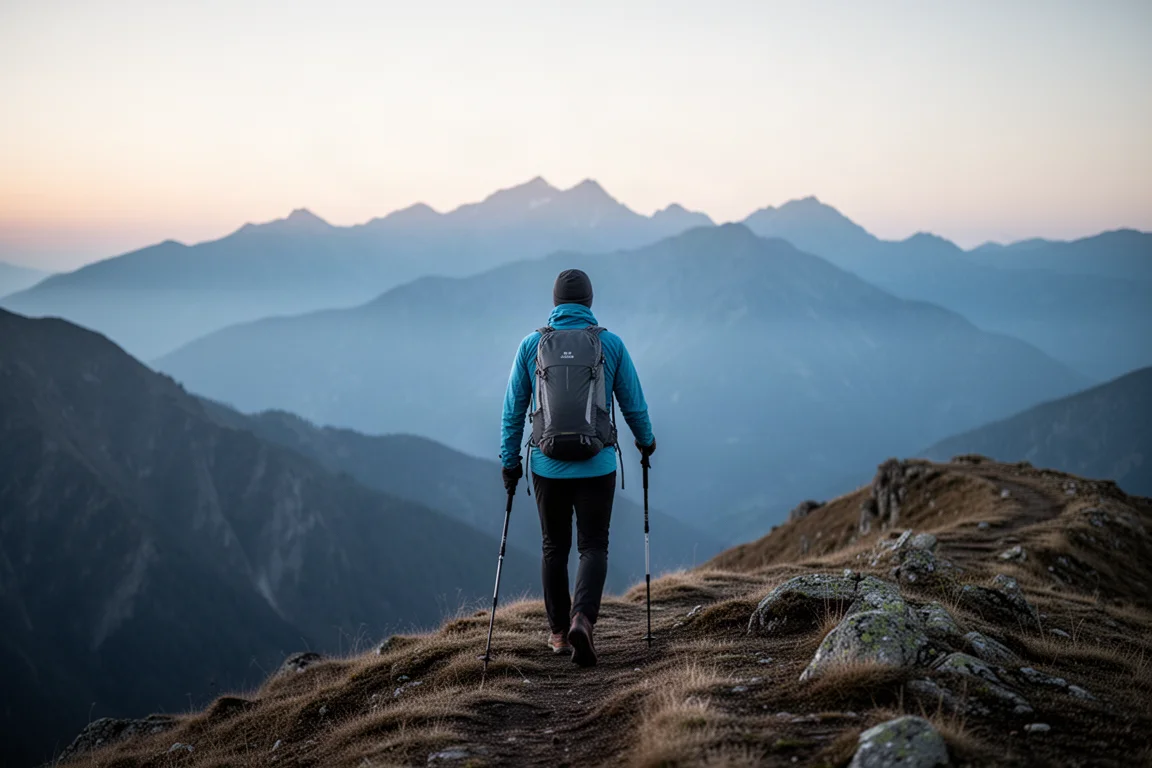
The Offset Solo makes the most sense for people who spend a serious amount of time on trail. If you are planning a long thru-hike, backpacking most weekends, or simply want to buy one shelter and stop thinking about tents for years, the case for it is strong. The fabric does not need to be re-treated with a durable water repellent finish the way nylon and polyester canopies often do, so there is very little maintenance to plan for.
It is a much weaker fit for occasional campers. If you get out once or twice a season, or you are heading out on a first backpacking trip with friends, the price is difficult to justify when plenty of capable, far less expensive shelters exist.
Zpacks also builds a two-person Duo version of the same design, which is worth knowing if you usually hike with a partner.
Design and Materials
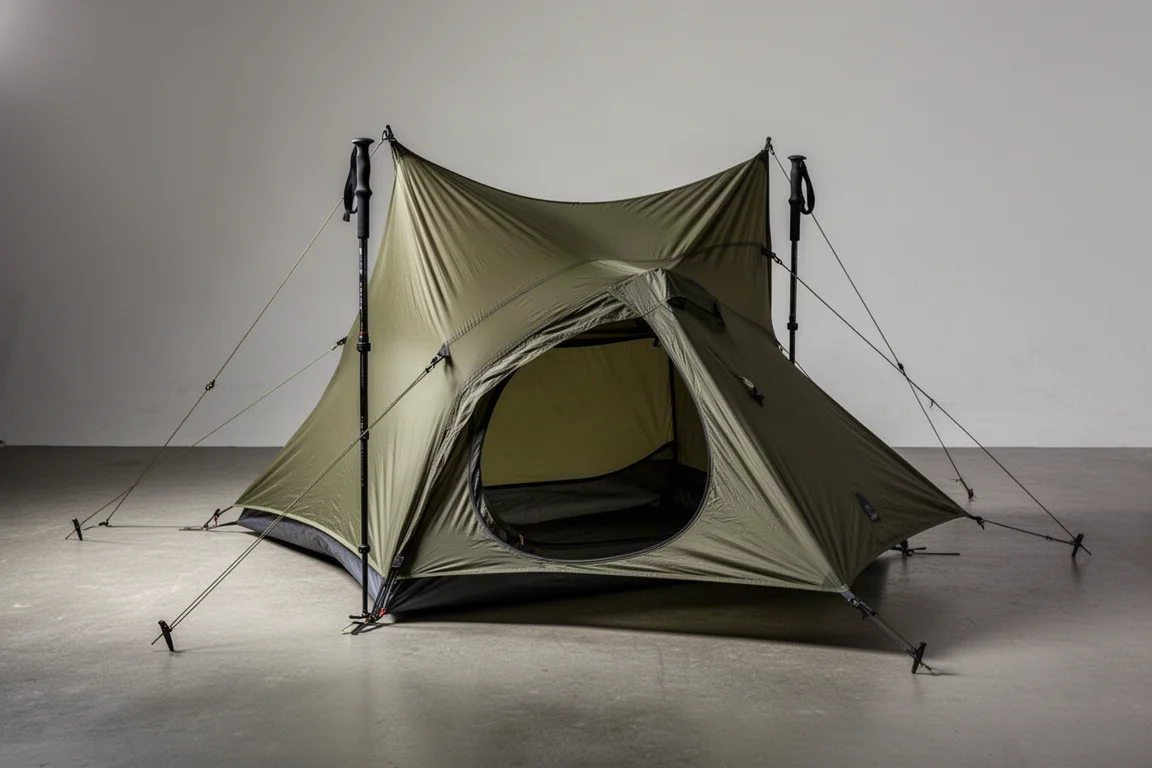
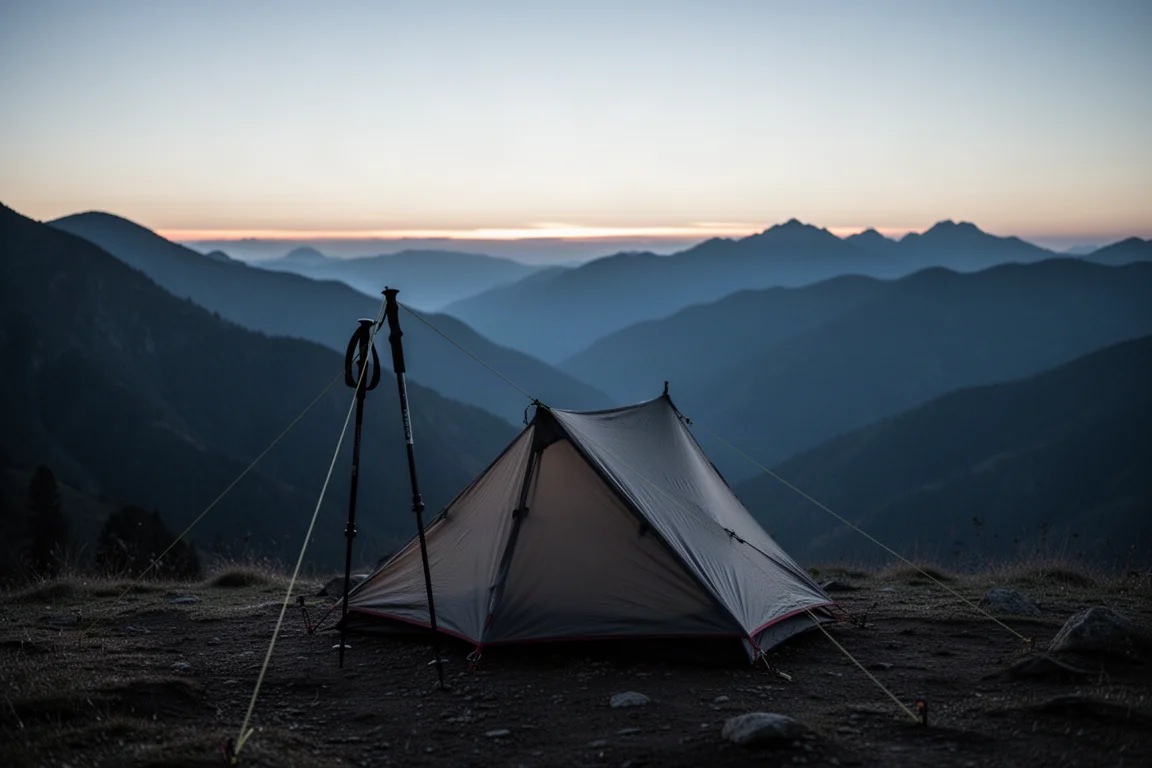
The Offset Solo is a single-wall trekking pole shelter. The canopy is Dyneema, a material that is completely waterproof, does not stretch, and is remarkably strong for its weight. This colorway uses a lighter 0.55 oz per square yard canopy fabric. The spruce and burnt orange versions use a heavier canopy fabric that adds abrasion resistance and a little more privacy, at a small weight penalty. Those colorways are listed around 19.3 oz, while this one comes in at 17.5 oz without stakes.
The detailing is more refined than the fabric alone suggests. The vestibule doors use waterproof zippers rather than the fold-over flaps found on some lighter Zpacks models, and small magnetic toggles hold the doors open. The doors roll upward rather than dropping down, which keeps them out of the way. Inside, the bathtub floor rises at the edges to keep ground water out, and there are two interior pockets, which is generous for a one-person shelter. Loops near the top of the trekking pole give you somewhere to clip or hang a small item.
The name comes from the offset geometry. A small cup on the guyline and a matching cup on the edge of the tent let you pull the sidewall outward and stake it down. That single pull is what opens up the interior, and it is the reason the shelter feels considerably larger inside than its footprint suggests.
Setup and Pitching
The Offset Solo ships without stakes, so you will need to bring your own, and you will need eight of them. That is a lot of stakes for a one-person shelter, and on rocky ground getting all eight placed where you want them takes some patience.
Pitching follows a consistent sequence. Set the four corners at roughly 45 degrees from the tent, leaving a little slack in each line so you can grab and tension it later. Trekking poles go to 122.5 cm, or 48 inches. The reinforced corner sleeves hold the pole tips, and the extra pole that comes with the tent slots into the offset cups to pull the sidewall out before you stake it. From there you work around the shelter, tightening the guylines until the panels are taut and the bathtub floor stands upright. The floor lines matter more than they look. Tension them properly and the floor stops extending past the end of the shelter, which is what keeps rain from finding its way in.
A perfect pitch is achievable, but it rewards practice. Expect the first attempt to take considerably longer than the tenth.
Main Strengths
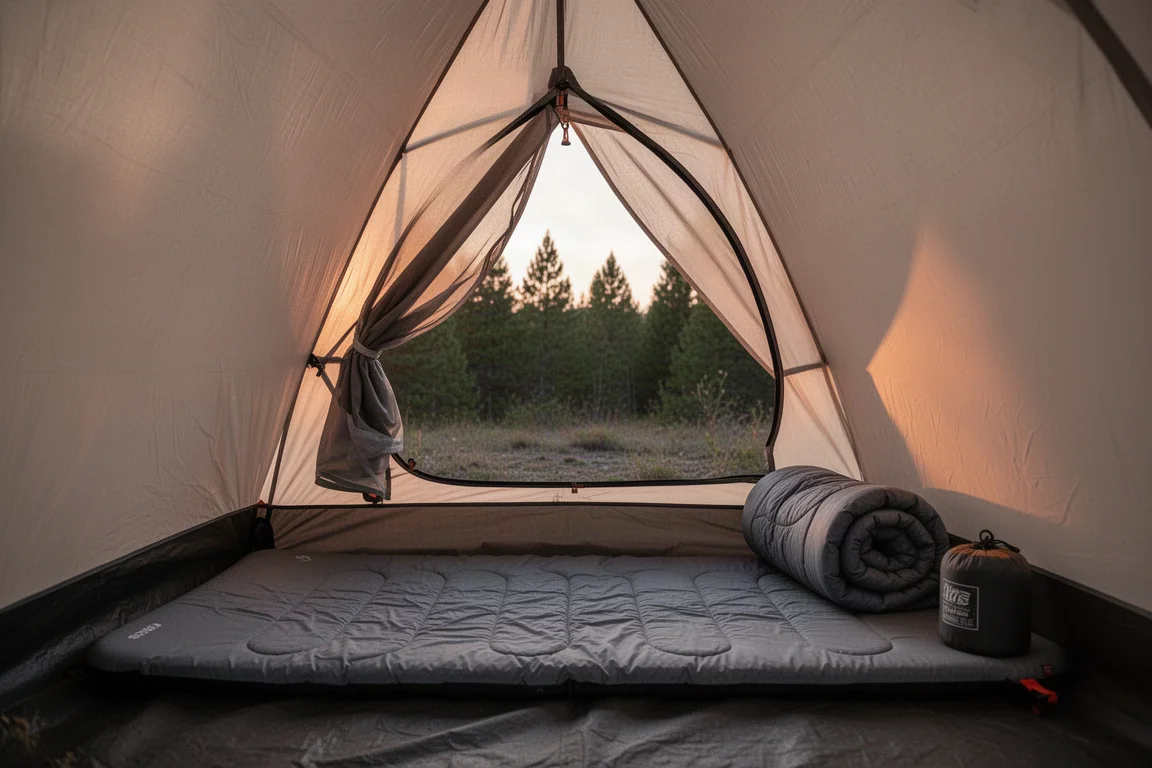
Interior space is the standout. Sitting upright on a sleeping pad leaves roughly seven inches of clearance overhead, and there is enough length to stretch out with a quilt or sleeping bag without brushing the walls. A 25 inch wide by 72 inch long rectangular pad fits with room to spare, and a narrower 22 inch mummy pad leaves space on both sides. Foot room and head room are both generous for a solo shelter.
Ventilation is excellent all the way around, which matters on a single-wall design where airflow is your main defense against a damp interior. The complete shelter weighs 17.5 oz without stakes and packs down small enough to disappear into a pack. Combined with the Dyneema canopy, that makes it a shelter you can rely on in wet weather without carrying extra treatment or repair considerations.
Condensation and Weather Notes
Single-wall tents collect condensation. The Offset Solo is no exception, and a cool night with the door open still produced a light film of moisture inside. That is normal behavior for this category rather than a fault of the design, and the extensive ventilation keeps it modest. Managing it comes down to site selection and airflow rather than any change to the tent itself.
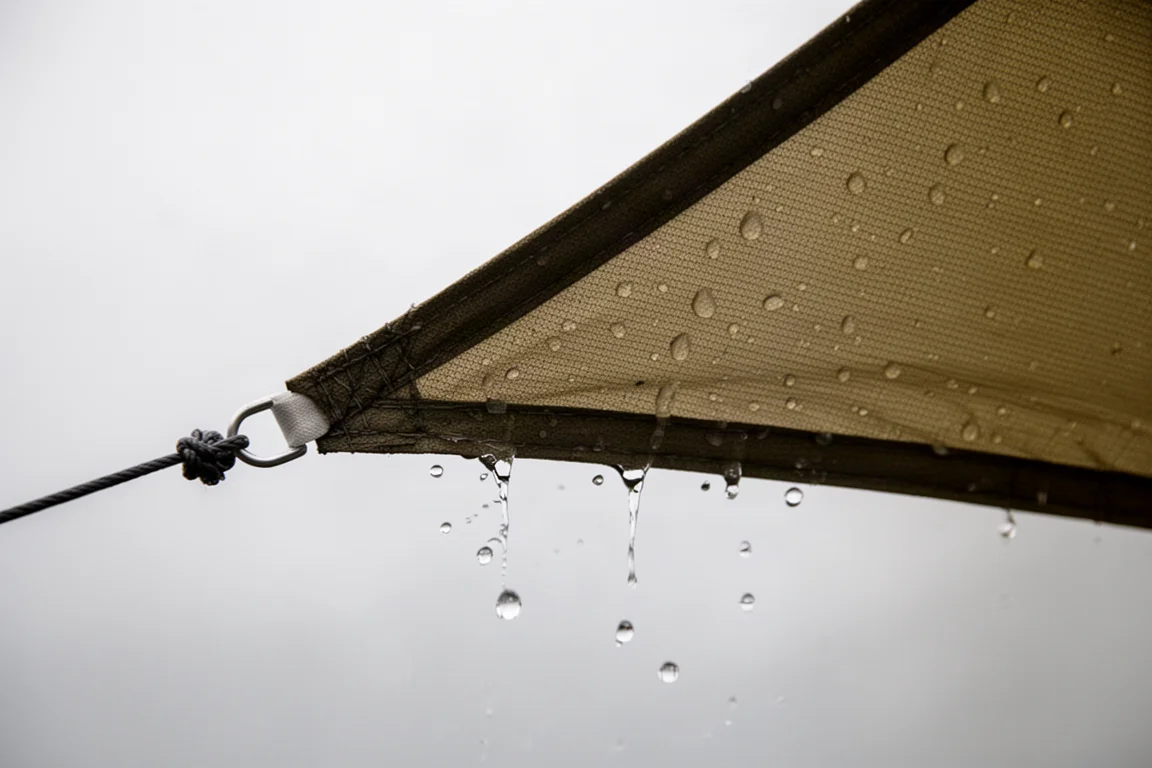
In sustained rain, the bathtub floor and the fully waterproof canopy do their job, and properly tensioned floor lines keep the sleeping area clear of runoff. This is a shelter that behaves predictably in bad weather once it is pitched well.
Things to Consider Before Buying
The most obvious consideration is the price. At $750 without stakes, this is one of the most expensive backpacking shelters available, and the cost reflects both the Dyneema supply chain and the labor that goes into the construction. You are paying for weight savings, durability, and a fabric that will not need re-treatment, not for comfort features.
There are practical annoyances. Eight stakes is a lot to carry and a lot to lose. The extra pole adds interior volume, but it is one more component that can be dropped, bent, or left behind. The interior is deliberately minimal, with no gear loft and no central hang loop for a headlamp, which is a common omission on Dyneema shelters. And the lighter canopy fabric on this colorway offers less abrasion resistance than the heavier colorways, though the floor is where abrasion protection matters most.
Buying Advice
If you are thru-hiking, backpacking constantly, or simply want one shelter that you will not have to think about for years, the Offset Solo is a strong buy. It is light, weatherproof, and spacious for one person, and it holds up to the kind of use that wears out cheaper tents.
If you backpack a handful of times a year, this is not the tent to start with. There are many capable, far less expensive options, and the money is better spent on the trips themselves.
Worth noting for anyone close to a decision: the heavier canopy colorways have been listed at $699, and one of those colors appears to be on the way out, so availability there may be limited.
Conclusion
The Zpacks Offset Solo earns its price tag for a specific kind of buyer. The Dyneema construction, the 17.5 oz weight, and the roomy, well-ventilated interior make it one of the most capable one-person shelters in its class. It asks for eight stakes, an extra pole, and a little practice to pitch well, and it costs more than most people will ever want to spend on a tent.
For a committed long-distance backpacker, that trade is easy to accept. For everyone else, the straightforward answer is that a less expensive shelter will serve you just as well.
Product link
View more details for Zpacks Offset Solo
This product is mentioned in the review. Check the specifications, options, and compatibility before buying.
View more details for Zpacks Offset SoloFurther reading
Related Reviews
Ultralight Tents
Sierra Designs Mojo UFO Review: A 1.66 lb Two-Person Tent That Only 50 People Can Own
A rare ultralight two-person shelter built from Cuben fiber and carbon fiber poles, weighing 1.66 lb complete. Here is what it does well and what it costs.
Ultralight Tents
Durston X-Mid Pro and Zpacks Offset Duo: Two Ultralight Trekking Pole Shelters Compared
A practical look at two trekking pole shelters with very different priorities: the compact Durston X-Mid Pro and the roomy Zpacks Offset Duo.
Ultralight Tents
Gossamer Gear The Two Review: An Ultralight Shelter That Pitches Fast
A practical look at the Gossamer Gear The Two, an ultralight single-wall shelter with two doors, factory-taped seams and a packed weight under 900 g.