Camping Tents
Zpacks Duplex Tent Review: An Ultralight Two-Person Shelter for Weight-Conscious Campers
A detailed look at the Zpacks Duplex, a 520 g single-wall trekking pole tent with two doors, a bathtub floor and real trade-offs to weigh before buying.
Introduction
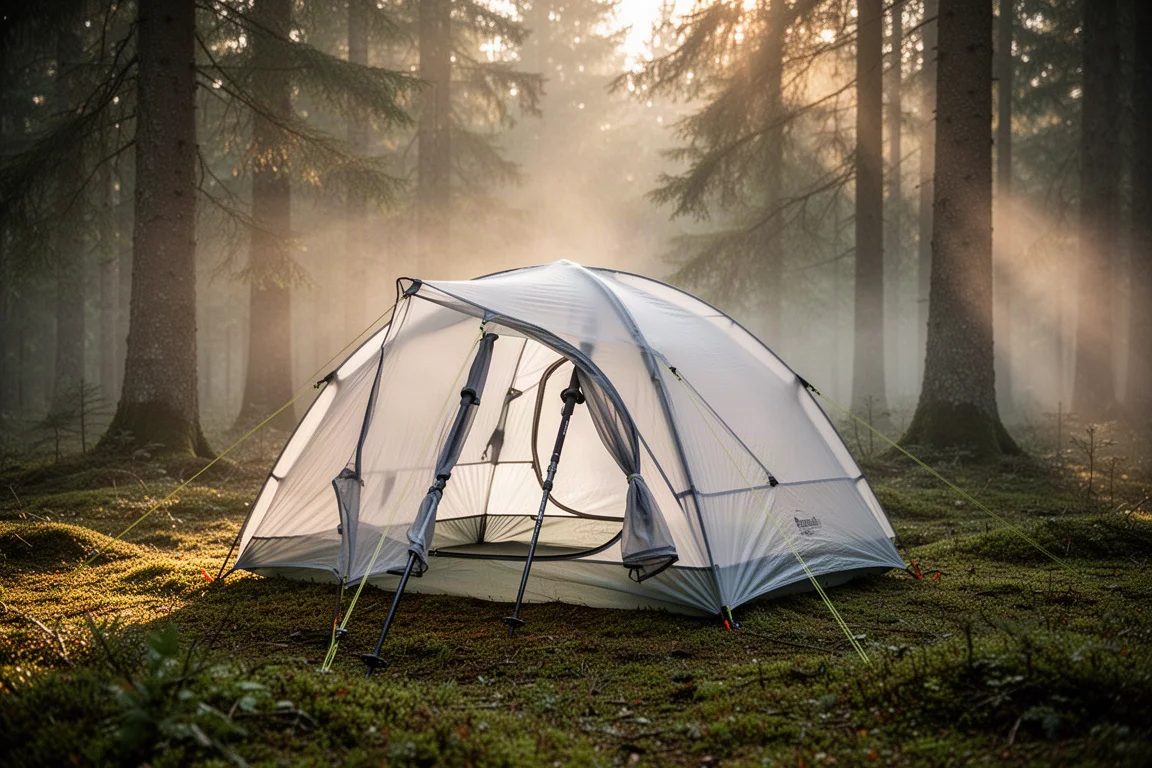
The Zpacks Duplex is a two-person, single-wall shelter for people who count every gram. The tent fabric and its stuff sack together weigh around 520 g, which is less than half the weight of a typical dual-skin tunnel tent. That figure is the headline, but it is not the whole story.
The Duplex is a trekking pole tent. Two poles set to roughly 122 cm, or 48 inches, support the roof, and the structure depends on pegs holding tension at the corners and side points. If you do not carry trekking poles, Zpacks offers a separate pole set that turns the shelter into an effectively freestanding design.
This review looks at how the tent behaves in real use: how it pitches, how it feels to sleep in, where it performs at its best, and where it asks more of you than a conventional double-wall design.
Who This Tent Is For
The Duplex makes most sense for backpackers, thru-hikers and bicycle tourers who have already trimmed weight elsewhere and want a shelter that disappears into the pack. It is a genuine two-person tent, so couples and pairs travelling together can split the load, while solo users get a very spacious home for one.
It also suits hikers who already carry trekking poles, or riders and walkers willing to buy the dedicated pole set. If your trips are short, car-based or spent mostly in organised campsites, the advantages of a 520 g shelter are much harder to justify.
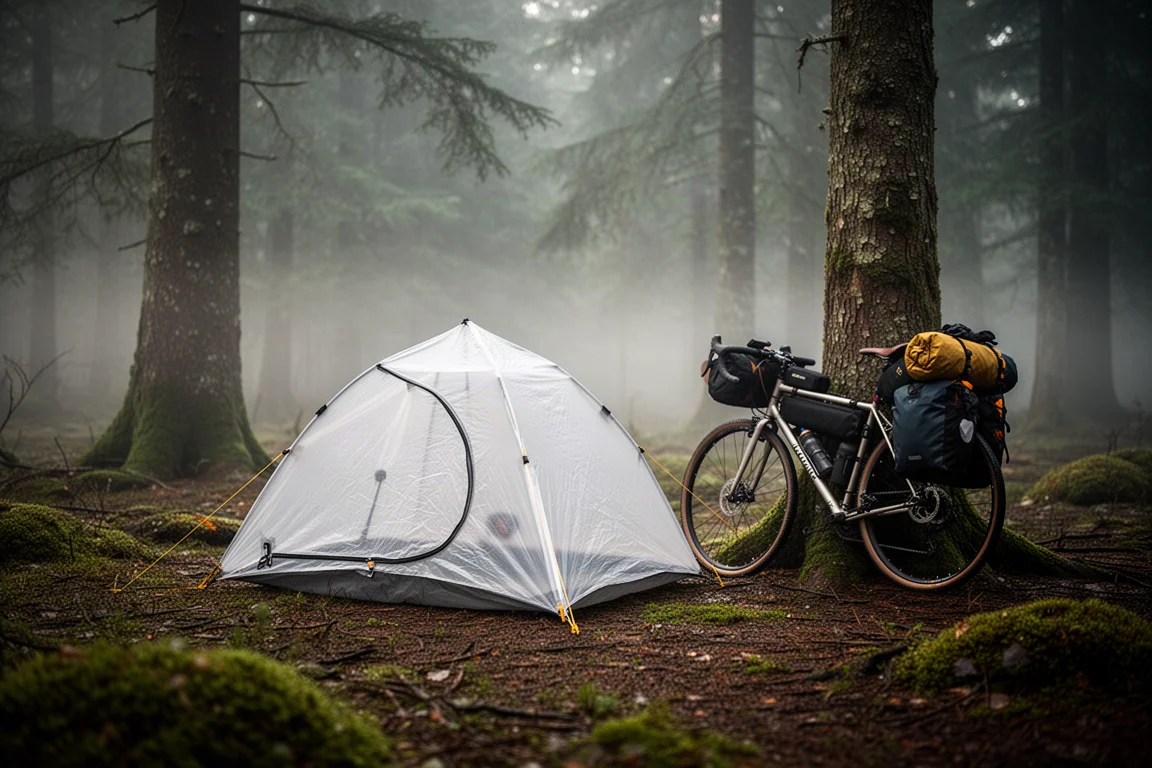
For anyone planning long-distance routes, the appeal is straightforward: a shelter this light changes how the whole pack carries, and it is the kind of tent you eventually stop noticing on your back.
Weight and Packed Size
Zpacks quotes the fabric and stuff sack at around 520 g. Pegs add to that, and so do trekking poles unless you are already carrying them for walking. With a full set of eight pegs and two poles accounted for, the complete shelter system weighs more than the bare fabric figure, and it is worth being honest with yourself about that when comparing options.
Even so, the total remains low. The Duplex is designed around a trekking pole pitch that keeps the frame out of the bag, which is the central idea behind the whole design. For bicycle tourers without poles, the separate frame set replaces that saving with hardware you have to carry, so the calculation changes.
Packed volume is small and the fabric compresses easily, which matters on multi-day routes where every litre of bag space is contested.
Fabric and Weather Performance
The Duplex is made from Dyneema Composite Fabric, a very thin, almost translucent material that also forms the groundsheet. It has an unusually high strength-to-weight ratio, does not tear easily, and does not stretch when wet the way nylon can as it ages. It is PFC free and waterproof by construction rather than through a durable water repellent coating, so there is no reproofing cycle to think about. Seams are factory taped, which closes off the obvious weak points where panels are sewn together.
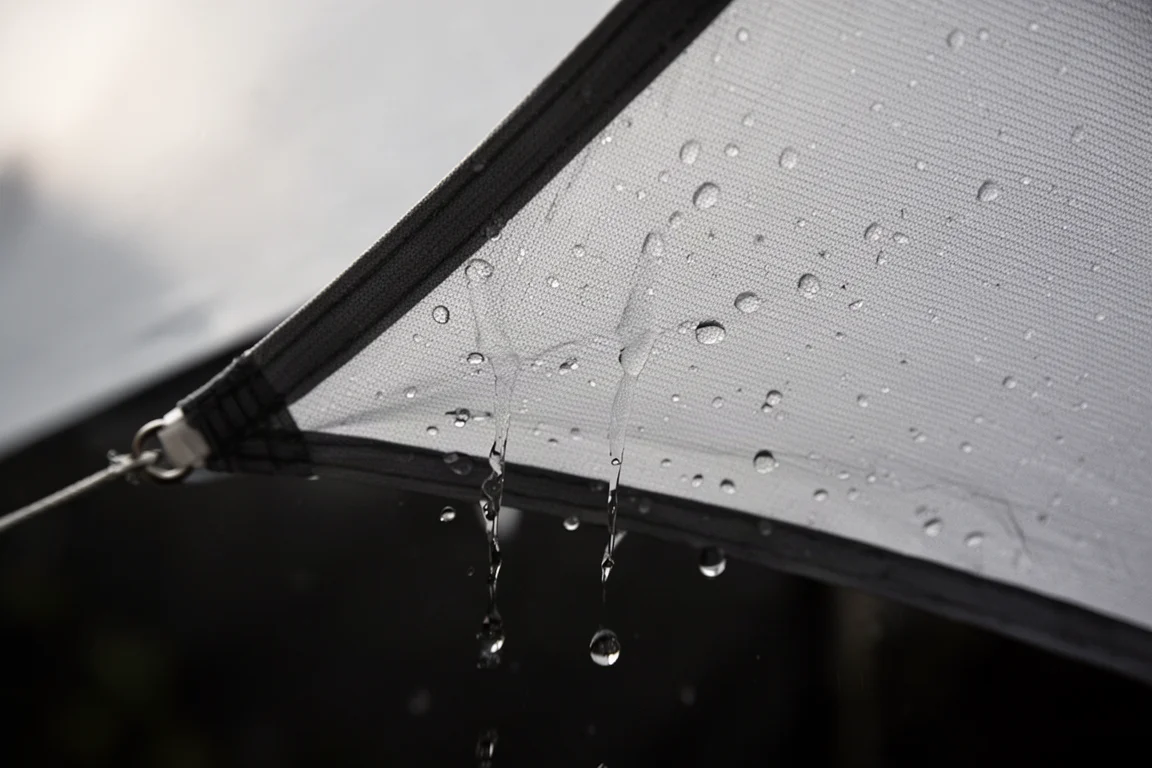
The trade-off is that the material is genuinely thin, and it sounds and feels like a lightweight plastic sheet in the hand. It is designed to handle high winds, but the weak point in the system is the pegs. If the pegs hold, the tent stays up, so pitch selection and peg placement matter more here than they would with a heavier shelter.
Living Space and Doors
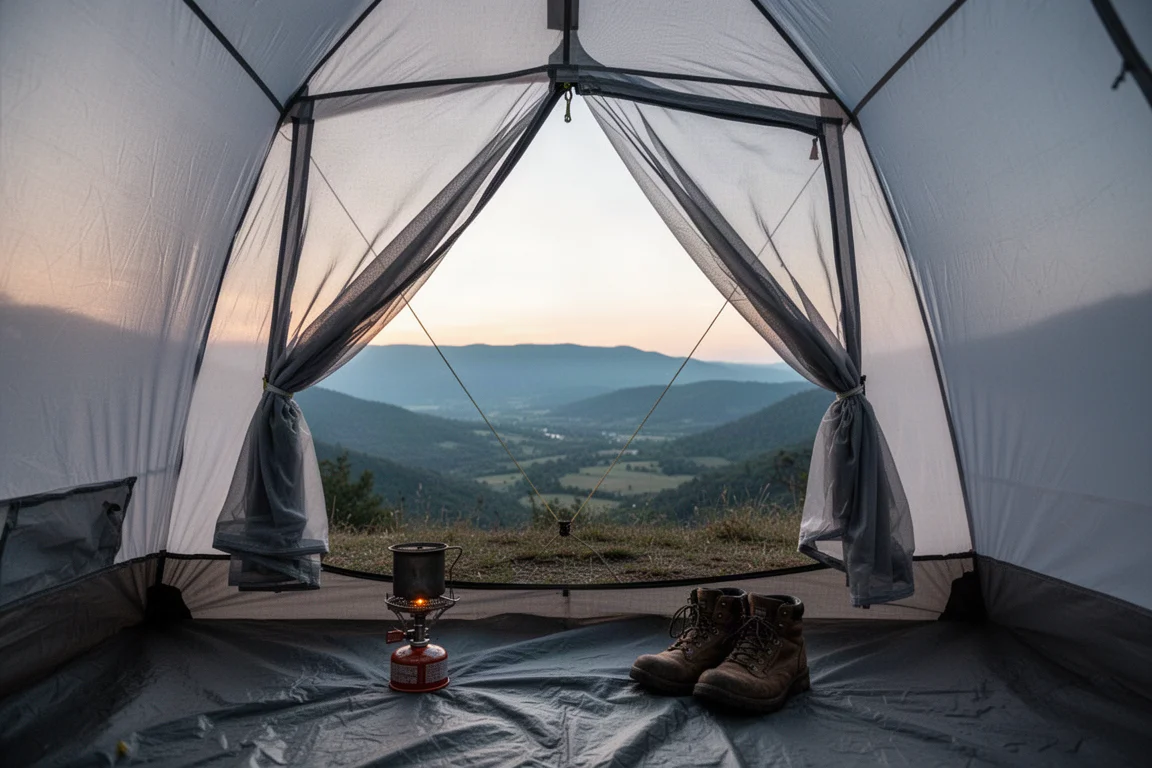
Inside, the Duplex feels far larger than its weight suggests. There are two doors, one on each side, and the doors overlap rather than using zips, which is one of the ways weight has been kept down. The door panels are insect netting and can be rolled back and pegged open, so you can run one, two, three or all four panels open depending on wind and weather. With everything open, the view is close to panoramic.
The floor uses a bathtub design, with the groundsheet rising above floor level to keep surface water out. The groundsheet itself feels noticeably denser than the outer fabric, which is reassuring when you are lying on it. Each side has a small pocket, and a repair sleeve is included with the tent.
Headroom is generous. Even with a slightly sagging pitch, a person around 5 feet tall can sit upright comfortably, and there is space above the head and below the feet when lying down.
Pitch and Setup
Pitching starts with the four corners, then the two trekking poles go into dedicated sleeves at roughly 122 cm. From there you tension the guy lines and peg out the two remaining side points. The result is a taut, weather-shedding shape with a solid slope that encourages water to run off rather than pool.
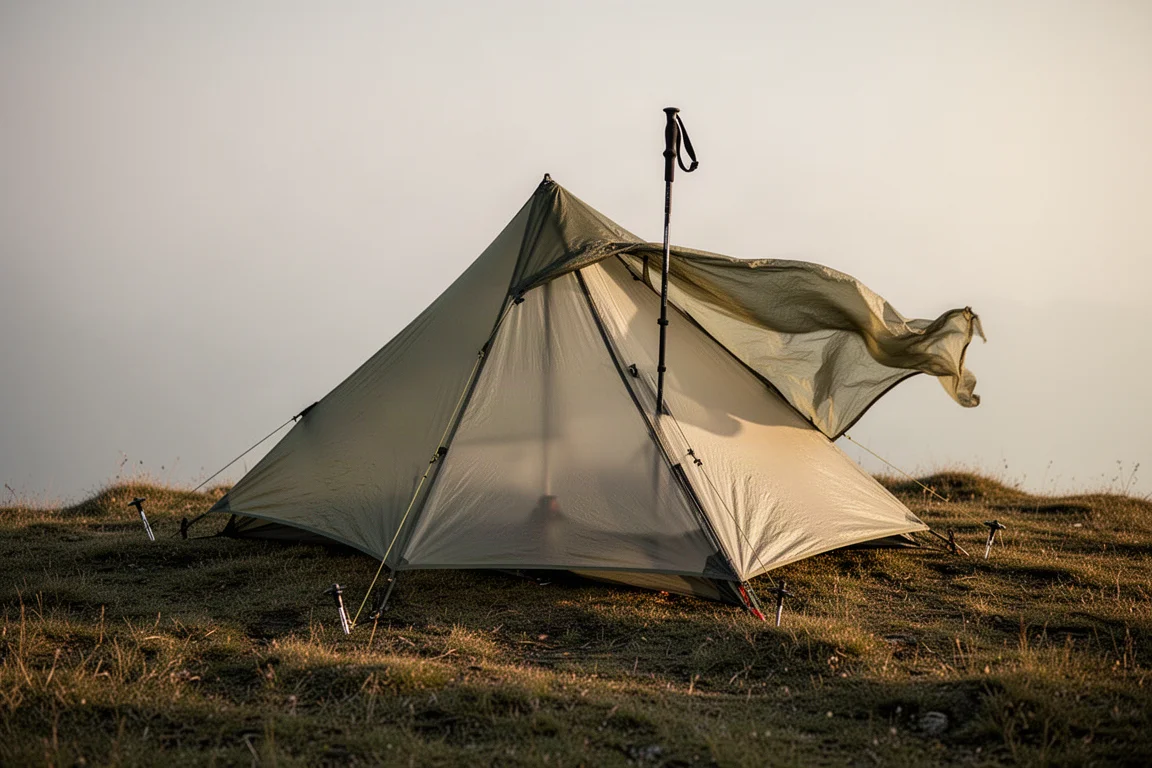
The process rewards practice. Tension is everything in this design, and a loose pitch shows immediately in the form of sagging panels and a flapping fly. The door toggles are the fiddliest part: they are small, and they need the fabric to be correctly tensioned before they hold properly. Once the system clicks, the doors are quick to close even with gloves on.
Things to Consider Before Buying
Condensation is the biggest practical consideration. As a single-wall tent, there is no separate inner to remove and keep dry, so any moisture on the fabric gets packed away with the shelter. If you have relied on lifting out a dry inner after a wet night, that habit has to change. Wind helps more than sun when it comes to drying the fabric, so exposed pitches are useful, though exposed pitches are also where condensation builds.
The Duplex also needs a reasonably large, flat space and pegs that go firmly into the ground. On rough, mossy or steep ground, or in alpine terrain where pegs barely bite, the tent becomes harder to pitch well. Rocks placed over the pegs can help, but the tension-based design leaves less margin for a careless setup.
Finally, the shelter system depends on your trekking poles. Break a pole and you have lost your structure, which is worth factoring into your contingency planning on remote routes.
Buying Advice
At $699, the Duplex sits at the top of the ultralight tent market, and it is designed and made in the United States. The case for it rests on weight, packed size, living space and a design clearly refined by people who spend months on trail. Zpacks describes the tent as capable of lasting at least one 2,500 mile trek, which gives a sense of the lifespan the construction is built around.
If the price is the sticking point, secondhand marketplaces and outdoor gear exchange groups are worth checking, since ultralight shelters often change hands in good condition. As with any tent, treat it as an investment: clean and dry it after trips, repair small damage early, and it will keep earning its place in your pack.
Conclusion
The Zpacks Duplex is a specialist shelter that does one thing exceptionally well: it removes weight from your pack without shrinking the space you sleep in. Two doors, a roomy interior, a tough groundsheet and a versatile pitch make it a genuinely comfortable place to spend a night, and the translucent fabric keeps the tent bright when daylight is short.
It is not the right tent for everyone. Single-wall condensation, a large footprint, pegs that must hold, and a reliance on trekking poles all ask something of the owner. For weight-focused backpackers, thru-hikers and touring cyclists who camp where a good pitch is possible, those trade-offs are the price of a shelter that barely registers on the scales.
Product link
View more details for Zpacks Duplex Tent
This product is mentioned in the review. Check the specifications, options, and compatibility before buying.
View more details for Zpacks Duplex TentFurther reading
Related Reviews
Camping Tents
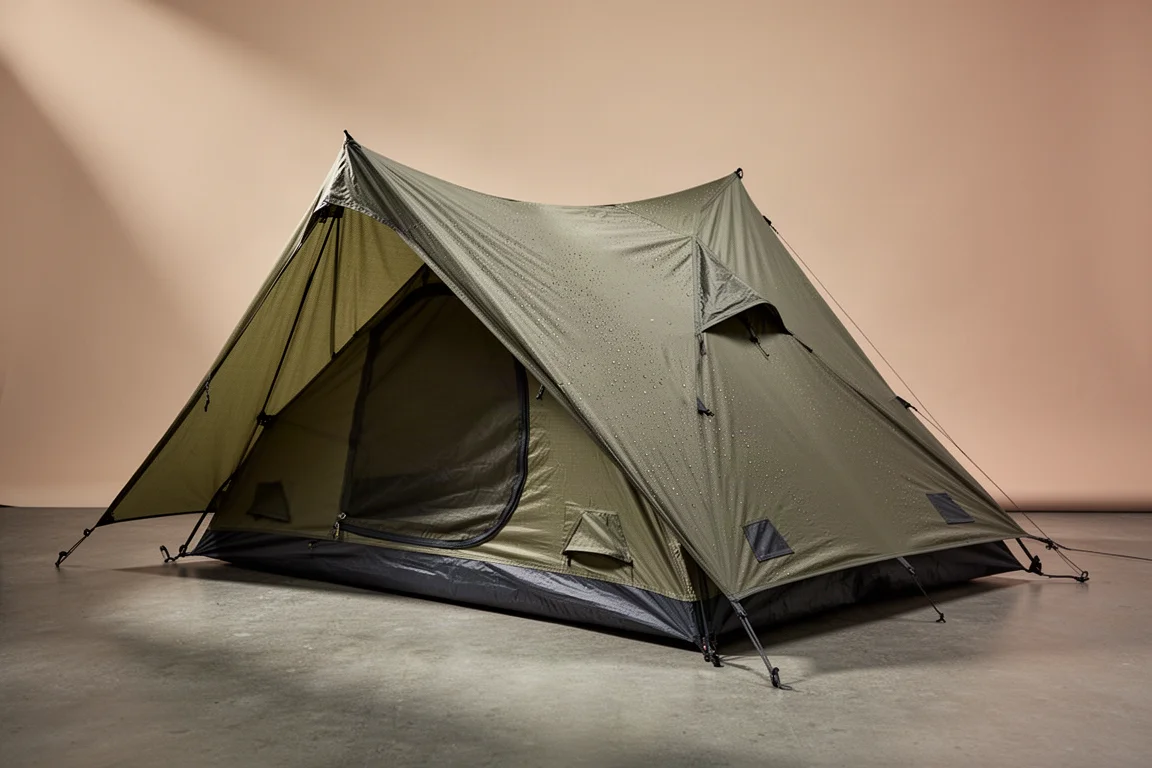
3F UL Gear Taiji Two-Person Tent Review: Field Waterproofing Results and Buying Advice
The Taiji pairs an attached fly with a removable inner, but sustained rain exposed untaped vent seams that need sealing before this shelter can be trusted.
Camping Tents
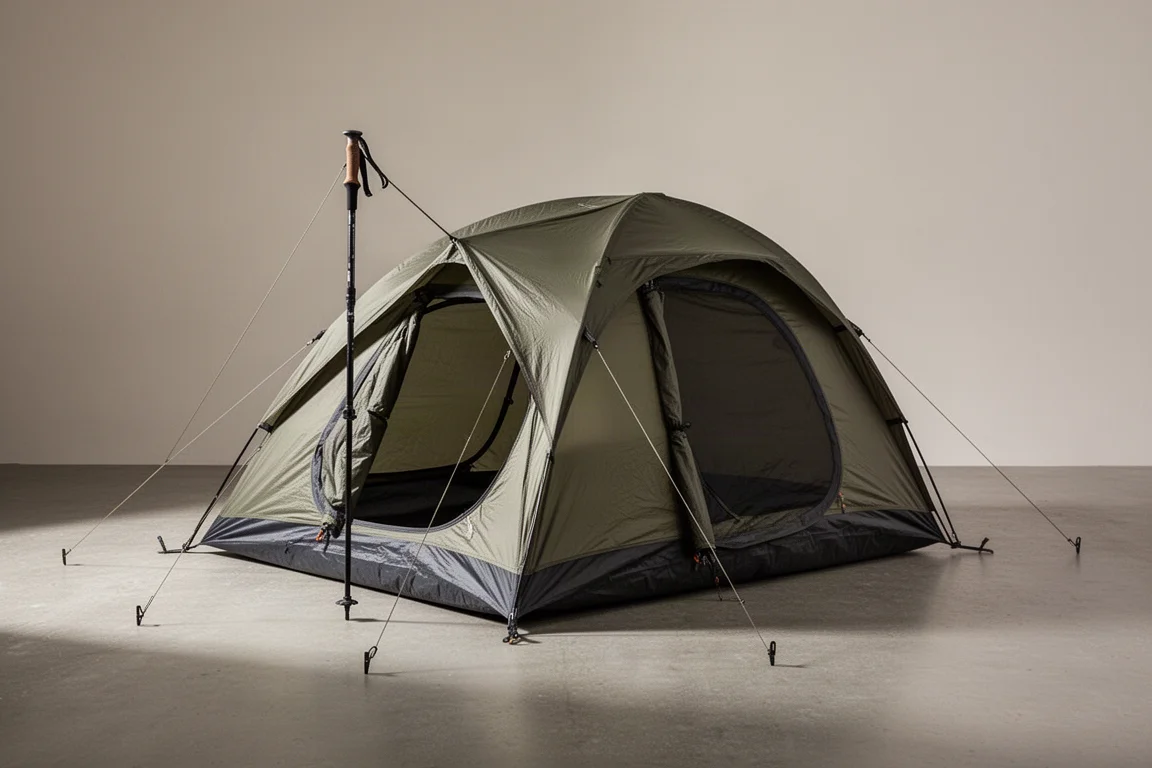
3FUL Gear Lanshan 2 Pro 4-Season Review: A Sub-$200 Single-Wall Trekking Pole Tent
An early look at the 3FUL Gear Lanshan 2 Pro 4-Season, covering its straightforward pitch, generous interior space, and the condensation and seam-sealing questions that come with any single-wall shelter.
Camping Tents
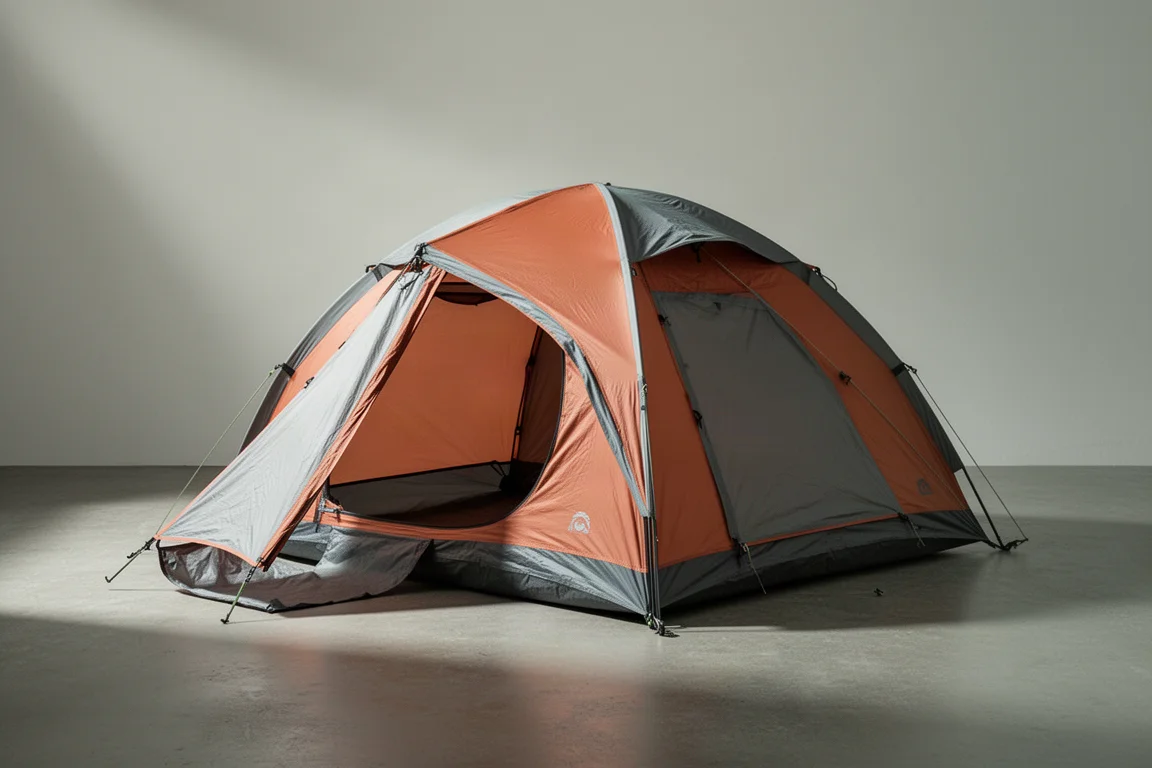
Alps Mountaineering Lynx 1-Person Tent Review: Big Value in a Small Budget Tent
A close look at the Alps Mountaineering Lynx 1-Person Tent, covering real interior dimensions, materials, setup time, ventilation limits, and who should buy it.