Camping Tents
3F UL Gear Taiji Two-Person Tent Review: Field Waterproofing Results and Buying Advice
The Taiji pairs an attached fly with a removable inner, but sustained rain exposed untaped vent seams that need sealing before this shelter can be trusted.
Introduction
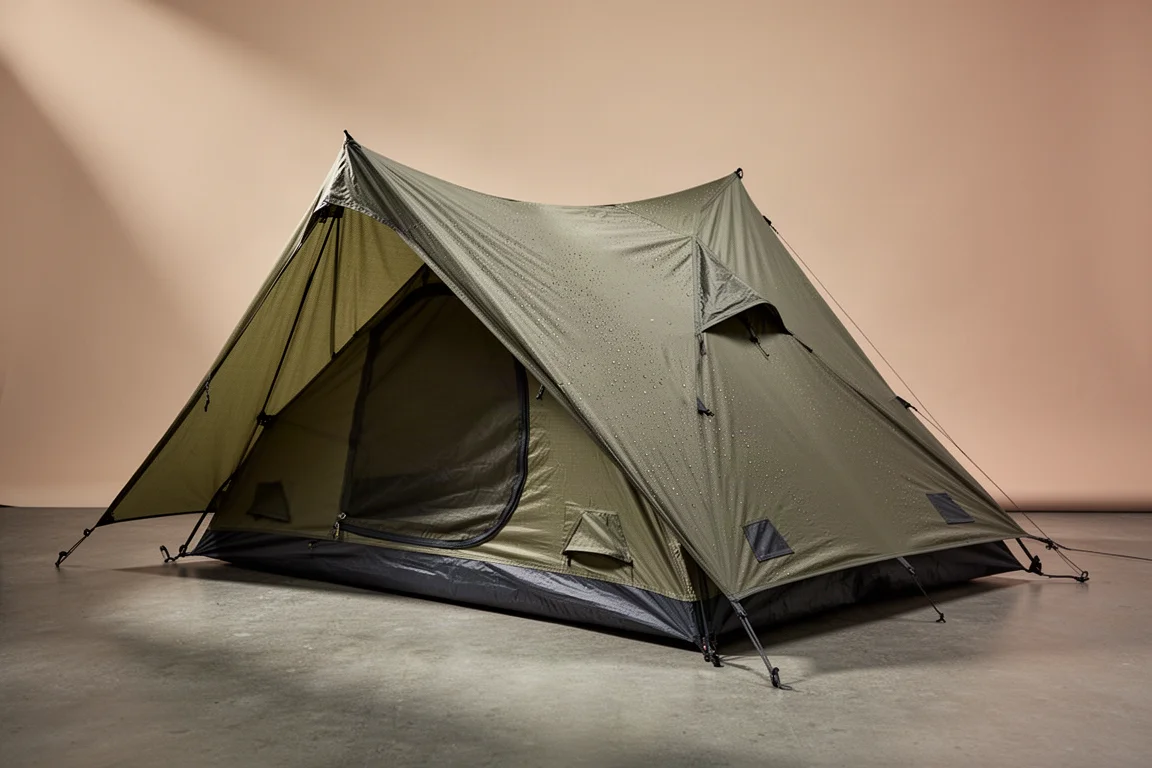
The 3F UL Gear Taiji is a two-person shelter built around a design idea that appeals to backpackers straight away: the fly stays attached to the body, so the inner can be pitched without being exposed to the weather. The manufacturer also claims a 5,000 mm hydrostatic head rating for the fly fabric, a figure that reads like heavy-duty protection on paper. The fabric itself is silicone treated nylon that has also been treated with polyurethane.
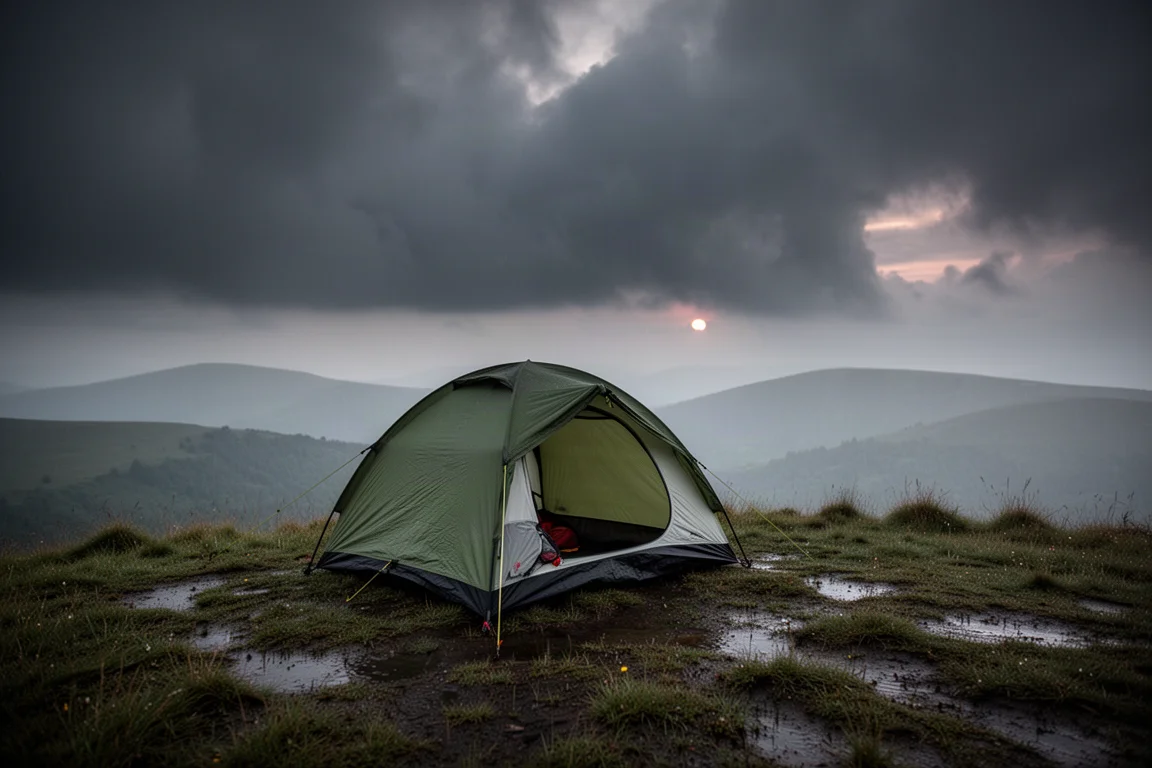
Extended field testing in steady rain told a more complicated story. The shelter held its shape well and the fabric never stretched, but water eventually found a way in through the vent seams. That single detail changes who should buy this tent and what they should expect on the first night out.
Who This Tent Is For
This is a shelter for campers who are comfortable doing a small amount of preparation work before a trip. The vent seams need to be sealed inside and out, which means buying seam sealer and spending an evening on the tent rather than pitching it straight from the box.
It suits three-season backpackers who value the attached-fly design, and it suits anyone who likes the idea of a modular shelter. The inner can be removed and replaced with a four-season inner, so the same fly can cover different conditions over time.
It is not the right choice for someone who wants a shelter that performs out of the box in prolonged rain, or for anyone heading into exposed terrain on a first trip with no time to treat the seams.
Main Strengths: Attached Fly, Taut Fabric, Modular Inner
The pitching method is the standout feature. Because the fly is attached to the body, the poles go over the top and the shelter goes up as one piece, which keeps the inner dry during setup in wet conditions. That is a genuine advantage when you arrive at camp in the rain.
The modularity is the second strength. The inner is removable, so the same fly can be paired with a four-season inner when the forecast turns colder or wilder. Very few two-person shelters at this level of simplicity offer that kind of flexibility.
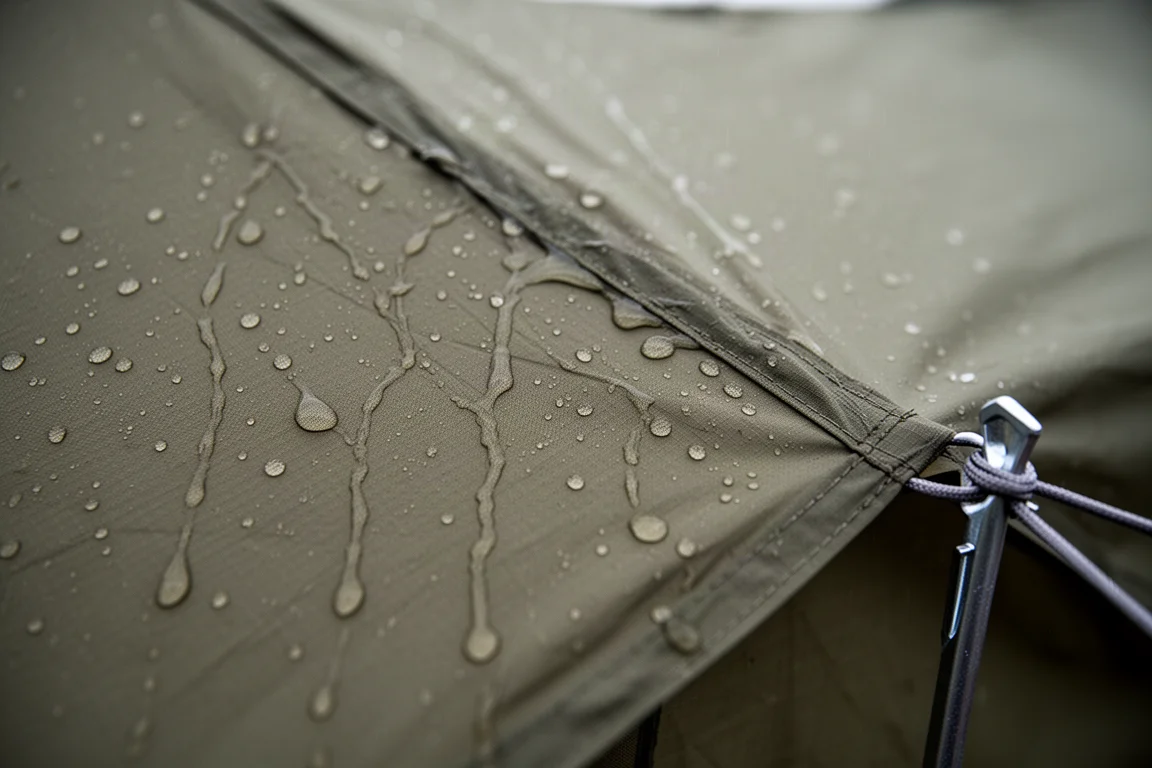
Fabric behaviour under load was also encouraging. Through hours of rain, the silicone treated nylon stayed taut with no visible stretching, and the seams that had been taped held their shape. Water beaded and ran off the panels rather than soaking in.
Waterproofing Performance in Steady Rain
The shelter was left pitched through a long rain event that started in the late afternoon and continued overnight into the following morning. Rainfall ranged from light to moderate over that period, without the heavy downpours that would represent the harshest possible test.
A pre-existing puncture in the front door had been patched on both the inside and the outside before the weather arrived, and that patch held without letting water through, so it did not affect the outcome.
The leak came from somewhere else entirely. Water was running down from the vent seams, tracking along the mesh and dripping into the sleeping area. One vent was actively dripping inside the tent, and the second vent was wet on the inside with water visibly running. The seams at the vents appear not to have been taped, and the result is that the vents are the weak point of an otherwise promising shelter. It is worth noting that a 5,000 mm hydrostatic head rating on the fabric says nothing about how well a seam is finished, and this tent is a clear example of why construction matters as much as the headline number.
Things to Consider Before Buying
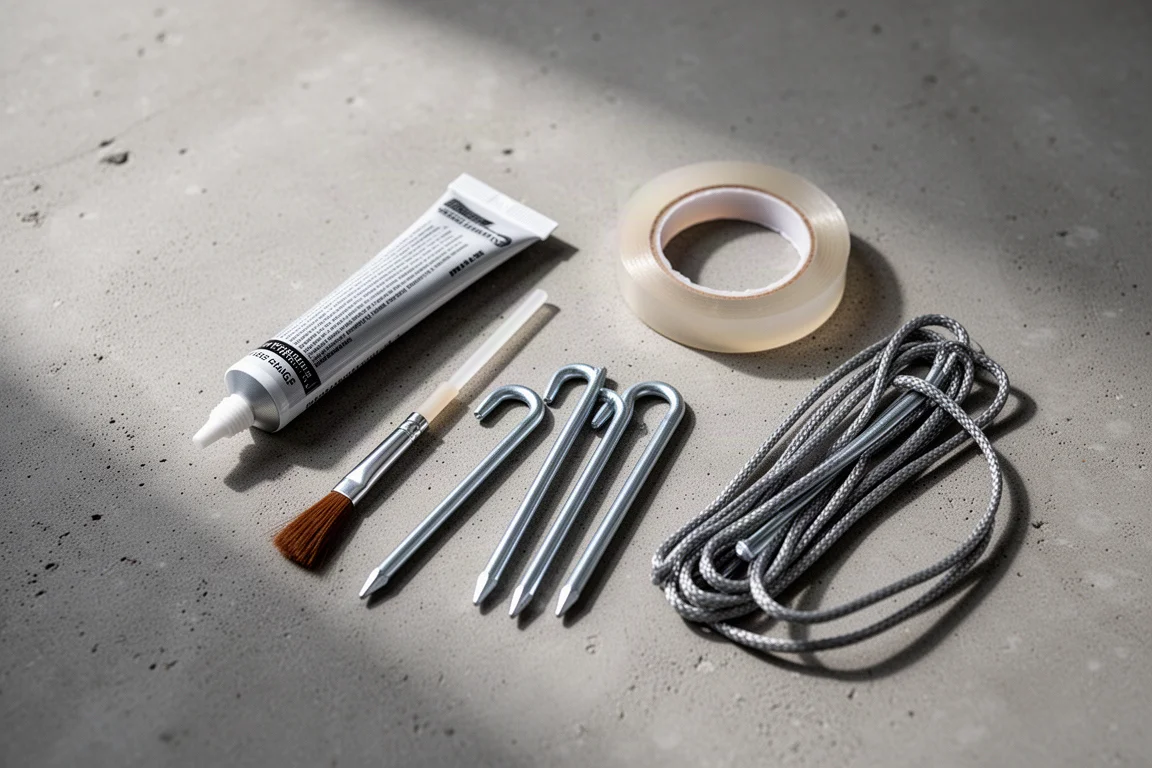
Plan on seam sealing the vents before the first trip. Sealing both the outside and the inside of those seams is the minimum required to make the shelter dependable in rain, and it is the difference between a dry night and a wet one.
Check the shelter thoroughly on arrival. The unit tested had a puncture in the front door, so inspecting the fly, the vents and every seam before you rely on the tent is sensible.
Keep expectations calibrated to the design rather than the specification sheet. A high hydrostatic head figure does not guarantee a dry interior if a seam is left unfinished, and this shelter shows that clearly.
Also consider the pitch. The attached-fly design is easy to set up, but the vents sit in a position where water can track inward if they are not sealed properly, so a careful setup and a check after the first rain is worthwhile.
Buying Advice
The honest position is that the Taiji needs work before it can be trusted in sustained rain. If you are willing to seam seal the vents on both sides, the underlying design has real appeal: the attached fly keeps the inner dry during pitching, the fabric stays taut in wet weather, and the removable inner gives the shelter a longer useful life.
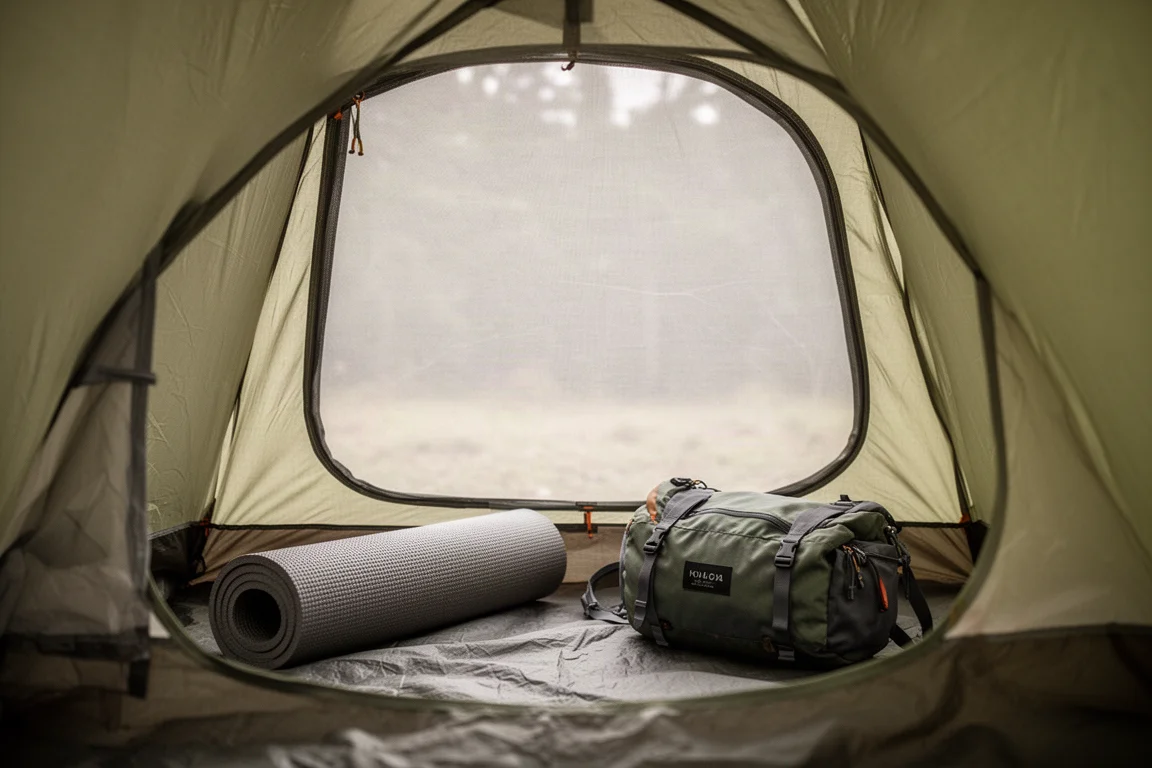
If you would rather not modify a new tent, this is not the shelter to buy, at least not in its current form. For campers who enjoy a small maintenance project and want a modular two-person design, it can still make sense once the vents are properly sealed. The deciding factor is not the fabric rating but whether you are prepared to finish the job the factory left open.
Conclusion
The 3F UL Gear Taiji is an interesting shelter with a genuinely useful pitching system and a flexible inner. Its weakness is a pair of untaped vent seams that let water into the tent during steady rain. Seal them, and the design has a lot to offer. Skip that step, and the risk of a wet night is high.
Product link
View more details for 3F UL Gear Taiji Two-Person Tent
This product is mentioned in the review. Check the specifications, options, and compatibility before buying.
View more details for 3F UL Gear Taiji Two-Person TentFurther reading
Related Reviews
Camping Tents
3FUL Gear Lanshan 2 Pro 4-Season Review: A Sub-$200 Single-Wall Trekking Pole Tent
An early look at the 3FUL Gear Lanshan 2 Pro 4-Season, covering its straightforward pitch, generous interior space, and the condensation and seam-sealing questions that come with any single-wall shelter.
Camping Tents
Alps Mountaineering Lynx 1-Person Tent Review: Big Value in a Small Budget Tent
A close look at the Alps Mountaineering Lynx 1-Person Tent, covering real interior dimensions, materials, setup time, ventilation limits, and who should buy it.
Camping Tents
Alps Mountaineering Lynx 1-Person vs 2-Person Tent: Which Size Should You Buy?
A practical comparison of the Alps Mountaineering Lynx 1-person and 2-person tents, covering setup time, headroom, vestibule space, ventilation, weight, and price.