Camping Tents
Alps Mountaineering Lynx 1-Person Tent Review: Big Value in a Small Budget Tent
A close look at the Alps Mountaineering Lynx 1-Person Tent, covering real interior dimensions, materials, setup time, ventilation limits, and who should buy it.
Introduction
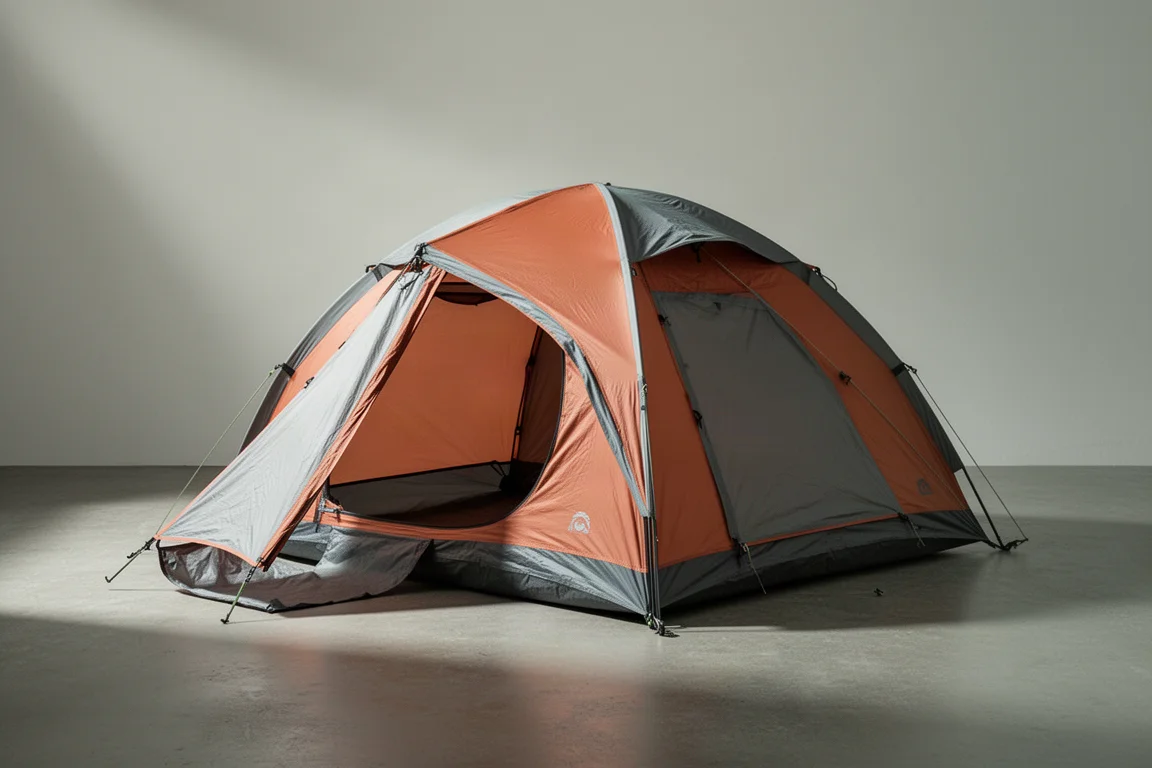
The Alps Mountaineering Lynx 1-Person Tent is a two-pole dome shelter aimed at solo campers who want a straightforward tent without a large outlay. It commonly sells for under $100, which puts it in genuinely budget territory, and that price is the main reason it keeps showing up on shortlists for first tents and casual camping.
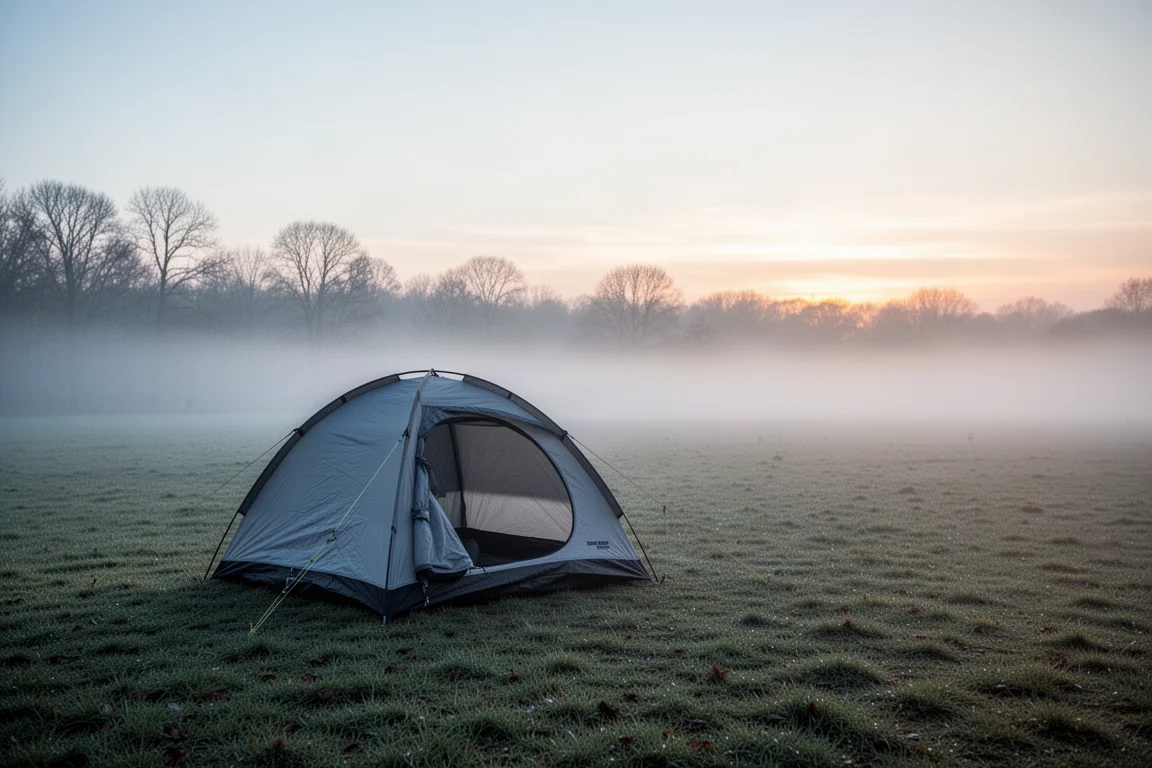
What makes it more interesting than the price alone is the specification underneath it. The rainfly and body use 75D polyester fabrics with coated waterproofing, the poles are aluminium rather than fibreglass, and the mesh is a fine micro mesh rather than coarse mosquito netting. Those are not the materials you usually find at this price, and they are the reason this tent is worth a closer look before you decide.
Who this product is for
This tent suits solo campers who want a simple, affordable shelter for car camping and shoulder-season trips. It is a reasonable match for shorter and average-height users, and the interior length is generous enough that taller campers have some room to work with, particularly if they use a thin sleeping pad.
It is less suited to hot summer nights, because ventilation is limited, and it is not the lightest option if you are covering long distances on foot. Think of it as a comfortable, low-cost base camp tent rather than an ultralight backpacking shelter.
Main strengths
The headline strength is price combined with materials. At under $100, the Lynx delivers 75D polyester throughout, aluminium poles, quality micro mesh and waterproof coatings rated between 1,500 and 2,000 millimetres. Many budget tents in the same bracket use polyethylene flooring, fibreglass poles, coarser mesh and very little coating by comparison.
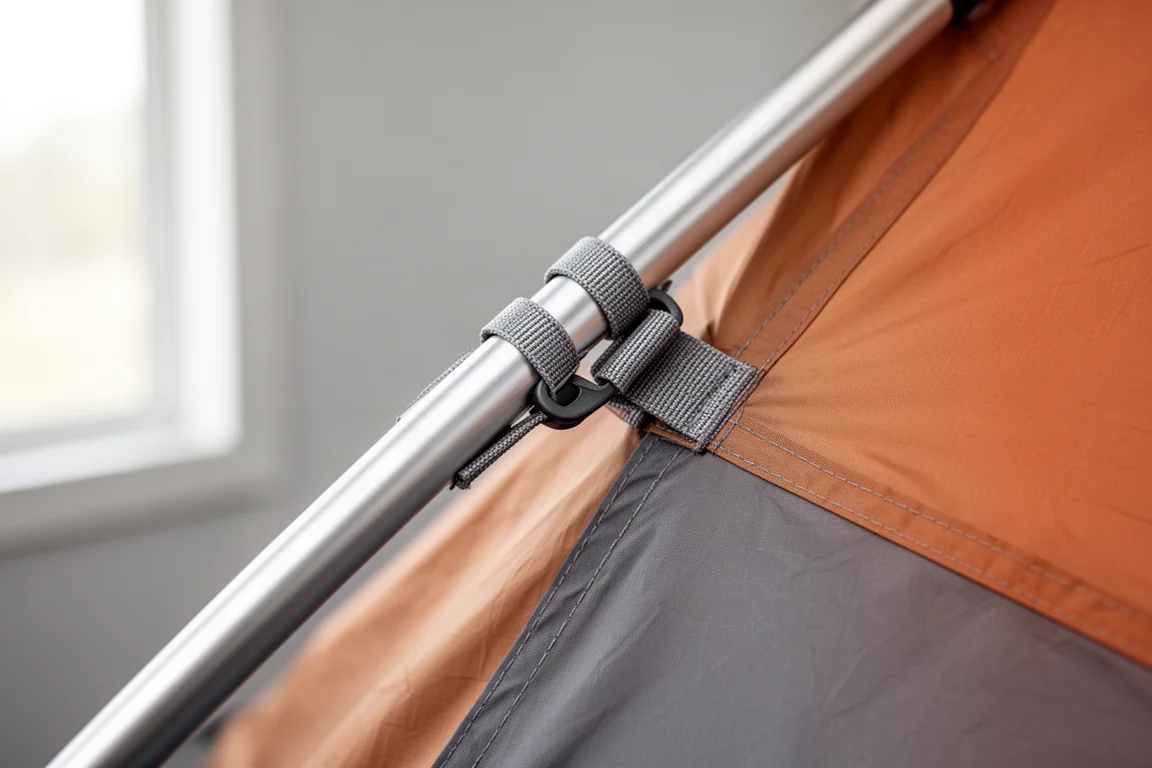
The marketed dimensions are also accurate, which is not guaranteed at this price. Measured interior space matches what the brand states, the floor area is genuinely usable for one person, and the vestibule adds meaningful covered storage. Setup is straightforward as well: two poles cross over the body, twelve pole clips plus one larger top clip hold everything in place, and the rainfly buckles on over the top. A solo pitch typically takes around four and a half to five minutes, with pack-down taking roughly five and a half to six minutes.
Materials and build quality
The rainfly is 75D polyester with a 1,500 millimetre coating. The floor is 75D poly taffeta with a 2,000 millimetre coating, which is thinner than the 150D some campers prefer for a floor, but reasonable for a budget tent. The poles are 7,000 series aluminium, the zippers are unbranded size 8 units rather than branded hardware, and the stitching around the tent is consistent and tidy.
Interior space and storage
Peak height is about 37 inches at the centre, sloping down toward the sides in the usual dome-tent way, which leaves comfortable sitting headroom for shorter users even with a 1.5 inch self-inflating pad in place. Interior length measures about 88 inches and width about 31 inches, giving a floor area of roughly 18.9 square feet. The vestibule adds about 8.5 square feet, for around 27.5 square feet in total, and its widest point is about 28 inches, enough for shoes and a tripod with room left over.
Storage is generous for a one-person tent: two pre-attached pockets measuring about nine by six inches, plus a removable gear loft pocket of roughly twelve by six inches that hangs on the side wall using four S-hooks. There is also a lantern loop at the top of the tent. Note that there is no power port or e-port.
Things to consider before buying
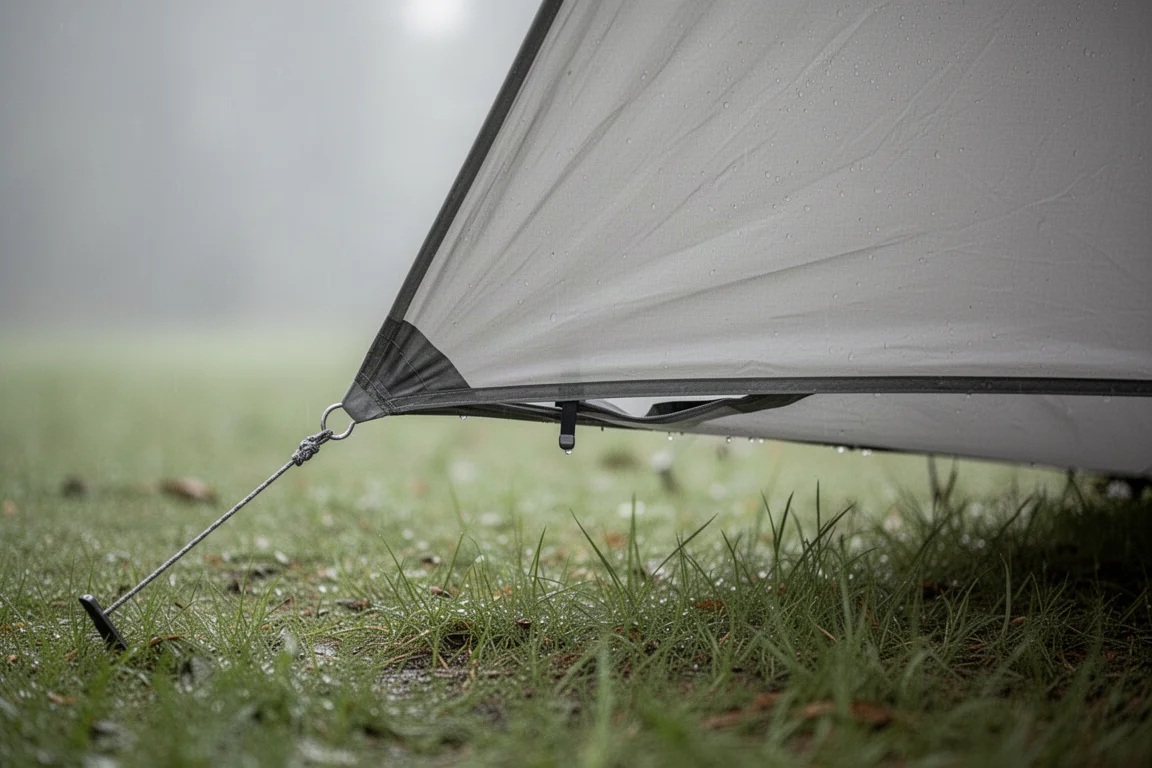
Rain performance deserves attention. The tent is not at its best in heavy rain unless the seams are sealed first, and the rainfly cannot be pulled away from the tent body at the two short widths because there are no stake loops there. The fly sits at most about two and a half inches from the body in those areas, which is not ideal for rain protection, airflow or condensation. The front vestibule and the rear of the tent can both be pulled away, and guying out the back with a separate line opens a vent of around twelve inches.
The two-pole crisscross dome shape also eats into livable interior space compared with three-pole budget domes, so the floor area is larger than the usable volume feels. Earlier versions of this tent included small plastic window panels that degrade and fall apart after a few years, though current versions have removed them, which is a welcome change.
Rain and ventilation
There are two vents at the top of the tent, but they can only be reached from outside. The rainfly does not extend all the way to the ground, leaving a couple of inches of airflow at the base. With the rainfly removed there is some mesh, but not as much as on more ventilated designs, and the front of the tent carries a fair amount of fabric that limits cross-ventilation. This is a shoulder-season tent rather than a hot-summer one.
Packed size and weight
Packed size is about 19.5 by 7 by just over 5 inches, and the full setup weighs around four pounds. The carry bag is a little tight, which makes repacking slightly fiddly, and there are no compression straps to help squeeze everything down. Four pounds is on the heavier side for backpacking, though it is fair for the price.
Buying advice
Buy the Alps Mountaineering Lynx 1-Person Tent if you want an inexpensive, well-made solo tent for car camping and shoulder-season trips, and if you value accurate interior dimensions and a simple pitch over low weight. It rewards campers who take a few minutes to seal the seams and who guy out the rear for better airflow.
Look elsewhere if you camp mostly in hot summer weather, expect regular heavy rain, or plan to carry your shelter long distances on foot. The ventilation limits and the close-fitting rainfly at the tent’s widths are the two things to weigh honestly, and neither is a dealbreaker for the kind of camping this tent is built for.
Conclusion
At under $100, the Lynx 1-Person Tent delivers more than its price suggests: durable 75D fabrics, aluminium poles, fine micro mesh, three storage pockets, a genuinely usable vestibule and accurate interior dimensions. Its weaknesses are real but predictable, centred on ventilation, rainfly standoff and weight. For a solo camper who wants a dependable, low-cost shelter for shoulder-season use, it remains an easy recommendation.
Product link
View more details for Alps Mountaineering Lynx 1-Person Tent
This product is mentioned in the review. Check the specifications, options, and compatibility before buying.
View more details for Alps Mountaineering Lynx 1-Person TentFurther reading
Related Reviews
Camping Tents
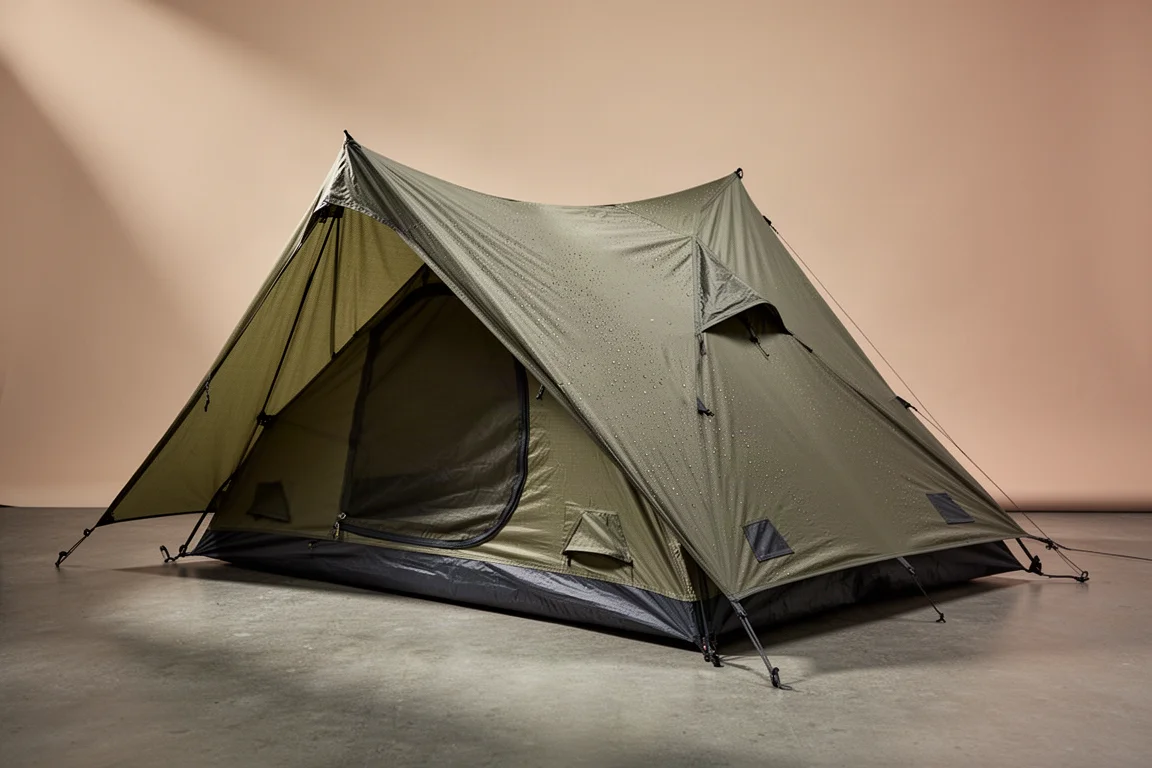
3F UL Gear Taiji Two-Person Tent Review: Field Waterproofing Results and Buying Advice
The Taiji pairs an attached fly with a removable inner, but sustained rain exposed untaped vent seams that need sealing before this shelter can be trusted.
Camping Tents
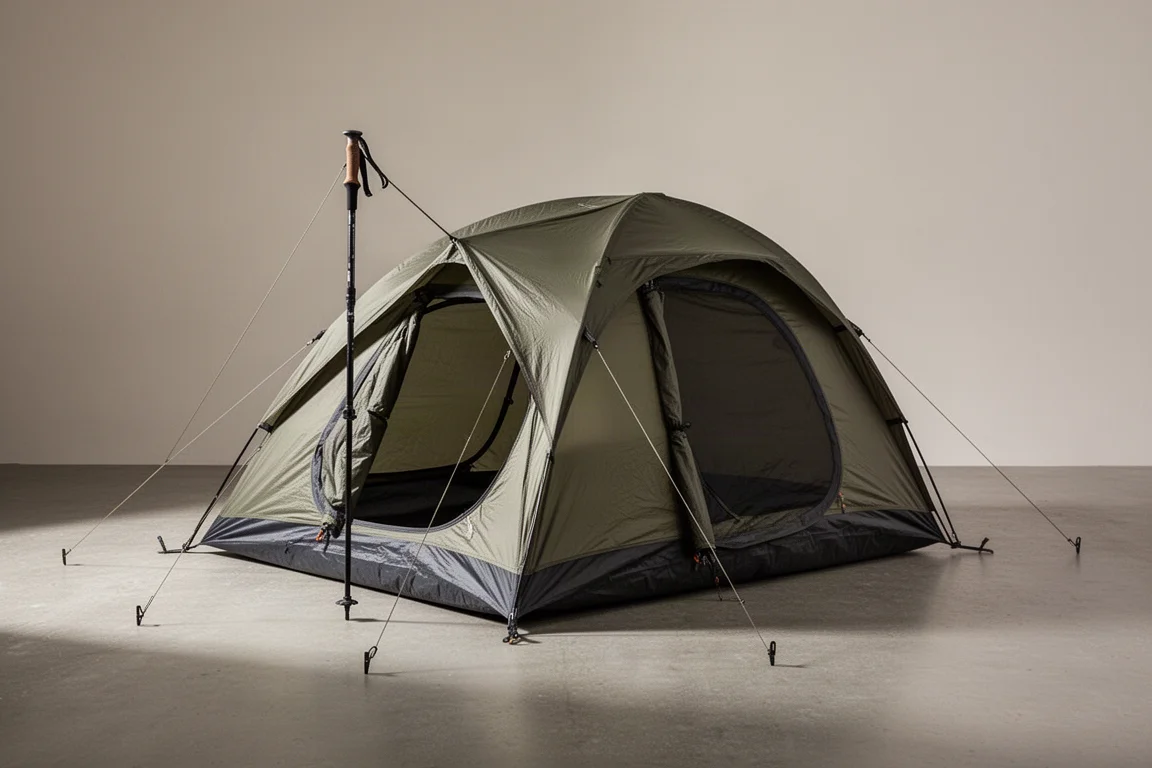
3FUL Gear Lanshan 2 Pro 4-Season Review: A Sub-$200 Single-Wall Trekking Pole Tent
An early look at the 3FUL Gear Lanshan 2 Pro 4-Season, covering its straightforward pitch, generous interior space, and the condensation and seam-sealing questions that come with any single-wall shelter.
Camping Tents
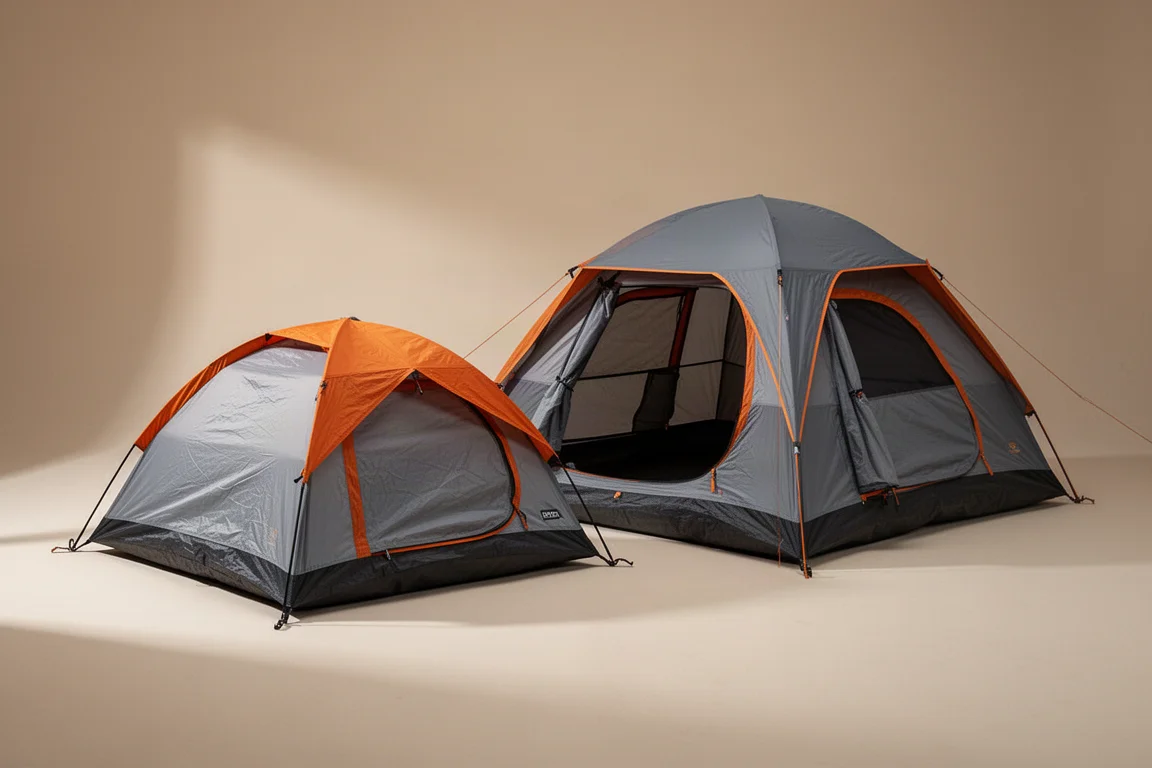
Alps Mountaineering Lynx 1-Person vs 2-Person Tent: Which Size Should You Buy?
A practical comparison of the Alps Mountaineering Lynx 1-person and 2-person tents, covering setup time, headroom, vestibule space, ventilation, weight, and price.