Camping Tents
3FUL Gear Lanshan 2 Pro 4-Season Review: A Sub-$200 Single-Wall Trekking Pole Tent
An early look at the 3FUL Gear Lanshan 2 Pro 4-Season, covering its straightforward pitch, generous interior space, and the condensation and seam-sealing questions that come with any single-wall shelter.
Introduction
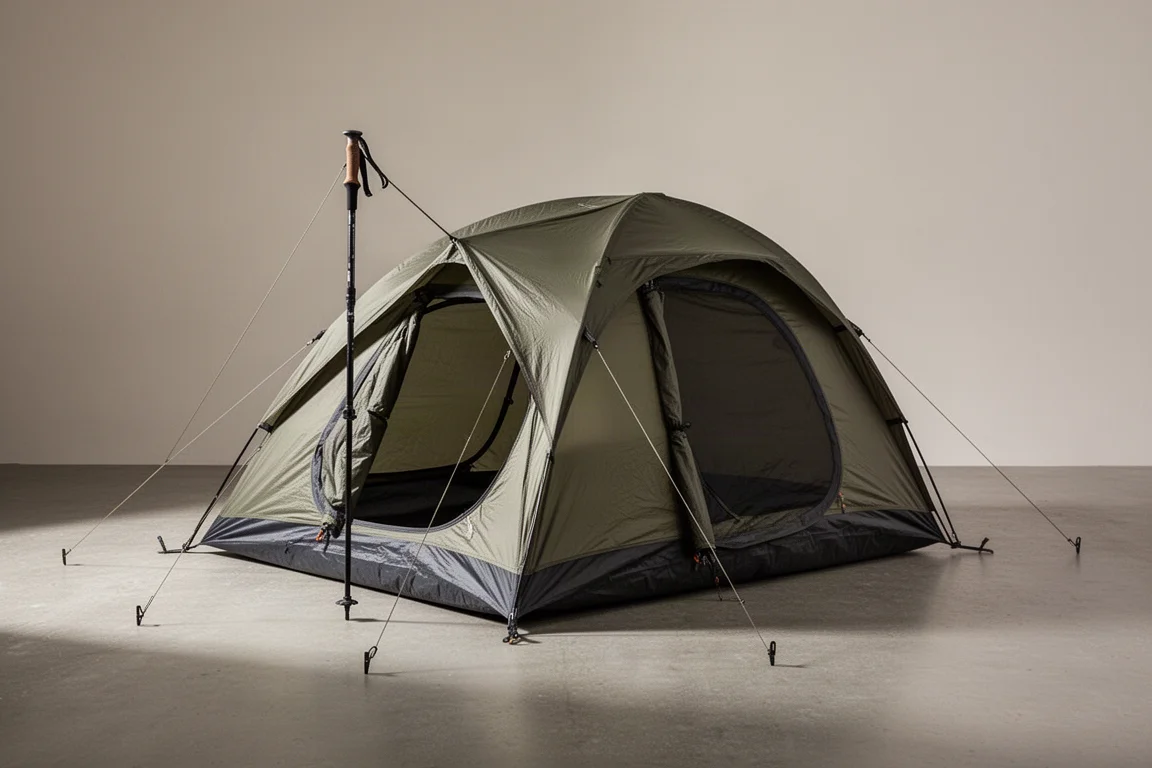
The 3FUL Gear Lanshan 2 Pro 4-Season is a lightweight, non-freestanding trekking pole shelter that sells for under $200. It follows a familiar template: a single-wall body, two doors, and two separated vestibules, pitched with trekking poles rather than a dedicated frame. For anyone who has previously written off non-freestanding tents as impractical, this design is worth a closer look, especially because it pitches quickly and offers more interior room than its footprint suggests.
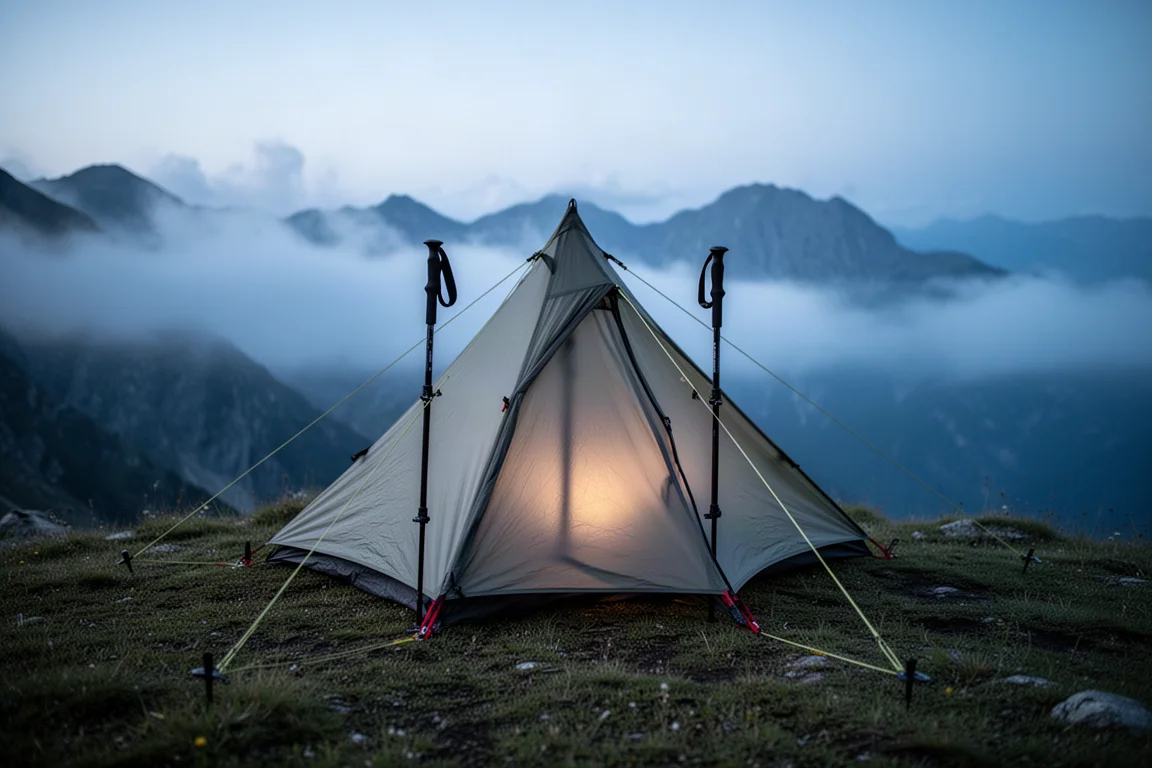
The version tested here is the four-season variant, which removes the mesh from the inner sidewalls in favour of a warmer, more enclosed interior. What follows is an early assessment based on the first pitch, the build quality, and the layout of the living space, along with the practical points worth knowing before ordering one.
Who the Lanshan 2 Pro 4-Season Is For
This shelter makes the most sense for backpackers who already carry trekking poles and who camp in places where staking out a tent is straightforward. Because it is not freestanding, it depends on ground that accepts stakes and on poles to hold the peak, so it suits trail and meadow campsites more than bare rock or platforms.
It is also a reasonable option for anyone who found the smaller Lanshan 1 too cramped. The interior here is notably roomier, with enough space to move around and store gear, and two people can fit inside. The four-season build adds warmth by reducing mesh, which appeals to campers who want a more sheltered feel without moving to a heavier double-wall design. It is not intended for expedition conditions, snow load, or very strong mountain winds.
Main Strengths: Pitch, Build Quality, and Living Space
The pitch is the standout first impression. Compared with the earlier Lanshan 1, which felt finicky to set up, this version comes together quickly and the guylines tension cleanly. The doors attach in a simple, basic way that is easy to understand on the first attempt, and the overall build quality reads as solid and well put together.
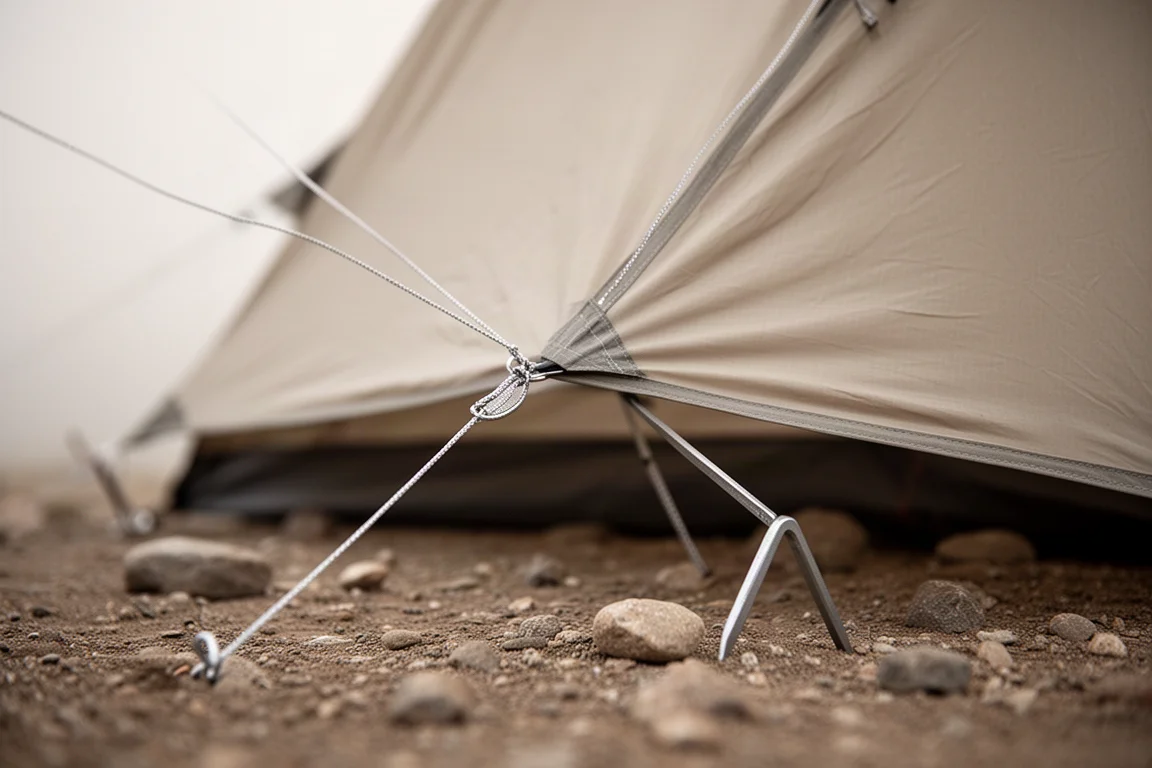
A useful detail is how the guylines at the head and foot ends behave: they pull the walls outward instead of straight down, which opens up the interior rather than closing it in. Peak height is generous, with the pole set at roughly 122 to 123 cm to account for it pressing into the ground, and there is plenty of room for a sleeping pad without the risk of brushing the sidewall. Additional sticks or trekking poles can be used to push the walls further out and increase living space.
What the Four-Season Label Actually Means
The four-season name here refers to the removal of mesh from the inner walls, not to snow-shedding capability or extreme wind performance. A shelter built for mountain expeditions needs to carry a snow load and stand up to heavy winds, and this tent is not designed for that setting.
What the design does deliver is a more enclosed interior with less mesh on the door panels, which adds a bit of warmth. A small mesh section remains at the peak to let the shelter breathe and help with condensation, and mesh runs around the foot box and head end area. The trade-off is the one that comes with every single-wall shelter: moisture management becomes part of the routine.
Things to Consider Before Buying
Condensation is the biggest open question with a single-wall shelter, and it is something to plan for rather than something to be surprised by. Expect to manage moisture on cold, still nights, and to ventilate where conditions allow.
Seam sealing is also required. The tent does not arrive seam sealed, so the seams need to be treated before it can be considered properly weatherproof. That is a straightforward job, but it is part of the setup rather than an optional extra.
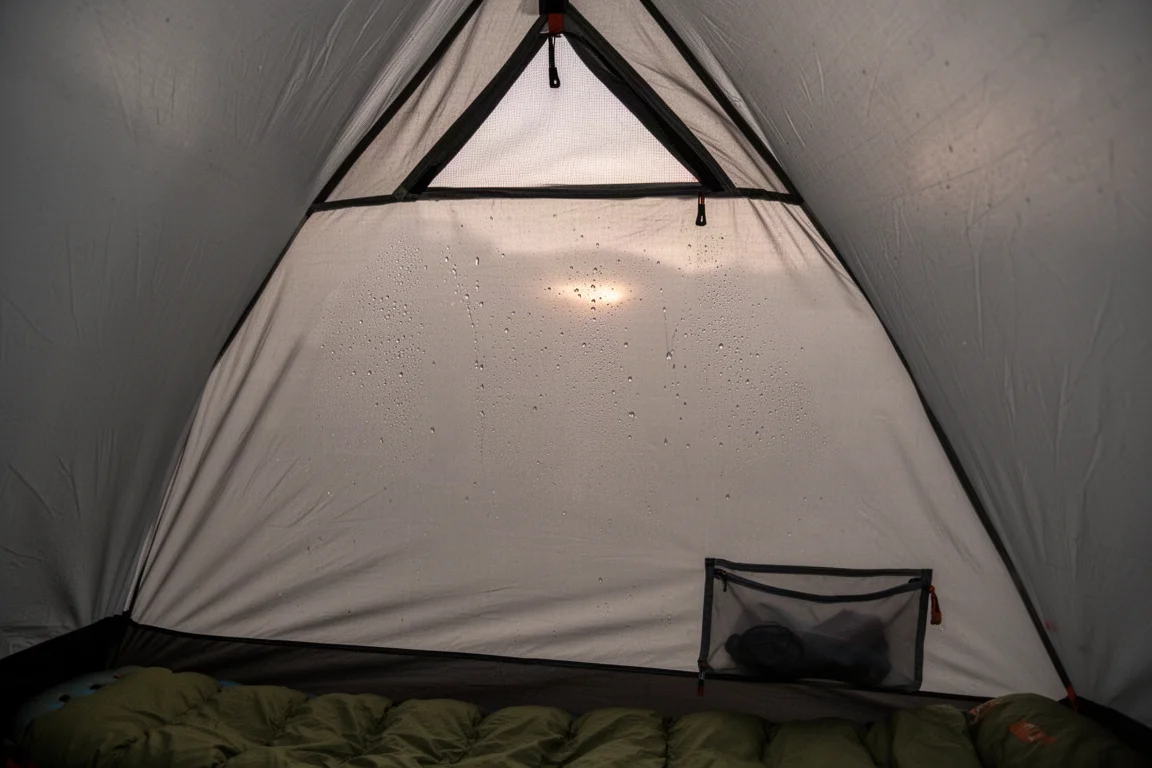
As a non-freestanding shelter, the tent also depends on suitable ground. Where stakes cannot be driven, the pitch will not hold, so campsite selection matters more than it would with a freestanding model.
Pitching, Pole Height, and Seam Sealing
Setting the pole at around 122 to 123 cm gives a taut pitch with good headroom, and leaving a little margin accounts for the tip sinking into the ground over the course of a night. The head and foot guylines do most of the work in shaping the interior, pulling the walls outward and away from the sleeping area.
If you want more usable space, additional sticks or trekking poles can be positioned to push the walls outward. Seam sealing the single-wall body is the other task worth completing before a first trip, since it is what turns a dry-weather shelter into one that can handle rain with confidence.
Buying Advice
At under $200, the Lanshan 2 Pro 4-Season represents strong value for what it offers: a fast, simple pitch, a roomy interior for two, two doors and two vestibules, and a warmer single-wall construction with a peak vent. For backpackers who already use trekking poles and camp on ground that takes stakes, it is an easy shelter to recommend considering.
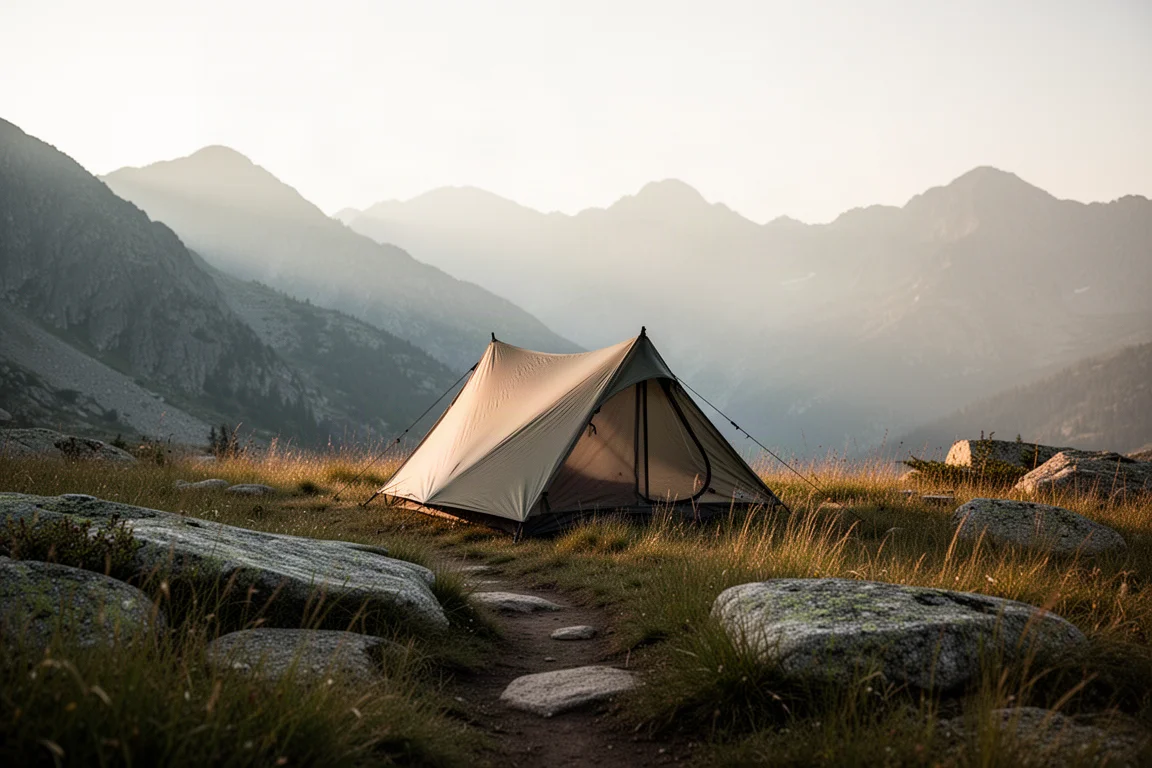
It is a less obvious fit for anyone who needs a freestanding tent, camps frequently on hard or staked-out ground, or expects a shelter to handle snow and severe winds. Those buyers should look at designs built for those conditions. For everyone else, the value proposition is clear, provided you go in expecting to manage condensation and to seam seal the tent yourself.
Conclusion
The Lanshan 2 Pro 4-Season is a well-executed take on the single-wall trekking pole shelter. It pitches easily, feels well built, and offers more interior space than expected, all for a price below $200. The caveats are honest ones: condensation needs managing, the seams need sealing, and the four-season label describes a reduced-mesh interior rather than expedition-grade weather protection. Buyers who understand those limits will find a lot to like here.
Product link
View more details for 3FUL Gear Lanshan 2 Pro 4-Season
This product is mentioned in the review. Check the specifications, options, and compatibility before buying.
View more details for 3FUL Gear Lanshan 2 Pro 4-SeasonFurther reading
Related Reviews
Camping Tents
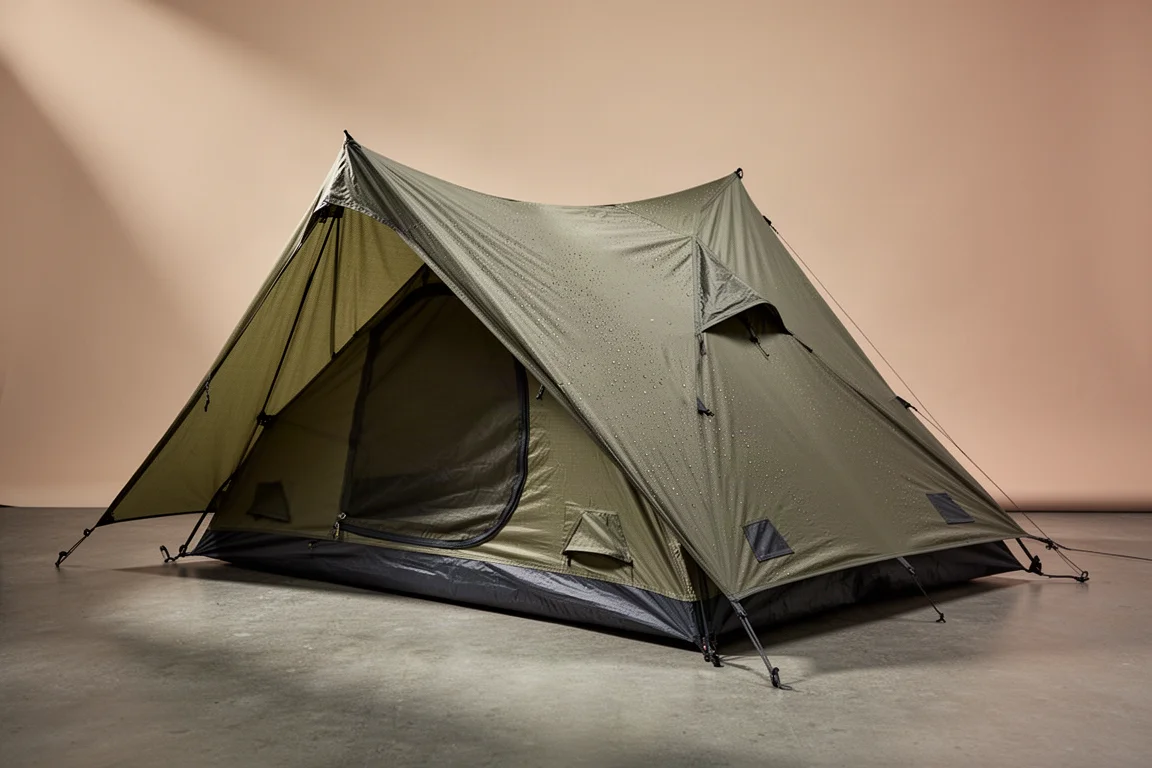
3F UL Gear Taiji Two-Person Tent Review: Field Waterproofing Results and Buying Advice
The Taiji pairs an attached fly with a removable inner, but sustained rain exposed untaped vent seams that need sealing before this shelter can be trusted.
Camping Tents
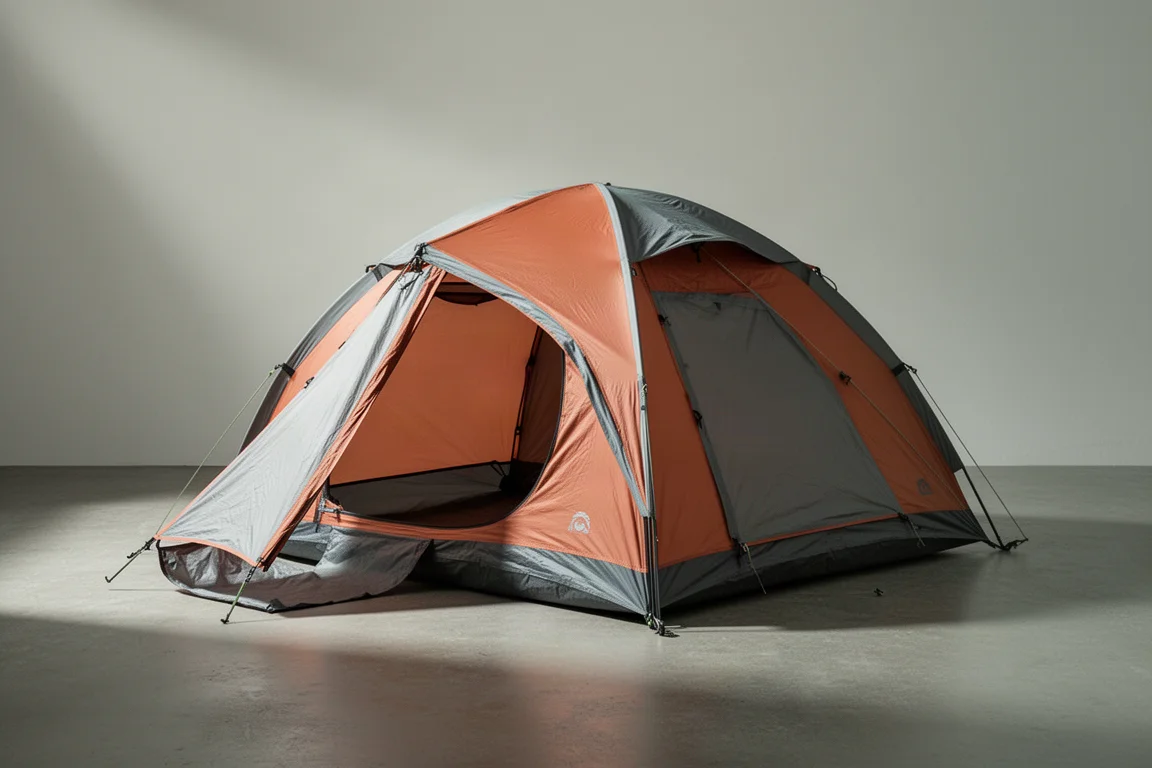
Alps Mountaineering Lynx 1-Person Tent Review: Big Value in a Small Budget Tent
A close look at the Alps Mountaineering Lynx 1-Person Tent, covering real interior dimensions, materials, setup time, ventilation limits, and who should buy it.
Camping Tents
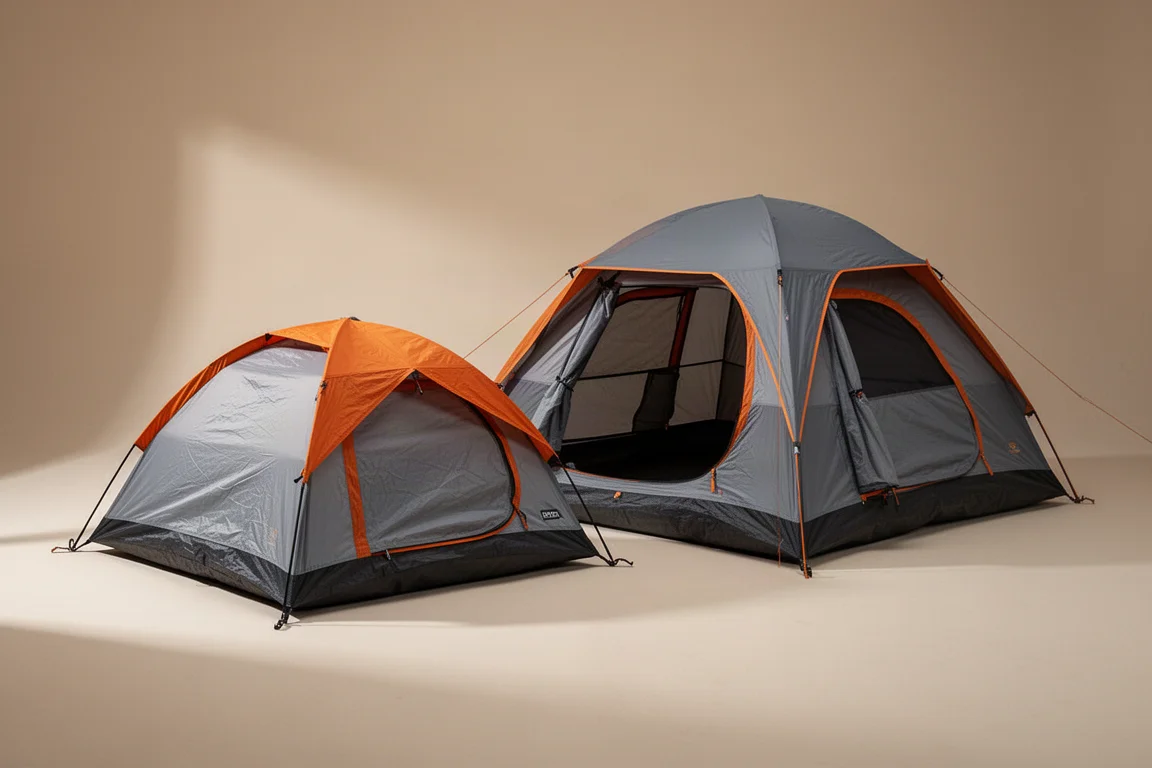
Alps Mountaineering Lynx 1-Person vs 2-Person Tent: Which Size Should You Buy?
A practical comparison of the Alps Mountaineering Lynx 1-person and 2-person tents, covering setup time, headroom, vestibule space, ventilation, weight, and price.