Backpacking Tents
Zpacks Duplex Review: An Ultralight Two-Person Shelter Worth the Investment?
A long-term look at the Zpacks Duplex, a 19.4 ounce three-season shelter with an integrated floor and body, real two-person space, and a $650 price tag.
Introduction
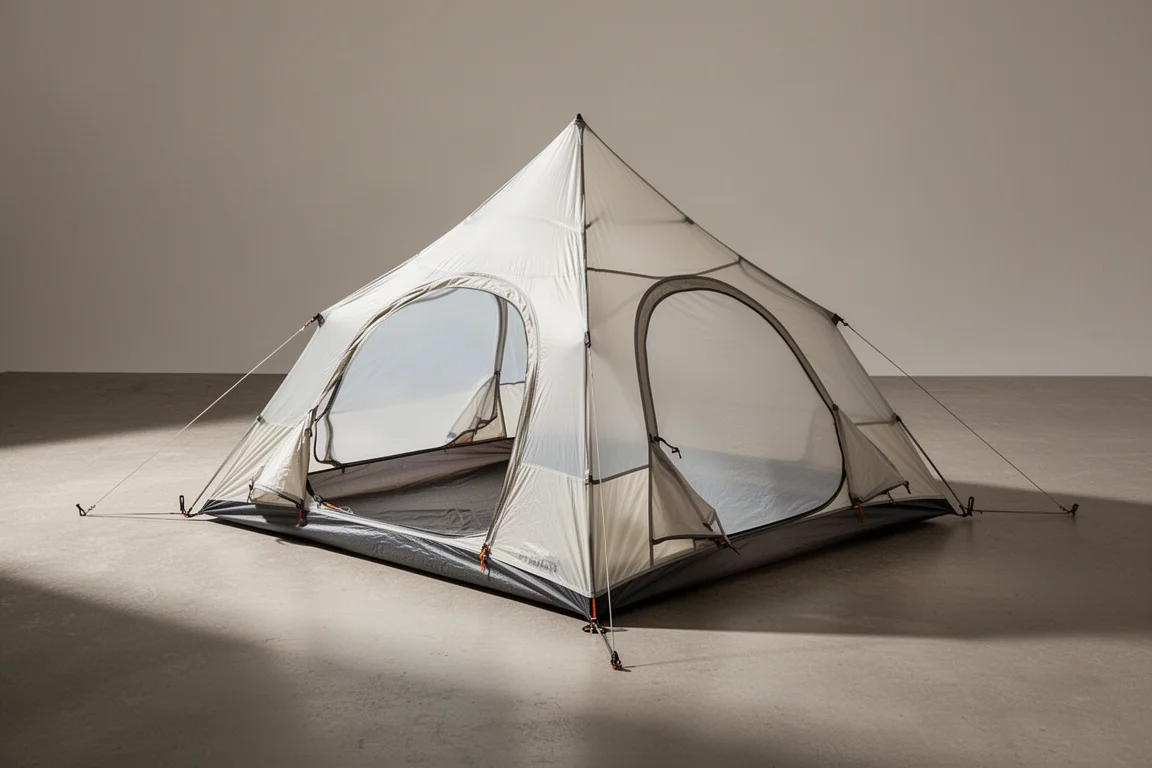
The Zpacks Duplex is an ultralight three-season shelter that fits two people, their sleeping systems, and a reasonable amount of spare gear into a 19.4 ounce package. It is a single-wall tarp tent with an integrated floor and body, so bug protection and the bathtub floor travel as part of the canopy rather than as separate add-ons.
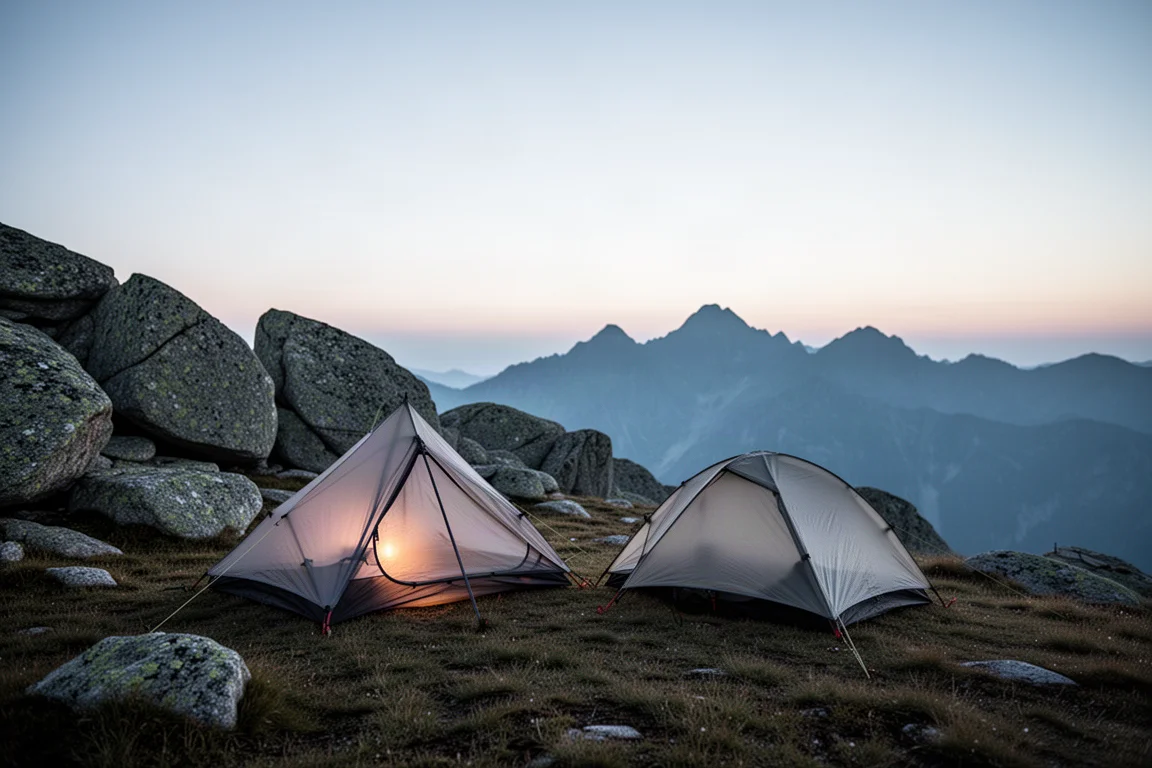
That integration is the core of the Duplex’s appeal, and it is a large part of why the design has been in continuous field use since 2019 across desert sand, wet forest, exposed mountain ridges, and strong wind without structural failures. The one environment it is not built for is deep cold and snow. Retail price sits at $650, which is a serious commitment for any shelter, so the rest of this review focuses on what that money buys and where the compromises sit.
Who this product is for
Three-season thru-hikers and long-distance backpackers are the natural audience here. The Duplex is a genuine two-person tent rather than a cramped one-and-a-half person shelter: two adults can sit up, change clothes, and keep gear around them instead of piling everything in a vestibule. Solo hikers who want generous living space at low weight will also find it appealing.
Zpacks offers the platform in several sizes, including a one-person version, this two-person version, a two-person XL, and a three-person version, and it is available in white, spruce green, brown, olive drab, and blue.
The Duplex is not the right shelter for winter camping. The design is not suited to snow loading, and the extensive mesh means every bit of wind finds its way inside. For three-season use it is a very strong option; for four-season use it is the wrong tool.
Main strengths
Weight is the headline. At 19.4 ounces for a true two-person shelter, the Duplex is impressively light, and that figure is more meaningful than it first appears because many comparable ultralight shelters do not include a floor or bug protection. Here both are built in and ready to go.
The living space is excellent. The tent measures 90 inches long, 45 inches wide, and 48 inches at the peak, with two doors and two vestibules, and an eight-inch bathtub floor. When packed, it measures roughly 13 inches by 8 inches by 6 inches, which is manageable for a shelter of this size.
Materials are top of the line: Dyneema composite fabric paired with polyester insect netting, plus a small number of plastic hardware pieces. The fabric is fully waterproof, absorbs no water, and requires no seam sealing, so there is no seam tape to age or reapply.
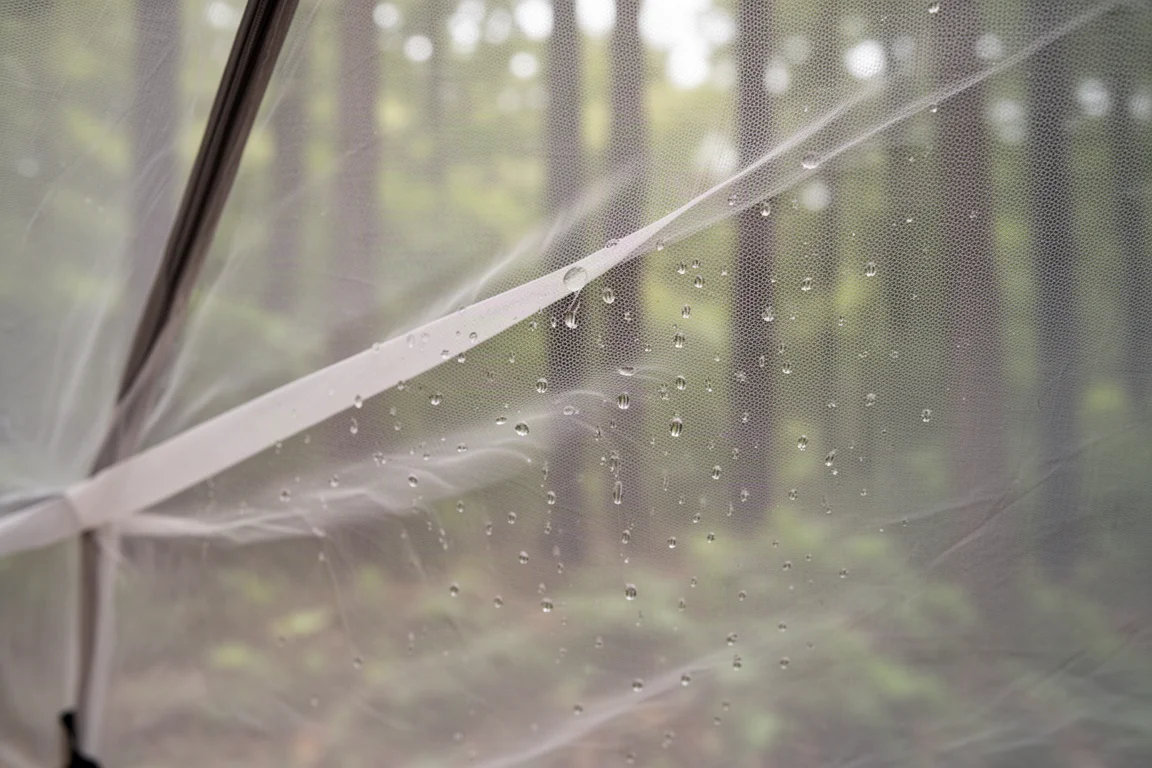
Ventilation is another major strength. Mesh runs along the doors and the sides where the canopy extends past the floor, so air moves freely through the shelter. Condensation can still form on the walls because it is a single-wall design, but in practice it is far less of a problem than with a typical single-wall tent.
The doors are large and easy to use, with rainbow-shaped YKK zippers. The closure uses overlapping panels secured by a toggle and a piece of hardware that keeps both doors from flying loose, and each door can be rolled back and tied up. Stability is strong when the shelter is pitched with trekking poles, and it can be set up in the rain with the interior staying dry, which is a genuine advantage on wet trips.
Things to consider before buying
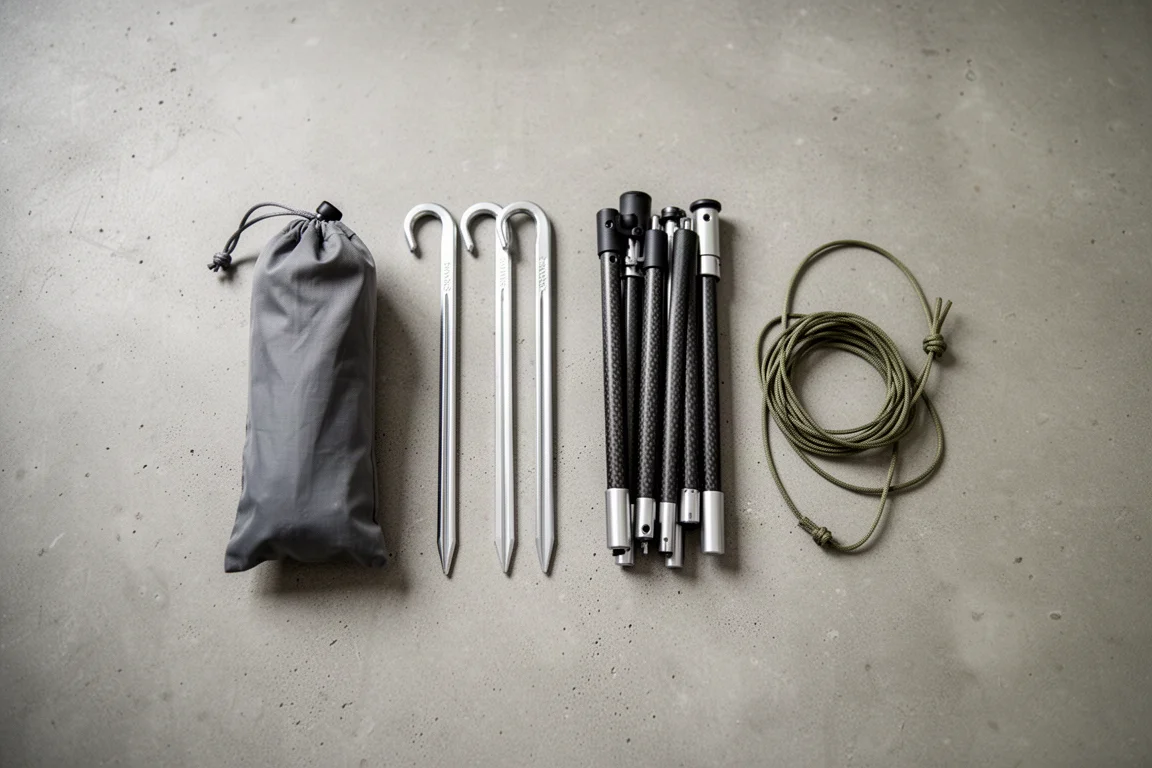
The first consideration is price. At $650 the Duplex is an expensive shelter, and no tent stakes are included, which is a real annoyance at this price point. Budget for stakes separately.
The optional freestanding kit costs $125 and adds 10 ounces. It uses four carbon fibre poles that crisscross so the shelter stands on its own with only the doors staked, but the poles have some flex, so in strong wind the tent moves more than it does with trekking poles. There is also a learning curve to the freestanding setup, particularly in windy conditions, though the result is a very stable shelter once it is dialled in.
The Dyneema fabric is somewhat transparent. Inside the tent at night, a full moon can push a lot of light through the material, which can make sleep harder for light-sensitive campers. Some condensation on the walls is possible on cold, still nights, as with any single-wall shelter.
Living with the Duplex
Setup with trekking poles is straightforward: each pole goes into a reinforced sleeve at the peak, the corners are staked out, and the doors are guyed. The reinforced sleeves mean the fabric is not taking excessive pressure at the tips.
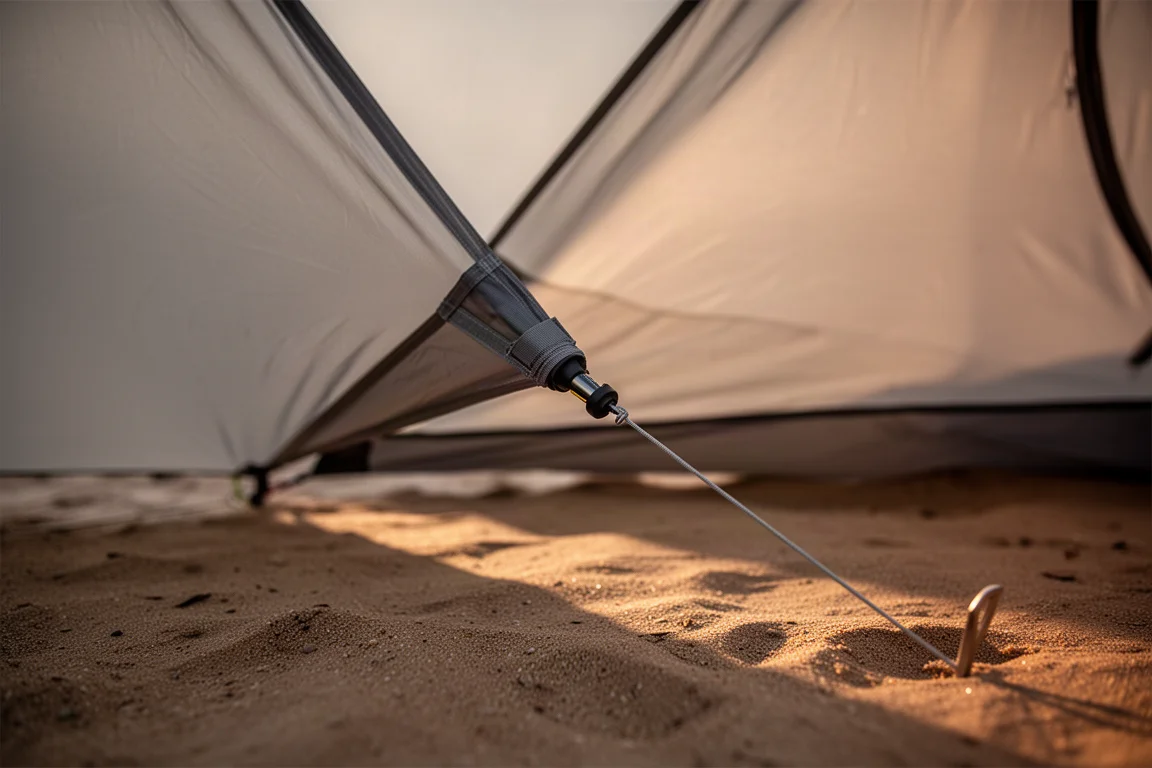
The freestanding kit changes the routine but not the result. Four carbon fibre poles cross under the canopy, the shelter stands on its own, and only the doors need staking. If wind picks up mid-trip, sticks cut to length under the peak add useful rigidity.
Inside, mesh side panels sit where the canopy extends past the floor, there is a pocket on each side for small items, and the bathtub floor is adjustable. Pulling the floor up higher helps keep splash out during heavy rain, a feature that is rare in this category.
Long-term durability and value
The Duplex has no coatings, no DWR treatment, no laminates, and no silicone or PU finishes. Nothing has been added to make it waterproof, which means there is nothing to degrade, no seam tape to peel, and no treatment to reapply later. That is the strongest argument for the price.
The design is also proven at distance. It is a popular choice among thru-hikers, and there are documented cases of hikers completing multiple long trails with the same shelter and no issues, which speaks to how the fabric and construction hold up over thousands of miles. Lower-cost shelters that copy the layout exist, but the material set used here is what drives the longevity, and that is where the money goes.
Buying advice
If you hike three seasons, cover long distances, and weight matters to you, the Duplex earns its place. It is light, spacious for two, waterproof without maintenance headaches, and built to last, which is exactly what you want from a shelter you will carry for years.
Plan the full cost before committing: $650 for the shelter, stakes if you do not already own suitable ones, and $125 plus 10 ounces if you want the freestanding kit. Riders of hard rock, sand, or platforms will appreciate the freestanding option; trekking pole users can skip it and save both money and weight. If your trips are short, low elevation, and mostly fair weather, a cheaper shelter will do the job, and the Duplex is more tent than you need.
Conclusion
The Zpacks Duplex is one of the most impressive ultralight shelters available. It is exceptionally light for a true two-person tent, the space and ventilation are excellent, the weather protection is dependable, and the coating-free construction points to a very long service life. The trade-offs are real but narrow: a high price, no included stakes, a freestanding kit that costs extra and flexes in strong wind, and fabric transparent enough to let moonlight through. For three-season backpacking, those compromises are easy to accept.
Product link
View more details for Zpacks Duplex
This product is mentioned in the review. Check the specifications, options, and compatibility before buying.
View more details for Zpacks DuplexFurther reading
Related Reviews
Backpacking Tents
3F UL Lanchan Pro 1 Review: A 1 lb 8 oz Single-Wall Trekking Pole Tent
A practical look at the 3F UL Lanchan Pro 1, a single-wall trekking pole shelter with a 1 lb 8 oz weight, 20D silnylon fabrics, and a roomy 90 x 31 x 49 inch interior.
Backpacking Tents
3F UL Taiji 2-Person Tent: A Convertible Backpacking Shelter Worth a Closer Look
A practical look at the 3F UL Taiji two-person tent, covering its materials, true two-person interior, fly-first pitching, and the seasonal inner swap that lets one shelter cover more of the year.
Backpacking Tents
3FUL Lanshan Twoerson Pro Review: A Light Trekking Pole Shelter That Struggled in Rain
A two-person trekking pole shelter with a 2026 redesign, pitched with sticks and put through a night of steady rain. Here is what worked, what did not, and what to check before buying.