Backpacking Gear
Building a 10 lb Base Weight: An Ultralight Backpacking Gear List
A practical walkthrough of the ultralight pieces behind a 10 lb base weight, from a 765 g pack and a roomy one-person tent to a full camp chair and a dependable water filter.

Introduction
A 10 lb base weight does not have to mean giving up comfort. This list is built around a roomy one-person tent, a 25 in wide sleeping pad, a full camp chair, and a handful of small accessories that quietly make long days easier. It was assembled for a desert trip, but the reasoning behind each piece applies to most three-season backpacking.
Below, every item is covered on its own, with what it does well and where it asks for a trade-off.
How This 10 lb Base Weight List Balances Comfort and Weight
Every choice here starts with one question: does this piece earn the weight it adds? That is why some items are the lightest available and others deliberately are not. A quilt replaces a sleeping bag. A 550 ml titanium pot replaces a full cook set. Where comfort matters most, at night and at camp, the list spends weight on purpose.
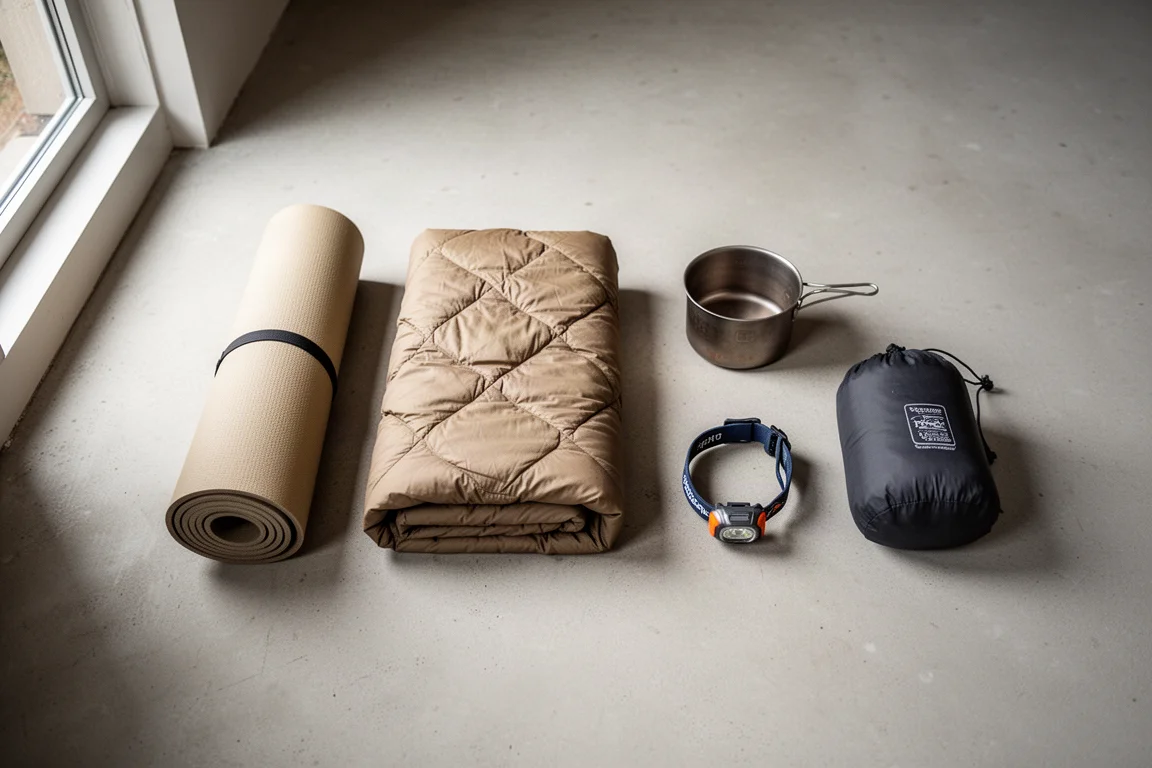
The result is a kit that still lands at a 10 lb base weight while including things many ultralight lists leave behind, such as a chair, a pillow, and a proper satellite communicator. The rest of this guide walks through each piece and explains what it brings to the pack.
The Pack: Outdoor Vitals CS40
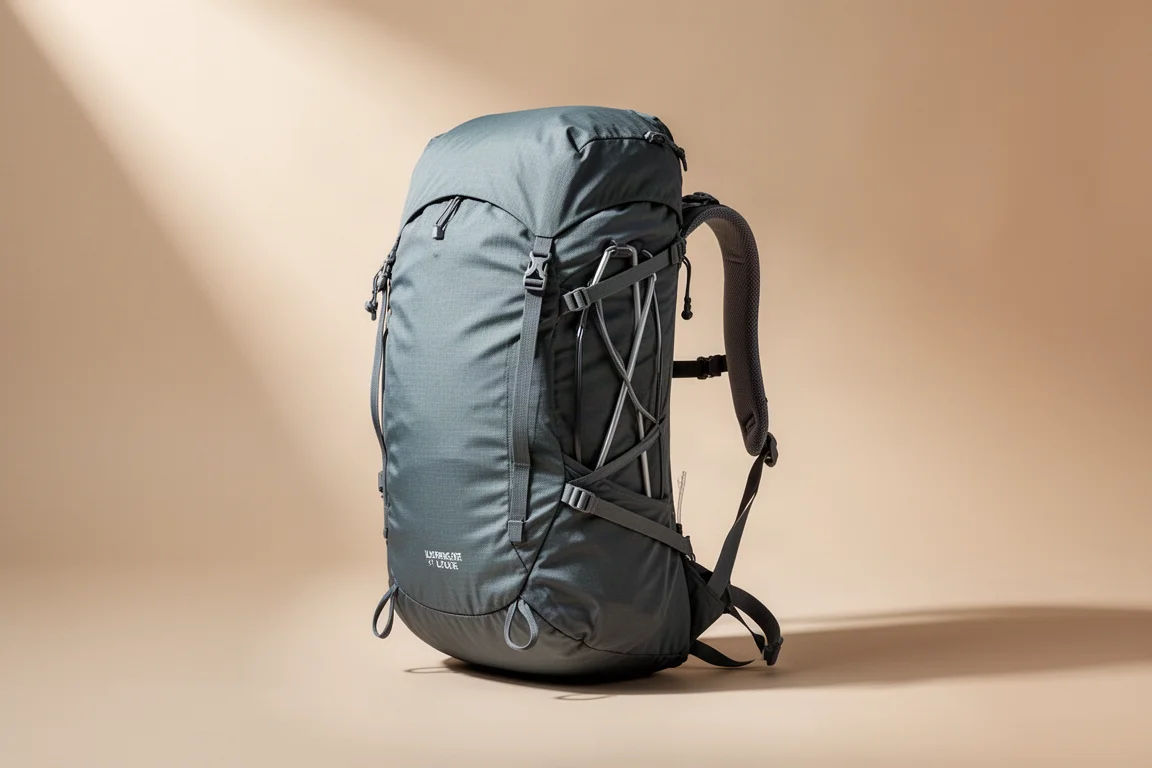
At 765 g, the CS40 carries a little more weight than the very lightest packs in its class, but it costs meaningfully less, especially after a recent price drop that brought it down to around $300. The build is genuinely premium: Ultra fabric for the body, carbon fiber stays for support, a large stretchy mesh front pocket, and side pockets that stay reachable even when the pack is loaded heavily.
For a 10 lb base weight, that combination is close to ideal. The pack does not force a choice between durability and low weight, and the pocket layout keeps water and snacks within reach without stopping.
Camp Comfort: Helinox Chair Zero
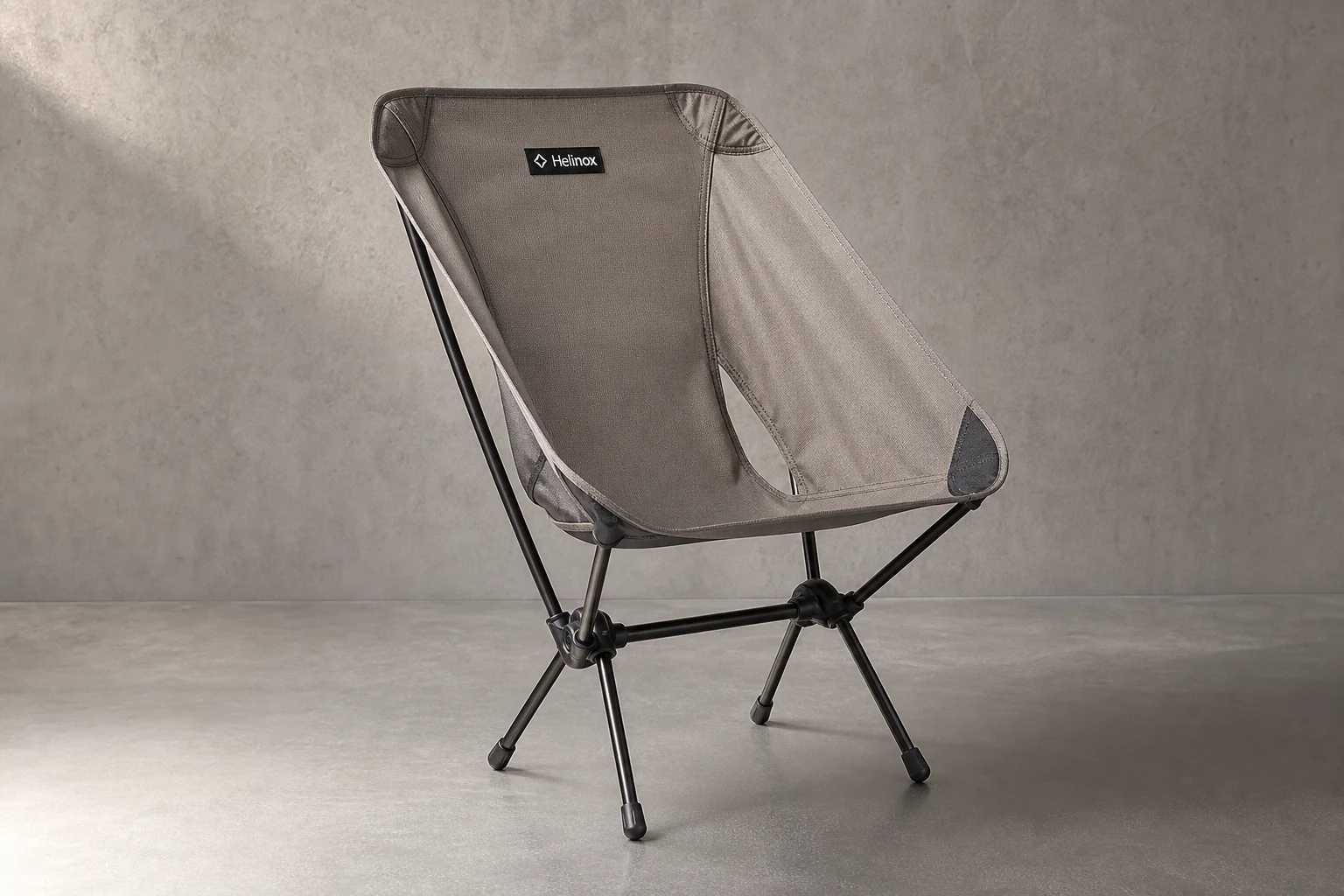
A chair is one of the first things to go when pack weight is trimmed, and it is also one of the first things you miss. The Chair Zero is the compromise that makes sense here. It packs down small, travels in a waterproof Dyneema stuff sack, and weighs noticeably less than the Nemo Moonlite Elite.
The trade-off is real. The Moonlite Elite is a little more comfortable to sit in. For a 10 lb base weight list, though, the Chair Zero’s lower weight is the deciding factor, and it turns a long day into an evening you actually enjoy.
Water Treatment: Platypus QuickDraw
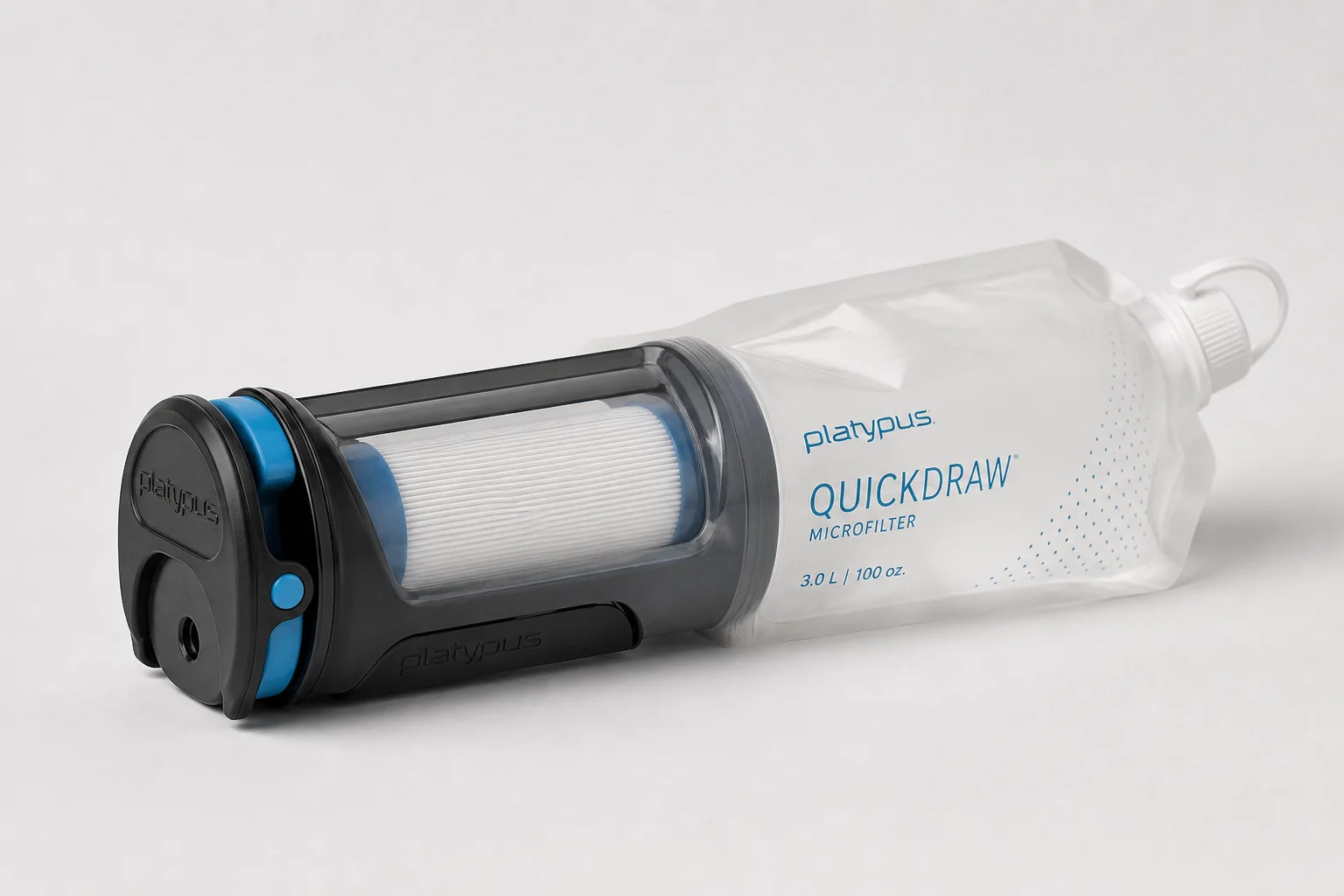
Water treatment is not a place to save a few grams if it means the filter stops working. The QuickDraw is slightly heavier than the Katadyn BeFree, but it has been the more dependable option on trips, which is why it is the default here.
Squeeze filters like this one are simple by design. Fill the bag, thread on the filter, and push water through into your bottle. That simplicity is exactly what you want when you are filtering at the end of a long day in dry country.
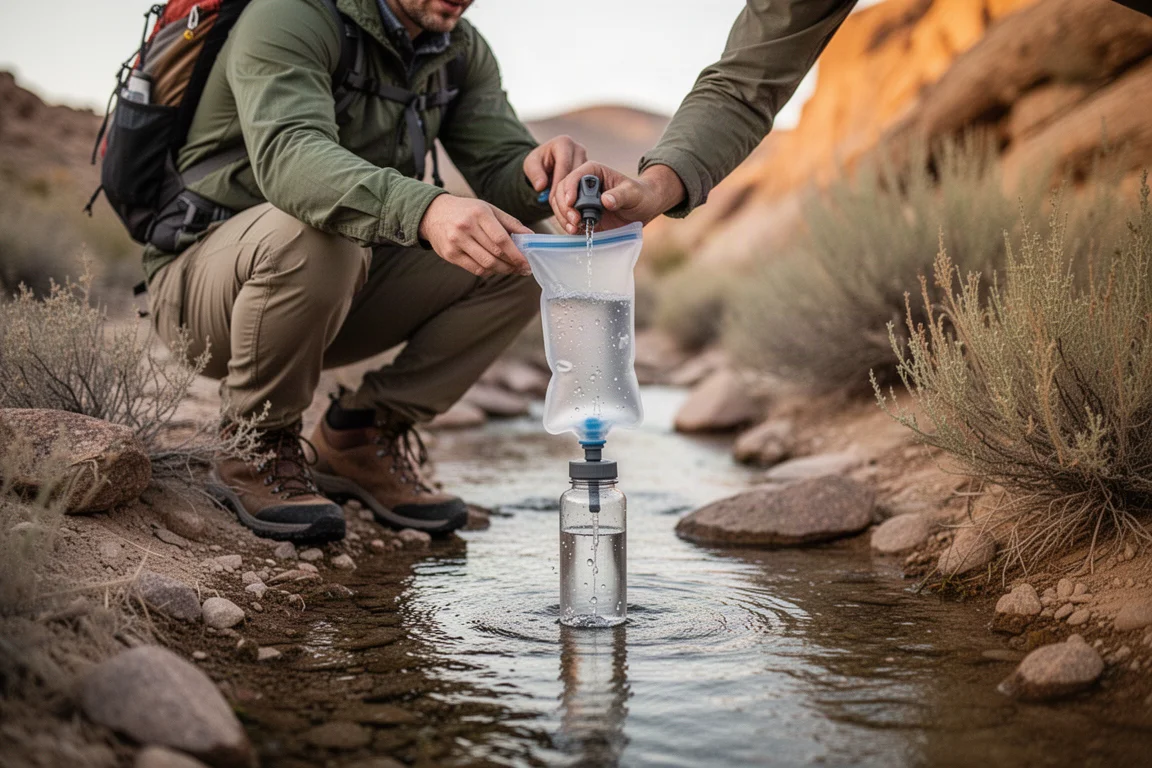
There is very little to learn or maintain, and it is the kind of kit you can hand to someone who has never filtered water before and have them get it right on the first try.
Shelter: Durston X-Mid 1 Plus
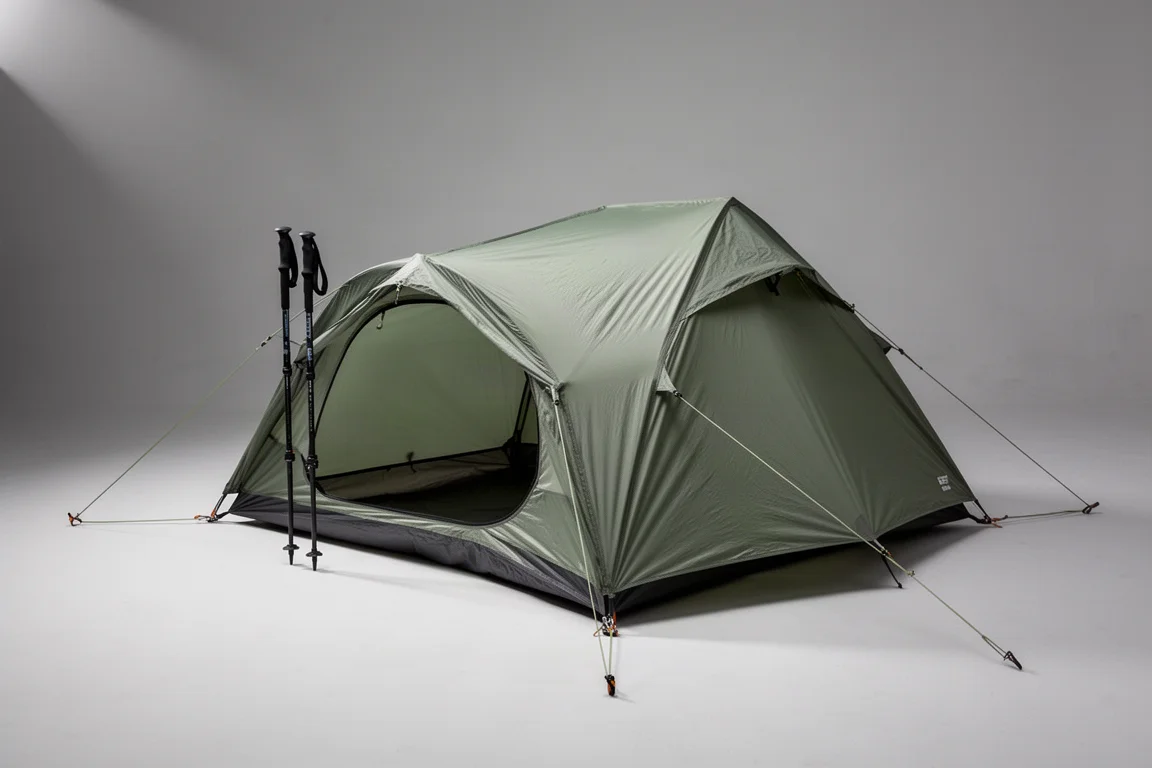
At 965 g, the X-Mid 1 Plus is a double-wall, one-person tent with an interior that feels far roomier than its category suggests. It has been used for more than 20 days and has held up in 60 km/h winds, which says a lot about how it handles weather.
The pitching options are the standout feature. It can go up inner first, outer first, or as a single unit with the inner connected to the fly, which is a genuine advantage when it is raining or blowing hard and you want the shelter standing fast. A full pitch uses four larger stakes for the main points, with smaller stakes for the door and the ends.
Sleep System: Nemo Tensor All-Season
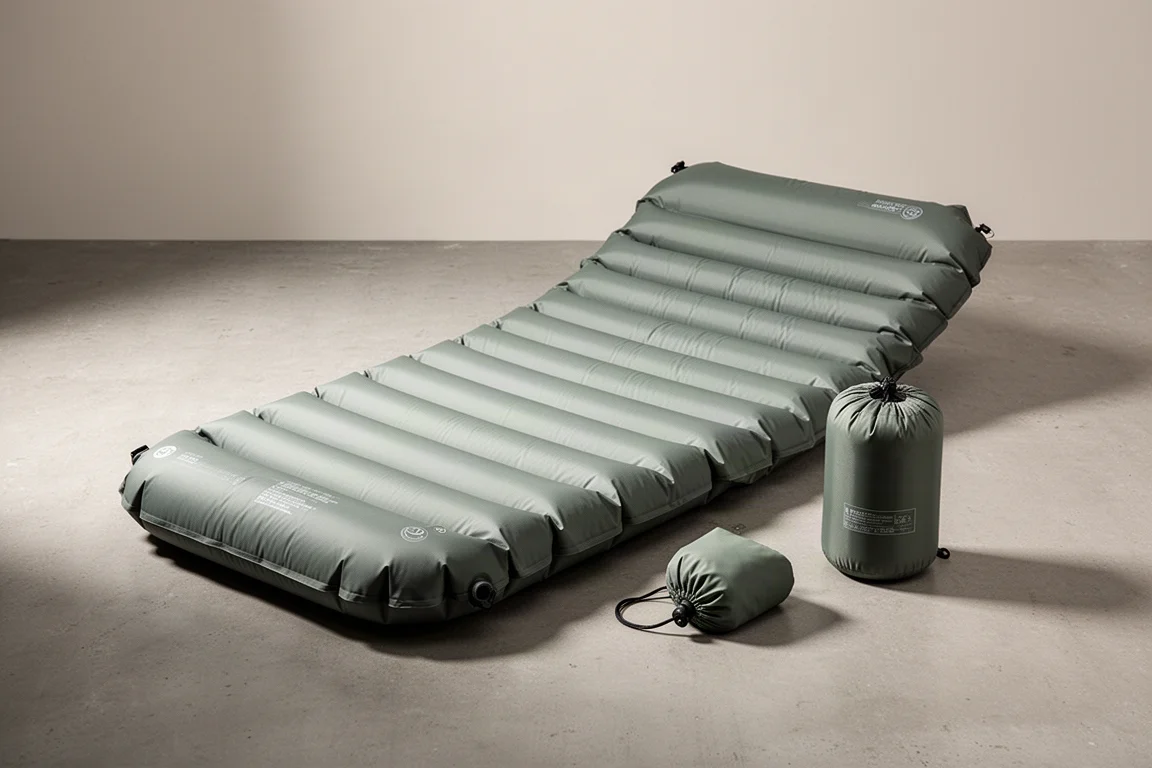
The Tensor All-Season is 25 in wide and has been in testing for about a year. Compared with earlier Tensor pads, it adds thickness and warmth, and that shows up in comfort: you can let a little air out and sink in rather than sleeping on a taut, firm surface.
It is not the lightest pad on the market and not the plushest, but it is one of the best warmth-to-weight options available, and it packs down small. For a 10 lb base weight, that balance is the point.
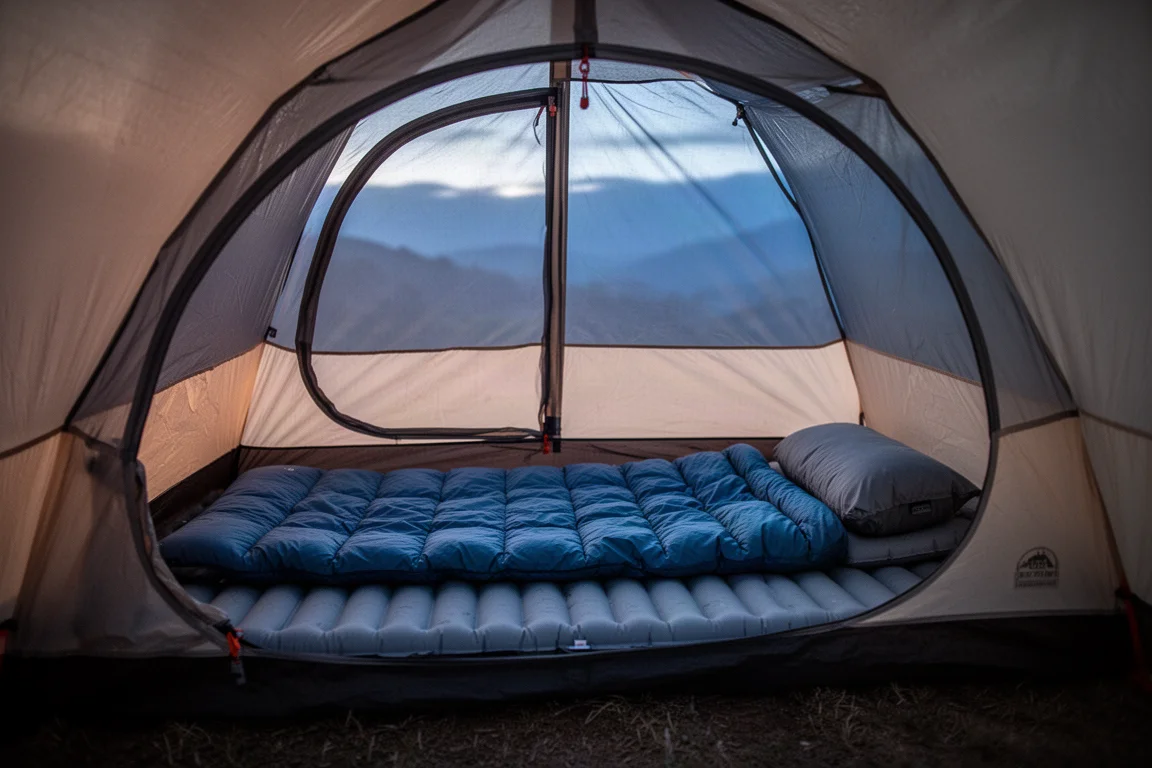
On cold nights the extra warmth matters more than a few grams saved, and the wide size makes a quilt far easier to manage without drafts creeping in at the edges.
Top Insulation: Enlightened Equipment Enigma 20
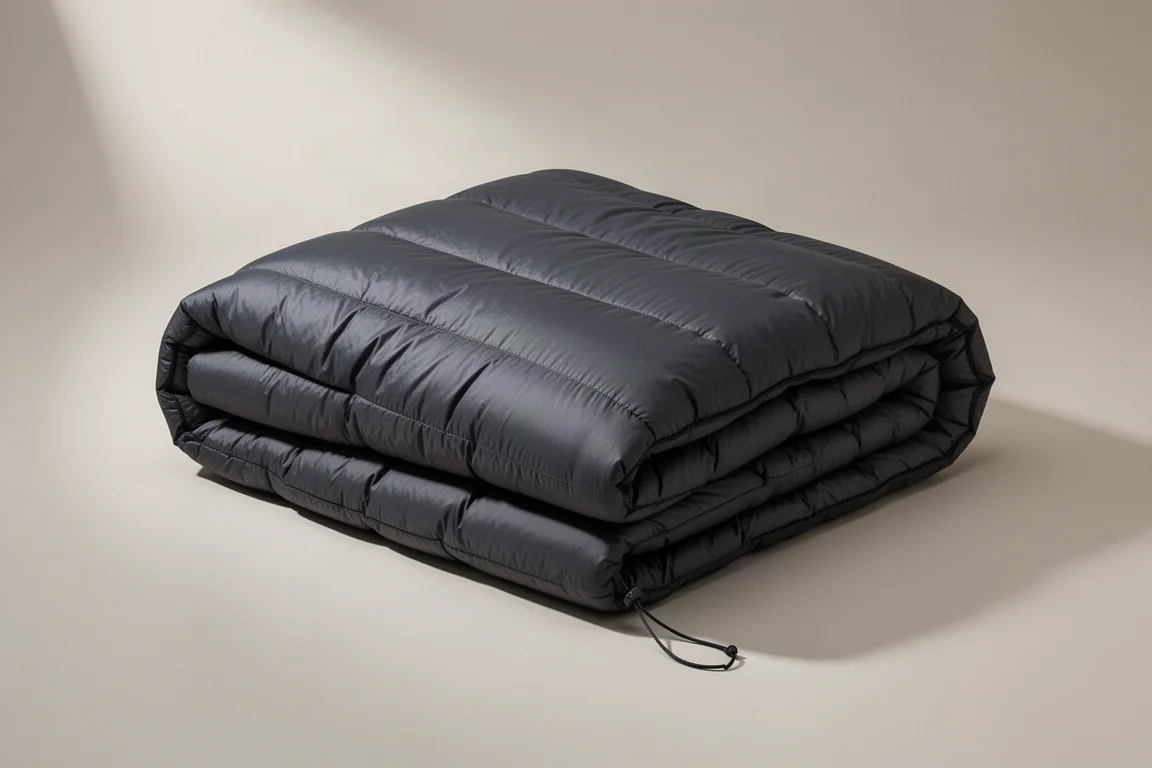
A 20°F quilt is the sweet spot for three-season trips. It is not so warm that you overheat on mild nights, and it still keeps you comfortable when temperatures drop below freezing. Quilts also save meaningful weight compared with a sleeping bag of similar warmth, largely because there is no hood or back panel to carry.
The Enigma 20 works best with a wide pad and a properly adjusted strap setup, so it pairs naturally with the Tensor All-Season.
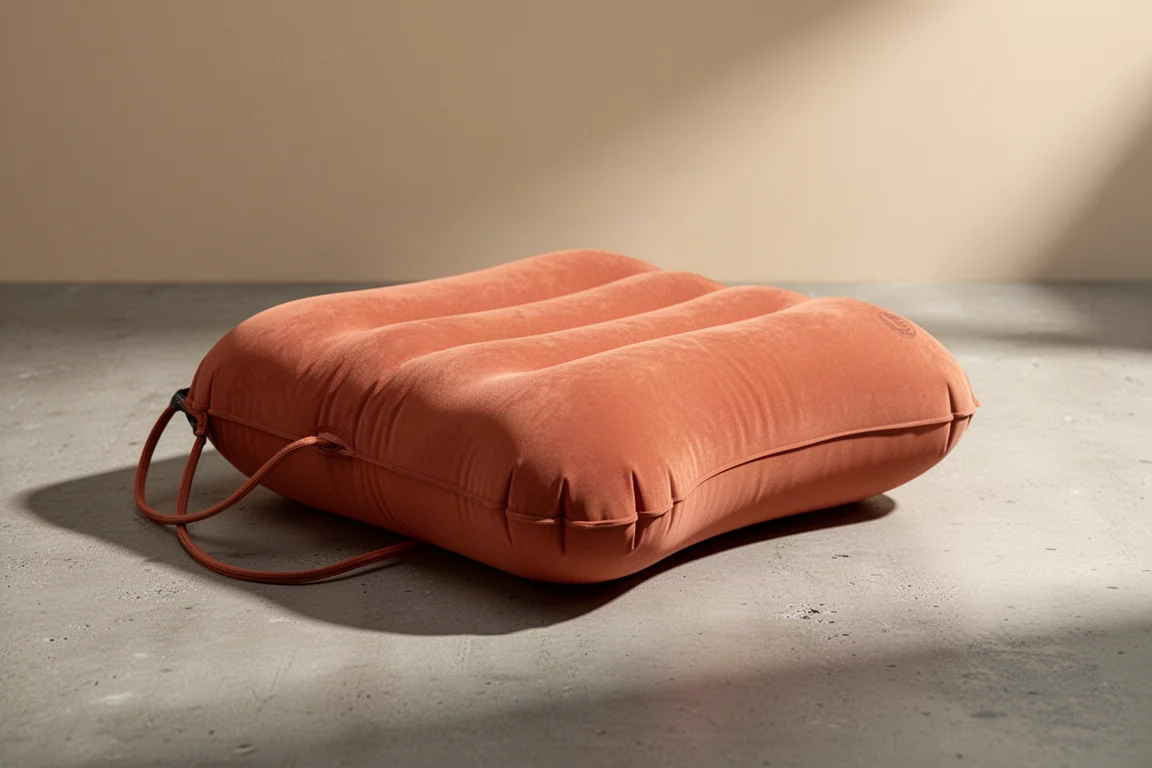
Sleep Accessories: Trekology 2.0 Pillow
The Trekology 2.0 is not the lightest pillow available and not the most comfortable, but it sits in a useful middle ground. The pad strap keeps it from sliding off during the night, the shape supports the neck reasonably well, and the stretchy top fabric feels better against the face than a bare nylon shell. For the weight, it is one of the better balanced options for a kit like this.
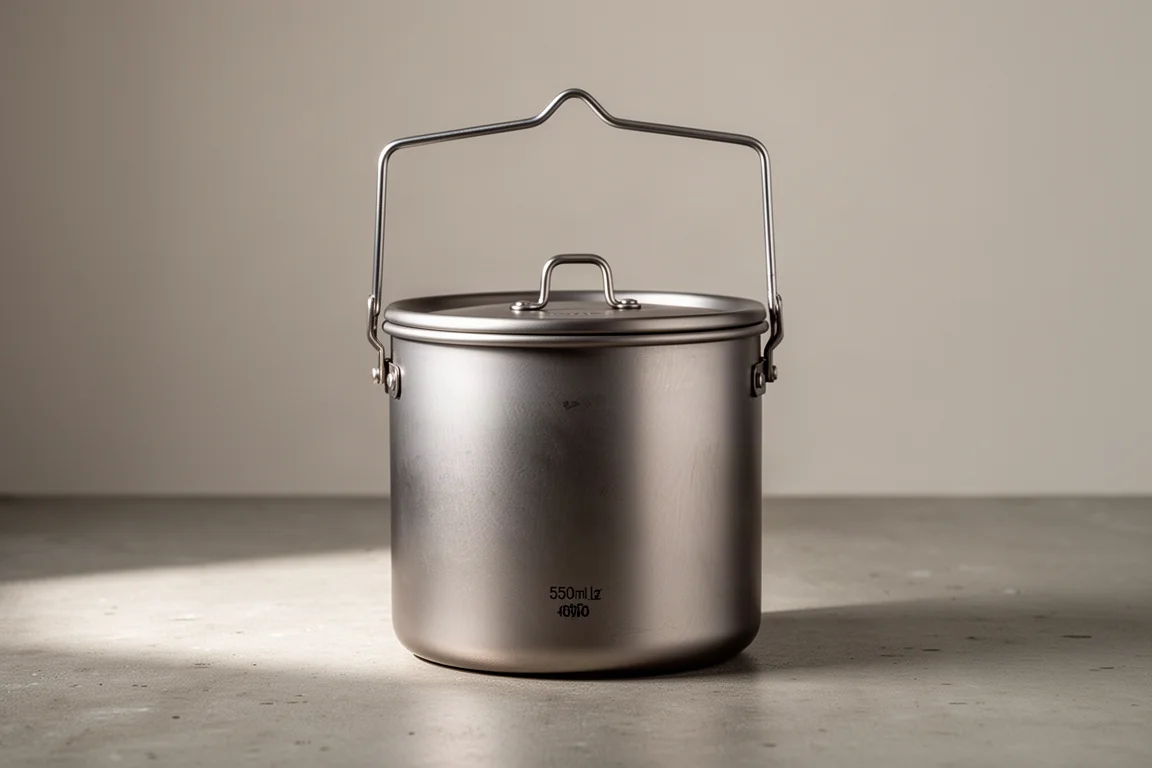
Cook Kit: Toaks Titanium 550ml Pot and BRS 3000T Stove
The Toaks 550 ml titanium pot is the right size for solo trips: almost no freeze-dried meal needs more water than that. A temperature sticker on the side lets you heat water to roughly 70 °C, which is enough to properly rehydrate a meal and saves fuel compared with bringing every pot to a rolling boil.
There are no handles, so a small pot gripper does the pouring. That gripper weighs less overall than a set of handles and is easier to control when the pot is hot. The pot also swallows the stove and the gripper, keeping the whole cook kit in one place.
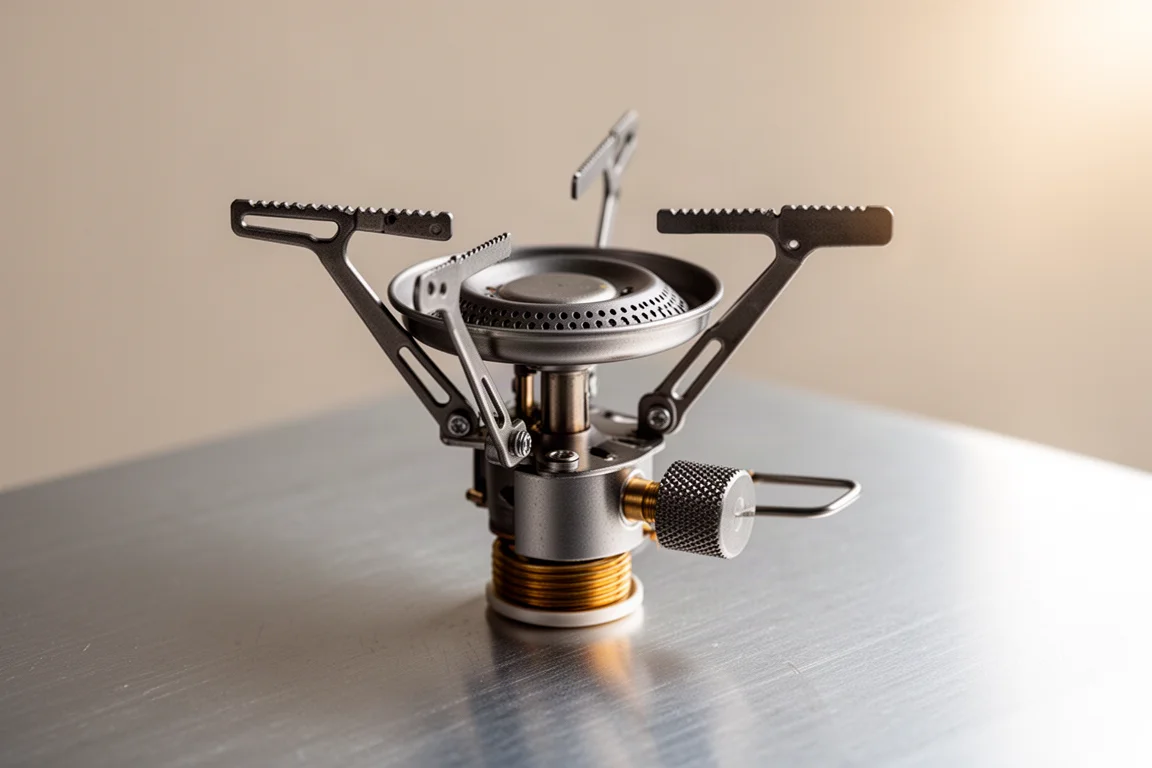
The BRS 3000T remains the benchmark ultralight canister stove. It is tiny, very light, and does everything a simple boil-and-rehydrate kit needs, and it nests neatly inside the 550 ml pot.
Satellite Communication: Garmin inReach Messenger Plus
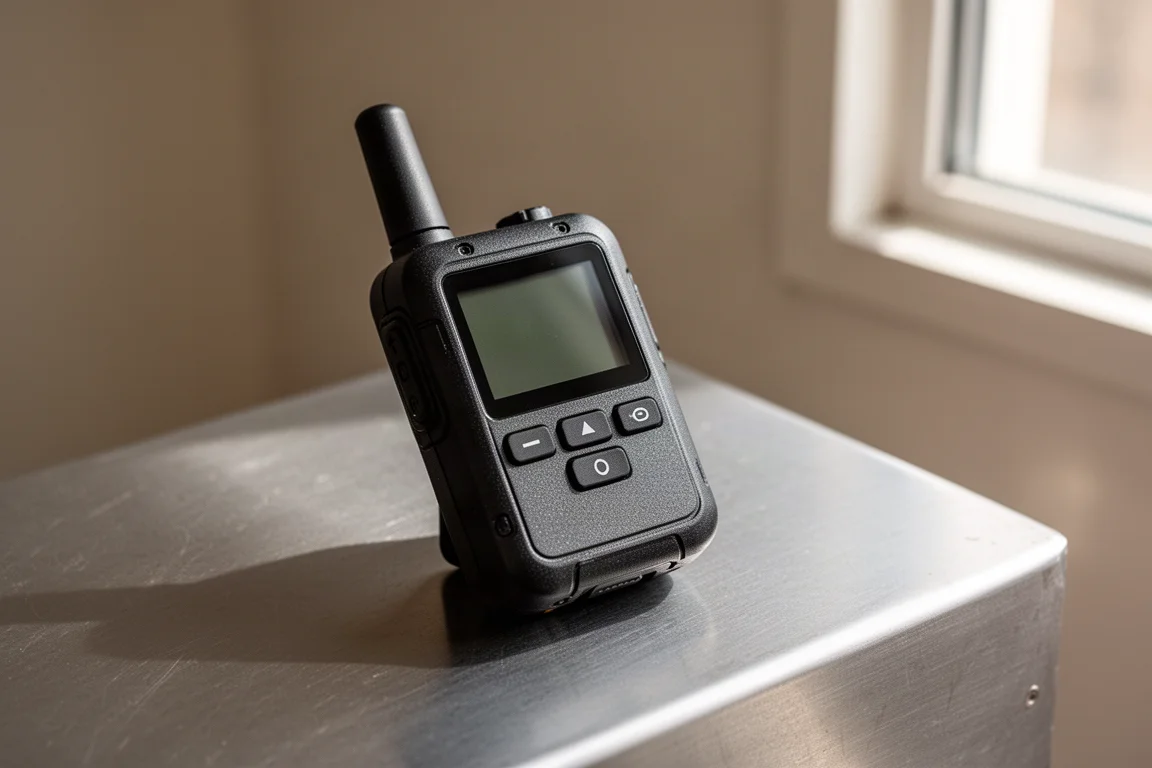
The inReach Messenger Plus is the piece of safety kit that also happens to be the most reassuring. Picture messaging is the reason for the upgrade: being able to send and receive photos makes longer trips away from family much easier, and the two-way satellite connection covers the stretches where there is no cell service at all.
It rides on the outside of the pack so it stays accessible, and it is the kind of item you hope never to need and are glad to have.
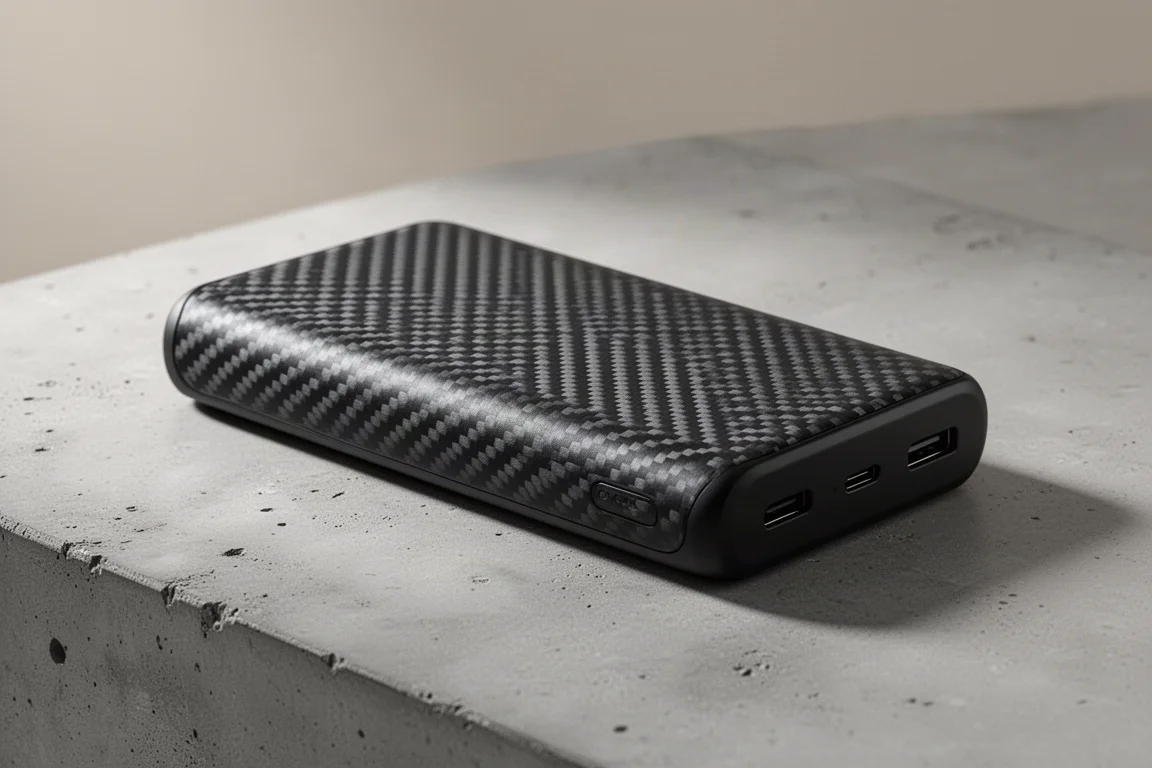
Power and Light: Nitecore NB10000 V3 and Nitecore NU20 Classic
The NB10000 V3 is a light 10,000 mAh power bank with two USB-C ports. Output is fast enough to top up a phone quickly, and input charging is quick as well, which matters when you are recharging everything in town before the next stretch.
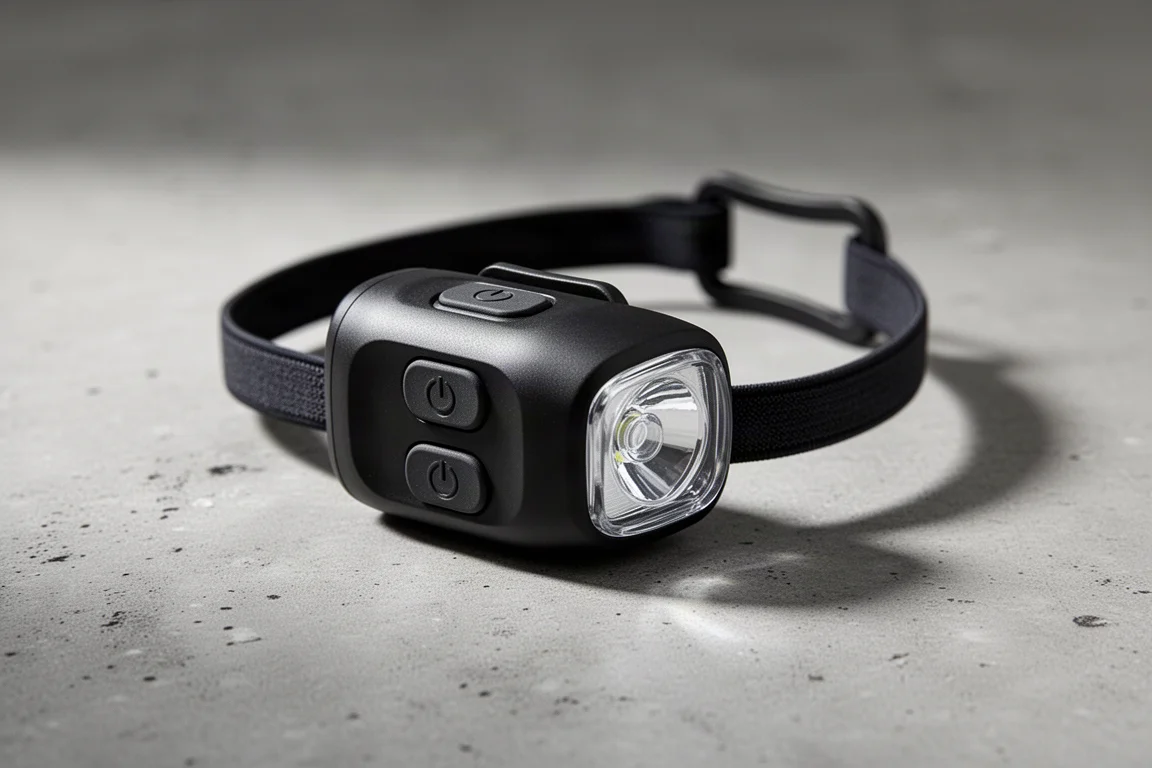
The NU20 Classic headlamp is the other half of the power setup. It is light, affordable, and unusually easy to live with thanks to two buttons on top, so switching between white modes and red modes does not mean cycling through the entire menu every time.
Warm Layers: Decathlon MT100 Down Jacket
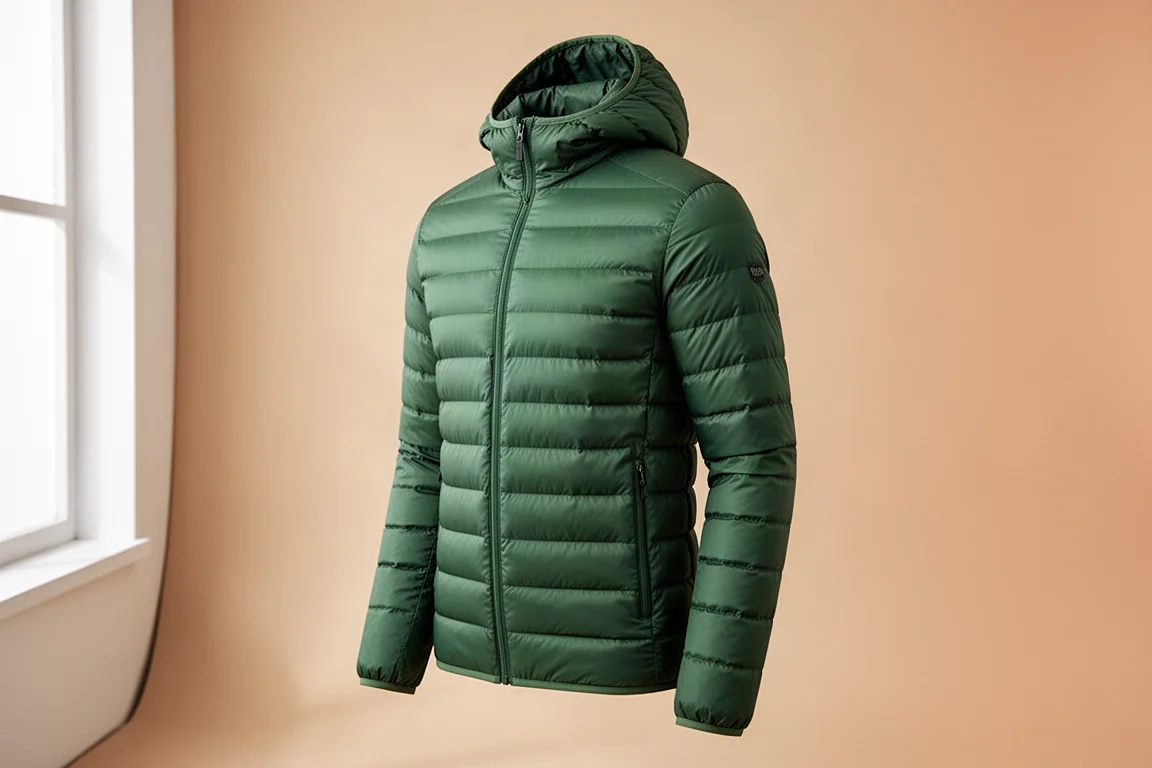
The MT100 down jacket is the balance piece in the clothing kit: a decent amount of warmth for very little weight, at a price that is hard to argue with. It is one of the most affordable down jackets around, which makes it an easy recommendation as a camp layer.
For sleeping, a merino wool t-shirt keeps the quilt clean and adds a little warmth. In colder conditions, Alpha Direct fleece layers are the preferred active insulation, because nothing except down matches their warmth-to-weight ratio.
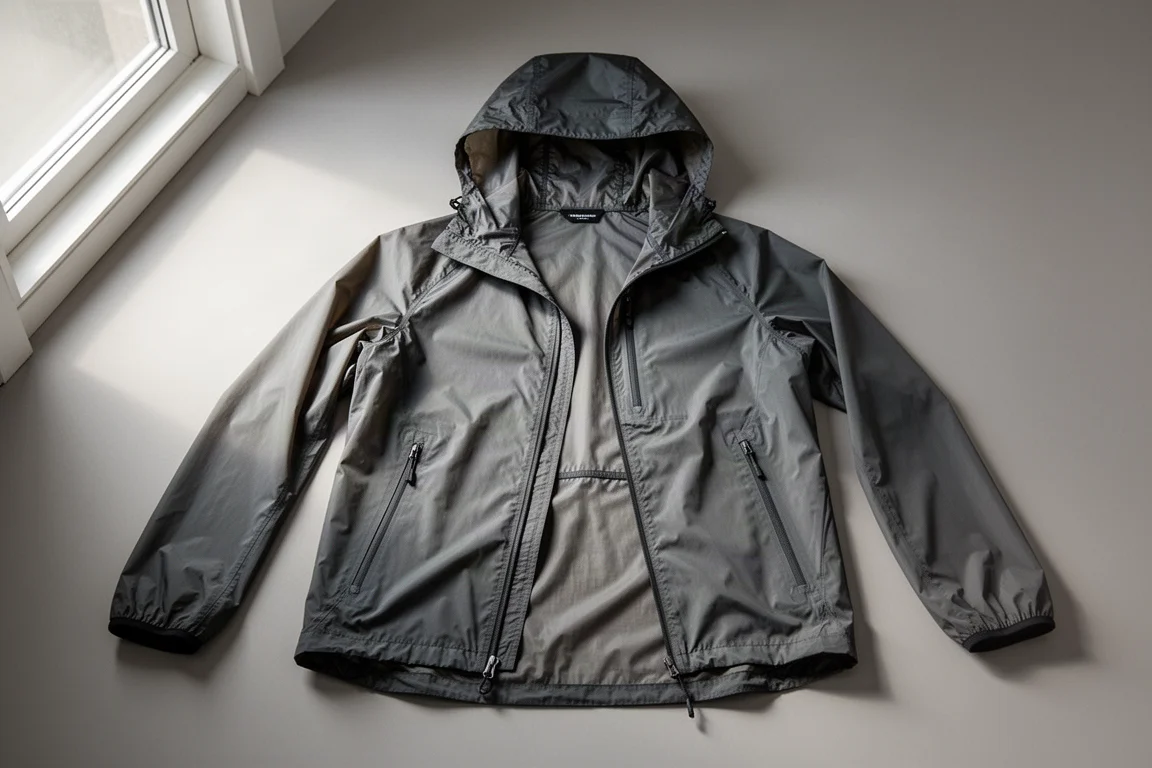
Weather Protection: Rock Front Rain Hoodie
The Rock Front hoodie takes a different approach to waterproofing. The fabric is not breathable, which keeps the price down and means it will not wet out the way breathable membranes eventually can. Ventilation is handled mechanically instead, with very large pit zips and a big chest zip.
That design works well if you are willing to open the vents when you start to warm up on a climb. It is a sensible shell for wet, cool conditions where staying dry from the outside matters most.
Overall Buying Advice
Two ideas run through this list. First, spend weight where it changes your day: sleep, shelter, and water treatment. Second, save weight everywhere else, and accept a slightly heavier option when it buys reliability.
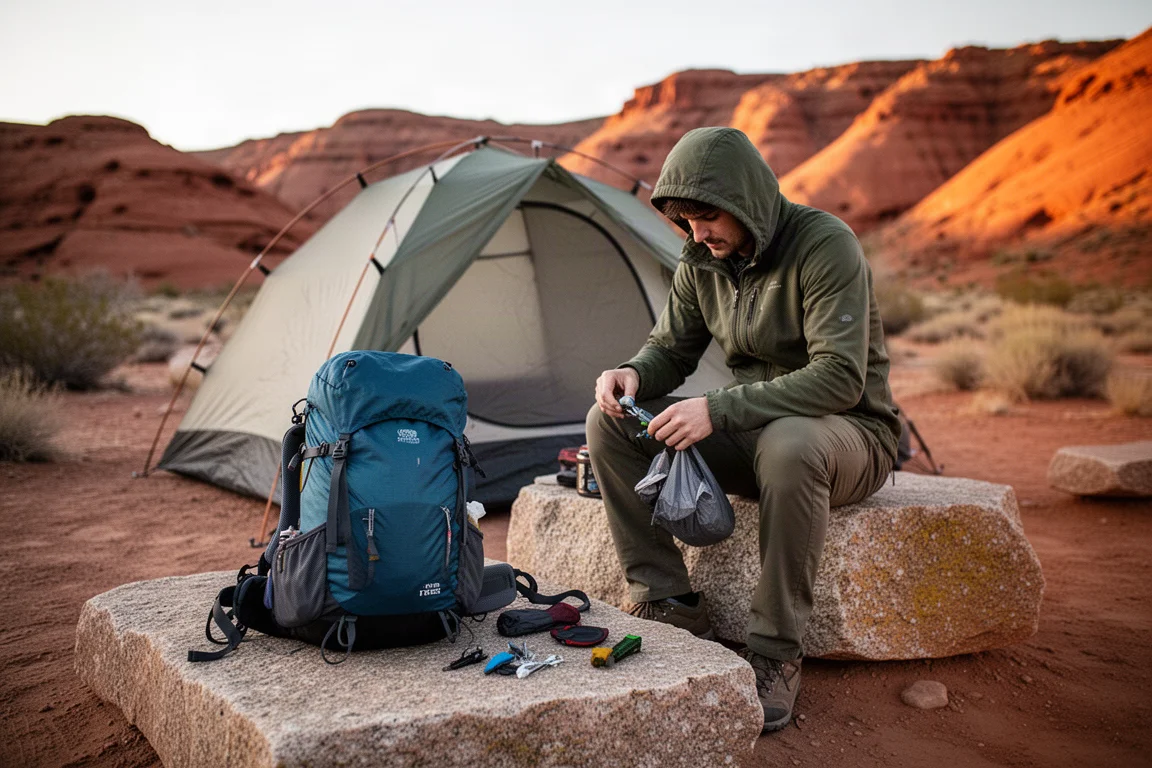
If you are rebuilding a kit, start with the pack, the shelter, and the sleep system, because those three set the tone for everything else. Accessories can follow later, and a chair, a pillow, or a satellite communicator becomes a reasonable addition once the core is settled and the base weight still lands where you want it.
Small items matter too. A pack liner that keeps dry gear dry, a food bag sized for one to three nights, a pad pump that inflates a mat in seconds, and a few hygiene essentials do not add much weight individually, but they change how a trip feels. Together with the pieces above, they turn a 10 lb base weight into a kit that is comfortable rather than merely light.
Conclusion
A 10 lb base weight is not an exercise in deprivation. With a roomy one-person tent, a wide insulated pad, a 20°F quilt, a full camp chair, and a dependable filter, the kit stays comfortable on every night of a trip. Each piece above earns its place, and together they show that light and comfortable are not opposites.
Further reading
Related Reviews

Backpacking Gear
A 15-Pound Lightweight Backpacking Gear List for Solo Trips
A beginner-friendly 15-pound backpacking setup built from easy-to-find gear, with notes on what each piece does, how it packs, and where to spend your attention.

Backpacking Gear
8 Ultralight Backpacking Gear Upgrades Worth Carrying
Eight small, affordable backpacking upgrades that solve real trail annoyances, from a pillow that stays put to a fuel valve that rescues leftover canister gas.
Backpacking Gear
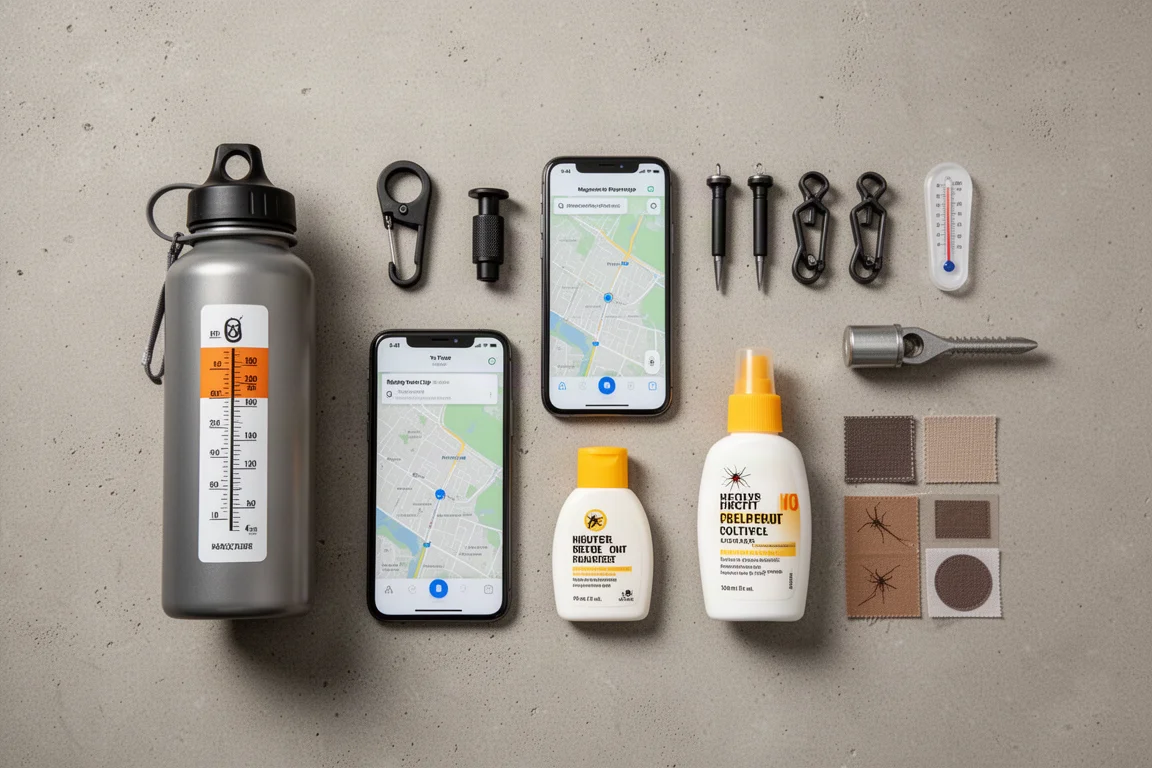
9 Backpacking Essentials Under $30: Small Gear, Big Impact
Nine affordable backpacking accessories that solve real trail problems, from water measurement to gear repair.