Sleeping Bags
Zpacks Classic Sleeping Bag Review: A 471 g Hoodless Down Bag Built for Long Trips
A close look at the Zpacks Classic Sleeping Bag, a 471 g hoodless 900 fill goose down bag that packs down to roughly a one litre bottle and asks $400 for the privilege.
Introduction
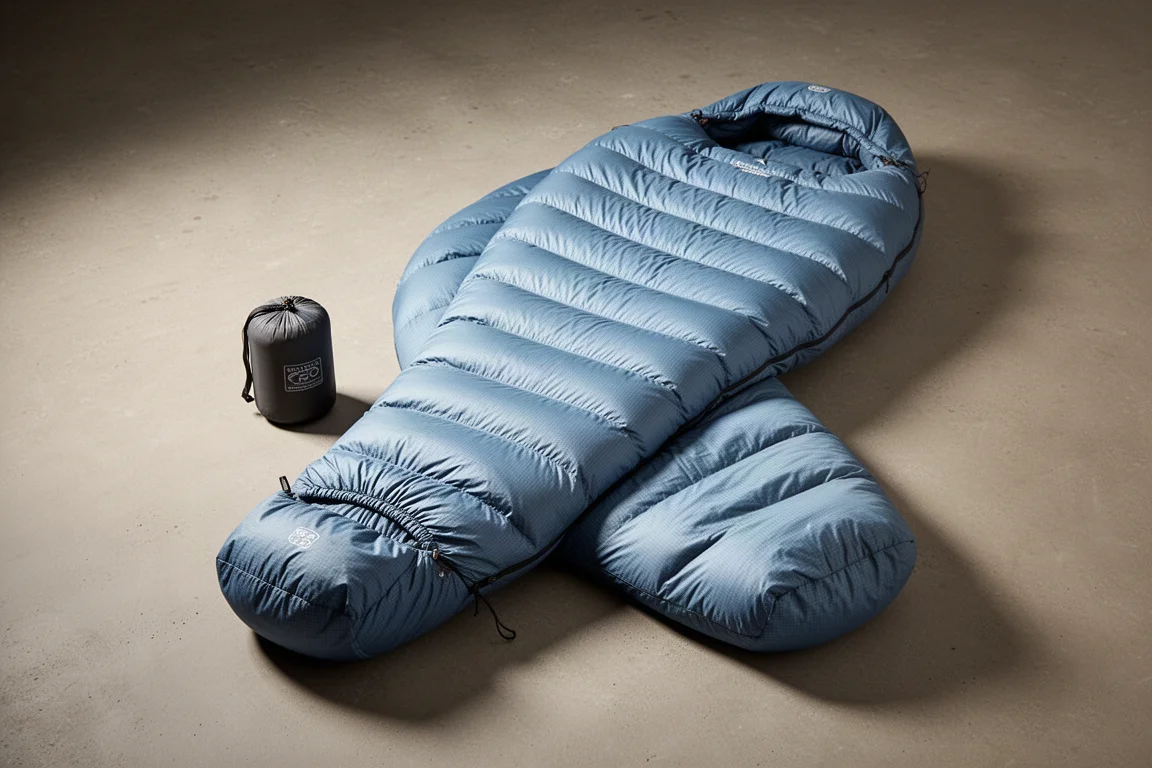
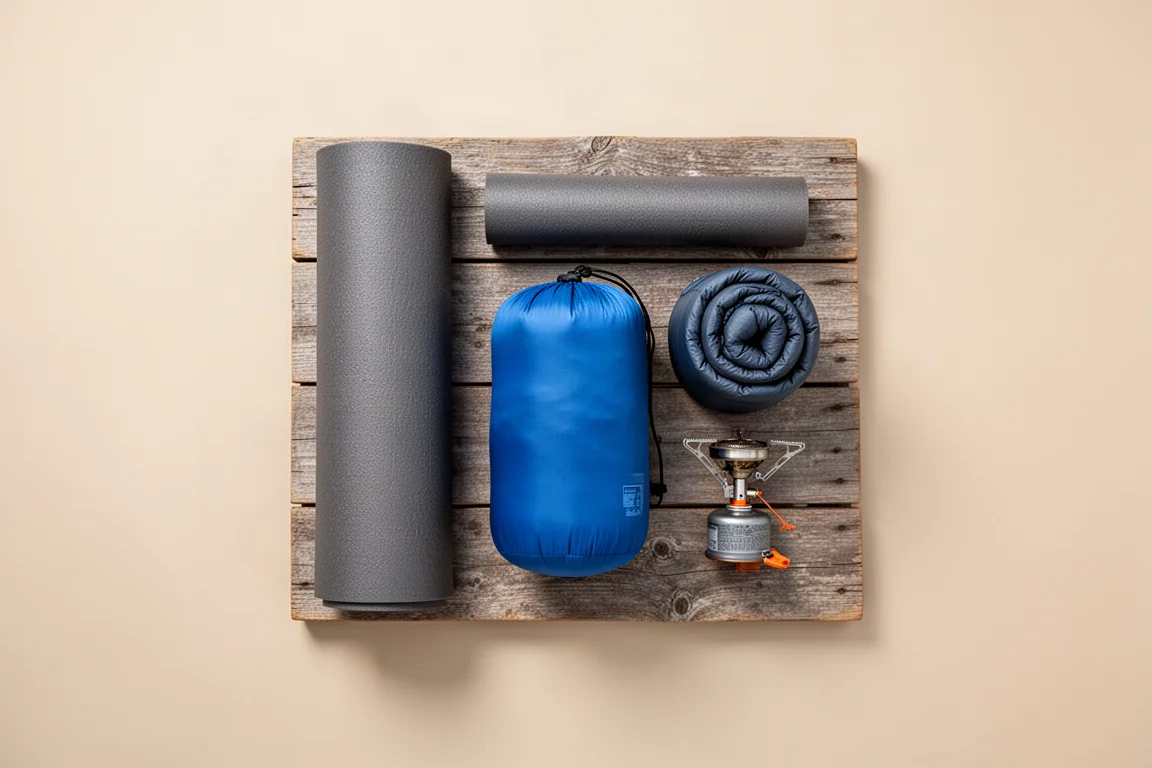
At a glance, the Zpacks Classic Sleeping Bag does not look like a $400 piece of equipment. It arrives as a soft blue bundle of down with no hood, no visible hardware and a name that simply describes what it is. What makes it interesting is not the styling but the numbers behind it: 471 grams of total weight, a packed size close to a one litre bottle, and 900 fill power goose down stuffed into baffles that are deliberately overfilled.
That combination is the whole pitch. Zpacks has spent the design budget on reducing mass and protecting loft rather than adding features, and the result is a bag that behaves more like a quilt than a traditional mummy bag. It is aimed at people who feel every gram in a pack and who would rather carry a single sleep system for a wide range of conditions than own three different bags.
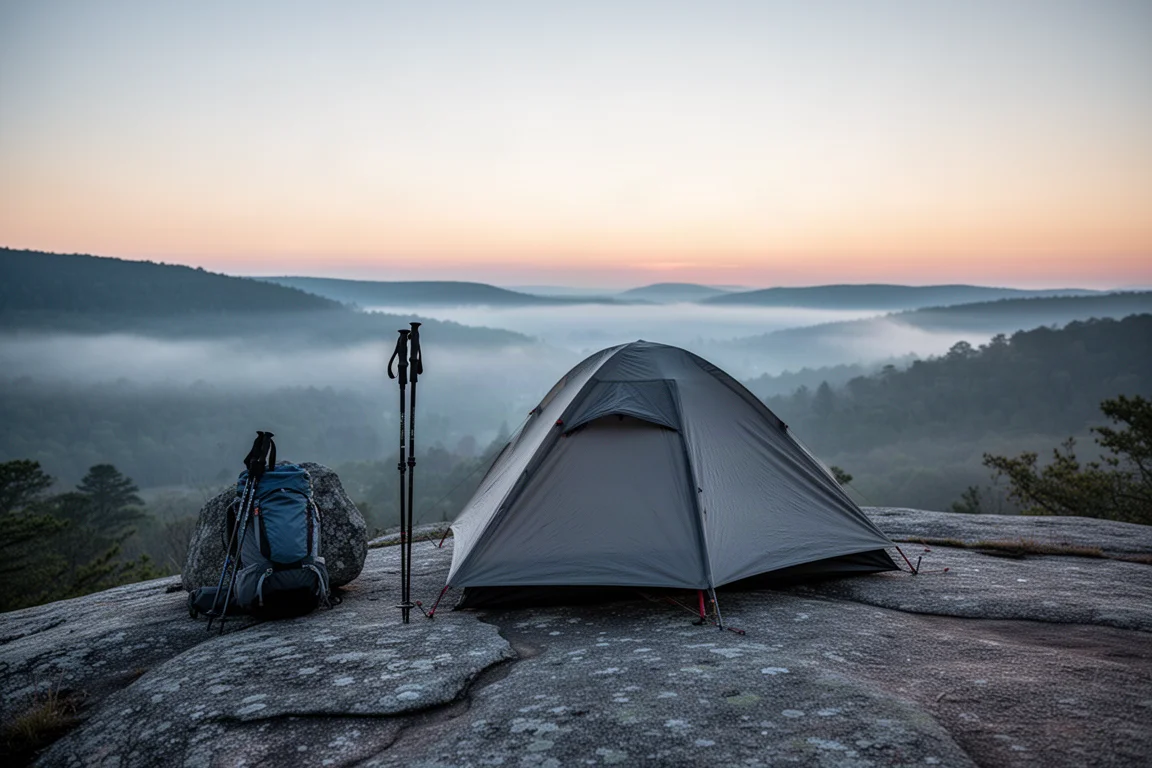
The price is the part most people will hesitate over, and it deserves a straight answer. A basic sleeping bag will keep you warm for a fraction of the cost, and for plenty of campers that is the right call. The Classic Sleeping Bag is for the narrower group of buyers who want a very light, very compressible down bag that will hold its loft over years of use, and who are willing to pay for that margin.
Who This Sleeping Bag Is For
This is a bag for backpackers who count grams. At 471 grams it sits in territory where a typical synthetic bag is two or three times heavier, and the difference is felt most on multi-day trips where every item compounds.
It also suits travellers who move through varied climates with one kit. The bag is light enough to carry in warm conditions while still being warm enough to be the only sleep system you pack, which removes the need to choose between a summer bag and a cold-weather bag before a trip.
Sizing matters here because there is no hood to compensate for a short fit. For a sleeper around five foot seven, the bag is long enough to pull fully over the head, which is how it is meant to be used on cold nights. Taller sleepers should check the stated length carefully before buying.
It is also worth saying that this is not a bag for someone who sleeps cold and wants maximum margin. It rewards warm sleepers and people who layer well.
Main Strengths
A 7 Denier Shell That Keeps the Weight Down
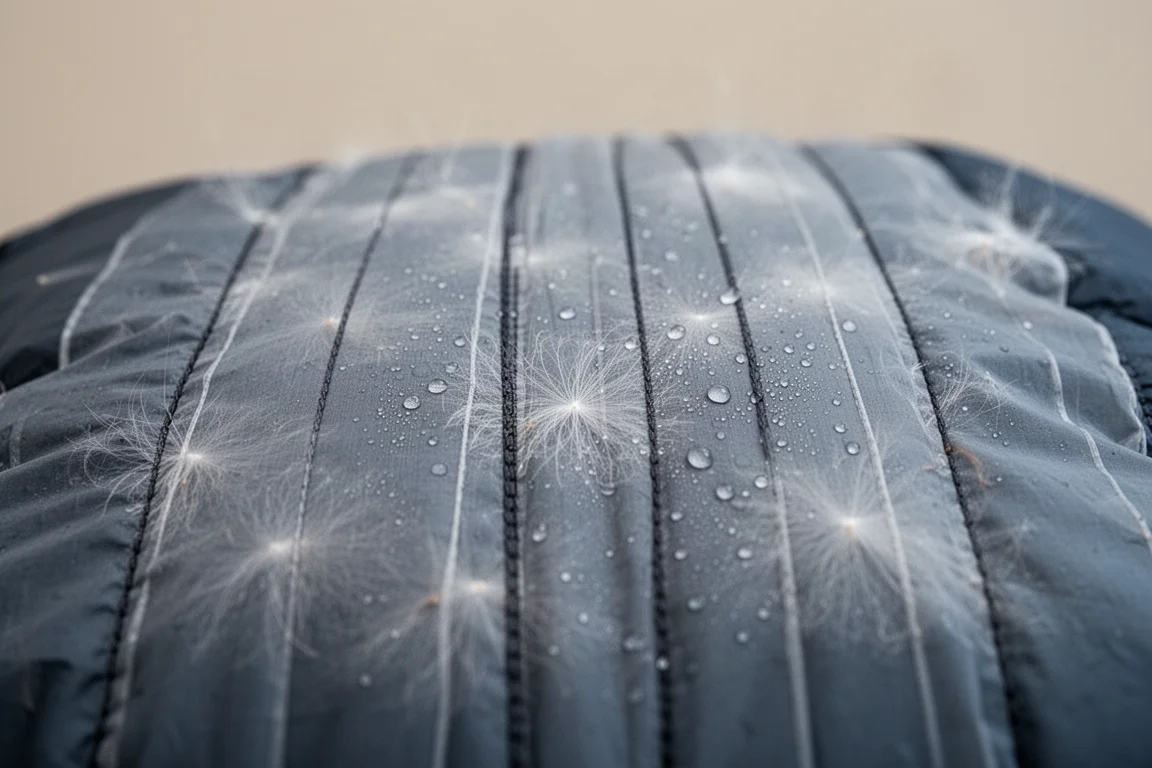
The outer fabric is a durable nylon with a 7 denier weave, treated with a durable water repellent finish. That denier figure is the single biggest reason the bag weighs so little. For context, a waterproof jacket usually uses a 50 to 70 denier fabric and a tent floor can run up to 200 denier, so 7 denier is about as loose and light as a woven shell gets.
In practice the shell shrugs off the fine mist and tent condensation that would otherwise soak into down, and it dries quickly when it does get damp. It feels extremely thin in the hand, though the construction quality is consistent throughout the bag.
900 Fill Goose Down, Overfilled on Purpose
Inside is 900 fill power goose down, which is a very high grade of insulation. Goose down generally traps heat more effectively than duck down, and Zpacks has packed roughly 30 percent more down into each baffle than the minimum required.
That overfill serves two purposes: it maximises loft immediately, and it builds in a reserve so the bag keeps its warmth as the down compresses over time. The down is also treated to be hydrophobic, which means a damp night in a tent does not immediately flatten the insulation. Zpacks states the treated down stays drier for over 90 percent longer than untreated down. The down is certified to the Responsible Down Standard, so the sourcing is traceable.
Baffle Layout and a Shaped Foot Box
The baffles run vertically along the length of the body to hold heat close, then switch to a horizontal layout towards the top of the bag, where an angled foot box gives feet and toes a better fit. Because the seams are not sewn through, the down can migrate inside the bag rather than being locked into fixed channels, which helps when you want to shift insulation towards the cold spots.
Packed Size and Practical Details
The bag compresses down to roughly the size of a one litre bottle, and it ships with a dry bag style stuff sack that closes with velcro and a small clip. A fine elastic drawcord at the open end cinches around the shoulders or, on colder nights, over the head, turning the whole bag into a sealed cocoon. The shell is also quiet, which matters more than people expect when you are sharing a tent.
Things to Consider Before Buying
No Hood Means You Need a Hat
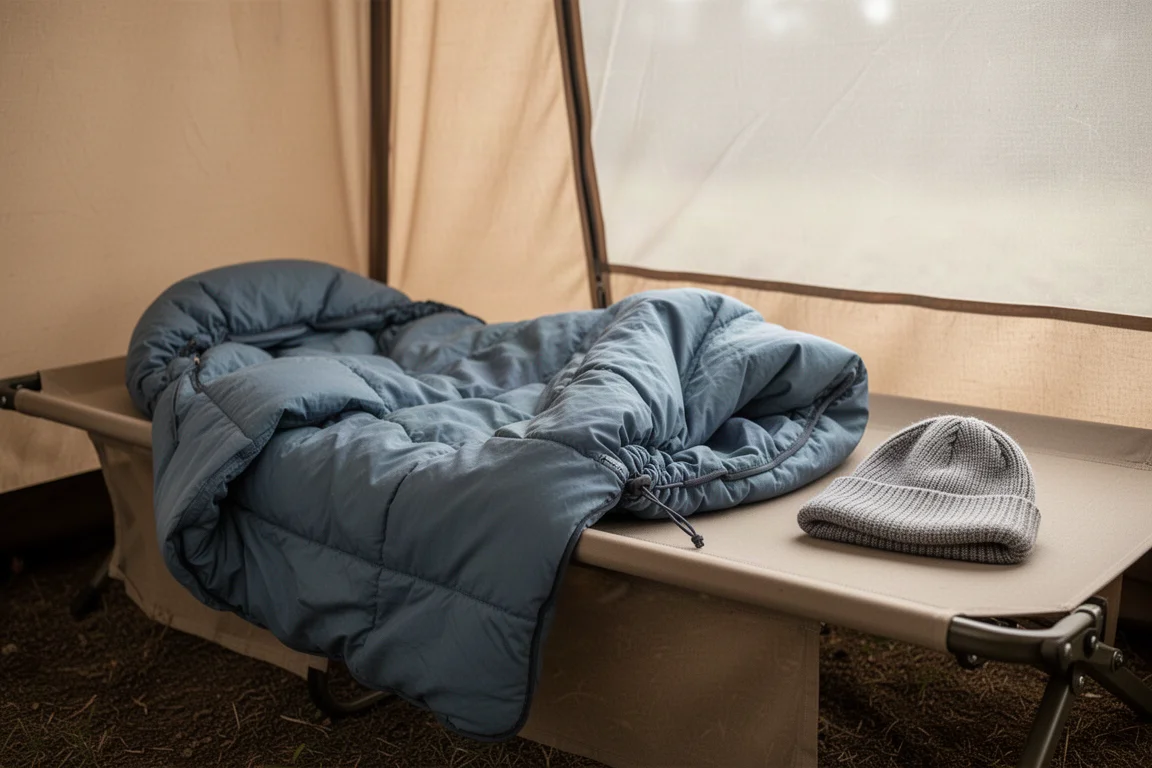
There is no hood on this bag, and no mummy-style shape to seal around the face. The elastic drawcord around the shoulders does most of the work, but on cold nights you will want a warm hat. If you sleep cold and rely on a hood to stay comfortable, this is the trade-off to weigh.
The Shell Is Delicate by Design
A 7 denier weave is not built to resist abrasion. The fabric is thin enough that individual down fibres can work their way through it, and it will not enjoy being dragged across rough ground or sharing a pack with sharp objects. Treating it gently and storing it loosely will matter for longevity.
The Zip and the Open Baffle Design
The zip is three-quarter length and one-way, so it stops at the top of the foot box and cannot be opened from the bottom to vent. There is also no storm baffle behind the zip, which is why many owners sleep on top of the zip to close that gap. The open baffle construction is comfortable and flexible, but over prolonged use there is a reasonable question about whether down will gradually migrate along the length of the bag. In normal use so far it has held its shape well.
The Price
At $400 this is a serious purchase. It buys a very light, very well-made bag with a high grade of down, and nothing in the construction feels skimped. It does not, however, buy a bag that will suit every sleeper or every budget.
Buying Advice
The honest starting point is that you do not need to spend this much on a sleeping bag. A simple bag at a fraction of the price will keep you warm, and for car camping, occasional summer trips or a first kit, that is a sensible place to start.
The Classic Sleeping Bag makes sense when weight and packed volume are the deciding factors, or when you want one bag that covers a wide range of trips rather than a collection. In that role it earns its price: the combination of a 471 gram weight, 900 fill goose down, hydrophobic treatment and a shell that packs to about a litre is difficult to match, and the overfilled baffles suggest it was designed to last rather than to be replaced in a few seasons.
If you decide to go ahead, budget for a hat and a plan for storage. Keep the bag loose and dry between trips, use the supplied dry bag for travel, and avoid stuffing it into a crowded pack alongside hard-edged gear. Treated well, this is the kind of bag that follows you through years of trips rather than a single season.
Conclusion
The Zpacks Classic Sleeping Bag is a deliberately simple product that earns its price through engineering rather than features. It is light, it compresses to almost nothing, and its 900 fill goose down is overfilled and treated so that loft and dryness survive real-world camping conditions.
The trade-offs are equally clear: no hood, a very thin 7 denier shell, a three-quarter one-way zip and a $400 price tag. For backpackers who count grams and travellers who want one sleep system for everything, those compromises buy something genuinely useful. For everyone else, a conventional bag remains the better value, and there is no shame in that.
Product link
View more details for Zpacks Classic Sleeping Bag
This product is mentioned in the review. Check the specifications, options, and compatibility before buying.
View more details for Zpacks Classic Sleeping BagFurther reading
Related Reviews
Sleeping Bags
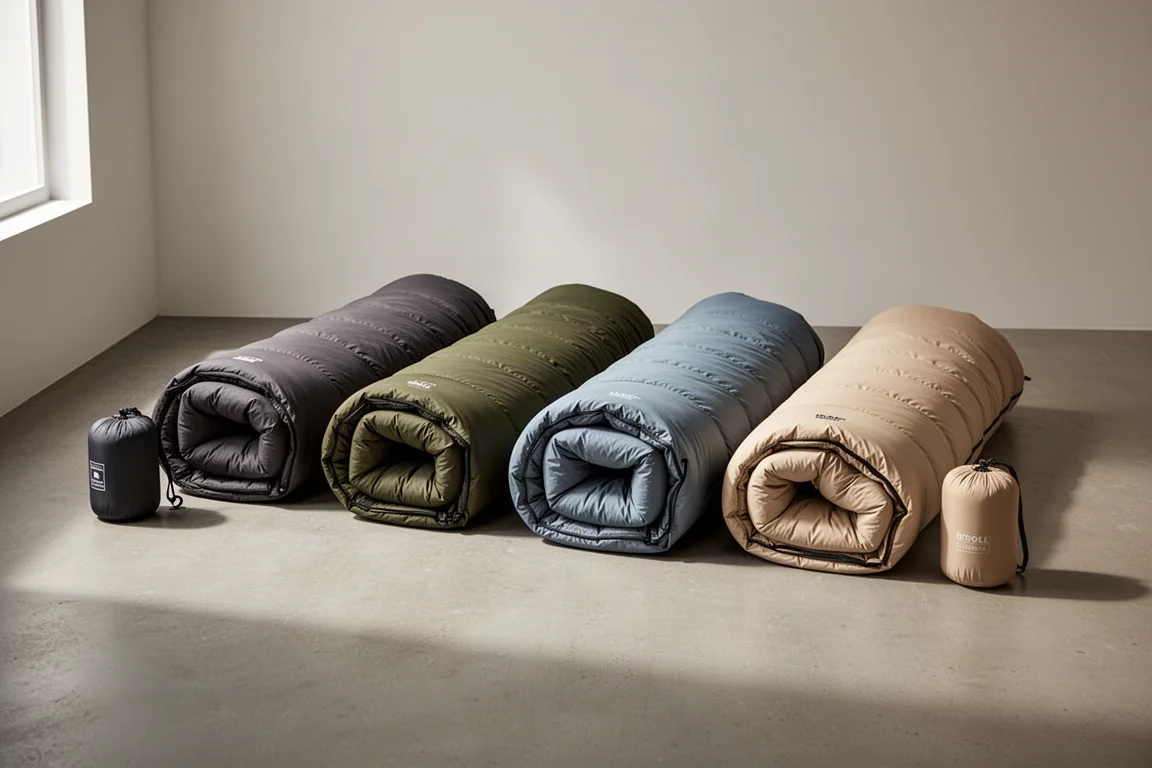
Best Down Sleeping Bags Under $300: Four Backpacking Options Worth a Look
Four down sleeping bags that stay under $300, compared on fill power, baffle design, hood comfort, and packed size.
Sleeping Bags
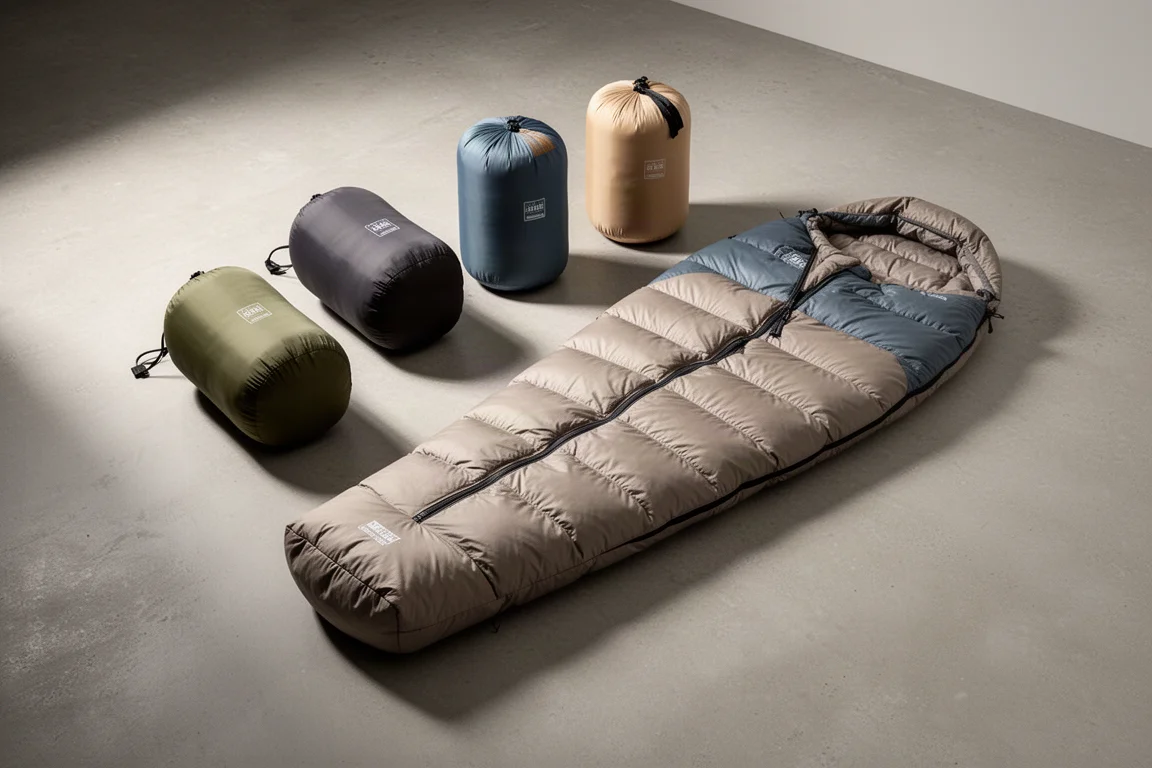
Best Sleeping Bags and Sleep Systems: Five Premium Down Picks Compared
Five premium down sleeping bags and sleep systems compared on warmth, weight, construction, and value.
Sleeping Bags
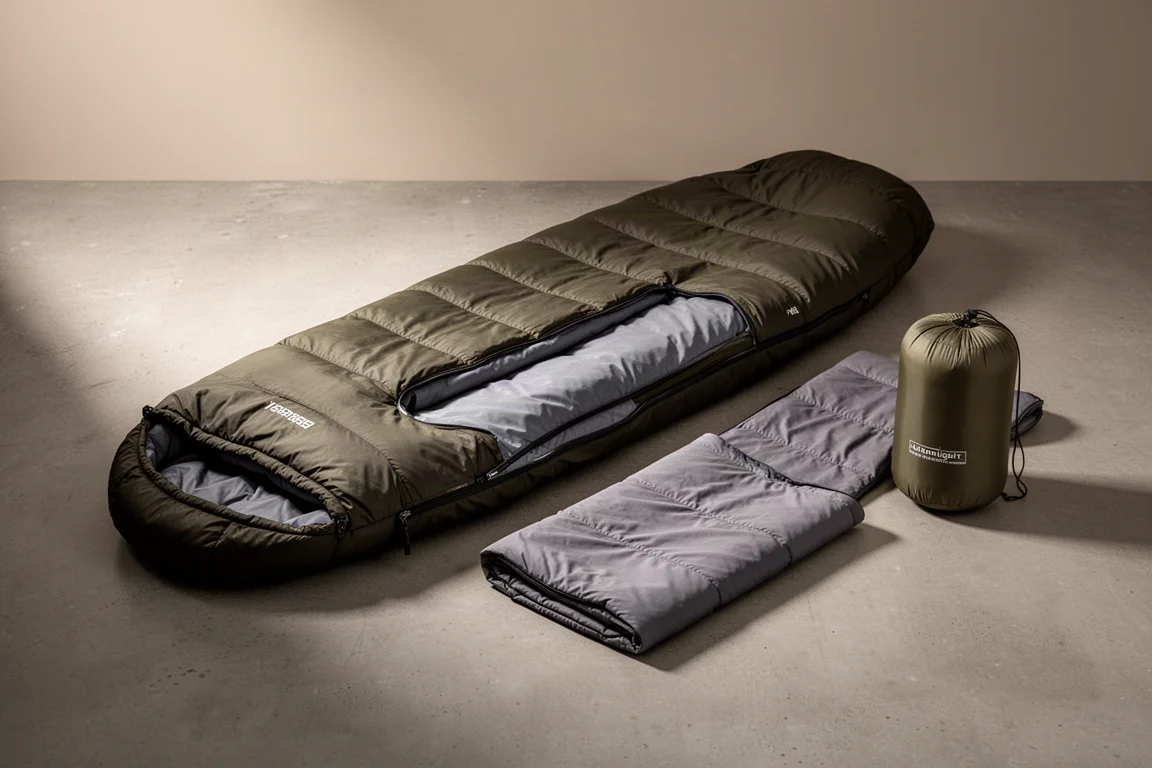
Big Agnes Lost Ranger UL 3-in-1 Sleeping Bag System Review: One Bag, Three Setups
A practical look at the Big Agnes Lost Ranger UL 3-in-1 Sleeping Bag System, covering how the three configurations work, where it shines, and the details worth weighing before buying.