Sleeping Bags
Big Agnes Lost Ranger UL 3-in-1 Sleeping Bag System Review: One Bag, Three Setups
A practical look at the Big Agnes Lost Ranger UL 3-in-1 Sleeping Bag System, covering how the three configurations work, where it shines, and the details worth weighing before buying.
Introduction
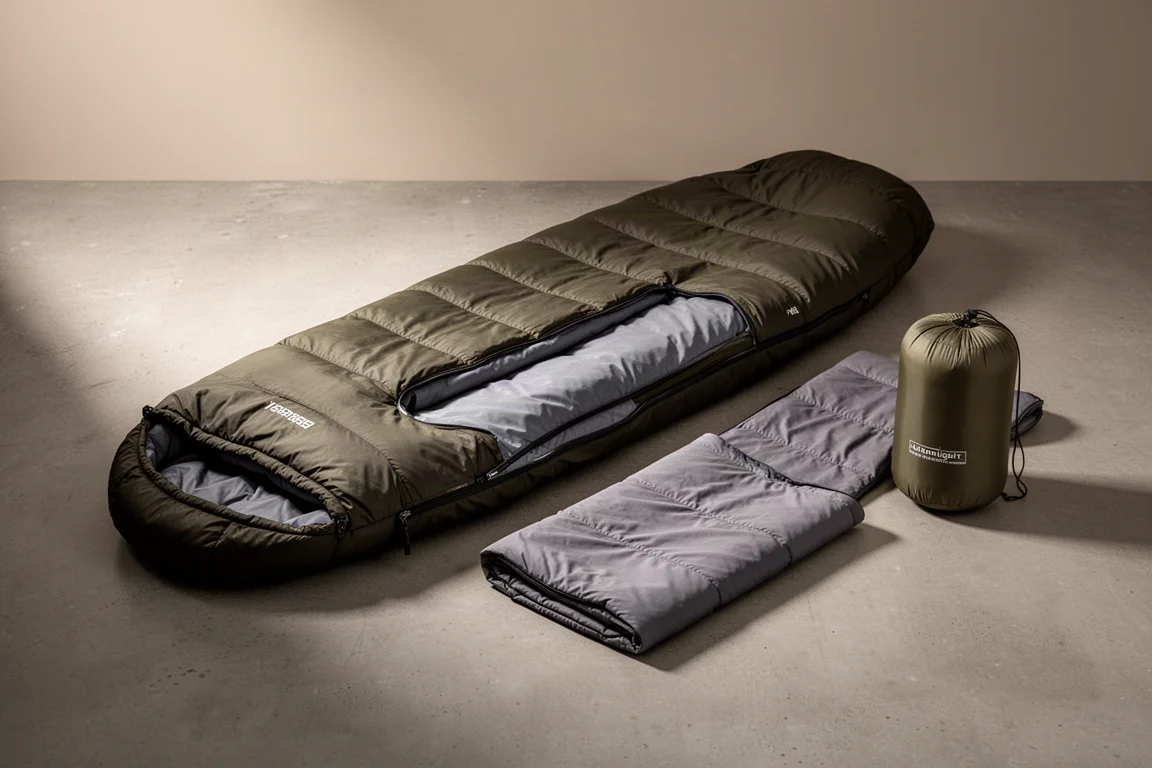
A three-in-one sleeping bag sounds like a compromise waiting to happen: a bag that does several jobs but none of them especially well. The Big Agnes Lost Ranger UL 3-in-1 Sleeping Bag System is a different proposition. It pairs an outer bag with a sewn-in pad sleeve and a full-length zipper on the left side with a removable mummy-shaped liner, so a single purchase covers three distinct setups. The outer bag alone works as a warm-weather quilt, the liner alone works as a lighter mummy bag, and both together form a 15 degree system.
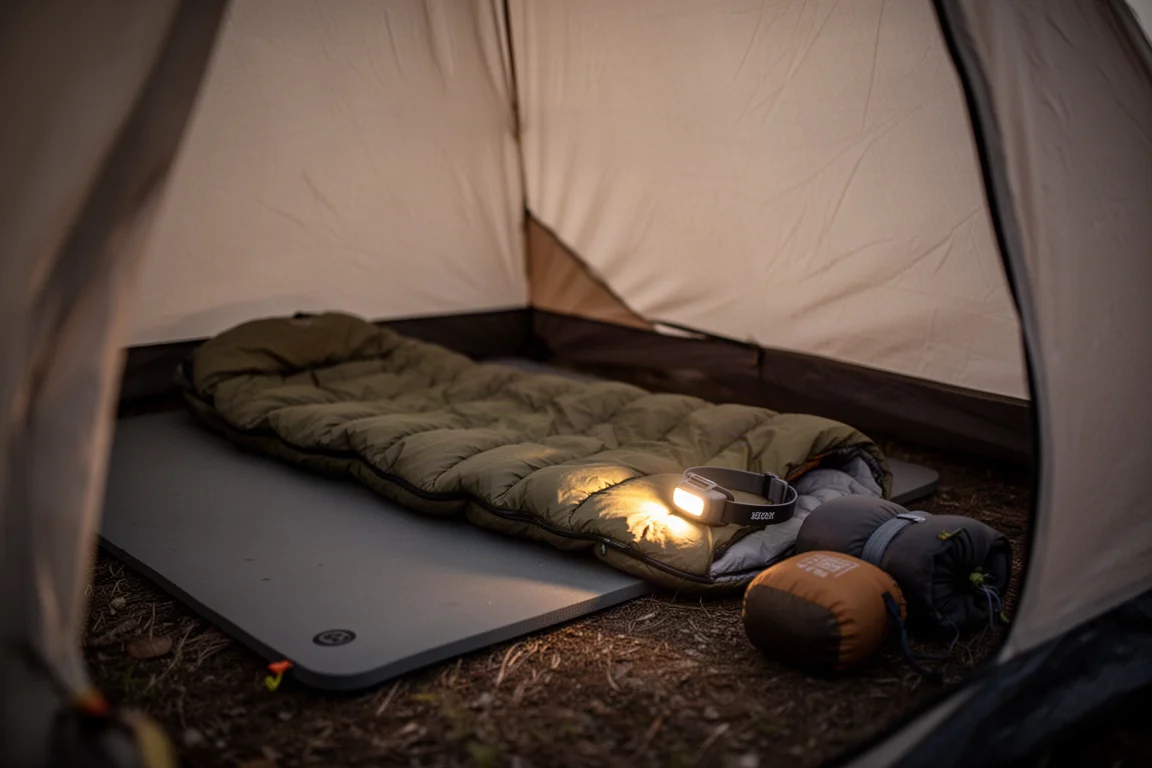
After a stretch of nights in the field, that flexibility has proven to be more than a spec-sheet talking point. The system is warm, comfortable, and far less fiddly in practice than the number of zippers suggests. What follows is a practical look at how the three configurations work, where the design shines, and the handful of details worth weighing before you buy.
Who This Sleeping Bag System Is For
This system suits backpackers who camp across a wide range of conditions and would rather carry one adaptable setup than own two or three separate bags. It is also a natural fit for side sleepers, since the liner is built around a design focused on making side sleeping easier, and for campers who spend long evenings in a tent before the temperature really drops.
It is less obviously aimed at someone who wants the simplest possible bag. If you rarely camp in warm weather and prefer a single, fixed configuration, a traditional mummy bag may still be the more straightforward choice.
Main Strengths: A Three-in-One Design That Actually Works
The core of the system is straightforward. The outer bag is attached to a sewn-in pad sleeve and closes with a full-length zipper on the left side, which makes entry easy. The mummy-shaped liner sits inside and can be removed entirely. Used alone, the liner works as a standalone bag. Used alone, the outer bag works as a lighter, roomier option. Used together, they form the complete system the bag was designed around.
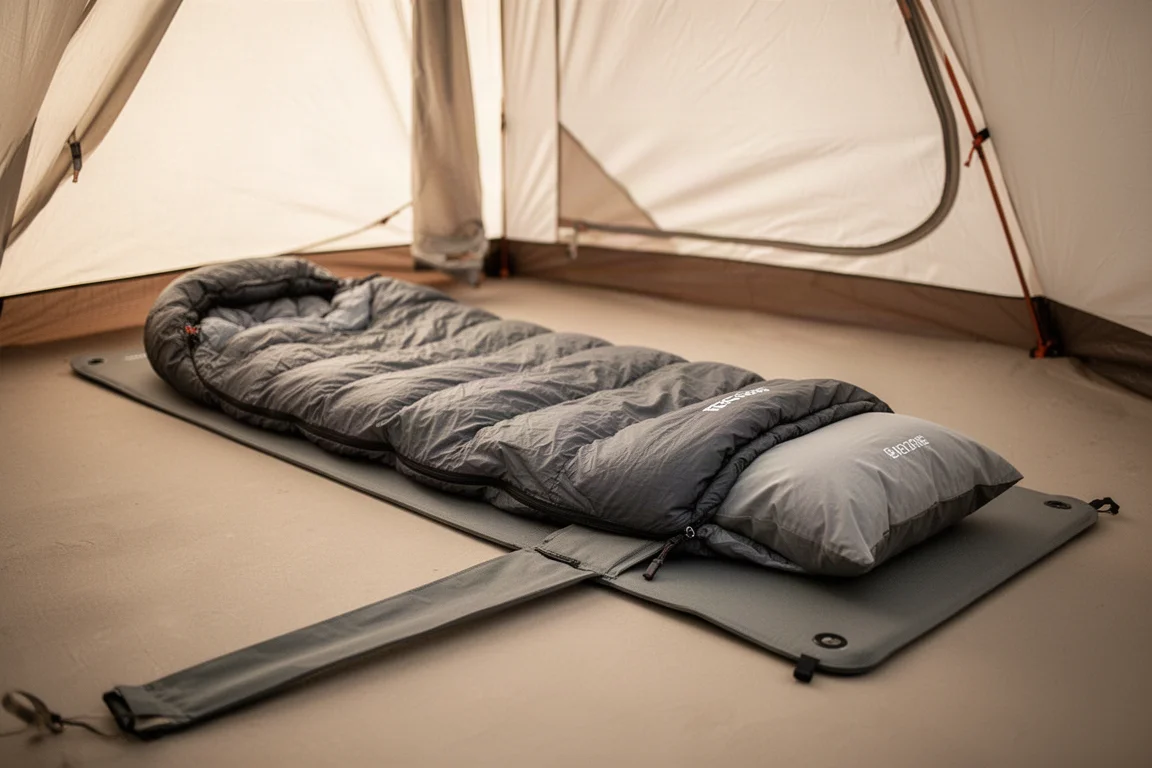
Weight is where the design earns its place in a pack. The outer bag alone weighs about one pound, and the full regular-size 15 degree system comes in at two pounds two ounces, with 850 fill down that is treated for moisture resistance. In camp, that means you can sit around in the outer bag when the evening is mild, then slide into the liner once the temperature drops, rather than climbing into a full cold-weather bag you do not need yet.
Warm-Weather Mode: Using the Outer Bag as a Quilt
On its own, the outer bag carries a 50 degree temperature rating, which makes it a strong warm-weather option. Rather than a loose blanket, you get a shaped bag with a pad sleeve that keeps you centred on your sleeping pad and a pillow barn sewn into the sleeve, with a strip of elastic that stretches to hold a pillow in place through the night.
The outer bag uses sewn-through construction, a reasonable match for a 50 degree rating rather than a deep-winter one. The baffles run horizontally across the bag, and an additional baffle at shoulder height stops the down from shifting and piling up along the sides, a detail that matters more than it sounds once you are actually lying in it. At the head end, a generous opening, a draft tube over the zipper, and a drawstring closure let you cinch the bag down around the shoulders instead of across your face. The full-length side zipper also includes a second pull, so you can open the foot area when using the outer bag on its own.
Cold-Weather Mode: Adding the Mummy Liner
The liner is based on a design focused on side sleeping, and it shows. It closes with a centre zip and roughly a three-quarter opening, so you get in from the top rather than the side, and it finishes with a traditional mummy-style hood. Both the outer bag and the liner use sewn-through baffles, but because the two sets of baffles are offset, they do not line up exactly, which helps avoid the cold spots you might expect from two identical layers stacked together.
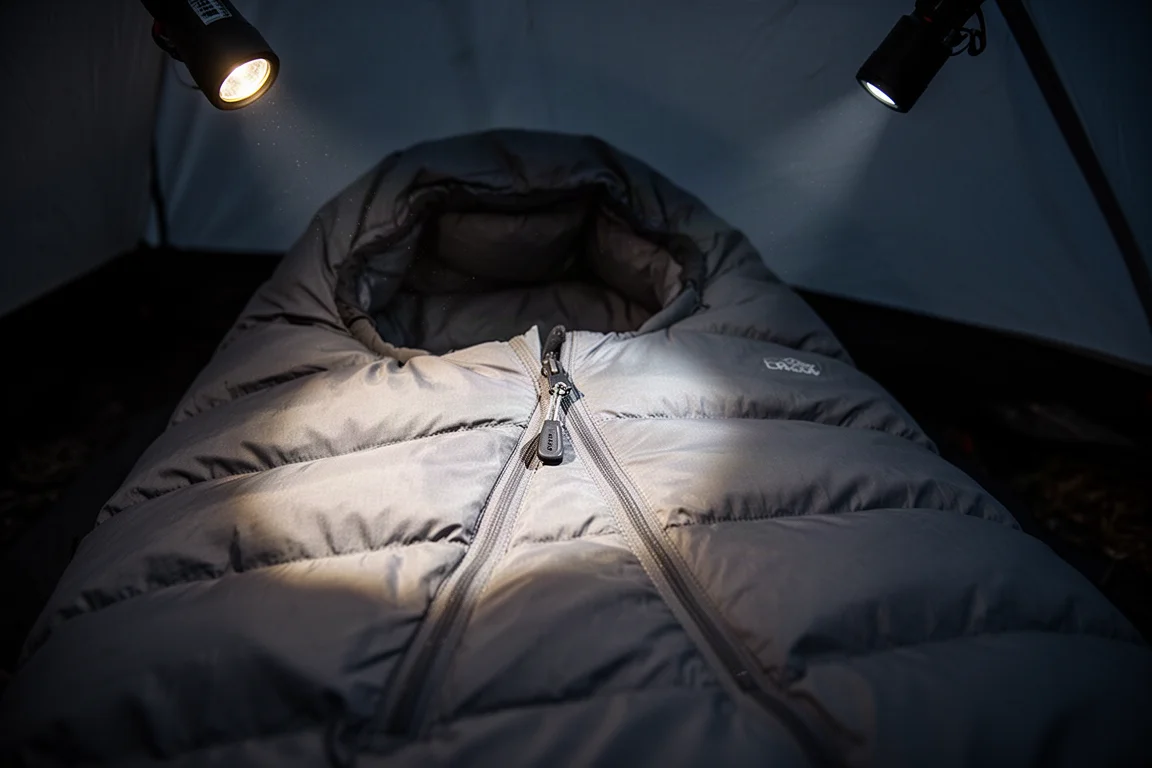
Getting in and out is easier than it looks. You slide into the liner, close it, get into the outer bag, and then close the liner from the inside once the outer bag is zipped up. There is no need to seal the liner first and then reach back through the hood to work the side closures. The main annoyance is that the lightweight fabrics occasionally snag on the liner zipper. Fit through the shoulders and hood is otherwise comfortable, with a liner foot box that is wider and roomier than the outer bag’s.
Across several nights, the system has been consistently warm with no cold spots, and the comfort has held up well.
Things to Consider Before Buying
A few details are worth knowing before you commit. The foot box is rectangular and roomy, but it is not especially tall, so sleepers who like to stretch out flat may find it restrictive. At around five foot nine, the top edge of the outer bag finishes close to the face, which means tucking it under the chin, and a slightly curved cut there would be an improvement over the current straight edge. There is also no secondary zipper on the right side, so you cannot open the quilt up for extra venting on milder nights.
The other consideration is your sleeping pad. Because warmth comes from the combination of bag and pad, the pad sleeve is designed to be matched to the conditions you expect, and it adjusts from a 20 by 72 inch pad up to 25 by 78 inches using a small toggle. That range covers most pad sizes and the sleeve self-centres on the pad, but the insulation value still depends on what you pair it with. Finally, that second zipper pull on the outer bag is only useful in outer-bag mode, since the option to open the foot area is not available once you are zipped inside the liner.
Buying Advice
This system makes the most sense for backpackers who want one bag to cover variable conditions, and who value being able to hang out comfortably in camp before committing to a full cold-weather setup. The adjustability of the pad sleeve is a genuine advantage if you already own a pad in the 20 to 25 inch width range, since you are not locked into a single pad size.
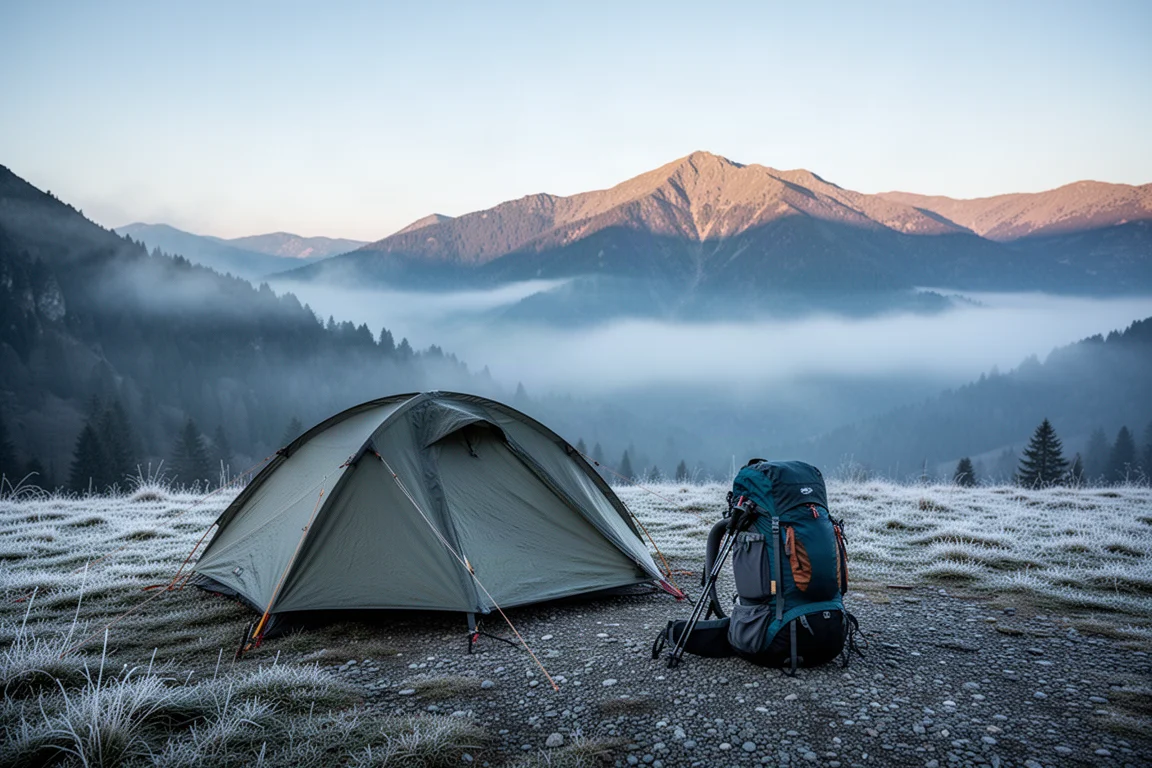
If your trips are mostly cold and you never camp in warm weather, a dedicated cold-weather bag will be simpler. If your trips are mostly mild, the outer bag alone is a light and practical option at around a pound. For everyone in between, the appeal is not any single mode but the fact that all three live in one package, and the design holds up in the field rather than only on paper.
Conclusion
The Big Agnes Lost Ranger UL 3-in-1 Sleeping Bag System is one of the more convincing pieces of sleeping bag design to come along in a while. The three configurations each do their job, the pad sleeve adapts to a useful range of pad sizes, and the offset baffles and shoulder-level baffle show real attention to how down behaves overnight. The foot box height, the position of the outer bag’s edge near the face, and the absence of a right-side venting zipper are the trade-offs to accept, and none of them is a deal breaker. For backpackers who want one adaptable system instead of a shelf of single-purpose bags, this is an easy recommendation.
Product link
View more details for Big Agnes Lost Ranger UL 3-in-1 Sleeping Bag System
This product is mentioned in the review. Check the specifications, options, and compatibility before buying.
View more details for Big Agnes Lost Ranger UL 3-in-1 Sleeping Bag SystemFurther reading
Related Reviews
Sleeping Bags
Best Down Sleeping Bags Under $300: Four Backpacking Options Worth a Look
Four down sleeping bags that stay under $300, compared on fill power, baffle design, hood comfort, and packed size.
Sleeping Bags
Best Sleeping Bags and Sleep Systems: Five Premium Down Picks Compared
Five premium down sleeping bags and sleep systems compared on warmth, weight, construction, and value.
Sleeping Bags
Big Agnes Torchlight 20: Synthetic vs Down Sleeping Bag Comparison
Two identically built Big Agnes Torchlight 20 sleeping bags, one synthetic and one 850 fill power down, compared on warmth, weight, packability, and price.