Sleeping Bags
Best Sleeping Bags and Sleep Systems: Five Premium Down Picks Compared
Five premium down sleeping bags and sleep systems compared on warmth, weight, construction, and value.
Introduction
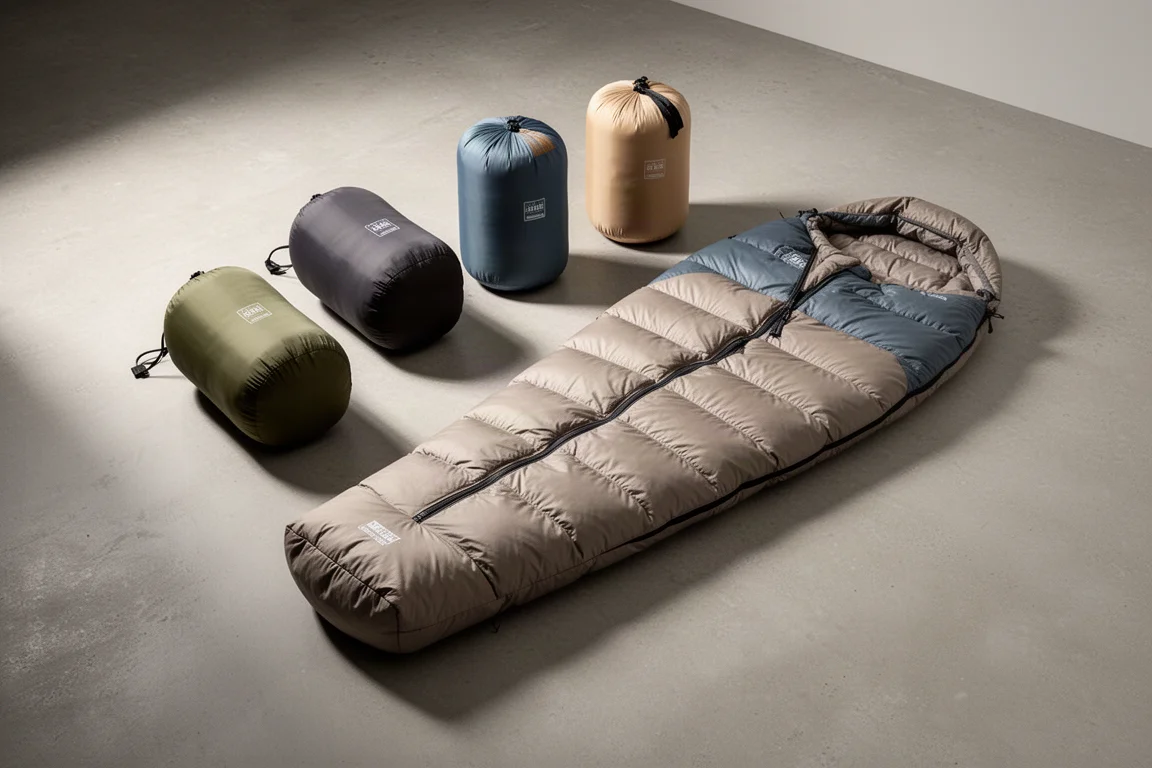
Choosing a sleeping bag at this level comes down to how you sleep and what you are willing to carry, not just a temperature number. The five options in this roundup are all down filled, all certified to the Responsible Down Standard, and all rated between 15 and 30 degrees Fahrenheit. Fill powers run from 750+ to 850+, and prices sit in the range of roughly $350 to almost $600.
Each one solves a slightly different problem. Some prioritize warmth for the weight, others prioritize room to move, and others can be reconfigured as conditions change. What follows is a practical look at what each design does well, where it falls short, and the kind of camper it tends to suit.
What to Look For in a Premium Down Sleeping Bag
Fill power is the first number worth understanding. It describes how much space an ounce of down occupies, so higher fill powers generally mean more warmth for less weight. The bags here span 750+ to 850+, and the lighter options in the group lean on the higher end of that range.
Temperature ratings are a starting point rather than a promise. A 15 degree bag and a 30 degree bag can feel very different depending on how much loft sits between you and the cold, how the baffles are arranged, and how much dead space the cut leaves around your body.
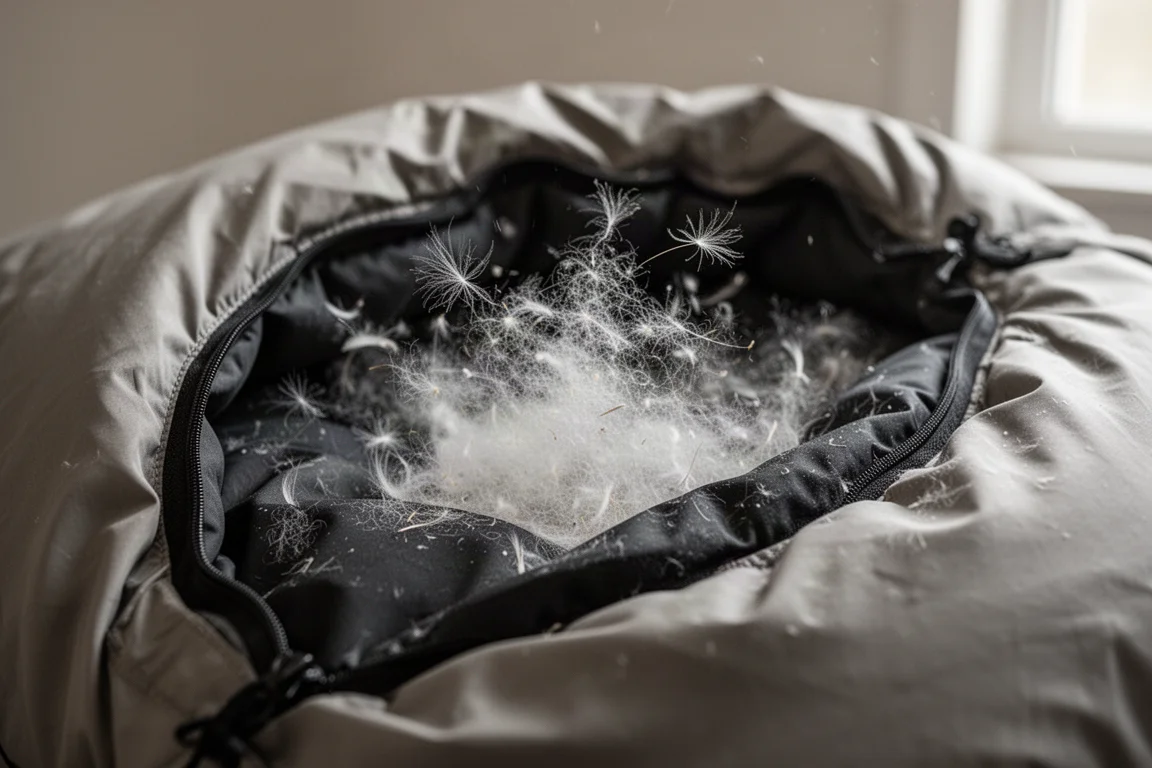
Construction details matter just as much as the numbers. A differential cut, where the inner shell is smaller than the outer shell, helps stop elbows, knees, and heels from pressing the down flat and creating cold spots. Baffle layout does similar work by keeping down from shifting to one side overnight. Zipper design, draft collars, and draft tubes are the last line of defense, and they are also the details you notice most at two in the morning.
Weight and packed size are the trade-offs that come with all of it. More zippers, more fabric, and lower fill powers all add grams, so the right answer depends on whether you are counting ounces or counting comfort.
Outdoor Vitals Summit 30: Light, Warm, and Built for Room to Move
The Summit 30 uses 800 fill power HyperDry down, a treated fill designed to hold up better if moisture finds its way into the bag. The shell is a 10D ripstop nylon that feels soft rather than sticky, and it is a clear step up from the fabric used on earlier Summit Series bags.
Inside, the foot box has an anatomical shape with plenty of room, and the cut stays generous through the shoulders and around the knees. A differential cut keeps the inner shell smaller than the outer one, which makes it harder for body parts to press the down flat while you move around during the night.
The draft collar uses velcro tabs to close, a less intuitive arrangement than the collars found on other bags in this group, and it exists mainly because of the center zip layout. That center zip is the main trade-off. Getting out in the middle of the night releases a lot of the warm air the bag has built up, and climbing back in means warming it up all over again. Draft tubes run down both sides of the zipper to keep cold air from tracking along the opening, and the hood is simple and does its job.
Big Agnes Lost Ranger 15: A Three-in-One Sleep System
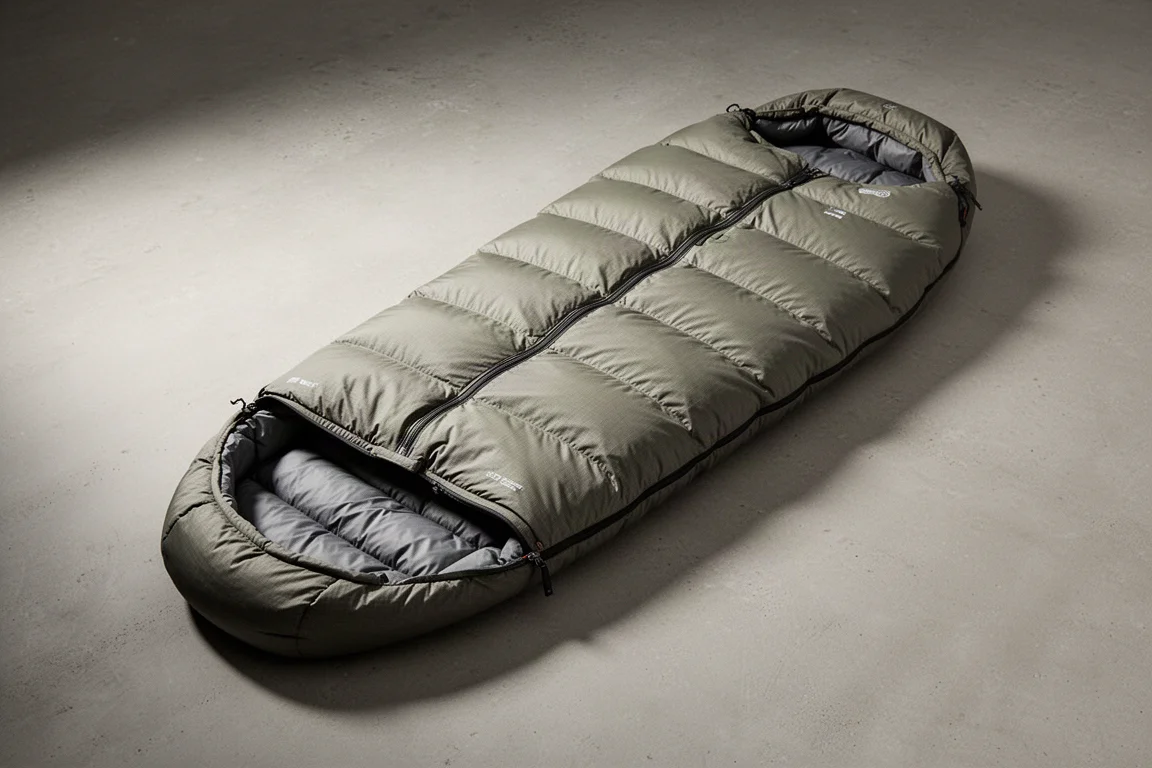
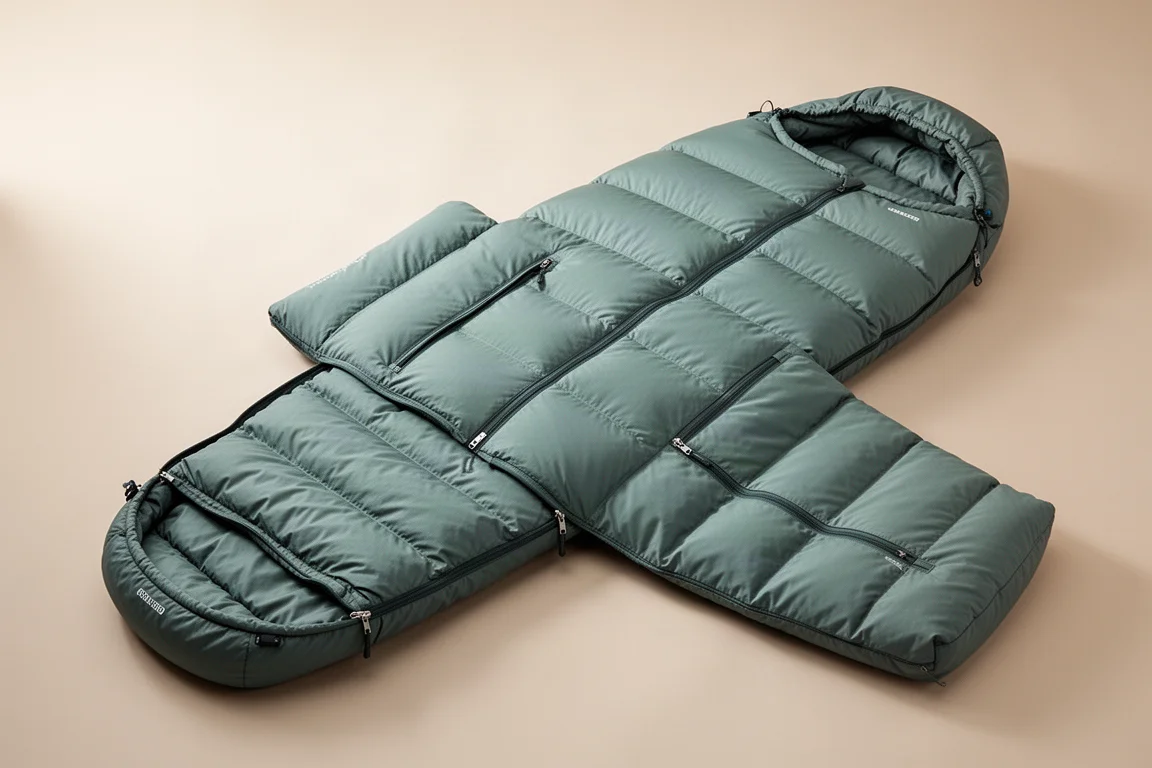
The Lost Ranger 15 is really three sleep setups in one. There is an outer bag with a pad sleeve attached, an inner bag, and the option to combine them. Used alone, the outer bag is the lighter layer. The inner bag works on its own for warmer nights. Layered together, the two form the warmest configuration.
The system runs 850 fill power down, which keeps the overall weight reasonable for what it offers. Both layers use sewn-through baffle construction, and the baffles do not line up with each other once the bags are nested. That offset is what keeps cold spots from forming at the seams.
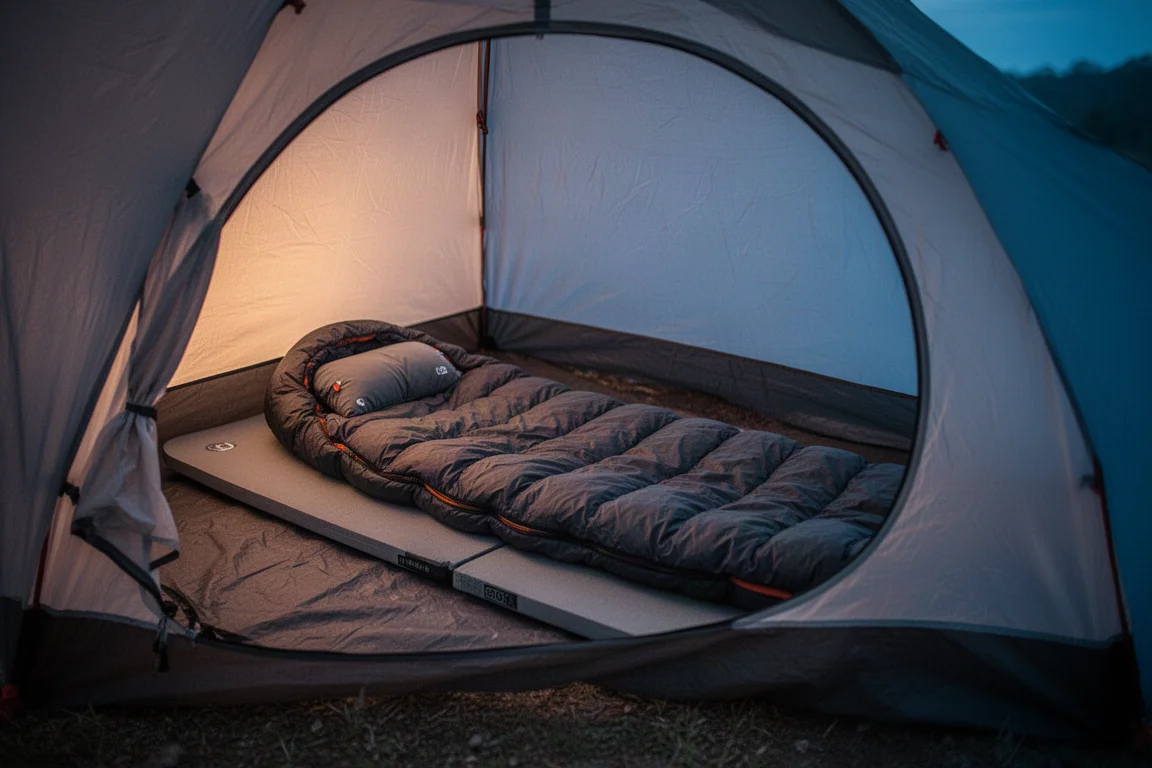
The pad sleeve attaches the bag to a sleeping pad and can be adjusted, and a pillow barn at the top holds a pillow in place through the night. Getting in and out is the awkward part. The outer layer opens with a single full-length zipper on the left side, but the inner bag adds a second zipper, and managing both while half asleep is slow. The inner layer also feels tighter and more enclosed than the outer one.
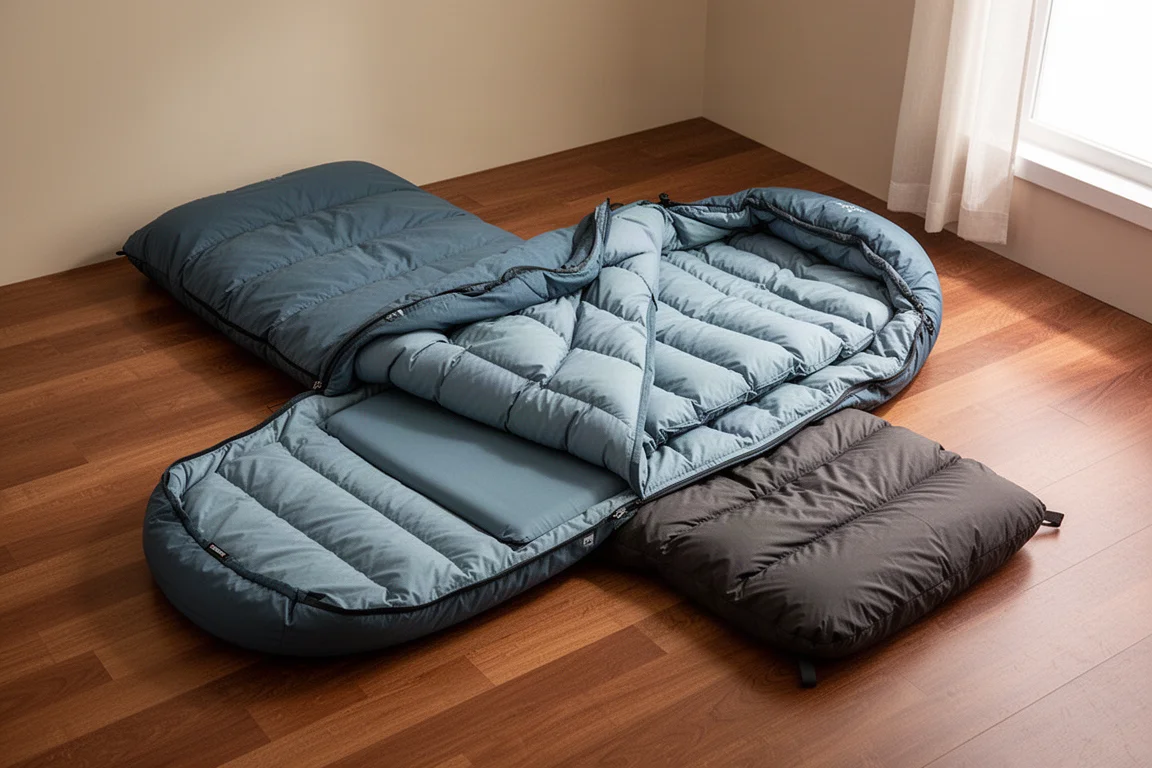
NEMO Light Bed: A Quilt and Sheet Setup That Feels Like a Bed
The Light Bed pairs a top quilt with a full sheet system, and the two clip together along the sides. That connection is what separates it from a standard quilt. With the clips engaged, the quilt stays put and drafts do not creep in at the edges. For warmer nights, the quilt can be spread wider and opened up for more room to move.
The hood is one of the best parts of the design. There is a lot of space inside it, enough to fit a full-size camp pillow, and the coverage still extends over the head. A curved seam along the top of the collar cinches tighter only from certain points, which lets the sides tuck in around the hood and close off the gaps.
The baffling is zoned, with vertical baffles through the torso and horizontal baffles elsewhere, and the down is an 800 fill power HyperDry fill. The complete system comes in under $400, and there is very little to criticize here.
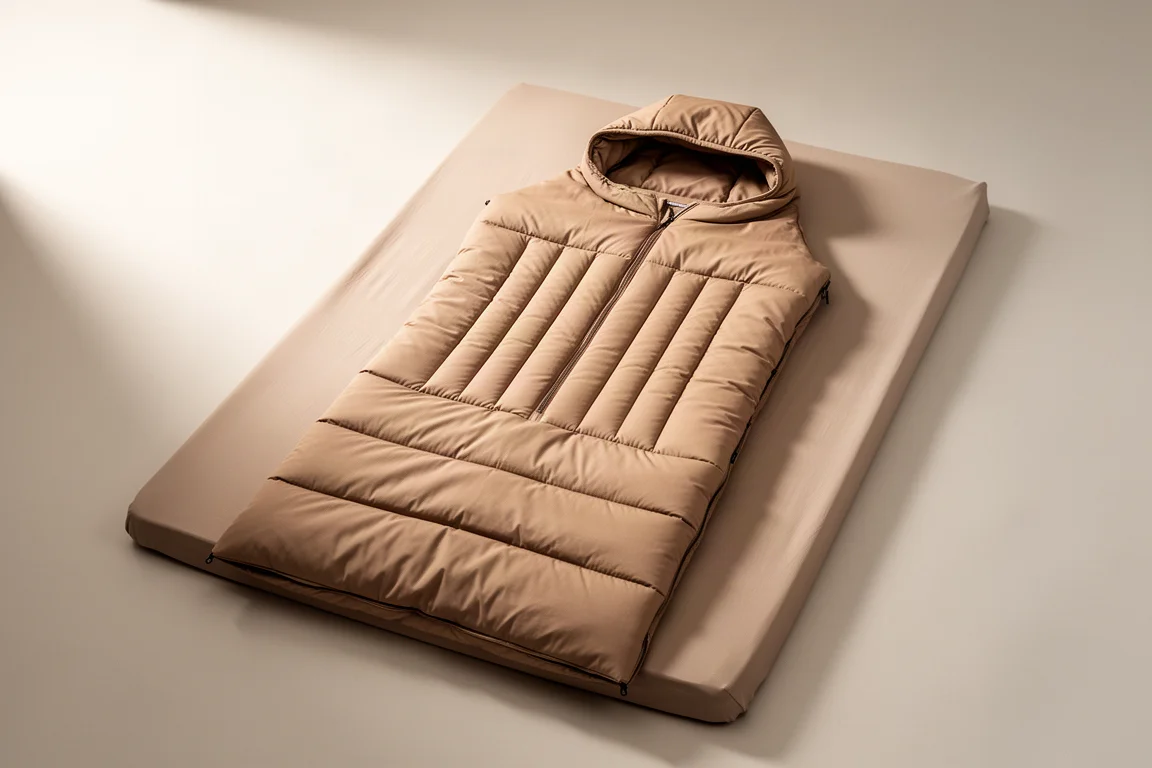
Western Mountaineering Ultralight 20: The Warmest Bag in This Group
The Ultralight 20 is made in the USA and uses 850+ fill power down, which is often understood to perform closer to the 900 to 950 range in practice. The result is a bag with a lot of loft that stays warm without much bulk, and it is the option here least likely to leave you reaching for extra layers.
The shape is a traditional mummy cut, which keeps dead space to a minimum and lets your body heat the bag efficiently. The foot box still has enough room for your feet to move, and a differential cut helps the down hold its loft. Fill is distributed evenly across the back as well, so side sleepers do not wake up on a cold patch.
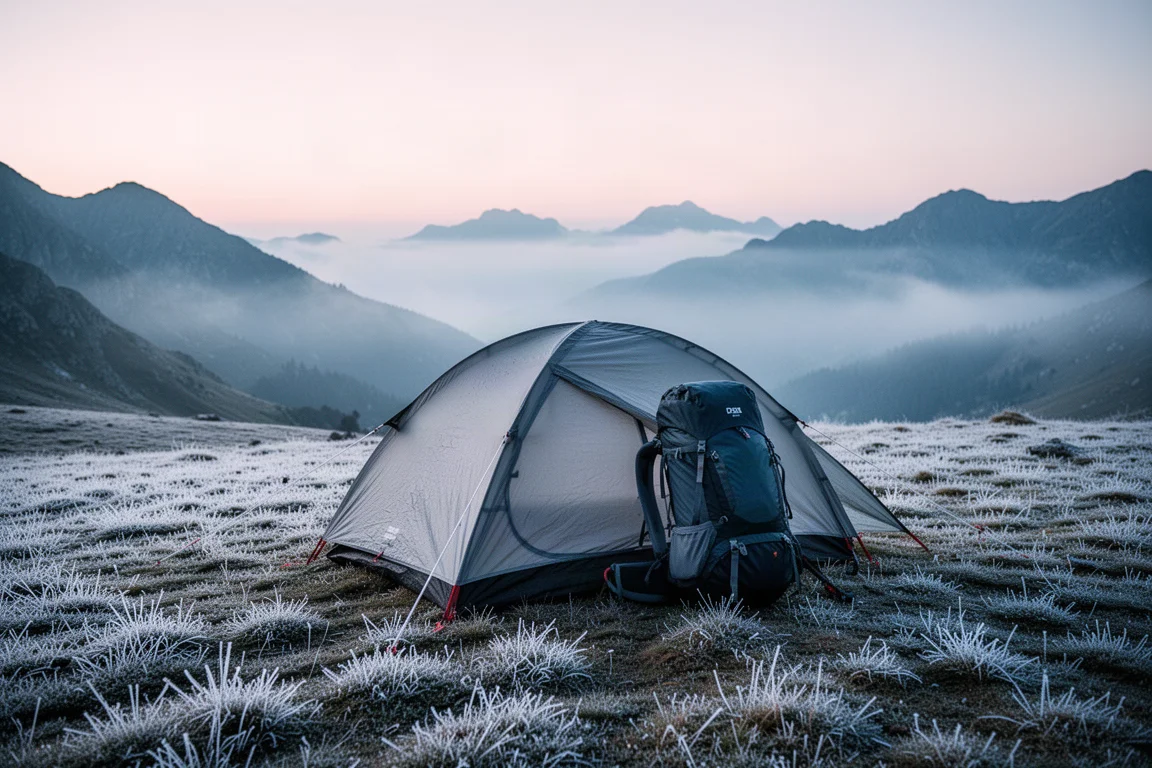
The zipper is a standout detail. Wide tape runs along both sides of a robust number five zipper, and it slides without catching. A draft collar with an additional internal cinch lets you seal the opening down tight.
The trade-offs are straightforward. This is the most expensive bag in the group at almost $600, and the mummy shape will feel restrictive to anyone who prefers space around the shoulders. Campers who need more shoulder girth can look at the AlpinLite from the same maker.
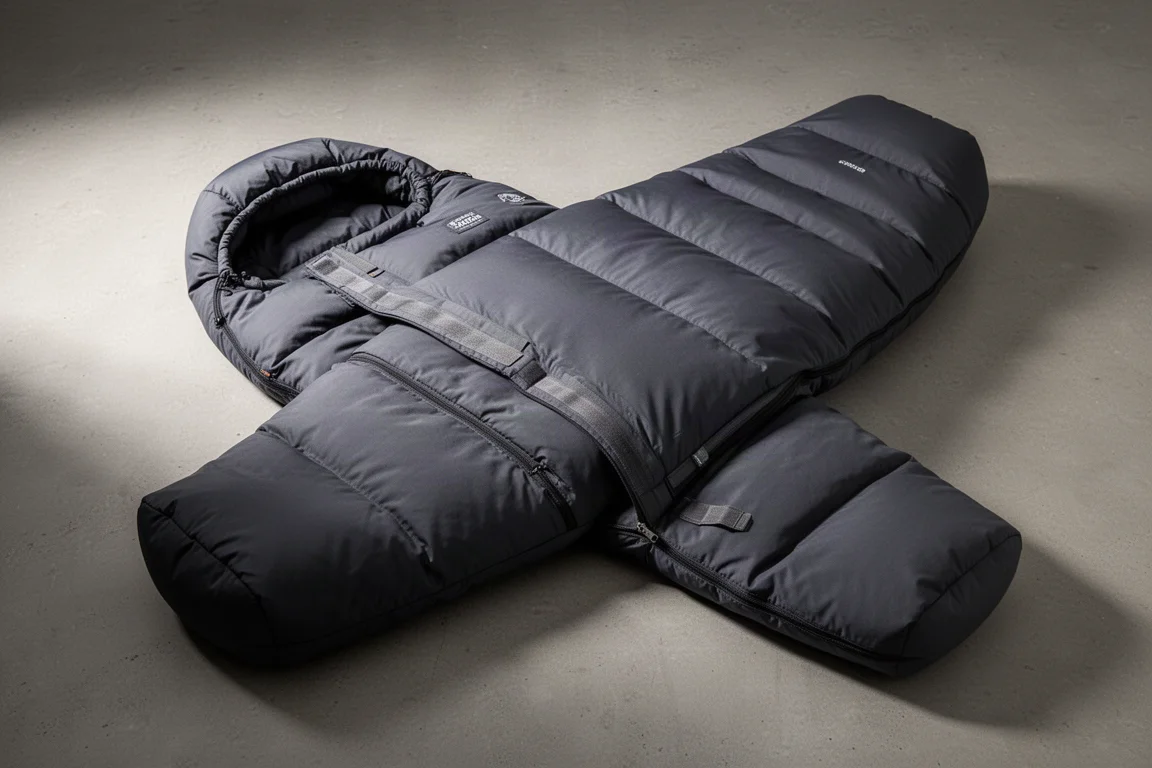
Sea to Summit Ascent AC2 15: Zippers That Add Versatility
The Ascent AC2 15 stands out for its zipper layout. There is a full-length zipper on the left side, a half-length zipper on the right, and a third zipper at the foot box. Together they let the bag open in ways a single-zipper design cannot.
That flexibility is genuinely useful. On mild nights you can vent the torso and keep your arms outside the bag while sitting up in the tent. Opened all the way, the bag works as a quilt or a blanket. The overall shape is comfortable and reads almost like a bed rather than a cocoon.
The fill is 750+ fill power down, which is the lower end of the range in this group, and it adds some weight compared with higher fill power options. The hood is a little awkward in use. The bigger consideration is value: for the weight and the temperature rating, this bag costs more than expected, and there are stronger options at this price.
How to Choose Between These Five Sleep Systems
Start with the conditions you actually camp in. If most of your trips sit near or below freezing and weight matters, the Western Mountaineering Ultralight 20 is the strongest performer here, with the loft and construction to match its price. If you want a bed-like feel and the ability to open things up on warm nights, the NEMO Light Bed covers both ends of that range for under $400.
Modularity is the deciding factor for the Big Agnes Lost Ranger 15. It is the most configurable system in the group, and it is also the most expensive and the most fiddly to get in and out of. The Sea to Summit Ascent AC2 15 trades weight for ventilation and flexibility, which suits campers who value options over minimum pack weight. The Outdoor Vitals Summit 30 sits in the middle: a soft shell, an anatomical foot box, and a differential cut, with a center zip that some sleepers will love and others will not.
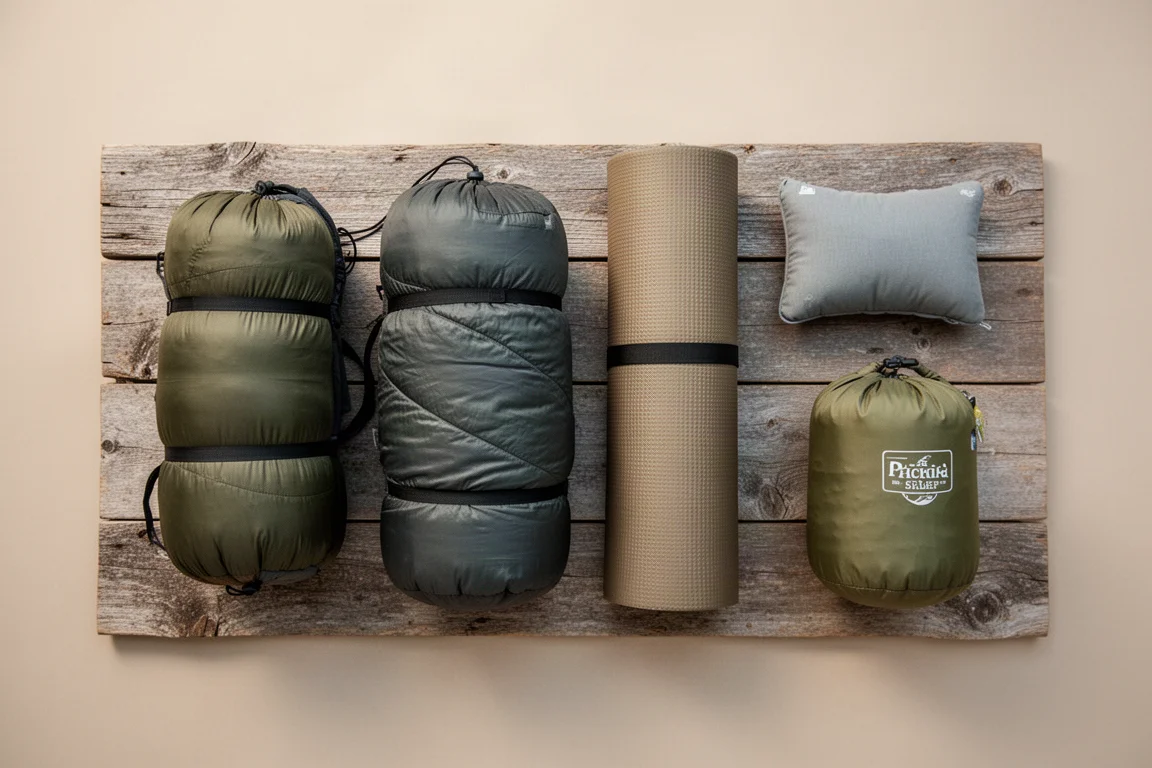
One practical note applies to all five. Every bag here is down filled and certified to the Responsible Down Standard, so keeping them dry matters. A water-resistant coating on the down, as found on the Summit 30 and the Light Bed, adds some margin, but a dry bag or a pack liner is still the simplest insurance.
Conclusion
There is no single best answer among these five, only the one that matches how you sleep and what you carry. Warmth-to-weight points to the Western Mountaineering Ultralight 20. Comfort and a bed-like layout point to the NEMO Light Bed. Modularity points to the Big Agnes Lost Ranger 15, ventilation points to the Sea to Summit Ascent AC2 15, and a roomy, soft-shelled 30 degree bag points to the Outdoor Vitals Summit 30. Any of them is a serious step up from a basic bag, and each one earns its place for a different kind of camper.
Further reading
Related Reviews
Sleeping Bags
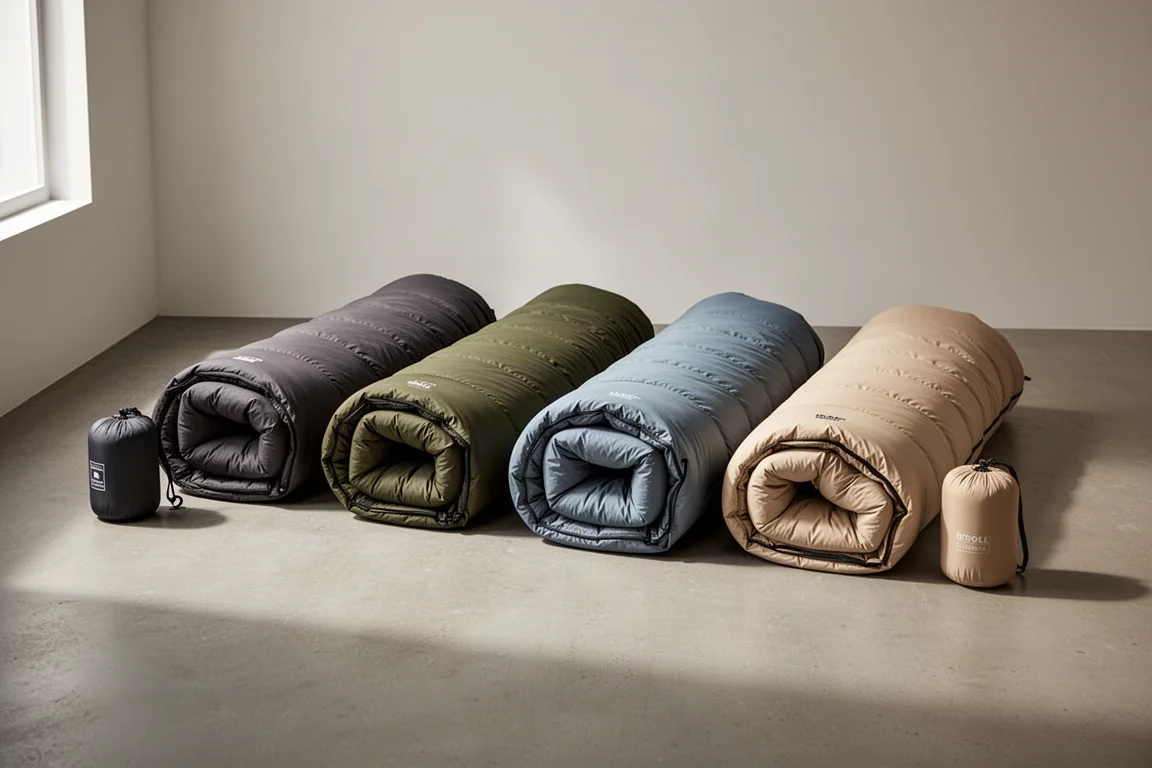
Best Down Sleeping Bags Under $300: Four Backpacking Options Worth a Look
Four down sleeping bags that stay under $300, compared on fill power, baffle design, hood comfort, and packed size.
Sleeping Bags
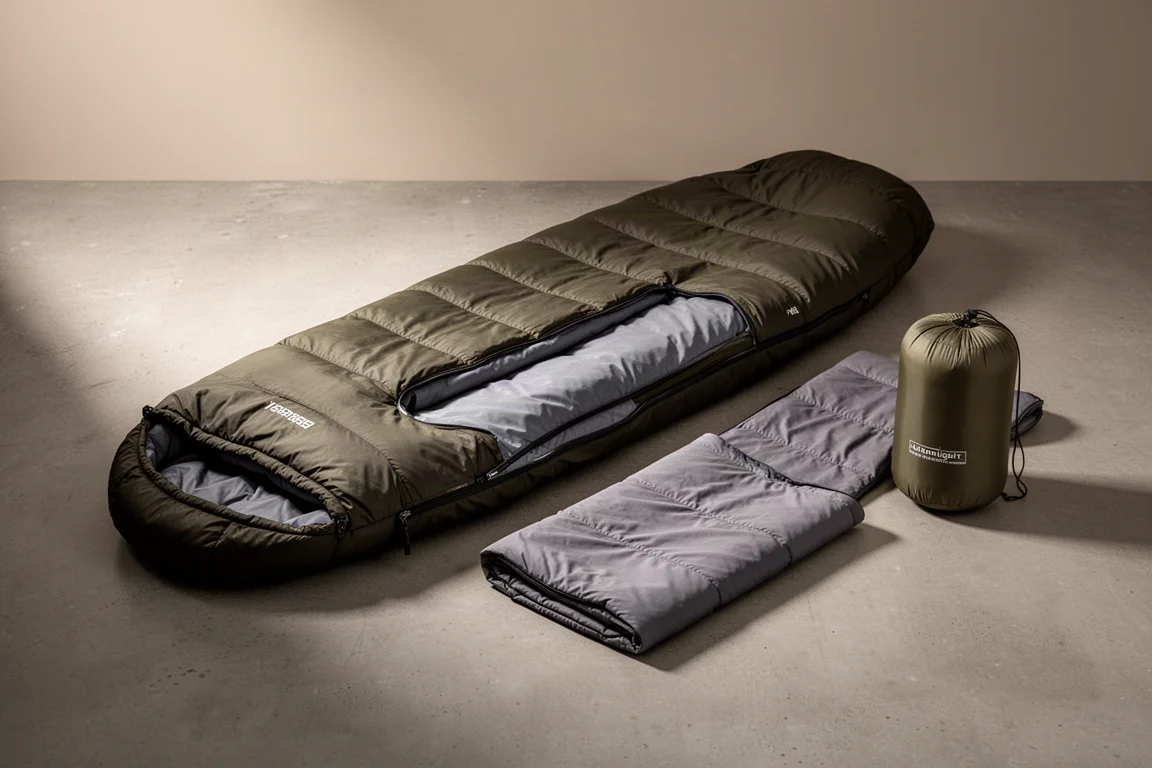
Big Agnes Lost Ranger UL 3-in-1 Sleeping Bag System Review: One Bag, Three Setups
A practical look at the Big Agnes Lost Ranger UL 3-in-1 Sleeping Bag System, covering how the three configurations work, where it shines, and the details worth weighing before buying.
Sleeping Bags
Big Agnes Torchlight 20: Synthetic vs Down Sleeping Bag Comparison
Two identically built Big Agnes Torchlight 20 sleeping bags, one synthetic and one 850 fill power down, compared on warmth, weight, packability, and price.